Heavy Master Coil Packaging Automation: From Mill Handling to Final Package
Automating heavy coil packaging is a system challenge involving more than wrapping equipment. Explore the engineering considerations behind mill integration, coil handling, packaging sequences, traceability, maintenance, and reliable operation in demanding steel production environments.
How Steel Mills Package Heavy Master Coils Automatically
How Steel Mills Package Heavy Master Coils Automatically
Automatic packaging for heavy master coils is a system-design problem, not just a wrapping-machine choice. High load, inertia, constrained access, continuous upstream production, packaging requirements, and data/handling interfaces all shape whether a station can operate safely and recoverably in a mill environment.
This article is a planning framework for mill engineering, production, maintenance, and project teams. It does not state a load rating, line availability, safety compliance, packaging performance, or project result. The actual coil range, transfer system, layout, risk assessment, machine documentation, target market, and acceptance plan must govern the final design.
Start with the Mill's Production Context
Define the coil source, product mix, temperature/surface condition, orientation, weight and dimension distribution, release pattern, packaging requirement, and consequence of upstream interruption. A master-coil process may be continuous, batch-oriented, or constrained by storage/handling windows; the packaging system has to fit that real behavior.
Separate specified maximums from the combinations that occur in production. A concept that claims to handle a maximum weight, width, and outside diameter must state whether that combined condition is within the approved design and test envelope.
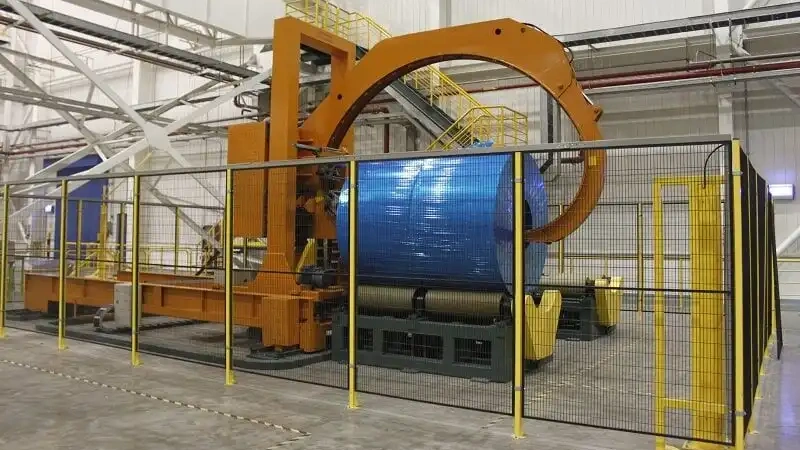
Design the Transfer and Buffer as a Controlled Interface
Coils may arrive by coil car, crane, walking beam, conveyor, or a combination of handling systems. The design needs a defined handoff: coil identity, orientation, possession/ready state, permitted position, transfer confirmation, buffer rule, and abnormal-coil route. Upstream production should not be assumed to continue through a downstream problem unless buffer capacity, routing, and recovery have been defined and tested.
Treat Load Path, Inertia, and Access as Engineering Inputs
The coil support, roller/drive path, ring or wrapping arrangement, foundation, stops, and transfer interfaces must be designed for the approved load case and site conditions. Heavy coils can make start, stop, positioning, and abnormal recovery more consequential. Do not extrapolate from a light-duty configuration or a generic product range.
Any crane or lifting interaction needs a competent, site-specific plan that considers the foreseeable load, equipment, visibility, environment, securing, proximity, and people in the area. This article cannot provide that plan or authorize a lifting operation.

Define Packaging as a Testable Sequence
The required sequence may involve weighing, strapping, edge/corner or side protection, wrapping, labeling, and release. Which elements are in scope, their order, and the manual-material boundary must be defined by the product, protection requirement, logistics route, layout, and acceptance criteria. An integrated line can include multiple functions, but no one station should be credited with unlisted work.
For every packaging claim, state the materials, product condition, applied method, inspection criteria, and validation needed. Without representative tests, phrases such as "full protection" or "high reliability" are marketing language, not engineering evidence.
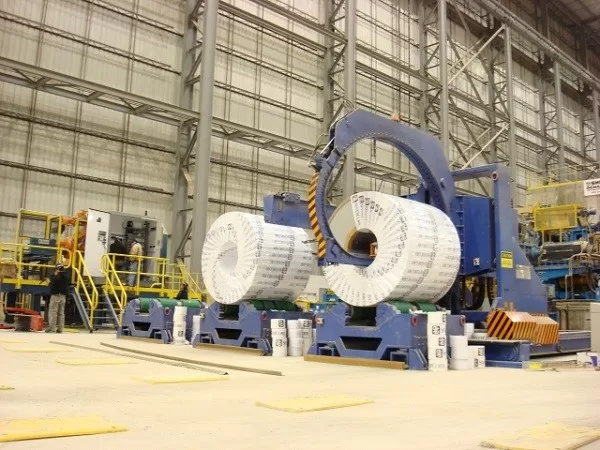
Design Availability with Safe Recovery in Mind
Continuous operation depends on more than cycle motion. Include approved material replenishment, planned maintenance, condition monitoring, critical spares policy, upstream/downstream buffer, safe bypass or alternate route where justified, alarm ownership, and a documented response to an abnormal coil. A bypass that compromises safeguarding is not a valid availability strategy.
Measure total process time with a defined boundary and record normal pauses, replenishment, changeover, intervention, stop cause, recovery, and accepted output. One quick cycle does not establish average throughput or availability.
Keep Identity, Data, and Safety Boundaries Explicit
Map coil ID, heat/batch or order data where applicable, measured weight, packaging recipe, label data, quality state, and shipment record across every system boundary. Define the source of truth, who owns corrections, and what happens when a scan, label, network, or upstream data feed is unavailable. Integration must respect both production responsibility and site OT security controls.
Safety design must cover normal production, coil transfer, material replenishment, planned maintenance, fault response, power loss, and recovery. The risk assessment, safeguarding validation, energy-control procedure, and competency requirements belong to the actual project; no web article can certify them.
Plan Installation Around Mill Reality
Installation planning must account for foundation work, access, lifting, utilities, neighboring operations, outage window, interface cutover, commissioning, training, FAT/SAT evidence, and production ramp-up. Keep the affected mill area and responsibilities visible in the schedule.
The next step is a joint mill–supplier design review using the real coil distribution, flow/layout, packaging specification, lift/transfer plan, integration boundary, risk inputs, and acceptance matrix. That is the evidence needed to turn a heavy-coil concept into a controlled project.
Visual Details
Click to enlarge
Click to enlarge

Click to enlarge

Click to enlarge
Watch How It Works
Discover how our automated packaging solutions optimize your production line efficiency. This video demonstrates the seamless operation designed for maximum protection.
Trusted by Steel Mills & Industry Leaders
Global manufacturers rely on FHOPE heavy duty packaging equipment


Ready to optimize your packaging line?
Get a custom quote with ROI analysis. Our engineers respond within 24 hours.
- Free layout design
- Global installation support
- 2-year warranty included
Your information is secure and will never be shared.
Related Machines
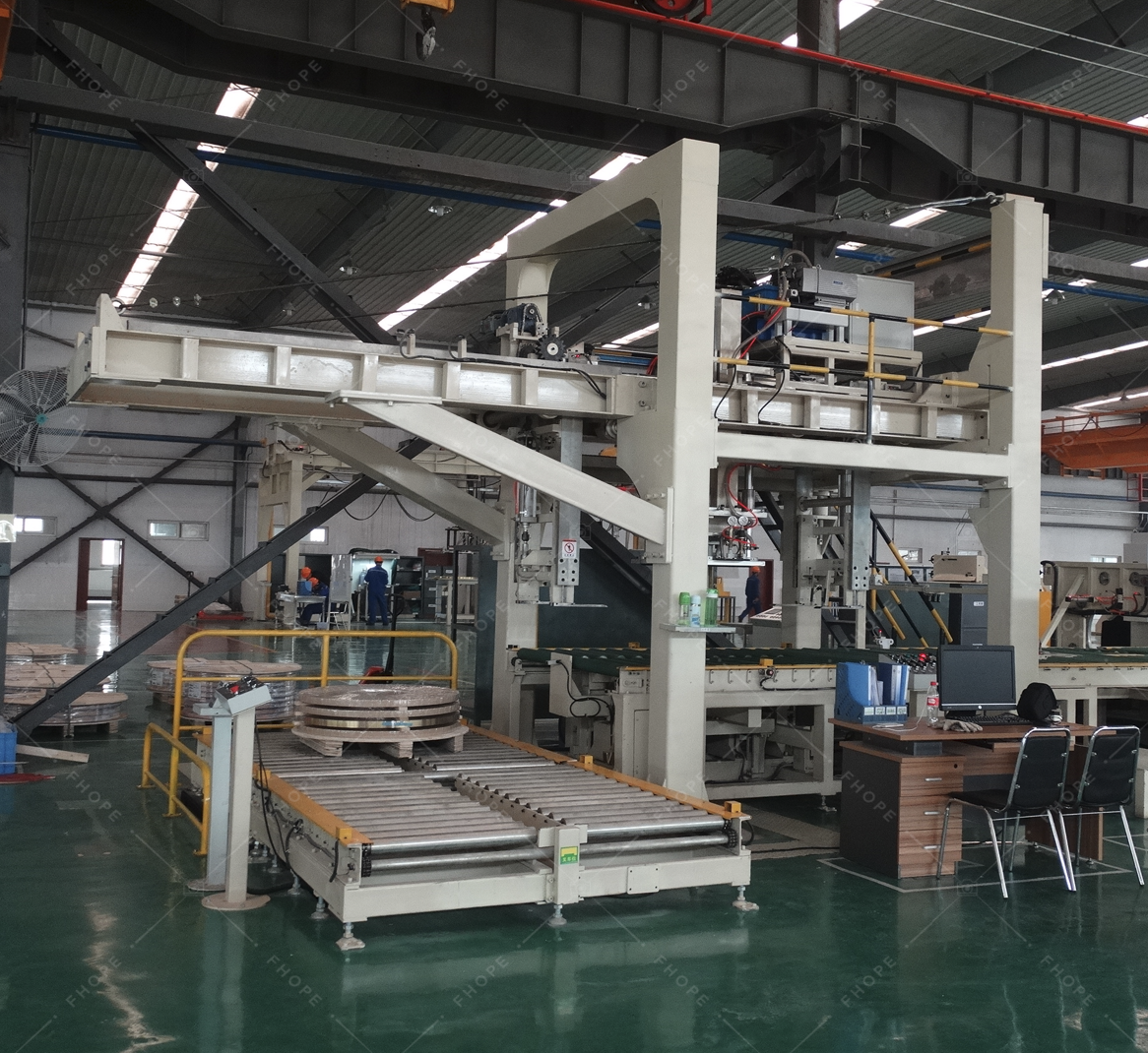
Steel Coil Packaging line
View Details →
Vertical coil packaging line
View Details →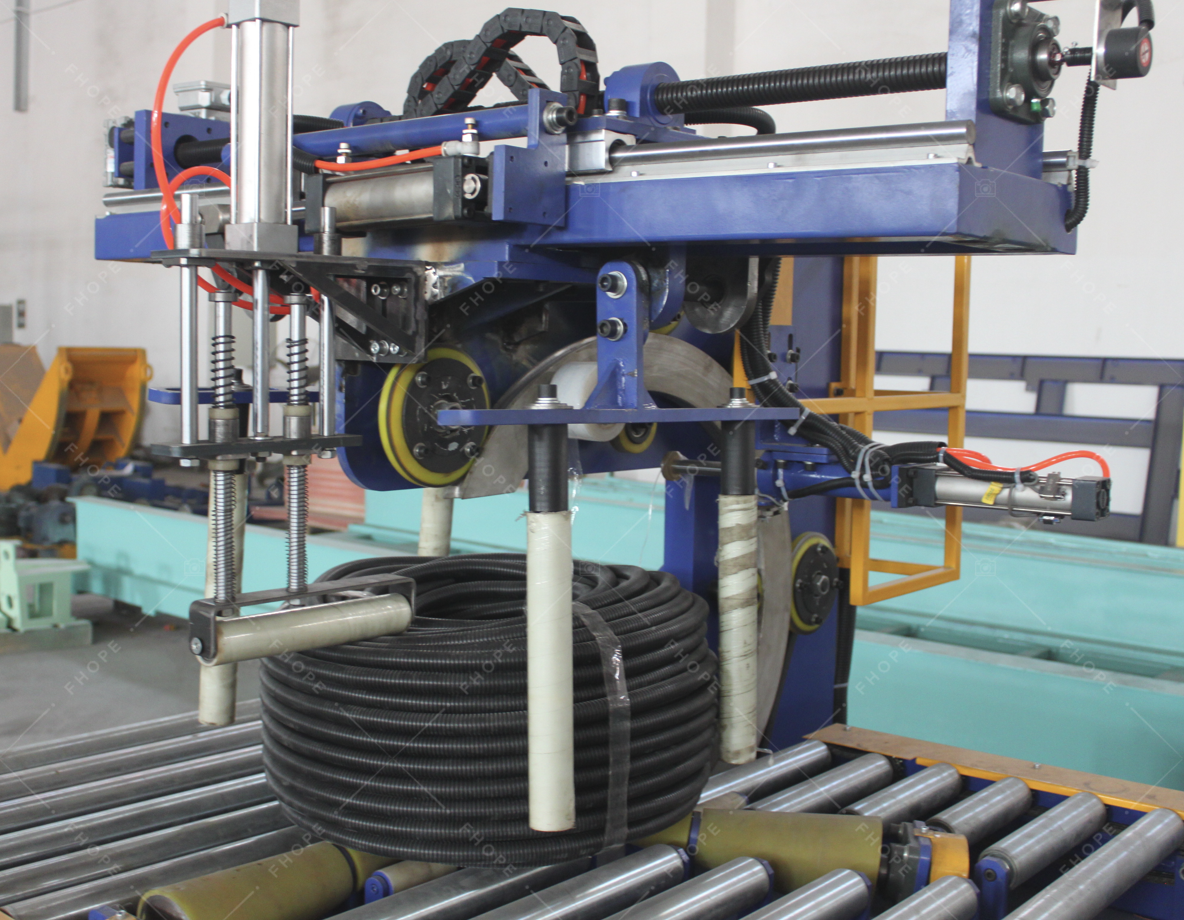
Hose Coil Packaging line
View Details →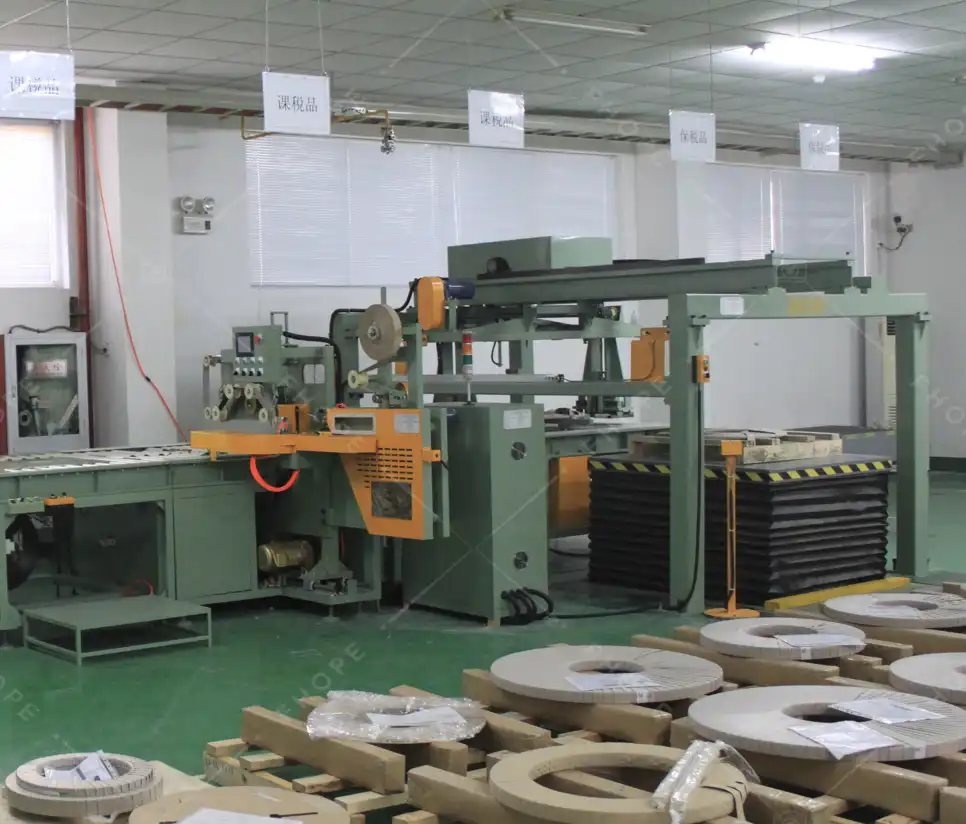
Copper Coil Packaging line
View Details →
Wire Coil Packaging line
View Details →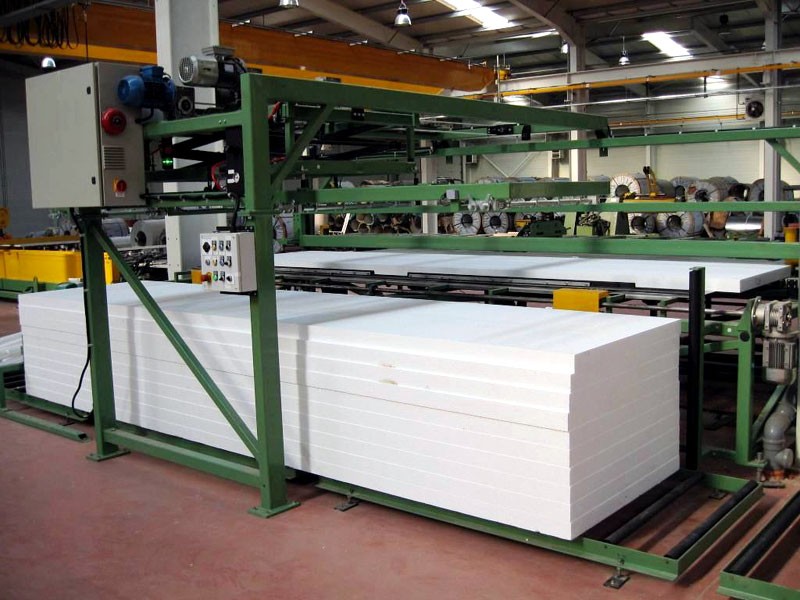
Panel Packaging line
View Details →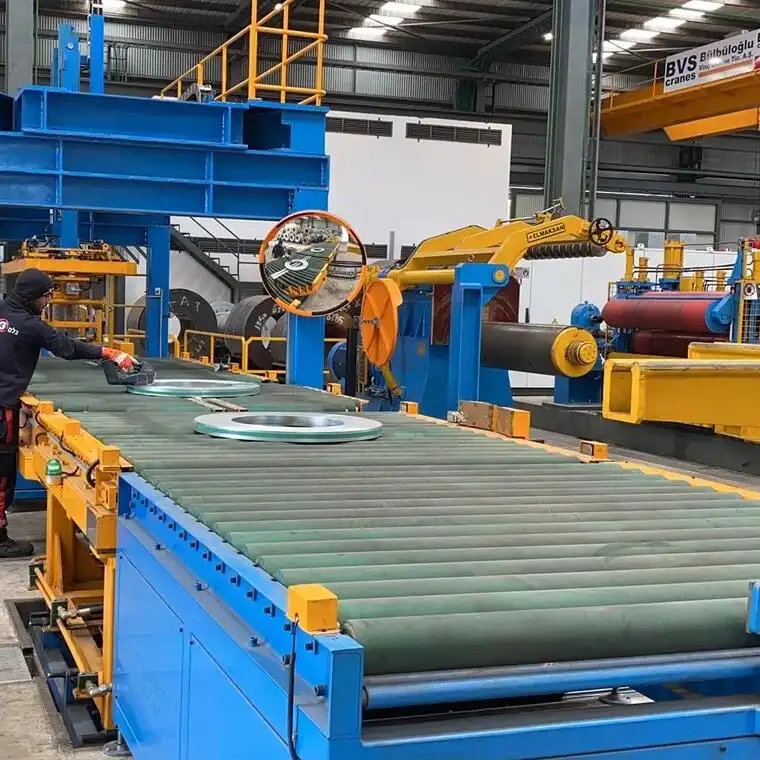
Automatic coil packaging line
View Details →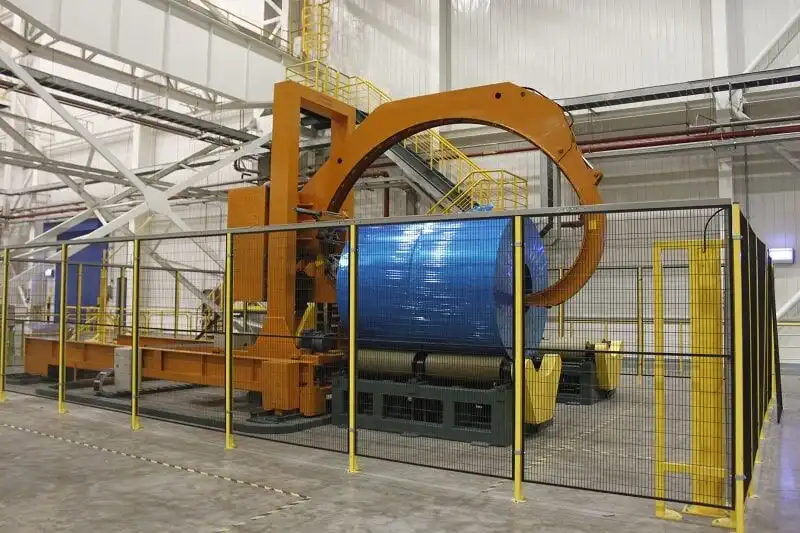
Master steel coil packing machine
View Details →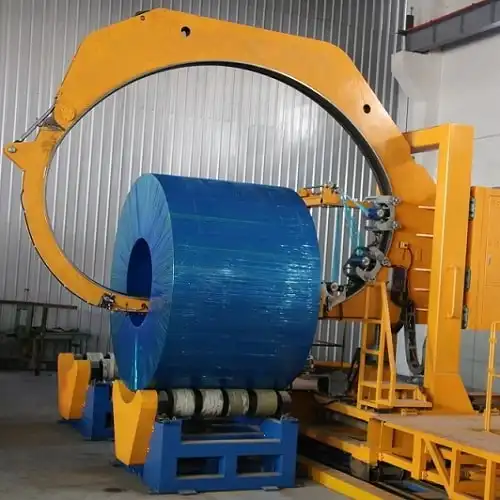
Master steel coil stretch wrapper
View Details →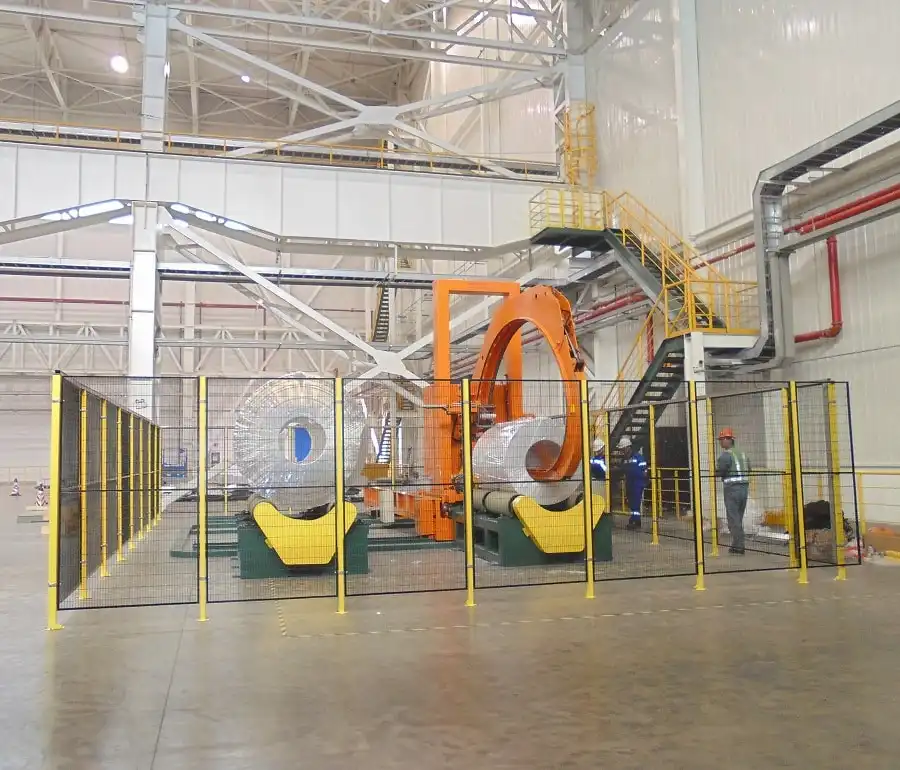
Aluminum master steel coil wrapper
View Details →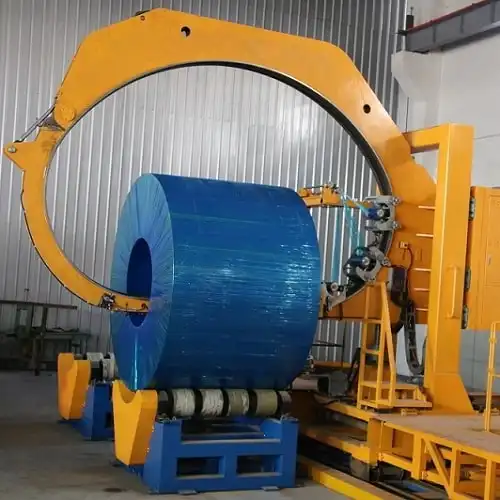
Master steel coil stretch wrapping machinery
View Details →
Slit coil handling and packaging line
View Details →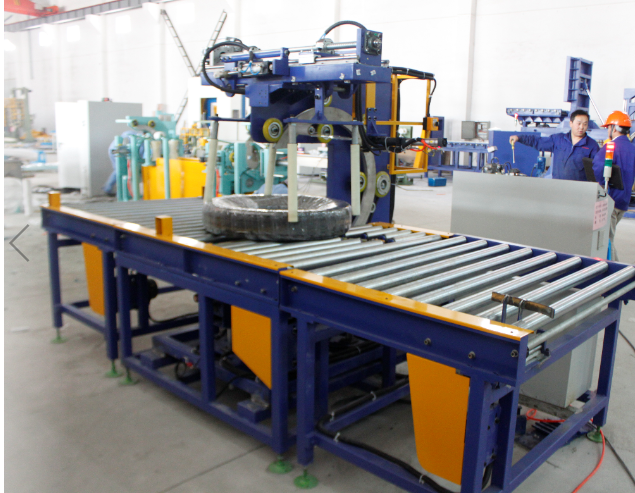
Automatic Tire Packaging Line
View Details →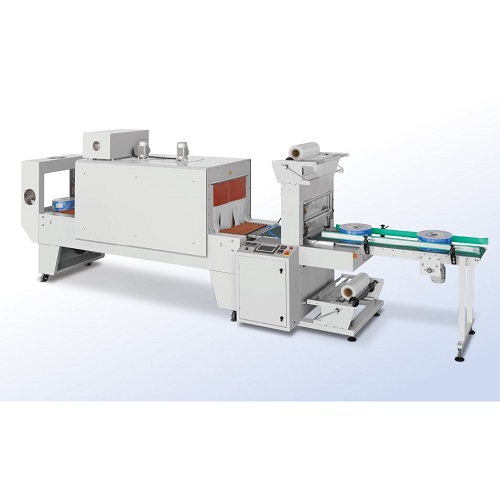
water bottle shrink packaging machine
View Details →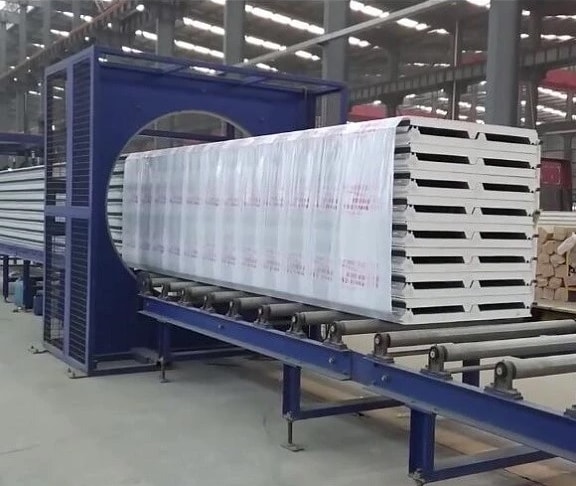
Automatic Panel Packaging line
View Details →
Automatic Panel Packaging line
View Details →
Automatic coil strapping machine in packaging line
View Details →
Automatic Wire Coil Packaging line
View Details →
Automatic Horizontal Coil Packaging line
View Details →