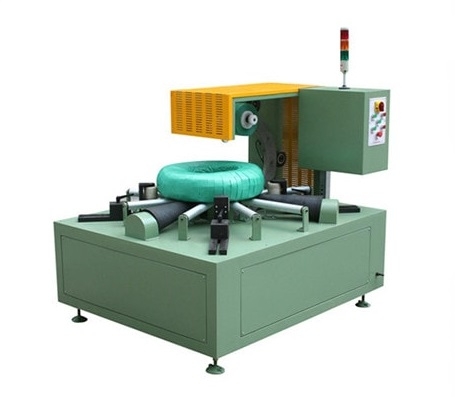
How to Choose the Best Wrapping Materials for Steel Coils
Choosing the best wrapping material for steel coils starts with the failure you need to prevent. Surface condition, moisture exposure, and transport route determine whether PE film, VCI paper, or reinforced layers are the right fit for your package.
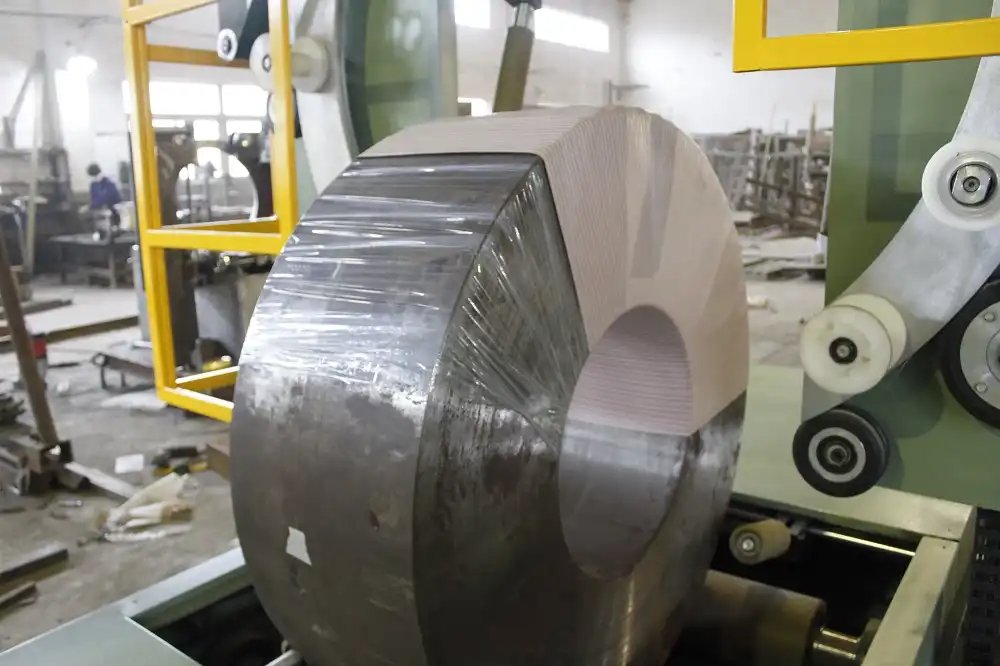
Best Wrapping Materials for Steel Coils: Film, Paper, and Protective Layers
Best Wrapping Materials for Steel Coils: Film, Paper, and Protective Layers
There is no best wrapping material in isolation. A material that runs reliably on a machine may still be the wrong choice for the coil surface, handling route, storage duration or transport exposure. Start with the failure you need to prevent, then build and validate a material system around it.
Define the Protection Job Before Naming a Material
Write down what must remain acceptable at release: surface condition, edge condition, moisture exposure, corrosion risk, package stability, identification and handling contact. Separate a basic indoor-storage package from a package intended for extended or intermodal transport. The same outer layer cannot be assumed to solve both jobs.
The internal product knowledge lists PE/LLDPE film, VCI film or paper, PVC/opaque plastics, woven or nonwoven materials, and paper as material categories used around coil-packing equipment. It does not provide a material specification, compatibility result or protection period for any one coil.
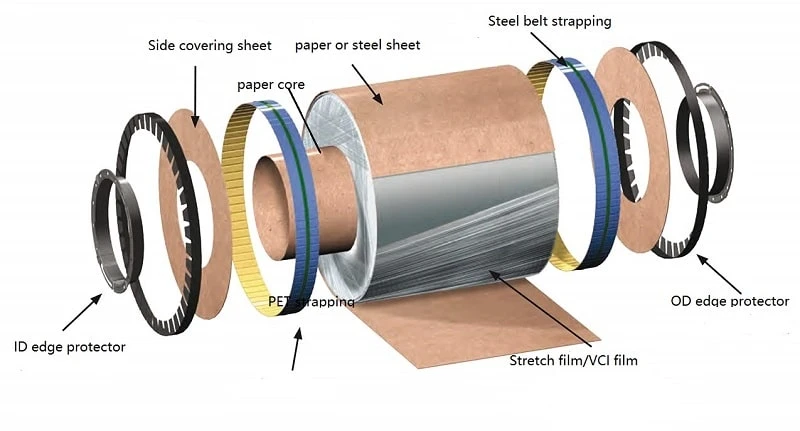
Separate Material Roles from Material Names
An inner contact or separation layer is evaluated against the surface and handling condition. A barrier layer is evaluated against the relevant environmental pathway and its measured properties. A restraint or outer layer is evaluated against the required package stability and contact risks. Edge, eye and side protection are evaluated as mechanical protection elements.
This distinction prevents a common mistake: treating stretch, PE, paper, VCI or reinforced material as a complete package description. A useful specification identifies the material, the layer role, the interfaces it covers and the limit it does not cover.
Compare Candidate Materials by Evidence, Not Adjectives
For every candidate, collect the supplier's current specification, roll dimensions and mass, relevant barrier or physical test data, storage conditions, shelf-life/handling limits and approved-use statement. ASTM F1249 is an example of a method used to determine water-vapour transmission rate through flexible barrier materials; it does not establish corrosion protection for a particular coil package.
Where corrosion protection is intended, obtain the relevant VCI supplier documentation, metal applicability, package-volume conditions, storage/transport assumptions and acceptance method. Do not convert a generic VCI category into a fixed protection-duration promise.
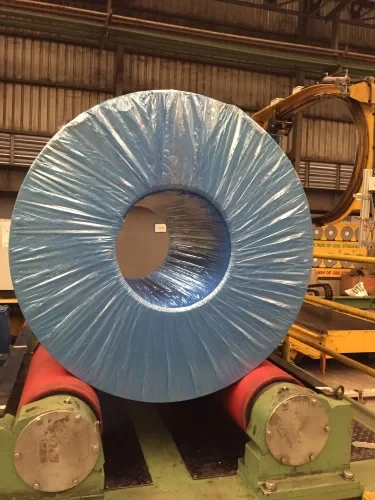
Test Machine Compatibility as a System Trial
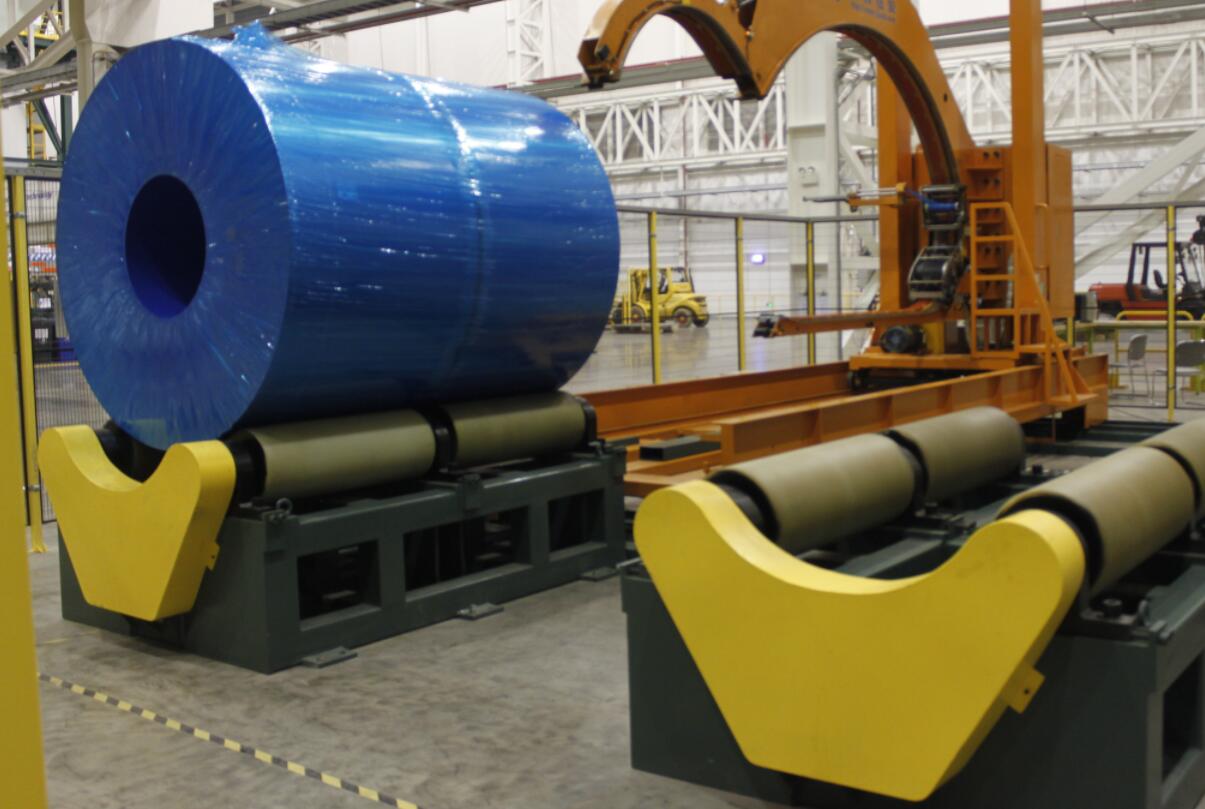
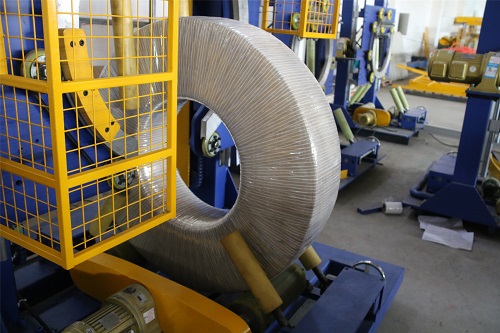
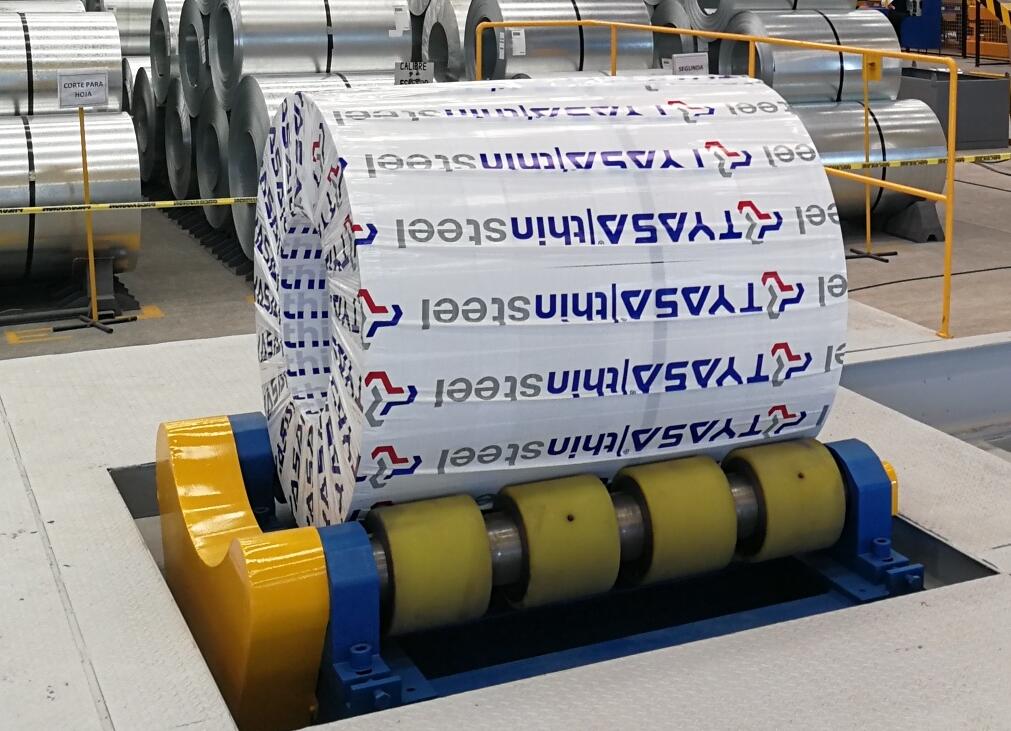
Verify roll fit, material path, tension range, friction behaviour, cutting or tail completion where relevant, edges, package appearance and repeatability on the real configuration. A material can be technically suitable yet fail at the dispenser, clamp, cutter or at a coil edge. Conversely, a machine may process a material but not deliver the required package result.
Record the coil class, material revision/batch, equipment configuration, recipe, method, acceptance criteria, observation and disposition. That record makes later substitution visible instead of letting it become an uncontrolled change.
Compare Total Packaging Impact Without Inventing Cost Savings
Compare quoted material cost, measured use per coil, setup loss, waste, labour for added layers, throughput effect and the risk/cost of a failed package. Do not select the lowest unit price before the package has passed the conditions it must survive.
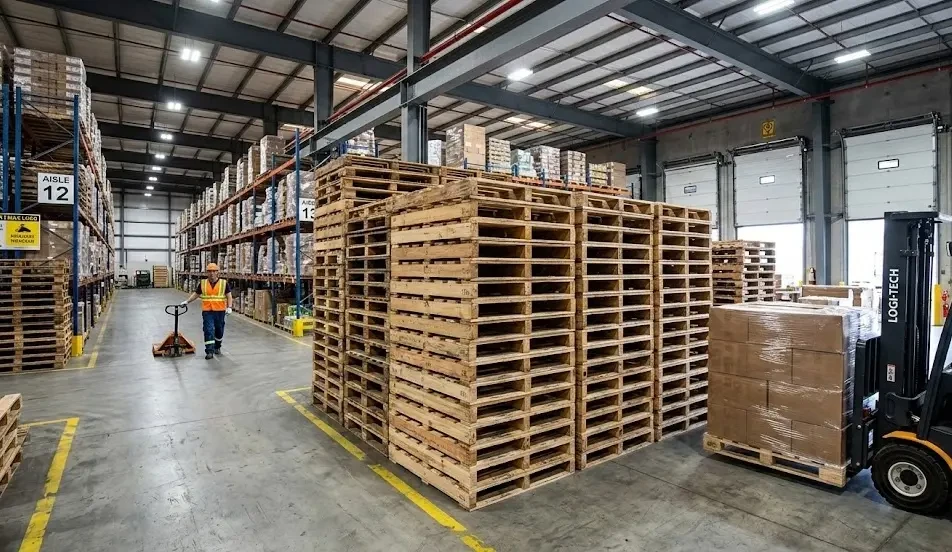
Approve a Material for a Stated Use
Release a material only for the product, machine revision, package design and logistics conditions actually tested. The practical next step is a material-trial report that allows engineering, quality and procurement to approve, reject or limit each candidate with the evidence visible.
Visual Details
Click to enlarge
Click to enlarge

Click to enlarge
Click to enlarge
Watch How It Works
Discover how our automated packaging solutions optimize your production line efficiency. This video demonstrates the seamless operation designed for maximum protection.
Trusted by Steel Mills & Industry Leaders
Global manufacturers rely on FHOPE heavy duty packaging equipment


Ready to optimize your packaging line?
Get a custom quote with ROI analysis. Our engineers respond within 24 hours.
- Free layout design
- Global installation support
- 2-year warranty included
Your information is secure and will never be shared.
Related Machines
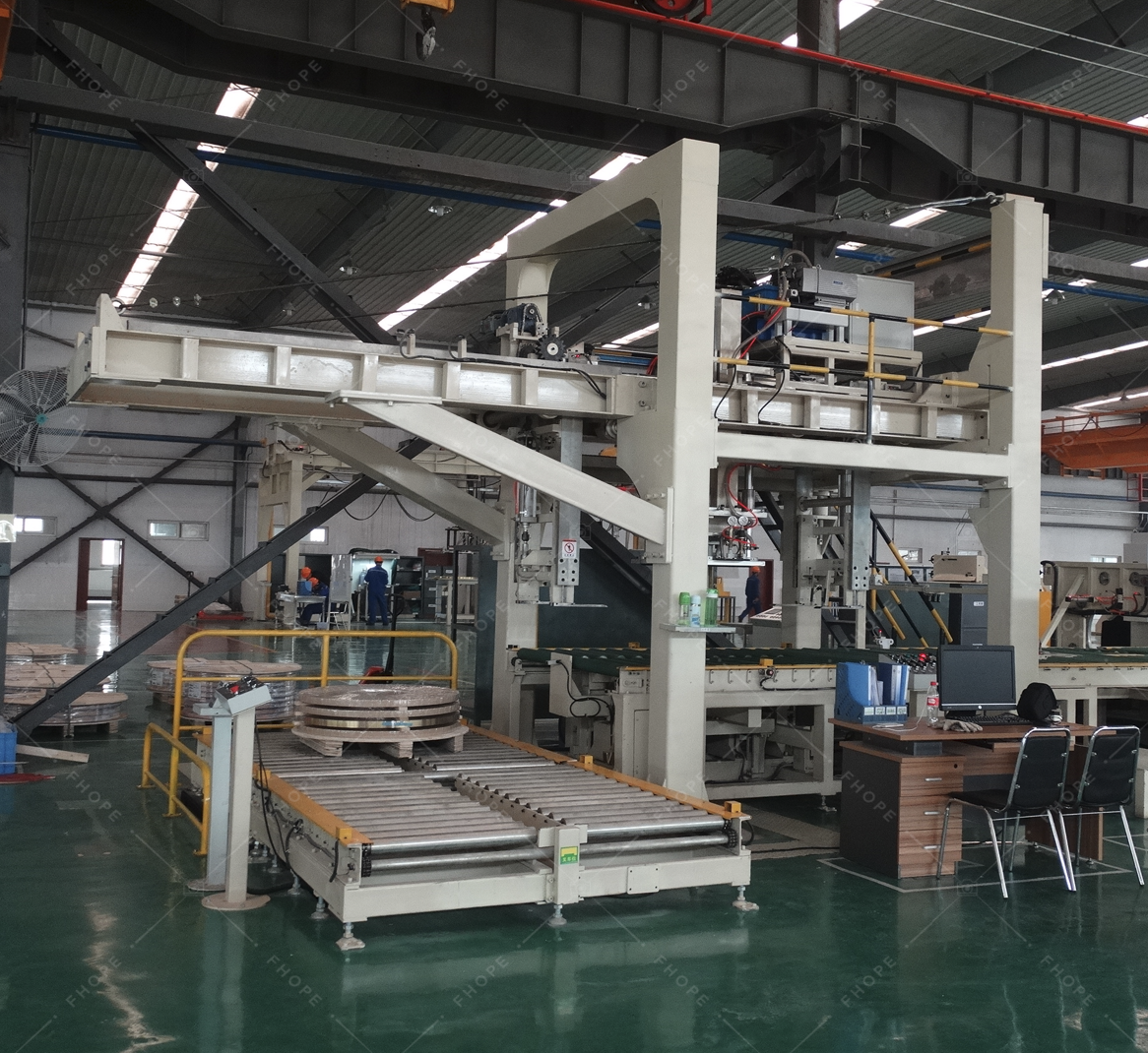
Steel Coil Packaging line
View Details →
Vertical coil packaging line
View Details →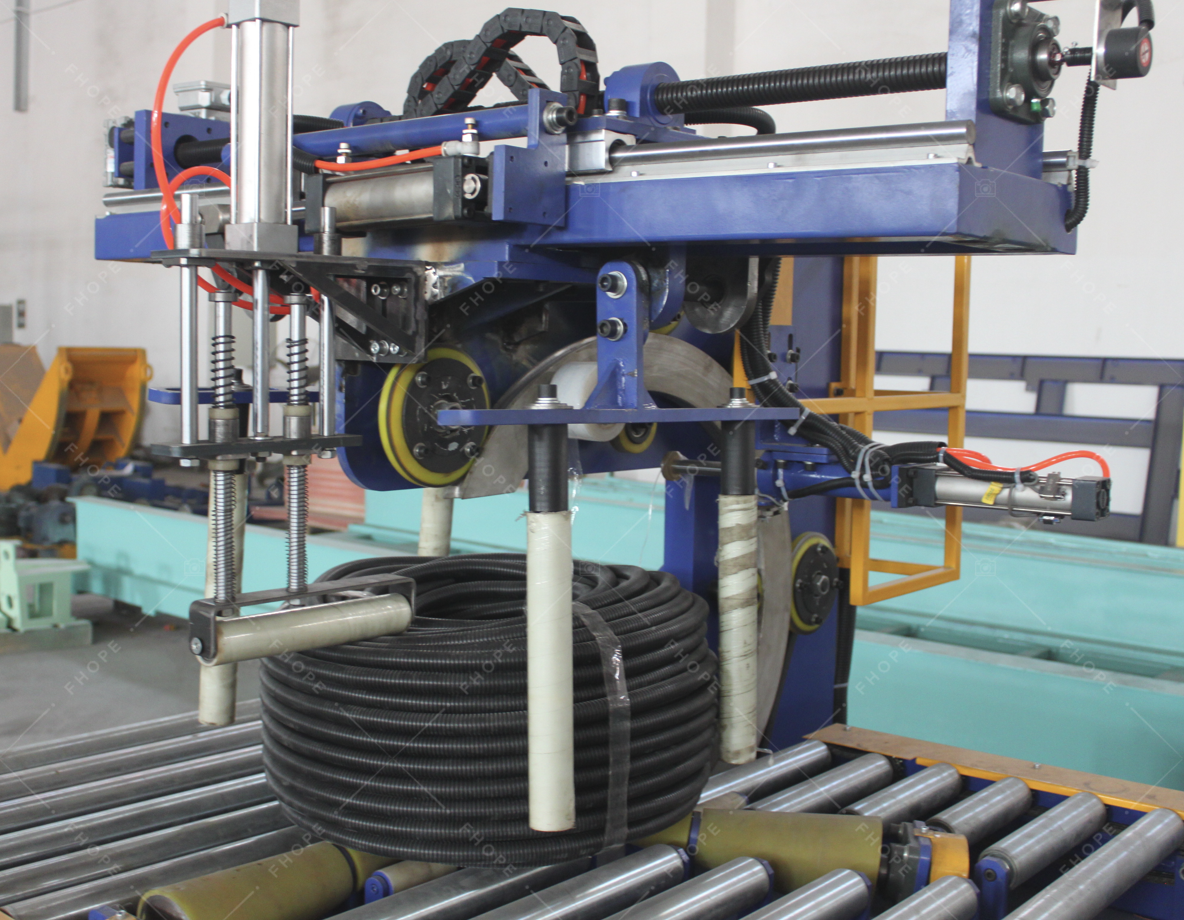
Hose Coil Packaging line
View Details →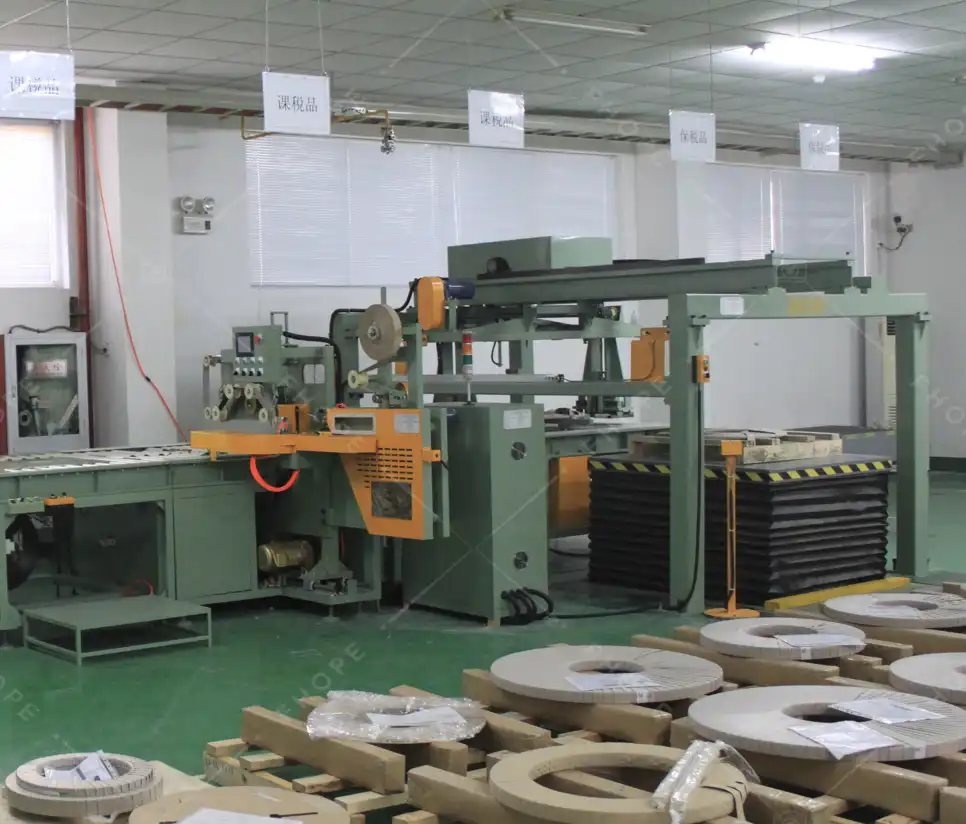
Copper Coil Packaging line
View Details →
Wire Coil Packaging line
View Details →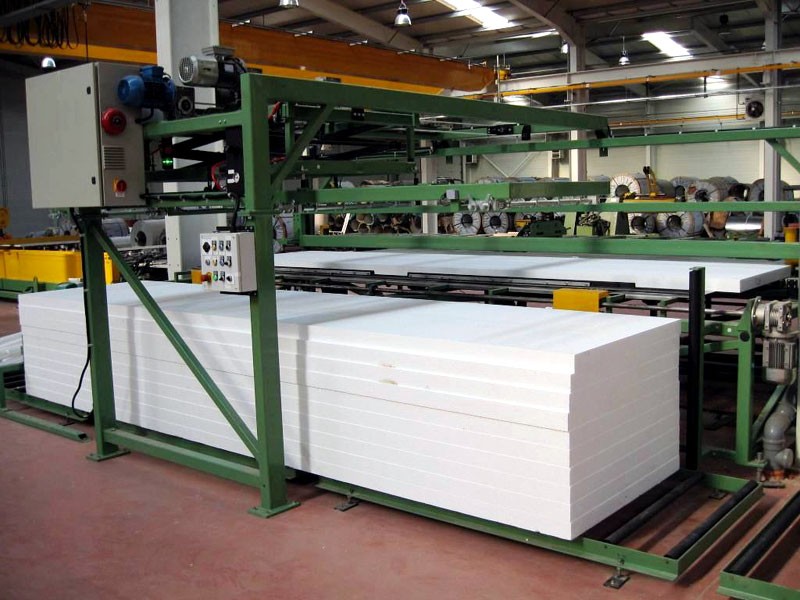
Panel Packaging line
View Details →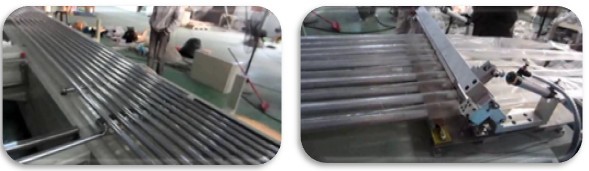
Pipe Bagging Machine
View Details →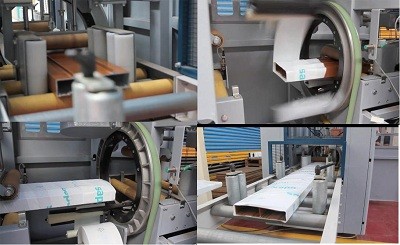
Aluminum profile packing line
View Details →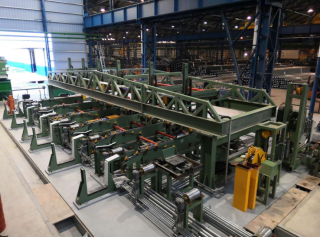
FHOPE Automatic pipe tube bundling&strapping line
View Details →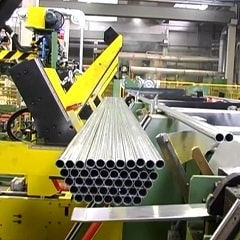
Automatic pipe tube bundling & strapping line
View Details →
Automatic steel tube strapping machine
View Details →
FHOPE Automatic steel tube packing machine
View Details →
Automatic plastic Pipe strapping packing line
View Details →
Automatic PPR/PVC Pipe bagging line
View Details →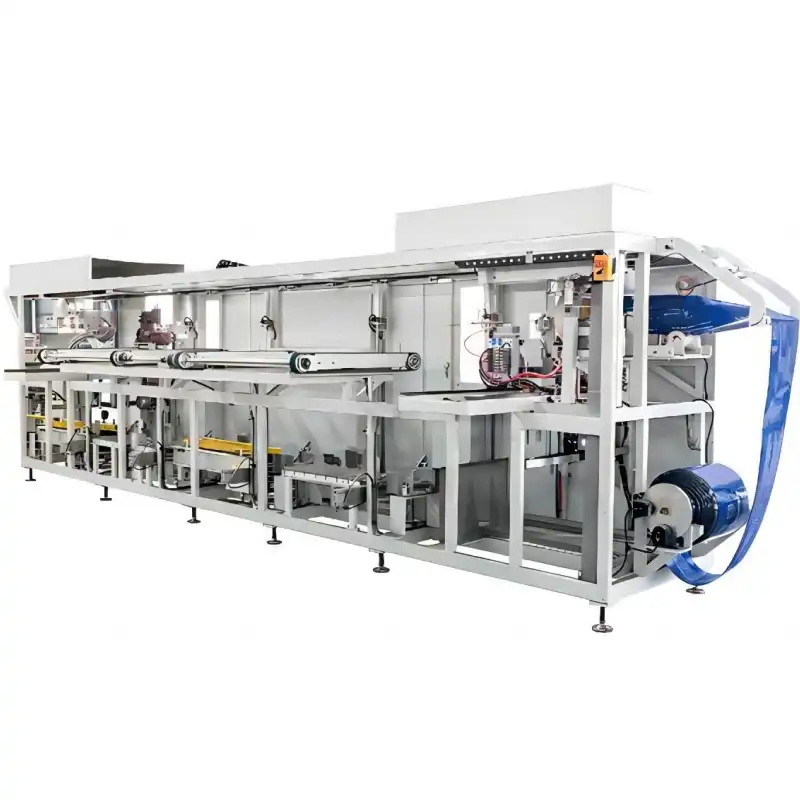
Platsic pipe bag packing machine
View Details →
Tyre Packing Machine FPT-200
View Details →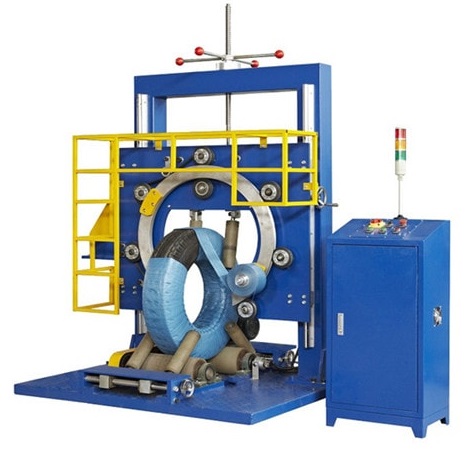
Tyre Packing Machine FPT-300
View Details →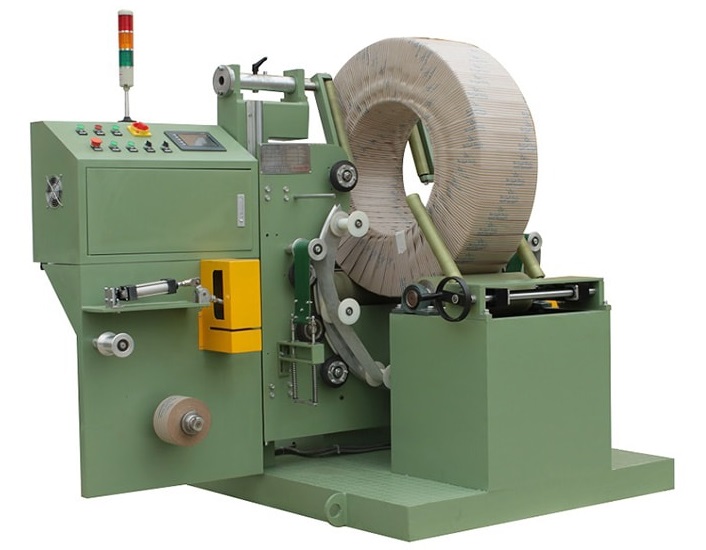
Tyre Packing Machine FPT-400
View Details →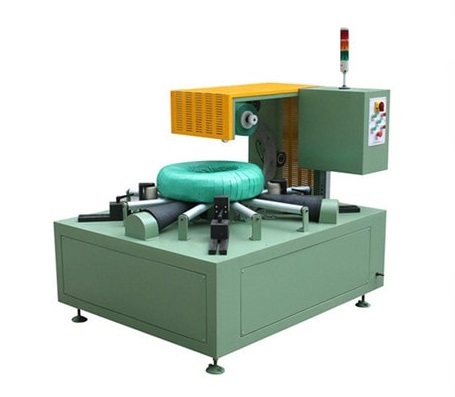
Cable Coil Packing Machine-FPCA100
View Details →