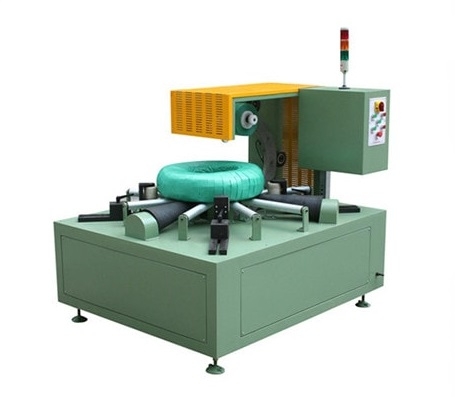
How to Select a Steel Coil Wrapping Machine Based on Factory Requirements
Choosing a steel coil wrapping machine starts with understanding your factory process, not comparing models. Learn how coil range, handling routes, packaging goals, cycle definition, and acceptance methods help engineers build a reliable equipment specification.
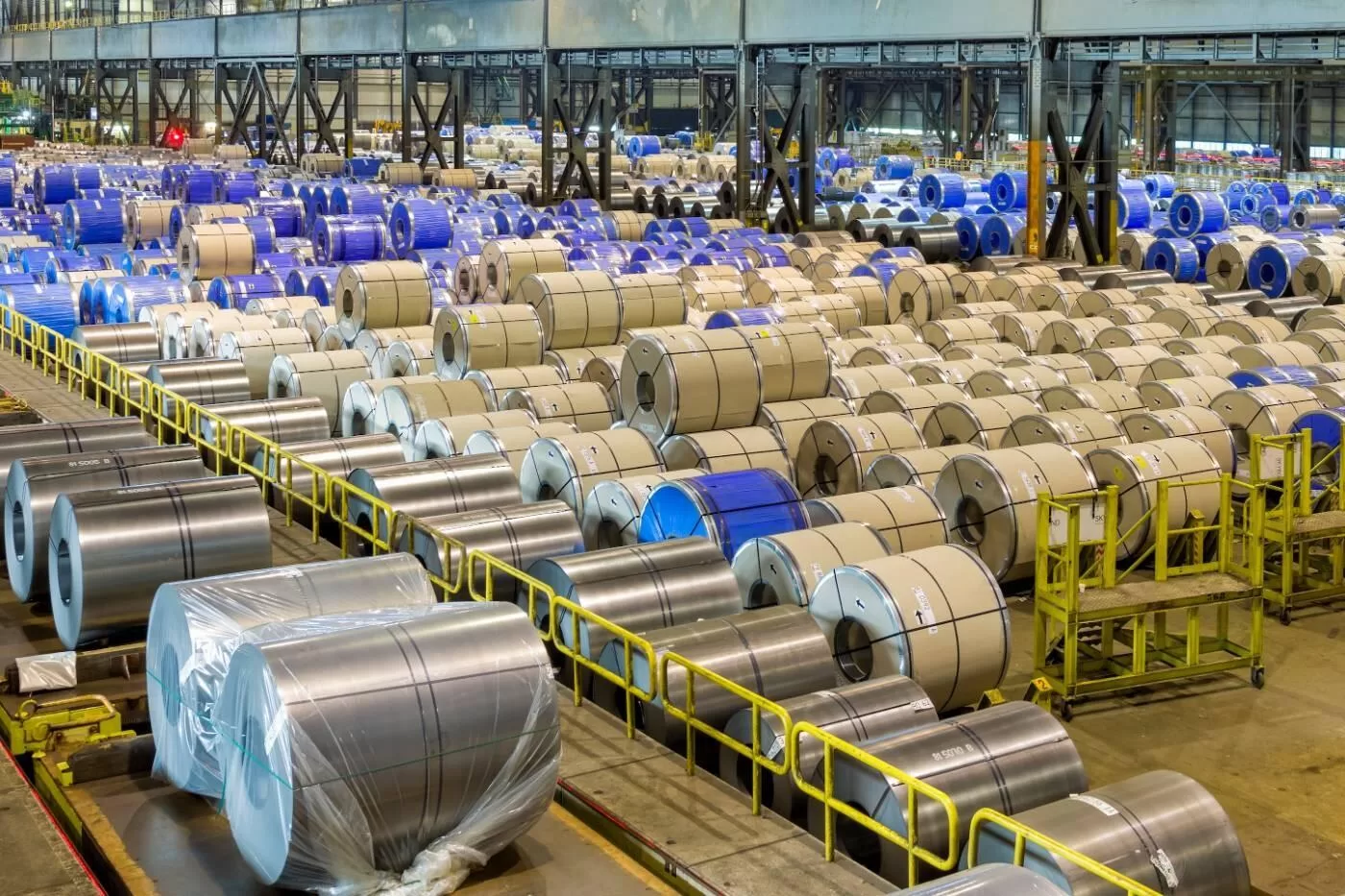
How to Choose the Right Steel Coil Wrapping Machine for Your Factory
How to Choose the Right Steel Coil Wrapping Machine for Your Factory
The right steel coil wrapping machine is the one that fits the factory's coil population, handling route, packaging specification, production rhythm, and ability to operate and maintain the system—not the one with the longest feature list. Start with the actual process, then use a representative trial and a documented scope to validate the configuration.

Start with the Factory's Decision, Not a Model Name
The names coil packing machine, coil wrapping machine, and coil packaging machine may describe the same general equipment family. They do not tell you whether a particular station will accept the coil, fit the layout, meet the packaging requirement, or integrate with the next step. Treat the name as a search term, then work through the factory conditions.
1. Describe the Coil Population—Not a Single Sample
List minimum, typical, and maximum ID, OD, width, weight, orientation, surface condition, and product-mix frequency. The typical coil matters: a machine may theoretically accommodate an extreme case but be awkward for the work that happens every day. Record unusual or damaged coils and decide whether they belong in the same route or need a separate controlled path.
2. Map Loading, Unloading, and Ownership
How does the coil arrive: crane, trolley, conveyor, forklift interface, or upstream line? Where does it wait? Who confirms its position? How does it leave when wrapping is complete? These questions determine the real work around the wrapper, including space, safe access, operator movement, and the true cycle boundary.
3. Define the Package Before Choosing Materials or Options
State what the package needs to achieve in observable terms: the areas to cover, approved material, restraint or identification requirements, transport/storage context, and inspection method. Do not turn a material name into an unsupported performance promise. Material suitability and package acceptance need a specification and a representative trial.
4. Measure the Complete Cycle, Not Just Wrapping Movement
Capacity planning must include loading, positioning, material preparation, wrapping, finishing, inspection, unloading, changeover, and realistic interruptions. Ask for a trial using representative coils and record the start/stop definition, repetitions, material, settings, and exceptions. A catalogue speed alone cannot prove factory output.
5. Review the Factory Around the Machine
Check footprint, service access, utilities, floor/foundation assumptions, operator routes, safeguarding responsibilities, maintenance access, storage buffers, and future coil variations. A configuration that fits on a drawing but makes film changes, inspection, or recovery difficult is not yet a finished factory solution.

Choose the Automation Boundary Deliberately
A standalone wrapper can be appropriate when coils arrive in the required orientation and the controlled manual handoffs are acceptable. An assisted station may add handling or material functions where they remove a known difficulty. An integrated line is justified when the interfaces, product variants, controls, and exception paths are defined well enough to test together.
Do not let "automatic" hide the remaining work. For each configuration, identify who loads the coil, changes material, confirms the recipe, inspects the package, resolves a fault, and releases the coil. This is often more useful than comparing option lists.

Compare Proposals with One Evidence Table
| Requirement | Ask Each Supplier to State | Evidence to Request |
|---|---|---|
| Coil and loading envelope | Included range, orientation, handling route, exclusions | Current drawing/data sheet and engineering review |
| Packaging result | Material, coverage, finish, inspection boundary | Representative trial and agreed acceptance method |
| Complete cycle | Start/stop point, included handling, changeover and delays | Repeated timed record with conditions |
| Layout and interfaces | Footprint, utilities, safeguards, upstream/downstream ownership | Layout and interface-responsibility map |
| Acceptance | FAT/SAT sample, criteria, deviations, closure | Approved protocol and records |
Know When to Pause the Purchase Decision
Pause if the coil range is incomplete, the handling path is still changing, the package requirement is undefined, the final outfeed is unknown, or the proposal omits its acceptance method. The useful next step is then a layout review or sample trial—not a faster quotation.
Your Practical Next Step
Prepare one factory input pack: coil distribution, current handling video or layout, packaging specification, target output with a defined timing boundary, utilities, space constraints, and the acceptance question that matters most. Ask suppliers to respond against the same data pack and to identify all exclusions. This creates a fair comparison and a testable decision.
Visual Details
Click to enlarge
Click to enlarge
Click to enlarge
Click to enlarge
Watch How It Works
Discover how our automated packaging solutions optimize your production line efficiency. This video demonstrates the seamless operation designed for maximum protection.
Trusted by Steel Mills & Industry Leaders
Global manufacturers rely on FHOPE heavy duty packaging equipment


Ready to optimize your packaging line?
Get a custom quote with ROI analysis. Our engineers respond within 24 hours.
- Free layout design
- Global installation support
- 2-year warranty included
Your information is secure and will never be shared.
Related Machines
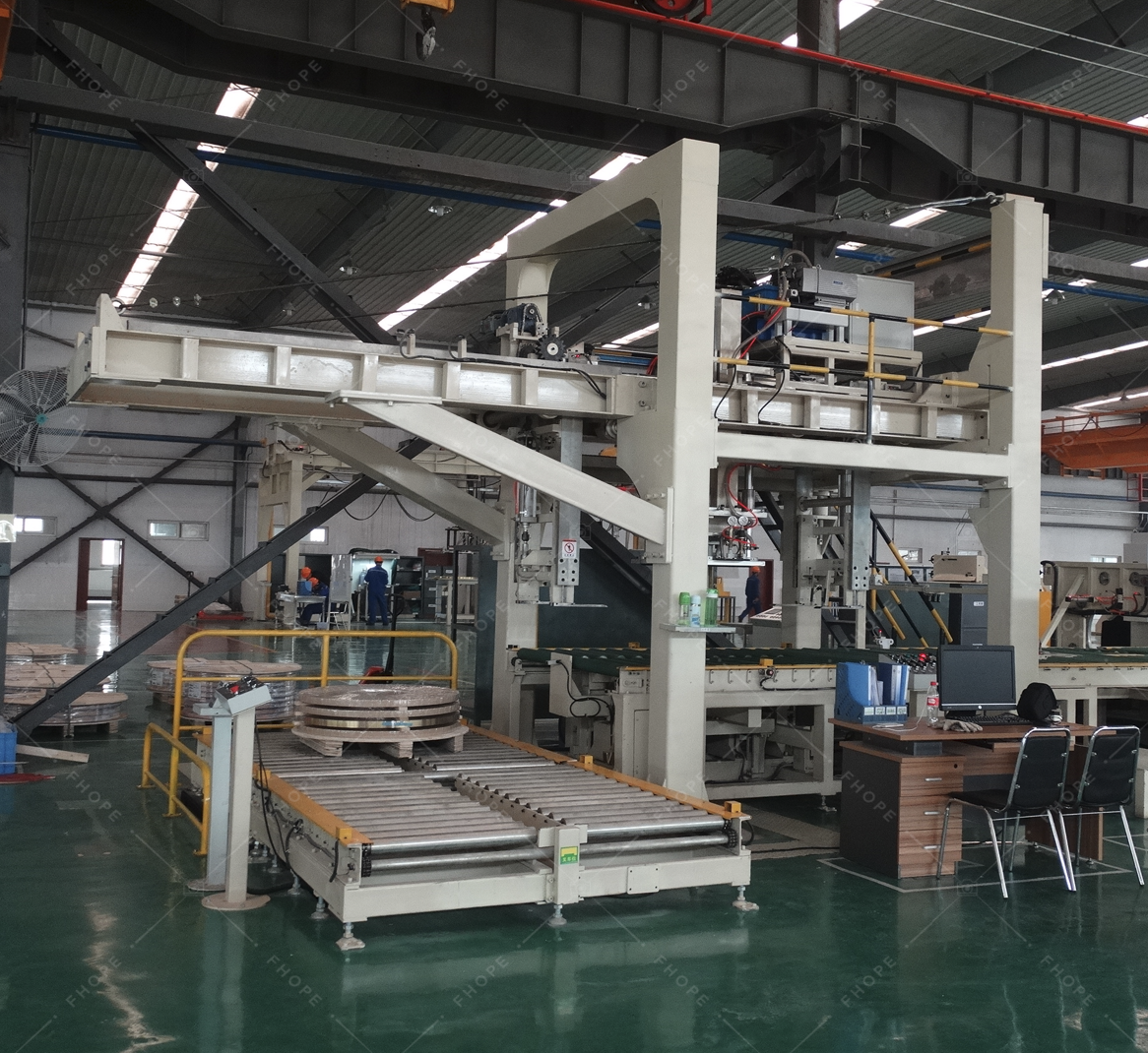
Steel Coil Packaging line
View Details →
Vertical coil packaging line
View Details →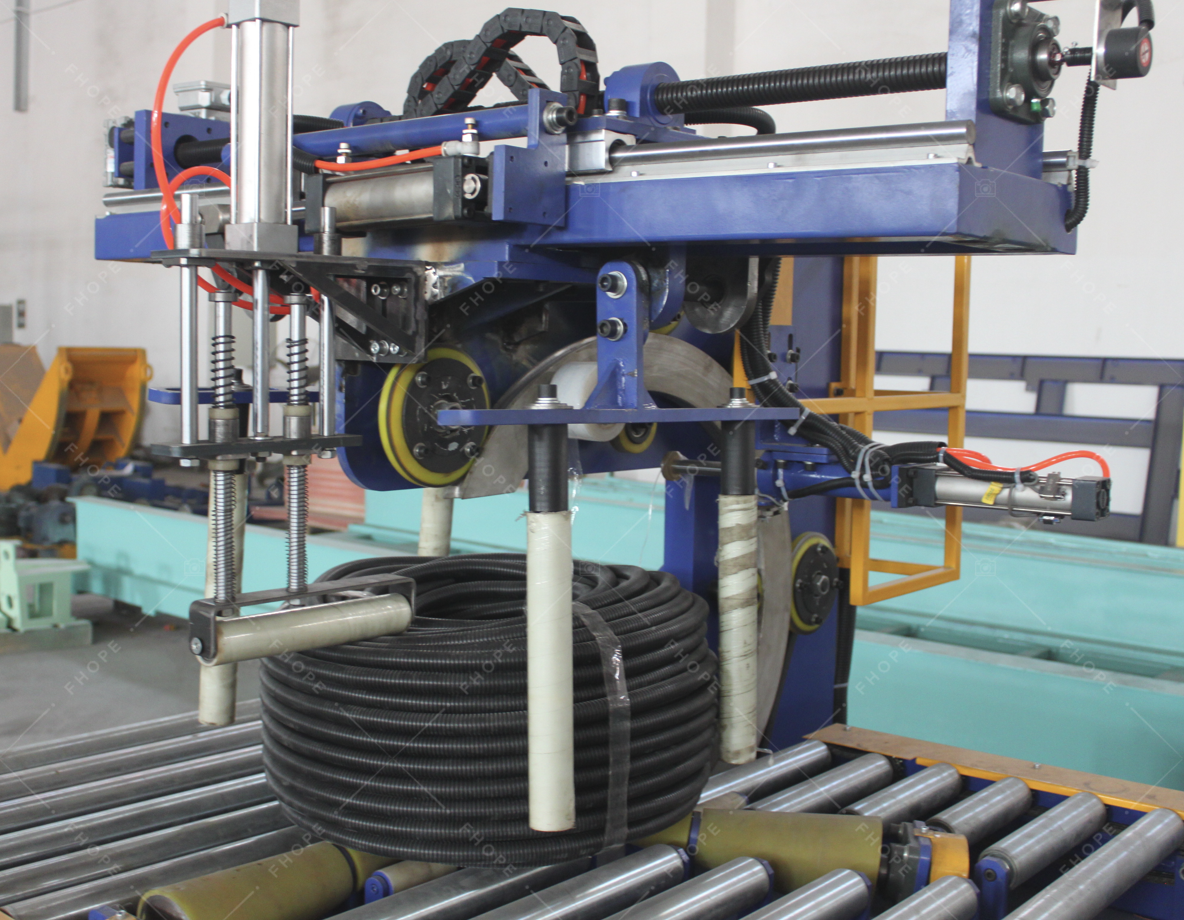
Hose Coil Packaging line
View Details →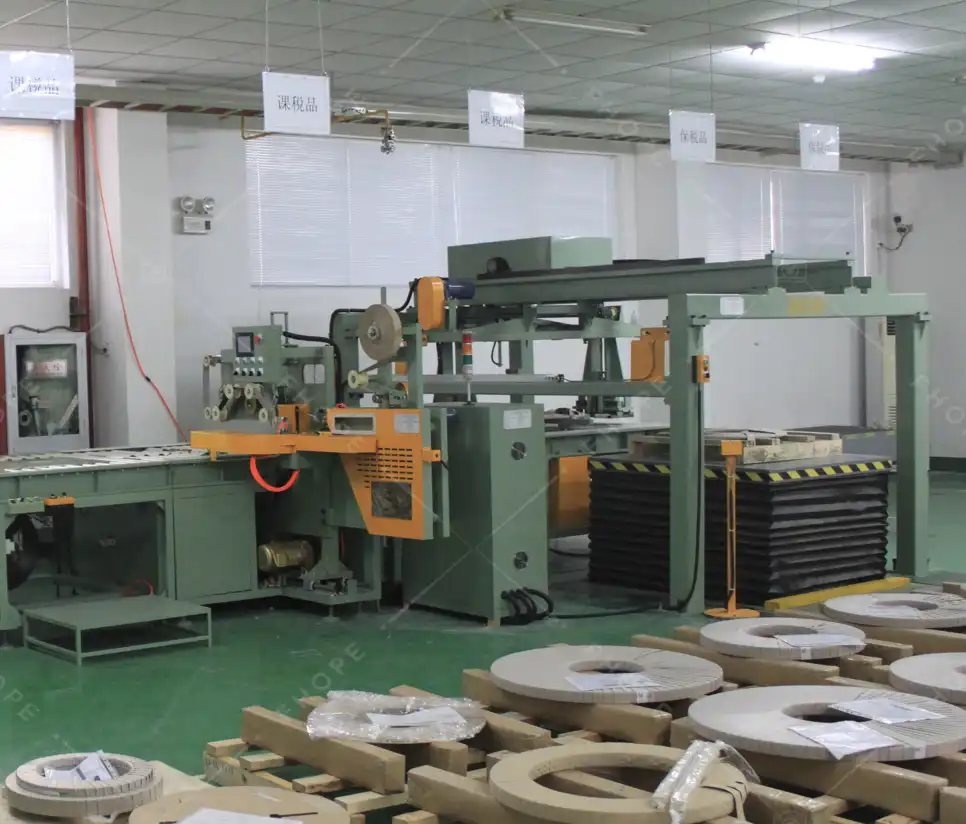
Copper Coil Packaging line
View Details →
Wire Coil Packaging line
View Details →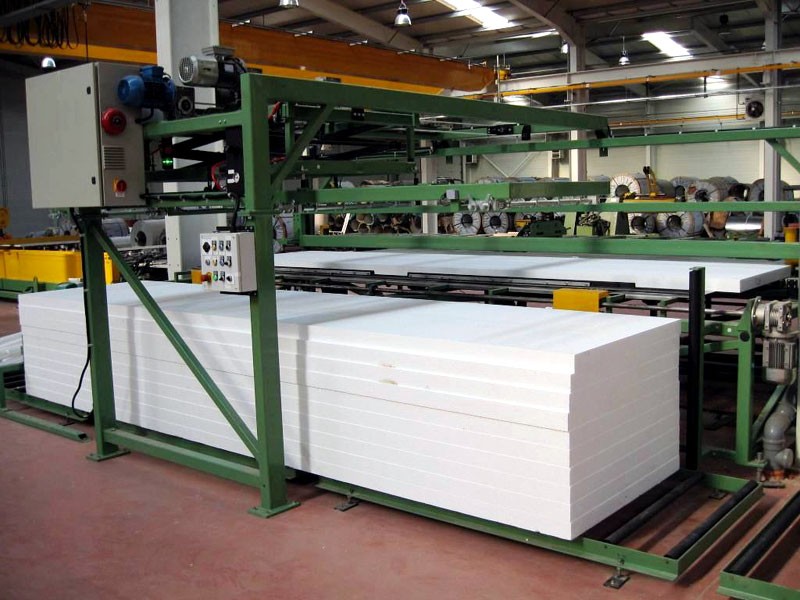
Panel Packaging line
View Details →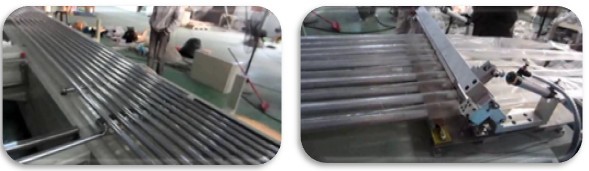
Pipe Bagging Machine
View Details →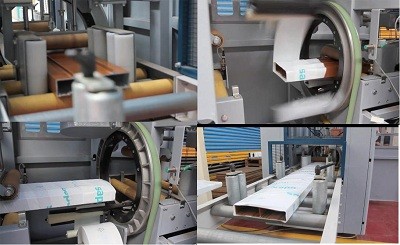
Aluminum profile packing line
View Details →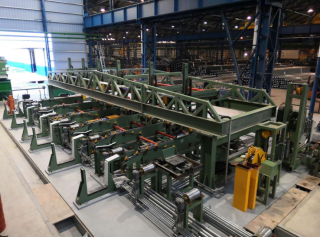
FHOPE Automatic pipe tube bundling&strapping line
View Details →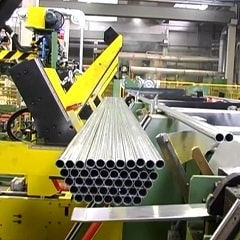
Automatic pipe tube bundling & strapping line
View Details →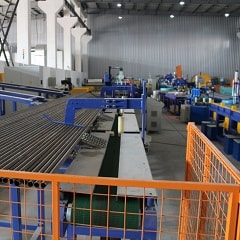
Automatic steel tube strapping machine
View Details →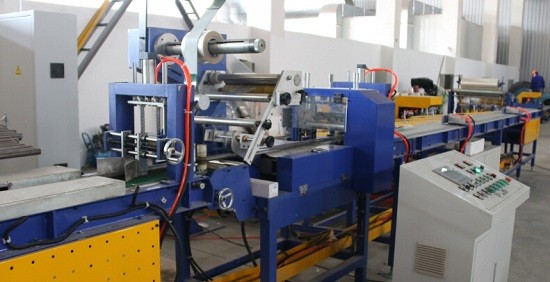
FHOPE Automatic steel tube packing machine
View Details →
Automatic plastic Pipe strapping packing line
View Details →
Automatic PPR/PVC Pipe bagging line
View Details →
Platsic pipe bag packing machine
View Details →
Tyre Packing Machine FPT-200
View Details →
Tyre Packing Machine FPT-300
View Details →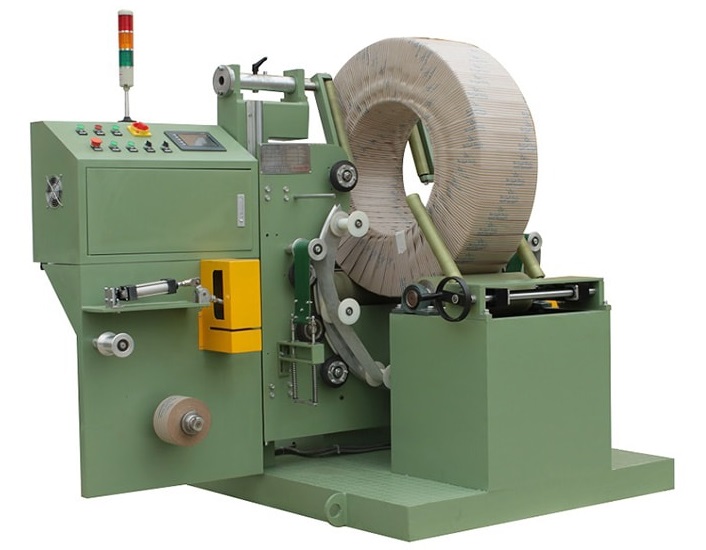
Tyre Packing Machine FPT-400
View Details →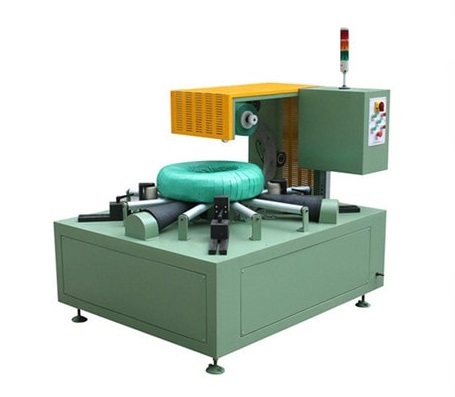
Cable Coil Packing Machine-FPCA100
View Details →