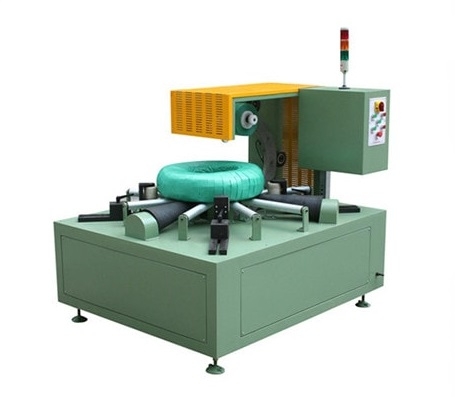
Steel Coil Wrapping Machine Capacity Verification: Speed, Cycle Time, and Performance Evaluation
Factors affecting steel coil packaging capacity include wrapping speed, cycle definition, product conditions, and testing methods. This guide explains how to evaluate machine performance, compare supplier claims, and establish measurable standards for production acceptance.

Wrapping Speed and Cycle Time: A Verification Guide for Steel Coil Packaging
Wrapping Speed and Cycle Time: A Verification Guide for Steel Coil Packaging
When a proposal says "coils per hour," the useful response is not "is that fast?" It is "where does the clock start, where does it stop, what coil and package passed, and what did the test exclude?" Ring speed, coil rotation, wrapping time, complete-cycle time, and accepted output are related but not interchangeable.
Start with the Completed Coil, Not the Moving Ring
For capacity planning, define a cycle as a specific journey from an accepted entry condition to an accepted release condition. State whether the boundary includes positioning, material preparation, wrapping, tail completion, inspection, discharge, changeover, and waiting. Put exclusions beside the claim, not in a later footnote.
That definition gives production, engineering and procurement the same object to compare. It also prevents a motion-time figure from being treated as line output.
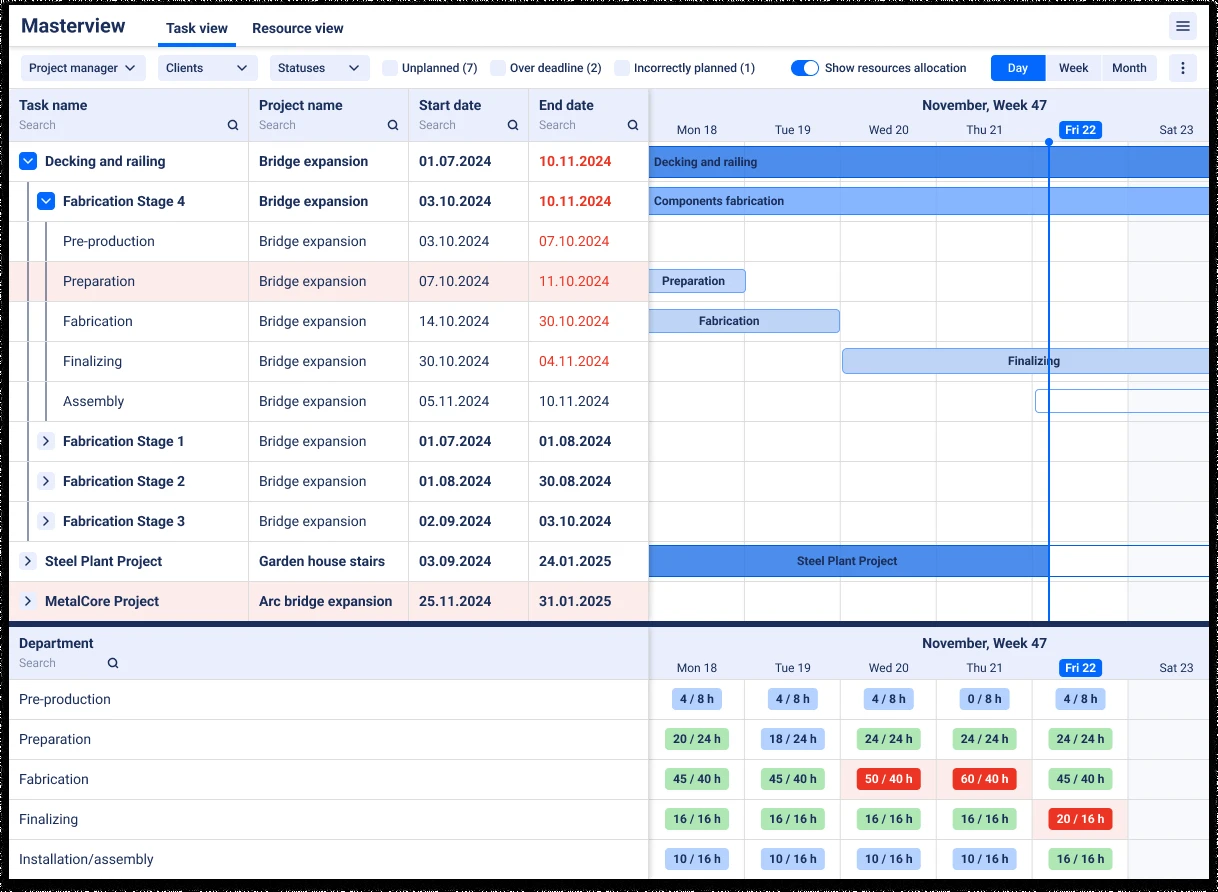
Use a Timing Model That Can Be Challenged
The planning relationship is simple: complete cycle equals the named activities required to make one accepted coil available to the next process. It is a model, not a result. Each activity needs a stated observation method, product class, and treatment of planned or unplanned delay.
For example, a test record should distinguish a normal transfer delay from a material break or a downstream block. If the product mix includes coils that require a different orientation, package, or inspection, report them as separate classes rather than averaging away the difficult work.
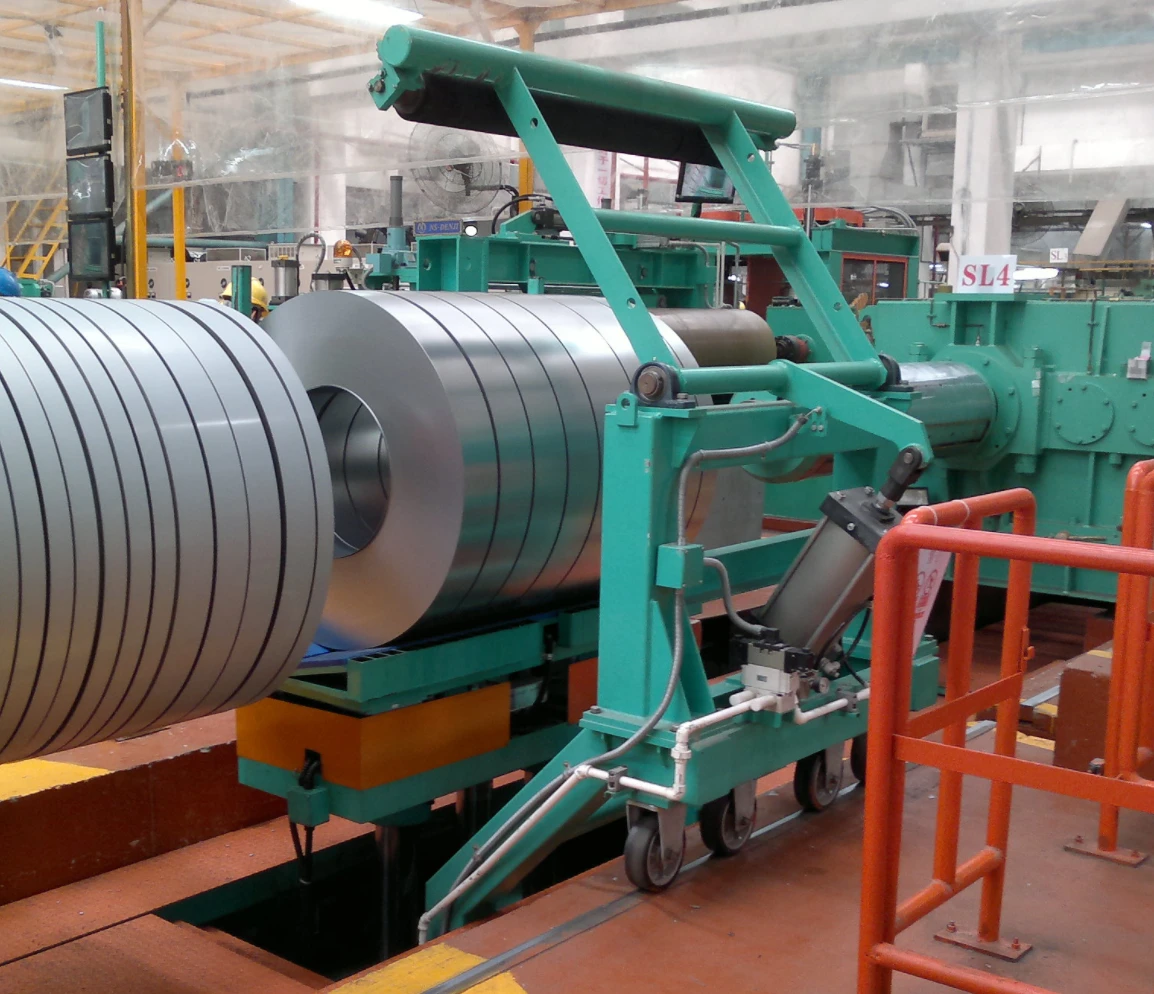
Test the Same Question at FAT and SAT
FAT and SAT answer different questions. FAT may demonstrate the agreed equipment sequence under factory conditions. SAT evaluates the installed boundary: site utilities, layout, upstream/downstream interfaces, operators and actual operating constraints. A good protocol names the coil, material, configuration, recipe revision, cycle boundary, repetitions or run duration, quality acceptance, interruption codes, witnesses and deviation closure.
Neither stage should be used to infer an untested product mix or availability result.
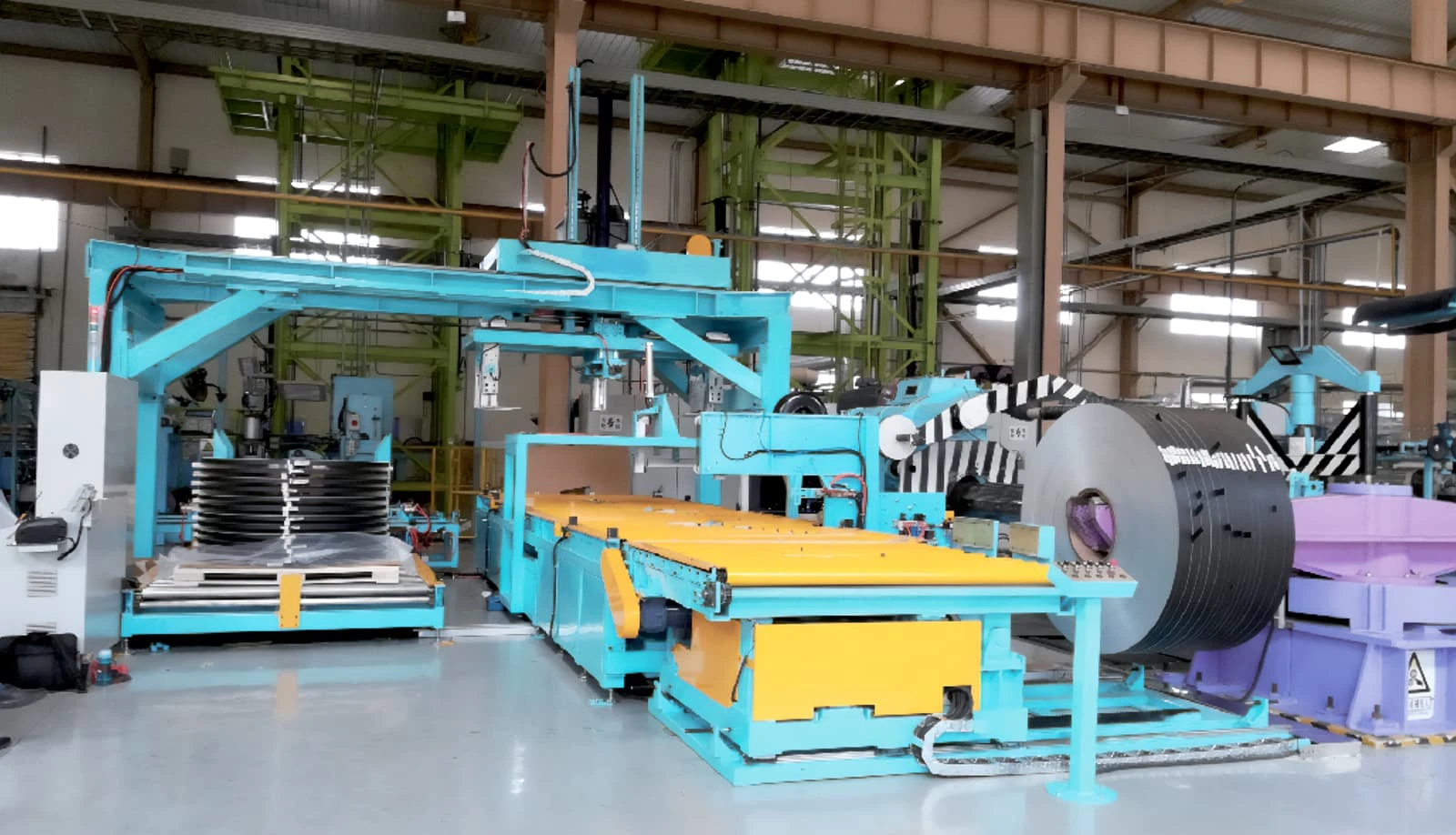
Read a Supplier Figure by Evidence Level
Ask each supplier to label a number as estimated, manufacturer-specified, calculated, or measured. Then ask for the conditions, method, exclusions and validation route. A comparable quotation contains the same definitions; an honest quotation makes open inputs visible.
A Practical Next Step
Approve one timing sheet before manufacture. It should be usable by the person running the test, the person accepting package quality, and the person comparing capacity. Until it is populated with qualified records, keep any capacity statement in the planning category.
Visual Details

Click to enlarge

Click to enlarge

Click to enlarge
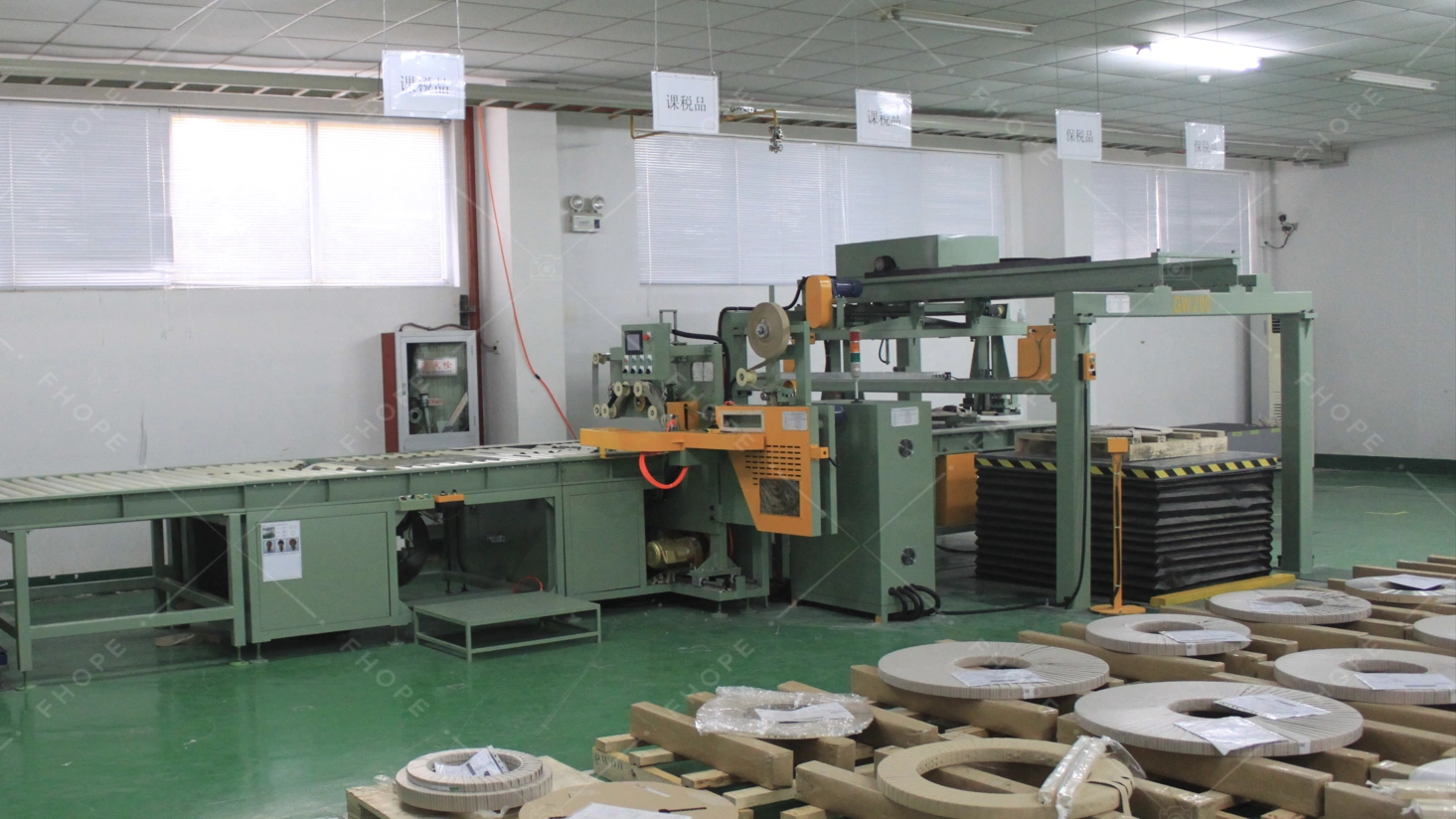
Click to enlarge
Watch How It Works
Discover how our automated packaging solutions optimize your production line efficiency. This video demonstrates the seamless operation designed for maximum protection.
Trusted by Steel Mills & Industry Leaders
Global manufacturers rely on FHOPE heavy duty packaging equipment


Ready to optimize your packaging line?
Get a custom quote with ROI analysis. Our engineers respond within 24 hours.
- Free layout design
- Global installation support
- 2-year warranty included
Your information is secure and will never be shared.
Related Machines
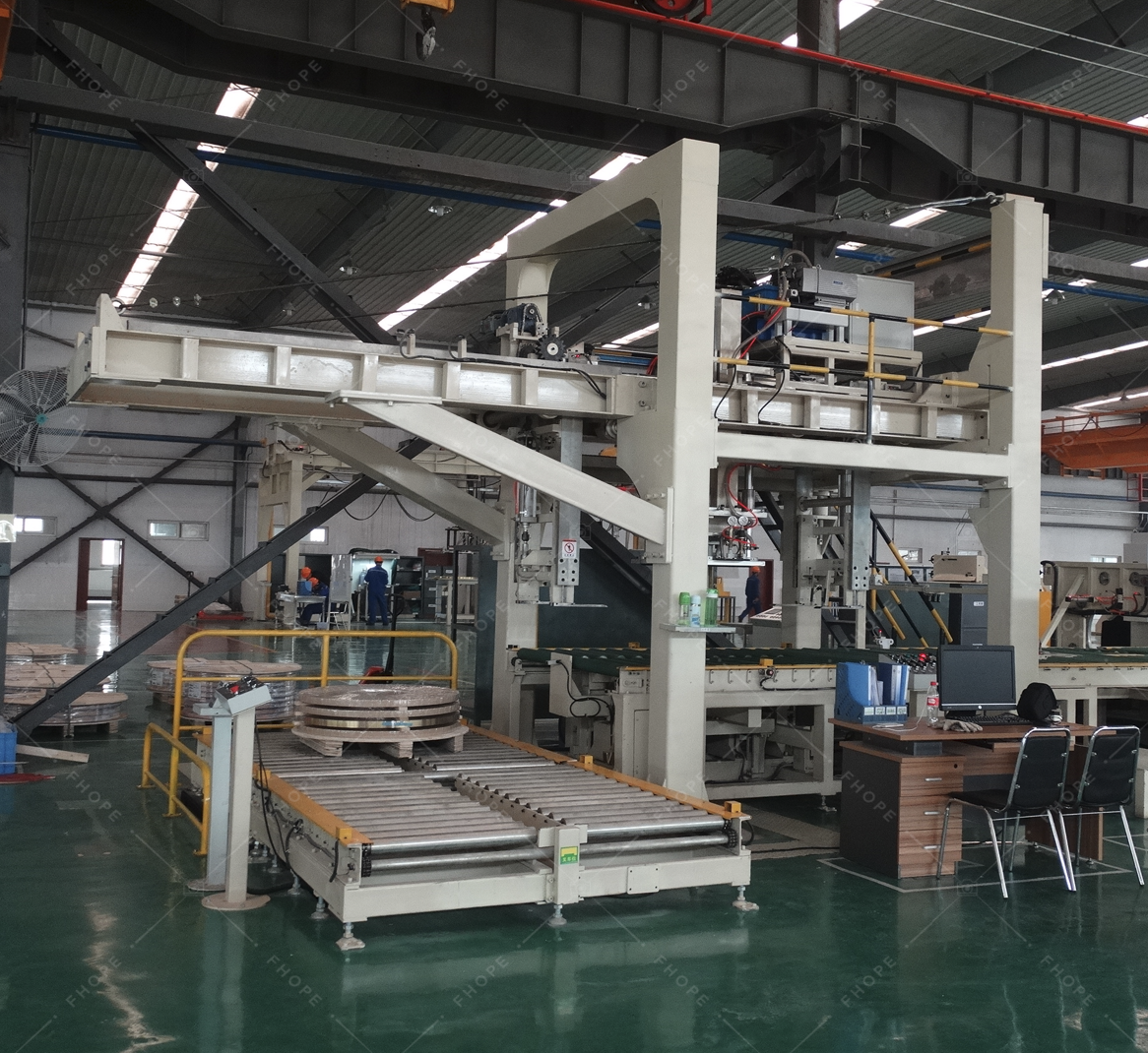
Steel Coil Packaging line
View Details →
Vertical coil packaging line
View Details →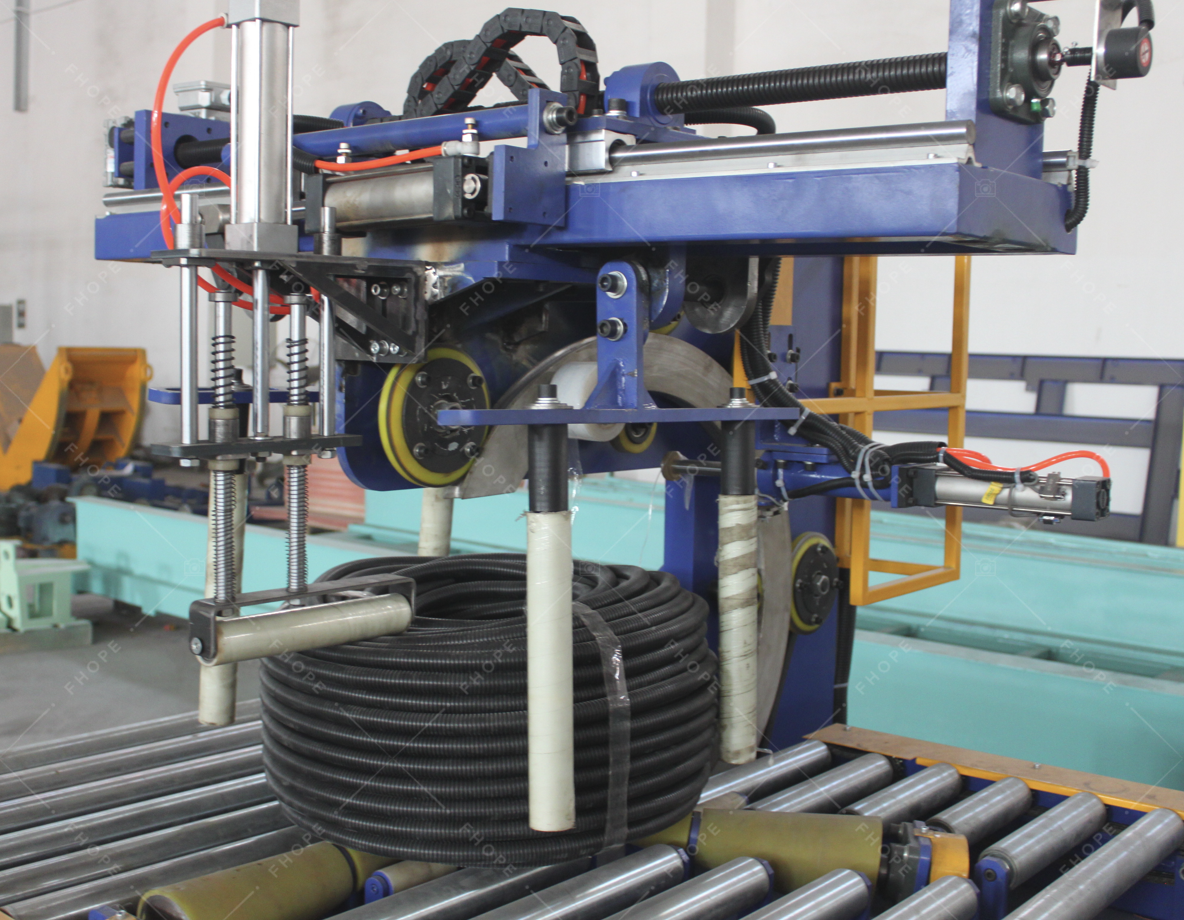
Hose Coil Packaging line
View Details →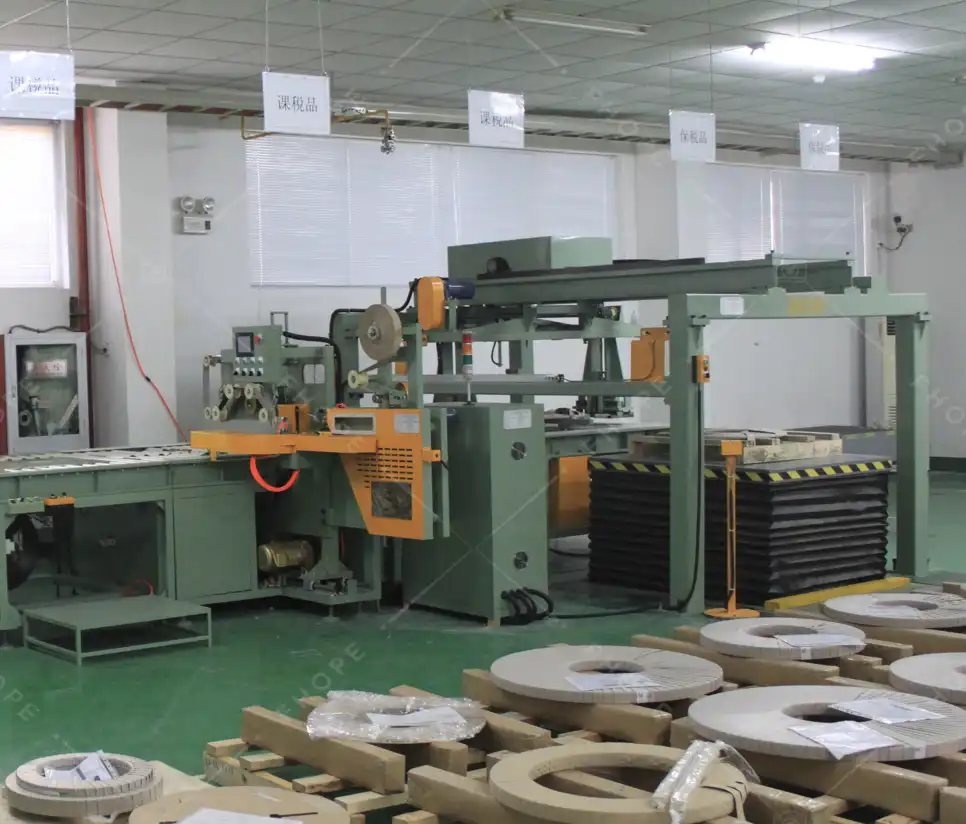
Copper Coil Packaging line
View Details →
Wire Coil Packaging line
View Details →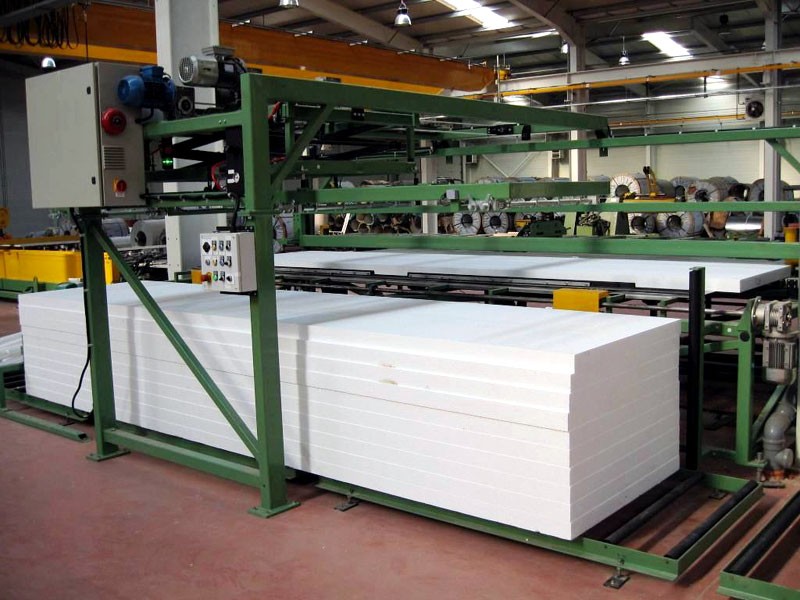
Panel Packaging line
View Details →
Pipe Bagging Machine
View Details →
Aluminum profile packing line
View Details →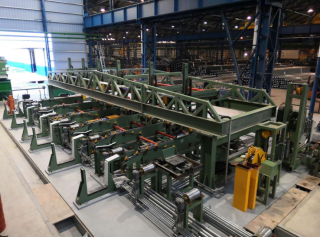
FHOPE Automatic pipe tube bundling&strapping line
View Details →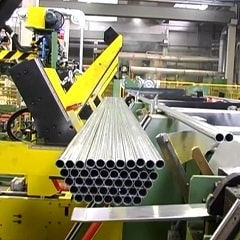
Automatic pipe tube bundling & strapping line
View Details →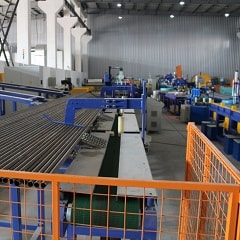
Automatic steel tube strapping machine
View Details →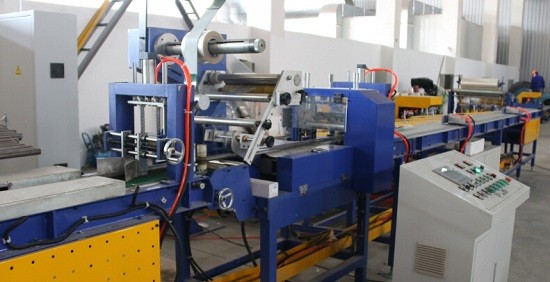
FHOPE Automatic steel tube packing machine
View Details →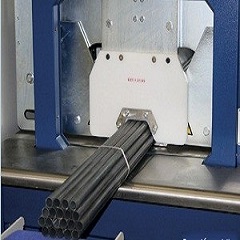
Automatic plastic Pipe strapping packing line
View Details →
Automatic PPR/PVC Pipe bagging line
View Details →
Platsic pipe bag packing machine
View Details →
Tyre Packing Machine FPT-200
View Details →
Tyre Packing Machine FPT-300
View Details →
Tyre Packing Machine FPT-400
View Details →
Cable Coil Packing Machine-FPCA100
View Details →