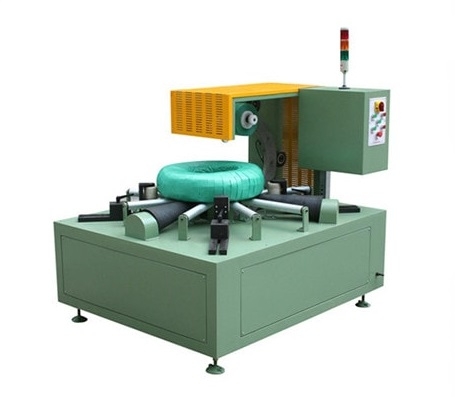
Steel Coil Wrapping Machine Buying Guide: Questions to Ask Before Purchase
A successful steel coil wrapper purchase starts with the right questions. Learn how to evaluate machine specifications, supplier proposals, acceptance criteria, installation scope, and support plans to make a more reliable automation investment decision.

Questions to Ask Before Buying a Steel Coil Wrapping Machine
Questions to Ask Before Buying a Steel Coil Wrapping Machine
The expensive mistake is not always buying the wrong machine. It is buying with unanswered questions hidden inside phrases such as "automatic," "suitable for steel coils," or "ready for installation." A useful purchasing review makes those questions visible before they become design changes, missed acceptance criteria, or site disputes.
This guide is for a first-time buyer, purchasing manager, or cross-functional team preparing a steel coil wrapping decision. It is not a substitute for a project specification, risk assessment, contract review, or legal/compliance advice. The goal is a documented go/no-go decision with evidence owners.
Begin with the Application, Not the Catalogue Name
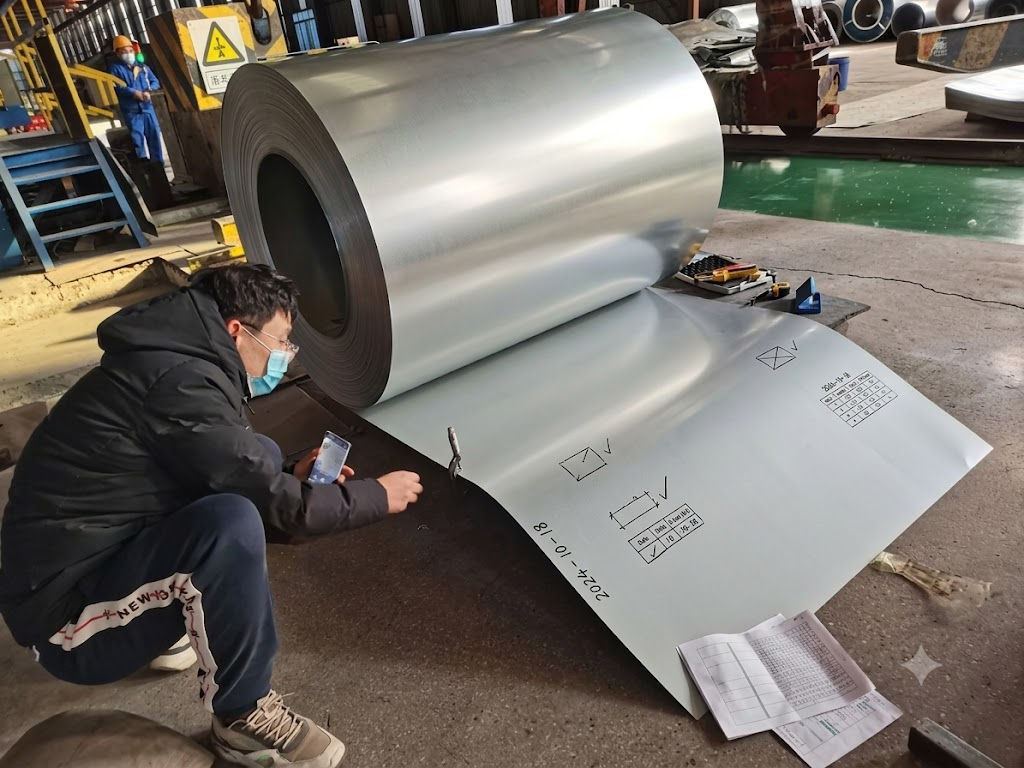
Ask the supplier to confirm the approved product envelope: coil inside and outside diameter, width, weight, material, surface condition, temperature, packaging direction, and handling orientation. Ask whether the quoted configuration supports the required extremes together, not merely as separate maximum values.
Then ask what the machine does not accept, what loading/unloading method is assumed, and which product conditions need a different arrangement. A credible answer cites a controlled specification, drawing, test record, or explicit assumption — not a generic product family page.
Questions About the Pack You Need to Receive
The packaging requirement must be testable. Ask:
- Which materials and combinations have been evaluated for this coil and destination condition?
- How will coverage, overlap, end condition, visible damage, moisture/corrosion protection claims, and material compatibility be judged?
- What samples, inspection points, or transport/storage validation are included?
- Which results are supplier-specified, customer-specified, or still to be validated?
Do not accept "more layers" as an answer to missing mechanical protection or undefined logistics exposure. Ask for the acceptance condition and the evidence path.
Questions About Real Capacity and Configuration
Ask where a cycle begins and ends, which coil/material/automation conditions applied, whether loading, unloading, material changes, waiting, and interventions are included, and how many consecutive acceptable coils were observed. The fastest observed motion is not a production capacity commitment.
Separate standard configuration, priced option, customer-provided interface, and custom engineering. For ring, roller, drive, film-handling, clamp/cut, sensors, and controls, ask which document controls the supplied configuration and how changes will be approved.
Questions About Safety, Controls, and Data Ownership
Ask which party owns the risk assessment, safeguarding boundary, residual-risk information, training, installation conditions, and target-market obligations. Request the exact evidence for claimed markings, declarations, or standards — not a blanket assurance. The applicable jurisdiction and final installation matter.
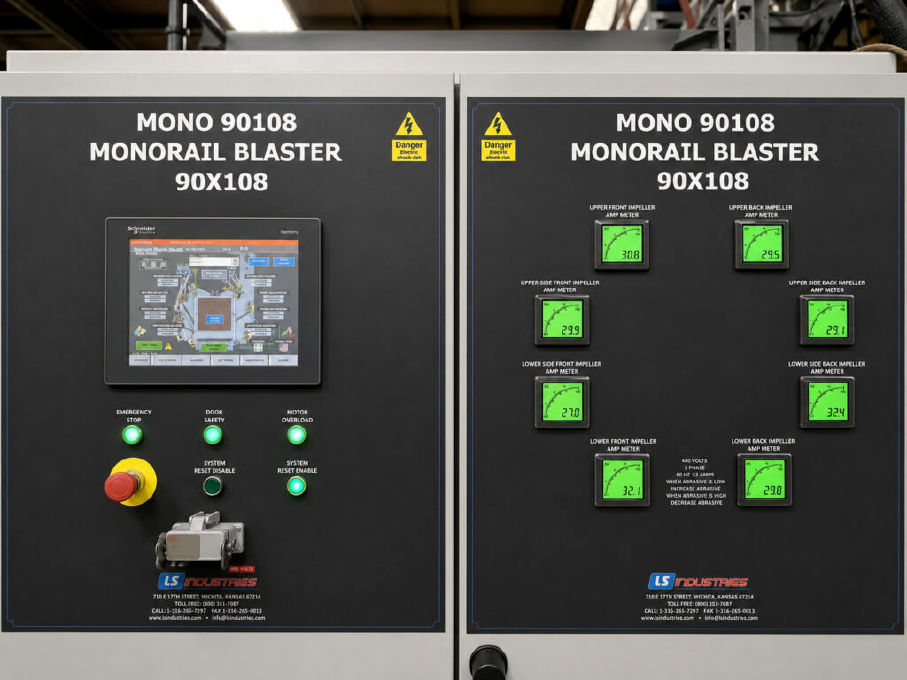
For controls and integration, ask about PLC/HMI/drive versions, software and parameter backups, alarm ownership, data fields, barcode/label path, MES/ERP boundary, remote-access policy, and what happens when an upstream system is unavailable. A useful integration answer defines responsibility and recovery state, not just protocol names.
Questions About Testing, Installation, and Support
Ask whether FAT and SAT use representative coils and materials, who witnesses the test, what counts as pass/conditional pass/fail, and how a failed item is corrected and retested. Confirm the documents, spares, training language, training roles, on-site support, warranty, response boundary, and obsolescence process.
For installation, assign foundations, access, lifting, utilities, protection zones, local construction, commissioning, and production-support responsibilities in writing. If a response says "by customer," ask for the exact condition, drawing, deadline, and consequence of delay.
Questions About Commercial Scope and Supplier Evidence
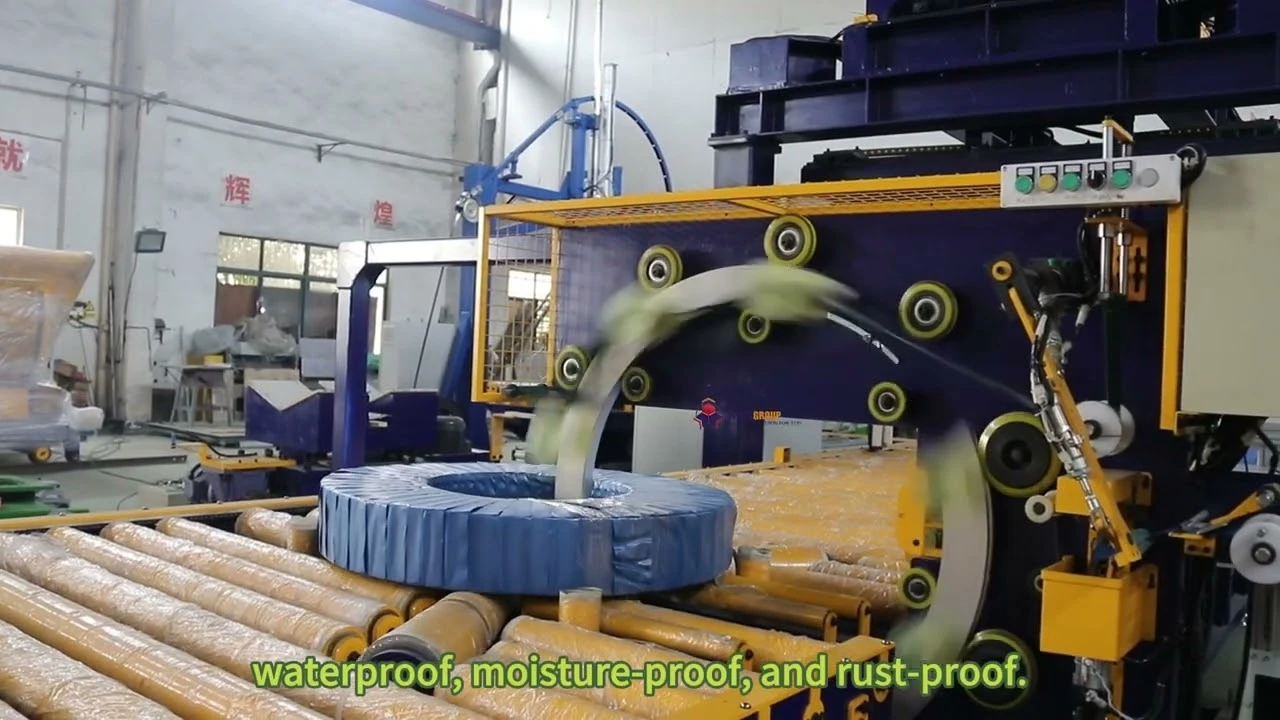
Compare offers against one scope matrix: included/excluded hardware, engineering, shipping basis, installation, FAT/SAT, documents, warranty, spares, travel, training, lead time, payment, change control, and claims handling. Ask whether reference projects, customer logos, photos, or case results are authorized and verifiable. A confidential project may be a valid reference, but it cannot support a public performance claim without permission and evidence.
Finish with a Real Go/No-Go Review
Classify each unanswered question as one of four things: a condition that must be resolved before order, a contract clause, a detailed-design confirmation with a named owner/date, or a risk the team consciously accepts. Do not allow a material uncertainty to disappear into "to be discussed later."
The practical next step is to hold a short engineering–operations–EHS–procurement review around the completed question sheet. The output should be a smaller list of verified commitments, not a larger list of assurances.
Visual Details

Click to enlarge

Click to enlarge

Click to enlarge
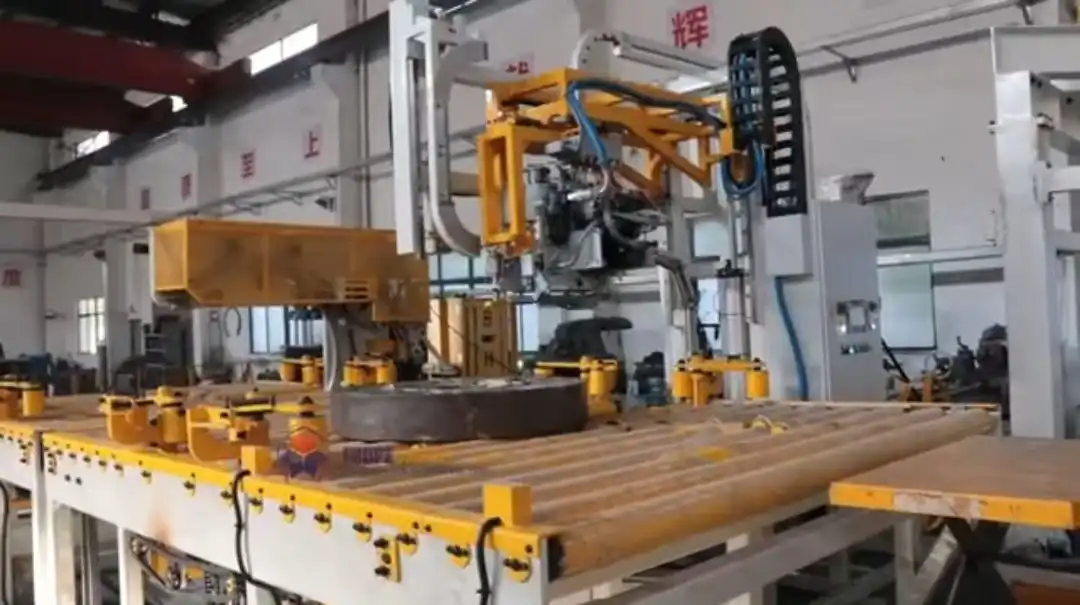
Click to enlarge
Watch How It Works
Discover how our automated packaging solutions optimize your production line efficiency. This video demonstrates the seamless operation designed for maximum protection.
Trusted by Steel Mills & Industry Leaders
Global manufacturers rely on FHOPE heavy duty packaging equipment


Ready to optimize your packaging line?
Get a custom quote with ROI analysis. Our engineers respond within 24 hours.
- Free layout design
- Global installation support
- 2-year warranty included
Your information is secure and will never be shared.
Related Machines
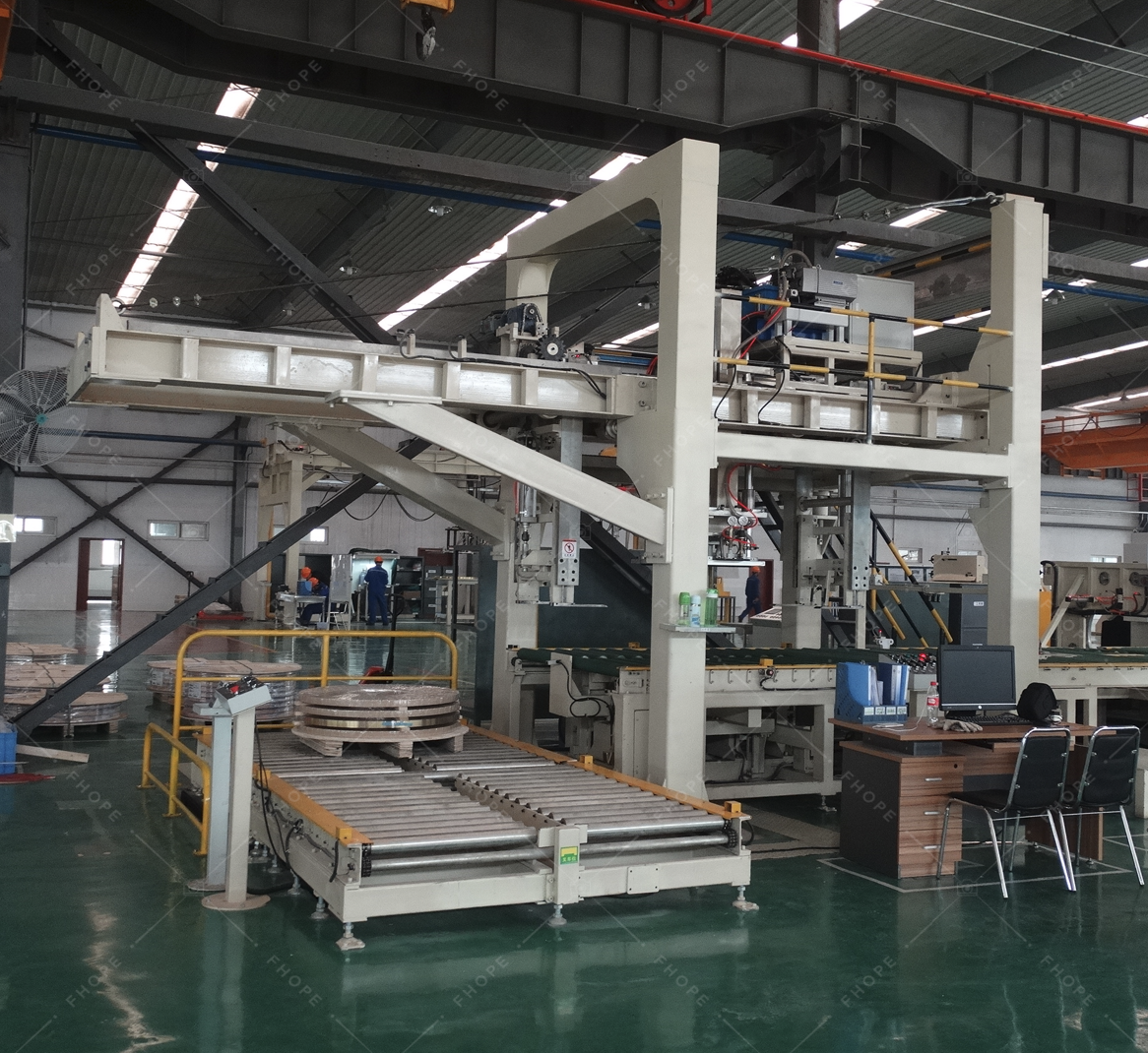
Steel Coil Packaging line
View Details →
Vertical coil packaging line
View Details →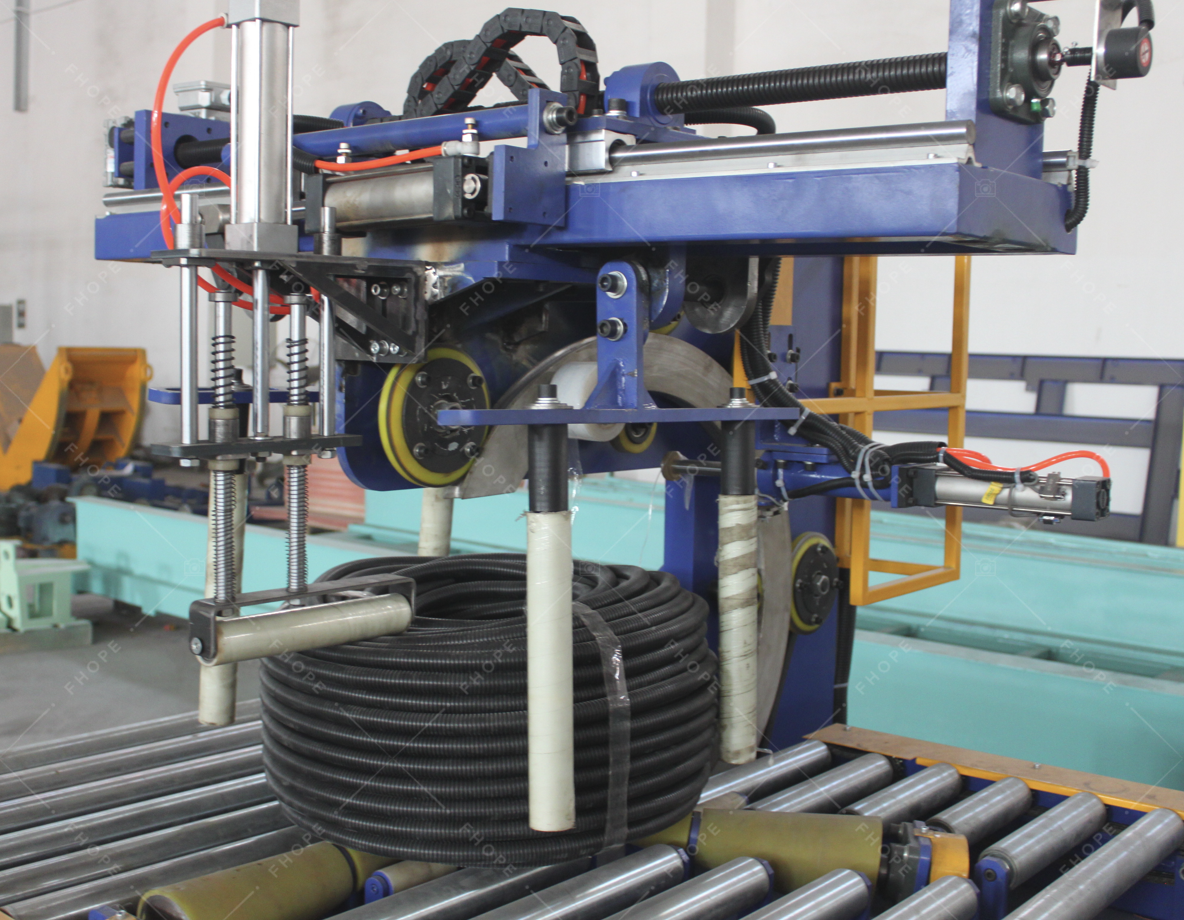
Hose Coil Packaging line
View Details →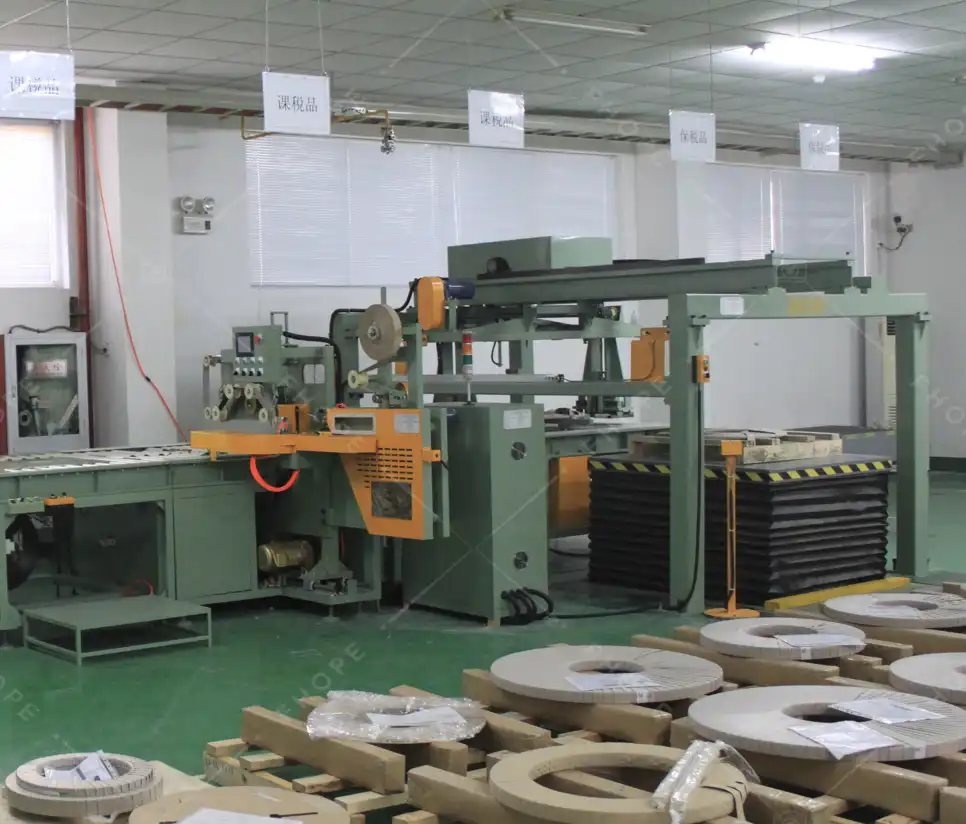
Copper Coil Packaging line
View Details →
Wire Coil Packaging line
View Details →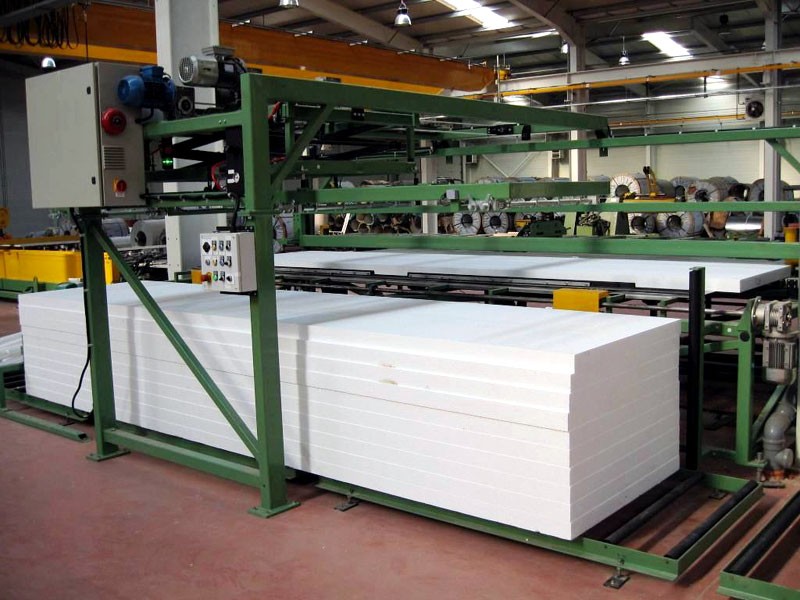
Panel Packaging line
View Details →
Pipe Bagging Machine
View Details →
Aluminum profile packing line
View Details →
FHOPE Automatic pipe tube bundling&strapping line
View Details →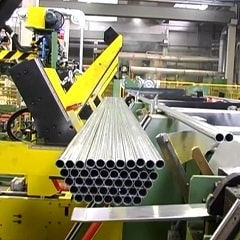
Automatic pipe tube bundling & strapping line
View Details →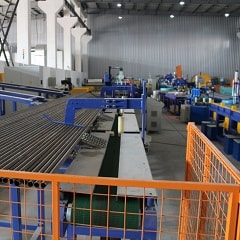
Automatic steel tube strapping machine
View Details →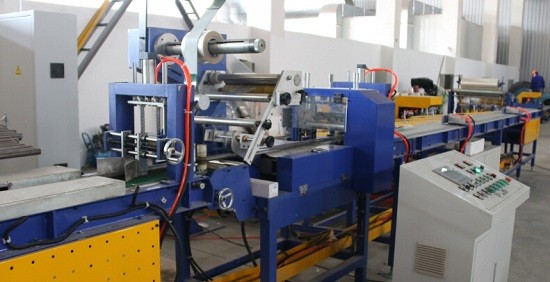
FHOPE Automatic steel tube packing machine
View Details →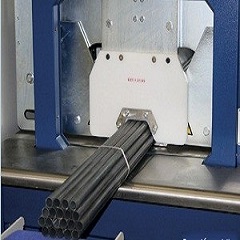
Automatic plastic Pipe strapping packing line
View Details →
Automatic PPR/PVC Pipe bagging line
View Details →
Platsic pipe bag packing machine
View Details →
Tyre Packing Machine FPT-200
View Details →
Tyre Packing Machine FPT-300
View Details →
Tyre Packing Machine FPT-400
View Details →
Cable Coil Packing Machine-FPCA100
View Details →