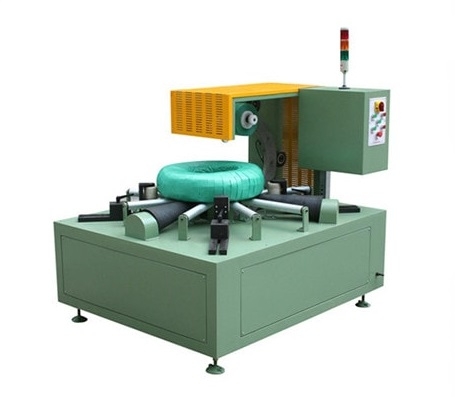
Steel Coil Wrapping Machine Selection Mistakes and How to Avoid Them
Buying a steel coil wrapping machine requires more than comparing prices and specifications. Learn how to identify hidden gaps in supplier proposals, define process requirements, verify performance claims, and create a clearer evaluation method for reliable equipment selection.
Common Selection Mistakes When Buying a Steel Coil Wrapping Machine
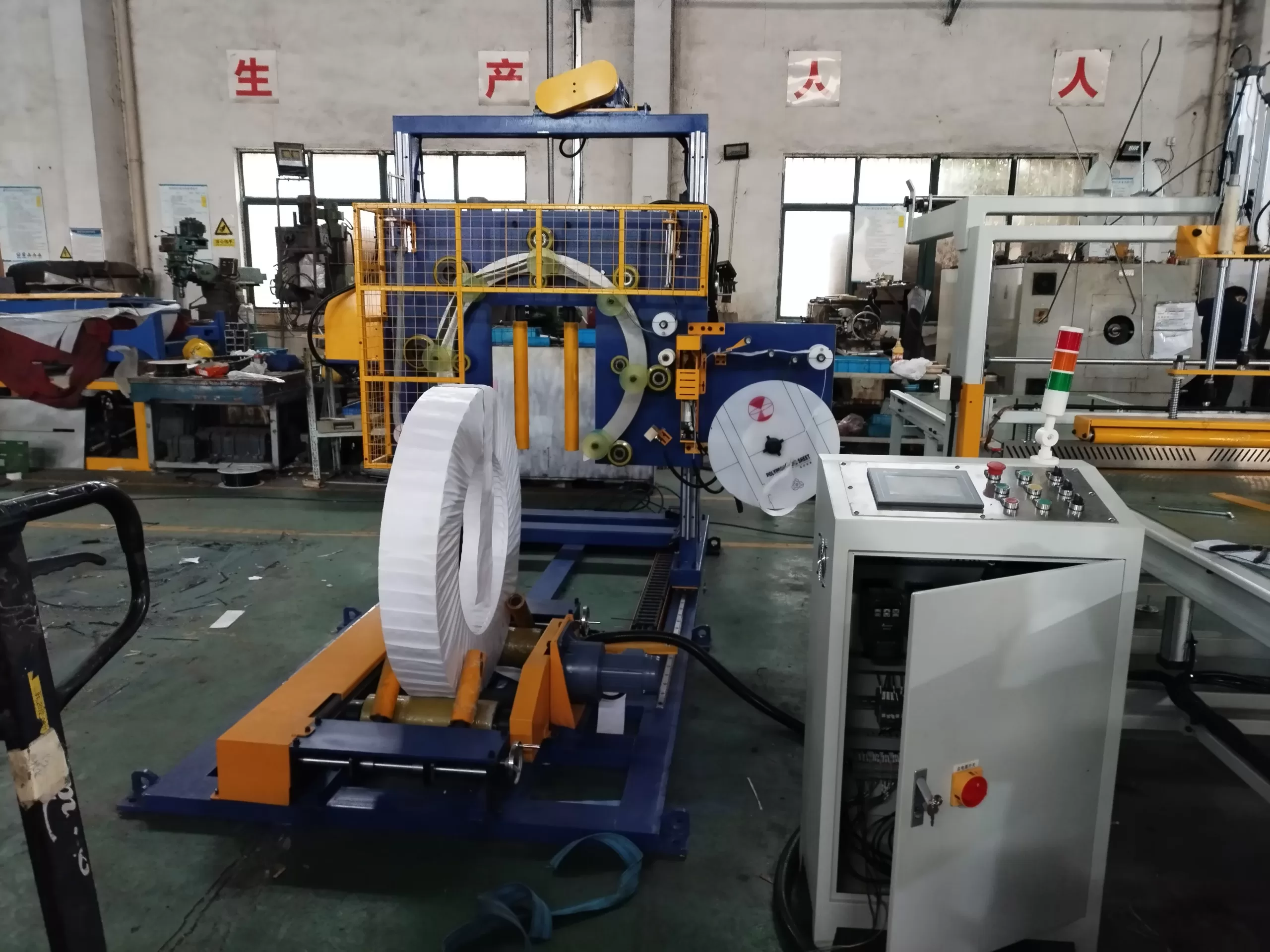
Common Selection Mistakes When Buying a Steel Coil Wrapping Machine
Most poor selections do not begin with a single bad machine. They begin with one missing question that survives from enquiry to quotation to installation. The practical remedy is to spot the assumption early, name its consequence, and collect the evidence that can close it.
This guide is for teams comparing a wrapping solution before a final configuration, test, and acceptance plan have been agreed.

1. Selecting from Maximum Weight Alone
Assumption: the heaviest coil describes the application.
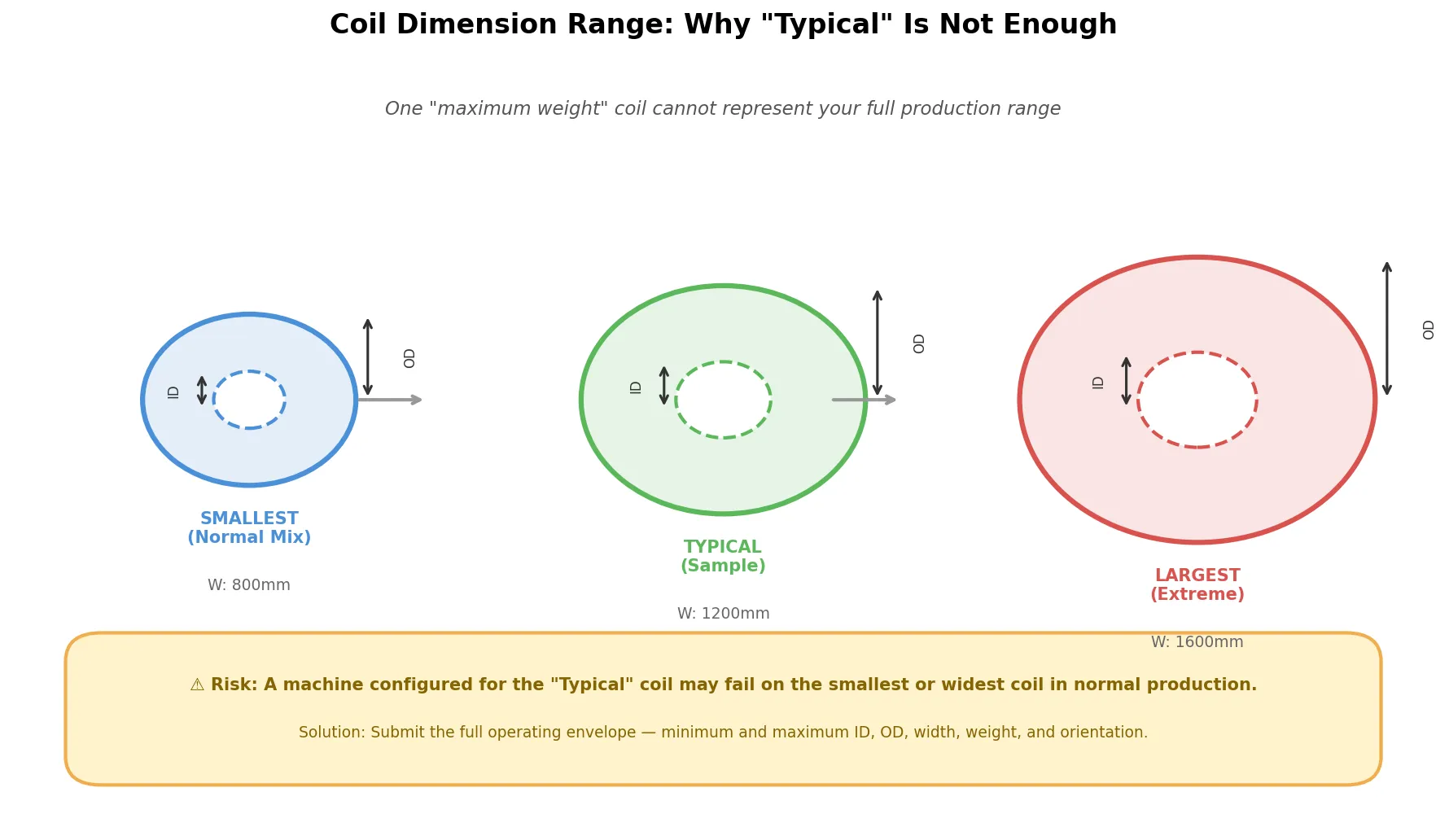
Why it fails: mass does not define inner diameter, outer diameter, width, orientation, support condition, surface sensitivity, loading method, or how frequently each coil type is produced. A configuration may meet a headline load while remaining unsuitable for the normal mix.
Early warning: the enquiry contains one "maximum" value but no measured range or representative product distribution.
Correction: submit the normal, extreme, and difficult-to-handle coils as distinct cases, with their arrival orientation and handling route. Validate the proposed scope against all of them, not only the largest weight.
2. Comparing Purchase Price Instead of Delivered Scope
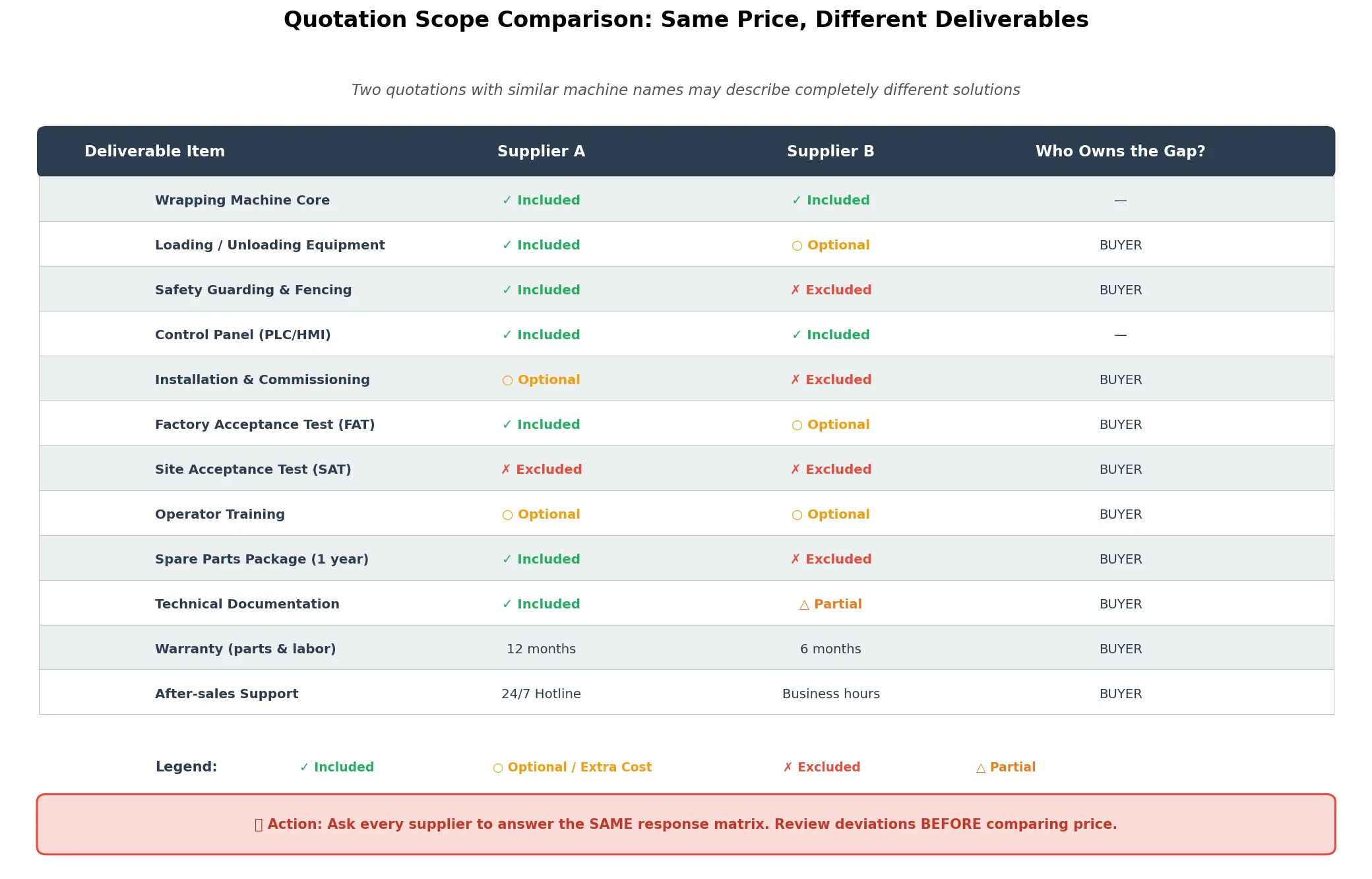
Assumption: two quotations with similar machine names describe the same solution.
Why it fails: loading equipment, guarding, utilities, controls, installation, documents, testing, training, spares, warranty, and support may be treated differently by each bidder.
Early warning: the quotation has a total price but no inclusion, option, exclusion, or provisional-item matrix.
Correction: ask every supplier to answer the same response matrix. Review deviations before price, and identify which party owns each interface and open item.
3. Treating the Wrapper as the Whole Process
Assumption: if the wrapping motion works, the station will work.
Why it fails: the bottleneck can be the crane route, trolley stop, conveyor handoff, inspection point, buffer, or downstream release. A wrapping station is part of a flow, not an isolated product.
Early warning: the proposed layout shows equipment outlines but no coil journey, people routes, buffer, or abnormal-recovery position.
Correction: trace one normal coil and one stopped or rejected coil through the complete process. Mark handoff ownership and the condition that permits the next move.
4. Accepting an Undefined Cycle Claim
Assumption: "cycle time" means the same thing in every quotation.
Why it fails: the quoted interval may start after positioning and stop before inspection, release, or material replenishment. It may exclude the product mix and interruptions that determine accepted output.
Early warning: a capacity figure has no start/stop condition, sample, material, repetitions, availability assumption, or quality acceptance rule.
Correction: define the complete cycle and the test conditions before manufacturing. Until those data are supplied and demonstrated, treat any output number as an estimate rather than a purchasing commitment.
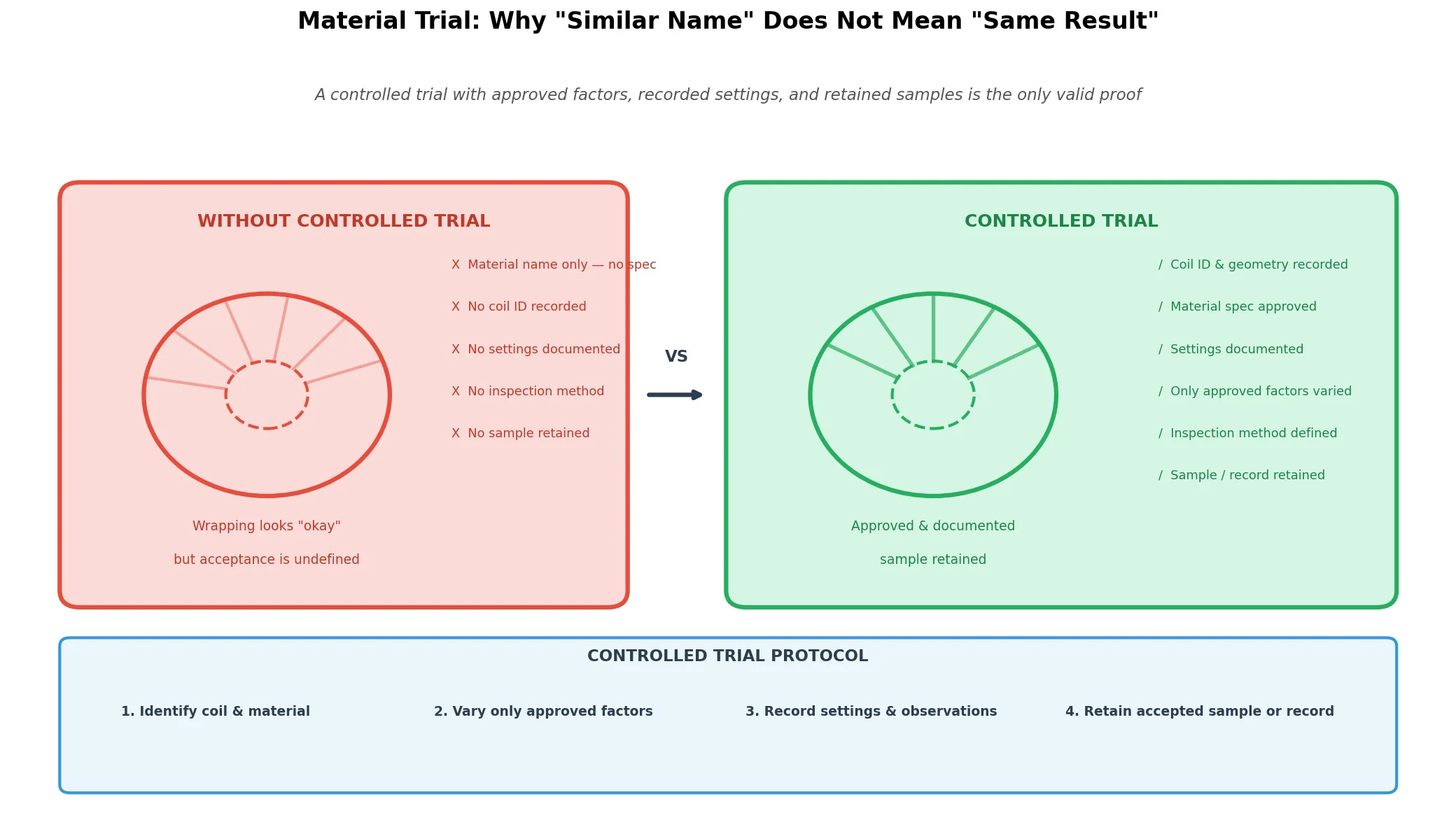
5. Skipping a Material and Package Trial
Assumption: material with a similar name will behave the same way.
Why it fails: the coil surface, geometry, material condition, route, coverage requirement, and securing method can change the result. A visually tidy sample is not enough if the acceptance condition is undefined.
Early warning: the package requirement is described as "good wrapping" without an approved material, representative coil, inspection method, or sample record.
Correction: agree a controlled trial: identify the coil and material, vary only approved factors, record the settings and observations, and retain the accepted sample or record.
6. Calling a Station "Automatic" Without Mapping the Human Work
Assumption: automation removes manual responsibility.
Why it fails: people may still supply material, confirm the coil, inspect the package, manage exceptions, change a recipe, or recover after a stop. These tasks must be designed into the handoff and safety boundary.
Early warning: no one can answer who owns the exception path or restart decision.
Correction: list the normal, setup, changeover, exception, and restart activities with responsible roles. Use approved project procedures and qualified review for actual operating instructions.
7. Leaving Acceptance Criteria Until the End
Assumption: the team will agree what "works" after installation.
Why it fails: a dispute becomes expensive when package quality, complete-cycle boundary, interface behaviour, documentation, and acceptance evidence were never defined.
Early warning: FAT/SAT is named but has no scope, witness roles, test conditions, expected records, or rule for deviations.
Correction: agree the acceptance method before detailed manufacture. Record what is tested, what is reviewed, what remains site-dependent, and how an open point is closed.
A Practical Next Step
Choose the two assumptions most likely to affect your project, assign an owner for the missing evidence, and put the closure test into the RFQ response matrix. A selection becomes more reliable when the team can see its open questions before they become equipment changes or commissioning delays.
Visual Details
Click to enlarge

Click to enlarge

Click to enlarge
Click to enlarge
Watch How It Works
Discover how our automated packaging solutions optimize your production line efficiency. This video demonstrates the seamless operation designed for maximum protection.
Trusted by Steel Mills & Industry Leaders
Global manufacturers rely on FHOPE heavy duty packaging equipment


Ready to optimize your packaging line?
Get a custom quote with ROI analysis. Our engineers respond within 24 hours.
- Free layout design
- Global installation support
- 2-year warranty included
Your information is secure and will never be shared.
Related Machines
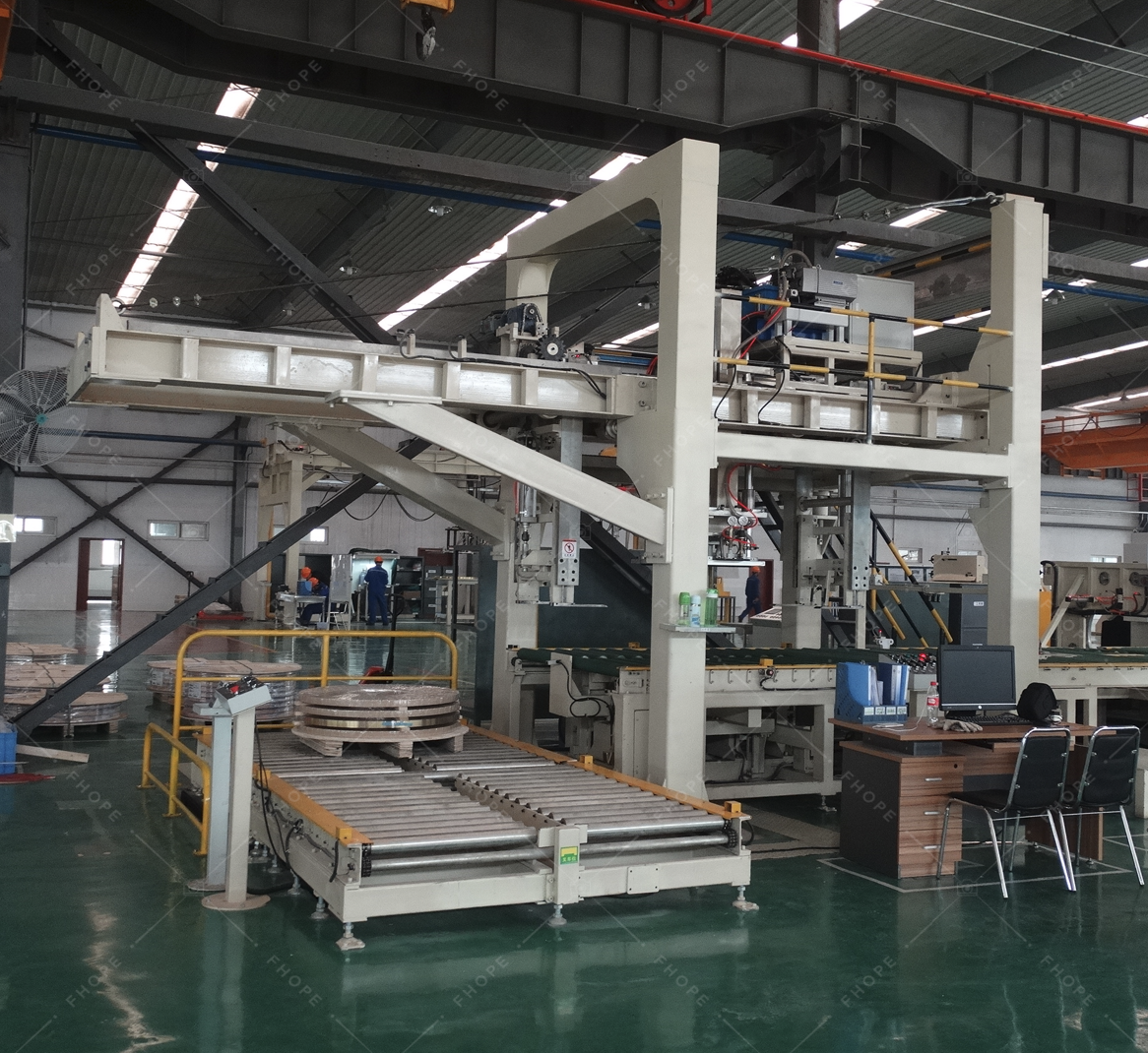
Steel Coil Packaging line
View Details →
Vertical coil packaging line
View Details →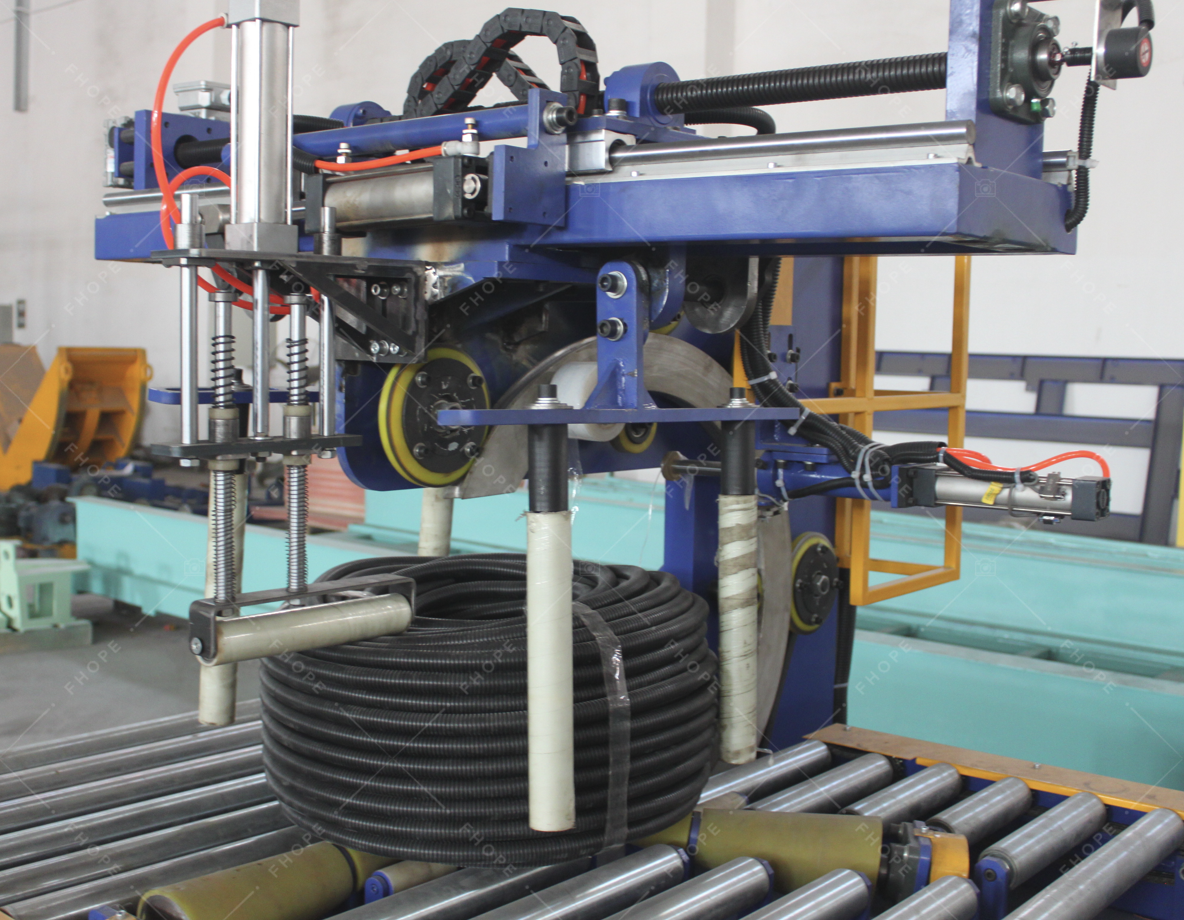
Hose Coil Packaging line
View Details →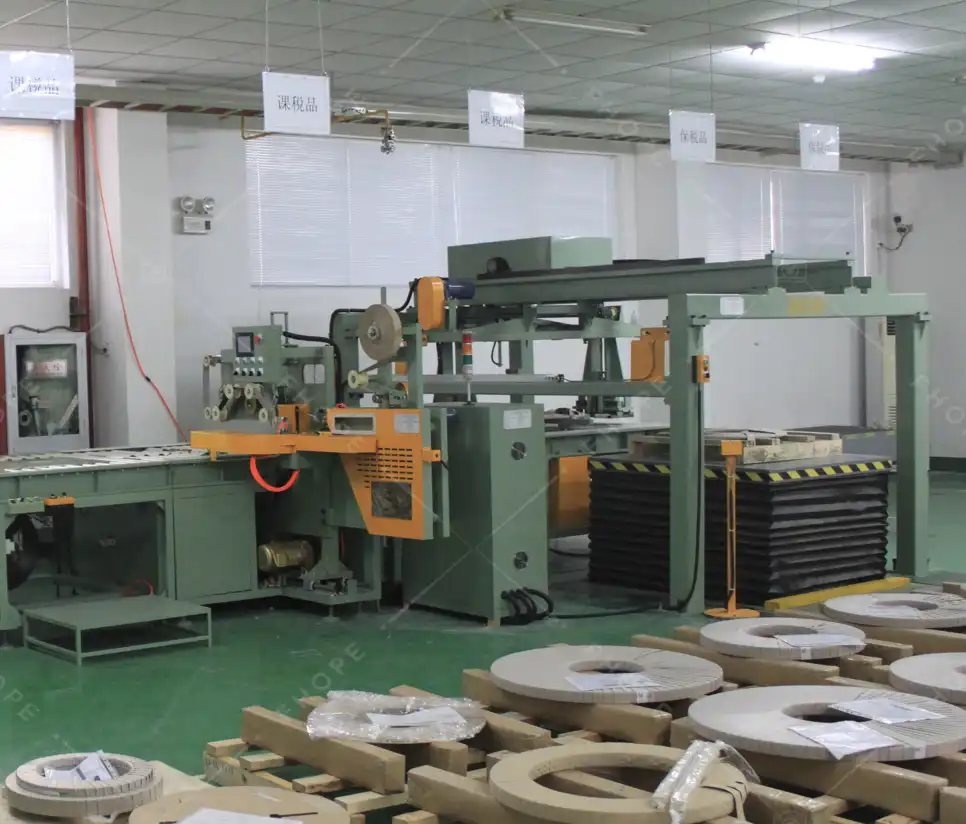
Copper Coil Packaging line
View Details →
Wire Coil Packaging line
View Details →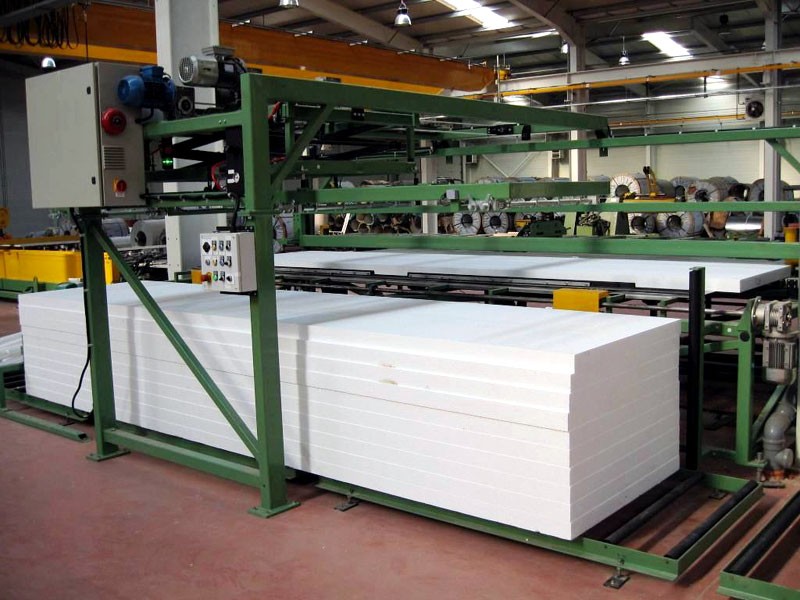
Panel Packaging line
View Details →
Pipe Bagging Machine
View Details →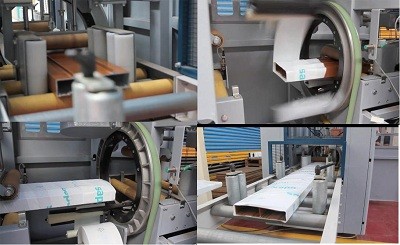
Aluminum profile packing line
View Details →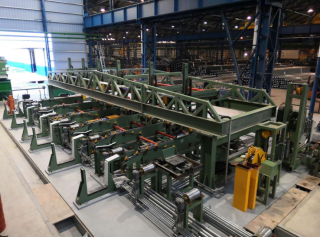
FHOPE Automatic pipe tube bundling&strapping line
View Details →
Automatic pipe tube bundling & strapping line
View Details →
Automatic steel tube strapping machine
View Details →
FHOPE Automatic steel tube packing machine
View Details →
Automatic plastic Pipe strapping packing line
View Details →
Automatic PPR/PVC Pipe bagging line
View Details →
Platsic pipe bag packing machine
View Details →
Tyre Packing Machine FPT-200
View Details →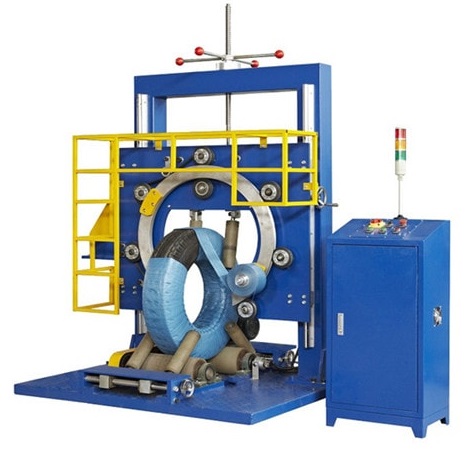
Tyre Packing Machine FPT-300
View Details →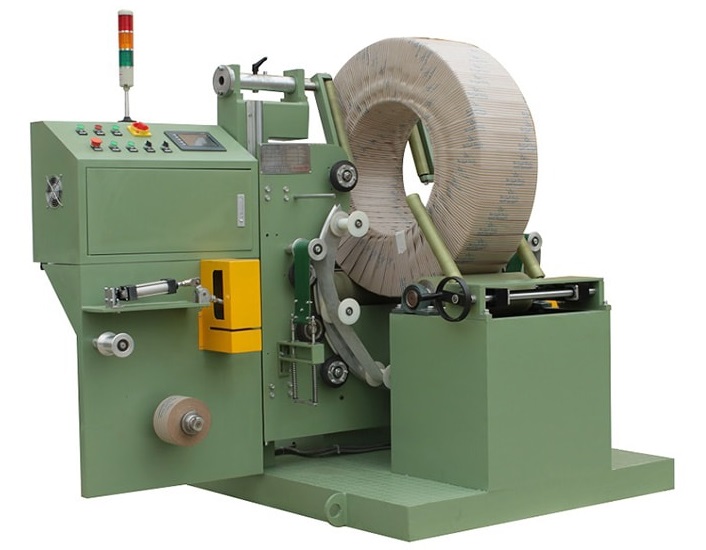
Tyre Packing Machine FPT-400
View Details →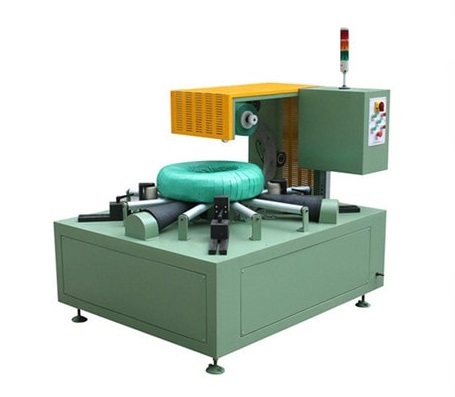
Cable Coil Packing Machine-FPCA100
View Details →