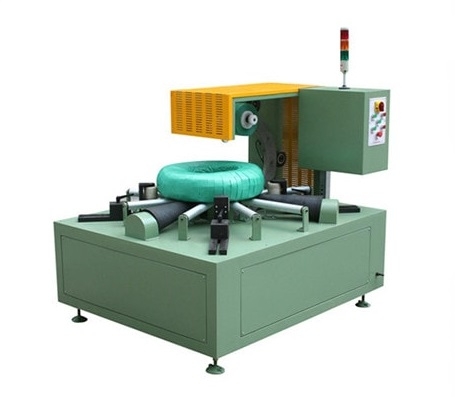
Steel Coil Wrapping Machine Cost Factors: How to Compare Quotes
Steel coil wrapping machine prices depend on more than the equipment itself. Learn how to define quotation scope, evaluate included services, identify hidden cost factors, and prepare technical information that leads to clearer comparisons between different packaging machine proposals.

Steel Coil Wrapping Machine Price: What Determines the Cost?
Steel Coil Wrapping Machine Price: What Determines the Cost?
There is no responsible single price for a steel coil wrapping machine before the scope is defined. A stand-alone wrapper, a wrapper with assisted loading, and an integrated packing line can share a product name while requiring different structure, controls, safeguarding, engineering, installation, and acceptance work.
The useful buying question is not "What is the cheapest machine?" It is: "Which scope meets our approved coil range, packaging requirement, site constraints, and acceptance criteria — and what is included or excluded from that scope?" This article explains how to make quotations comparable. It does not provide a market price, a binding offer, a compliance statement, or a project-specific configuration recommendation.
Start by Freezing the Quotation Boundary
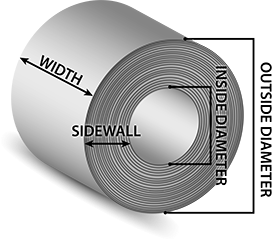
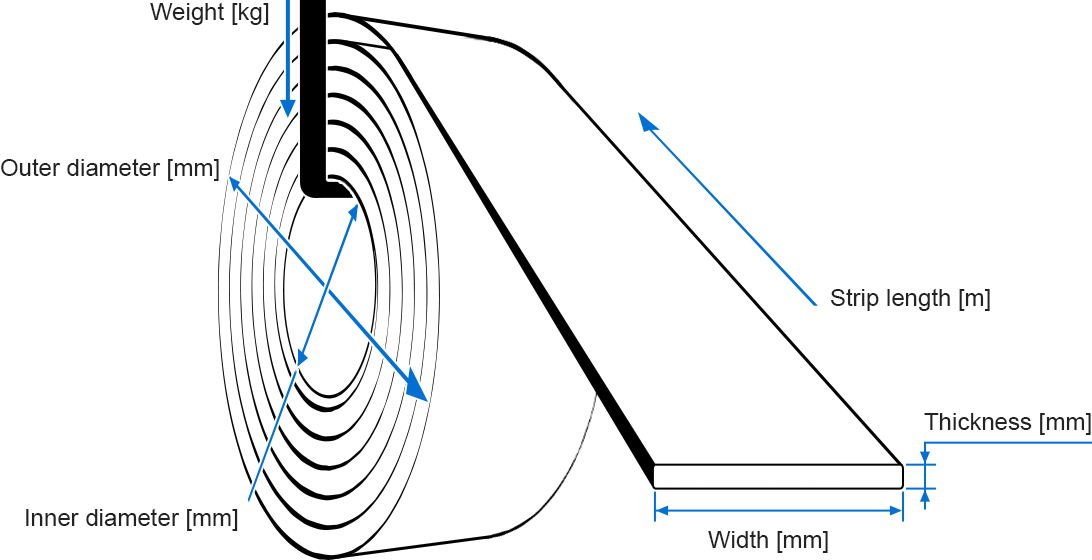
Before requesting a budget figure, write down the product and process boundary. At minimum, identify coil outside diameter, inside diameter, width, weight, surface condition, temperature, packaging materials, required protection, handling orientation, and the definition of an acceptable completed pack. State whether those limits must be achieved together or are separate extremes.
Then describe the operating context: shifts, expected demand, product mix, loading method, available floor space, power and compressed-air conditions, upstream/downstream interfaces, operator roles, and applicable market or site requirements. A quotation can only be compared fairly when the same facts govern every supplier response.
The Structural Envelope Changes the Base Machine
The ring, frame, coil-support system, rollers, and handling arrangement must be appropriate for the approved coil envelope. Larger dimensions, heavier coils, unusual geometry, product-surface protection, or special loading orientations can change the mechanical design and the site interface. They are not cosmetic options.
Do not assume that a published maximum outside diameter, width, and weight can be combined in one configuration. Ask the supplier to state the tested or specified operating envelope, the assumptions behind it, and the document revision that controls it.
Loading, Unloading, and Automation Level Are Separate Cost Decisions
Loading may be manual, crane-assisted, trolley-based, conveyor-based, or integrated with upstream/downstream transfer. Wrapping may include different levels of film handling, recipe control, clamp/cut functions, data capture, and exception management. An automatic cycle does not mean an unattended system.
For each option, ask who handles coil arrival, positioning, material replenishment, quality release, alarms, and recovery. The answer reveals both the hardware scope and the operations/maintenance support that a quotation must include.

Controls, Interfaces, and Documentation Can Be Decisive
Controls scope can include PLC/HMI and drive preferences, safety controls, alarm history, recipe governance, barcode or label interfaces, line handshakes, remote-support boundaries, software backups, language, and technical documentation. A customer-specified component brand or integration requirement can change engineering, testing, supportability, and delivery work.
List each interface explicitly. "Ready for integration" is not enough: name the signal or protocol boundary, owner, test responsibility, data fields, failure behavior, and acceptance evidence. Otherwise the cost and schedule risk moves into an undefined gap between vendors.
Packaging and Safety Requirements Need Their Own Scope Lines
Material type, overlap and coverage expectation, film handling, end treatment, packaging appearance, and product-protection criteria all influence the process scope. A generic packaging statement is not a performance acceptance requirement.
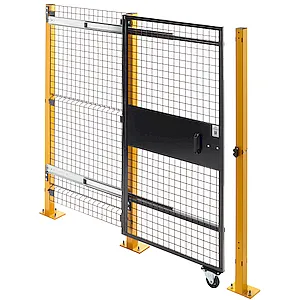
Safeguarding and compliance must also be stated as a project boundary. Fences, access gates, presence sensing, safety control, residual-risk information, risk assessment, required documentation, third-party review, and market-specific obligations may be included, excluded, or allocated between parties. Do not assume a certificate, marking, or safety function is included unless the quotation and contract identify the exact obligation, jurisdiction, and evidence.
Engineering, Delivery, and Support Are Part of the Costed Scope
Non-standard coils, constrained layouts, special materials, local construction, controls integration, trial work, drawing review, and software development may need engineering effort beyond a base station. Delivery terms, export packing, taxes, insurance, travel, installation, commissioning, training, site construction, utilities, and support response also need named ownership.
These items are not "extras" if the machine cannot be accepted without them. Separate the supplier's deliverable from customer-provided foundations, energy, access, lifting equipment, local permits, and site labor so that the actual investment boundary is clear.
Compare Quotations Using a Shared Acceptance Basis
Create one comparison sheet for every offer. Include the approved coil and packaging range; loading and unloading; automation functions; controls and interfaces; safety and market requirements; documents; FAT/SAT; warranty; spare parts; lead time; installation; training; and exclusions or assumptions.
Where a supplier proposes an alternative, record the deviation and its effect on acceptance, site work, support, and future operating cost. Do not force all offers into false equivalence. A higher price may include a necessary interface or verification obligation; a lower price may exclude it. The comparison sheet makes that difference visible without declaring a universal value judgment.
What to Send for a Budgetary Price
Send a concise request package containing the coil data sheet, packaging requirement, process/layout sketch, target operating pattern, automation boundary, site utility information, target market, preferred controls, interface list, required documents, and proposed acceptance method. Mark unknowns openly.
If this information is incomplete, ask for a conditional budget range tied to written assumptions, not a falsely precise price. Update the request and quotation when those assumptions are confirmed. That is the fastest route to a price that procurement, engineering, and operations can actually use.
Visual Details

Click to enlarge

Click to enlarge

Click to enlarge

Click to enlarge
Watch How It Works
Discover how our automated packaging solutions optimize your production line efficiency. This video demonstrates the seamless operation designed for maximum protection.
Trusted by Steel Mills & Industry Leaders
Global manufacturers rely on FHOPE heavy duty packaging equipment


Ready to optimize your packaging line?
Get a custom quote with ROI analysis. Our engineers respond within 24 hours.
- Free layout design
- Global installation support
- 2-year warranty included
Your information is secure and will never be shared.
Related Machines
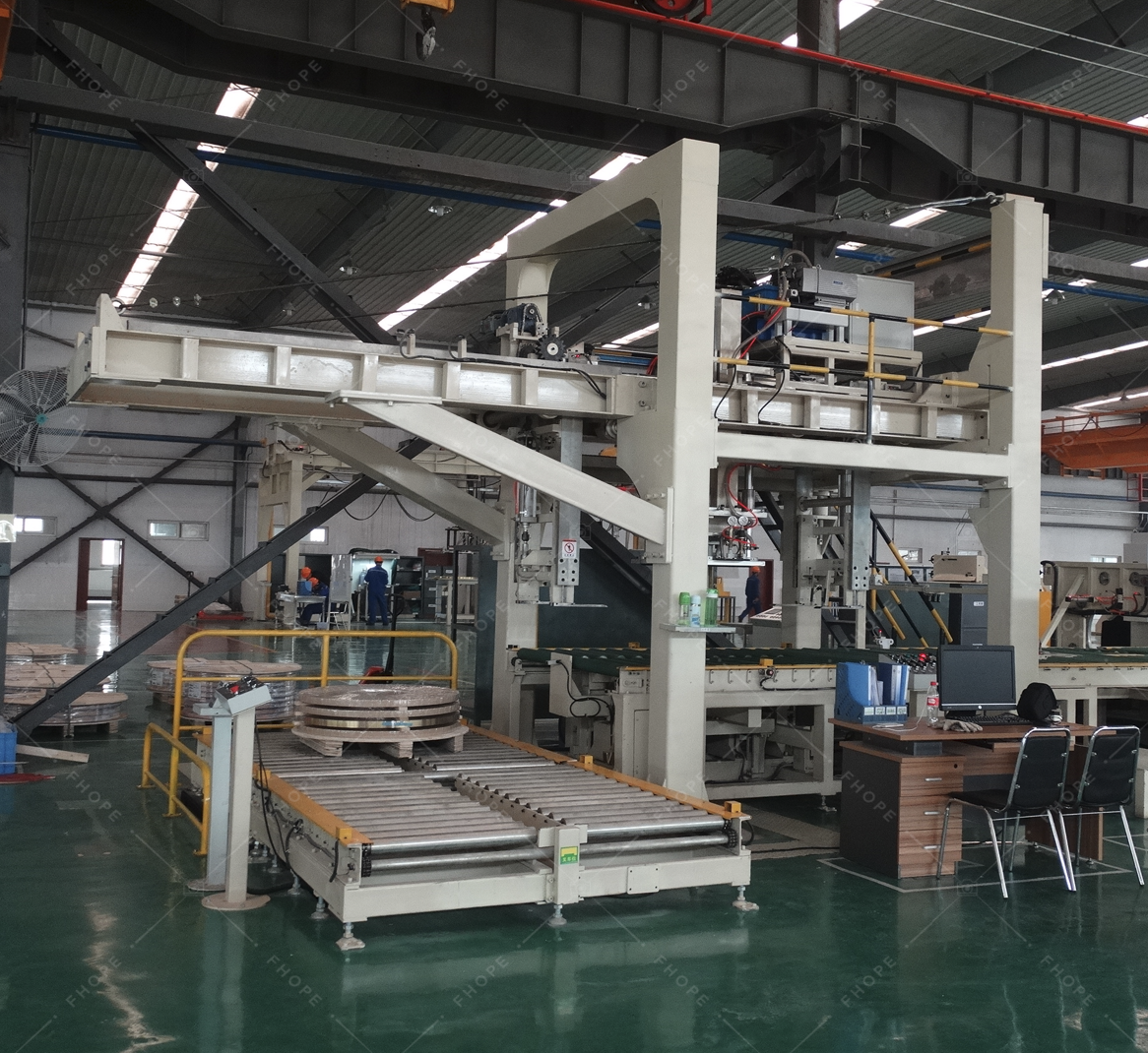
Steel Coil Packaging line
View Details →
Vertical coil packaging line
View Details →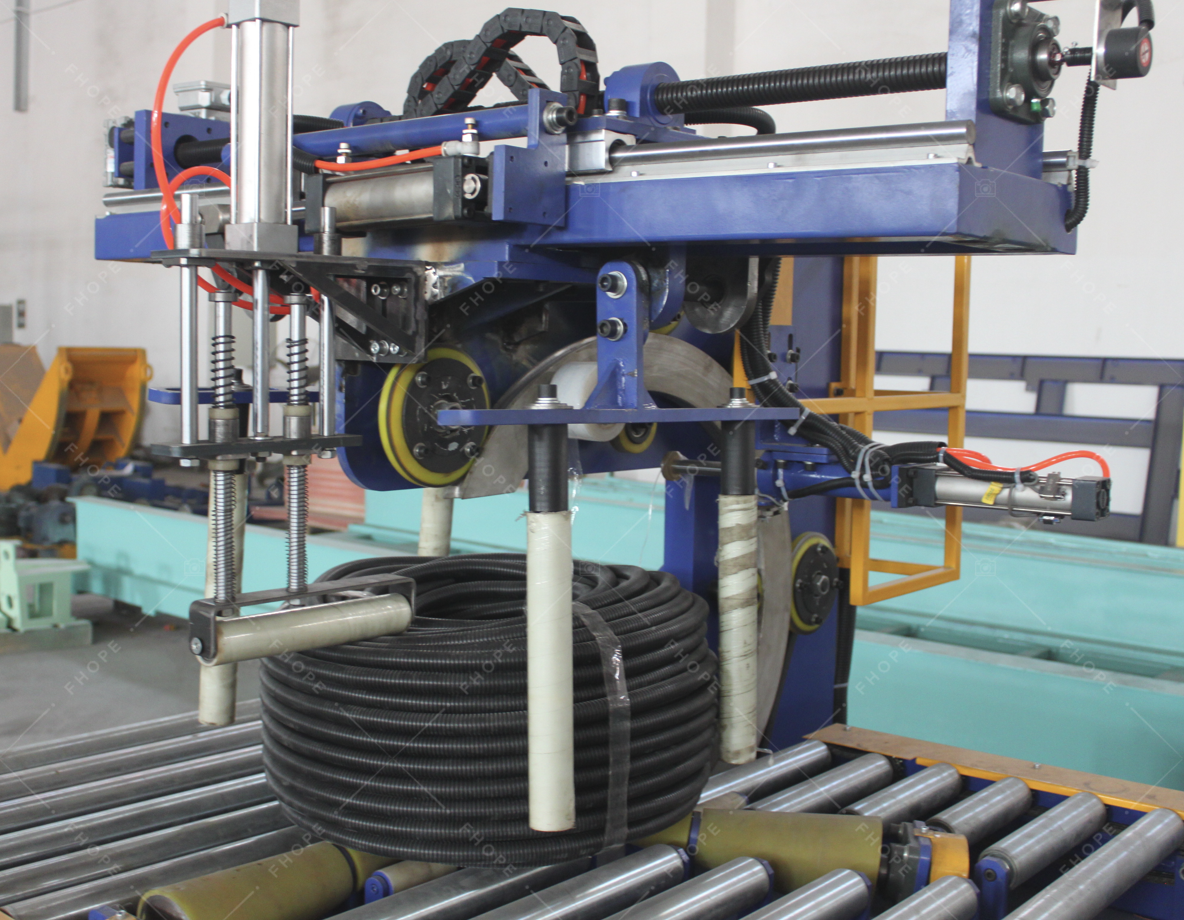
Hose Coil Packaging line
View Details →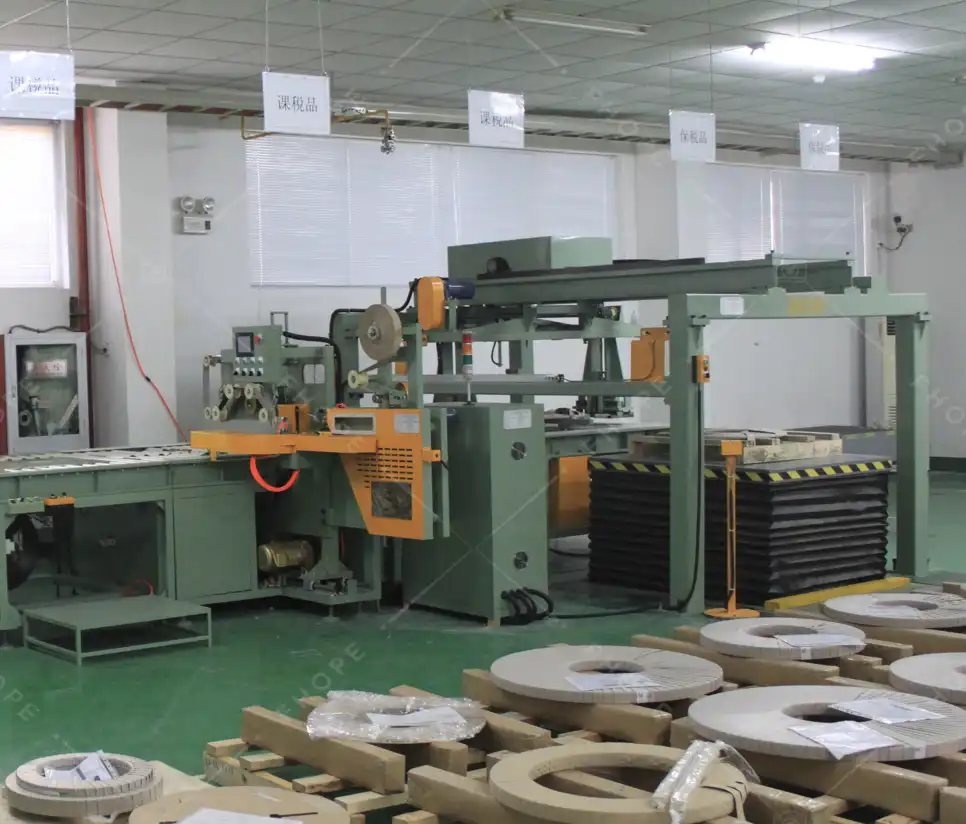
Copper Coil Packaging line
View Details →
Wire Coil Packaging line
View Details →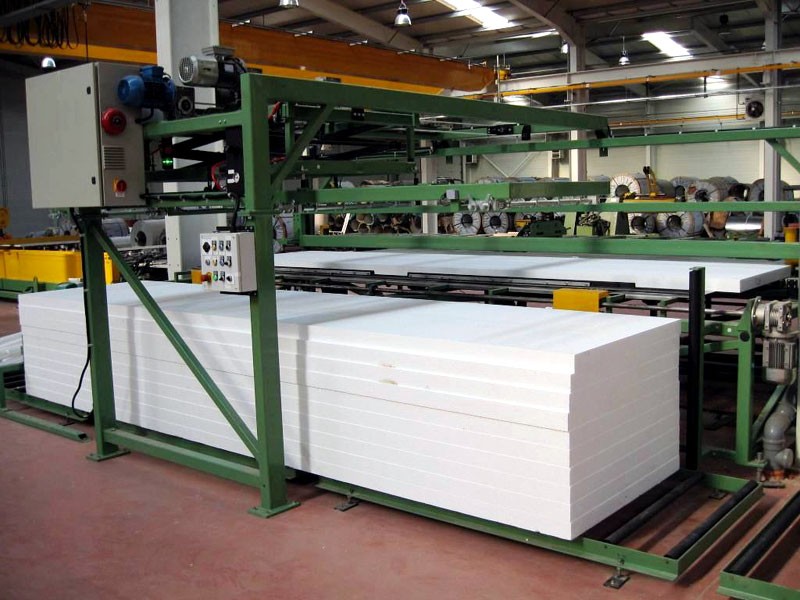
Panel Packaging line
View Details →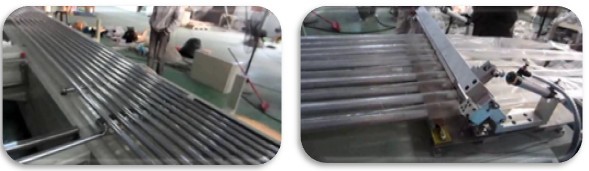
Pipe Bagging Machine
View Details →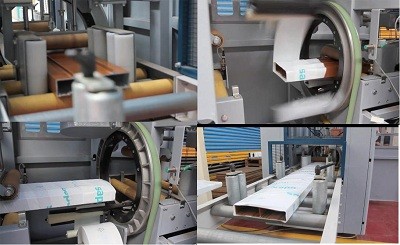
Aluminum profile packing line
View Details →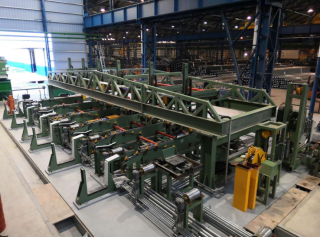
FHOPE Automatic pipe tube bundling&strapping line
View Details →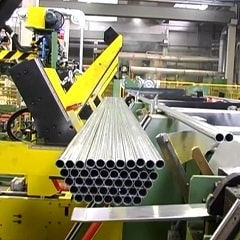
Automatic pipe tube bundling & strapping line
View Details →
Automatic steel tube strapping machine
View Details →
FHOPE Automatic steel tube packing machine
View Details →
Automatic plastic Pipe strapping packing line
View Details →
Automatic PPR/PVC Pipe bagging line
View Details →
Platsic pipe bag packing machine
View Details →
Tyre Packing Machine FPT-200
View Details →
Tyre Packing Machine FPT-300
View Details →
Tyre Packing Machine FPT-400
View Details →
Cable Coil Packing Machine-FPCA100
View Details →