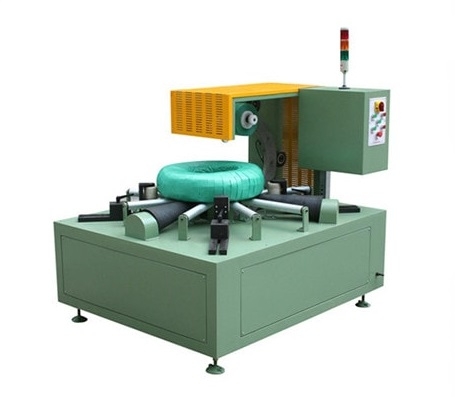
Steel Coil Wrapping Automation Decision Guide: Manual vs Automatic Systems
Choosing between manual and automatic steel coil wrapping requires more than comparing speed or labour costs. Explore how process mapping, capacity data, material usage, risk assessment, and supportability factors help determine the right automation level for your packaging operation.
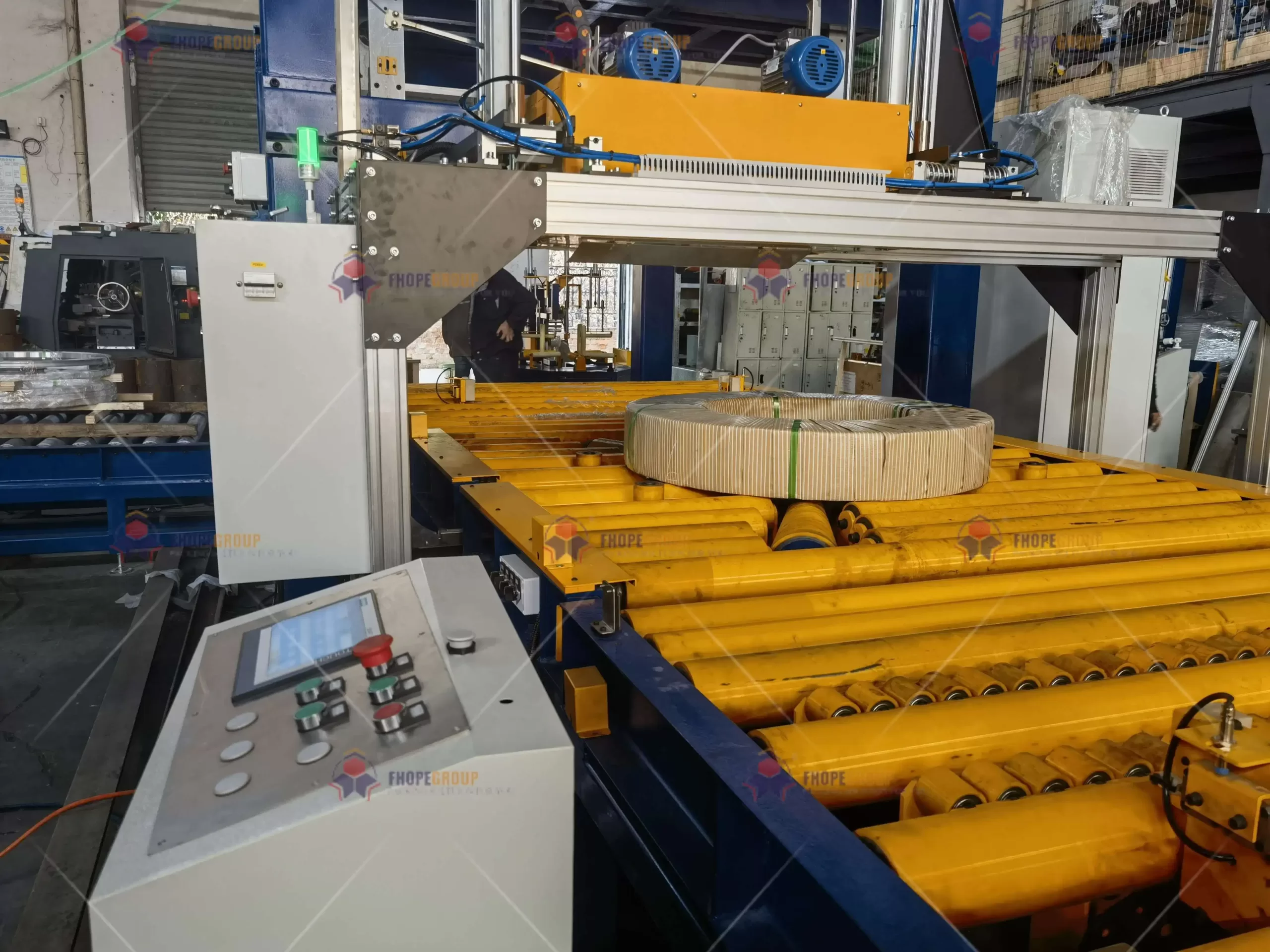
Manual vs. Automatic Steel Coil Wrapping: Cost, Safety and Efficiency
Manual vs. Automatic Steel Coil Wrapping: Cost, Safety and Efficiency
Automation is not automatically the right answer, and "manual" is not one operating model. A useful decision starts by describing what people and equipment actually do today, then tests whether a proposed level of automation removes a real constraint without creating an unsupported expectation.
This article compares operating models; it does not calculate project ROI, certify a safety outcome, or promise a throughput, labour, or material-saving result. A steel-coil project needs its own baseline data, layout review, risk assessment, machine specification, and acceptance plan.
Define the Options Before Comparing Them
Use clear language. The following are different systems with different dependencies:
| Operating model | What may be automated | What may still require people |
|---|---|---|
| Predominantly manual wrapping | material handling and wrapping actions may be manual | coil movement, material preparation, quality check, packing completion |
| Assisted or semi-automatic wrapping | the wrapping cycle may be machine-driven | loading, unloading, material replenishment, product confirmation, exceptions |
| Automated loading plus wrapping | transfer and wrapping may be sequenced | line supervision, replenishment, quality verification, maintenance response |
| Integrated packaging line | wrapping may connect with strapping, weighing, conveying, or stacking | exception handling, planning, replenishment, maintenance, controlled change |
The exact division of work depends on the design. Do not compare a manual packing station with a fully integrated line and call both simply "wrapping."
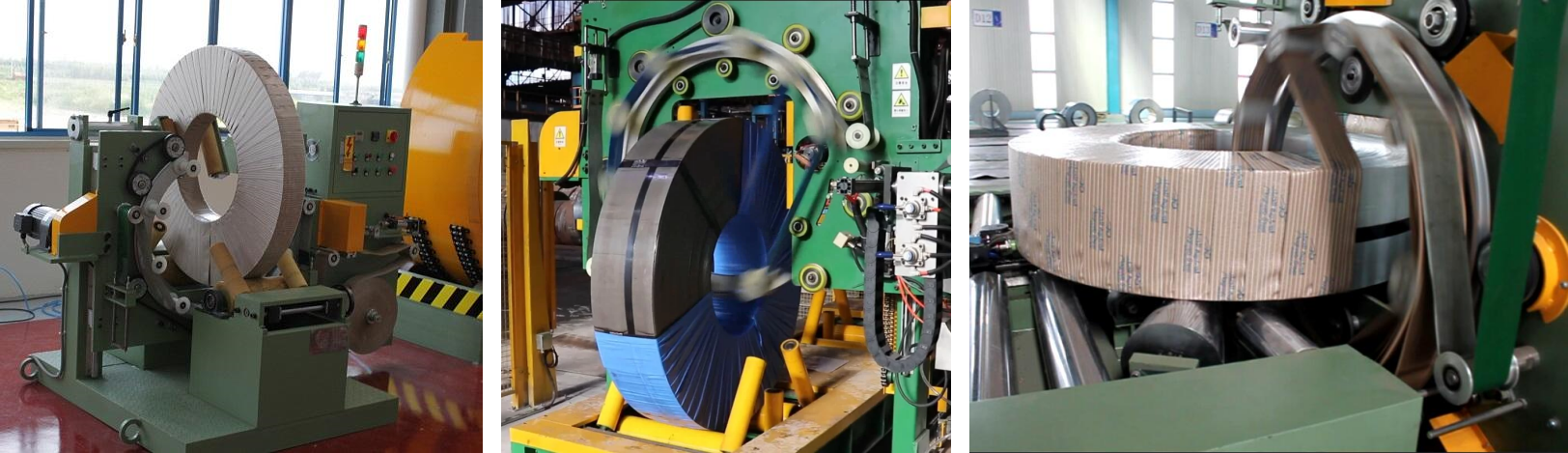
Map the Current Process Before Proposing a Future One
Observe representative production over a defined window. Record the coil family, dimensions, weight, packaging specification, order pattern, starts and stops, queue time, material changes, quality checks, rework, and all people who contribute — not just the person closest to the wrapper.
Ask these practical questions:
- Who moves the coil, prepares materials, starts the cycle, checks the pack, and handles exceptions?
- Where do waiting, walking, lifting, searching, or rework occur?
- Which product families or special requests disrupt the normal rhythm?
- What happens at a shift change, material change, alarm, or equipment outage?
- Which current constraints are measured, and which are assumptions?
Compare Labour as a System, Not a Headcount at One Station
Manual work can draw on packaging operators, crane or forklift roles, material preparation, quality inspection, supervisors, and rework. Automation can change where work happens rather than simply remove it. It may create or increase needs for replenishment, line monitoring, maintenance, planned recovery, recipe management, and technical support.
Build an activity-time study for the same coil families and operating window. Report direct and indirect labour separately. Include available productive time, breaks, shift handovers, upstream waiting, and downstream congestion. Without that boundary, "one operator saved" has no decision value.
Compare Capacity and Consistency with Matched Evidence
Do not use a supplier's maximum cycle rate as a plant's operating capacity. Compare a matched baseline and trial using the same or comparable coil families, packaging specification, material, operating hours, crew model, and definition of a completed acceptable pack.
Track at least:
- elapsed time per accepted coil, including waits where they constrain output;
- cycle-time distribution, not only the fastest cycle;
- changeover and material-replenishment time;
- rejected, reworked, or damaged packaging;
- planned and unplanned downtime with cause; and
- upstream/downstream queues that shift after automation.
Recipe control may improve repeatability where the machine, material, product range, and validation support it. It does not remove the need to verify overlap, tension, layer count, end condition, or product protection against the customer's actual packaging standard.

Treat Material Use as a Measured Question
Material consumption can be influenced by overlap, layer count, film specification, roll changes, breaks, operator practice, product geometry, and rework. For a comparison, weigh or count issued material, account for waste and partial rolls, and relate it to the same accepted-coil population. Do not claim savings from an automation setting without a controlled test.
Compare Exposure, Not Safety Slogans
Manual and automatic systems may expose people to different risks. Manual work can involve handling, repetitive exertion, proximity to a heavy coil, and interaction with mobile equipment. Automated machinery can introduce moving parts, transfer zones, stored energy, safeguarding dependencies, and maintenance hazards.
The right question is: what hazards remain in each state — normal running, loading, replenishment, jam/fault response, maintenance, and recovery — and what controls are required? An automation project needs a site-specific risk assessment and validated safeguarding. It must not be sold as a safety improvement merely because it has fewer visible operators.
Flexibility and Recoverability Can Outweigh Headline Speed
Manual or assisted methods may remain reasonable for low volume, unstable product ranges, temporary packaging requirements, constrained layouts, limited maintenance capacity, or infrequent work. Automation may become more compelling when the process is sufficiently repeatable, the demand pattern is stable, the manual process has a measured constraint, and the organization can support maintenance, spares, training, and change control.
Ask what happens when a coil falls outside the approved range, packaging changes, a material roll is unavailable, an upstream machine stops, or a line fault occurs. A solution with no safe, documented recovery path is not operationally complete.

Use a Decision Scorecard, Not a Sales Claim
Score each option against evidence gathered at the site:
| Decision area | Evidence needed |
|---|---|
| Demand and product range | order history, coil families, special-case rate, forecast assumptions |
| Labour | activity-time study including indirect work and handovers |
| Capacity | matched accepted-coil time study and downtime record |
| Packaging quality | defined acceptance standard, defect/rework evidence, customer requirements |
| Materials | issued, consumed, waste, and rework data for comparable work |
| Safety and ergonomics | site risk assessment across normal and non-routine states |
| Flexibility | approved product envelope, changeover evidence, exception route |
| Supportability | maintenance capability, spare-parts strategy, service lead time, training plan |
| Capital decision | scoped quotation, installation/layout needs, utilities, and a separate ROI model |
The output can be manual, assisted, or automated. A credible assessment accepts that each may be appropriate under different verified conditions.
Make the Next Decision Testable
Before committing, agree the baseline period, coil population, acceptance criteria, required layout and risk review, trial plan, owners, and decision date. Record what the automation is expected to change and what it is not expected to change. That makes a future decision reviewable — and protects both the operator experience and the investment from vague promises.
Visual Details
Click to enlarge

Click to enlarge
Click to enlarge
Click to enlarge
Watch How It Works
Discover how our automated packaging solutions optimize your production line efficiency. This video demonstrates the seamless operation designed for maximum protection.
Trusted by Steel Mills & Industry Leaders
Global manufacturers rely on FHOPE heavy duty packaging equipment


Ready to optimize your packaging line?
Get a custom quote with ROI analysis. Our engineers respond within 24 hours.
- Free layout design
- Global installation support
- 2-year warranty included
Your information is secure and will never be shared.
Related Machines
Steel Coil Packaging line
View Details →
Vertical coil packaging line
View Details →
Hose Coil Packaging line
View Details →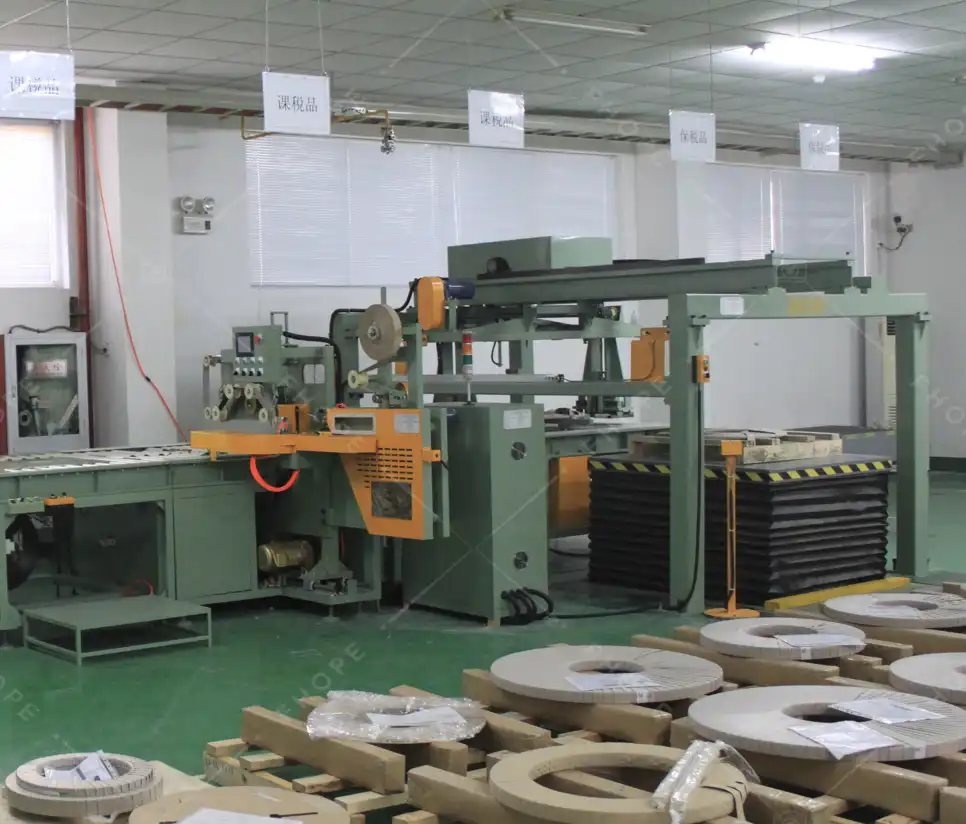
Copper Coil Packaging line
View Details →
Wire Coil Packaging line
View Details →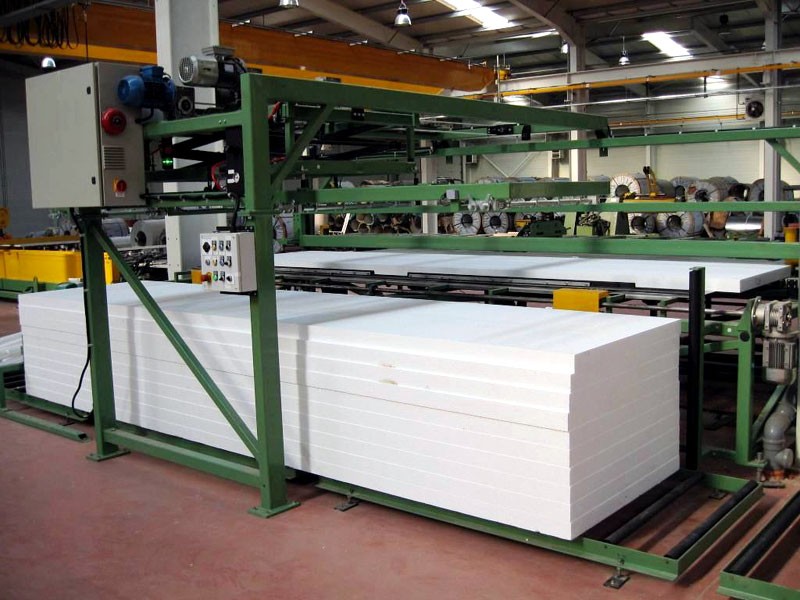
Panel Packaging line
View Details →
Pipe Bagging Machine
View Details →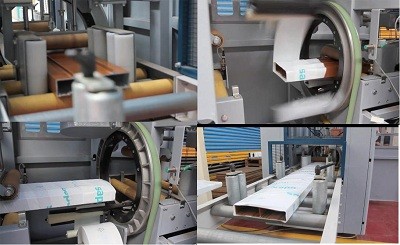
Aluminum profile packing line
View Details →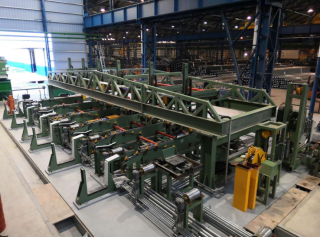
FHOPE Automatic pipe tube bundling&strapping line
View Details →
Automatic pipe tube bundling & strapping line
View Details →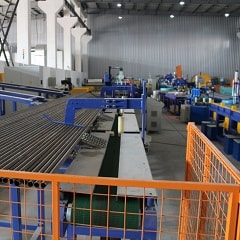
Automatic steel tube strapping machine
View Details →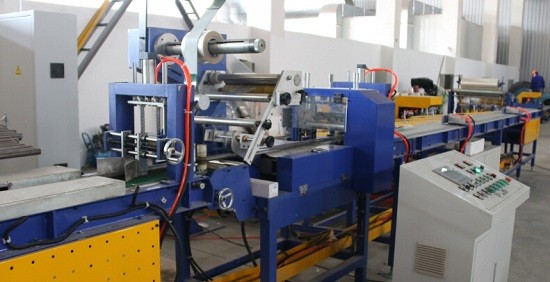
FHOPE Automatic steel tube packing machine
View Details →
Automatic plastic Pipe strapping packing line
View Details →
Automatic PPR/PVC Pipe bagging line
View Details →
Platsic pipe bag packing machine
View Details →
Tyre Packing Machine FPT-200
View Details →
Tyre Packing Machine FPT-300
View Details →
Tyre Packing Machine FPT-400
View Details →
Cable Coil Packing Machine-FPCA100
View Details →