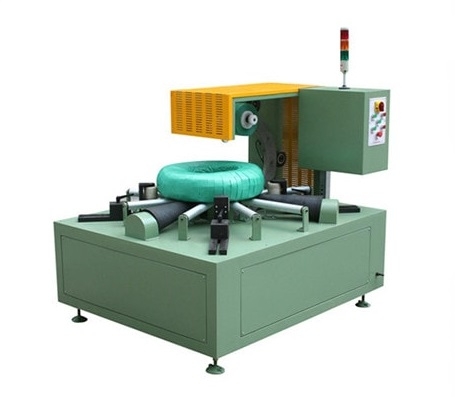
How to Evaluate ROI for an Automatic Steel Coil Wrapping Machine
Before investing in steel coil wrapping automation, understand how to measure financial impact correctly. Learn how labour, materials, capacity, quality, maintenance, and operational changes should be analyzed to create a transparent ROI assessment for your packaging project.
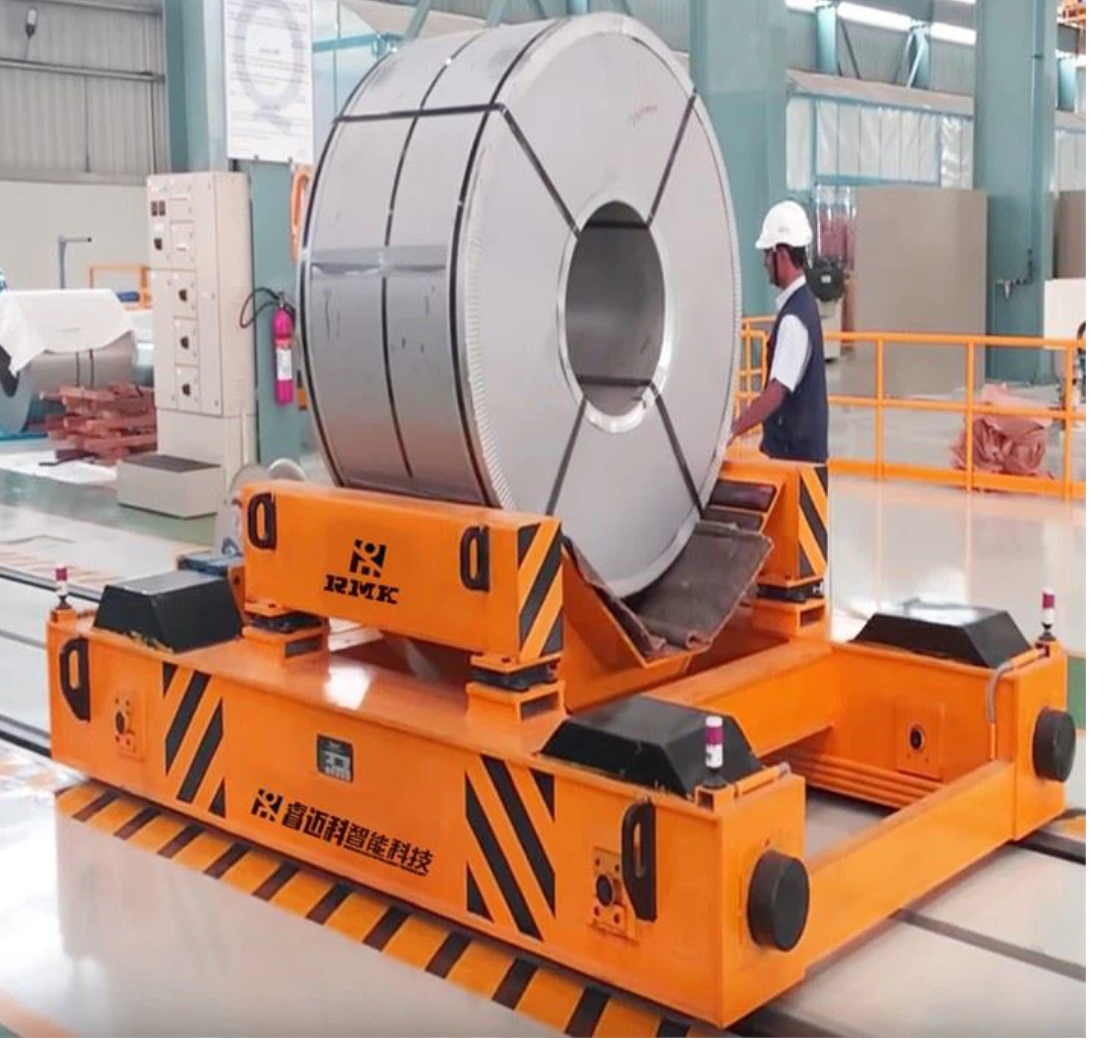
How to Calculate the ROI of an Automatic Steel Coil Wrapping Machine
How to Calculate the ROI of an Automatic Steel Coil Wrapping Machine
An ROI model is useful only when it compares a defined current process with a defined future process, using the same boundary, currency, time horizon, and measurement rules. A machine's quoted price or fastest cycle is not an ROI result.
For an automatic steel coil wrapper, start with the investment decision: replace a manual station, relieve a measured bottleneck, improve a defined packaging outcome, reduce a documented exposure, or build a new line. Each goal changes what belongs in the model. This article provides a transparent calculation framework; it does not estimate a project's payback without the buyer's actual data and financial review.
Define the Baseline Before Adding a Benefit
Document the current process over an agreed period and coil population. Record accepted coils, product mix, packaging specification, direct and indirect labour activities, material issued and wasted, rework, damage or claim evidence, planned and unplanned downtime, utilities, maintenance, and constraints outside the wrapping station.
Write a measurement dictionary before data collection. For example, define an "accepted coil," the start/end points of elapsed time, what counts as an intervention, and whether queue time is in or out of scope. A baseline that changes definition halfway through cannot support a financial comparison.
Calculate the Total Initial Investment, Not Just the Machine Line
The initial investment can include the quoted equipment, options, engineering, shipping, insurance, taxes/duties where applicable, foundations, utilities, safety work, controls integration, installation, commissioning, training, validation, and customer-side responsibilities. Record the quotation date, currency, delivery basis, validity, inclusions, exclusions, and contingency treatment.
Do not combine a preliminary budget, a final contract price, and unapproved site work into one apparently precise number. Keep each source and status visible.
Treat Labour Benefit as Released Capacity Until Finance Confirms a Saving
Start with activity time, not headcount. Measure which tasks are removed, moved, or added: wrapping, coil movement, film replenishment, inspection, exception response, maintenance coordination, quality release, and rework. Convert hours into an annual value only when the organization has confirmed how those hours will be used.
If employees are reassigned rather than reduced, call it released capacity or redeployed labour — not a cash saving. Include any new supervision, maintenance, or technical-support requirement in the future-state cost.
Measure Material, Capacity, Quality, and Risk Benefits Separately
Material benefit needs a controlled comparison: same or comparable coil population, approved packaging standard, issue/return/waste accounting, and a stated observation period. Capacity benefit requires real demand or an identified avoided cost; unused theoretical output is not revenue. Quality, damage, and claim effects need dated baseline evidence and a clear method for attributing change. Safety and ergonomic benefits should remain in a separate decision record unless a finance-approved method and evidence permit valuation.
Keeping these categories separate prevents one uncertain claim from inflating the entire base case.
Include Annual Operating and Ownership Costs
Future-state cost may include electricity, compressed air, packaging materials, planned maintenance, wear parts, spare parts, service, software/support, training, planned downtime, and residual manual work. Use measured consumption or documented calculation assumptions; rated power alone is not actual energy consumption. Treat cost escalation, exchange effects, and one-time recovery work according to the organization's finance policy.
Use Simple Formulas, But Disclose the Boundary
For a one-year view:
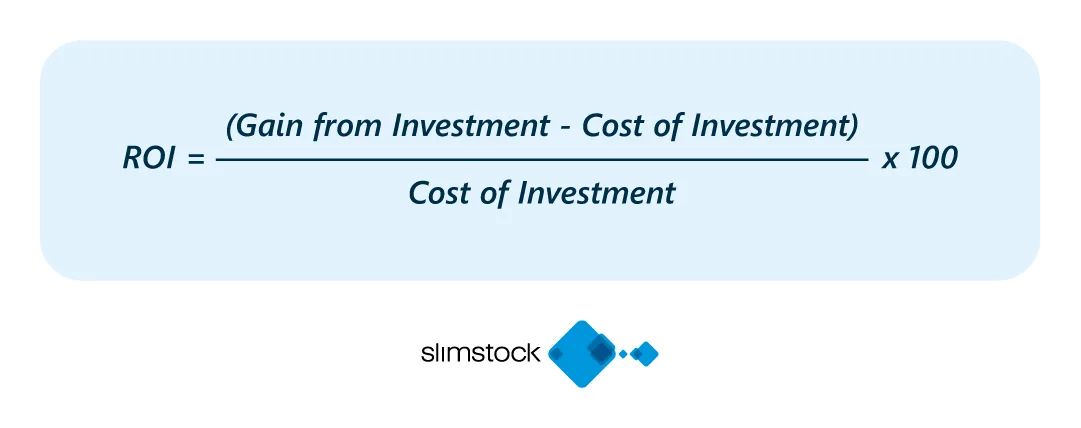
- Annual net benefit = documented annual benefits − documented annual future-state costs.
- Simple payback period = total initial investment ÷ annual net benefit, only when annual net benefit is positive and the input boundary is complete.
- Simple ROI = annual net benefit ÷ total initial investment.
These formulas are not a promise. They do not replace discounted cash-flow analysis, tax treatment, financing, opportunity cost, or a company's approval rule. For multi-year alternatives, define the study period and discount assumptions, then use a finance-reviewed discounted cash-flow or NPV model consistently for both the baseline and alternative.
Stress-Test the Decision
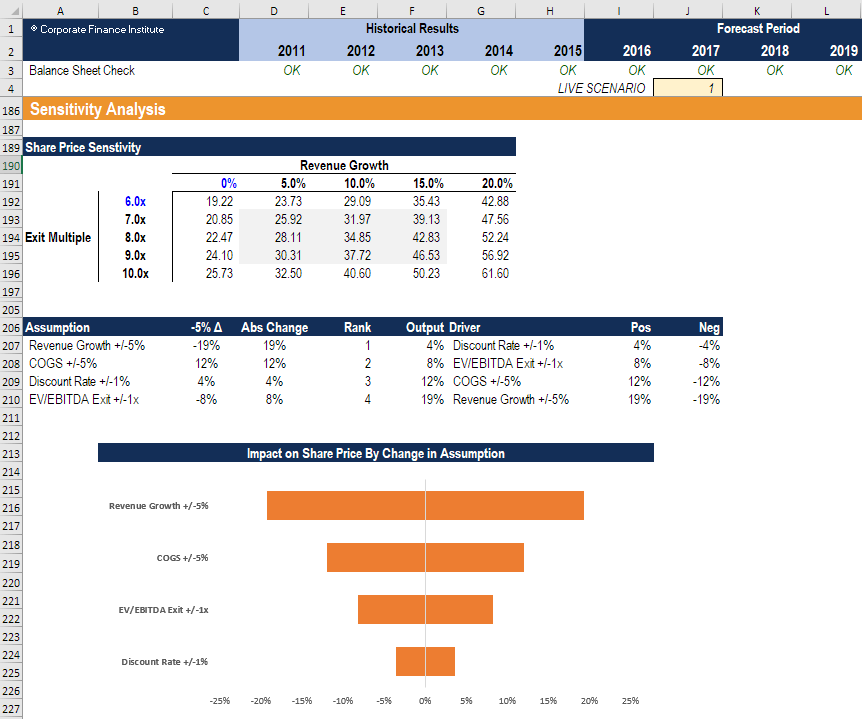
Run at least a conservative, base, and improved scenario. Vary only justified inputs, such as accepted-coil volume, released labour treatment, material use, installation cost, utilization, maintenance, and downtime. Test cases where volume falls, no headcount is removed, material use does not improve, demand is absent, or installation cost grows.
Show which variables move the result most. A result that only works in the improved case is not a robust investment conclusion.
Validate After Installation
Agree the future-state measurement plan before commissioning: coil population, acceptance standard, start/end times, operating period, owners, exclusions, and review dates. Compare the approved forecast with actual data after a suitable stabilization period and again at planned milestones. Correct the model rather than defending its original assumptions.
The next practical step is to create a baseline workbook and a scope-controlled quotation comparison, then ask operations, maintenance, quality, engineering, and finance to approve the input boundary. Only then should the team calculate a project ROI.
Visual Details
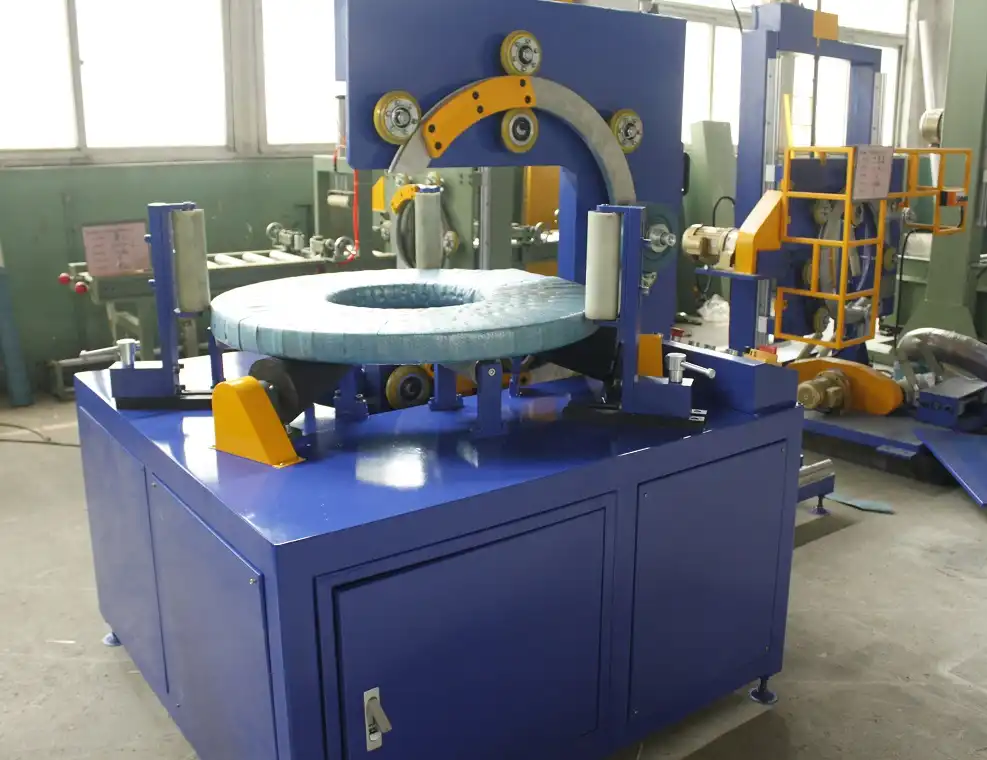
Click to enlarge
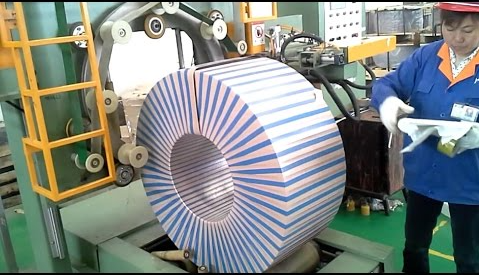
Click to enlarge

Click to enlarge

Click to enlarge
Watch How It Works
Discover how our automated packaging solutions optimize your production line efficiency. This video demonstrates the seamless operation designed for maximum protection.
Trusted by Steel Mills & Industry Leaders
Global manufacturers rely on FHOPE heavy duty packaging equipment


Ready to optimize your packaging line?
Get a custom quote with ROI analysis. Our engineers respond within 24 hours.
- Free layout design
- Global installation support
- 2-year warranty included
Your information is secure and will never be shared.
Related Machines
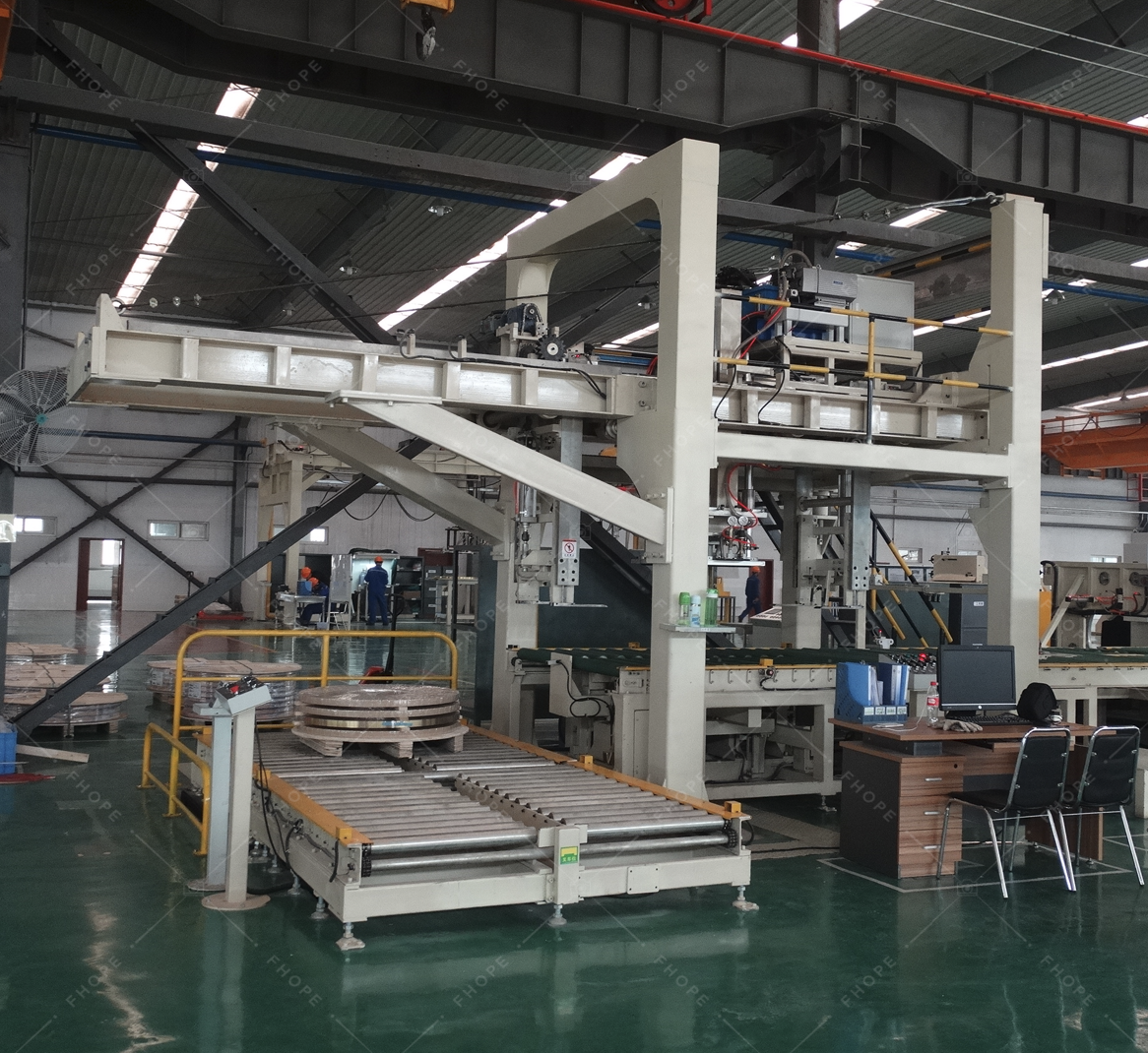
Steel Coil Packaging line
View Details →
Vertical coil packaging line
View Details →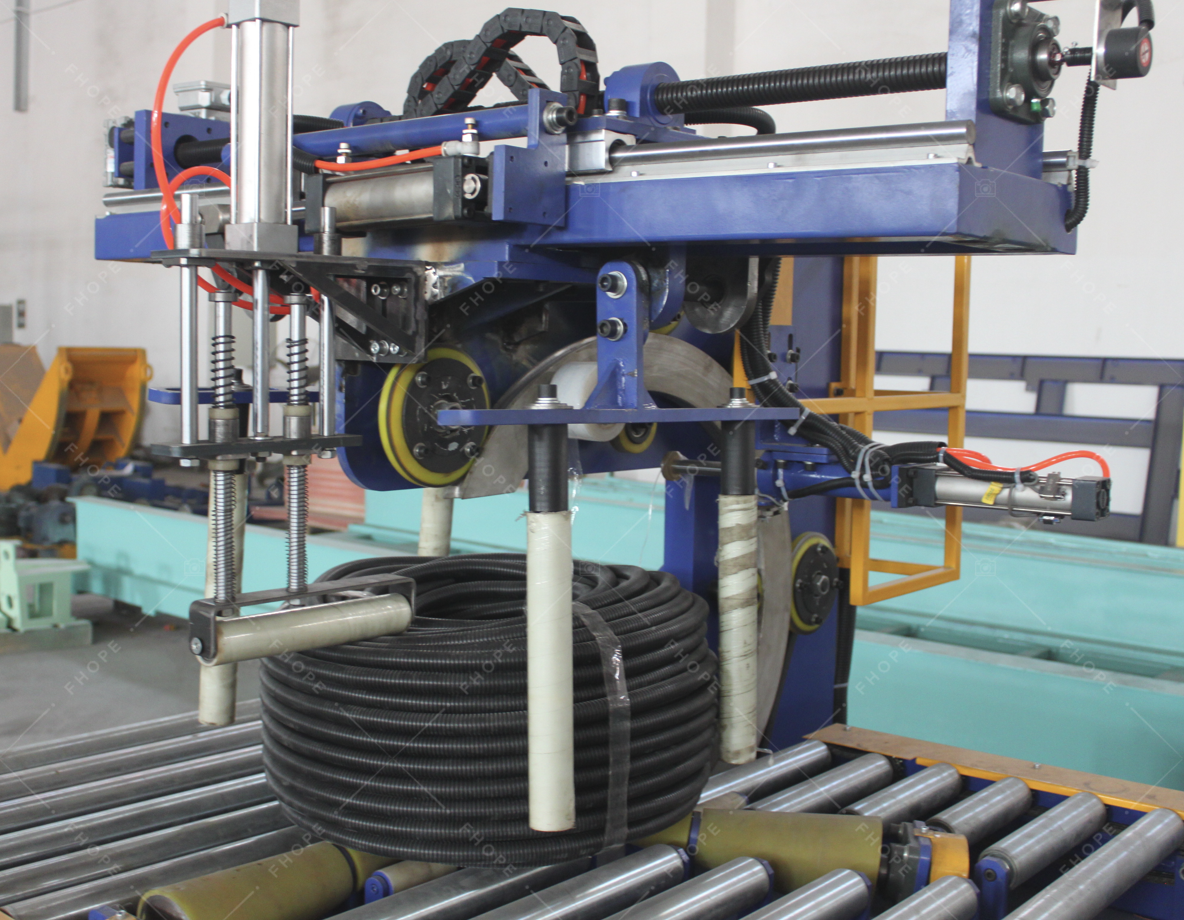
Hose Coil Packaging line
View Details →
Copper Coil Packaging line
View Details →
Wire Coil Packaging line
View Details →
Panel Packaging line
View Details →
Pipe Bagging Machine
View Details →
Aluminum profile packing line
View Details →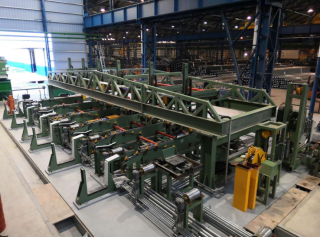
FHOPE Automatic pipe tube bundling&strapping line
View Details →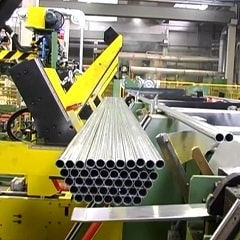
Automatic pipe tube bundling & strapping line
View Details →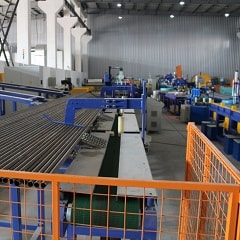
Automatic steel tube strapping machine
View Details →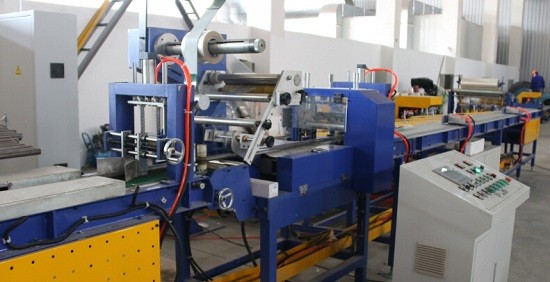
FHOPE Automatic steel tube packing machine
View Details →
Automatic plastic Pipe strapping packing line
View Details →
Automatic PPR/PVC Pipe bagging line
View Details →
Platsic pipe bag packing machine
View Details →
Tyre Packing Machine FPT-200
View Details →
Tyre Packing Machine FPT-300
View Details →
Tyre Packing Machine FPT-400
View Details →
Cable Coil Packing Machine-FPCA100
View Details →