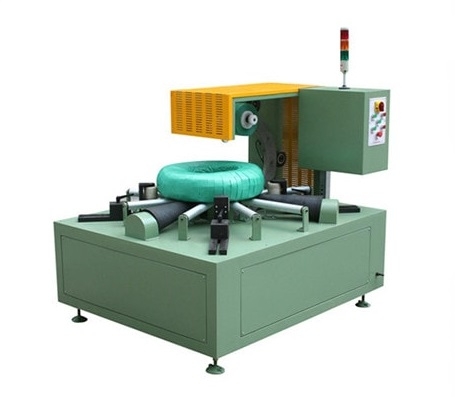
Steel Coil Wrapping Machine FAT and SAT Checklist Guide
A complete FAT and SAT checklist helps verify that a steel coil wrapping machine meets the agreed scope before shipment and after installation. Discover key acceptance steps for testing functions, interfaces, documentation, safety boundaries, and production readiness.

FAT and SAT Checklist for Steel Coil Wrapping Machines
Factory acceptance testing (FAT) and site acceptance testing (SAT) are not ceremonies at the end of a project. They are the controlled evidence trail that shows whether the supplied system matches the agreed scope at the factory, then whether it can be installed, integrated, and accepted safely at the site.
A FAT cannot prove site performance before the machine reaches its real utilities, layout, material flow, and operating environment. A SAT cannot repair an unclear contract. Freeze the acceptance basis early, record every result against it, and distinguish a passed test from an open risk or deferred obligation.
This article is an acceptance-planning framework, not a universal test procedure or a safety-validation instruction. The contract, technical specification, approved drawings, risk assessment, actual machine manual, target-market requirements, and named competent reviewers govern the project.
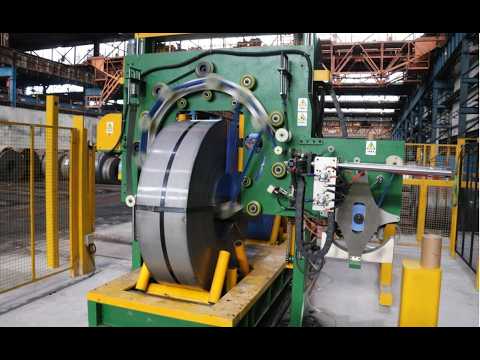
Define the Acceptance Stages and Decision Rights
State what FAT verifies at the supplier site, what SAT verifies after installation, and whether a later production-performance phase is required. Assign who witnesses, who records, who may accept a deviation, who owns a punch-list item, and what evidence is needed before shipment, installation, or final release.
Use unambiguous statuses: pass, conditional pass with documented restriction, fail, or not tested. A conditional pass is not a silent approval. It needs an owner, due date, temporary control, and retest evidence.
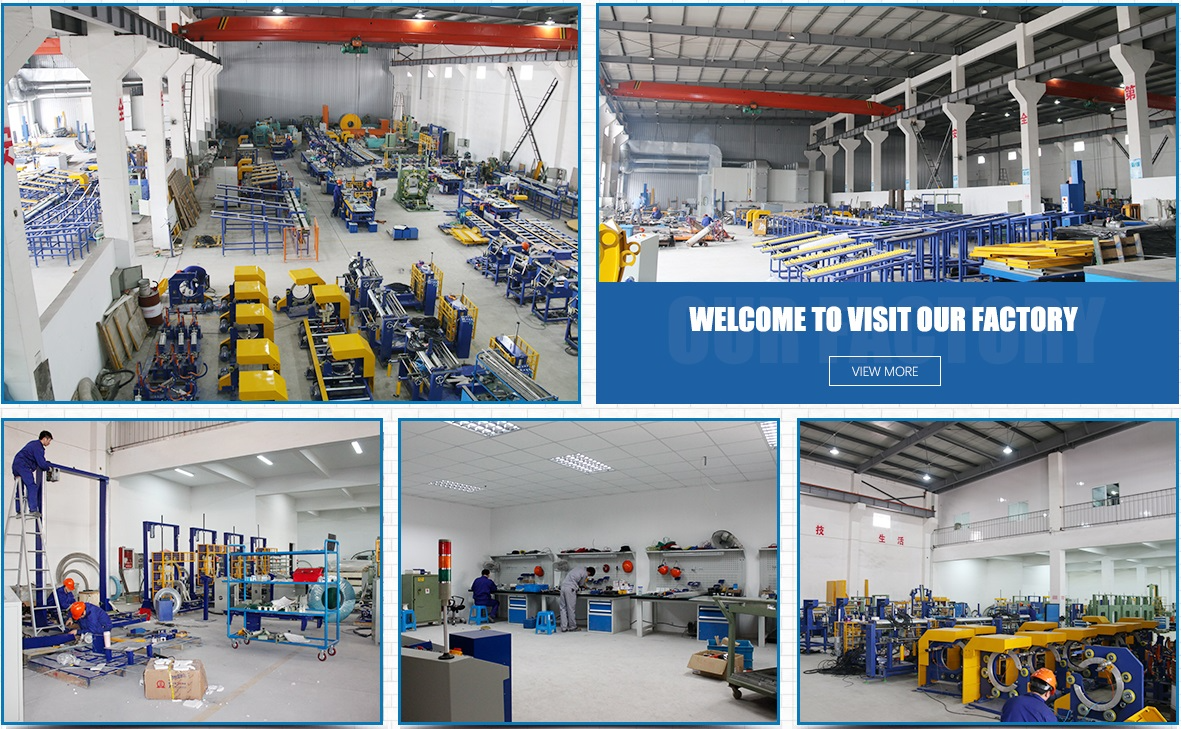
Freeze the Acceptance Basis Before the Machine Is Tested
Create a controlled index of the contract, technical agreement, approved drawings, layout, electrical and pneumatic documents, I/O list, software/recipe version, approved materials, packaging acceptance samples, risk documents, manuals, BOM, and approved changes. Every test row should cite the controlling document and revision.
If a document is missing or an approved change is not reflected in the test plan, log it as an open item. Do not rely on verbal clarification during the witness test.
Prepare Representative Coils and Materials
Agree the test population: smallest, typical, largest, and most difficult approved combinations, provided they are safe and practical to test. Document coil dimensions, weight, surface condition, material type, packaging material, recipe, and expected acceptance criteria. Record who supplied the samples and whether they represent production conditions.
Do not treat a successful trial on one convenient coil as proof of the entire approved envelope. Equally, do not test a combination outside the agreed safe operating range merely to demonstrate a maximum claim.
Review Documents and Inspect the Supplied Scope
Before functional tests, verify that the controlled documents are present and that the delivered mechanics, controls, identifiers, and listed components match the approved scope. Record visible condition, labels, access, guarding, cable/connector condition, and assembly evidence as required by the agreement.
For safety-related features, use the project's approved risk and validation basis. Do not improvise fault injection, defeat an interlock, enter a safeguarded area, or use an unsafe method to "prove" a stop function. A competent safety reviewer and the applicable procedure decide the permitted test method.
Test Complete Functions, Not Isolated Motions
The FAT plan should trace an approved cycle from authorized loading condition through positioning, wrapping, material handling, completion, and release—plus the defined manual/automatic modes, recipe changes, approved interfaces, and abnormal conditions. State what start and end points mean for every timing or capacity record.
For packaging performance, preserve samples and record coil/material conditions, settings or recipe revision, visual criteria, measurements, observations, and result. For continuous-run evidence, record the number of accepted cycles, interventions, planned pauses, alarms, rejects, and the calculation method. The fastest single cycle is not a line-capacity result.

Test Interfaces and Recovery Boundaries
If the scope includes conveyors, trolleys, strapping, weighing, labels, scanners, or MES/ERP exchange, test the agreed interface ownership and data path. Record normal handshakes, expected unavailable states, duplicates, communication interruption, and the permitted recovery path. Do not imply that a wrapper performs an upstream or downstream function unless it is included in the supplied system and acceptance scope.
Use the Punch List as a Decision Tool
Each punch-list item needs the requirement reference, observed result, risk/impact, owner, due date, temporary restriction, verification method, and closure evidence. Decide which items block shipment, which block commissioning, and which can be accepted conditionally under a documented plan. Attach retest proof to the original item instead of replacing the history.
SAT Proves the Installed Context
At the site, verify the installed layout, foundations/anchoring as applicable, utilities, material flow, interfaces, safeguarding boundary, access, training, documents, and real operating conditions against the contract. Re-run the agreed relevant tests under the site conditions. If the installation, interface, or product conditions differ from FAT, record the difference rather than assuming the factory result transfers unchanged.
The Next Step: Issue a Controlled Witness Pack
Before FAT, issue a witness pack with the acceptance matrix, test-coil list, test records, media permission rules, punch-list format, version index, named roles, and release criteria. That preparation turns FAT/SAT from a demonstration into a fair, traceable acceptance process.
Visual Details

Click to enlarge
Click to enlarge

Click to enlarge
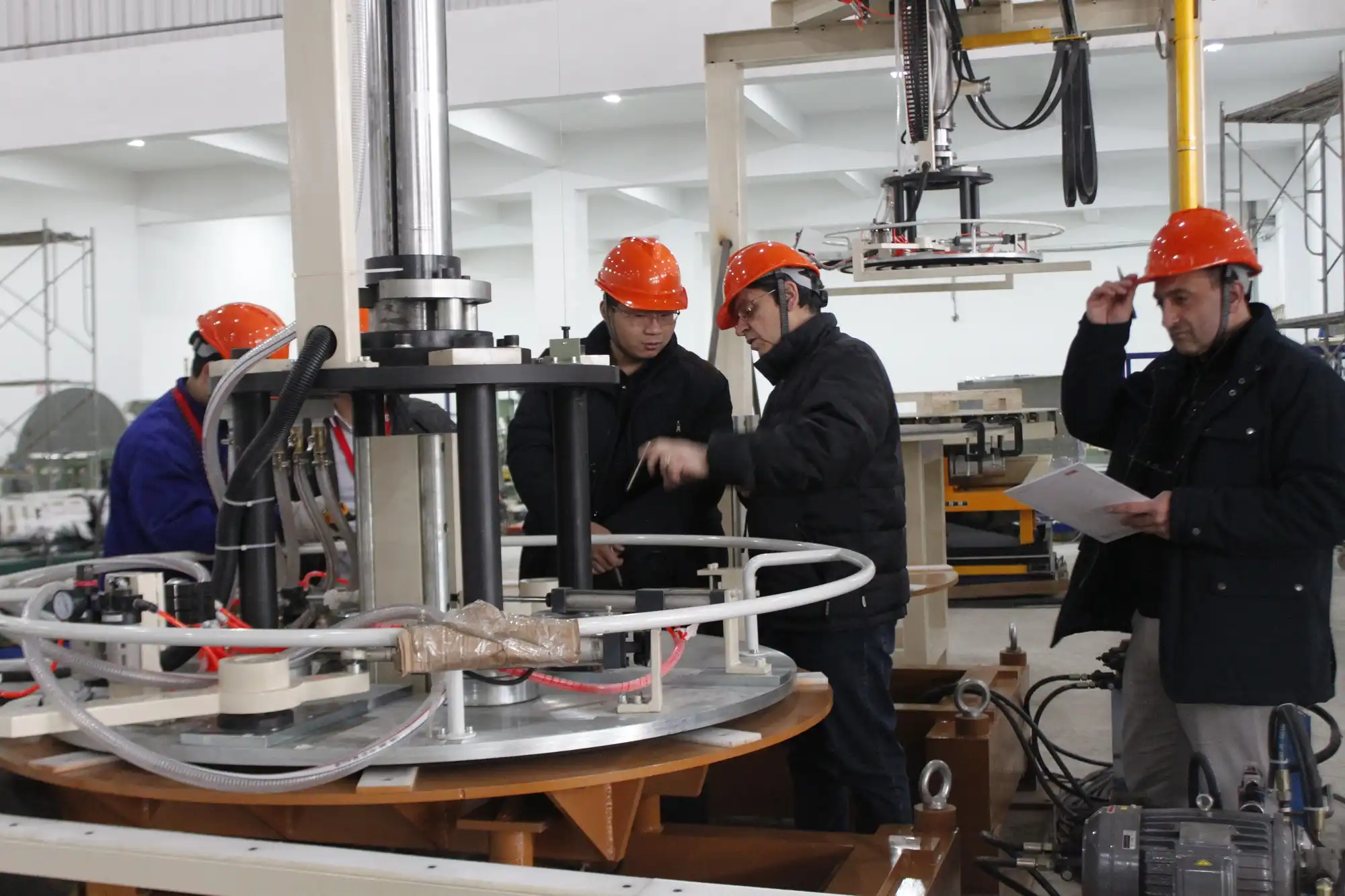
Click to enlarge
Watch How It Works
Discover how our automated packaging solutions optimize your production line efficiency. This video demonstrates the seamless operation designed for maximum protection.
Trusted by Steel Mills & Industry Leaders
Global manufacturers rely on FHOPE heavy duty packaging equipment


Ready to optimize your packaging line?
Get a custom quote with ROI analysis. Our engineers respond within 24 hours.
- Free layout design
- Global installation support
- 2-year warranty included
Your information is secure and will never be shared.
Related Machines
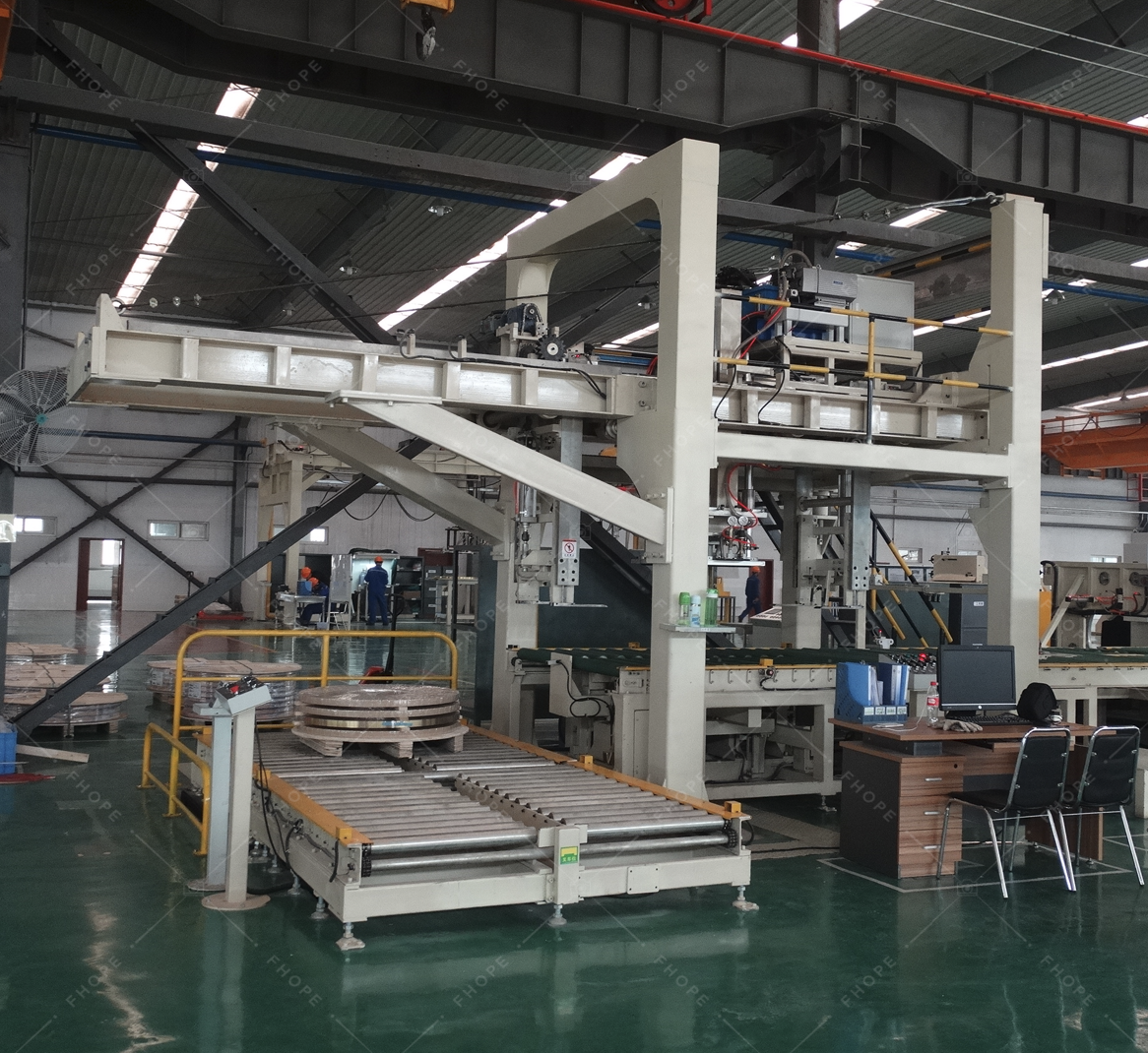
Steel Coil Packaging line
View Details →
Vertical coil packaging line
View Details →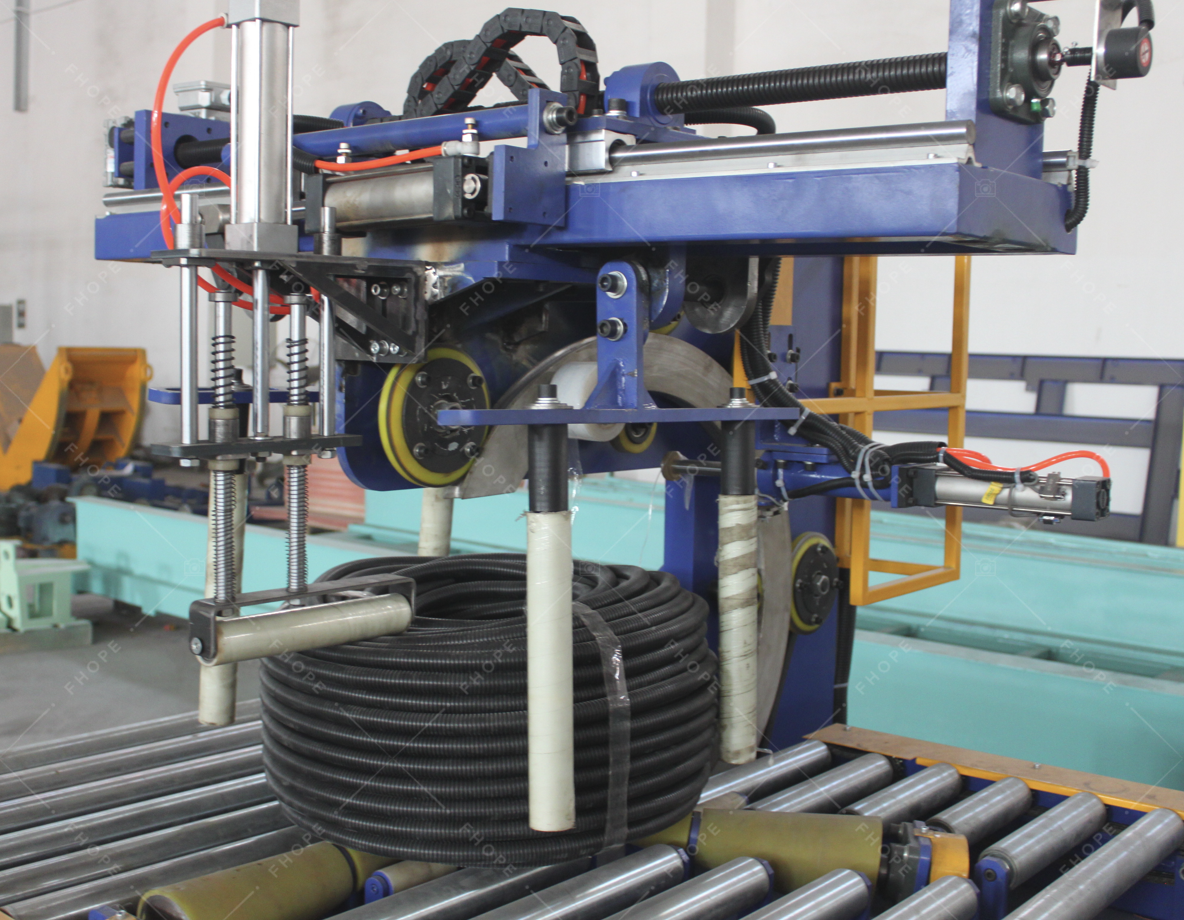
Hose Coil Packaging line
View Details →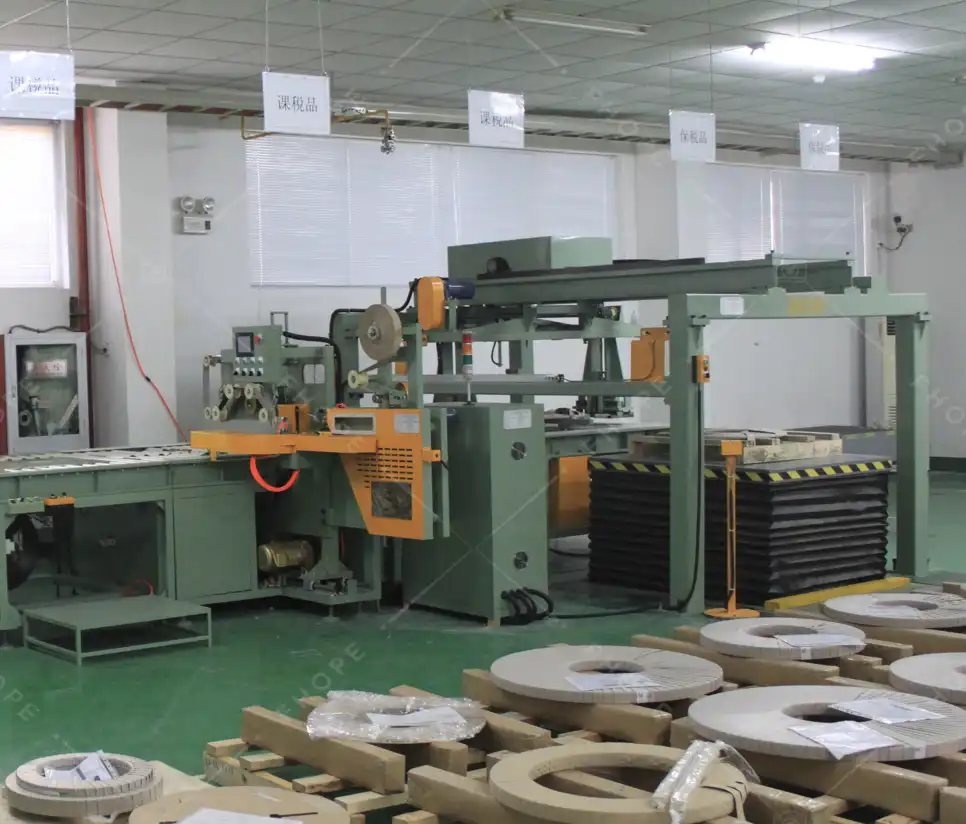
Copper Coil Packaging line
View Details →
Wire Coil Packaging line
View Details →
Panel Packaging line
View Details →
Pipe Bagging Machine
View Details →
Aluminum profile packing line
View Details →
FHOPE Automatic pipe tube bundling&strapping line
View Details →
Automatic pipe tube bundling & strapping line
View Details →
Automatic steel tube strapping machine
View Details →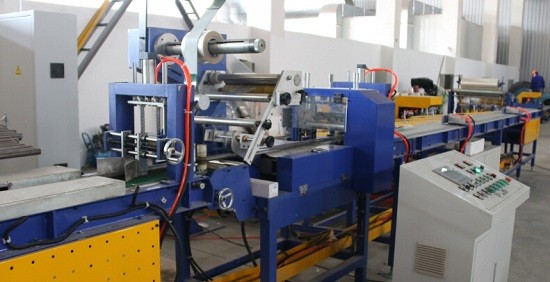
FHOPE Automatic steel tube packing machine
View Details →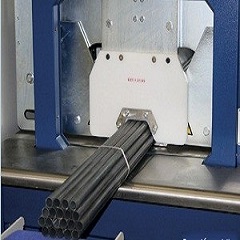
Automatic plastic Pipe strapping packing line
View Details →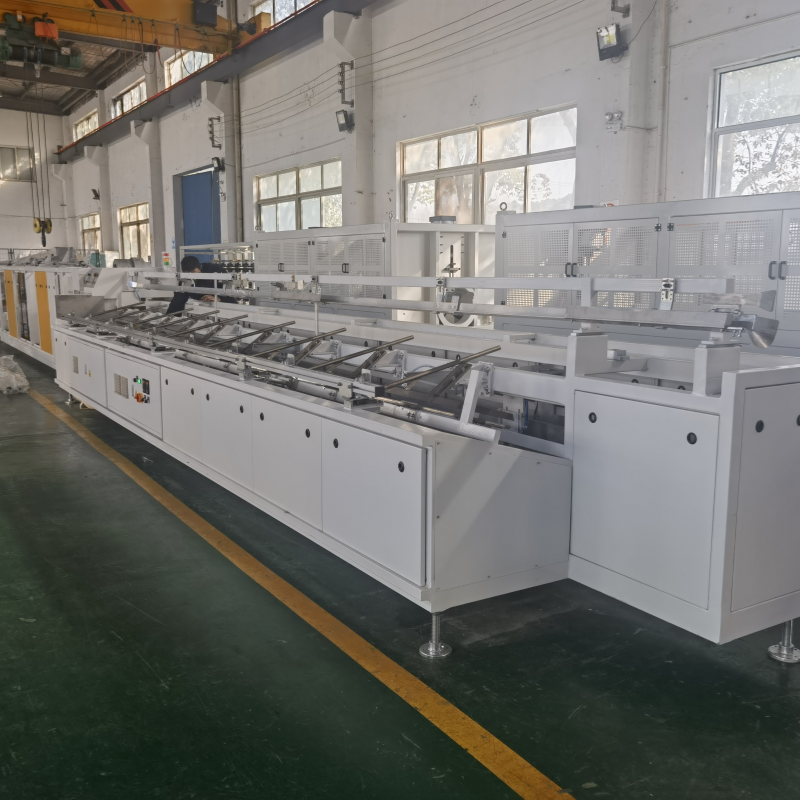
Automatic PPR/PVC Pipe bagging line
View Details →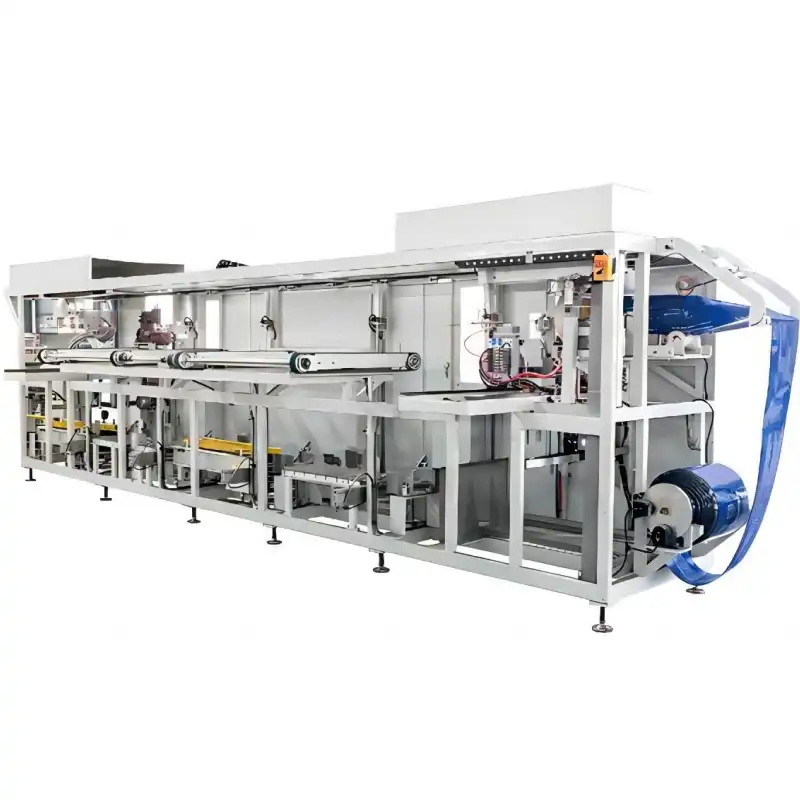
Platsic pipe bag packing machine
View Details →
Tyre Packing Machine FPT-200
View Details →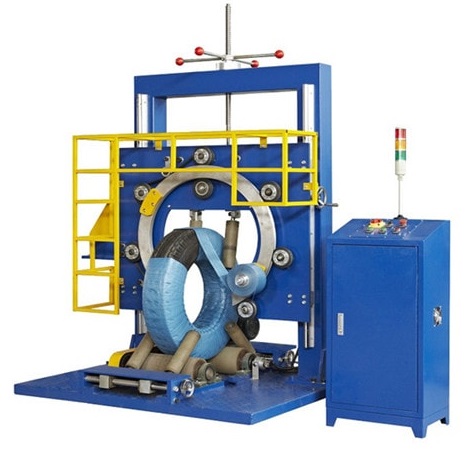
Tyre Packing Machine FPT-300
View Details →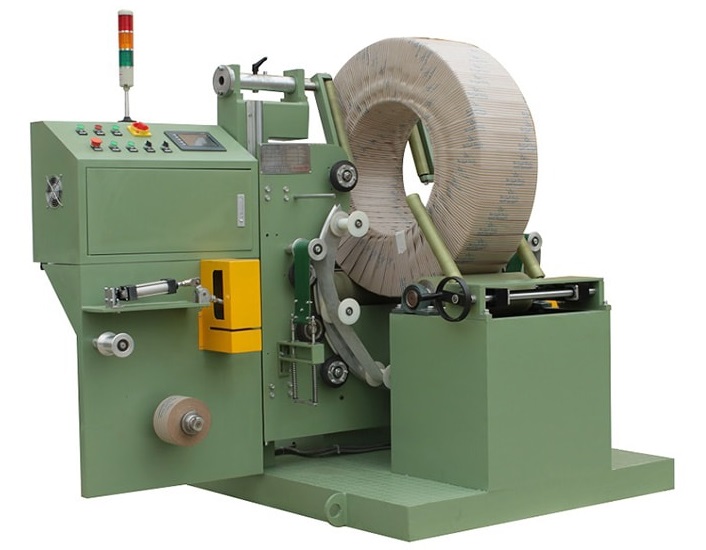
Tyre Packing Machine FPT-400
View Details →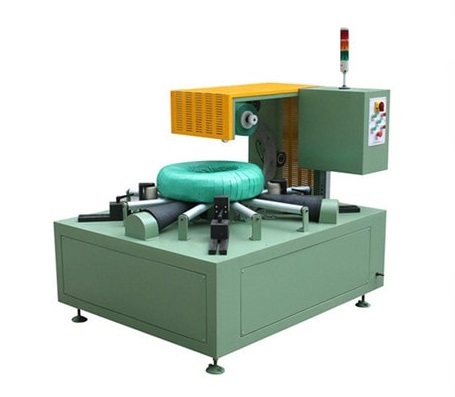
Cable Coil Packing Machine-FPCA100
View Details →