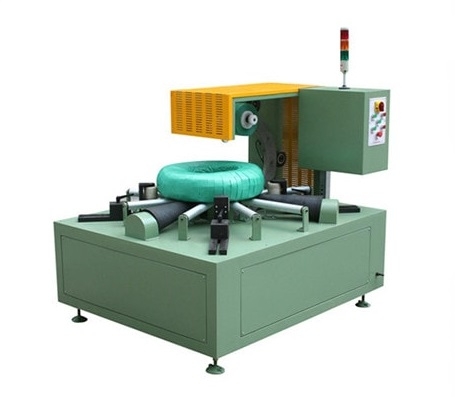
Steel Service Center Automation: How to Automate Coil Packaging Operations
Steel service centers can improve coil packaging performance by standardizing repeatable work and controlling exceptions. Learn how to evaluate handling processes, packaging requirements, system interfaces, and phased automation strategies before investing in a complete packaging solution.
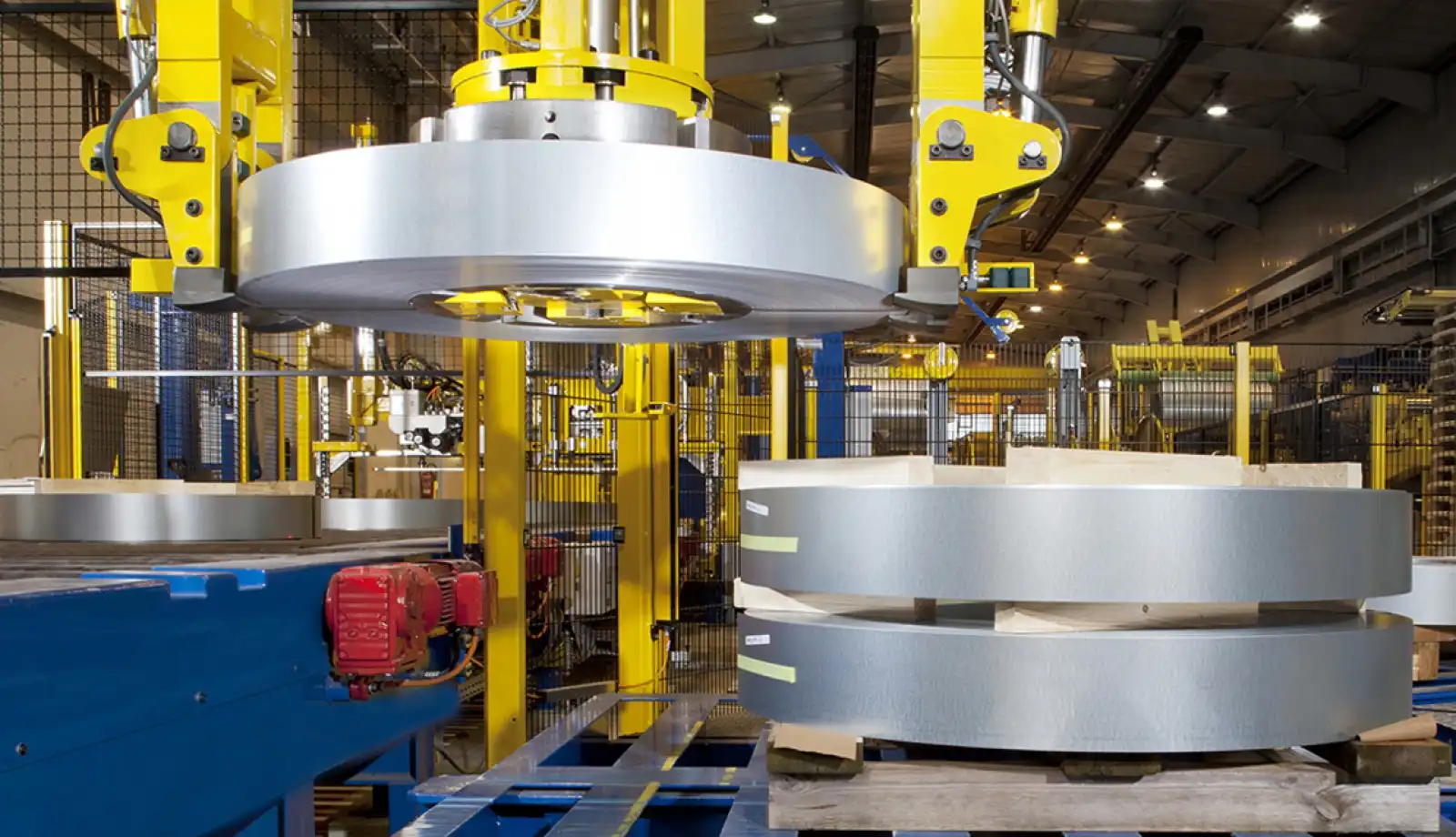
How Steel Service Centers Can Automate Coil Packaging
How Steel Service Centers Can Automate Coil Packaging
Steel service centers rarely package one stable product in one stable sequence. Orders can differ by customer, grade, width, surface, protection requirement, label, urgency, and downstream destination. In that environment, automation succeeds when it standardizes the repeatable majority and gives exceptions a controlled path — not when it tries to force every order through one rigid line.
This article helps operations, project, IT, and commercial teams design that decision. It is not a case study, a capacity promise, a cybersecurity assessment, or a recommendation that a complete line is always the right first investment.
Segment Orders Before Automating the Flow
Use actual order history to group work by product dimensions, packaging complexity, volume/frequency, customer-specific rules, source process, and exception rate. Identify the families where a consistent physical path and packaging recipe are feasible, then separately define the uncommon work that needs manual review or another route.
This is how a team avoids buying an expensive solution for edge cases while discovering that the high-volume work was never truly standardized.
Map Order to Shipment as One Connected Process
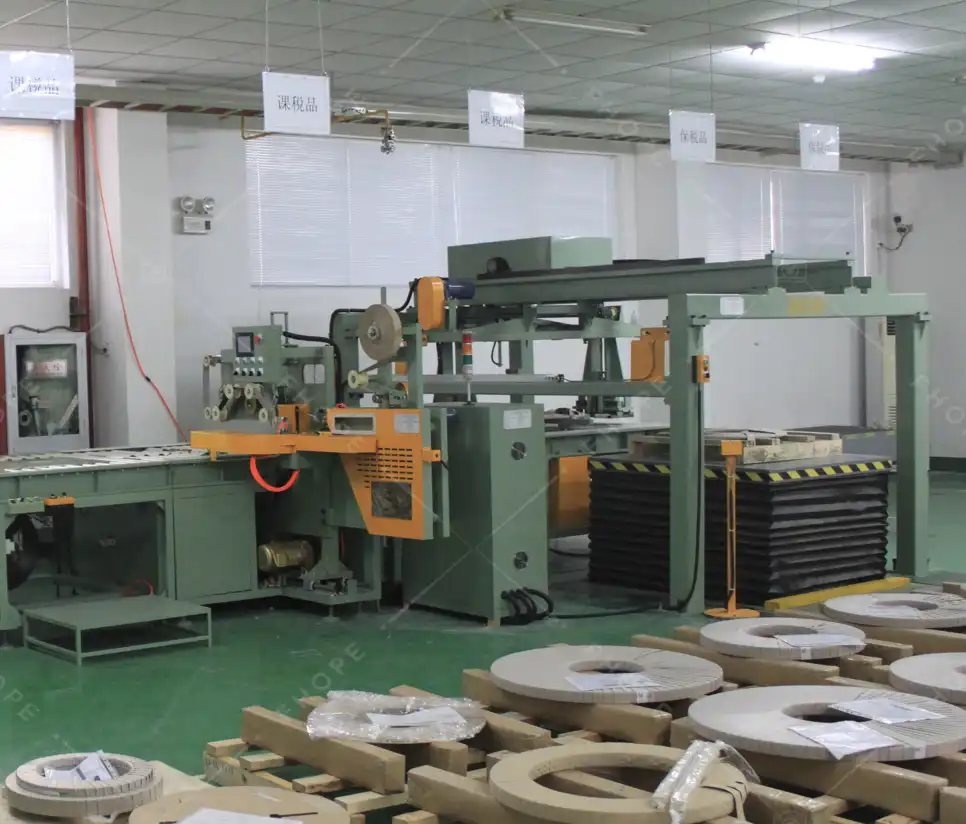
Follow the coil and its data from work order and source material through processing, buffer, packaging, inspection, weighing, labeling, staging, and shipment. Capture waiting, repeat handling, rework, manual data entry, label verification, and ownership changes. The opportunity may be a physical bottleneck, a data break, or both.

Choose the Smallest Automation Level That Solves the Measured Constraint
The options can range from assisted handling and a wrapping station to automated transfer and a broader integrated packaging line. Compare them against product-family stability, required packaging outcomes, demand pattern, layout, people available for replenishment and exception work, maintenance capability, data maturity, and safe fallback route.
Do not use a nominal machine cycle to size the line. Include changeovers, waiting, label/recipe confirmation, material replenishment, quality holds, upstream variability, and recovery from normal operating interruptions. A system with an unclear exception path is not operationally complete.
Treat Product Data and Packaging Rules as Production Assets
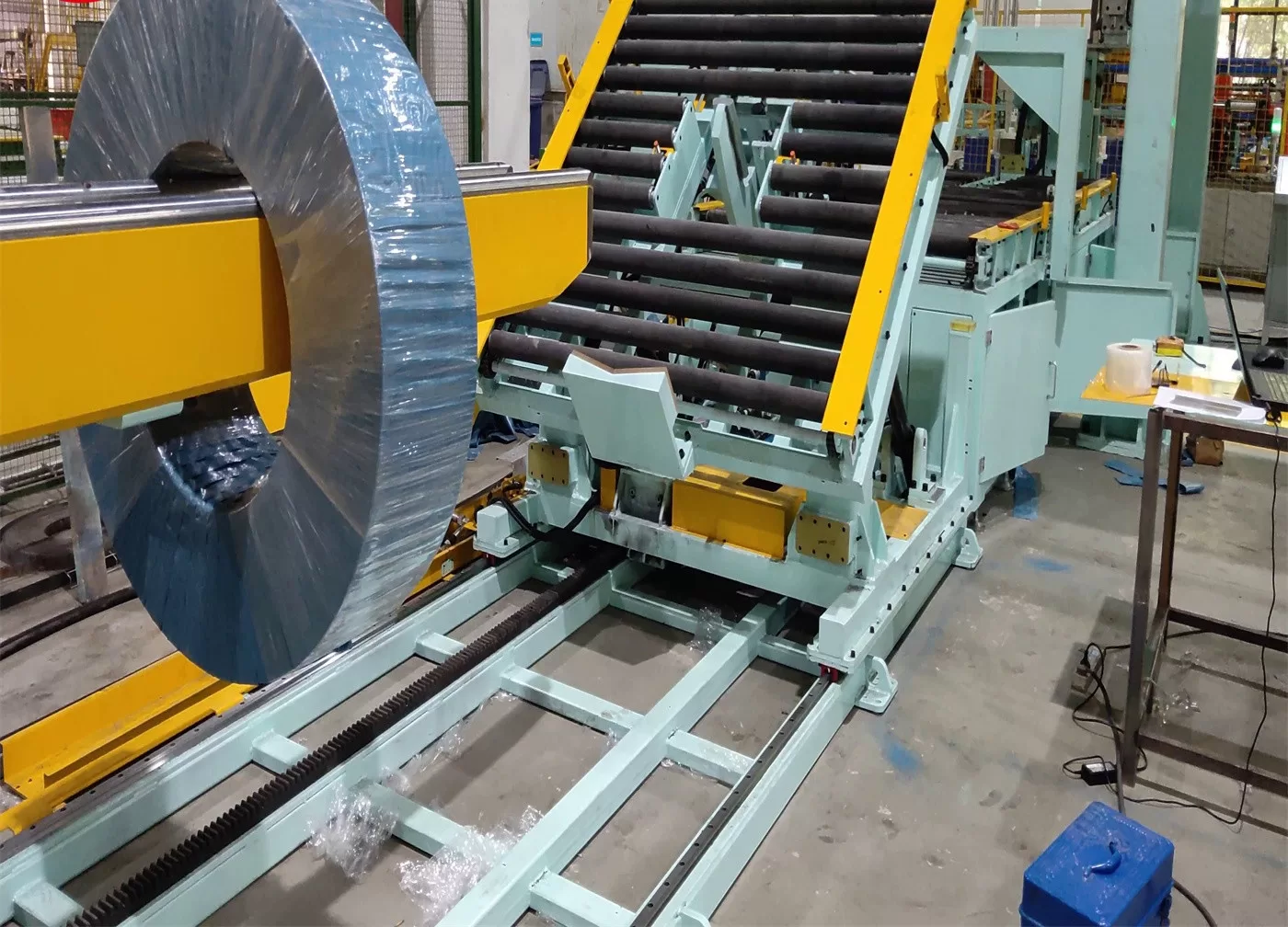
For each standard family, define the controlled relationship among coil ID, order/customer requirement, packaging recipe, material rule, label template, weight/inspection data, and release state. Define who can change each field, how a first item is checked, and what happens when a barcode, scale, label printer, or upstream source is unavailable.
Enterprise-to-control integration needs a clear boundary, ownership, and data model; it is not simply a cable between systems. Any connection to operational technology should also follow the site's cybersecurity and access-control process rather than assuming remote access is harmless.
Protect Surfaces and Support Fast Changeover
Different steel surfaces and customer requirements may need different approved contact materials, protection steps, and acceptance checks. Do not combine these into a generic "premium packaging" rule. Use validated product families and keep a documented route for an order that cannot safely use the standard recipe.
For changeover, record the product rule, mechanical/setup state, material/label change, first-piece evidence, elapsed time, and recurring cause of delay. The goal is not only faster changeover; it is a predictable, traceable changeover that does not create a shipment error.
Implement in Stages and Learn at Each Boundary
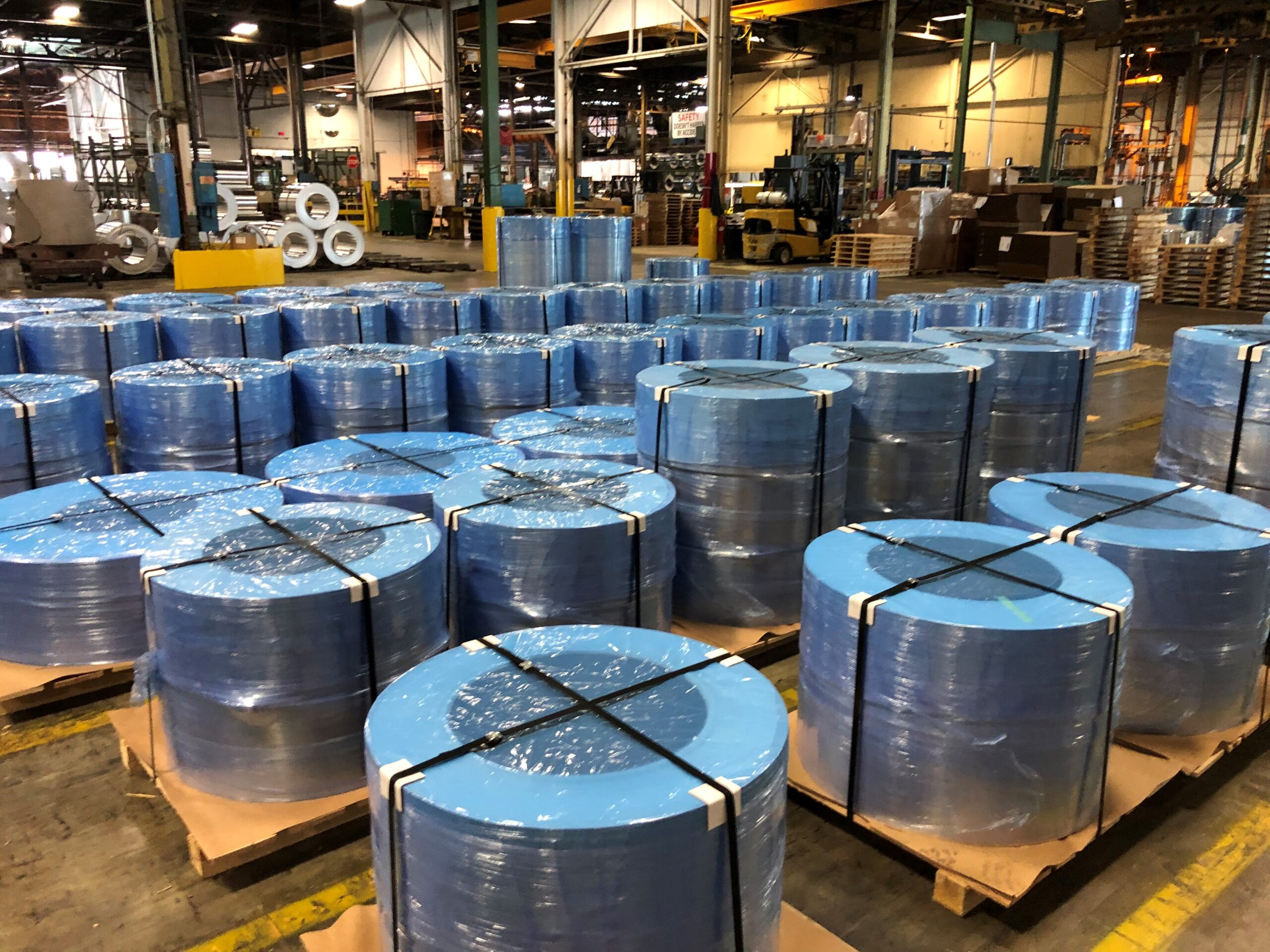
A defensible sequence may begin with data/packaging-rule cleanup, then a station with controlled material/label flow, then transfer/buffer improvement, and finally deeper integration if the evidence supports it. Each phase should state the product families, layout/interface change, acceptance criteria, manual fallback, training, support, and the data that will decide whether the next phase is justified.
Do not publish a "before-and-after" case result without a customer-approved baseline, method, dates, conditions, and limitations. A case-study template is useful preparation; it is not case evidence.
The next step is a cross-functional segmentation and flow review using current orders and actual exception records. The output should be a phased, testable scope — not a promise that automation will solve every service-center variation.
Visual Details
Click to enlarge
Click to enlarge

Click to enlarge

Click to enlarge
Watch How It Works
Discover how our automated packaging solutions optimize your production line efficiency. This video demonstrates the seamless operation designed for maximum protection.
Trusted by Steel Mills & Industry Leaders
Global manufacturers rely on FHOPE heavy duty packaging equipment


Ready to optimize your packaging line?
Get a custom quote with ROI analysis. Our engineers respond within 24 hours.
- Free layout design
- Global installation support
- 2-year warranty included
Your information is secure and will never be shared.
Related Machines
Steel Coil Packaging line
View Details →
Vertical coil packaging line
View Details →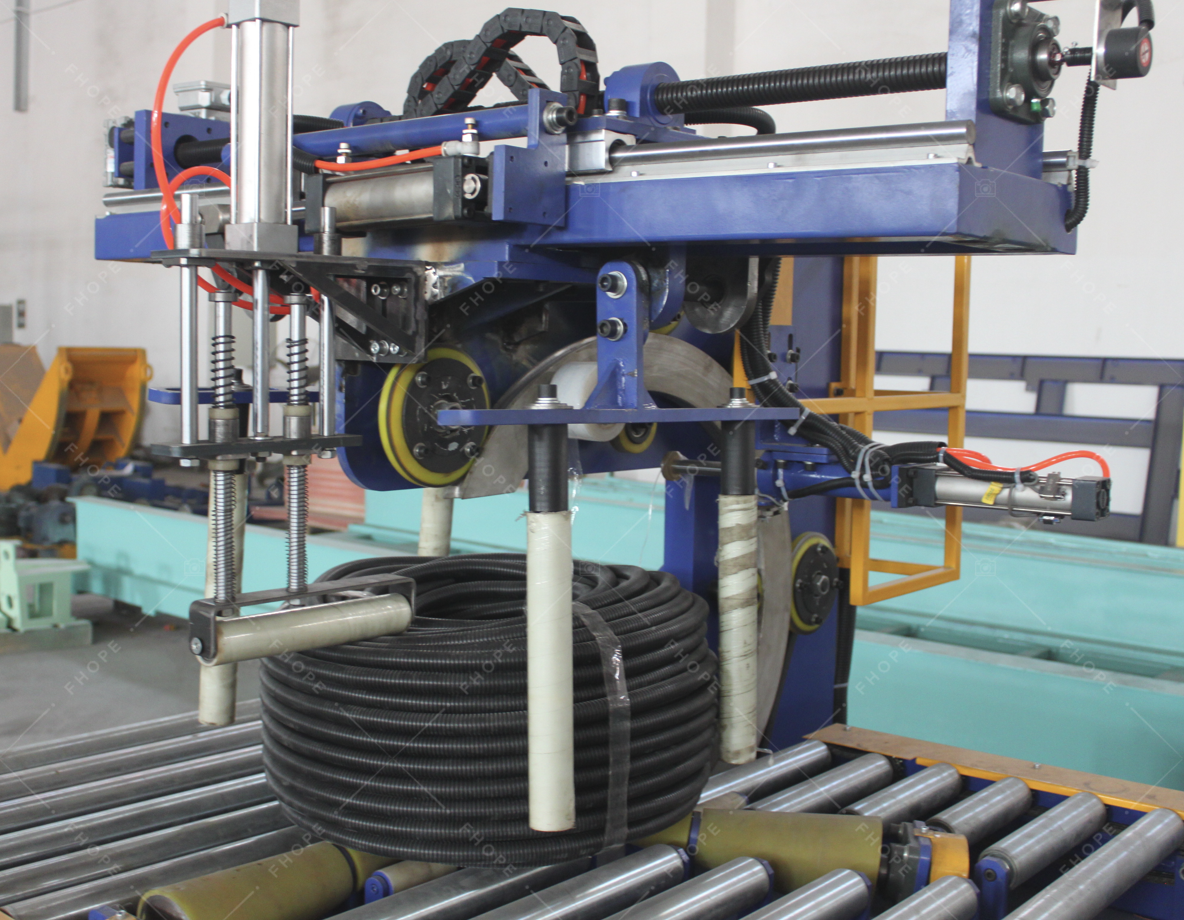
Hose Coil Packaging line
View Details →
Copper Coil Packaging line
View Details →
Wire Coil Packaging line
View Details →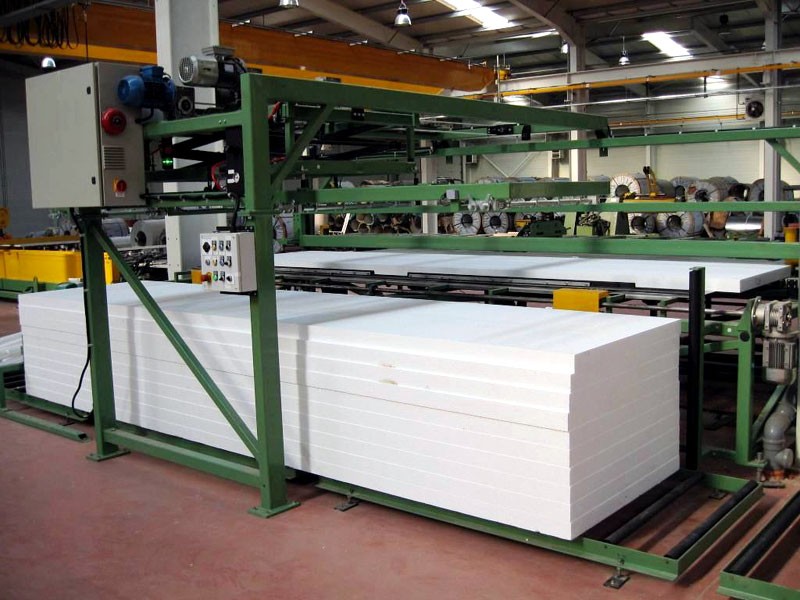
Panel Packaging line
View Details →
Pipe Bagging Machine
View Details →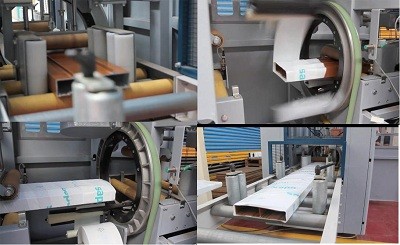
Aluminum profile packing line
View Details →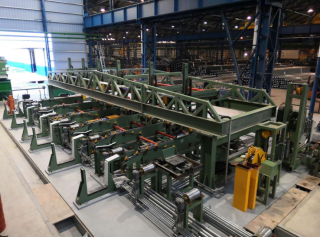
FHOPE Automatic pipe tube bundling&strapping line
View Details →
Automatic pipe tube bundling & strapping line
View Details →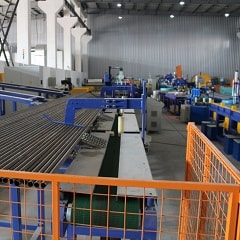
Automatic steel tube strapping machine
View Details →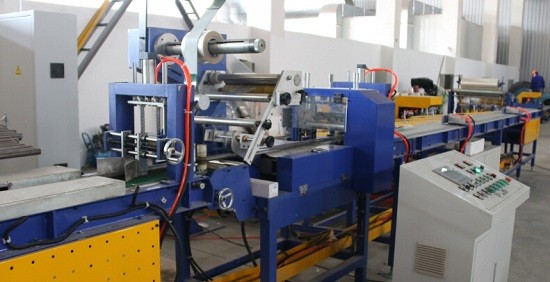
FHOPE Automatic steel tube packing machine
View Details →
Automatic plastic Pipe strapping packing line
View Details →
Automatic PPR/PVC Pipe bagging line
View Details →
Platsic pipe bag packing machine
View Details →
Tyre Packing Machine FPT-200
View Details →
Tyre Packing Machine FPT-300
View Details →
Tyre Packing Machine FPT-400
View Details →
Cable Coil Packing Machine-FPCA100
View Details →