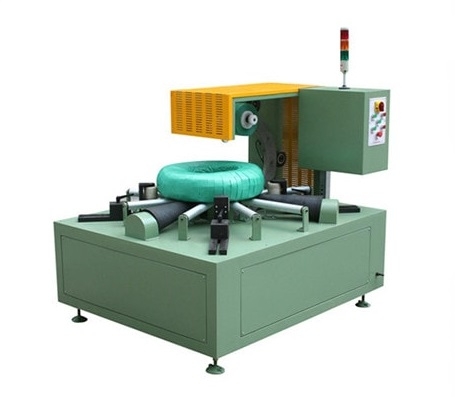
Complete Steel Coil Packaging Process Guide
Understand how a complete steel coil packaging line works beyond wrapping. This guide explains each stage, from coil receiving and transfer to final release, with practical insights into automation, inspection, safety, and integration for optimized industrial packaging operations.

Complete Steel Coil Packaging Process: From Handling to Wrapping and Stacking
A complete steel coil packaging process is a controlled chain of handoffs, not simply a wrapping operation. The process normally needs to receive the coil, establish its position, apply the specified package, verify the result, identify the coil, and release it to the next approved handling or storage step. Every handoff needs an owner, a condition for proceeding, and a response when the next station is unavailable.

Start with the Accepted Package, Not the First Machine
Before choosing a line layout, define what the finished coil must look like and how that result will be checked. "Protected for shipment" is not yet an acceptance criterion. The team needs to define the surfaces and edges that require coverage, the approved material or combination of materials, the required identification, the inspection method, and the conditions at the next handoff.
This matters because a wrapper may complete its programmed movement while the complete package is still unacceptable: a tail can be unsecured, an identification label can be missing, an inspection can be incomplete, or the outfeed can be blocked. The process therefore needs both a machine-completion condition and a package-release condition.
Follow the Coil Through Seven Connected Stages
1. Receive and Identify the Incoming Coil
The process begins with the available coil data and physical condition. Confirm the order or batch identity, coil orientation, visible surface condition, handling restrictions, and the route by which the coil arrives. A non-conforming coil should not be silently pushed into the normal sequence; its disposition needs an owner and an approved decision.
2. Position and Stabilize It for the Next Operation
The coil may be transferred by crane, trolley, conveyor, or another approved interface. The key question is not which device has the most features; it is whether the coil is supported, oriented, and located within the approved envelope for the next operation. The current drawing and risk assessment—not a generic process page—determine the permitted arrangement.
3. Apply the Specified Wrapping Pattern
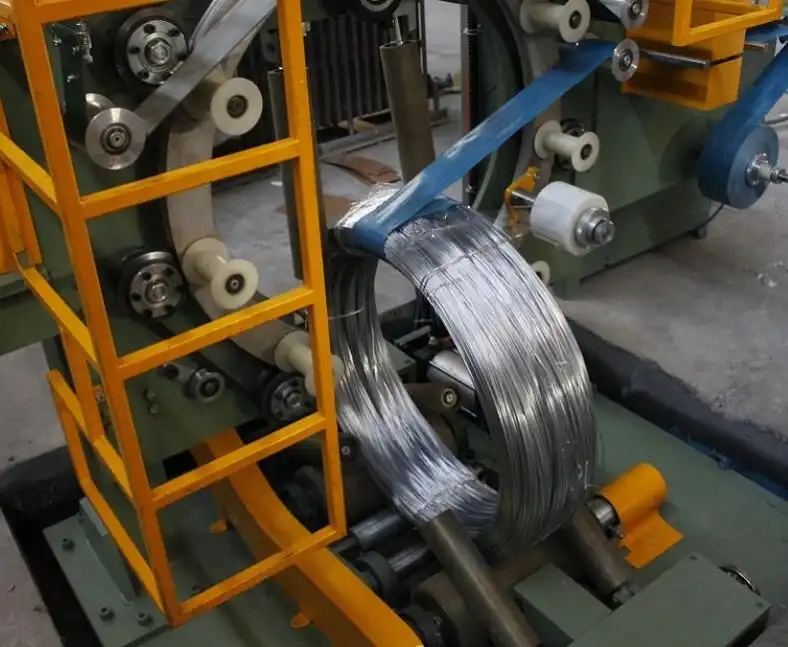
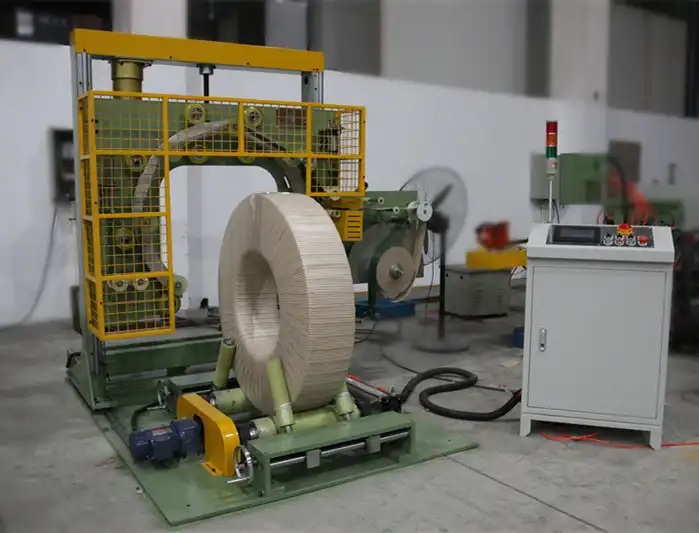
For a ring-shaped coil, material can be introduced through the coil eye and moved around the cross-section to create the selected coverage path. The process needs an approved material, a starting and finishing method, and a way to tell whether the required coverage was achieved. Material category alone does not prove corrosion protection, surface protection, or suitability for a particular logistics route.
4. Add Only the Downstream Modules That the Process Requires
Strapping, edge protection, weighing, labeling, stacking, or data exchange are distinct modules or interfaces unless they are explicitly included in the approved scope. This distinction helps a buyer avoid treating an attractive animation as proof of an integrated line. Map who owns the handoff, what signal or record is required, and what happens if the downstream module is not ready.
5. Inspect Before Release
Inspection should be defined around the package specification rather than a vague visual impression. Record the identifying information, the relevant condition, the inspection point, the accepted result, and any disposition of a deviation. Where a trial is used to support a claim, preserve the coil, material, settings, method, date, and result together.
6. Release to Storage or Dispatch
The outfeed is part of the packaging process. Confirm how the finished coil will be lifted, staged, stored, or loaded after release. A package designed without regard to this next movement can be damaged before shipment or can create a new manual handoff that the initial layout did not account for.
7. Keep Exceptions Visible
The line needs a defined response when a coil is out of position, material is unavailable, an inspection fails, an interface is blocked, or a guard/interlock event changes the operating state. The correct recovery procedure is model- and site-specific. Do not improvise a restart or bypass protective systems; follow the approved documentation and escalation path.

The recovery sequence must match the approved machine and site procedure; this asset is not a substitute for that procedure.
Decide Where Automation Helps—and Where It Does Not
Automation should reduce a defined risk, repeat a stable handoff, or make a required record more reliable. It is not a reason by itself to remove every human decision. A practical comparison asks which steps vary most, where safe manual work remains appropriate, which interfaces are mature enough to automate, and how the operator takes over during a planned exception.
| Decision Point | Standalone or Assisted Station | Integrated Line |
|---|---|---|
| Product mix | Can tolerate more operator confirmation and changeover | Needs well-defined variants and handoffs |
| Transfer ownership | Often visible and local | Must be mapped across stations and controls |
| Evidence needed | Representative wrapping and handling trial | Interface map, exception logic, FAT/SAT scope, and multi-station trial |
| Main risk | Hidden manual work outside the quoted station | Unclear scope or untested downstream dependencies |
Use FAT and SAT to Verify the Complete Result
Factory acceptance testing (FAT) and site acceptance testing (SAT) should answer different questions. FAT checks the agreed equipment and controls under defined factory conditions. SAT checks that the installed system, utilities, interfaces, safety responsibilities, and operating process work at the site. Neither is meaningful if the sample, conditions, acceptance criteria, deviations, and closure evidence are not recorded.

Your Practical Next Step
Create a one-page process map before requesting equipment proposals. For every stage, list the coil condition entering, the responsible person or system, the completion signal or inspection, the next handoff, and the exception path. Then ask each supplier to mark what is included, excluded, and to be verified by trial. That turns a line concept into a decision that can be tested.
Visual Details
Click to enlarge
Click to enlarge
Click to enlarge
Click to enlarge
Watch How It Works
Discover how our automated packaging solutions optimize your production line efficiency. This video demonstrates the seamless operation designed for maximum protection.
Trusted by Steel Mills & Industry Leaders
Global manufacturers rely on FHOPE heavy duty packaging equipment


Ready to optimize your packaging line?
Get a custom quote with ROI analysis. Our engineers respond within 24 hours.
- Free layout design
- Global installation support
- 2-year warranty included
Your information is secure and will never be shared.
Related Machines
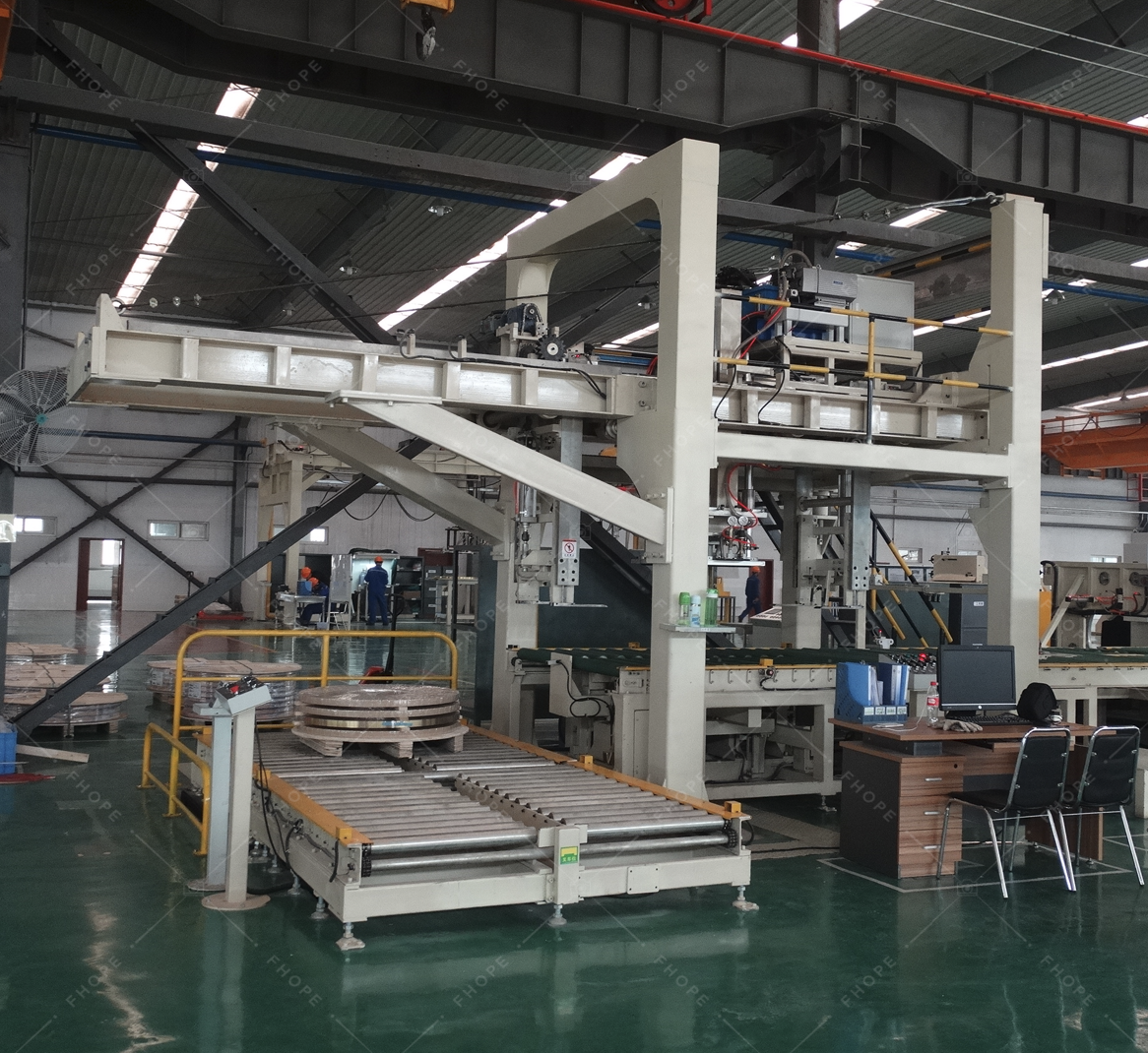
Steel Coil Packaging line
View Details →
Vertical coil packaging line
View Details →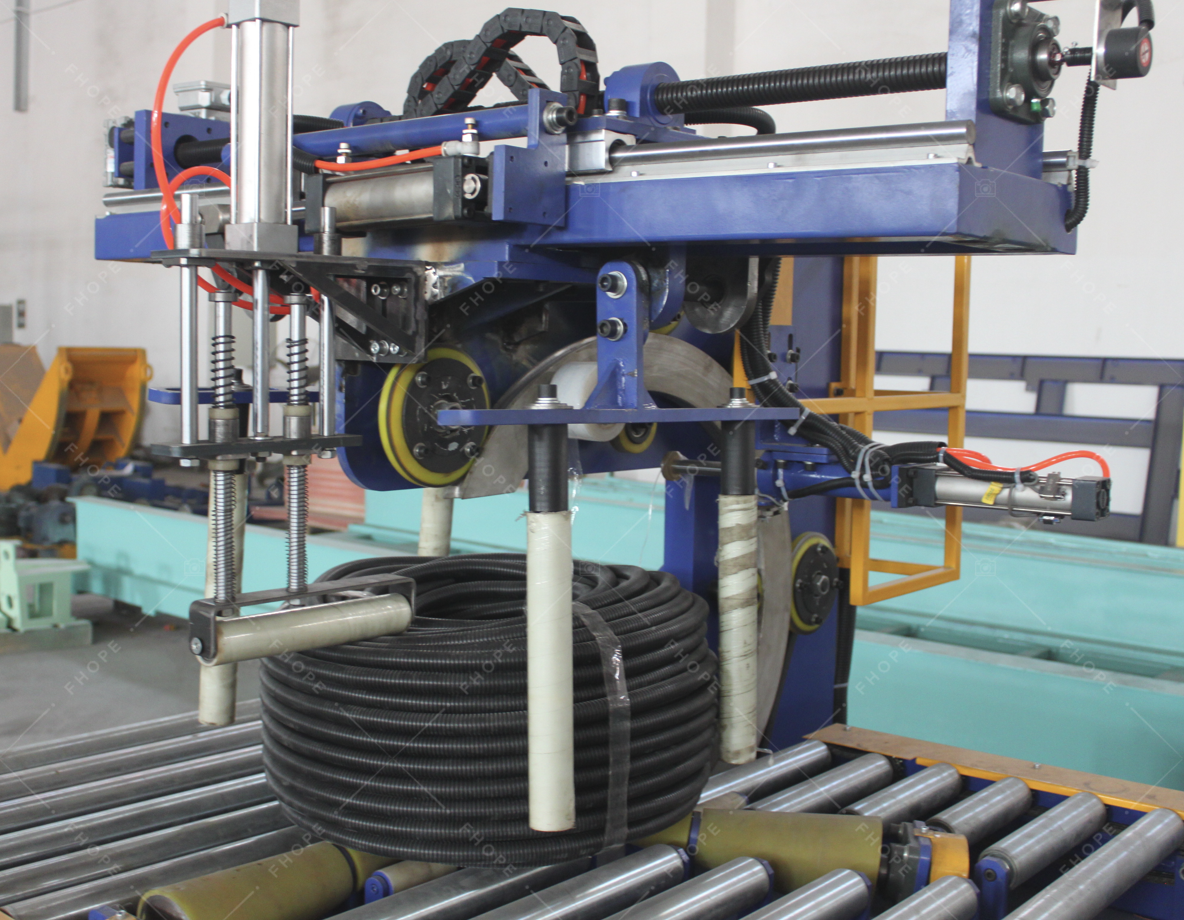
Hose Coil Packaging line
View Details →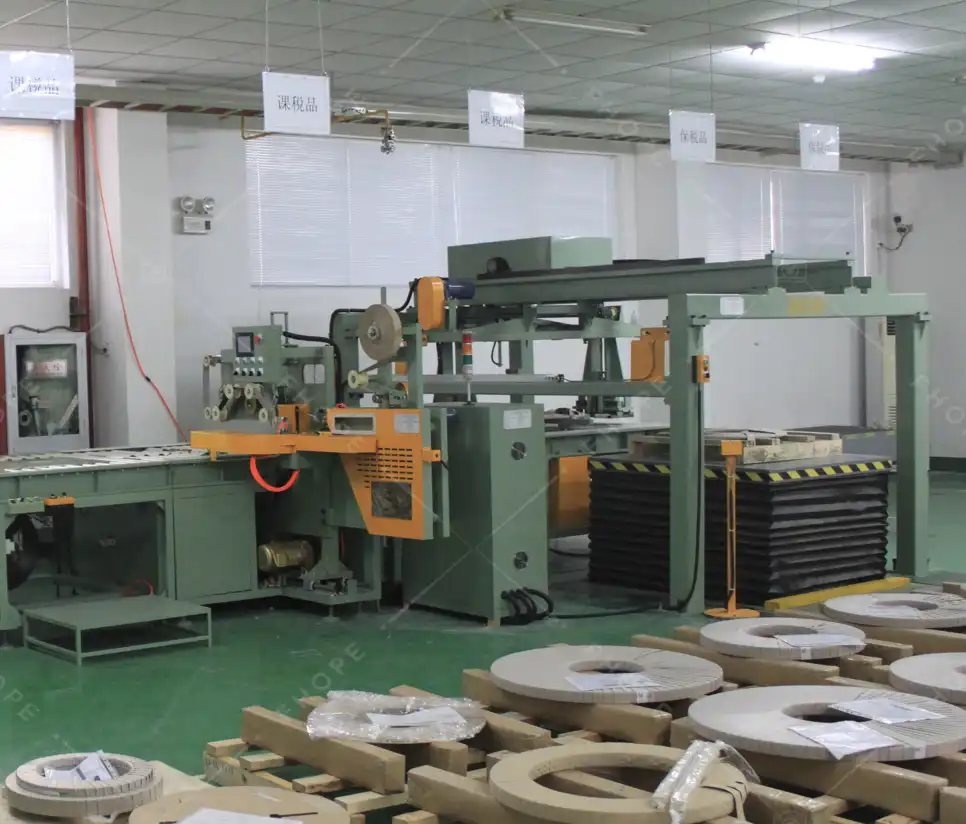
Copper Coil Packaging line
View Details →
Wire Coil Packaging line
View Details →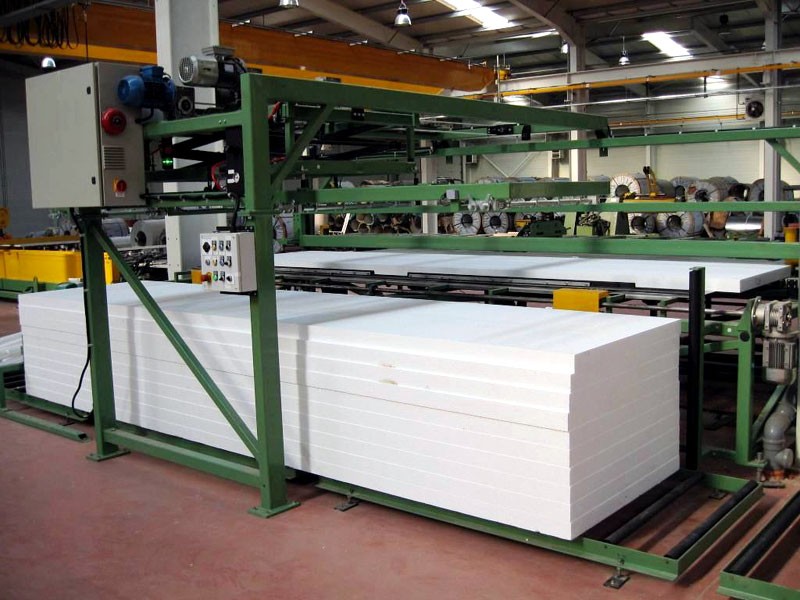
Panel Packaging line
View Details →
Pipe Bagging Machine
View Details →
Aluminum profile packing line
View Details →
FHOPE Automatic pipe tube bundling&strapping line
View Details →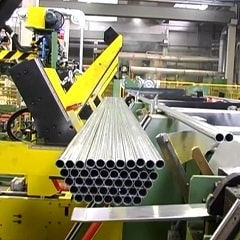
Automatic pipe tube bundling & strapping line
View Details →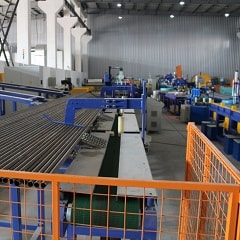
Automatic steel tube strapping machine
View Details →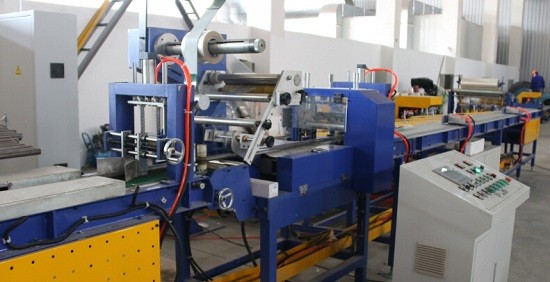
FHOPE Automatic steel tube packing machine
View Details →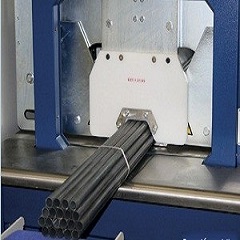
Automatic plastic Pipe strapping packing line
View Details →
Automatic PPR/PVC Pipe bagging line
View Details →
Platsic pipe bag packing machine
View Details →
Tyre Packing Machine FPT-200
View Details →
Tyre Packing Machine FPT-300
View Details →
Tyre Packing Machine FPT-400
View Details →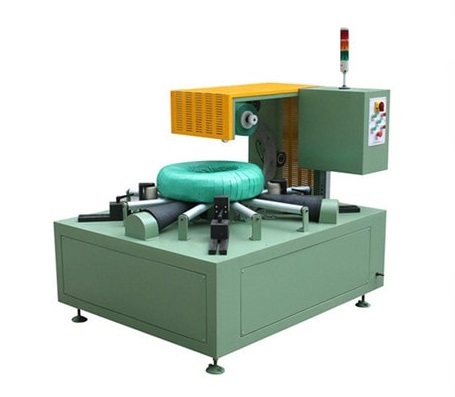
Cable Coil Packing Machine-FPCA100
View Details →