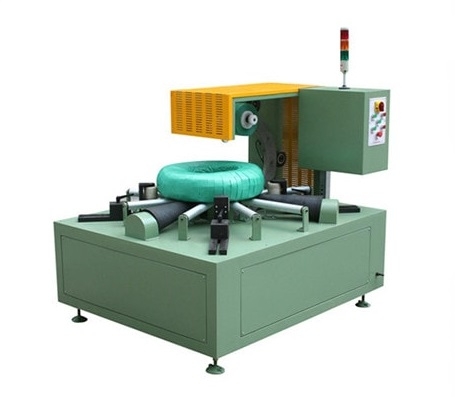
Steel Coil Automation: From Handling to Wrapping, Labeling and Stacking
Balance end-to-end steel coil automation across handling, wrapping, labeling and stacking. Design data ownership, quality release, exception handling and OT security across boundaries, then validate each stage with FAT/SAT before expanding scope.

How to Automate Steel Coil Handling, Wrapping, Labeling, and Stacking
How to Automate Steel Coil Handling, Wrapping, Labeling, and Stacking
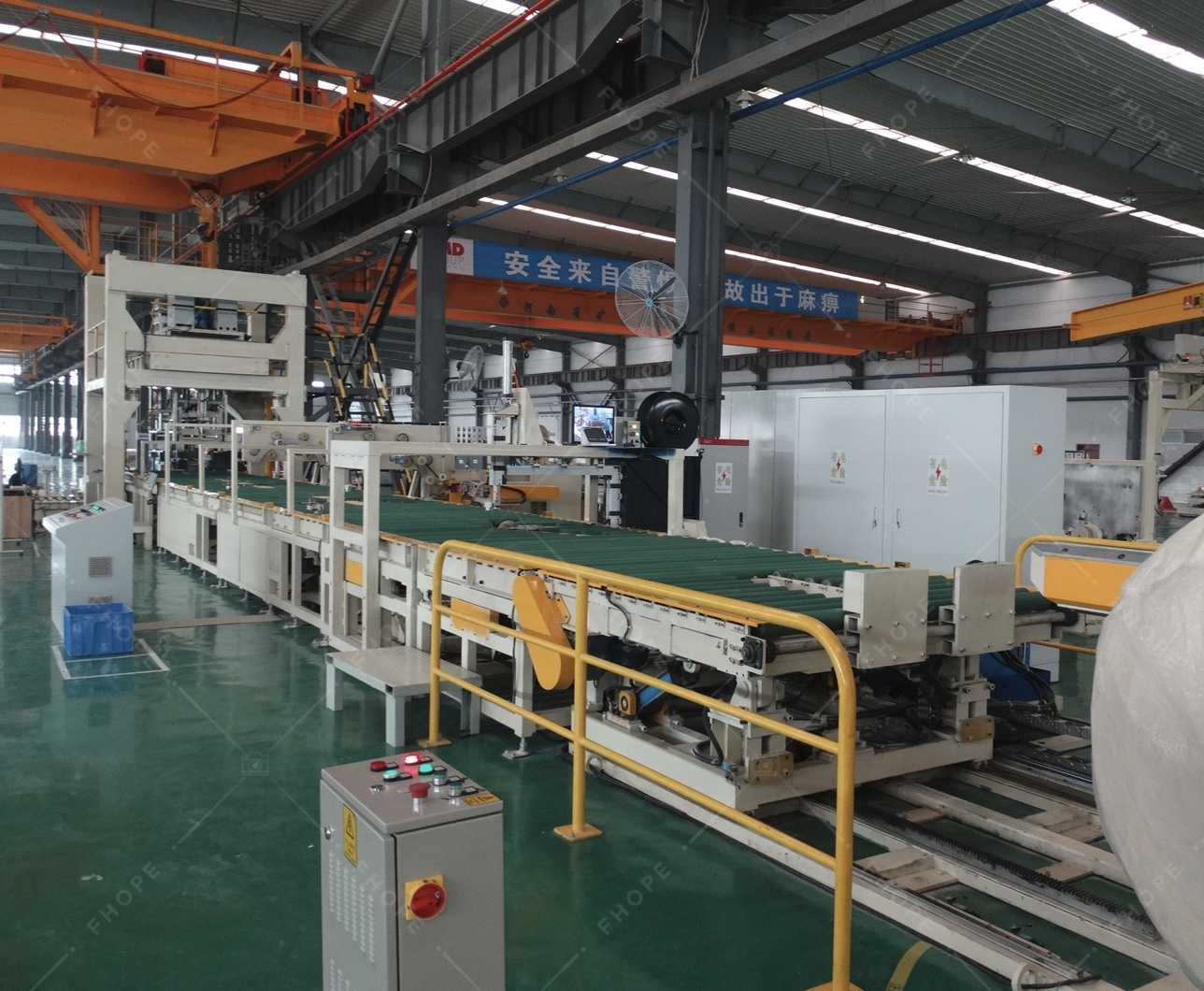
Complete automation is not a list of machines. It is one controlled workflow that moves a known coil through handling, wrapping, labeling and storage while preserving the evidence needed to release it. Start with the business result and current losses; add equipment only where it removes a verified constraint without creating an unmanageable new interface.
Define the End State in Operational Terms
State the first controlled handover, final delivery point, product range, expected human roles and the decisions the line must make without ambiguity. "Unattended" is not an end state by itself. A credible scope says which actions are automatic, which are supervised, and what happens to a coil that cannot continue normally.
Map the Current Flow Before Designing the Future Line
Follow one representative coil through identification, handling, orientation if needed, wrapping, quality confirmation, weight/label activity, discharge and storage. Record waits, rework, duplicate entry, handling conflicts and missing data. This gives every proposed station a job to do and prevents a polished layout from hiding an unresolved bottleneck.

Give Each Station an Owner and an Acceptance Condition
For every handover, record who owns the coil, what proves its identity, what proves physical readiness, and what proves a package may move on. A labeling station, for example, needs more than a printer: it needs an approved record source, association check, exception rule and correction authority.
The internal knowledge base supports the high-level scope of an automatic coil packing line—wrapping, strapping, weighing and stacking can be integrated. It does not prove that a particular configuration includes every station, data interface or performance result described here.

Treat Data Flow as a Controlled Interface
Use the information needed for the workflow: coil identifier, approved recipe, relevant material/quality record, label data, release state and exception history. ISA-95 provides a technology-neutral reference framework for describing enterprise and manufacturing-control interfaces; it does not select a protocol or prove compatibility between a customer's systems.
Define the system of record, data owner, acknowledgement, correction route and retention requirement for each field. If a service is unavailable or a record is incomplete, the line needs a project-approved state and a traceable human decision—not an invented automatic answer.
Balance the Complete Line
Measure the end-to-end boundary, not one station's motion. Include transfers, buffers, identification, label verification, planned changeover and the defined treatment of interruptions. A faster wrapper cannot raise accepted output if handling, labeling, storage or recovery remains the constraint.

Design Safety and Security Across Boundaries
Moving equipment, access zones and manual takeover require one coherent risk assessment across the line. OT security is also part of the system boundary: NIST's OT guidance addresses typical topologies, threats and controls, but its use does not replace the customer's security architecture or applicable legal obligations.
Deliver in Stages and Accept Each Stage
A staged project can validate a stable wrapping cell before adding automated handling, information exchange or storage. Each stage needs its own scope, interfaces, safe fallback, evidence and acceptance criteria. FAT/SAT should test representative product flow, normal cases, blocked/unknown coils, label exceptions, data failure, power interruption and controlled recovery.
A Practical Next Step
Hold a cross-functional design workshop with operations, quality, maintenance, automation, IT/OT and safety. Leave with a current-state map, target-state boundary, station/interface list, evidence gaps, phased acceptance plan and named owners.
Visual Details

Click to enlarge
Click to enlarge
Click to enlarge
Click to enlarge
Watch How It Works
Discover how our automated packaging solutions optimize your production line efficiency. This video demonstrates the seamless operation designed for maximum protection.
Trusted by Steel Mills & Industry Leaders
Global manufacturers rely on FHOPE heavy duty packaging equipment


Ready to optimize your packaging line?
Get a custom quote with ROI analysis. Our engineers respond within 24 hours.
- Free layout design
- Global installation support
- 2-year warranty included
Your information is secure and will never be shared.
Related Machines
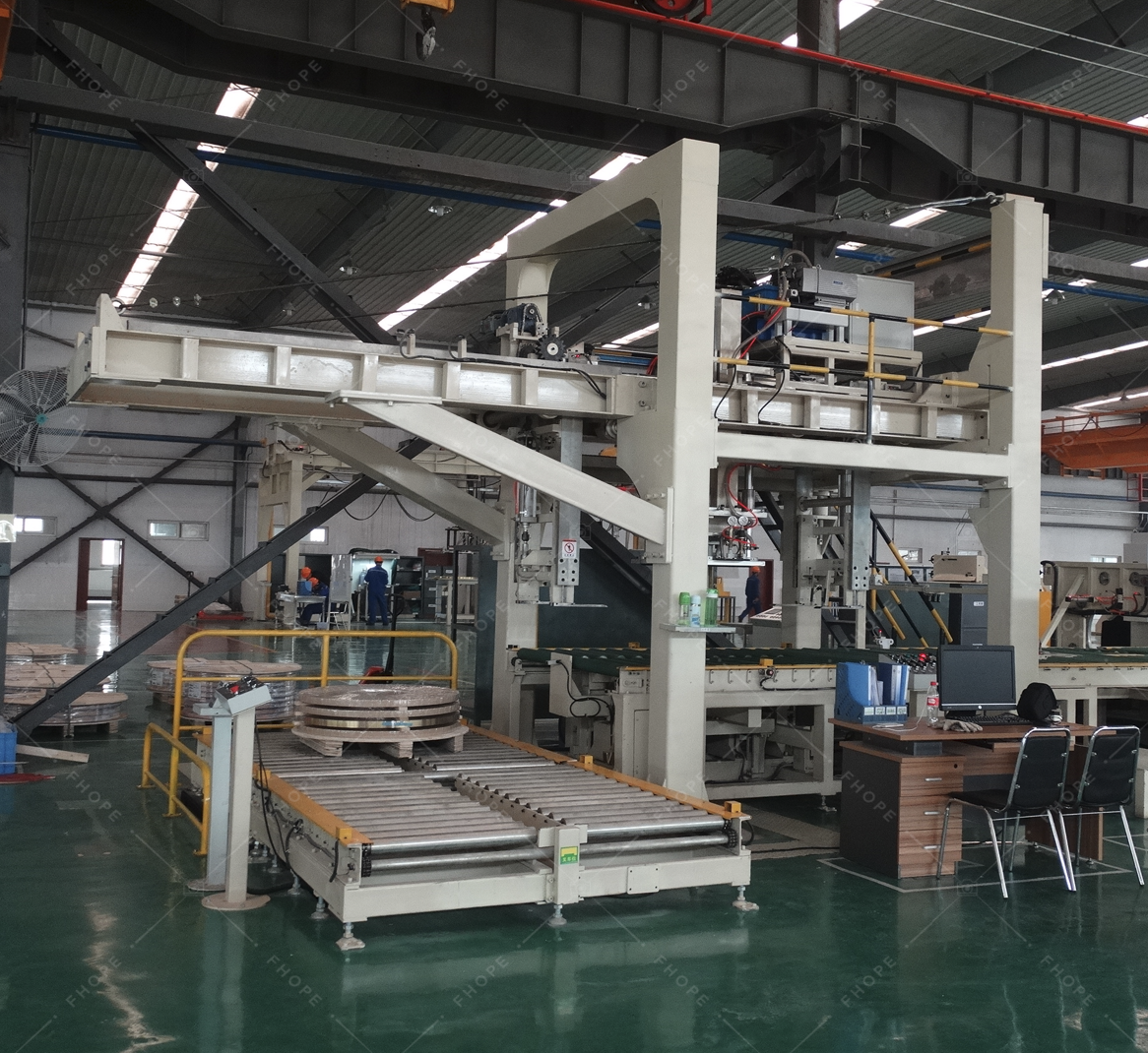
Steel Coil Packaging line
View Details →
Vertical coil packaging line
View Details →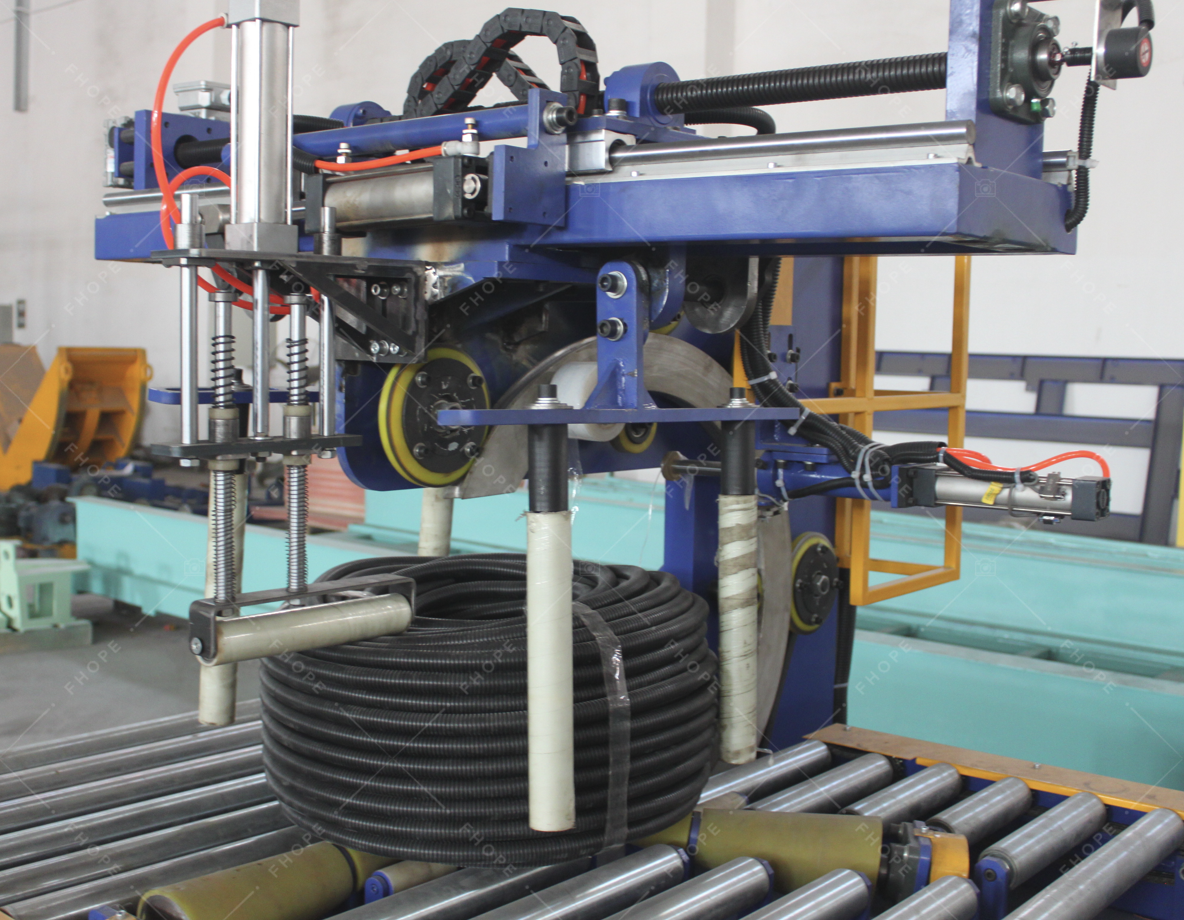
Hose Coil Packaging line
View Details →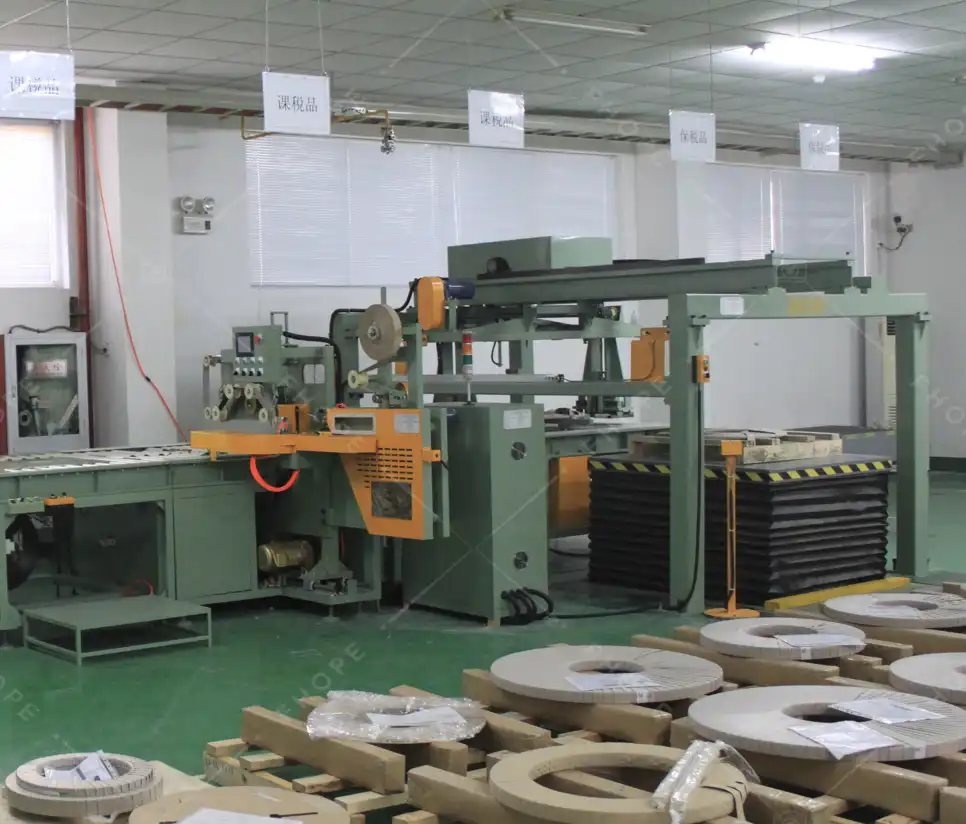
Copper Coil Packaging line
View Details →
Wire Coil Packaging line
View Details →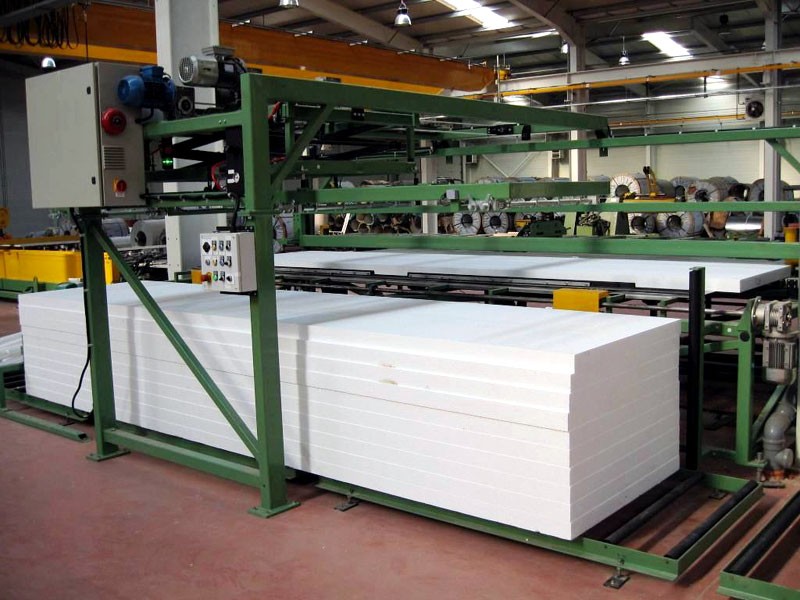
Panel Packaging line
View Details →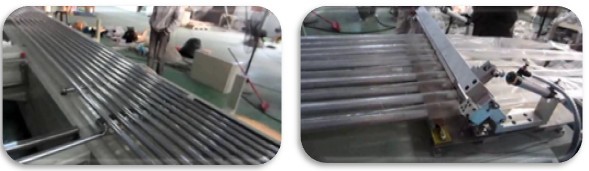
Pipe Bagging Machine
View Details →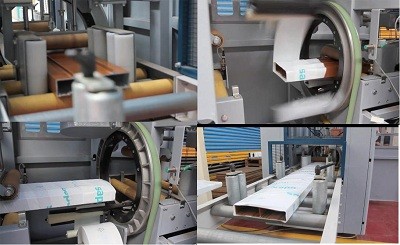
Aluminum profile packing line
View Details →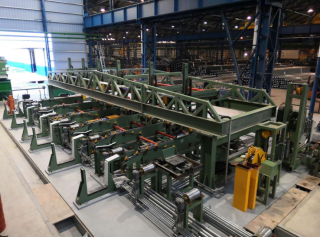
FHOPE Automatic pipe tube bundling&strapping line
View Details →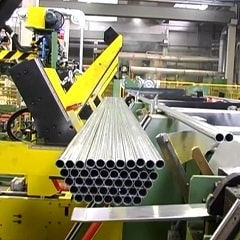
Automatic pipe tube bundling & strapping line
View Details →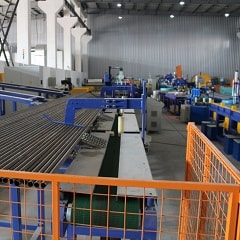
Automatic steel tube strapping machine
View Details →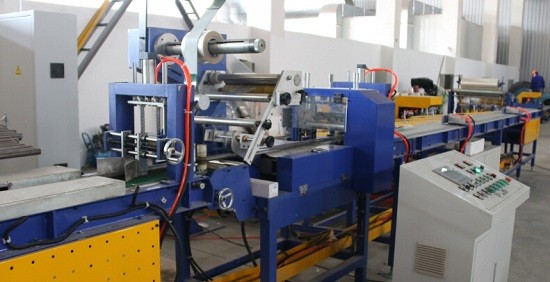
FHOPE Automatic steel tube packing machine
View Details →
Automatic plastic Pipe strapping packing line
View Details →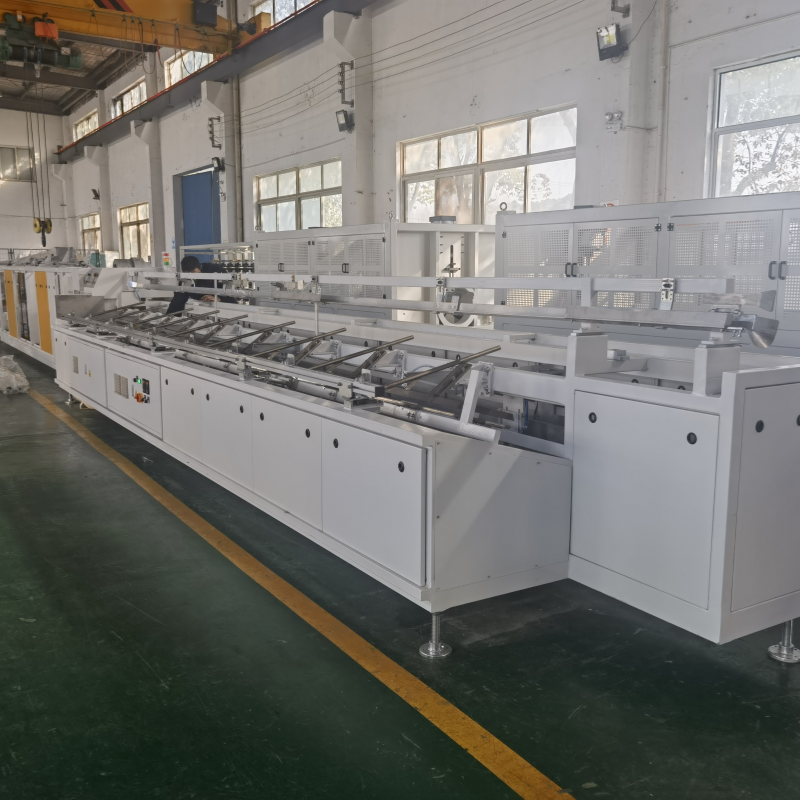
Automatic PPR/PVC Pipe bagging line
View Details →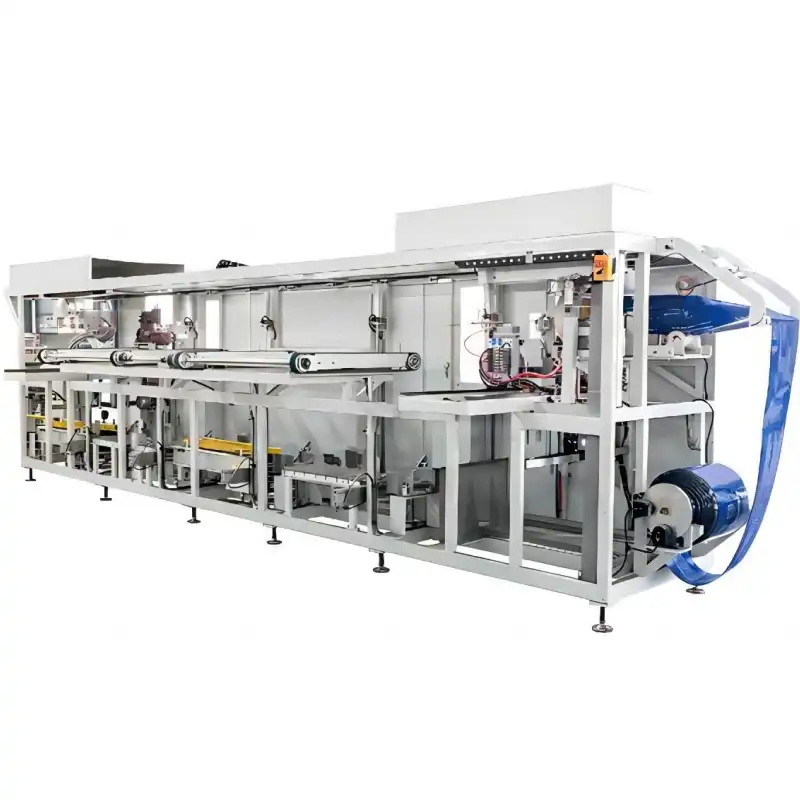
Platsic pipe bag packing machine
View Details →
Tyre Packing Machine FPT-200
View Details →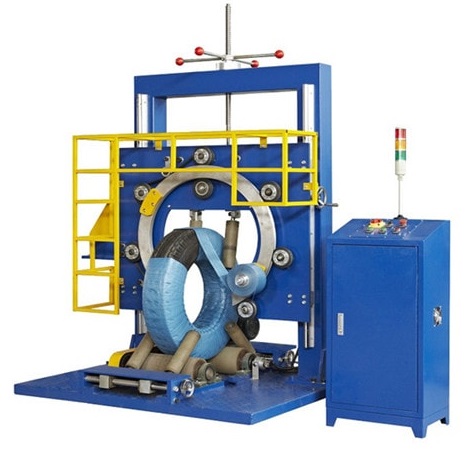
Tyre Packing Machine FPT-300
View Details →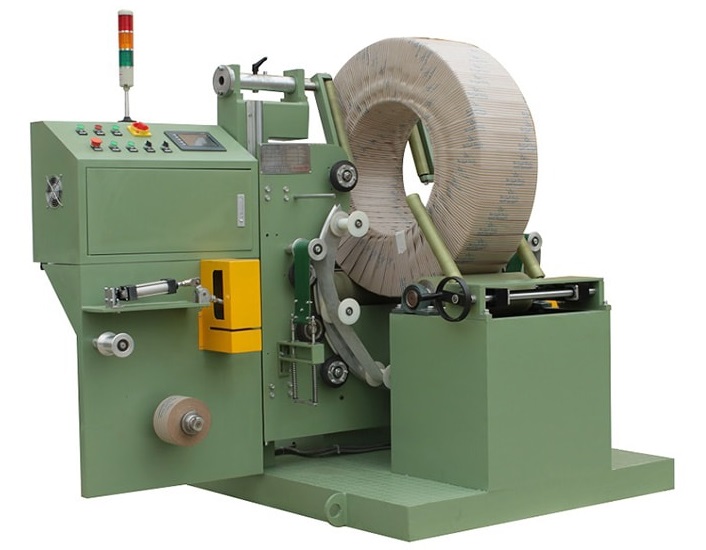
Tyre Packing Machine FPT-400
View Details →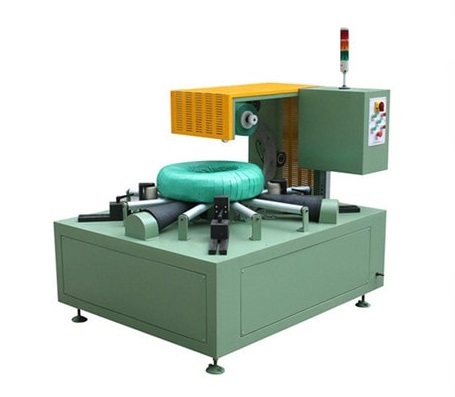
Cable Coil Packing Machine-FPCA100
View Details →