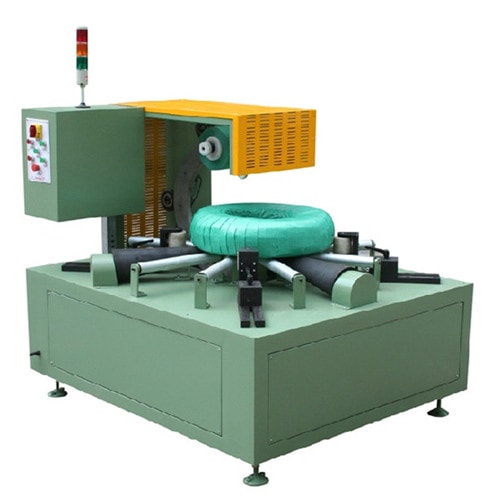
Slit Steel Coil Wrapping Machine: Automatic Packaging Solution Guide
Choosing an automatic slit coil wrapping solution requires more than selecting a wrapper type. Learn how to evaluate coil variations, material handling, packaging requirements, automation interfaces, and validation methods for efficient and flexible steel coil packaging operations.
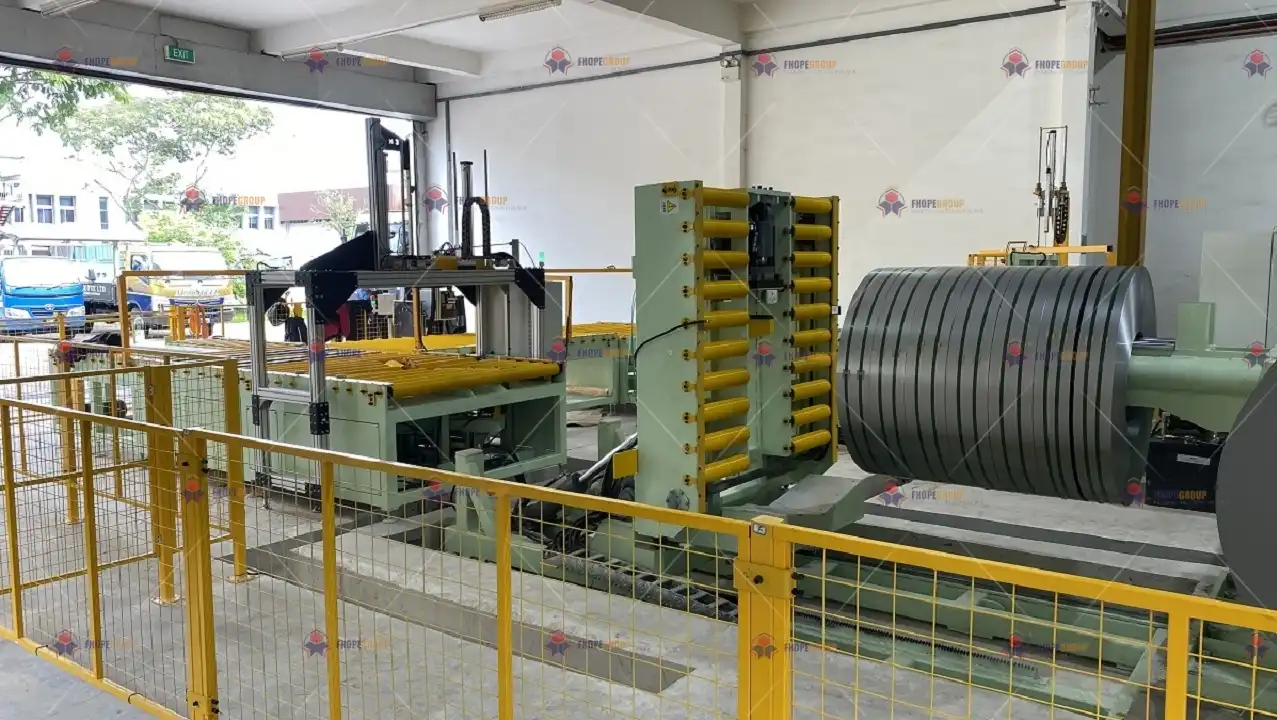
Automatic Wrapping Solutions for Slit Steel Coils
Automatic Wrapping Solutions for Slit Steel Coils
Slit coils are not simply smaller master coils. Their width range, mix of orders, edge sensitivity, handling stability, and rapid changeover pressure can make a packaging station successful on one product family and unreliable on the next. The right solution starts with the product flow and exceptions — not with a fixed machine orientation.
This is a solution-design framework for slitters, service centers, and project engineers. It does not select a specific wrapper, prove edge protection, promise throughput, or provide operating/safety instructions. Actual coil handling, safeguarding, packaging acceptance, and integration require a site-specific design review.
Map the Slit-Coil Population Before Selecting Equipment
Build a distribution, not a single "typical coil." Capture material and surface condition; inside/outside diameter; width; weight; coil state; packaging standard; destination; order frequency; and the combinations that create the greatest handling or protection challenge. Separate common, standardized work from low-frequency exceptions.
Ask whether coils are handled singly, in groups, or with additional protection. A design that works only for the median width is not a proven slit-coil solution.
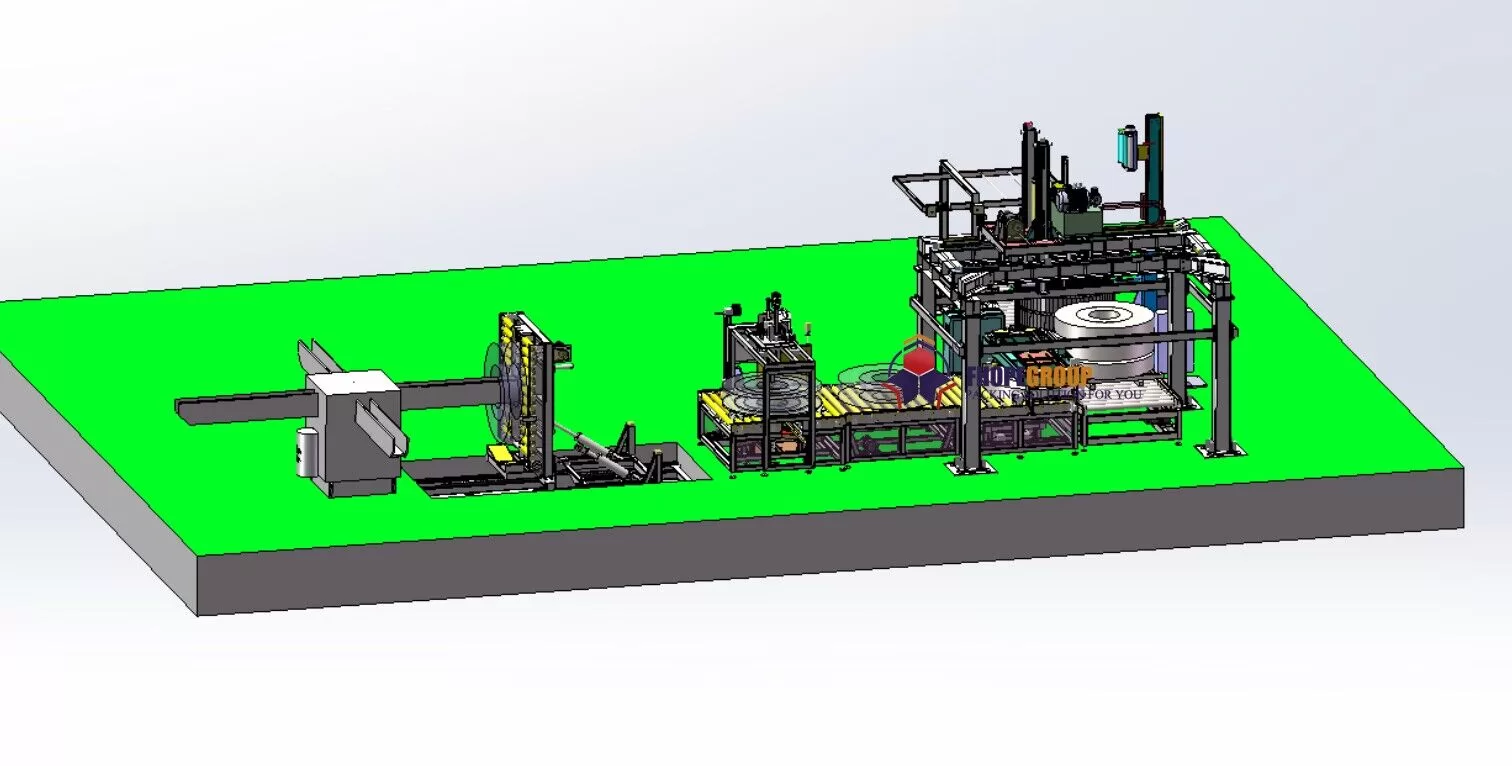
Follow the Coil from Slitting to the Packaging Boundary
Trace the real path: discharge from the slitting line, transfer or buffer, identity handoff, positioning, packaging, inspection, weighing/labeling if in scope, and release. Mark every point where coils wait, change orientation, need human intervention, or can lose their identity.
The buffer is a decision point, not just empty floor. Its purpose, capacity, release rule, exception route, and owner should be defined by actual output pattern and downstream capability. Do not claim it protects upstream production until the site has measured the relevant flow and failure scenarios.

Stabilize and Position Before Asking Film to Solve the Problem
Narrow-coil movement, roll, axial shift, surface contact, and edge condition must be assessed as a complete handling system. Supports, rollers, guides, saddles, stops, transfer interfaces, and approved coil range all matter. Packaging material can support a packaging specification; it should not be treated as a substitute for an unsuitable mechanical support or undefined product condition.
Where edge or surface protection is important, define the protection outcome and test method. Different materials, coatings, edges, storage conditions, and transport routes can change the answer. Do not publish a corrosion or damage-reduction claim without representative samples, conditions, and acceptance evidence.
Select the Configuration from the Material Flow
Vertical, horizontal, stand-alone, assisted-transfer, and integrated-line configurations are possible categories — not a ranked list. Compare them against the actual coil orientation at entry, loading method, width/weight distribution, available space, operator access, material replenishment, upstream/downstream interfaces, maintenance capability, and abnormal-coil route.
Ask who performs every handoff under normal running, changeover, material replenishment, alarm, and recovery. "Automatic" is incomplete until the remaining human work and safe exception boundary are specified.

Make Changeover and Identity Deliberate Design Work
Frequent size changeover requires controlled product data, approved recipes where applicable, material/label rules, first-article confirmation, and a record of what changes. Do not let an operator's memory become the only recipe system.
For traceability, map the coil identifier, order, material/grade, measured weight when applicable, packaging requirement, label data, and exception approval from source to shipment. The system design should state where data is created, verified, transferred, retained, corrected, and unavailable. It should not assume that an identifier survives a transfer without an interface test.
Validate with the Full Range, Not One Favorable Coil
Plan a representative trial including the narrowest, lightest, heaviest, most surface-sensitive, and most frequently changed approved combinations. Record the actual coil/material condition, layout/configuration, packing requirement, accepted result, interventions, stops, changeovers, and traceability outcome. Keep exceptions visible.
The next step is a product-mix and flow workshop that outputs a controlled test matrix. That gives engineering a fair basis to compare configurations without turning a generic automation story into an unsupported equipment promise.
Visual Details
Click to enlarge
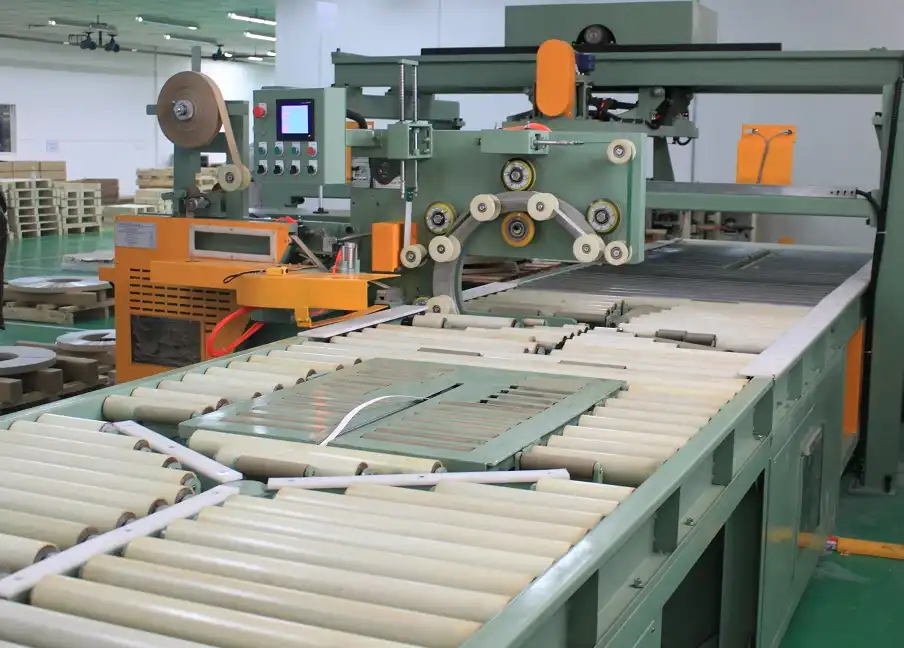
Click to enlarge
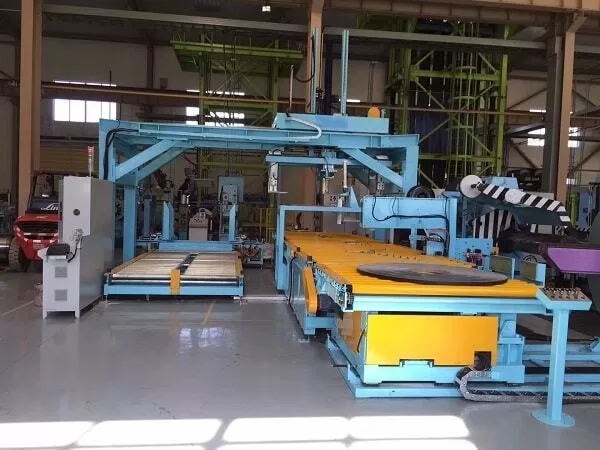
Click to enlarge

Click to enlarge
Watch How It Works
Discover how our automated packaging solutions optimize your production line efficiency. This video demonstrates the seamless operation designed for maximum protection.
Trusted by Steel Mills & Industry Leaders
Global manufacturers rely on FHOPE heavy duty packaging equipment


Ready to optimize your packaging line?
Get a custom quote with ROI analysis. Our engineers respond within 24 hours.
- Free layout design
- Global installation support
- 2-year warranty included
Your information is secure and will never be shared.
Related Machines
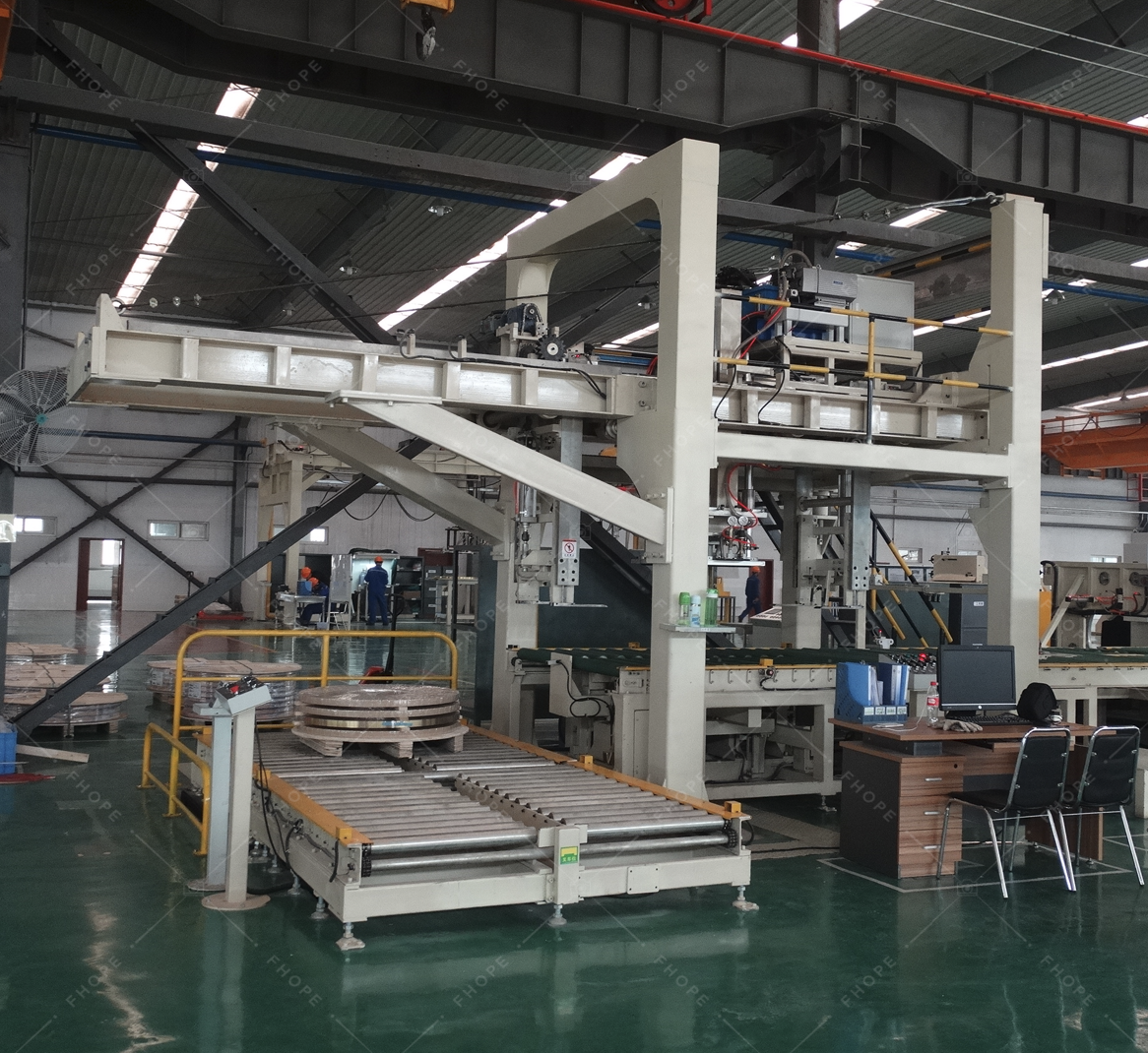
Steel Coil Packaging line
View Details →
Vertical coil packaging line
View Details →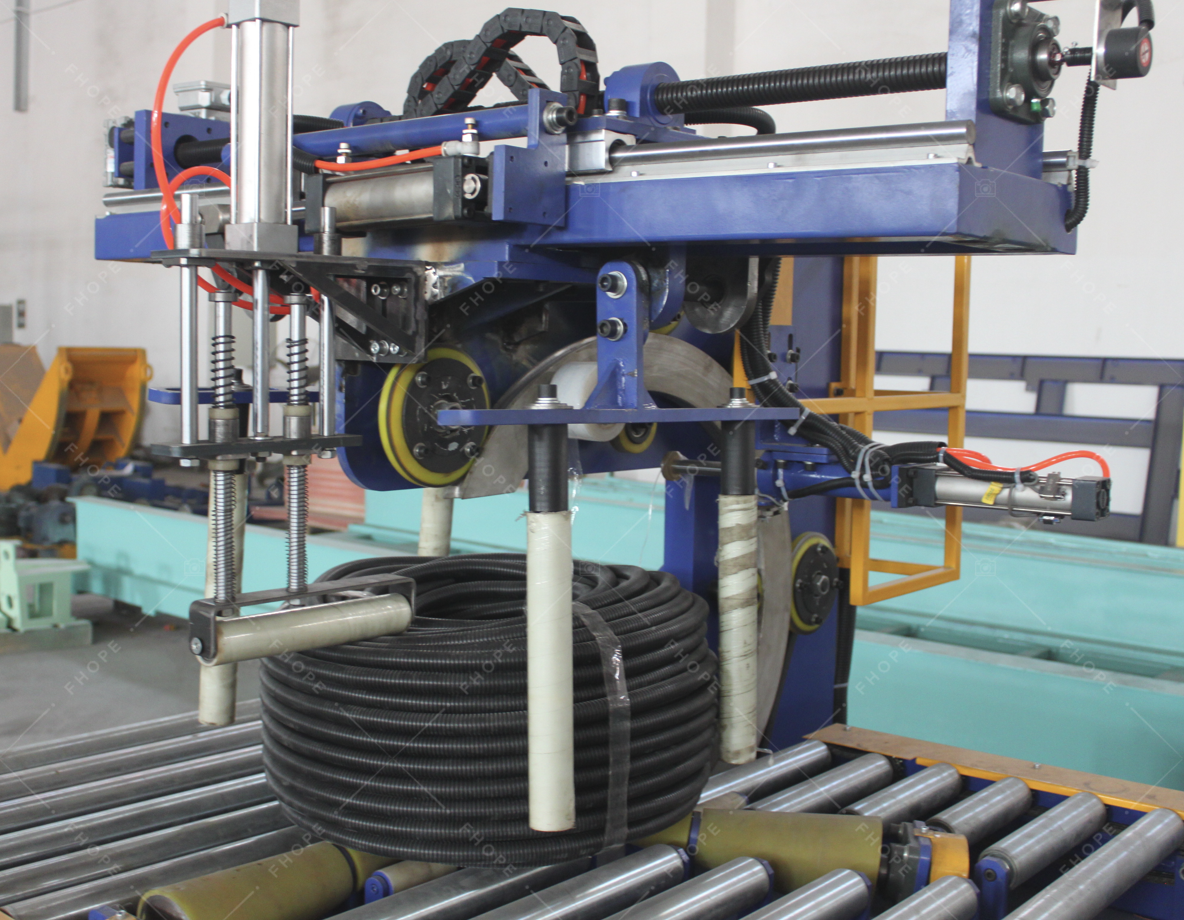
Hose Coil Packaging line
View Details →
Copper Coil Packaging line
View Details →
Wire Coil Packaging line
View Details →
Panel Packaging line
View Details →
Pipe Bagging Machine
View Details →
Aluminum profile packing line
View Details →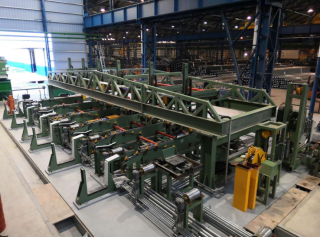
FHOPE Automatic pipe tube bundling&strapping line
View Details →
Automatic pipe tube bundling & strapping line
View Details →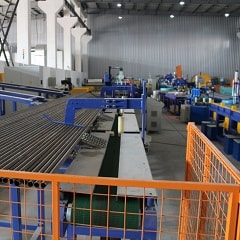
Automatic steel tube strapping machine
View Details →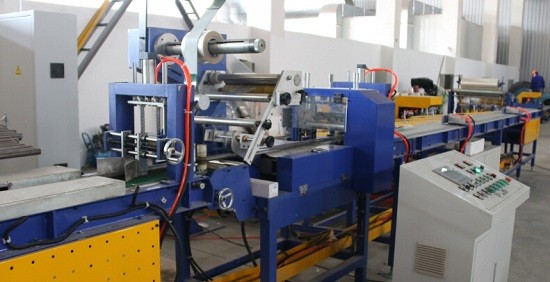
FHOPE Automatic steel tube packing machine
View Details →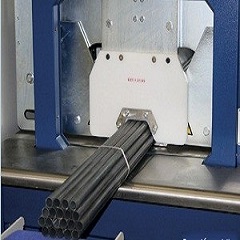
Automatic plastic Pipe strapping packing line
View Details →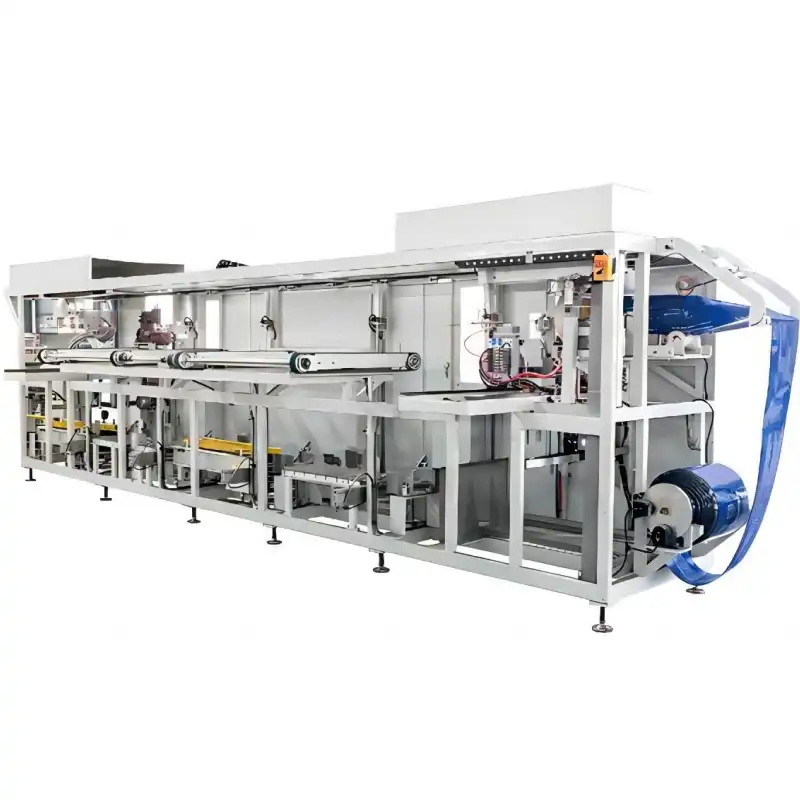
Platsic pipe bag packing machine
View Details →
Tyre Packing Machine FPT-200
View Details →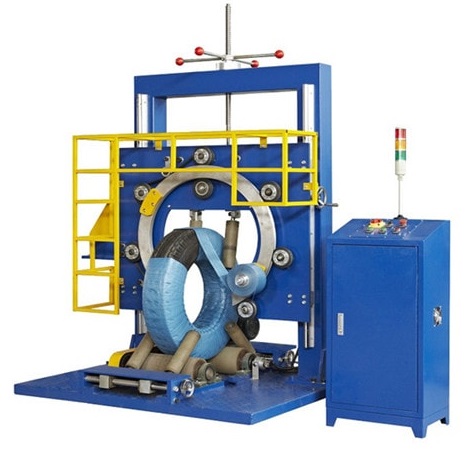
Tyre Packing Machine FPT-300
View Details →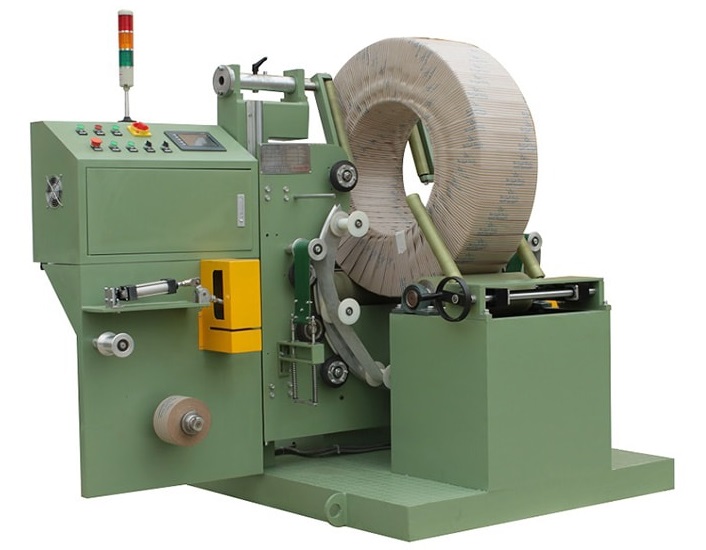
Tyre Packing Machine FPT-400
View Details →
Cable Coil Packing Machine-FPCA100
View Details →
Cable Coil Wrapping Machine FPCA 200
View Details →