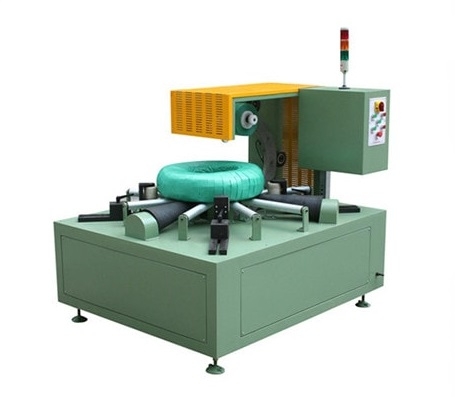
Steel Coil Wrapping System Safety Guide: Risk Assessment and Protection Methods
Understand how to improve steel coil wrapping system safety through risk assessment, guarding evaluation, maintenance control, and validation processes. This guide explains key safety considerations for heavy coil handling, machine interfaces, operator access, and automated packaging environments.

Steel Coil Wrapping Machine Safety: Main Risks and Protective Measures
Steel Coil Wrapping Machine Safety: Main Risks and Protective Measures
Safety on a steel coil wrapping station is not created by adding a guard to a rotating machine. The risk comes from the combination of a heavy, potentially mobile coil; rotating and transferring equipment; material-handling interfaces; people; and the conditions under which access is permitted. The safety design must be assessed for the actual machine, layout, tasks and jurisdiction.
This article explains a risk-assessment framework. It is not a safety design, operating instruction or declaration of compliance.
Define the Safety Boundary First
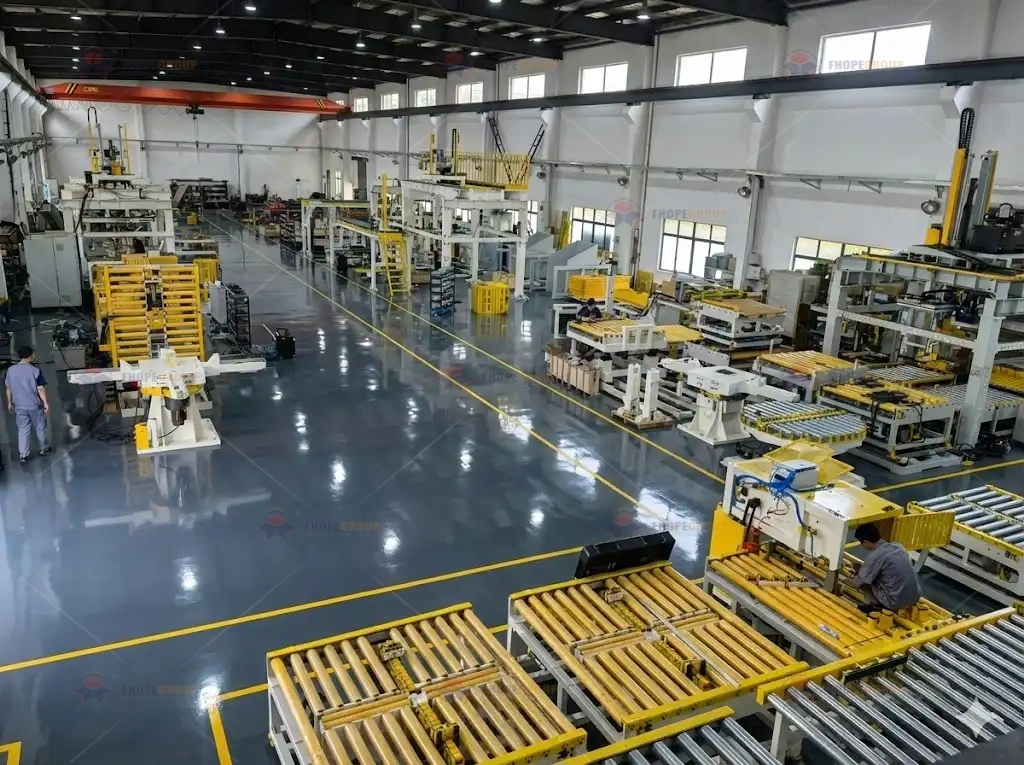
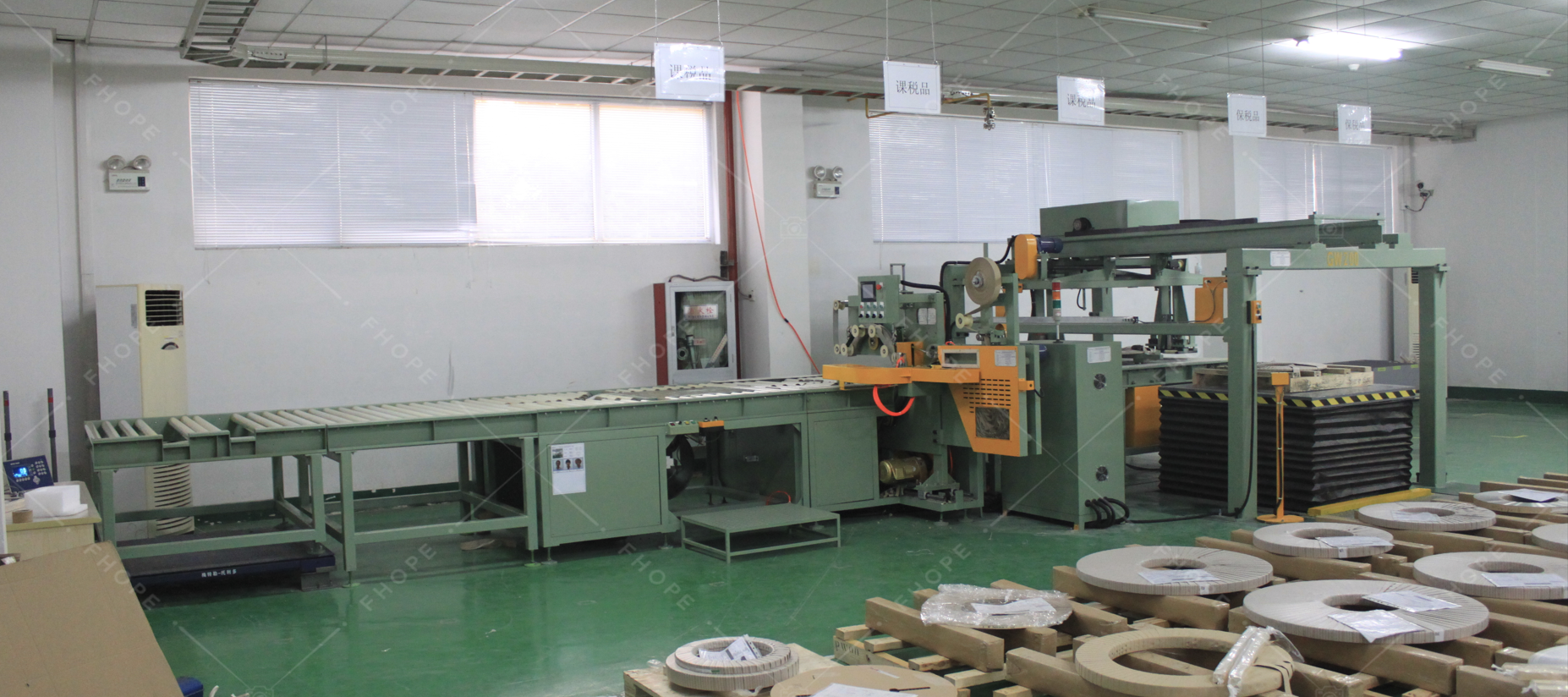
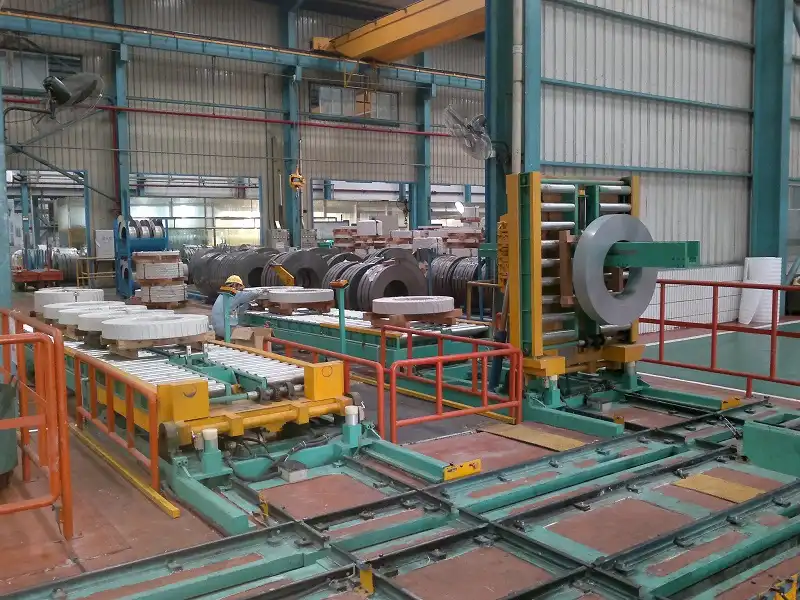
Map the wrapper, coil supports, loading and discharge interfaces, film/carriage or cutting area, power and utility boundaries, operator positions, maintenance access and adjacent crane, forklift, trolley or conveyor routes. A hazard can cross the apparent edge of the wrapper when a coil is transferred or when another handling system shares the area.
ISO 12100 provides general principles and methodology for machinery risk assessment and risk reduction. It does not certify a particular coil wrapper or select a compliant safeguard for a specific installation.
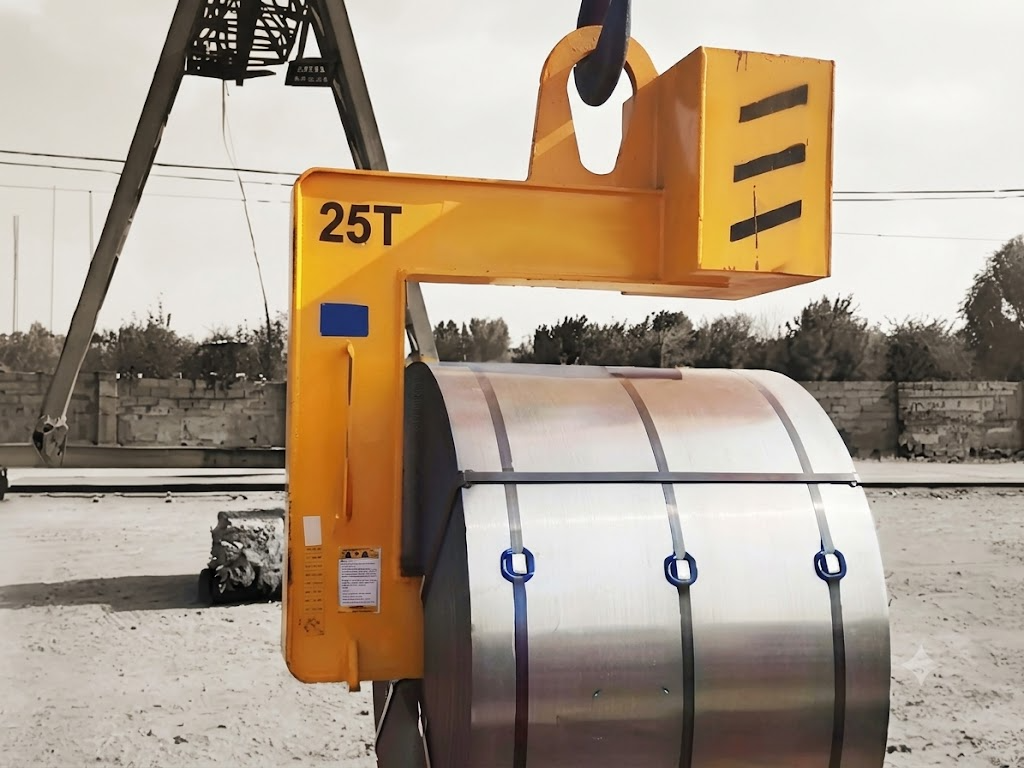
Assess Tasks, Not Only Normal Production
Assess loading, positioning, automatic wrapping, discharge, material changes, cleaning, inspection, fault response, adjustment and maintenance separately. Normal production can look safe while an infrequent task exposes someone to motion, a pinch point, a coil shift or hazardous energy.
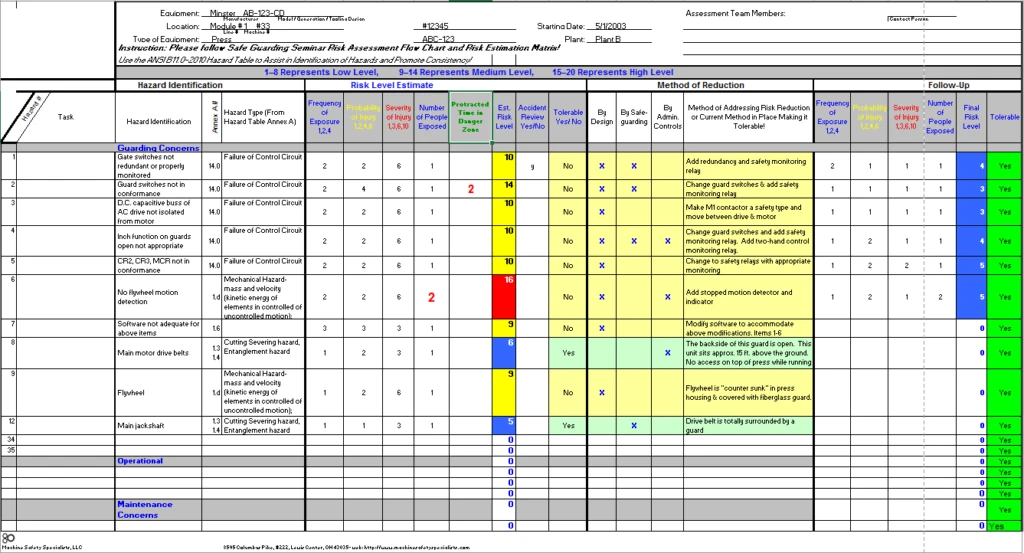
For each task, identify the people involved, energy and motion sources, foreseeable access, required information, residual risks and escalation route. The risk assessment should drive the safeguarding and training decisions—not a generic article.
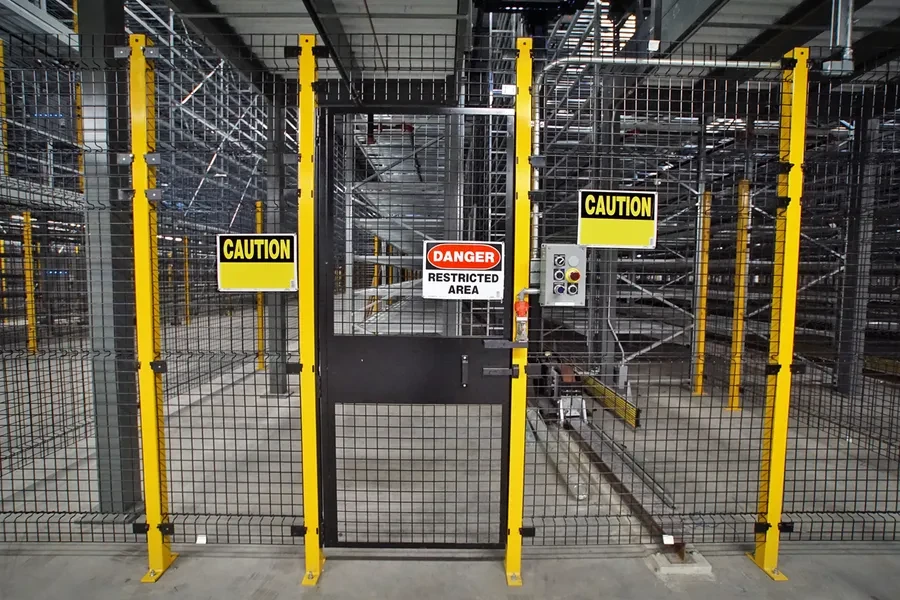
Treat Guarding and Access as Performance Questions
Guards and safety devices must be appropriate to the hazard, the stopping behaviour and the access required. HSE and OSHA guidance explains that fixed or interlocked safeguarding may be used in suitable applications; the effectiveness of any device depends on the actual machine and its ability to stop before a person can reach the danger zone. Do not infer guard type, safety rating, stop category or reset behaviour from a generic layout.
Replacing or closing a guard must not be treated as proof that automatic operation may resume. The controlled safety design defines restart prevention, reset conditions, access control and verification.
Control Maintenance and Abnormal Work Explicitly
Maintenance, clearing, inspection and adjustment can introduce unexpected-startup or stored-energy risks. OSHA's hazardous-energy guidance describes why servicing and maintenance need an employer-controlled energy programme; the applicable local requirements and machine-specific isolation method must be established by the responsible site.
This article does not tell a reader how to isolate, release energy, bypass an interlock or recover a coil. Those actions require the approved procedure and competent authorization.
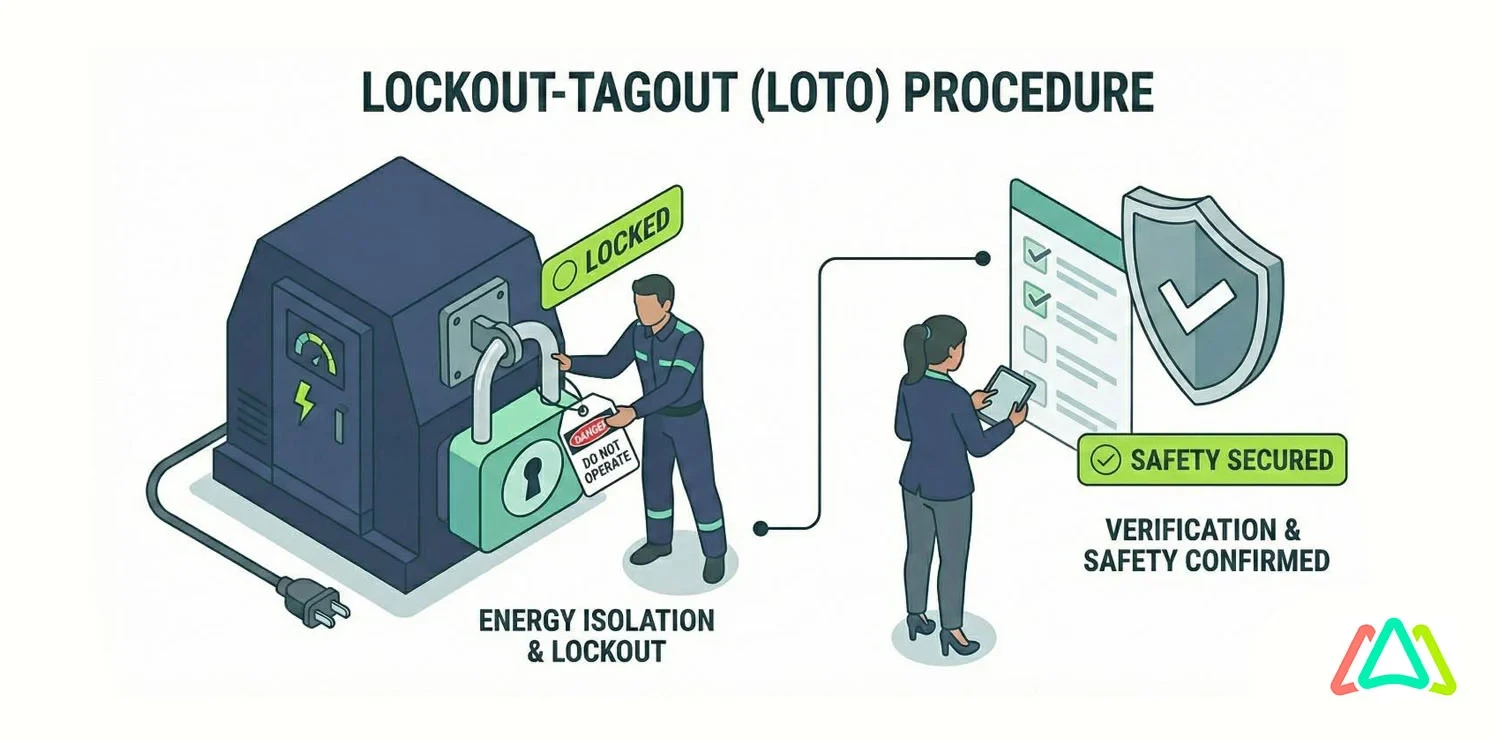
Validate Before Production and After Change
Use the approved project validation plan to test relevant safety functions, expected access conditions, transfer interfaces, stop/restart boundary and changes to software, layout, material handling or operating modes. Record configuration, method, result, deviation, owner and closure. A safety claim without this evidence remains a plan, not a verified condition.
A Practical Next Step
Ask for the current risk assessment, safety layout, safeguarding specification, safety-function validation, mode/permission matrix, energy-control procedure and training record. If any are unavailable, treat the safety information as incomplete and stop short of a publication or operational claim.
Visual Details
Click to enlarge
Click to enlarge

Click to enlarge
Click to enlarge
Watch How It Works
Discover how our automated packaging solutions optimize your production line efficiency. This video demonstrates the seamless operation designed for maximum protection.
Trusted by Steel Mills & Industry Leaders
Global manufacturers rely on FHOPE heavy duty packaging equipment


Ready to optimize your packaging line?
Get a custom quote with ROI analysis. Our engineers respond within 24 hours.
- Free layout design
- Global installation support
- 2-year warranty included
Your information is secure and will never be shared.
Related Machines
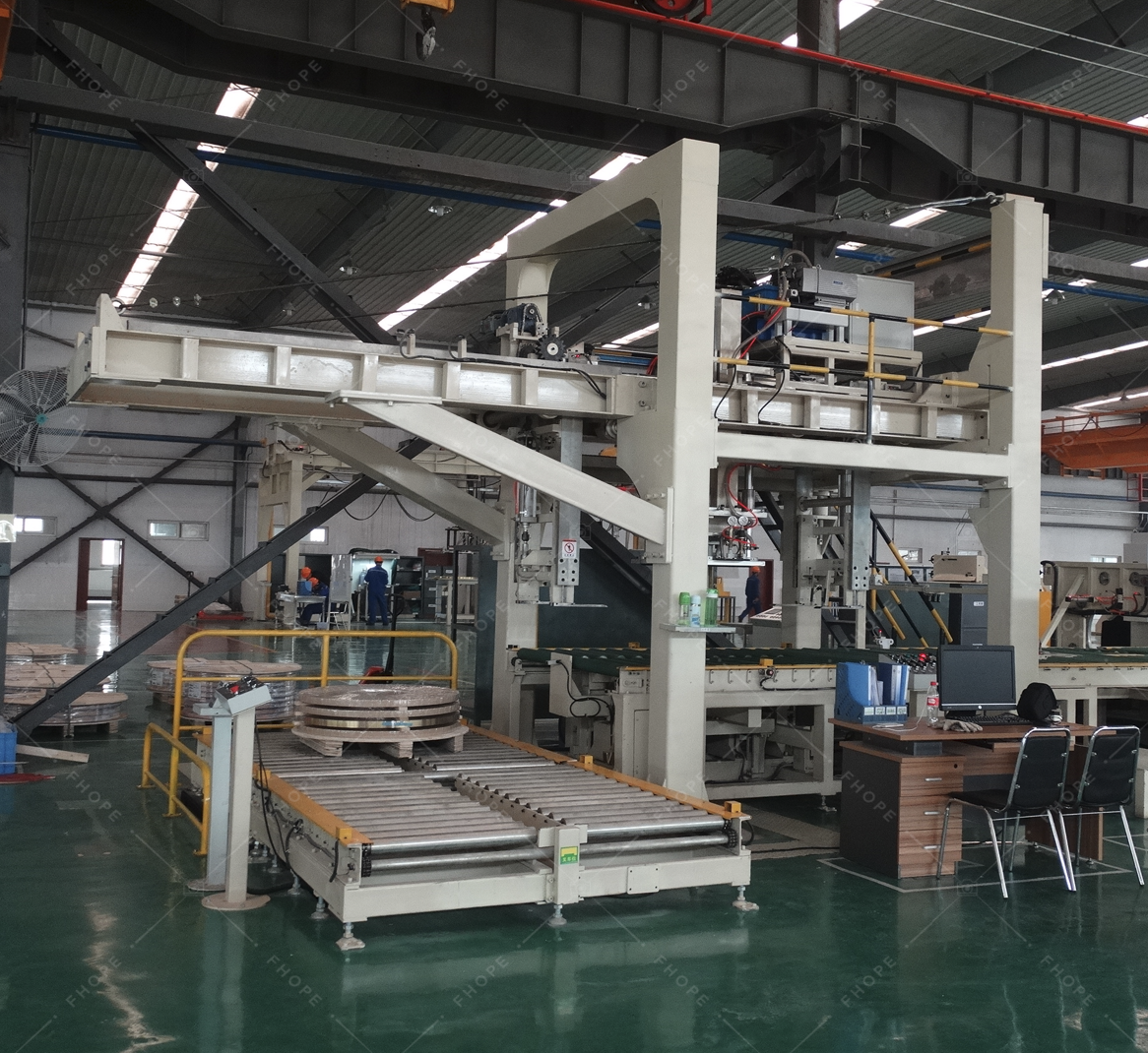
Steel Coil Packaging line
View Details →
Vertical coil packaging line
View Details →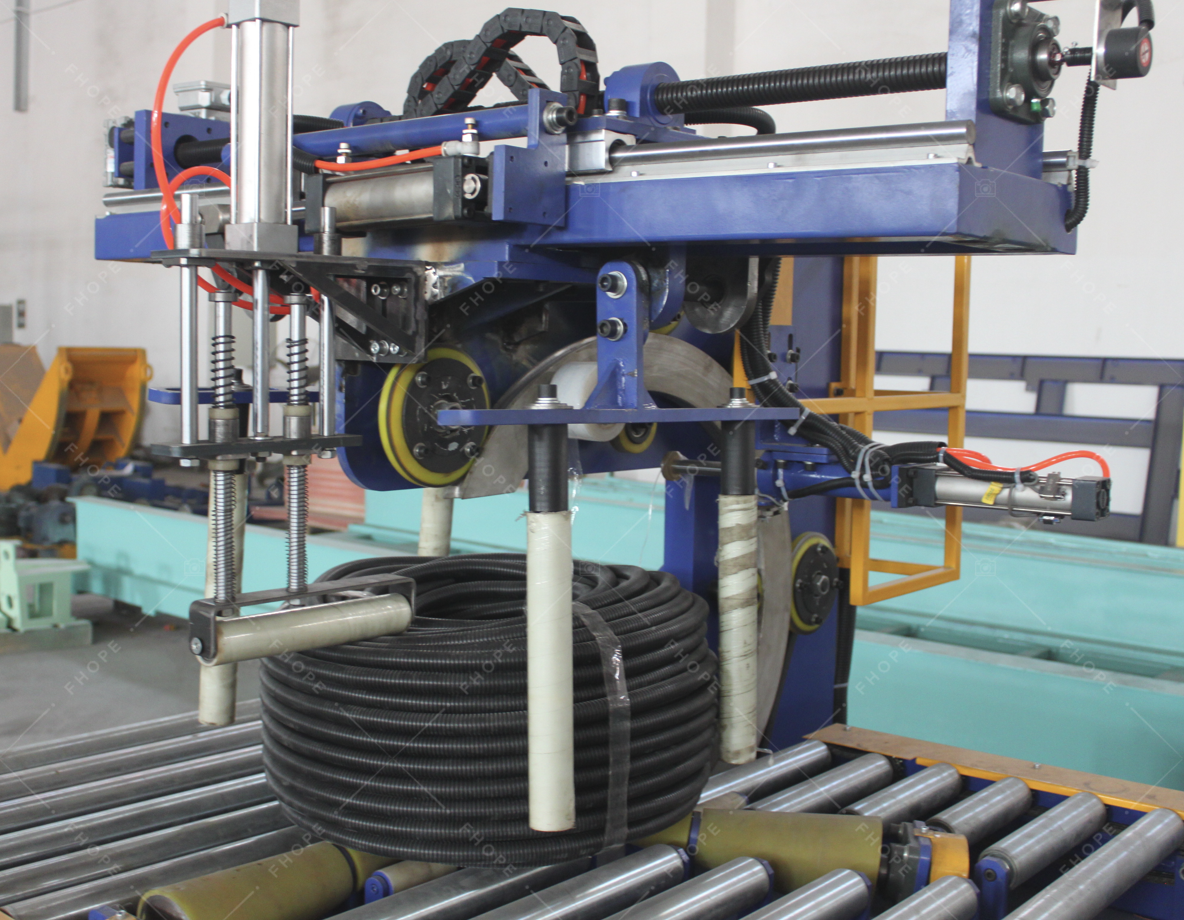
Hose Coil Packaging line
View Details →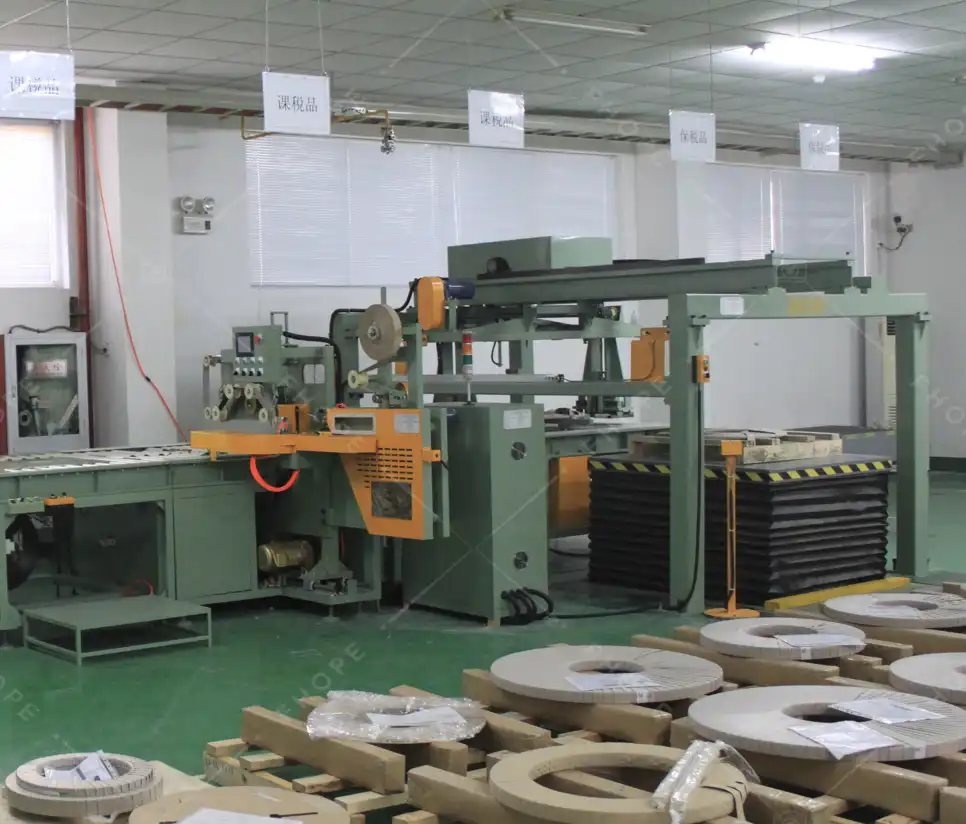
Copper Coil Packaging line
View Details →
Wire Coil Packaging line
View Details →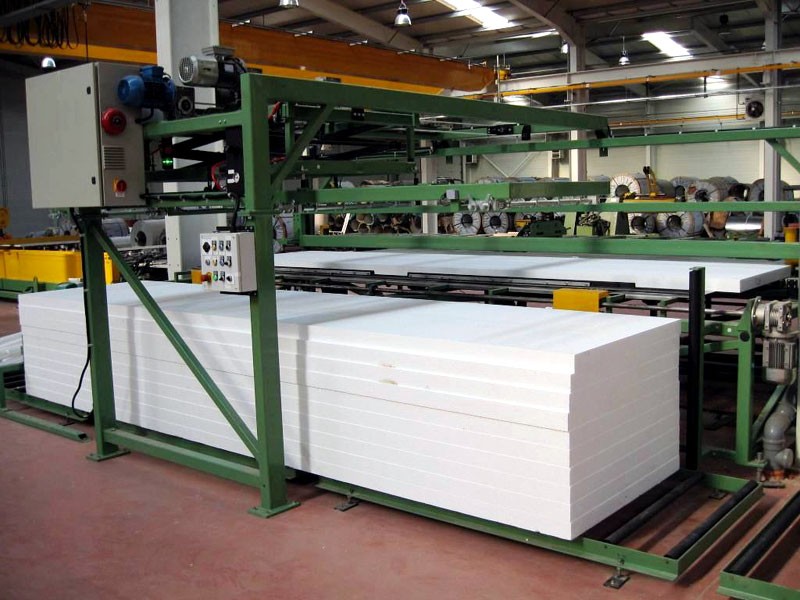
Panel Packaging line
View Details →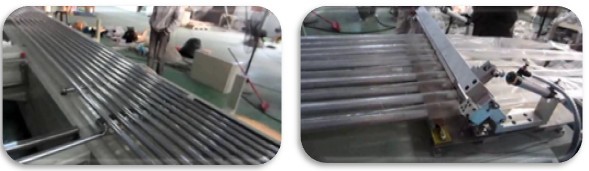
Pipe Bagging Machine
View Details →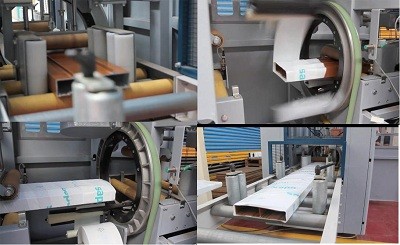
Aluminum profile packing line
View Details →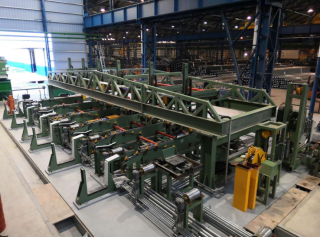
FHOPE Automatic pipe tube bundling&strapping line
View Details →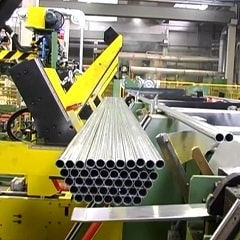
Automatic pipe tube bundling & strapping line
View Details →
Automatic steel tube strapping machine
View Details →
FHOPE Automatic steel tube packing machine
View Details →
Automatic plastic Pipe strapping packing line
View Details →
Automatic PPR/PVC Pipe bagging line
View Details →
Platsic pipe bag packing machine
View Details →
Tyre Packing Machine FPT-200
View Details →
Tyre Packing Machine FPT-300
View Details →
Tyre Packing Machine FPT-400
View Details →
Cable Coil Packing Machine-FPCA100
View Details →