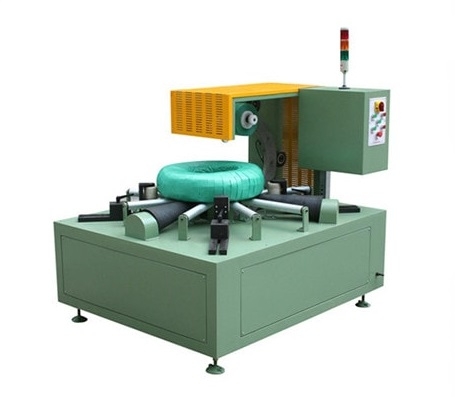
Steel Coil Wrapping Machine Fault Diagnosis Guide
A practical troubleshooting guide for steel coil wrapping machines, focusing on finding the first fault, preserving machine evidence, separating symptoms from causes, and improving communication between operators, maintenance teams, and manufacturers for safer diagnosis and more reliable production recovery.
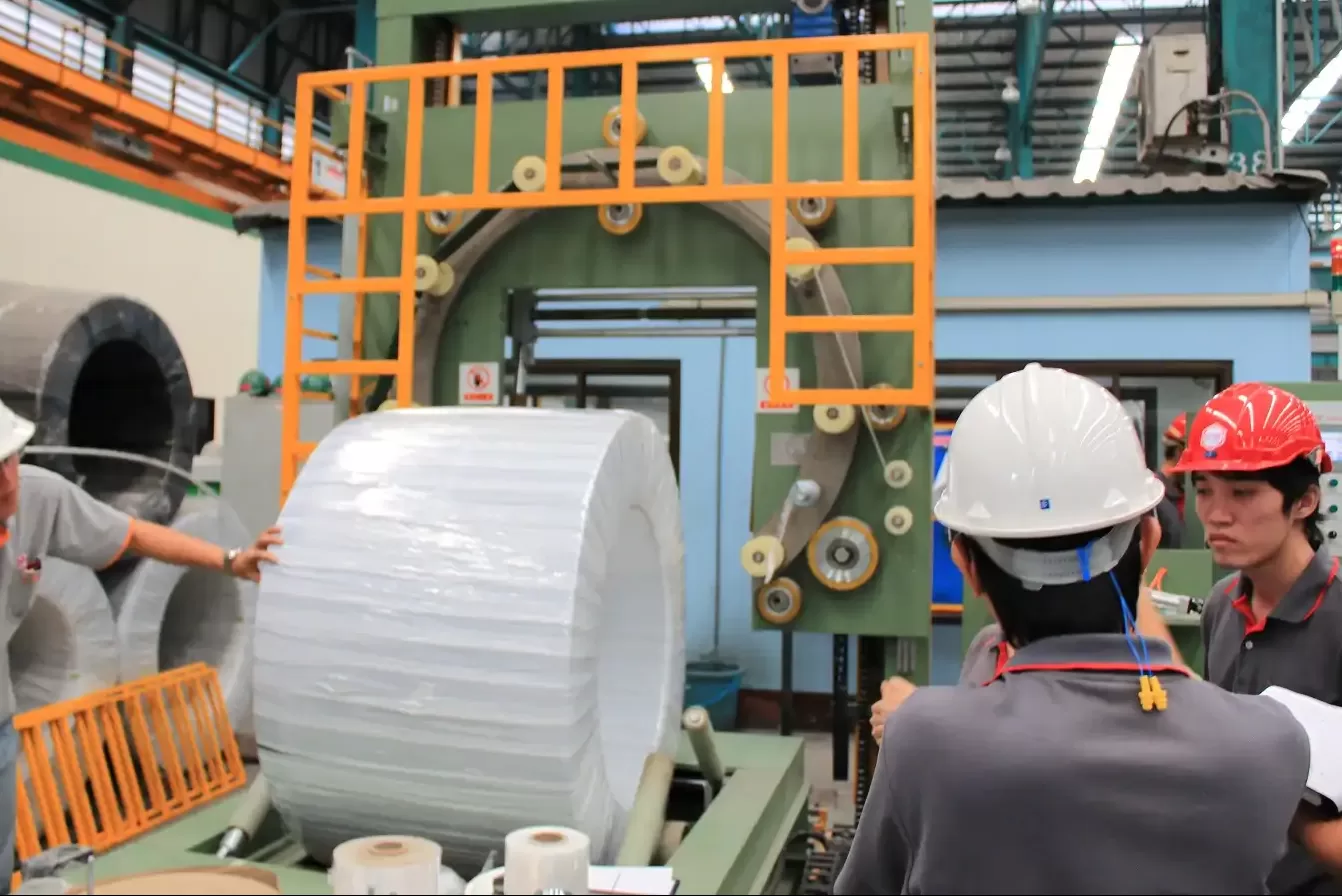
Steel Coil Wrapping Machine Troubleshooting Guide
Steel Coil Wrapping Machine Troubleshooting Guide
When a steel coil wrapping machine stops, the pressure to restart can erase the evidence needed to solve the problem safely. A disciplined troubleshooting path starts by preserving the machine state, checking authority and safeguards, and separating a symptom from its cause.
This guide is an escalation framework, not a repair instruction. It does not authorize entry into guarded areas, bypassing interlocks, changing parameters, clearing jams, resetting safety functions, electrical diagnosis, or energy isolation. Follow the machine manual, site risk assessment, authorized energy-control procedure, and local requirements. If the fault involves a safety function, unexpected movement, a damaged guard, a heavy-coil stability concern, or unknown energy state, keep the machine out of service and escalate to the competent site authority.
Before Any Diagnosis: Freeze the Useful Evidence
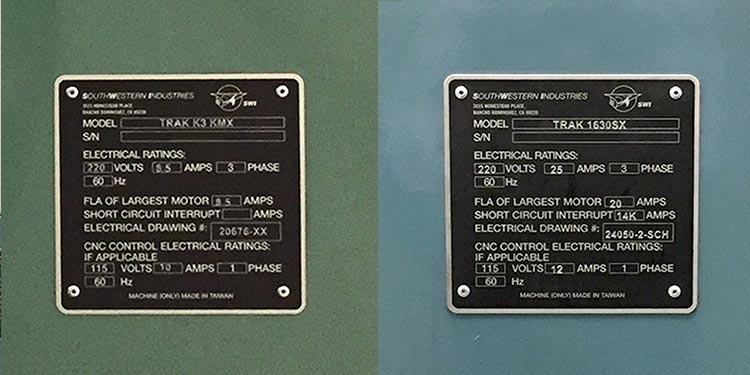
Record the time, machine model and serial number, product or recipe, coil dimensions and weight if available, operating mode, alarm text/code, screen photos, and the sequence of events. Capture whether the fault first appeared at start-up, during a cycle, after a product change, or after maintenance. Keep the current program and parameter revision identifiable.
Do not clear an alarm history, cycle the power repeatedly, or make several adjustments before recording the first condition. A single "machine not working" message forces technical support to guess; a timestamped evidence package creates a reviewable path.
Use a Safe, Symptom-Led Triage Path
The first question is not "which part should be changed?" It is "what condition is actually reported, and what is safe and authorized to observe from outside the hazard area?"
| Reported symptom | Evidence to preserve | Boundary before next action |
|---|---|---|
| Machine will not start | mode, alarm, guard/interlock status as displayed, supply indications, recent changes | Do not bridge a safety circuit or assume a reset is harmless. |
| Ring will not rotate or stops | first alarm, mode, product state, abnormal noise/vibration observed safely | Do not access the ring or drive area while energy or motion hazards may exist. |
| Coil does not move, rotates unexpectedly, or slips | approved coil range, product position, recipe, external condition evidence | Treat a heavy-coil stability or containment concern as an escalation, not a setup correction. |
| Film tension or path is inconsistent | film identification, roll installation record, recipe, speed/mode, visible external condition | Do not reach into a film path or remove guards to "see what is catching." |
| Clamp, cut, or sealing sequence is incomplete | sequence step, sensor/alarm evidence, material identification | Do not use a tool or hand to complete a machine action. |
| Transfer, trolley, or conveyor is blocked | upstream/downstream ready states, first fault, station occupancy, product position | Do not enter a transfer zone or defeat an interlock. |
| Recipe, HMI, PLC, scanner, or line communication error | exact message, software versions, network/local mode, event timing | Protect backups and do not edit parameters without controlled authorization. |
This table is deliberately not a list of reset, adjustment, or component-replacement steps. Those depend on the actual machine, diagnostics, safeguards, and authorized personnel.
Find the First Fault, Not the Loudest Alarm
Automated cells often display consequential alarms after an upstream condition has already stopped the sequence. Preserve the chronological alarm list and determine the earliest time-stamped event. Compare it with the last known-good cycle, any product/recipe change, maintenance work, power interruption, or upstream/downstream state change.
For intermittent faults, build a reproducibility record: date and time, temperature or environmental condition where relevant, operating mode, coil family, shift, cycle count, vibration/noise observation, and any associated alarm. Avoid declaring a cause from one occurrence. A repeating pattern may justify a planned investigation; it does not prove a defective part.
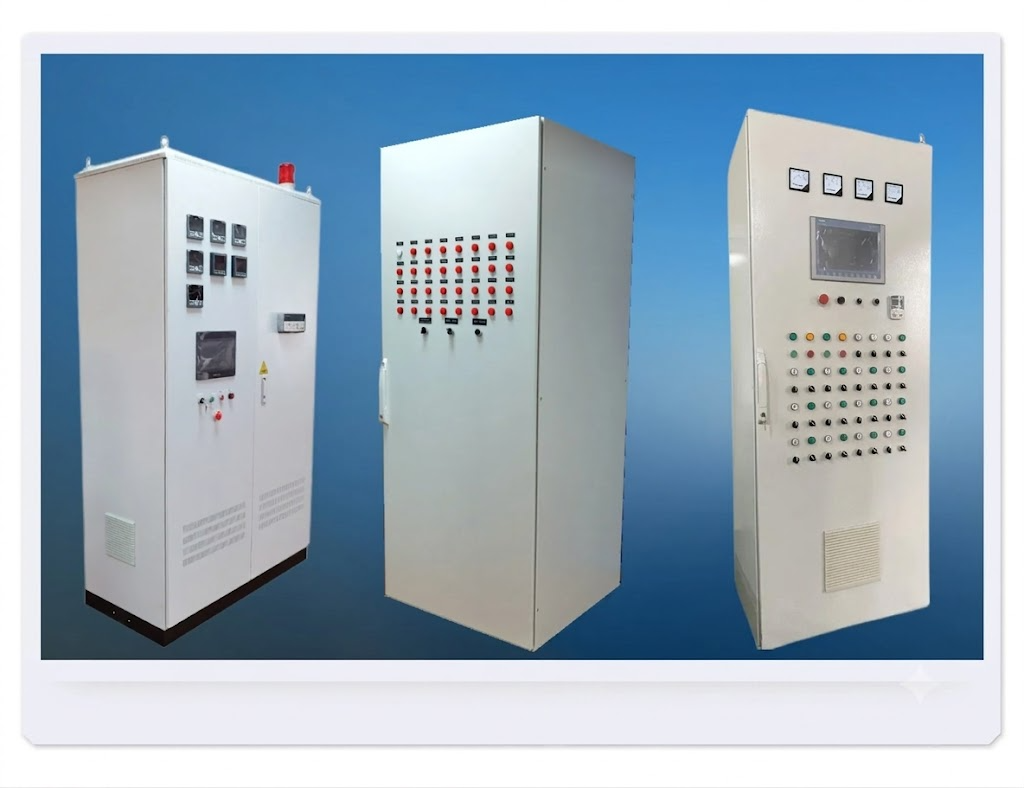
Separate Observation, Diagnosis, and Corrective Work
Operators can often contribute high-value observations within their training and safe operating boundary. Maintainers and technical specialists may diagnose or repair only within their assigned competence and approved procedures. Safety functions and energy-control work require the site's specific authority and verification path.
Use three statuses in the work record:
- Observed: evidence recorded; no cause claimed.
- Diagnosed: cause supported by a documented test or competent review.
- Corrected and verified: approved corrective work completed, return-to-service criteria met, and recurrence prevention assigned.
A production restart may be a temporary restoration. Do not close the root cause until the evidence supports it and the assigned owner has completed the prevention action.
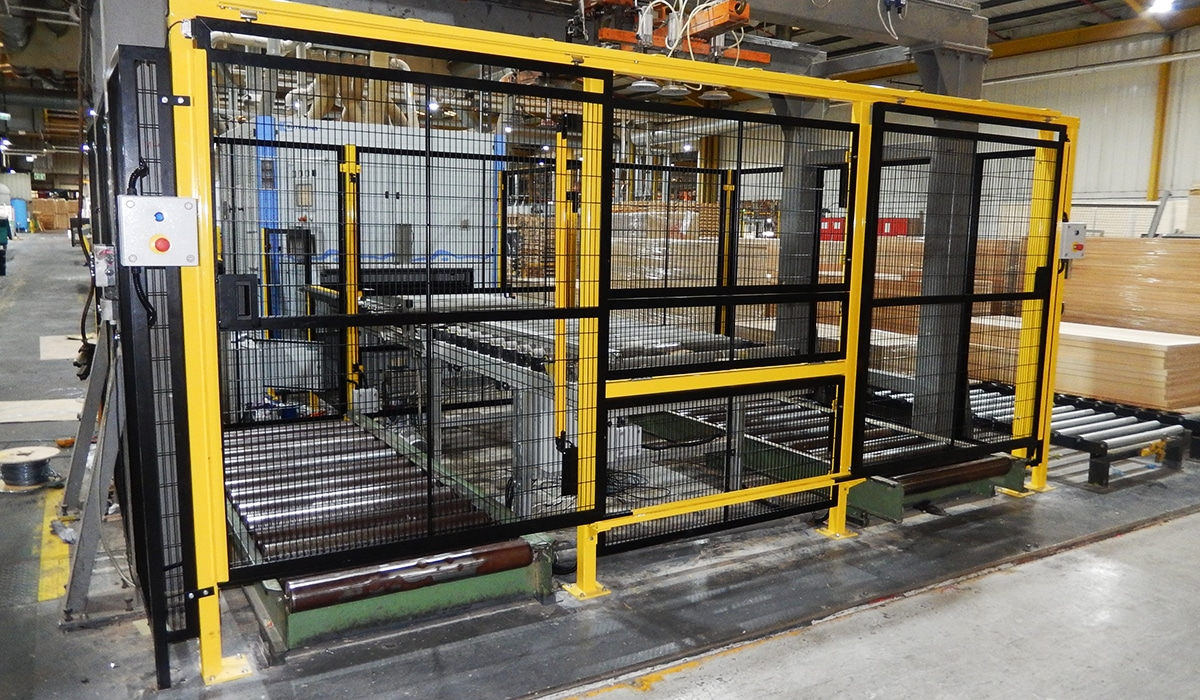
Escalate with a Complete Technical-Support Package
Send the manufacturer or qualified support team a compact, factual package:
- machine model, serial number, installed options, and current manual/software revision;
- exact alarm codes and chronological alarm history;
- date/time, operating mode, recipe, coil type, dimensions, and weight when available;
- photos or video of the external machine state and product position;
- the last known-good cycle and changes since then;
- observations already made, including what was not changed; and
- the site contact, safe access status, and any production constraint.
Never include a request to bypass a safeguard or "make it run at any cost." If the evidence indicates a safeguarding, guard, unexpected-start, or product-stability issue, state that the machine is held for competent review.
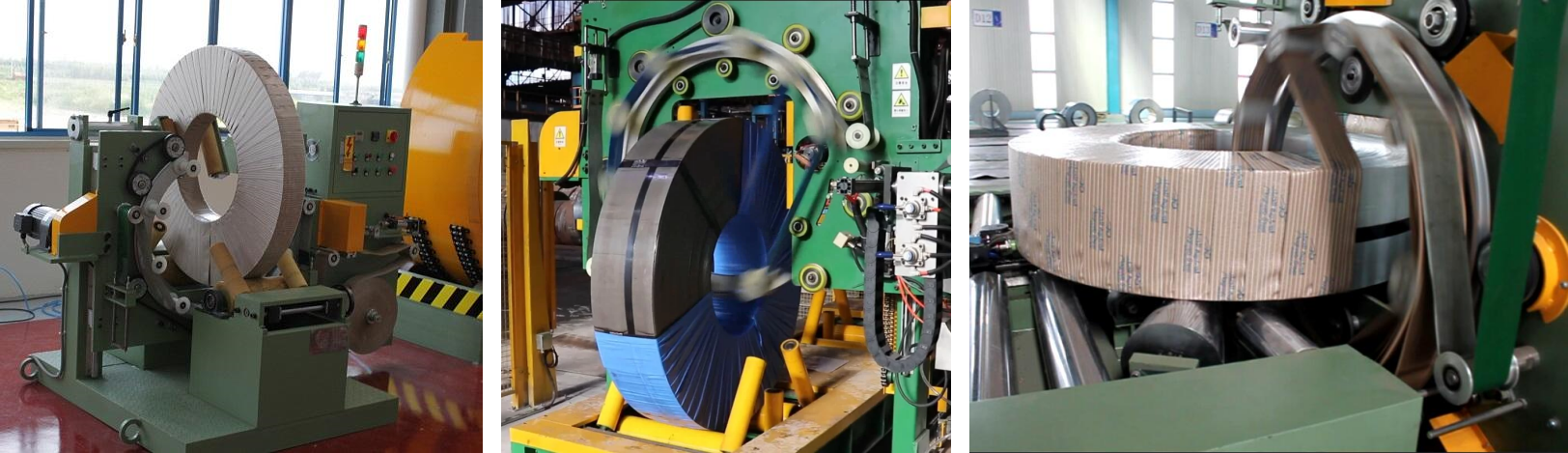
Close the Fault So It Does Not Return Unnoticed
After a correction, document the approved cause, corrective action, part identity if changed, test or verification record, and any updates to maintenance plans, spare-parts policy, training, recipe governance, or software backup. Trend recurring fault categories over time. The aim is not only to restart the line; it is to reduce avoidable repeat stoppages without creating a new safety risk.
What to Prepare Before the Next Escalation
Keep a current serial-numbered document set, controlled backups, alarm-export method, named escalation contacts, and a short evidence template at the machine. That preparation does more for reliable troubleshooting than a generic list of parts to swap.
Visual Details
Click to enlarge
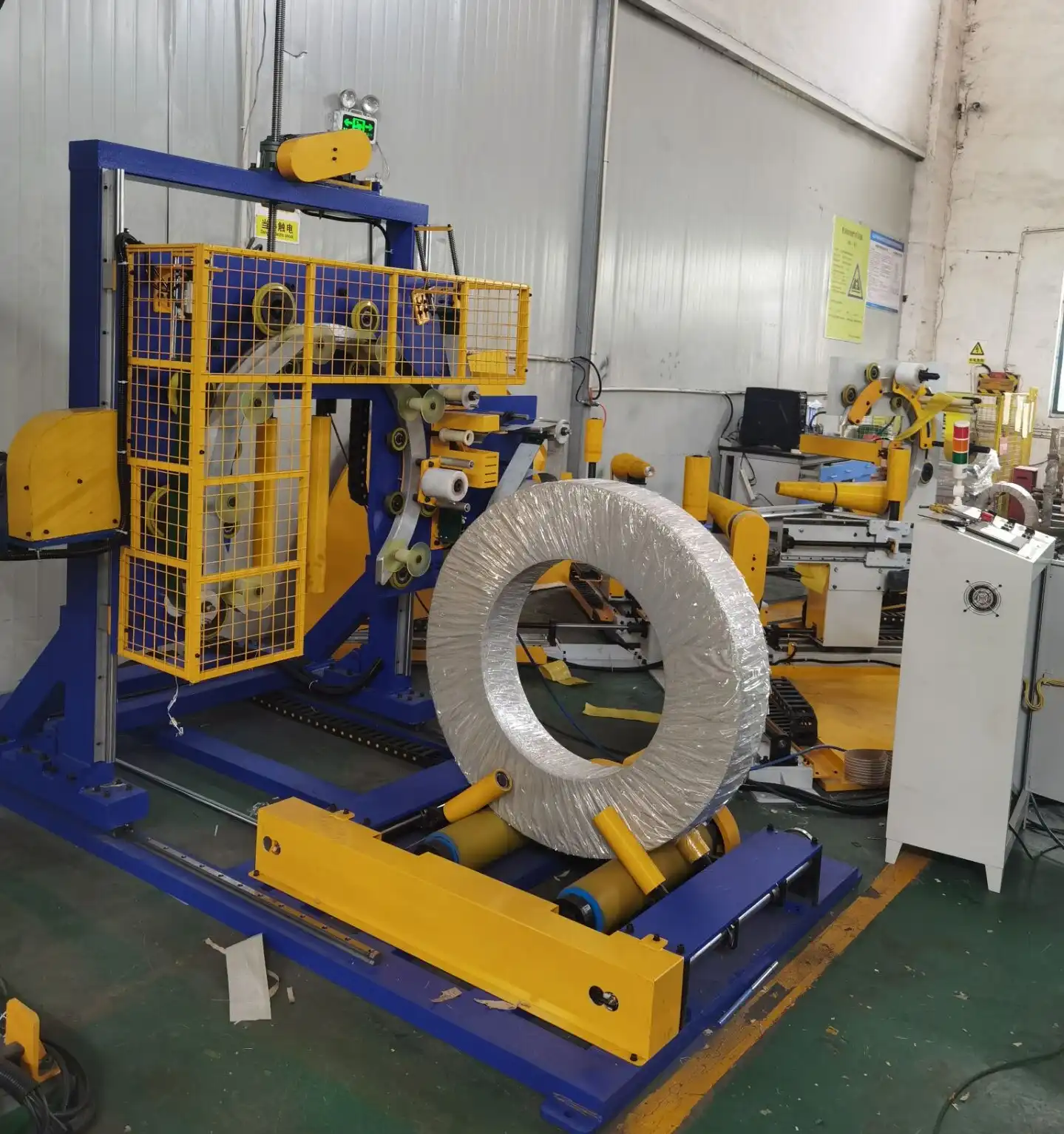
Click to enlarge
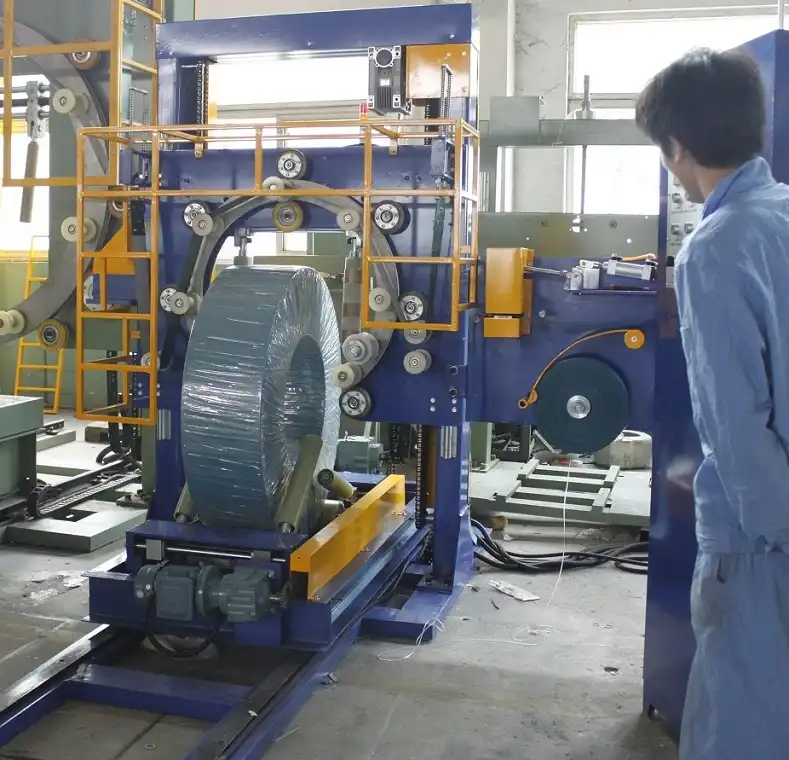
Click to enlarge
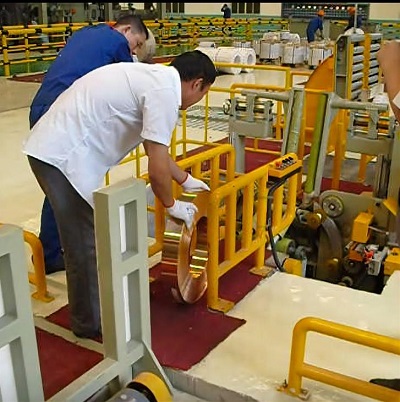
Click to enlarge
Watch How It Works
Discover how our automated packaging solutions optimize your production line efficiency. This video demonstrates the seamless operation designed for maximum protection.
Trusted by Steel Mills & Industry Leaders
Global manufacturers rely on FHOPE heavy duty packaging equipment


Ready to optimize your packaging line?
Get a custom quote with ROI analysis. Our engineers respond within 24 hours.
- Free layout design
- Global installation support
- 2-year warranty included
Your information is secure and will never be shared.
Related Machines
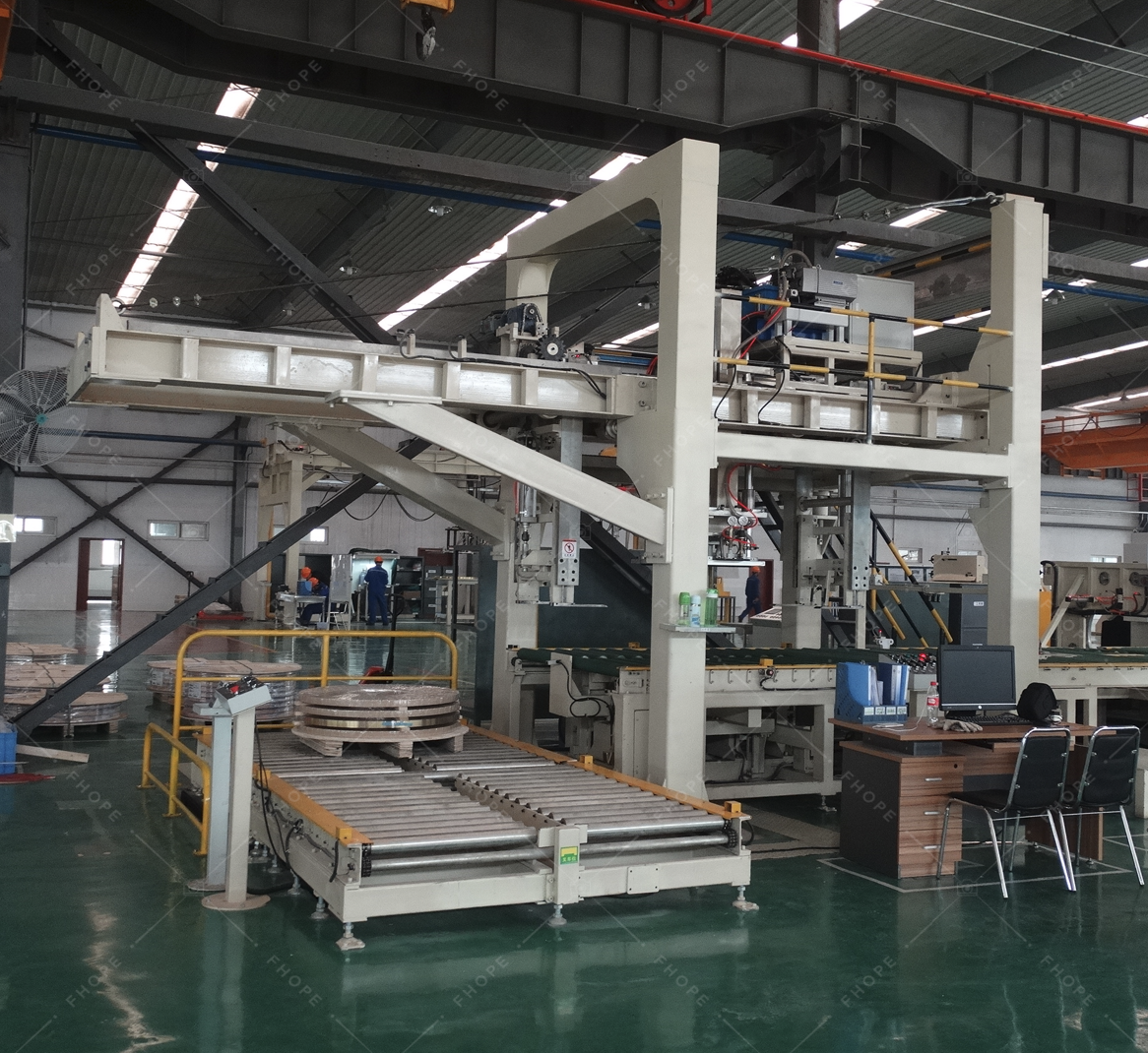
Steel Coil Packaging line
View Details →
Vertical coil packaging line
View Details →
Hose Coil Packaging line
View Details →
Copper Coil Packaging line
View Details →
Wire Coil Packaging line
View Details →
Panel Packaging line
View Details →
Pipe Bagging Machine
View Details →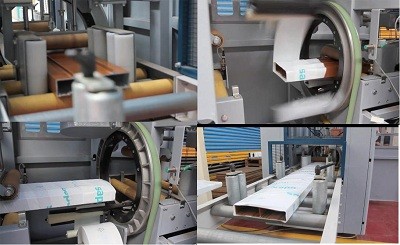
Aluminum profile packing line
View Details →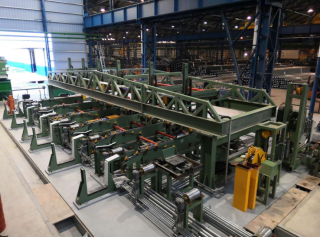
FHOPE Automatic pipe tube bundling&strapping line
View Details →
Automatic pipe tube bundling & strapping line
View Details →
Automatic steel tube strapping machine
View Details →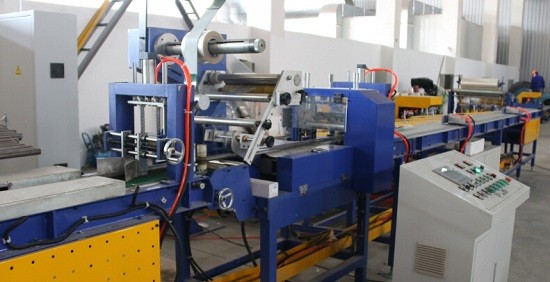
FHOPE Automatic steel tube packing machine
View Details →
Automatic plastic Pipe strapping packing line
View Details →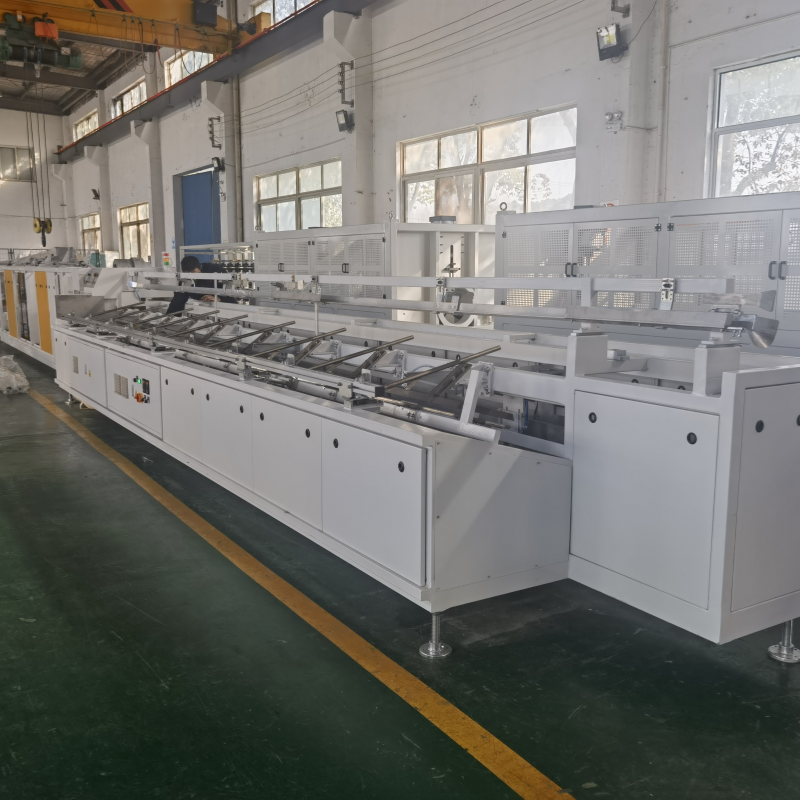
Automatic PPR/PVC Pipe bagging line
View Details →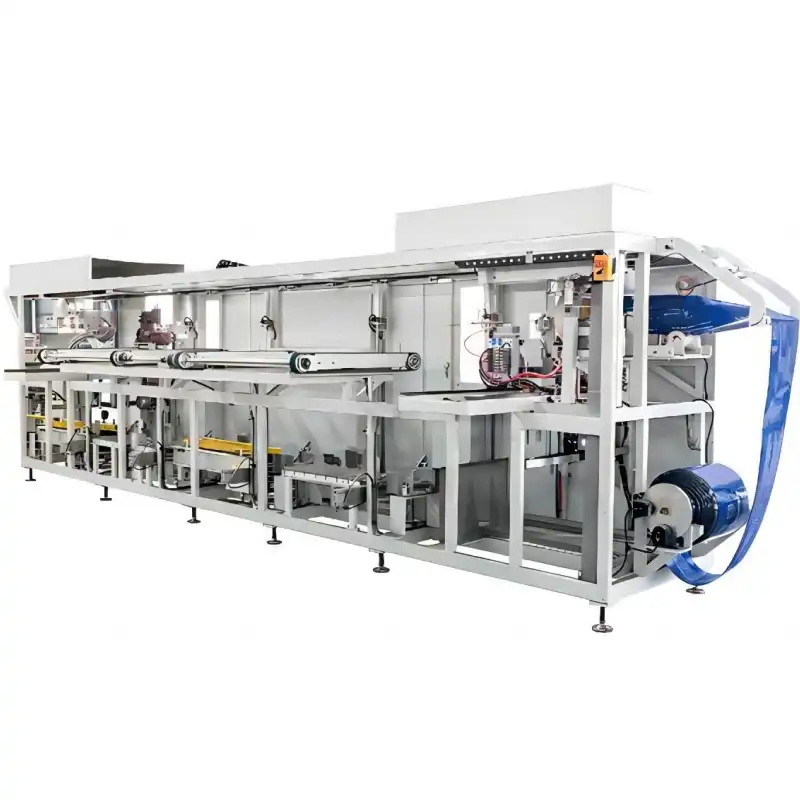
Platsic pipe bag packing machine
View Details →
Tyre Packing Machine FPT-200
View Details →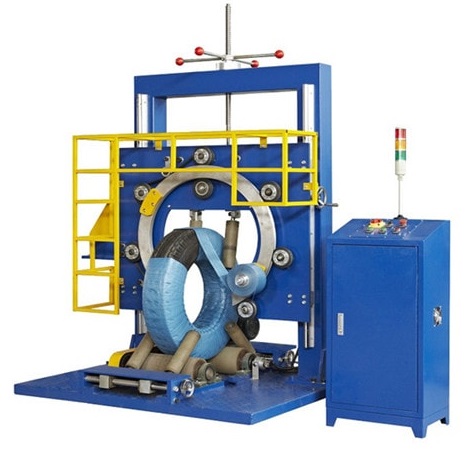
Tyre Packing Machine FPT-300
View Details →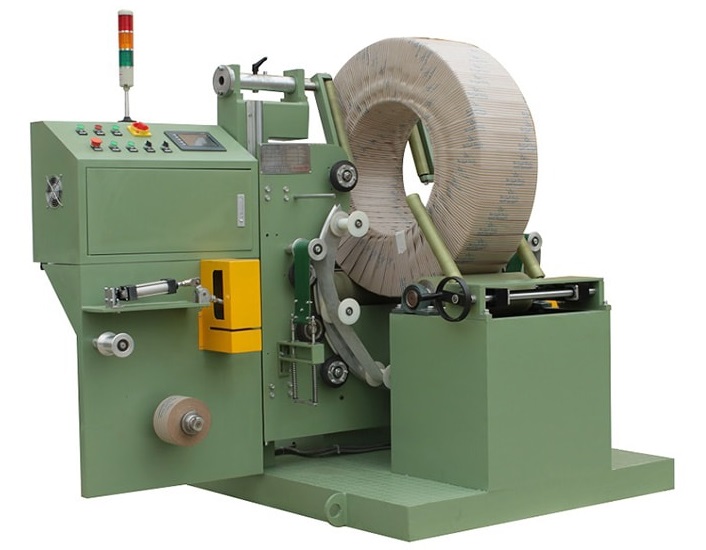
Tyre Packing Machine FPT-400
View Details →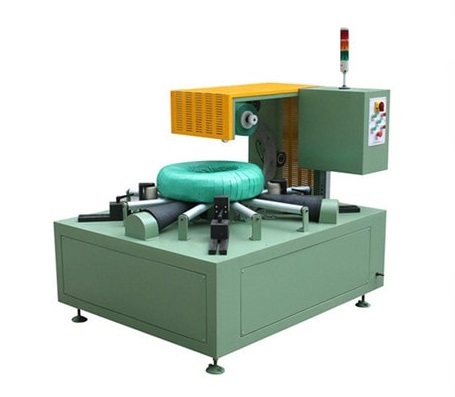
Cable Coil Packing Machine-FPCA100
View Details →