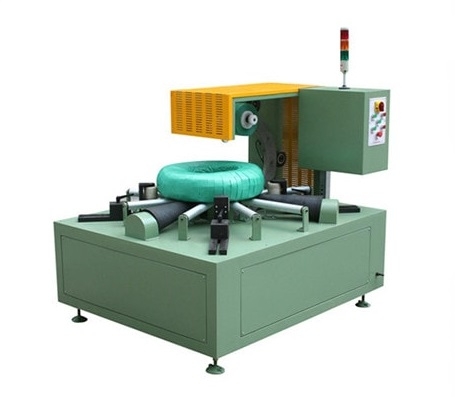
Steel Coil Wrapping Machine Operation: Key Procedures and Safety Practices
Understand how steel coil wrapping machines are operated within industrial packaging systems. This article covers operating workflow, machine preparation, process control, operator responsibilities, and key considerations for safe and consistent coil packaging performance.

Steel Coil Wrapping Machine Operating Procedure: A Site-Specific Framework
Steel Coil Wrapping Machine Operating Procedure: A Site-Specific Framework
An operating procedure must be written for a named machine, configuration, site and trained role. A generic web page cannot safely tell someone how to power up, load, thread, reset or recover a coil wrapper. What it can do is show the evidence and decision points that a controlled site procedure needs.

Start with Scope and Authorization
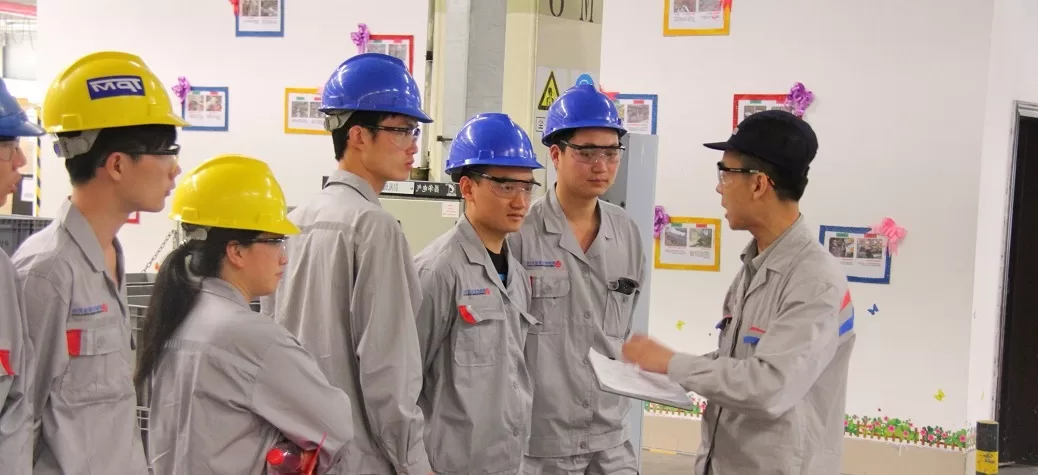
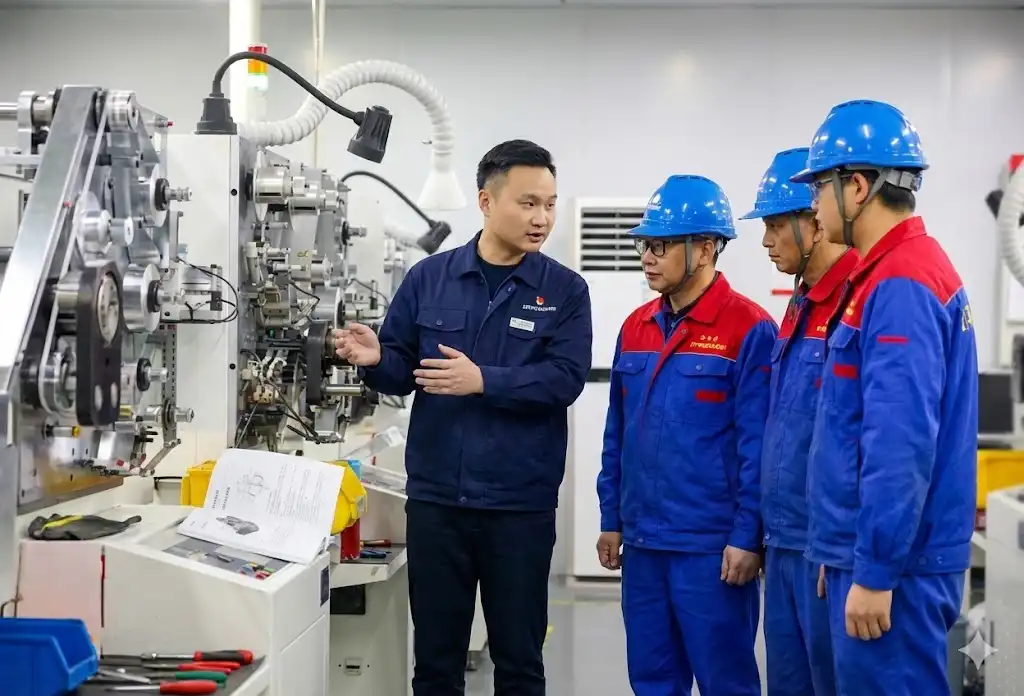
The procedure should identify the machine/model and approved configuration, applicable site, authorised roles, training prerequisites, product and material range, operating modes, linked risk assessment and escalation contacts. It should also say which activities are outside an operator's authority, including maintenance, guard removal, adjustment beyond approved settings and abnormal recovery.
Make Pre-Start a Documented Confirmation
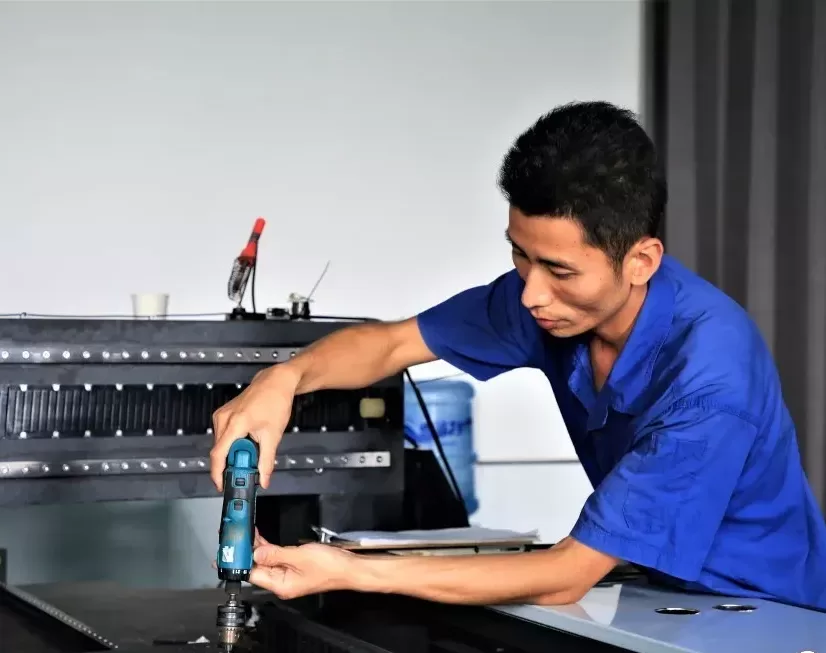
The controlled checklist should confirm the approved area condition, safeguarding status, required utilities, product/material identity, package/recipe authorization and unresolved alarms or handover notes. The exact checks and acceptance states must come from the machine manual and risk assessment.
Keep Product, Recipe and Release Decisions Traceable
Before a normal cycle, the approved procedure should link the coil identity, material and package requirement to the authorised recipe and the required inspection record. A mismatch is a stop-and-confirm condition, not an invitation to choose the nearest setting. After the cycle, the package and identification are released only through the approved quality and handling process.
Define Normal Observation and Escalation Separately
The operator's normal role is to observe the defined indicators and remain in the permitted position. Unusual noise, motion, material condition, coil position, safety-device condition or repeated alarm belongs in the controlled stop/escalation process.
The procedure must not imply that an operator may reach into equipment, remove a guard or clear an obstruction while motion or hazardous energy could be present. Abnormal conditions belong to the controlled stop/escalation process, not to improvisation at the machine.
Treat Changeover and End-of-Shift as Controlled States
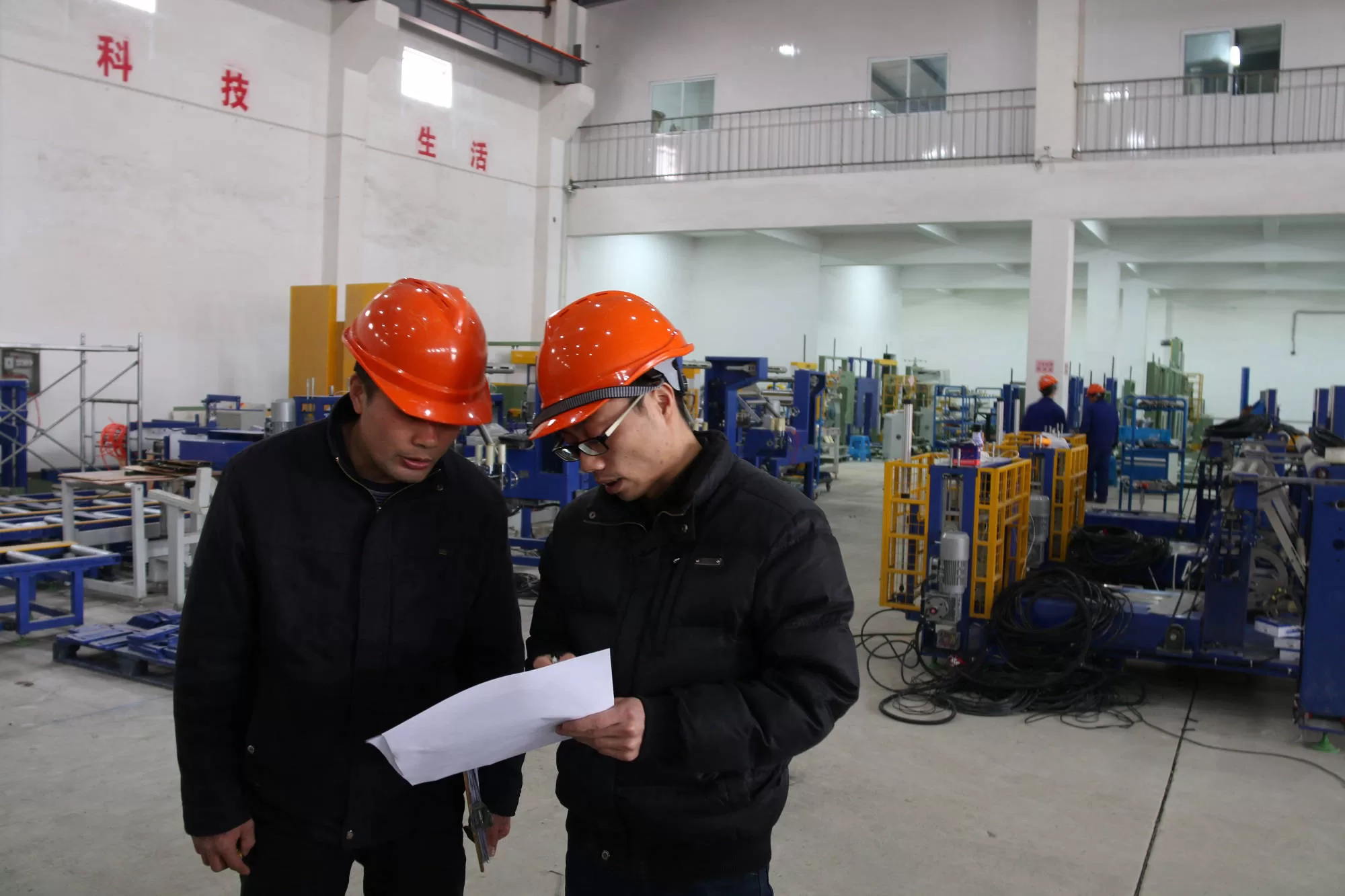
Material changes, recipe changes and handovers need the same clarity as a normal cycle: which revision is installed, who confirms first-piece acceptance, what records change and what unresolved condition is passed to the next role. An end-of-shift record should preserve output, quality exceptions, alarms, material changes and open items without inventing a universal shutdown sequence.
Build Approval into the Document Lifecycle
HSE and OSHA sources used here support the general principle that work equipment with specific risk should be restricted to trained/appointed people and that servicing must control unexpected energy. They do not replace local law or the machine-specific procedure. Assign an owner, revision date, technical/safety reviewer, training route and re-review trigger after any configuration, risk or process change.
A Practical Next Step
Use this page to request the controlled procedure package: current manual, risk assessment, approved checklists, recipe authority, alarm/escalation matrix, energy-control procedure, training record and document revision. Do not publish or use a generic step-by-step procedure in place of those artifacts.
Visual Details
Click to enlarge
Click to enlarge

Click to enlarge
Click to enlarge
Watch How It Works
Discover how our automated packaging solutions optimize your production line efficiency. This video demonstrates the seamless operation designed for maximum protection.
Trusted by Steel Mills & Industry Leaders
Global manufacturers rely on FHOPE heavy duty packaging equipment


Ready to optimize your packaging line?
Get a custom quote with ROI analysis. Our engineers respond within 24 hours.
- Free layout design
- Global installation support
- 2-year warranty included
Your information is secure and will never be shared.
Related Machines
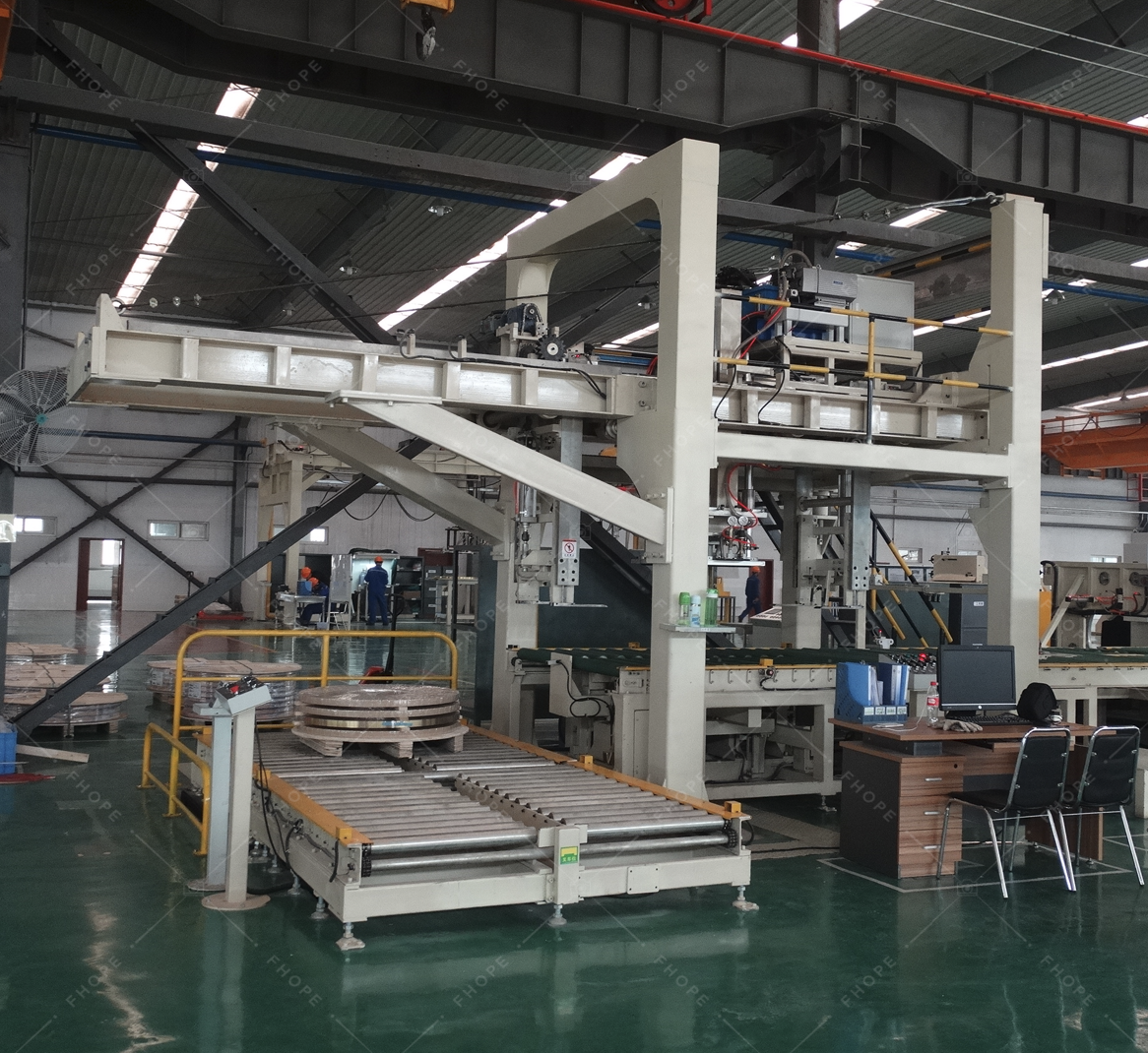
Steel Coil Packaging line
View Details →
Vertical coil packaging line
View Details →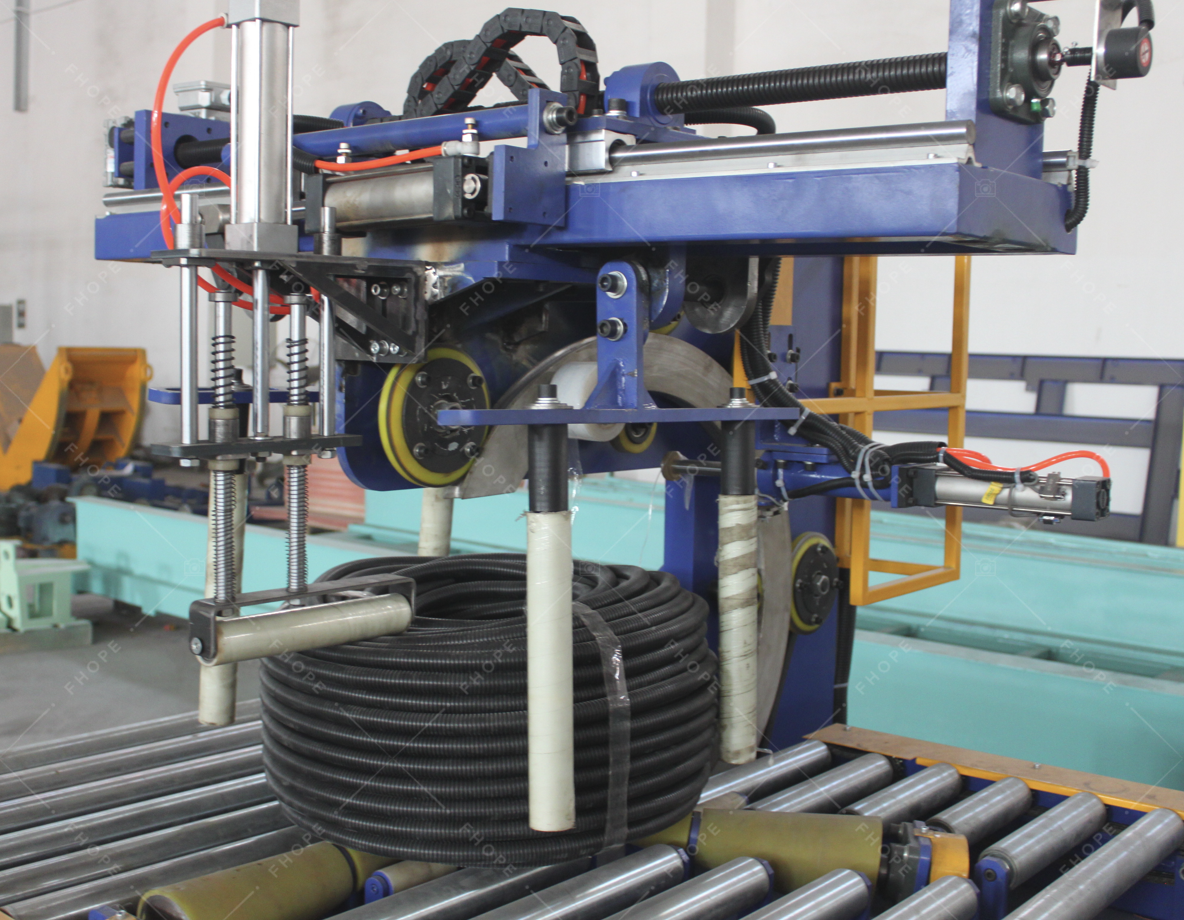
Hose Coil Packaging line
View Details →
Copper Coil Packaging line
View Details →
Wire Coil Packaging line
View Details →
Panel Packaging line
View Details →
Pipe Bagging Machine
View Details →
Aluminum profile packing line
View Details →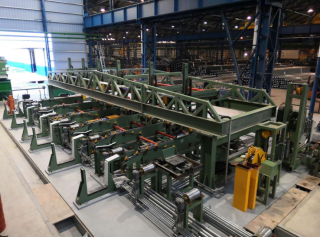
FHOPE Automatic pipe tube bundling&strapping line
View Details →
Automatic pipe tube bundling & strapping line
View Details →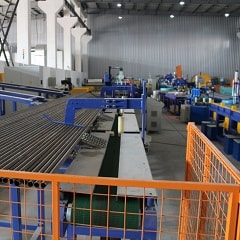
Automatic steel tube strapping machine
View Details →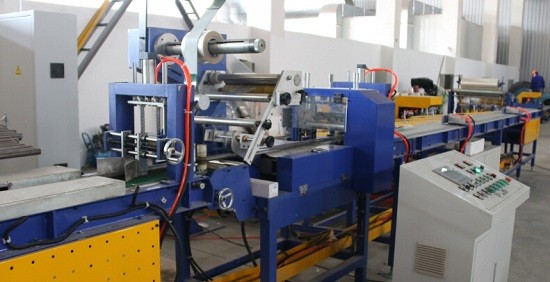
FHOPE Automatic steel tube packing machine
View Details →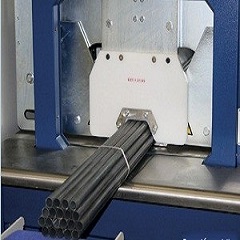
Automatic plastic Pipe strapping packing line
View Details →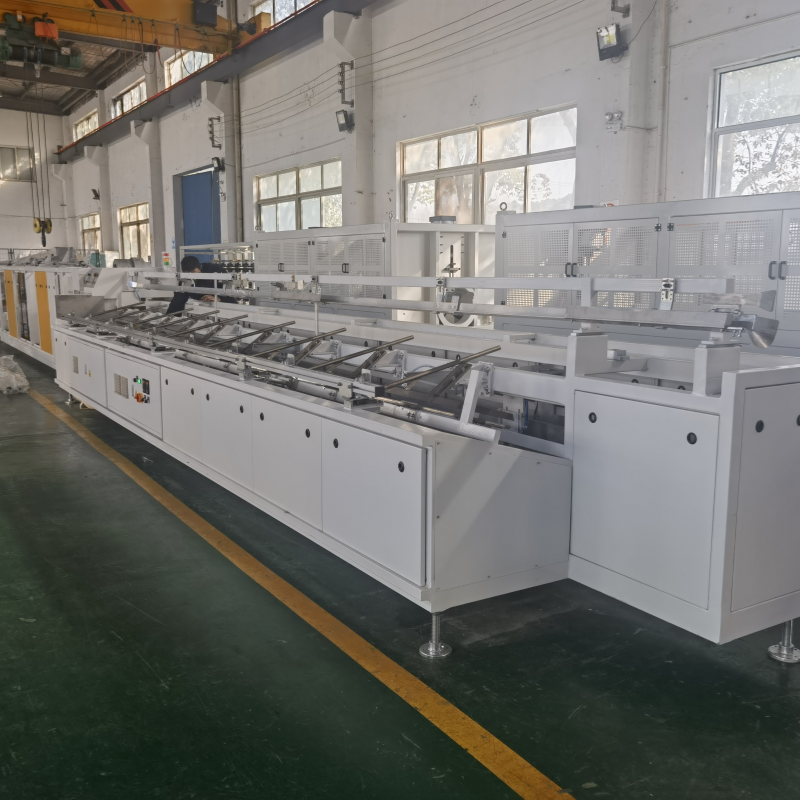
Automatic PPR/PVC Pipe bagging line
View Details →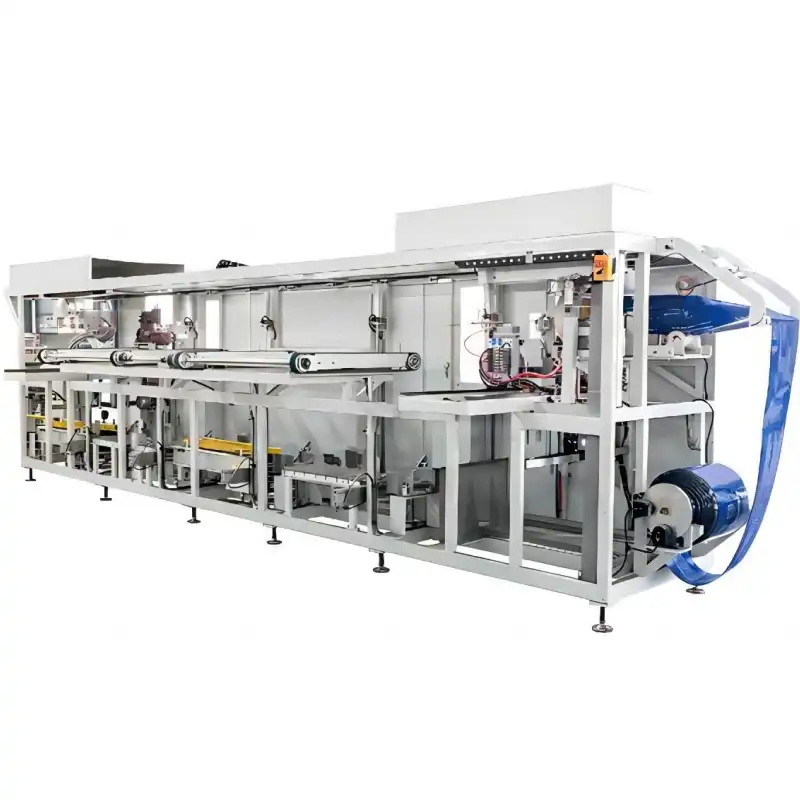
Platsic pipe bag packing machine
View Details →
Tyre Packing Machine FPT-200
View Details →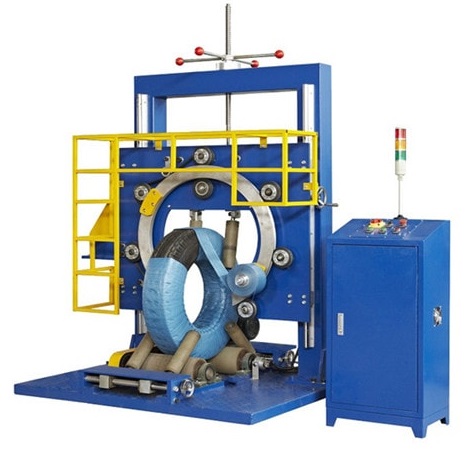
Tyre Packing Machine FPT-300
View Details →
Tyre Packing Machine FPT-400
View Details →
Cable Coil Packing Machine-FPCA100
View Details →