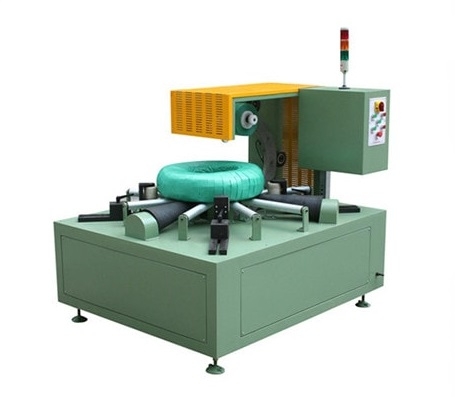
How to Build a Reliable Maintenance Plan for Steel Coil Wrapping Machines
Preventive maintenance for steel coil wrapping machines is more than routine checks. Explore how maintenance teams build controlled plans using OEM documents, operating history, safety procedures, and failure records to identify risks early and support stable coil packaging operations

Preventive Maintenance Checklist for Steel Coil Wrapping Machines
Preventive Maintenance Checklist for Steel Coil Wrapping Machines
A good preventive-maintenance plan is not a generic list of things to tighten. It is a way to notice deterioration early, preserve evidence, and decide—before a production interruption—whether the machine remains safe and suitable to run.
For a steel coil wrapper, the plan must start with the actual machine: its serial number, approved coil range, options, materials, operating hours, duty pattern, environment, and the manufacturer's current manual. A ring wrapper may handle very different coil widths, outside diameters, and weights; the maintenance interval and acceptance criteria must therefore come from the equipment record and site risk assessment, not from a web checklist.
This article is a planning framework. It does not authorize lubrication, adjustment, guard removal, electrical work, or safety-device testing. Those tasks require the applicable machine documentation, site energy-control procedure, competent personnel, and any local legal requirements.
Start with a Machine-Specific Maintenance Basis
Before assigning a task to a shift, create one controlled record containing:
- machine model, serial number, electrical and pneumatic drawings, and approved coil envelope;
- manufacturer task lists, lubrication chart, torque values, consumables, and revision level;
- duty data: shifts, starts, coil mix, material type, washdown or dust exposure, and stoppage history;
- the site risk assessment, safeguarding validation record, and energy-isolation procedure; and
- the named owner, due date, evidence required, and escalation route for every task.
If any of these items are absent, the right first action is to request them—not to invent a calendar interval or substitute a similar machine's setting.
A Practical Inspection Rhythm
Use four layers, but set the actual frequency from the manual, risk assessment, condition history, and operating hours.
At the Start of a Shift: Observe and Record
An operator's pre-use check is an observation and reporting activity, not a repair assignment. Record the date, operator, product or recipe, and any change from normal. Look for visible damage, loose material, abnormal noise, leaks, heat, vibration, rubbing, or a guard or warning that does not appear normal. Check that the work area is free of packaging debris and that the coil path and access routes are not obstructed.
Do not normalize a recurring alarm or "usual" noise. Record the first occurrence and preserve the alarm code, time, running condition, and a photo or short video where site rules permit. A trend is far more useful than a recollection at the end of a shift.
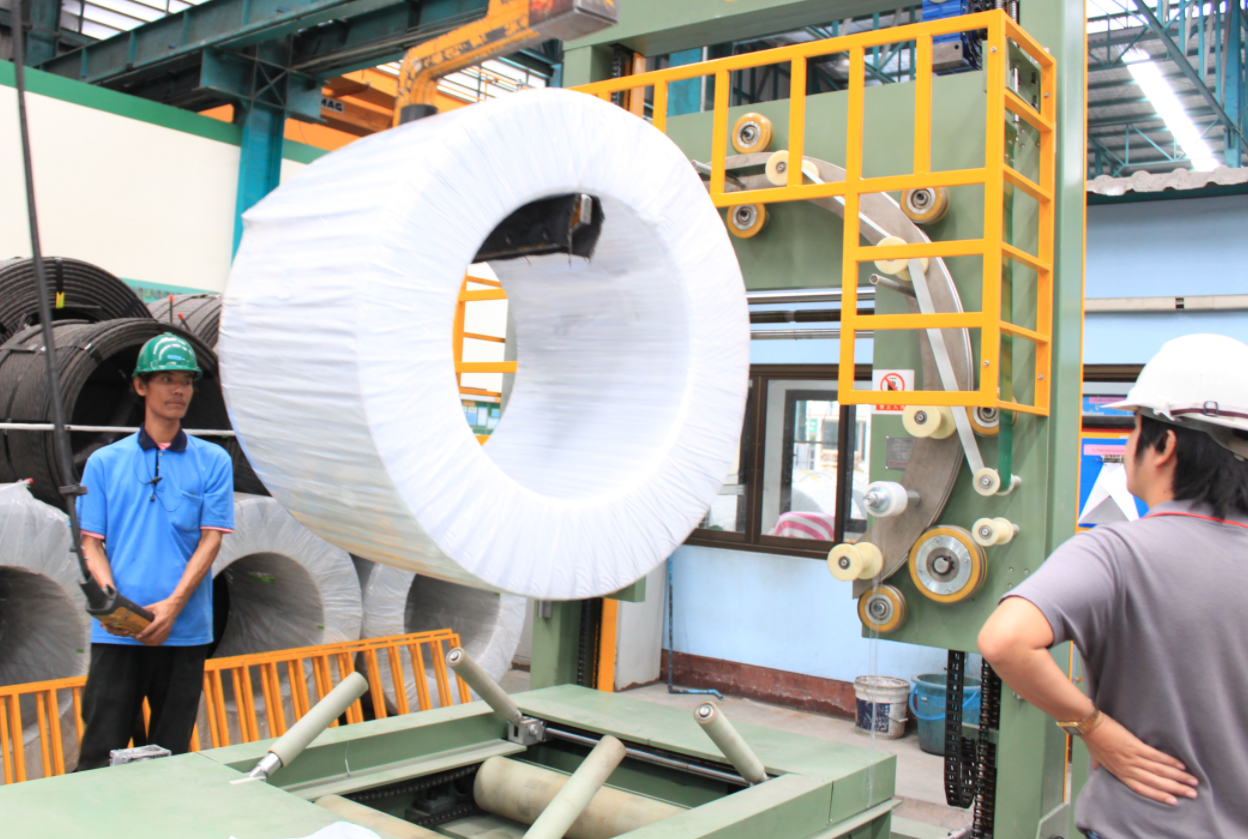
Weekly: Review Condition with a Competent Maintainer
The weekly review should compare current observations with the machine's known baseline. Typical categories can include ring support and drive condition, rollers and guides, film-handling components, cable and connector condition, sensor cleanliness and mounting, enclosure cooling, fasteners, and evidence of product-contact damage. The correct method and acceptance criteria are machine-specific.
Do not convert "check chain tension," "inspect bearing," or "clean sensor" into an unqualified instruction. The manual must define the access method, isolations, measurements, lubrication type, and allowable condition. If the check requires entry into a guarded zone or exposure to stored energy, pause and use the site's authorized maintenance process.
Monthly and Quarterly: Use Evidence, Not Calendar Optimism
Review work orders, repeat alarms, unplanned stops, changed current draw, vibration, temperature, film-break frequency, and rejected packs. These are decision inputs, not universal failure thresholds. Compare like for like: the same station, coil family, operating mode, and time window.
Where a condition signal is worsening, create a planned investigation before it becomes a forced outage. Where the history is stable, do not assume a longer interval is safe without a competent review against the manual and risk assessment.
Planned Annual or Major Service: Control the Change
Major service is a controlled change, not simply "replace everything annually." Plan the outage around running hours and condition, confirm parts identity and software backups, and preserve the before-and-after evidence. Any change to safety-related components, controls, guarding, or parameters requires the manufacturer's direction and the site's applicable verification process before return to service.
Safety Functions Deserve Their Own Record
Emergency stops, interlocked access, presence-sensing devices, warning functions, and isolation arrangements must never be treated as ordinary production checks. Their test method, frequency, competent person, expected result, and return-to-service criteria belong in the site's risk-controlled documentation. Do not bypass an interlock to complete a test or restart production.
If maintenance requires access to hazardous energy or moving parts, stop production and follow the site-specific energy-control procedure. Electrical, mechanical, pneumatic, hydraulic, gravitational, and stored energy can all matter. The procedure—not this article—defines who may isolate, verify, release, and restore energy.

Turn Records into Decisions
Every completed or deferred task should show:
- what was observed or measured;
- the applicable manual or drawing revision;
- who performed and who accepted the work;
- photos, readings, alarm exports, and part numbers where relevant;
- the temporary control if the issue is not closed; and
- the decision date, owner, and due date for the next action.
Separate a temporary restoration from root-cause closure. A restarted machine is not proof that the cause is understood. Where a fault repeats, connect the record to the troubleshooting path, spare-parts review, and any required risk reassessment.
A Maintenance-Plan Handoff Checklist
Before releasing a new checklist, confirm that it answers these questions:
- Is every task tied to this machine's manual, drawings, and actual duty?
- Does the task state who is competent and who may authorize return to service?
- Are intervals justified by manufacturer guidance, risk assessment, operating hours, or condition history?
- Are safety functions and energy-control work governed by site-approved procedures?
- Does each task create usable evidence rather than a simple tick mark?
- Is there a clear decision path for an unresolved finding?
If the answer to any question is no, the plan is not ready to be treated as a maintenance instruction. Build the missing evidence first.
What to Prepare Next
For a machine-specific version, assemble the current manual, lubrication chart, electrical and pneumatic drawings, approved coil range, last twelve months of work orders and alarms, safety-validation records, and the site's energy-control procedure. With those inputs, a competent maintenance and safety team can turn this framework into a controlled plan without guessing.
Visual Details
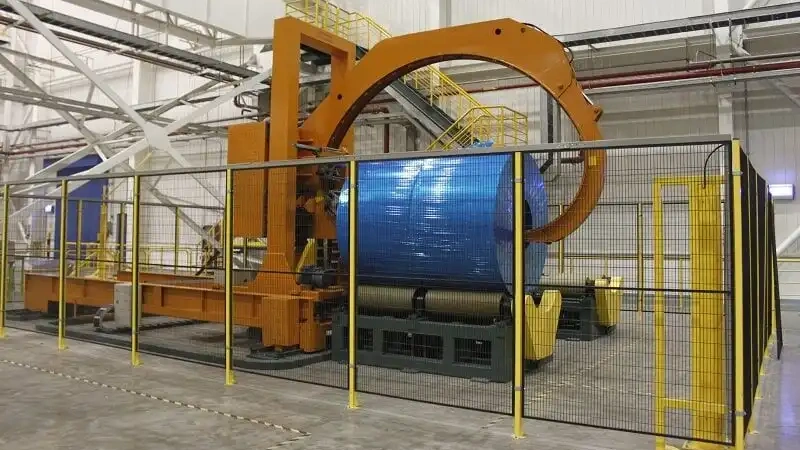
Click to enlarge

Click to enlarge

Click to enlarge

Click to enlarge
Watch How It Works
Discover how our automated packaging solutions optimize your production line efficiency. This video demonstrates the seamless operation designed for maximum protection.
Trusted by Steel Mills & Industry Leaders
Global manufacturers rely on FHOPE heavy duty packaging equipment


Ready to optimize your packaging line?
Get a custom quote with ROI analysis. Our engineers respond within 24 hours.
- Free layout design
- Global installation support
- 2-year warranty included
Your information is secure and will never be shared.
Related Machines
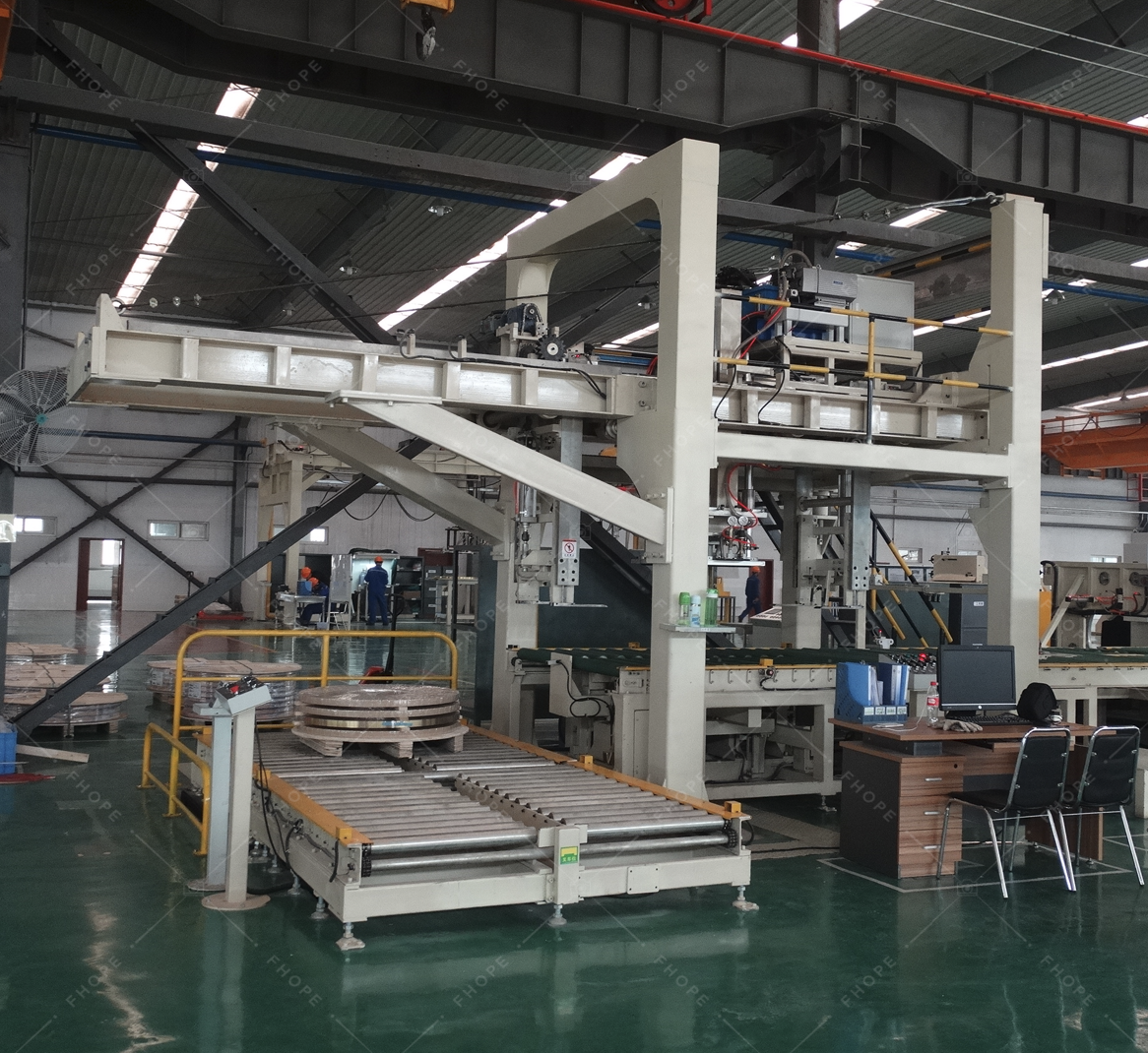
Steel Coil Packaging line
View Details →
Vertical coil packaging line
View Details →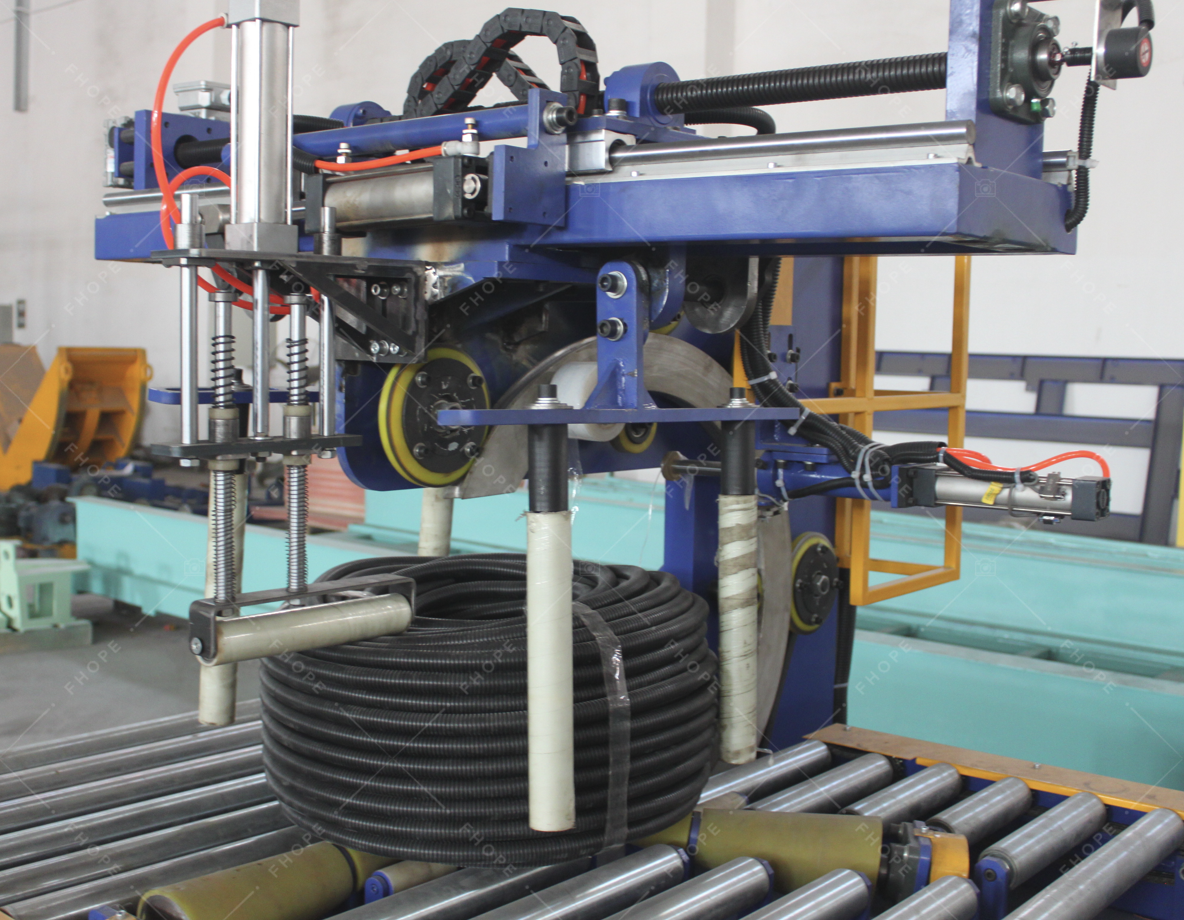
Hose Coil Packaging line
View Details →
Copper Coil Packaging line
View Details →
Wire Coil Packaging line
View Details →
Panel Packaging line
View Details →
Pipe Bagging Machine
View Details →
Aluminum profile packing line
View Details →
FHOPE Automatic pipe tube bundling&strapping line
View Details →
Automatic pipe tube bundling & strapping line
View Details →
Automatic steel tube strapping machine
View Details →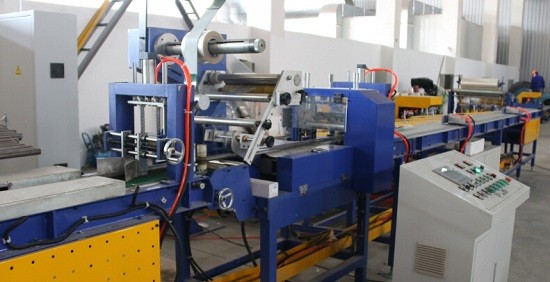
FHOPE Automatic steel tube packing machine
View Details →
Automatic plastic Pipe strapping packing line
View Details →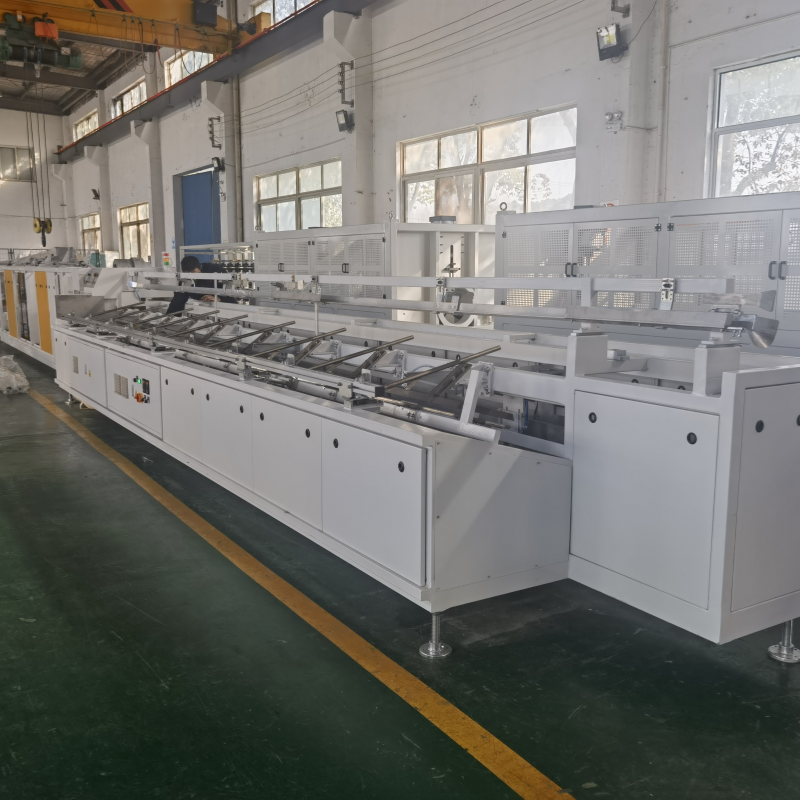
Automatic PPR/PVC Pipe bagging line
View Details →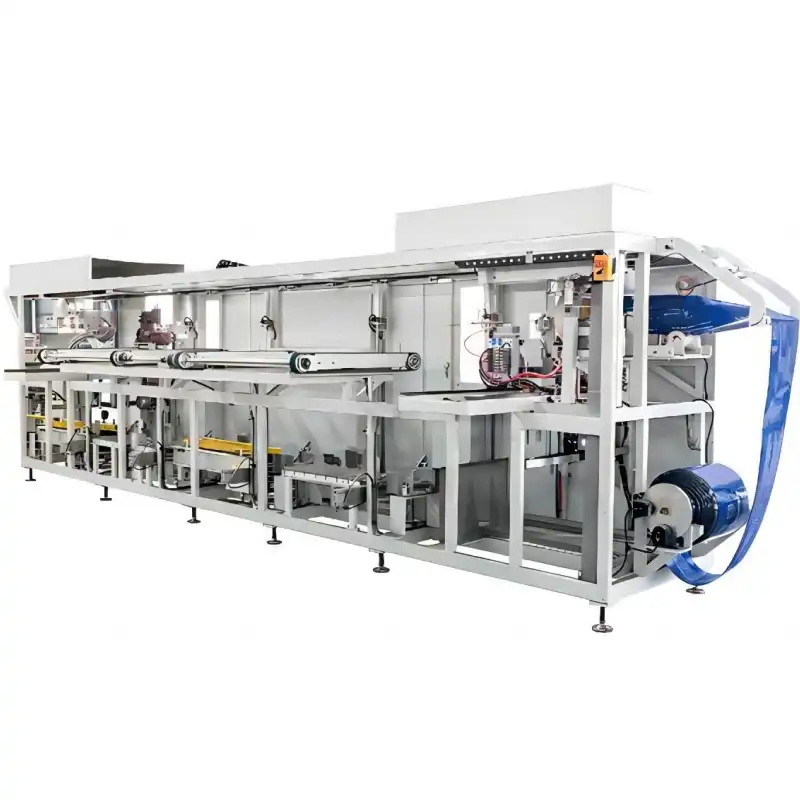
Platsic pipe bag packing machine
View Details →
Tyre Packing Machine FPT-200
View Details →
Tyre Packing Machine FPT-300
View Details →
Tyre Packing Machine FPT-400
View Details →
Cable Coil Packing Machine-FPCA100
View Details →