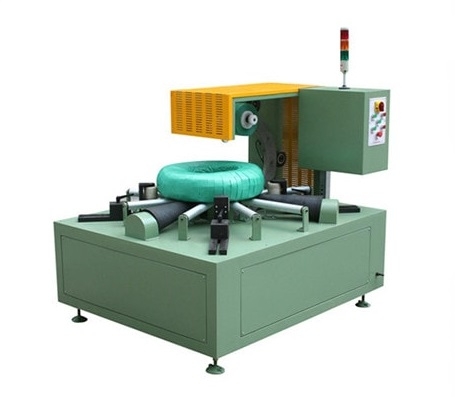
Safe Steel Coil Loading & Unloading for Wrapping: A Site-Specific Handling Guide
Loading heavy steel coils for orbital wrapping is a controlled transfer between lifting equipment, operators and the wrapping station—not a preliminary chore. This guide covers site-specific planning, equipment selection, route clearance, exclusion zones and verified handover conditions to prevent accidents.
How to Load and Unload Heavy Steel Coils Safely for Wrapping
How to Load and Unload Heavy Steel Coils Safely for Wrapping
Loading is not a preliminary chore before wrapping. It is a separate transfer of a heavy, potentially unstable load between people, lifting equipment and the wrapping station. The safe method is the one defined for the actual coil, handling equipment, floor, route and machine—not the method that worked for a different coil on another shift.
This page is a planning guide, not a site operating procedure. Local law, the approved lifting plan, the machine manual and the site risk assessment control the work.
Start by Defining the Coil and the Destination
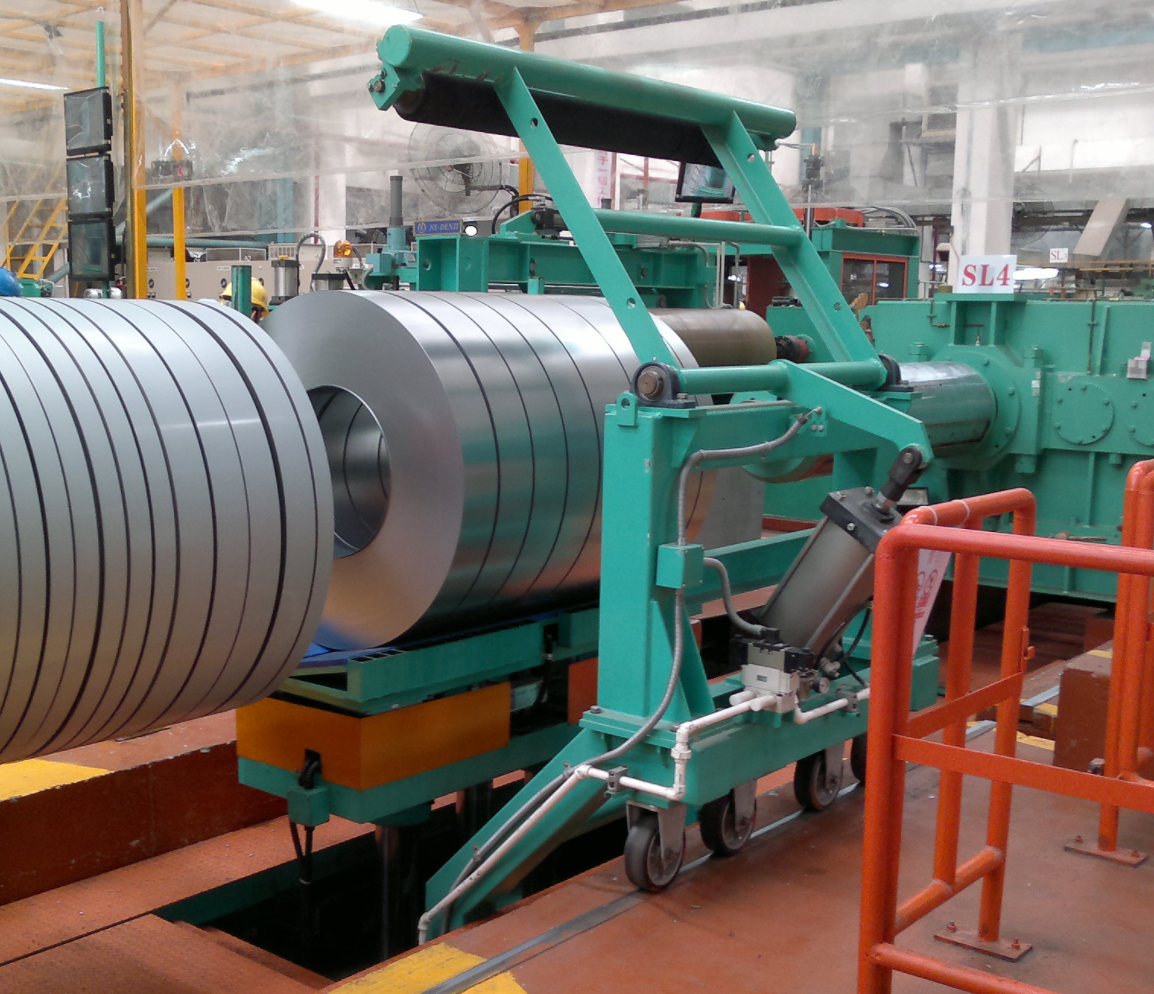
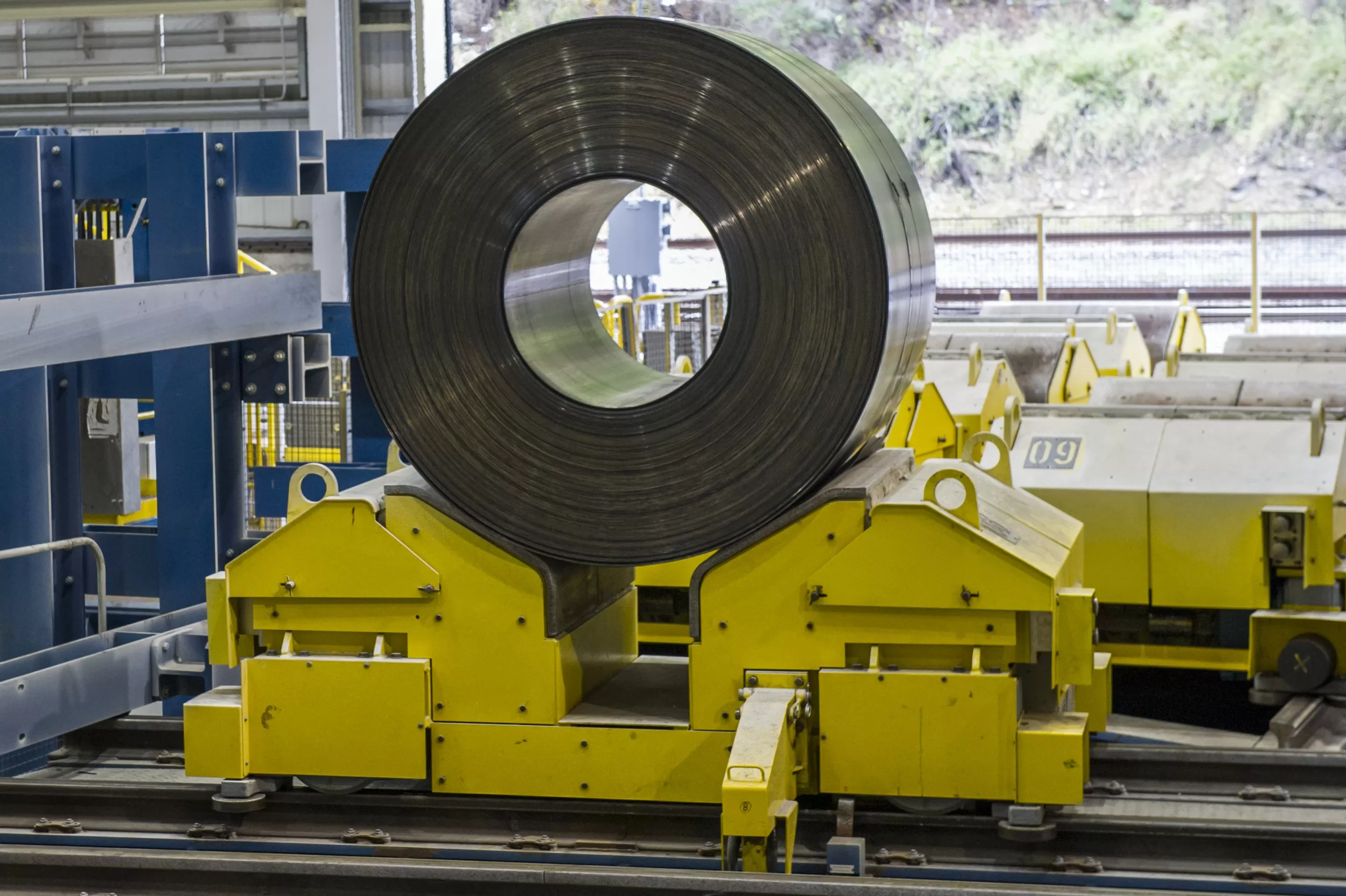
Before selecting a crane attachment, forklift attachment, trolley or conveyor, establish the coil mass, inner and outer diameter, width, orientation, centre-of-gravity condition, surface condition and required final position. The receiving station also matters: identify its support points, permitted opening, approach direction and the condition that proves it can accept the coil.
"Steel coil" is not a sufficient load description. A coil with damaged edges, loose wraps, oil contamination or an unusual centre of gravity may need a different controlled plan.
Choose a Method for the Whole Transfer
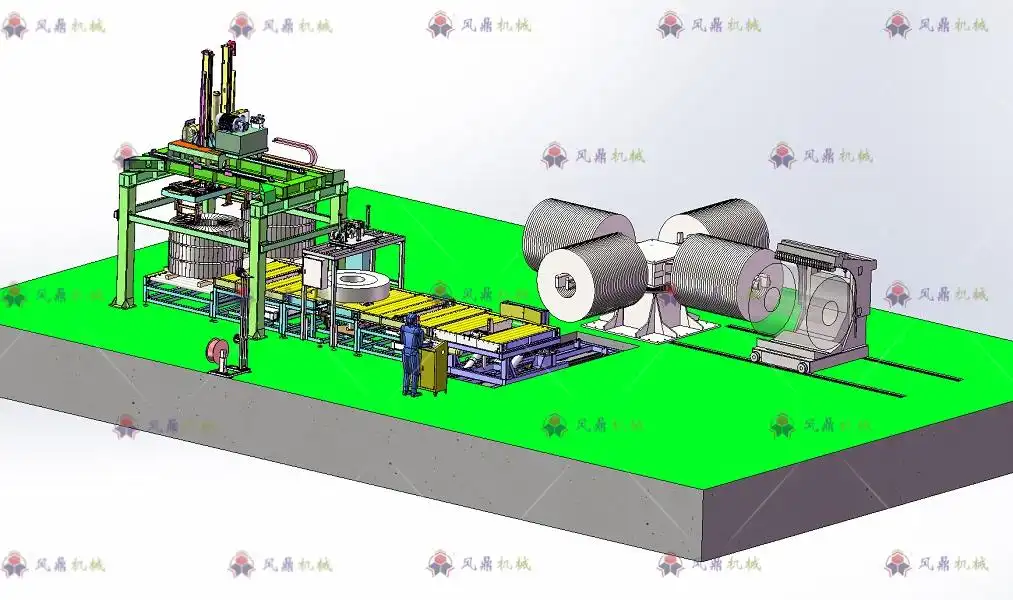
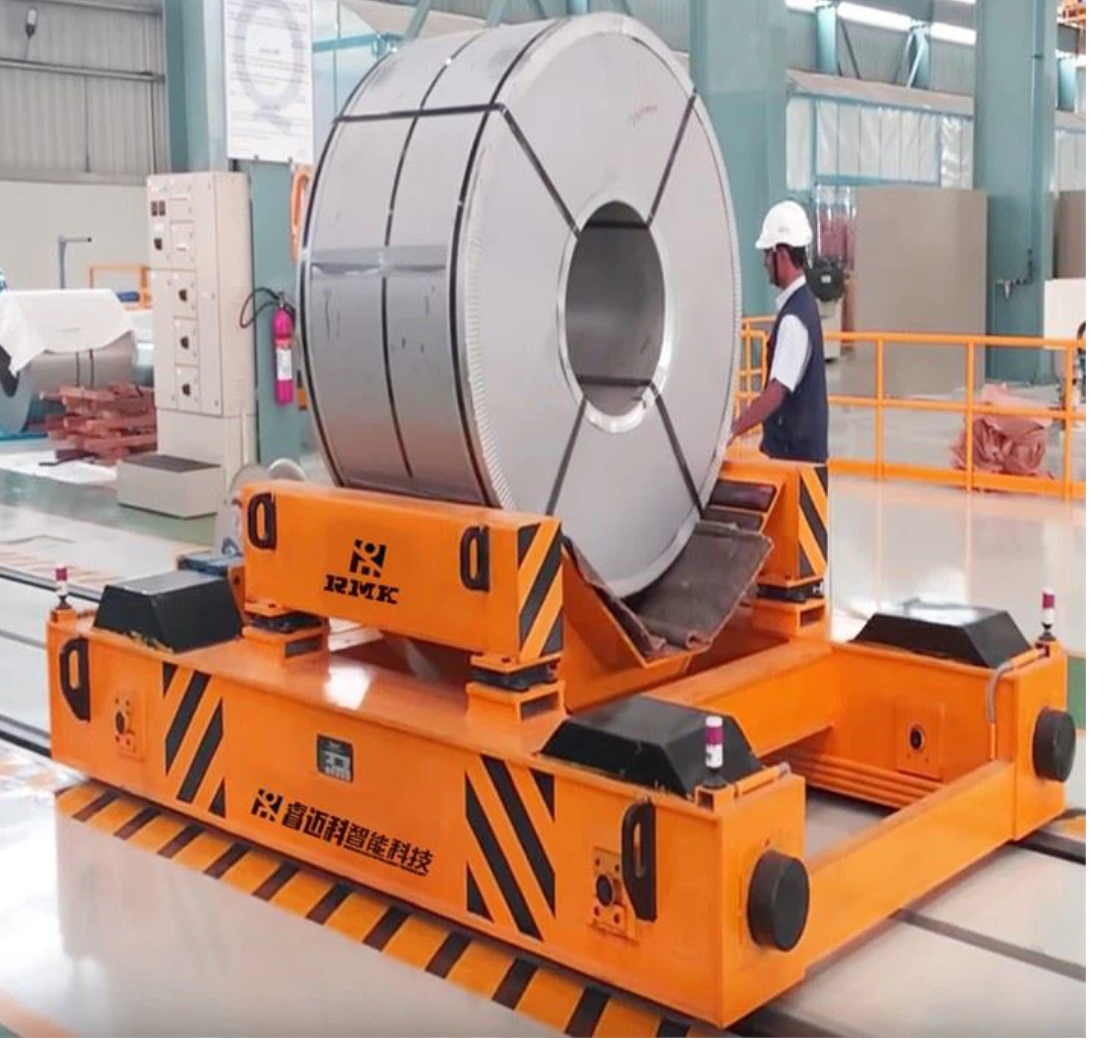
Crane-and-lifting attachment, forklift-and-approved attachment, trolley and conveyor arrangements each create different interfaces and failure modes. Compare them against the entire journey: pickup, travel, positioning, handover, release and removal after wrapping. Do not select a method from rated capacity alone.
For lifting operations, the HSE guidance used in this article treats planning, competent people, suitable equipment and supervision as central controls. That is general UK guidance, not a declaration of compliance for another jurisdiction or site. The project plan must name the applicable requirements and the people authorised to direct the operation.
Prepare the Area Before the Load Moves
Confirm the permitted route, floor condition, clearance, lighting, station readiness and communication method. Define who controls the move, who gives signals, and who is outside the exclusion zone. Remove uncertainty before motion begins; do not ask people to solve it while the coil is suspended, rolling or partly transferred.
The wrapping cycle must not begin merely because a coil appears close to the station. It begins only when the station's approved conditions confirm that the coil is fully supported, positioned and released from the previous handling device.
Treat Handover as a Visible Acceptance Point
There are two questions at every handover: which system now bears the load, and what evidence confirms that transfer? The answer may involve mechanical support, position sensing, a defined visual confirmation or another approved method. The exact sequence belongs in the controlled site procedure.
If the condition cannot be confirmed, hold the work at the approved safe state and escalate under that procedure. This article does not authorise manual stabilisation, intervention under a load, bypassing a guard or an improvised recovery.
Plan Unloading with the Finished Package in Mind
After wrapping, check the receiving condition for the chosen unloading method. Packaging material, edges, labels or protection layers can affect permitted contact points. Define where the coil will be set down, how rolling is prevented and who accepts the transferred package before the next movement begins.
Turn the Plan into Evidence
The practical output is a site-specific loading and unloading plan: load data; approved equipment and configuration; route; roles; exclusion zones; inspection criteria; handover conditions; abnormal-state boundary; training; and revision owner. Validate it with the actual coil range and recorded tests before treating it as a routine method.
Visual Details

Click to enlarge

Click to enlarge

Click to enlarge

Click to enlarge
Watch How It Works
Discover how our automated packaging solutions optimize your production line efficiency. This video demonstrates the seamless operation designed for maximum protection.
Trusted by Steel Mills & Industry Leaders
Global manufacturers rely on FHOPE heavy duty packaging equipment


Ready to optimize your packaging line?
Get a custom quote with ROI analysis. Our engineers respond within 24 hours.
- Free layout design
- Global installation support
- 2-year warranty included
Your information is secure and will never be shared.
Related Machines
Steel Coil Packaging line
View Details →
Vertical coil packaging line
View Details →
Hose Coil Packaging line
View Details →
Copper Coil Packaging line
View Details →
Wire Coil Packaging line
View Details →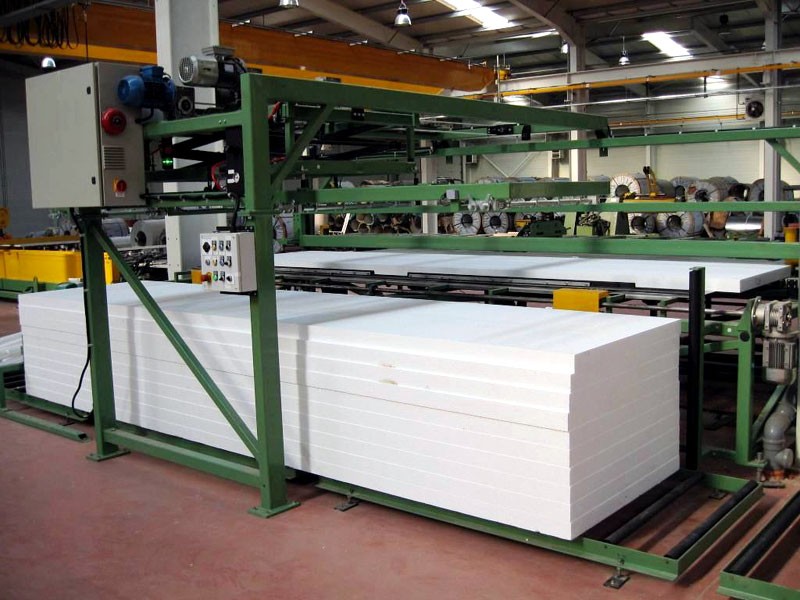
Panel Packaging line
View Details →
Pipe Bagging Machine
View Details →
Aluminum profile packing line
View Details →
FHOPE Automatic pipe tube bundling&strapping line
View Details →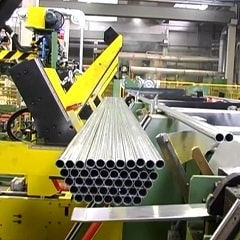
Automatic pipe tube bundling & strapping line
View Details →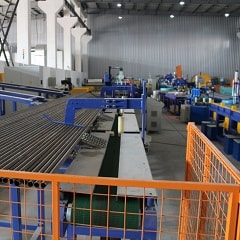
Automatic steel tube strapping machine
View Details →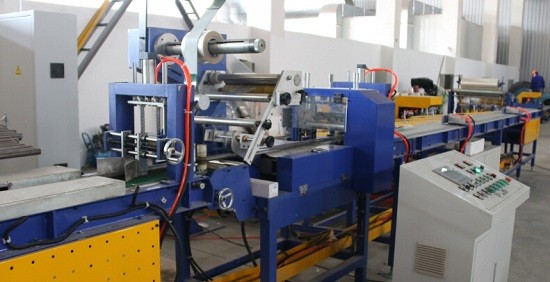
FHOPE Automatic steel tube packing machine
View Details →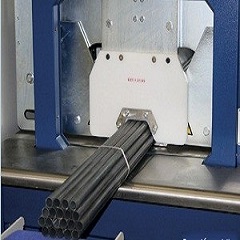
Automatic plastic Pipe strapping packing line
View Details →
Automatic PPR/PVC Pipe bagging line
View Details →
Platsic pipe bag packing machine
View Details →
Tyre Packing Machine FPT-200
View Details →
Tyre Packing Machine FPT-300
View Details →
Tyre Packing Machine FPT-400
View Details →
Cable Coil Packing Machine-FPCA100
View Details →