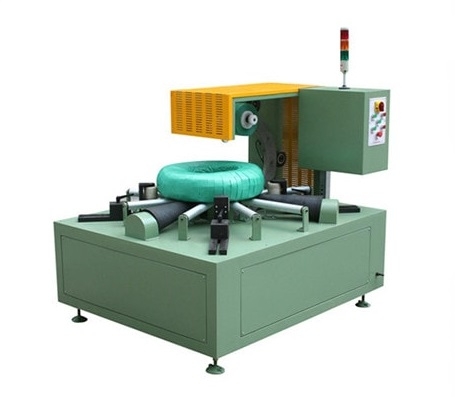
PLC, HMI & Control Systems for Steel Coil Wrapping Lines: Architecture & Safety
A robust PLC and HMI control system for steel coil wrapping lines ensures accurate positioning, recipe management and safe interlocking. This guide covers sensor integration, drive coordination, alarm handling and FAT/SAT verification for reliable industrial automation.

PLC, HMI, and Control Systems for Steel Coil Wrapping Lines
PLC, HMI, and Control Systems for Steel Coil Wrapping Lines
Operators do not need component-brand descriptions when a coil is waiting at a station. They need reliable answers: Is the coil correctly positioned? Which approved recipe is active? Why is the system waiting? What action is permitted, and who owns the next decision?
Describe the Architecture by Responsibility
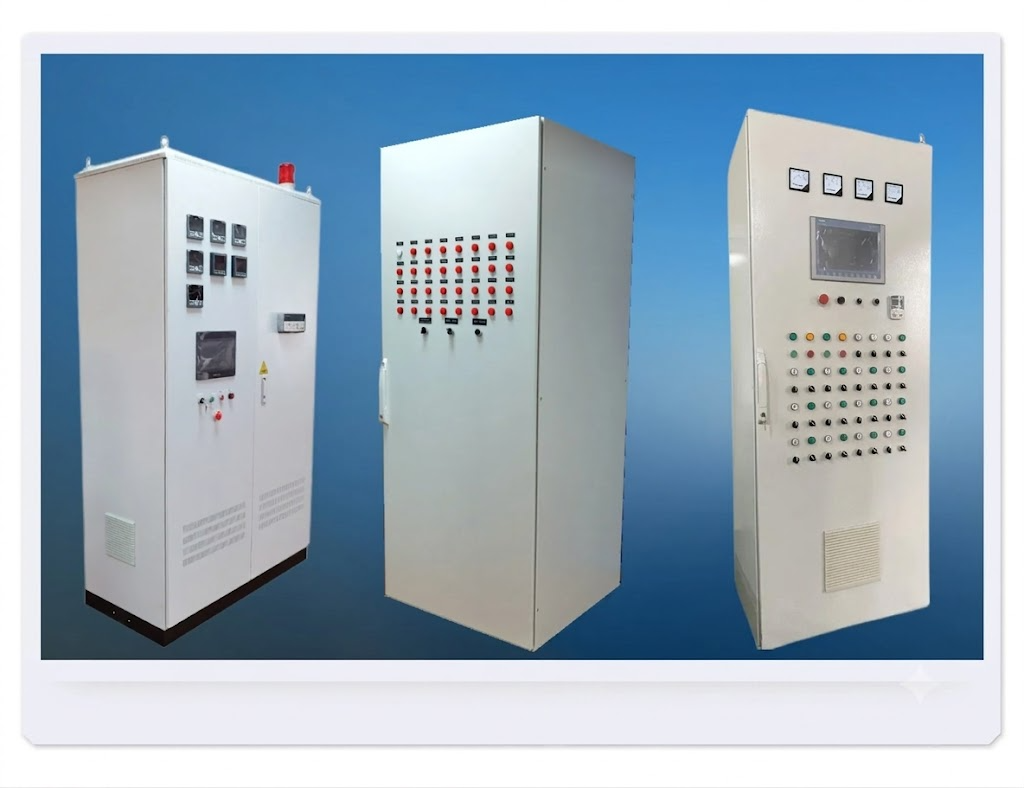
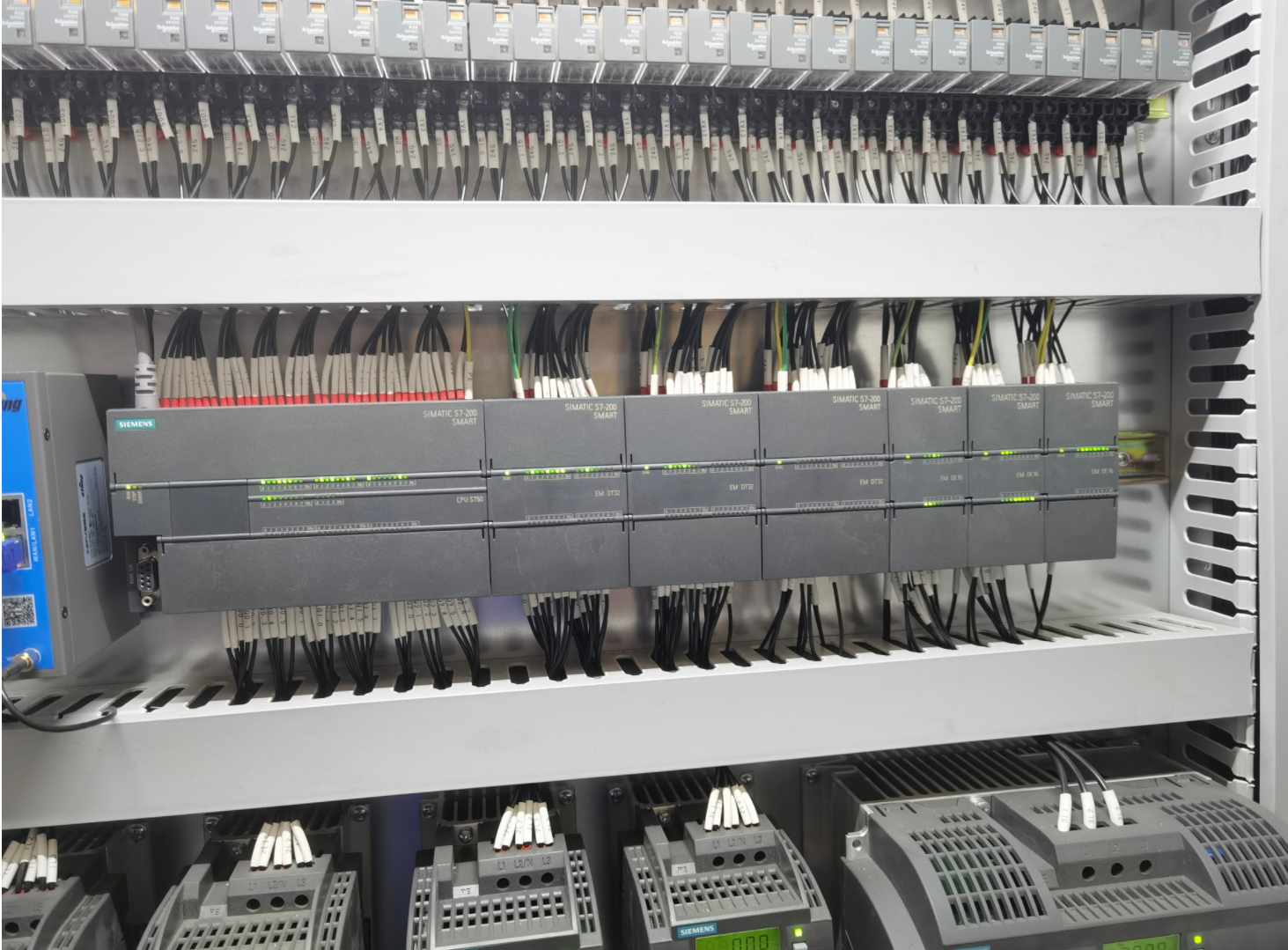
Sensors provide defined conditions. The PLC applies the agreed sequence and interlocks. Drives move the approved components. The HMI presents modes, status, recipes, alarms and permissions. Interfaces exchange explicitly owned states with adjacent equipment. Safety-related functions require their own applicable design and qualified project review.
Make Modes and Recipes Accountable
Recipes need a defined product/material scope, revision and change owner. Modes such as automatic, setup, maintenance and recovery must have controlled permissions and movement boundaries. A generic screen or mode label does not prove that implemented logic is safe or suitable.
Treat Alarms as Records of a State Change
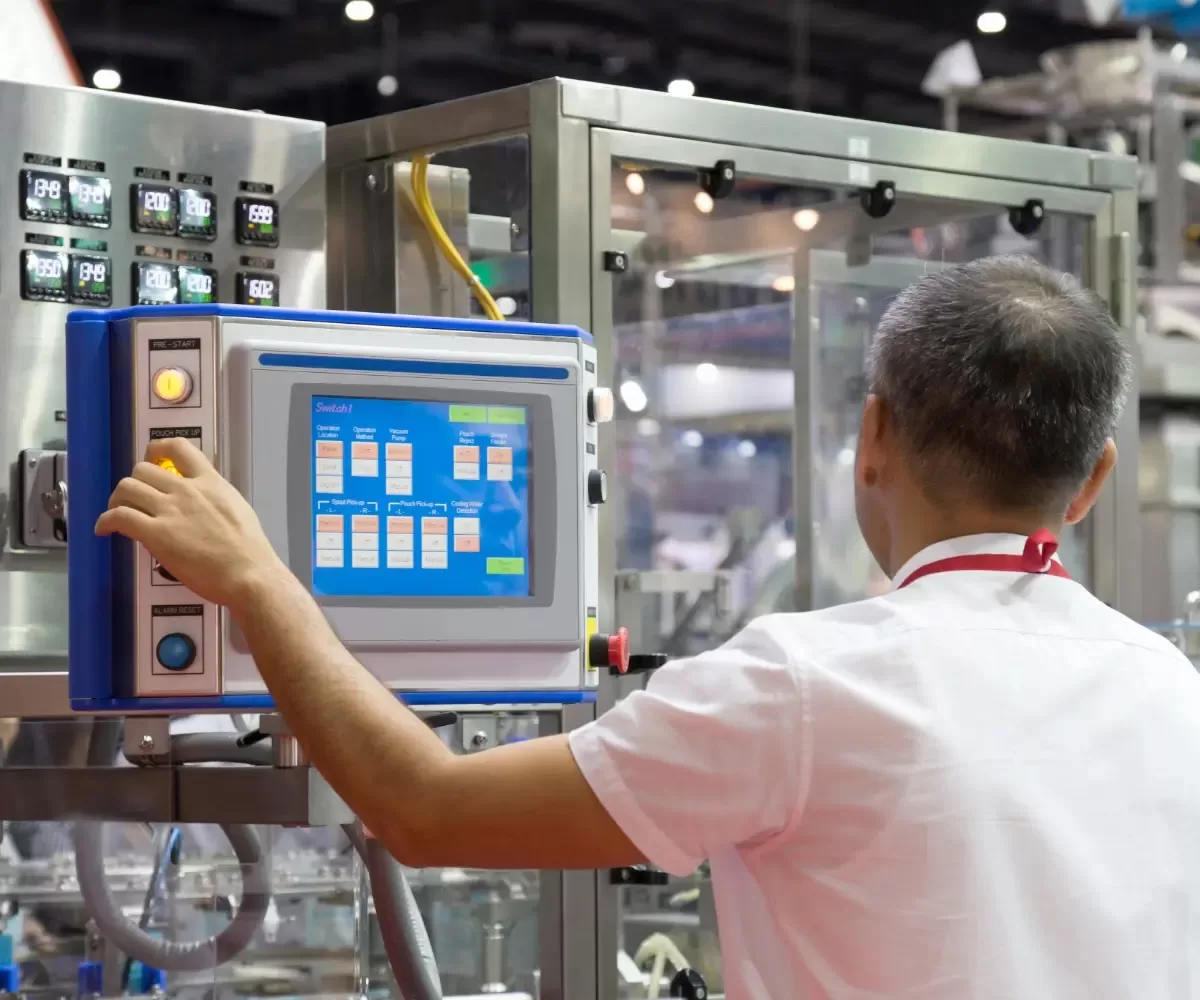
An alarm should lead to a defined record: condition, time, machine/software revision, product/recipe context, action, result and escalation. The approved alarm list and recovery procedure determine what the operator may do; this article does not supply those instructions.
Verify and Preserve the System
FAT/SAT should map the claimed behaviour to normal sequence, applicable interface states, fault handling, reset/restart boundary, version/backup restoration and acceptance records. Keep controlled PLC/HMI versions, backups, I/O/interface documents, change history and training responsibility so later maintenance can compare against a known baseline.
A Practical Next Step
Ask for the current architecture, I/O/interface list, mode/permission matrix, alarm list, backup policy and test protocol. Mark each item as supplied, site-dependent or open before using the word "integrated."
Visual Details

Click to enlarge
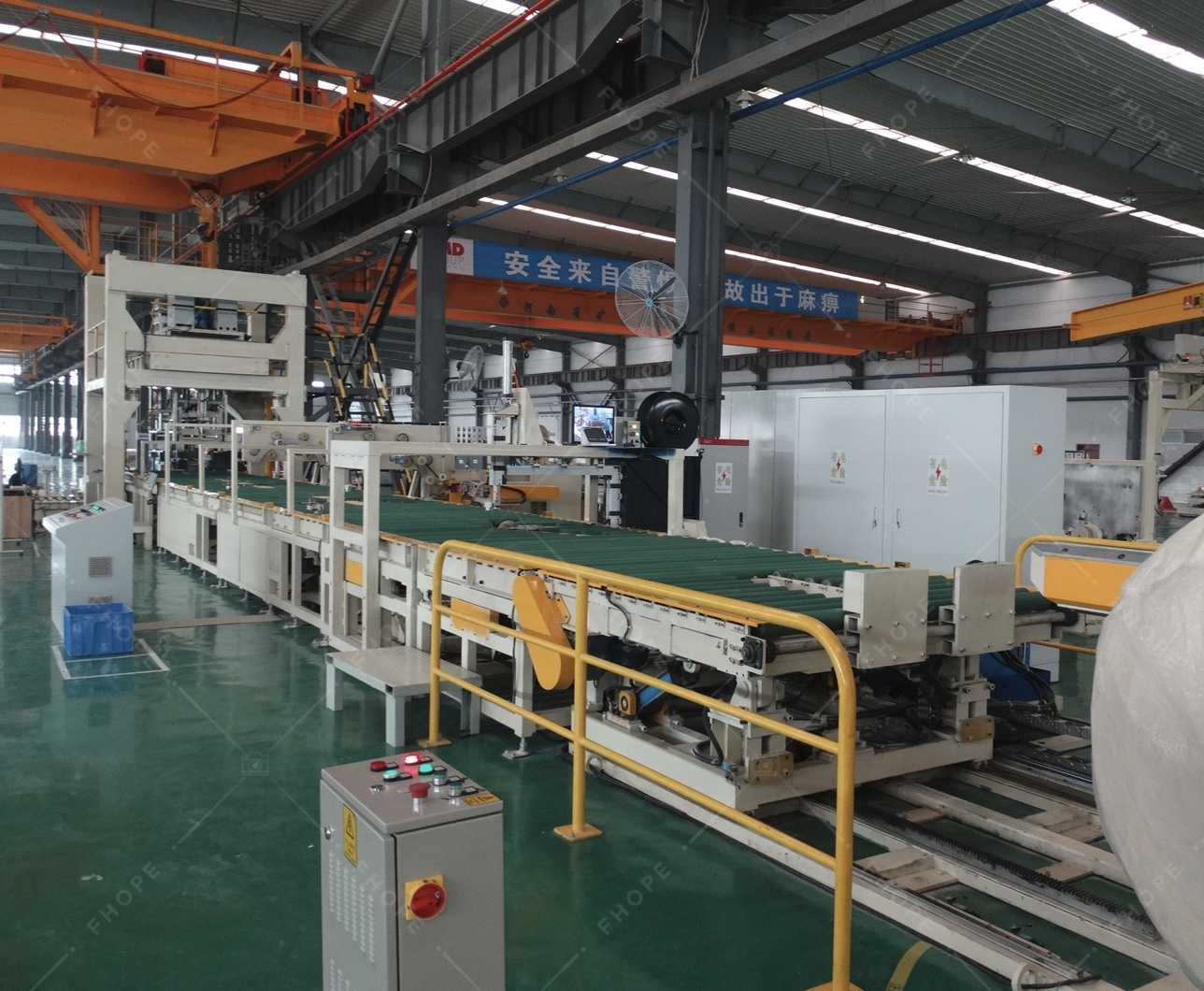
Click to enlarge
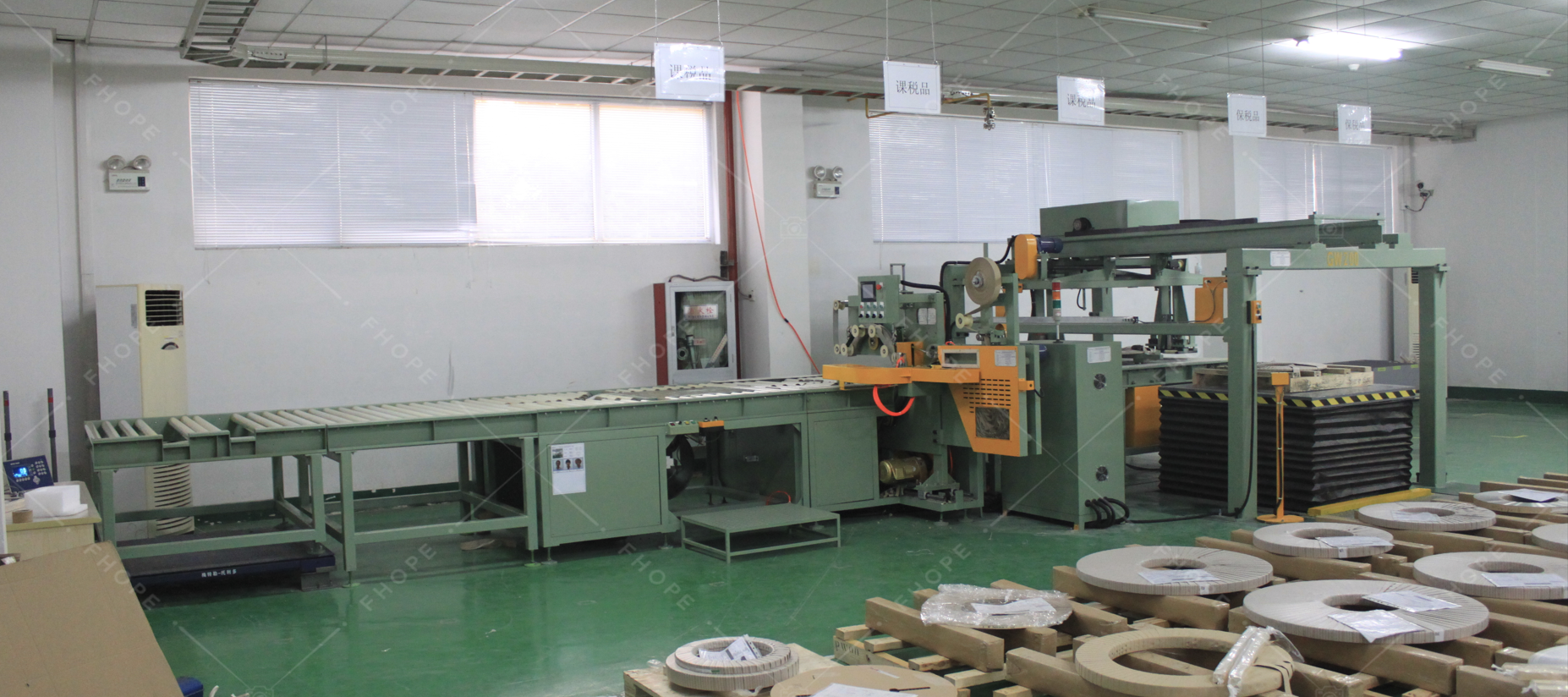
Click to enlarge
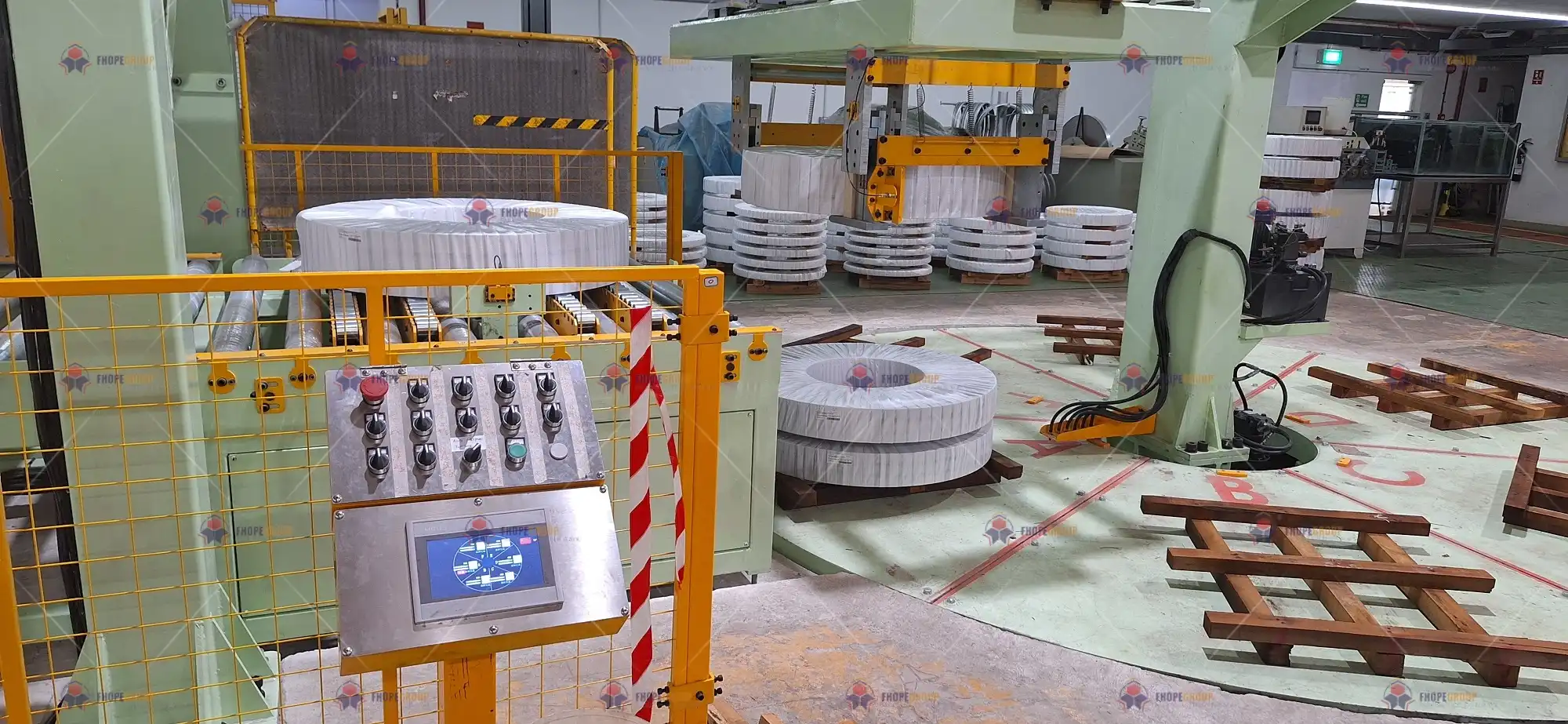
Click to enlarge
Watch How It Works
Discover how our automated packaging solutions optimize your production line efficiency. This video demonstrates the seamless operation designed for maximum protection.
Trusted by Steel Mills & Industry Leaders
Global manufacturers rely on FHOPE heavy duty packaging equipment


Ready to optimize your packaging line?
Get a custom quote with ROI analysis. Our engineers respond within 24 hours.
- Free layout design
- Global installation support
- 2-year warranty included
Your information is secure and will never be shared.
Related Machines
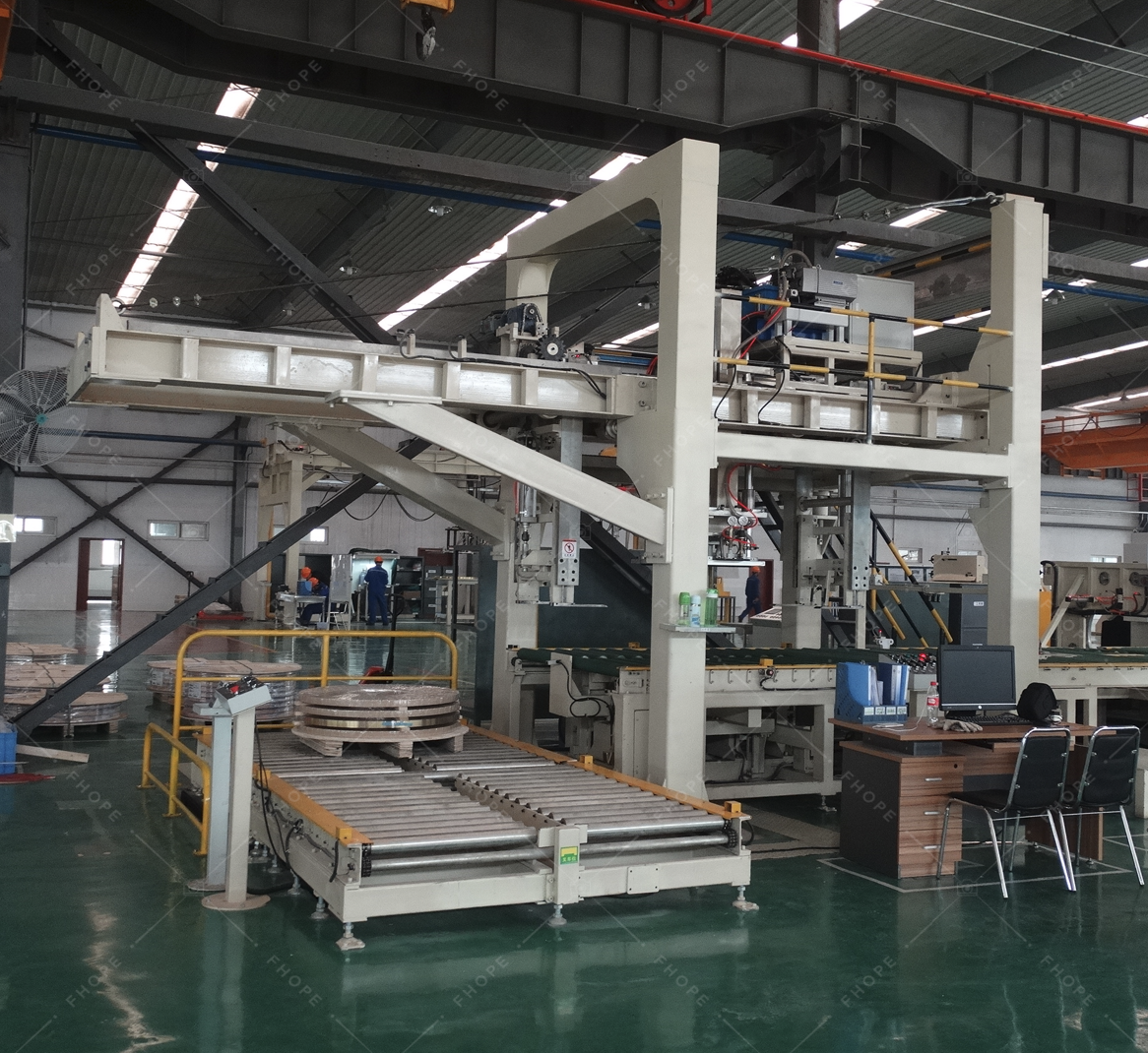
Steel Coil Packaging line
View Details →
Vertical coil packaging line
View Details →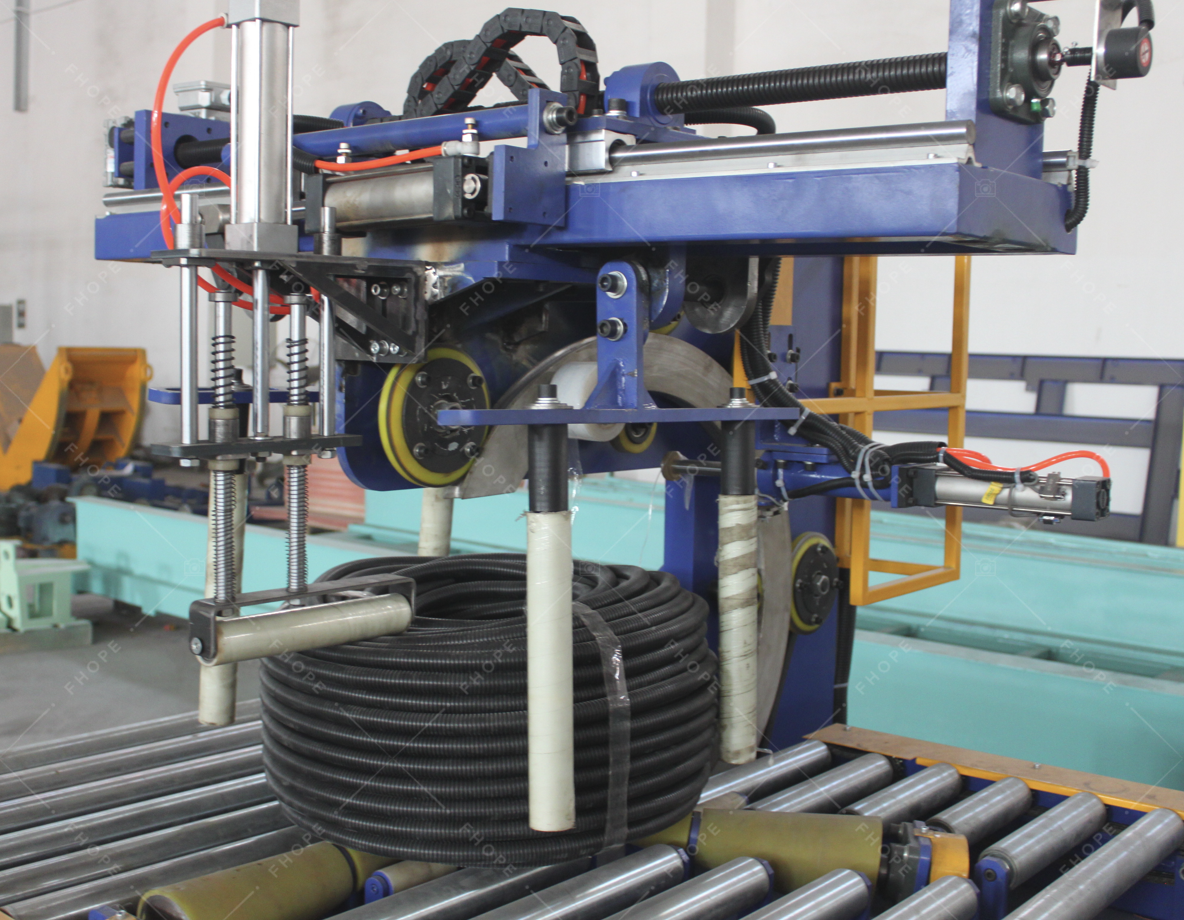
Hose Coil Packaging line
View Details →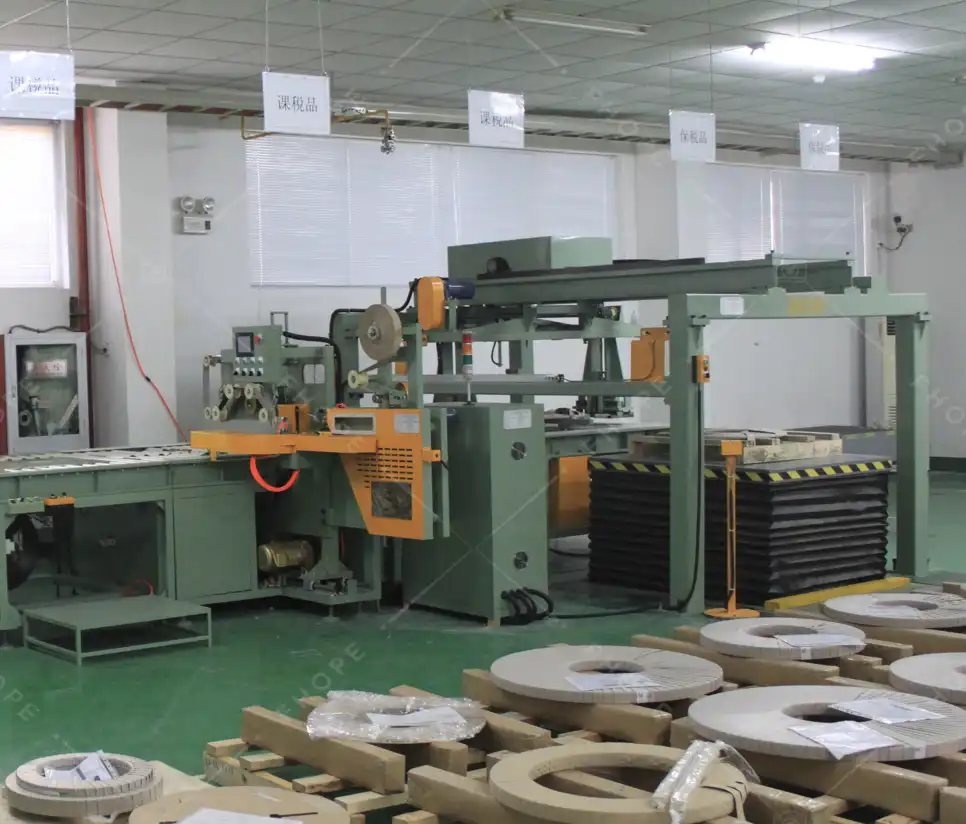
Copper Coil Packaging line
View Details →
Wire Coil Packaging line
View Details →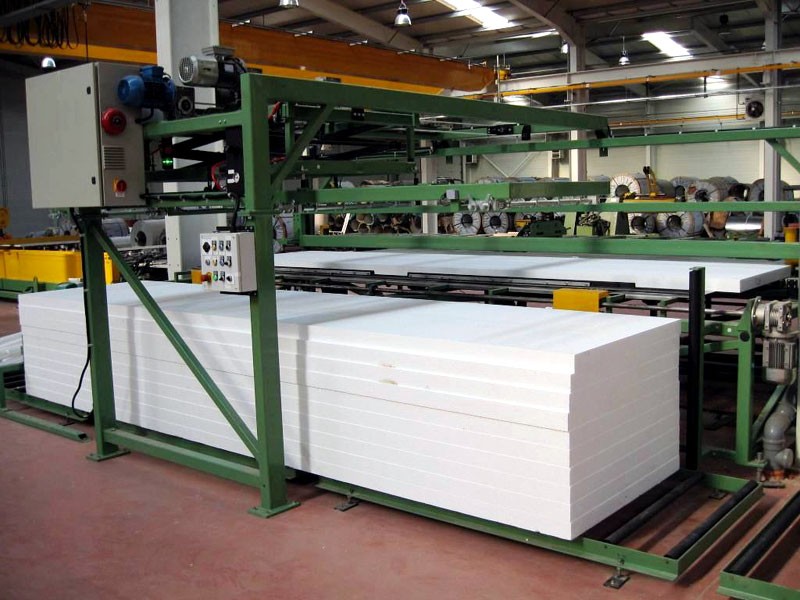
Panel Packaging line
View Details →
Pipe Bagging Machine
View Details →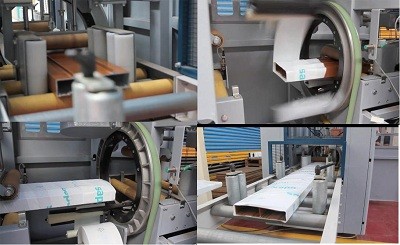
Aluminum profile packing line
View Details →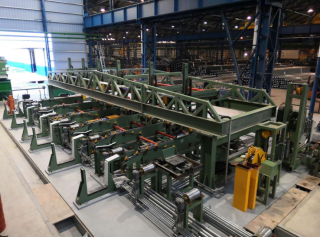
FHOPE Automatic pipe tube bundling&strapping line
View Details →
Automatic pipe tube bundling & strapping line
View Details →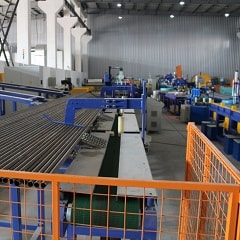
Automatic steel tube strapping machine
View Details →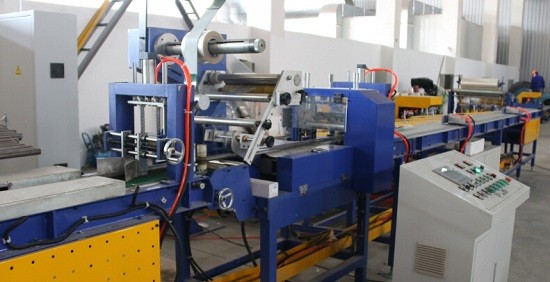
FHOPE Automatic steel tube packing machine
View Details →
Automatic plastic Pipe strapping packing line
View Details →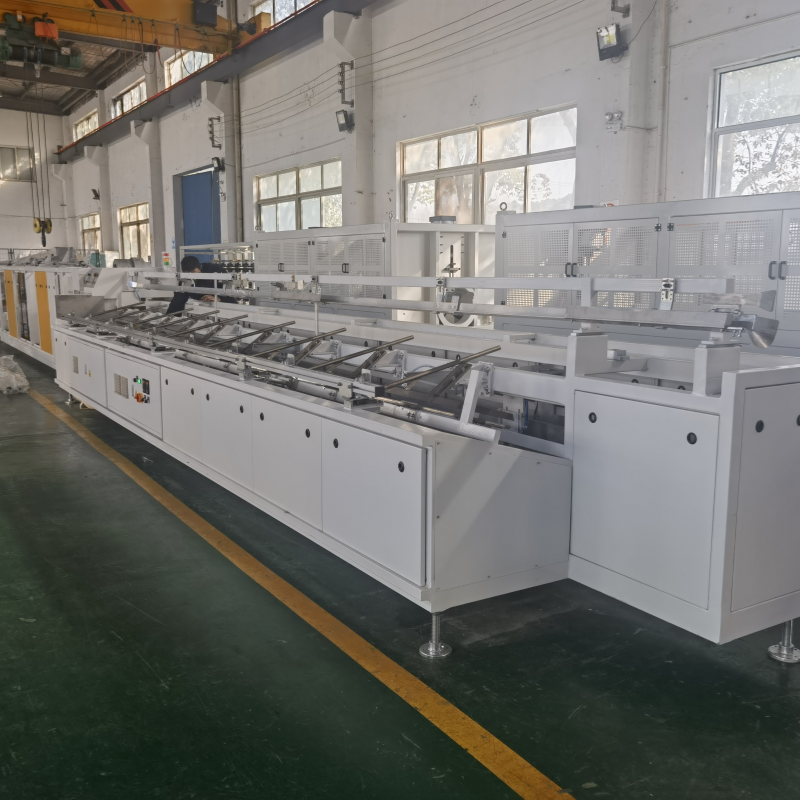
Automatic PPR/PVC Pipe bagging line
View Details →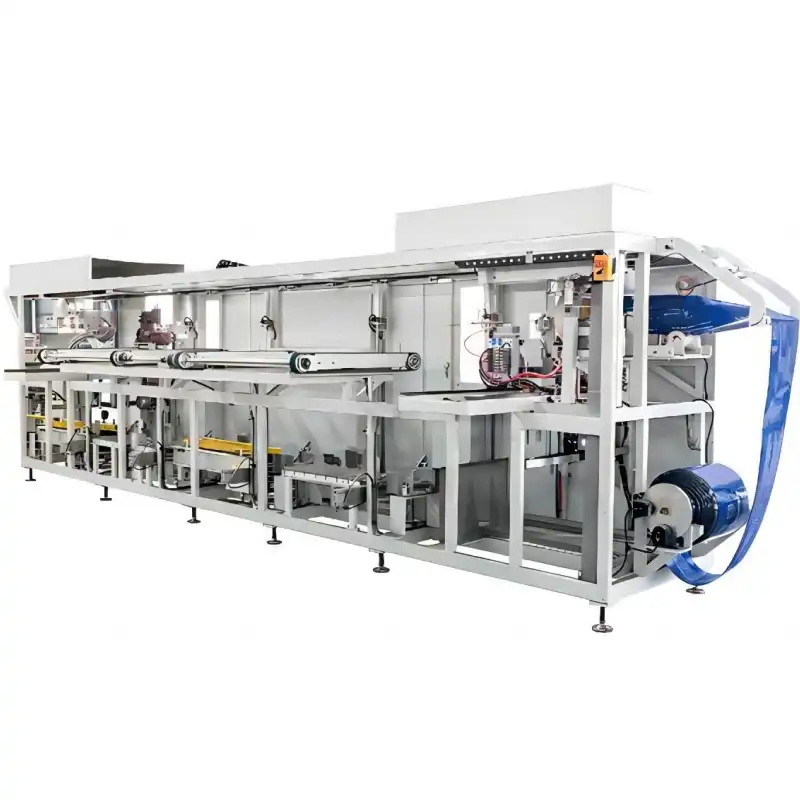
Platsic pipe bag packing machine
View Details →
Tyre Packing Machine FPT-200
View Details →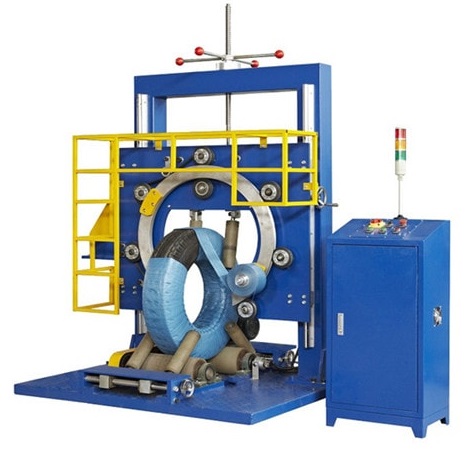
Tyre Packing Machine FPT-300
View Details →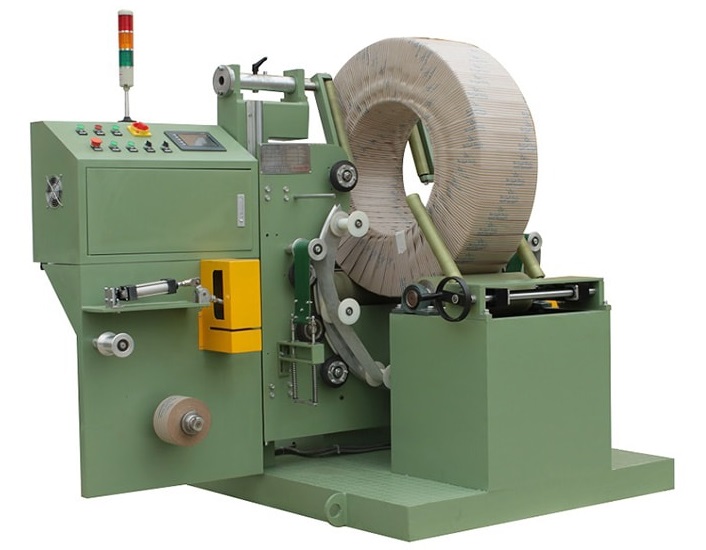
Tyre Packing Machine FPT-400
View Details →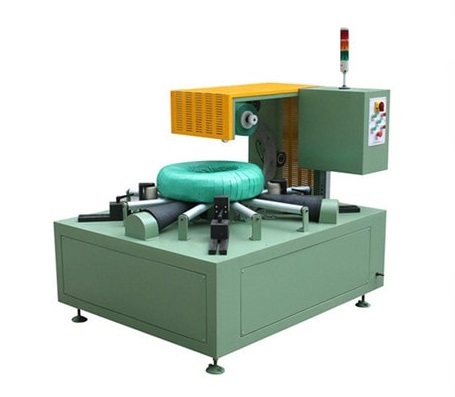
Cable Coil Packing Machine-FPCA100
View Details →