How to Identify Bottlenecks in Warehouse Operations: Solutions with Pallet Inverters
Warehouse efficiency is the backbone of any successful logistics and supply chain operation. When things run smoothly, productivity soars, costs are reduced, and customer satisfaction is maintained. However, bottlenecks—areas in your workflow where delays or inefficiencies occur—can cause significant disruptions, leading to increased operational costs, delays in order fulfillment, and even safety hazards. One often overlooked solution for addressing these bottlenecks is the use of pallet inverters, which can streamline handling processes and eliminate manual labor inefficiencies.
In this article, we will explore how to identify common bottlenecks in warehouse operations, understand their impact, and examine how pallet inverters provide effective solutions to improve warehouse efficiency. By integrating the right technology, businesses can overcome these challenges, optimize their workflows, and ultimately boost their bottom line.
1. Common Bottlenecks in Warehouse Operations
Warehouse bottlenecks are typically the result of inefficient processes, limited equipment, or poor space utilization. Understanding where these bottlenecks occur is the first step toward resolving them. Some of the most common bottlenecks include:
A. Manual Handling of Pallets
One of the most prevalent bottlenecks is the manual handling of pallets. In many warehouses, workers are required to physically rotate or restack pallets during unloading, storage, and dispatch. This labor-intensive process not only slows down operations but also increases the risk of worker injuries.
B. Inefficient Loading and Unloading Processes
Another common issue is inefficient loading and unloading processes. Forklift operators may spend significant time flipping or adjusting pallets manually, which can lead to delays, especially in high-volume operations. These inefficiencies are exacerbated by poor pallet placement, unstable loads, and difficulties with product alignment.
C. Poor Space Utilization
Space constraints can also create bottlenecks in a warehouse. When pallets are stored inefficiently, it can become challenging to access certain products quickly, leading to delays in picking, packing, and shipping. Over time, poor space utilization can result in wasted time and increased labor costs.
D. Inconsistent Pallet Quality
Variations in pallet quality can cause bottlenecks during the stacking, loading, or flipping process. Some pallets may arrive damaged, making them difficult to rotate or reposition. Poor-quality pallets may also cause safety issues if they collapse under the weight of the load.
2. The Impact of Bottlenecks on Warehouse Efficiency
Bottlenecks can significantly reduce a warehouse's overall productivity, leading to several negative consequences:
A. Increased Labor Costs
When processes are slow or inefficient, more time is required to complete tasks, resulting in increased labor costs. Employees may need to work longer hours to meet deadlines, or additional workers may be hired to manage high volumes, both of which increase operational expenses.
B. Delays in Order Fulfillment
Bottlenecks can lead to missed deadlines and delays in order fulfillment, which directly impacts customer satisfaction. In today’s fast-paced logistics environment, delays can result in lost business opportunities, dissatisfied clients, and damage to a company's reputation.
C. Worker Safety Risks
Manual handling bottlenecks often involve physically strenuous tasks such as lifting and rotating heavy pallets, which can pose safety risks to workers. Workplace injuries not only affect employee well-being but also result in higher insurance costs, lost workdays, and potential legal issues.
D. Reduced Throughput
When bottlenecks persist, the overall throughput of the warehouse declines. This reduced capacity limits the warehouse's ability to handle large volumes of products, especially during peak seasons, leading to missed opportunities for growth and profit.
3. Introducing Pallet Inverters as a Solution
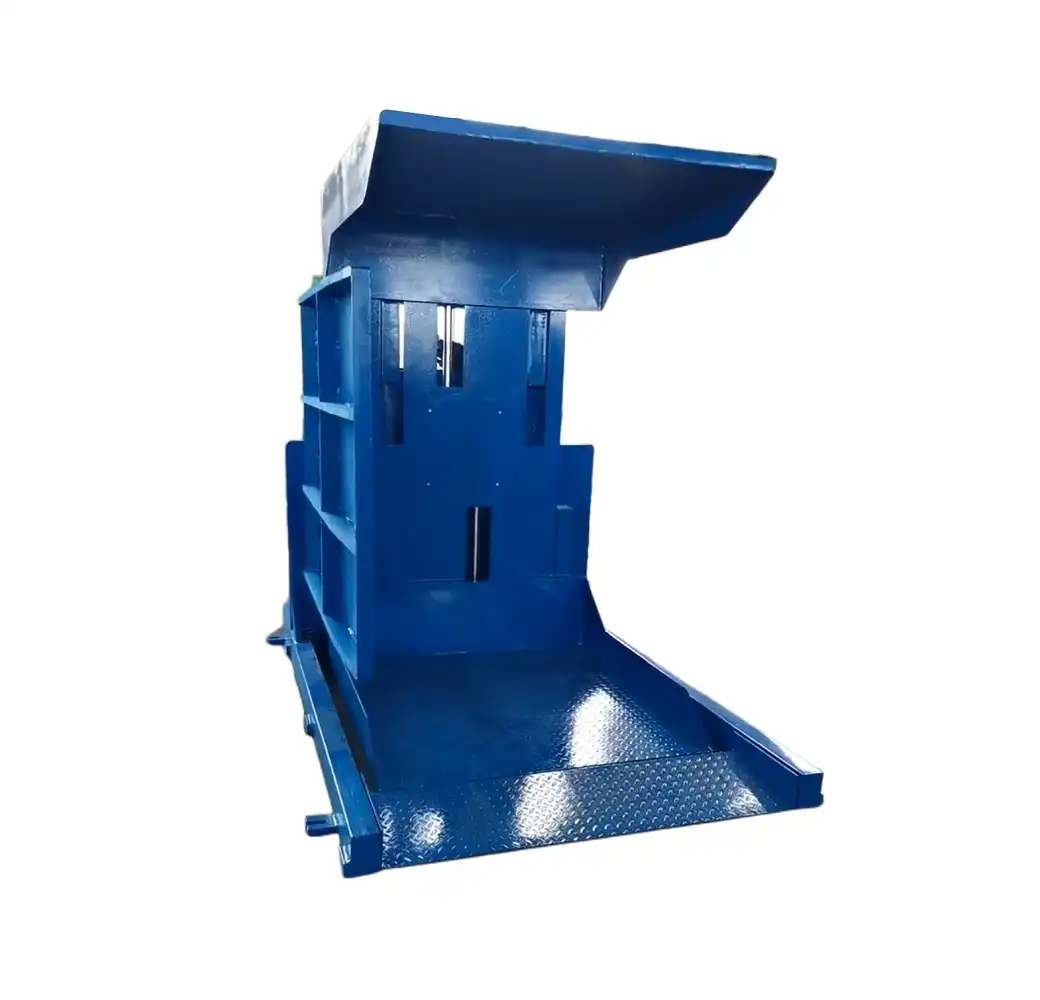
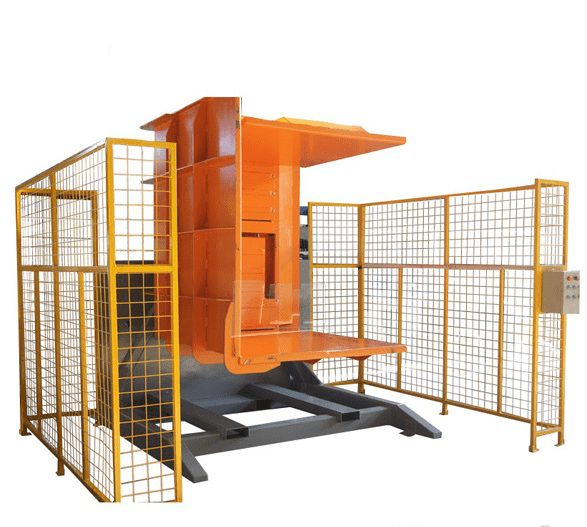
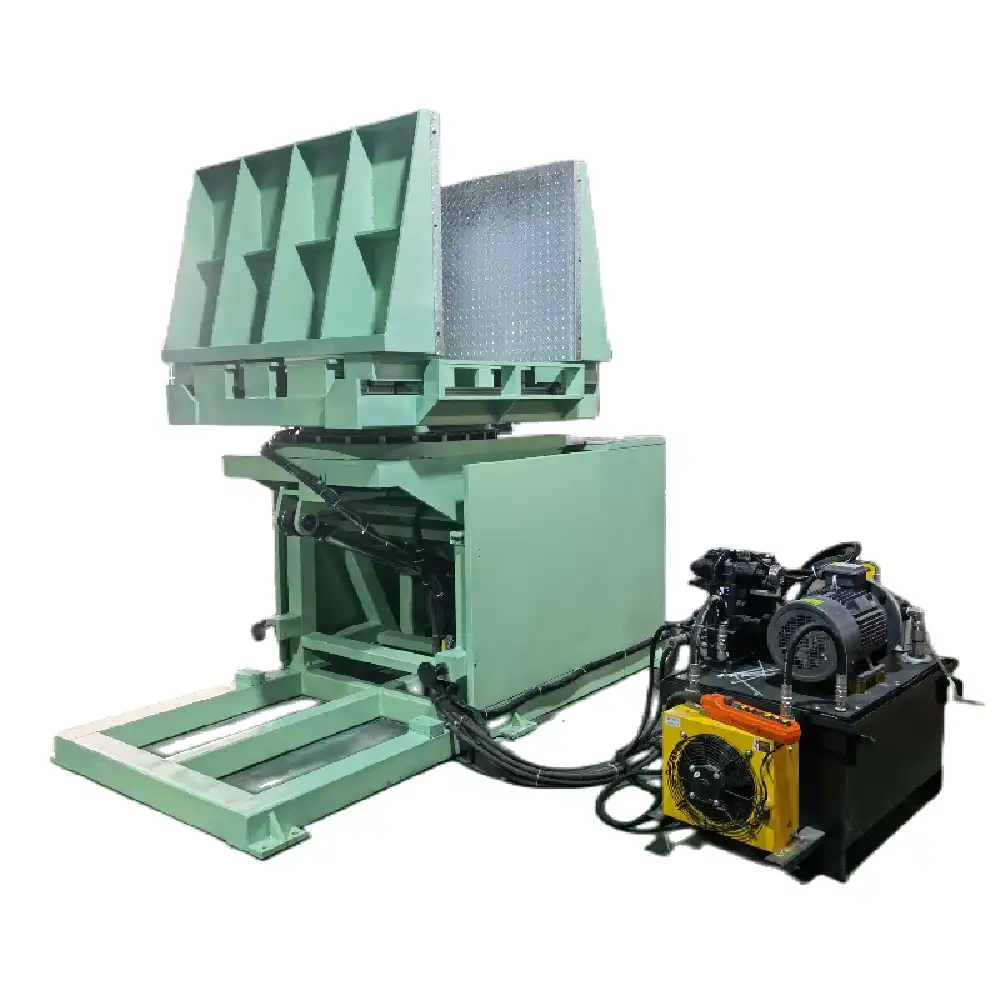
One of the most effective solutions for addressing bottlenecks in warehouse operations is the pallet inverter. These machines are designed to rotate or flip entire loads, eliminating the need for manual handling and speeding up pallet reorganization processes.
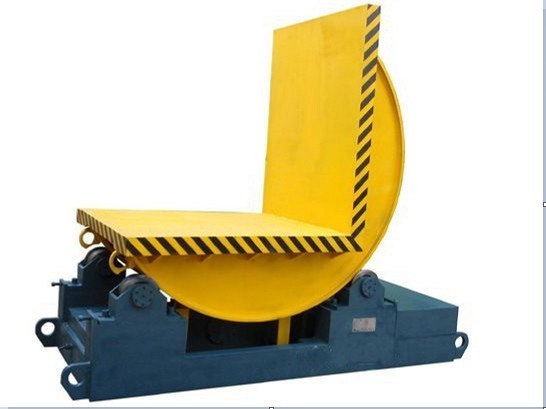
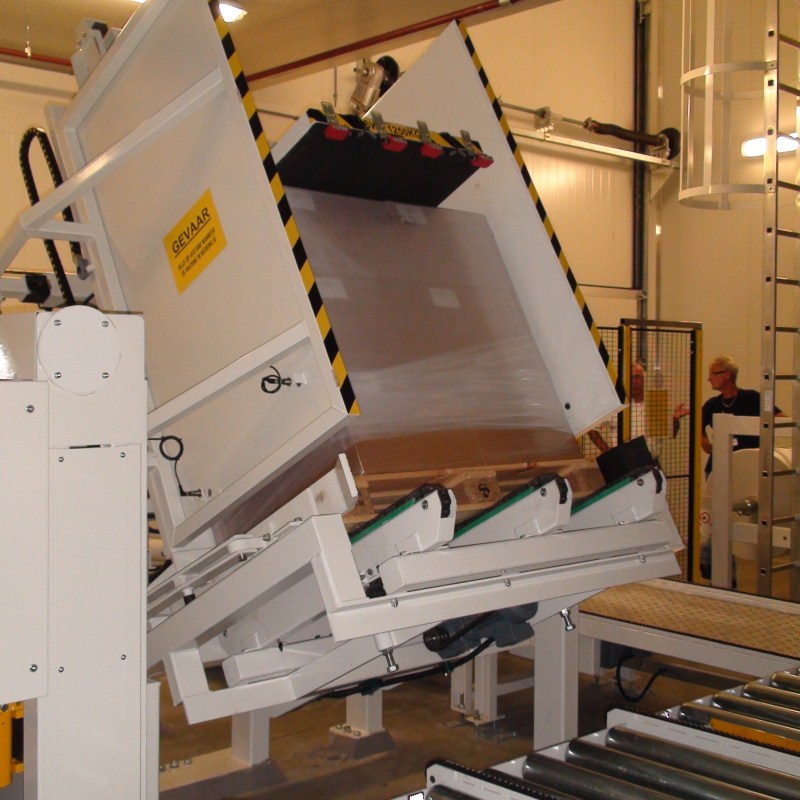
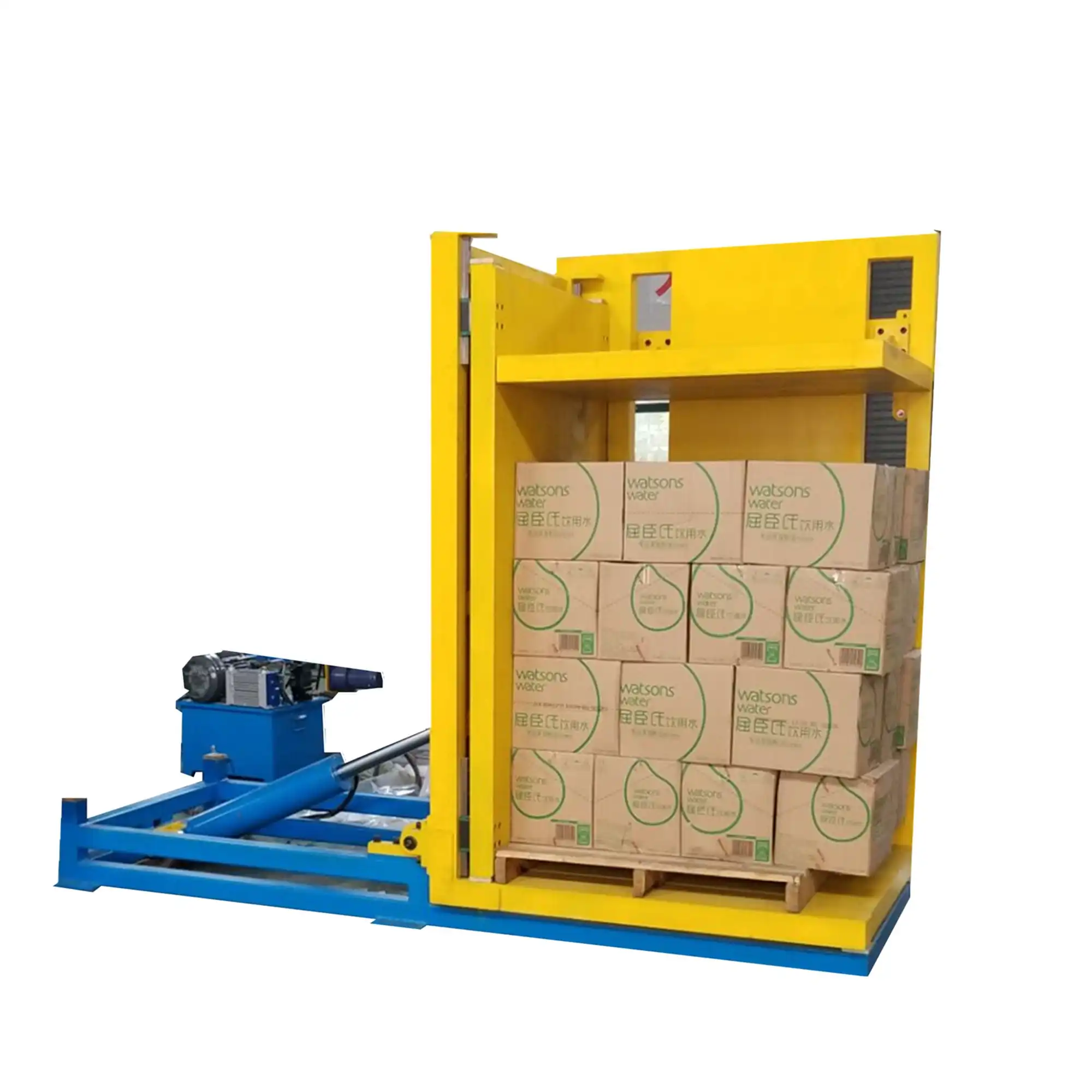
A pallet inverter works by securely clamping the load and rotating it 180 degrees, allowing easy access to the bottom of the pallet or facilitating the exchange of pallets without manually unloading and reloading the products. This process is especially useful for warehouses dealing with damaged pallets, unstable loads, or products that need to be restacked quickly.
4. How Pallet Inverters Address Warehouse Bottlenecks
By automating the process of pallet handling, pallet inverters help resolve several common warehouse bottlenecks. Let’s take a closer look at how these machines can improve operations:
A. Eliminating Manual Pallet Handling
Pallet inverters significantly reduce the need for manual handling of pallets, thus addressing one of the most common bottlenecks in warehouses. Instead of workers physically rotating or restacking pallets, the inverter does this automatically. This automation speeds up the process, allowing workers to focus on other tasks.
Additionally, eliminating manual handling reduces the risk of worker injuries caused by lifting or rotating heavy loads, creating a safer working environment.
B. Streamlining Loading and Unloading Processes
With a pallet inverter, the loading and unloading process becomes much more efficient. Instead of manually flipping unstable loads or reconfiguring pallets for storage, the inverter performs these tasks in a fraction of the time. This increased efficiency helps forklift operators and warehouse staff manage high volumes of inventory quickly and without unnecessary delays.
C. Improving Space Utilization
Pallet inverters allow for better pallet organization and stacking, improving space utilization in the warehouse. Efficient use of space means products can be stored and retrieved more easily, reducing the time spent on product picking and pallet management. This streamlined process also helps warehouses store more products in the same amount of space, enhancing overall productivity.
D. Handling Damaged or Inconsistent Pallets
Damaged pallets or unstable loads are no longer a problem with pallet inverters. These machines securely clamp loads, ensuring that even poorly constructed or damaged pallets can be flipped without risking product damage or safety hazards. This flexibility is particularly valuable in industries where pallet quality can vary widely from shipment to shipment.
5. Types of Pallet Inverters for Different Applications
There are several types of pallet inverters available, each designed to address different operational needs in a warehouse. Understanding the different models and their specific benefits can help businesses choose the right solution for their operation.
A. Stationary Pallet Inverters
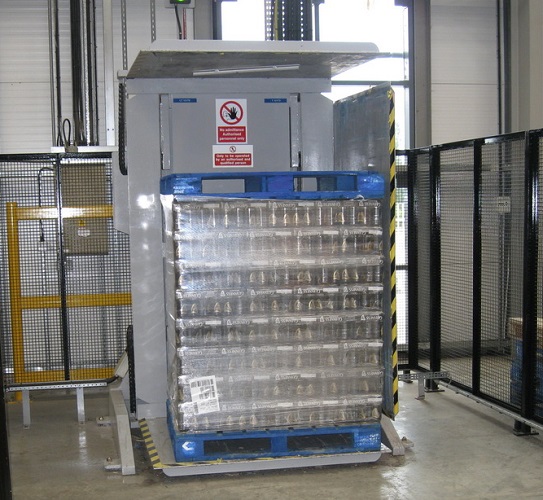
Stationary pallet inverters are fixed in place and typically used in specific areas of the warehouse, such as receiving docks or shipping areas. These inverters are ideal for high-volume operations where pallets need to be rotated regularly. They are designed for quick, repeated pallet exchanges and can handle loads of various sizes.
B. Mobile Pallet Inverters
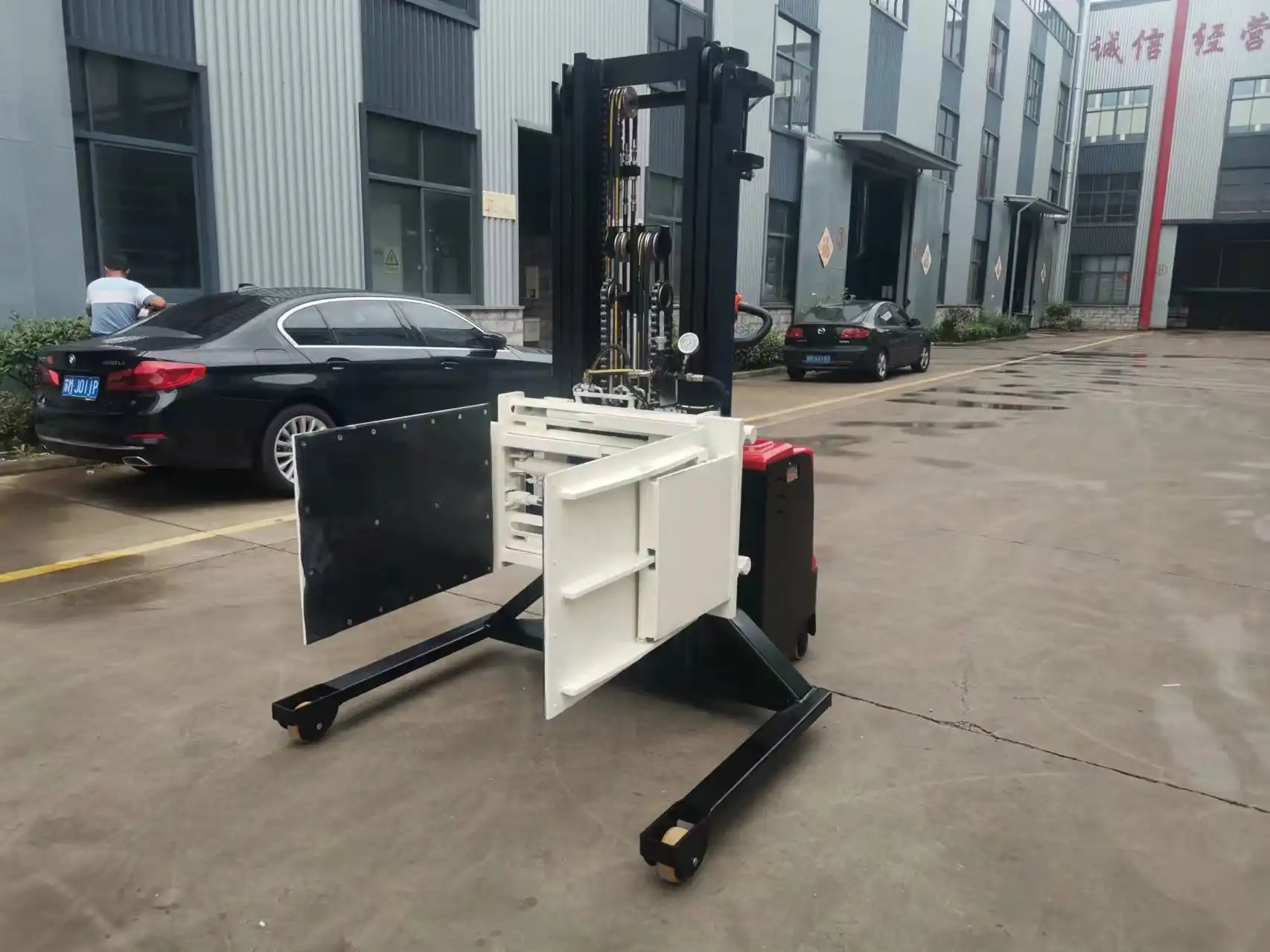
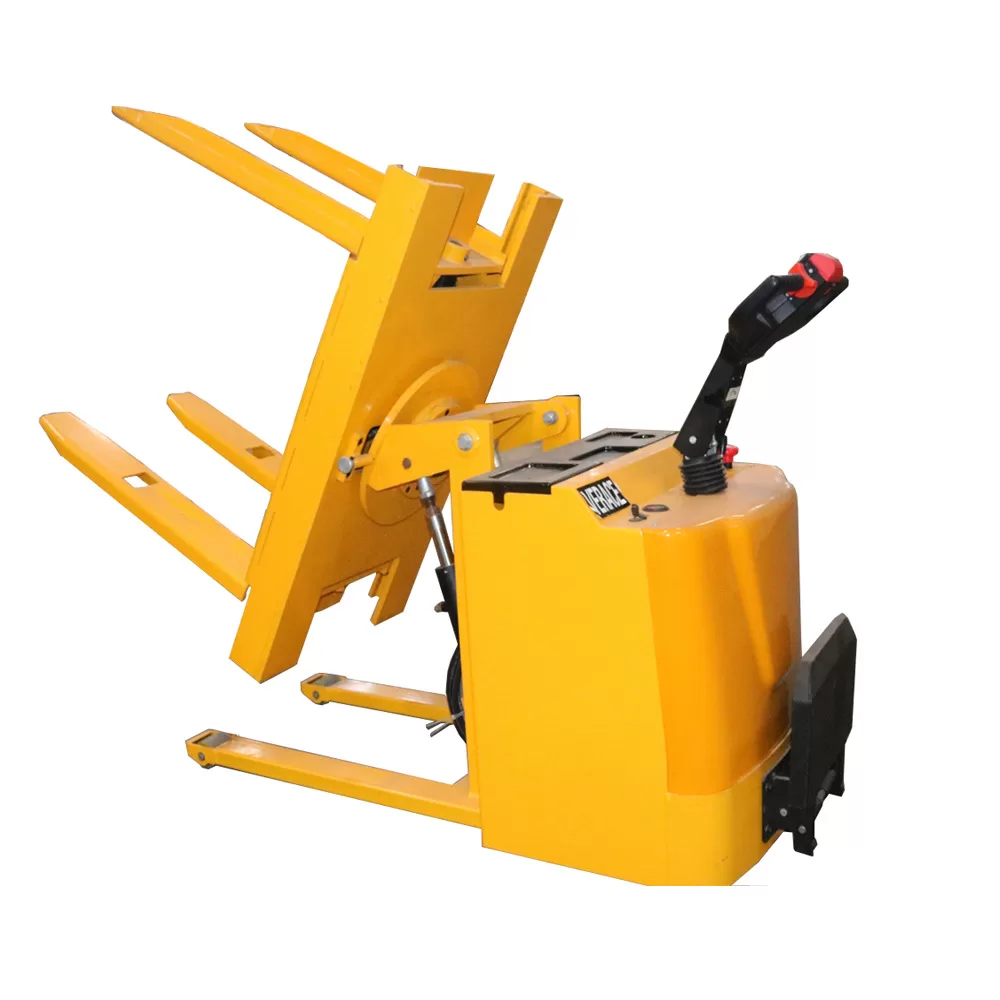
Mobile pallet inverters are versatile machines that can be moved around the warehouse as needed. These inverters are especially useful for smaller operations or warehouses with limited space, as they can be used wherever a bottleneck arises. Mobile inverters offer flexibility while still providing the efficiency and speed of a stationary unit.
C. Forklift-Mounted Pallet Inverters
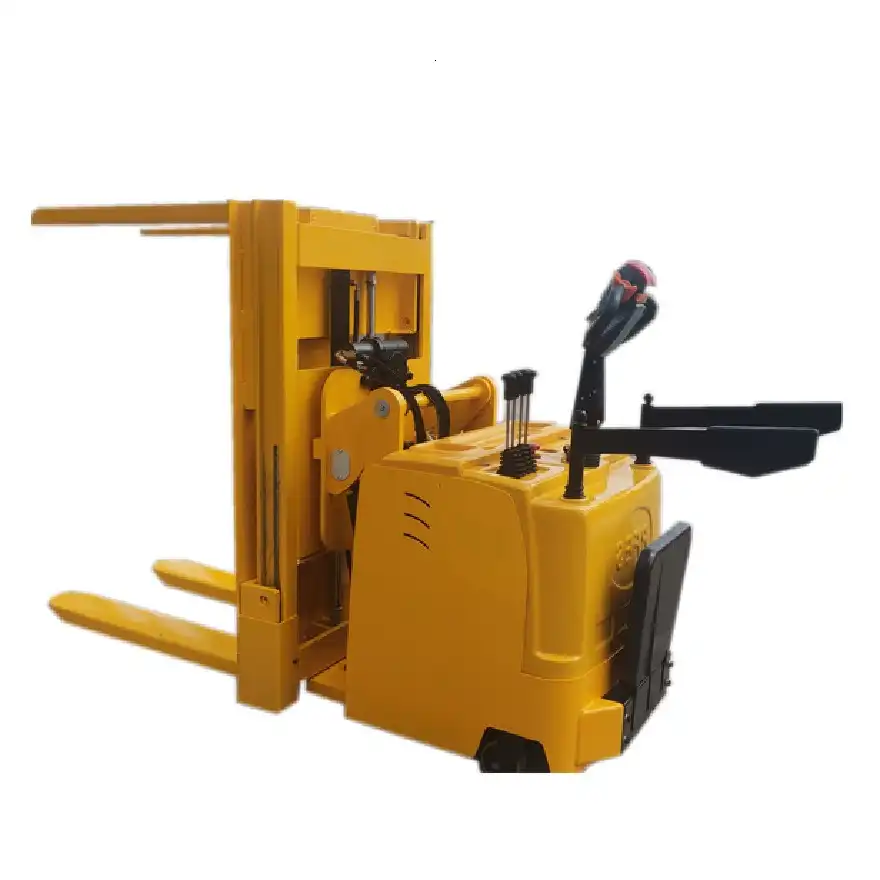
For even greater flexibility, forklift-mounted pallet inverters allow operators to rotate pallets directly from their forklift without needing to move the load to a separate area. This can significantly reduce handling time and allow for more streamlined operations.
6. Selecting the Right Pallet Inverter for Your Warehouse
Choosing the right pallet inverter for your warehouse depends on several factors, including the volume of products handled, the layout of the facility, and the specific bottlenecks you're facing. Here are some considerations to keep in mind:
A. Load Capacity
One of the most critical factors in selecting a pallet inverter is its load capacity. Make sure the inverter can handle the weight and size of the pallets your warehouse processes regularly. Overloading an inverter can lead to equipment breakdowns or product damage, so it’s important to choose a machine that matches your operational needs.
B. Frequency of Use
Consider how often the pallet inverter will be used. High-volume warehouses may benefit from stationary inverters with higher speeds and greater load capacities, while smaller facilities may prefer a more flexible mobile solution.
C. Integration with Existing Equipment
If your warehouse uses forklifts or conveyor systems, ensure that the pallet inverter you select can integrate seamlessly with these machines. Forklift-mounted inverters, for example, offer significant time savings by allowing operators to rotate pallets without needing to unload them first.
Conclusion: Enhancing Warehouse Efficiency with Pallet Inverters
Warehouse bottlenecks can significantly reduce efficiency, increase labor costs, and lead to customer dissatisfaction. However, by identifying these bottlenecks and implementing the right solutions—such as pallet inverters—businesses can improve productivity, enhance worker safety, and optimize space utilization.
Pallet inverters are a powerful tool for addressing common warehouse challenges, from manual handling inefficiencies to inconsistent pallet quality. By automating and streamlining the pallet flipping process, these machines provide a cost-effective solution to bottlenecks, helping warehouses operate more smoothly and efficiently.
Investing in the right pallet inverter for your operation can transform the way your warehouse handles pallets, reducing downtime and allowing for more seamless logistics management. With the proper equipment in place, your warehouse can maximize its potential and meet the demands of today’s fast-paced supply chain environment.