How to Choose the Right Coil Wrapping Machine Based on Coil Orientation
Choose the right coil wrapping machine by understanding coil orientation, handling position, and packaging requirements. This guide explains how upright, side-presented, and long products affect machine selection, transfer solutions, and wrapping system design for efficient industrial packaging.

Which Machine Type Fits My Coil Orientation?
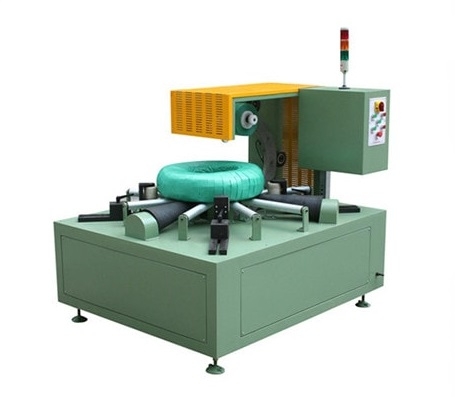
The suitable machine type depends on how the coil arrives, how it must leave, and which surfaces the package must cover. A coil that is handled as a ring is generally considered in the coil/ring packaging family; a long product that travels along its axis belongs to the horizontal/orbital family. That distinction is useful for terminology, but it is not a finished selection.
For a steel coil, the practical question is: will the coil be presented upright, on its side, or will it need to change orientation before or after wrapping? The answer affects material path, support method, loading, discharge, and the need for a turning device.
A Quick Selection Map
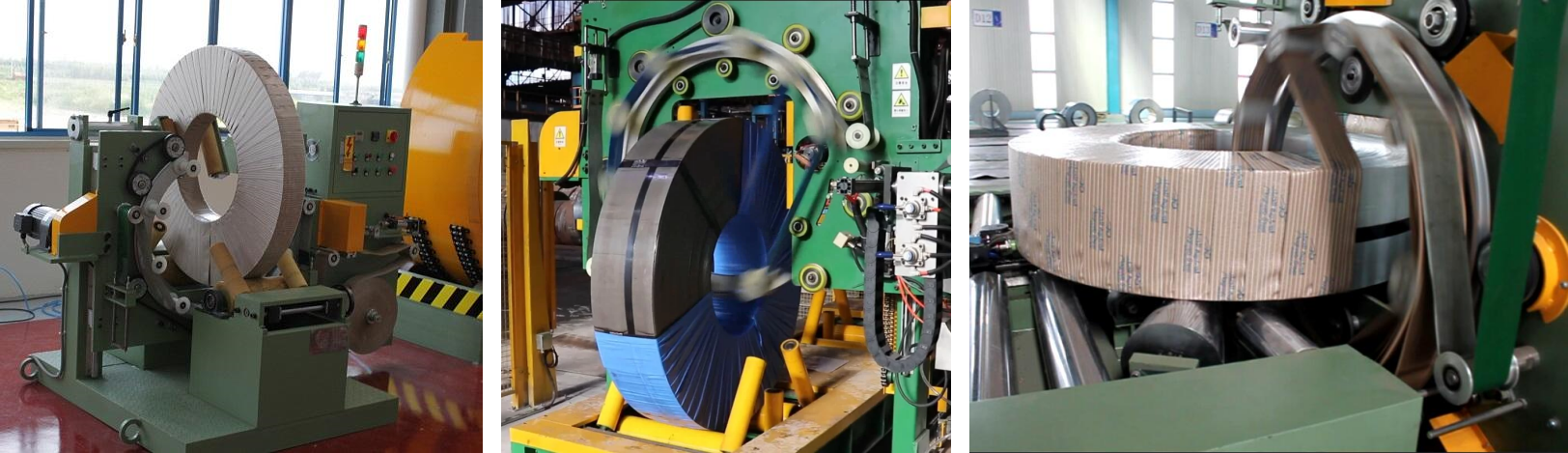
Choose the starting route below, then confirm it with a layout and trial review:
- Coil remains in its normal ring-handling position: Evaluate a coil wrapping/packing configuration that can support the coil and create the intended coverage path.
- Coil must move from horizontal to vertical, or the reverse: Evaluate the wrapping station together with a coil upender, tilter, or turning step. The transfer sequence matters as much as the wrapper.
- Product is actually a long, straight item: Do not force it into a coil solution because it is called "steel." A horizontal or orbital wrapper may be the correct category.
- Coil orientation changes within an existing line: Start with the transfer points, supports, and controls—not with a brochure image.
What Must Be True at the Wrapping Station
Orientation changes four core operational questions that should be answered together:
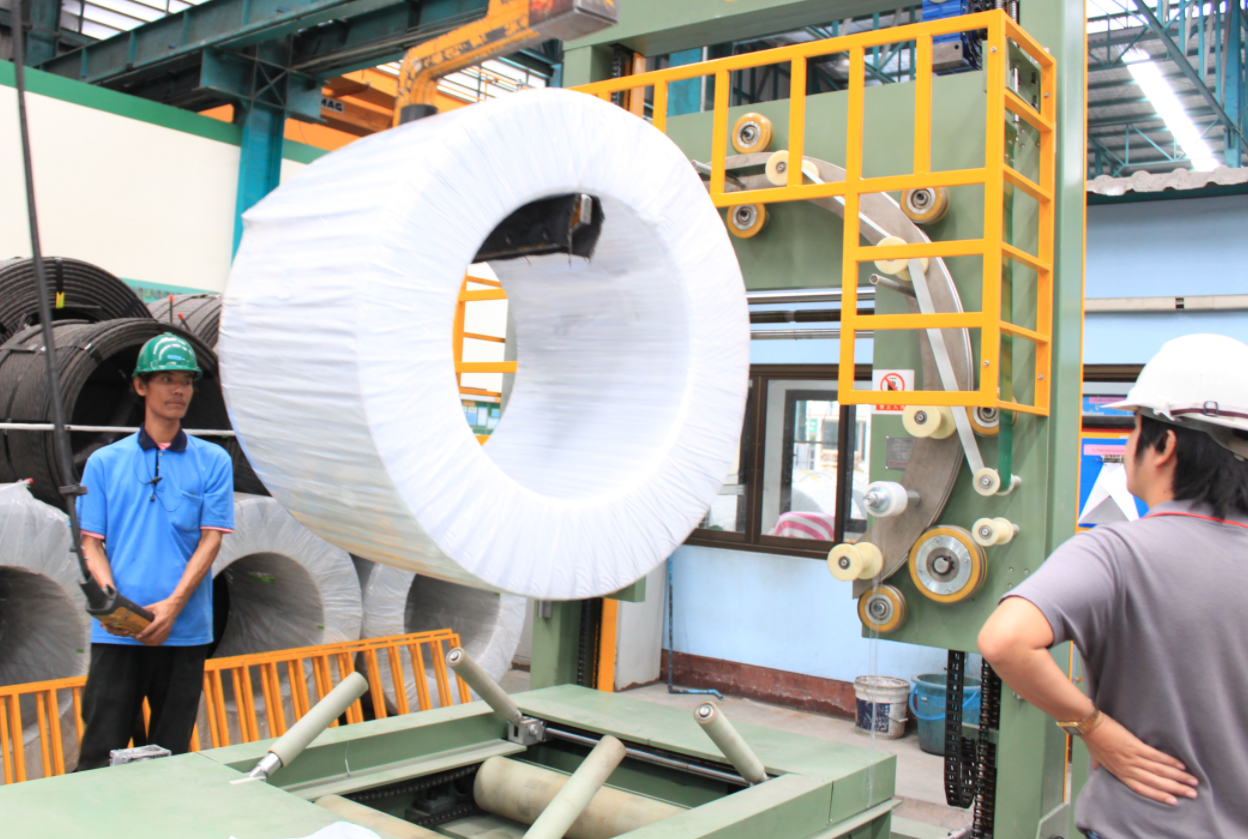
- Support: What carries the coil without damaging the product or losing stability?
- Access: Can the packaging material travel around the intended cross-section, including the coil eye if required?
- Transfer: Who owns loading, centering, turning, discharge, and an interrupted cycle?
- Coverage: Which surfaces need coverage, and which remain exposed by design?
Do not treat "vertical" or "horizontal" as a performance specification—it describes a spatial condition. Machine fit still depends on dimensions, mass, surface condition, package design, and line interfaces.
When a Turning Step Is the Better Answer
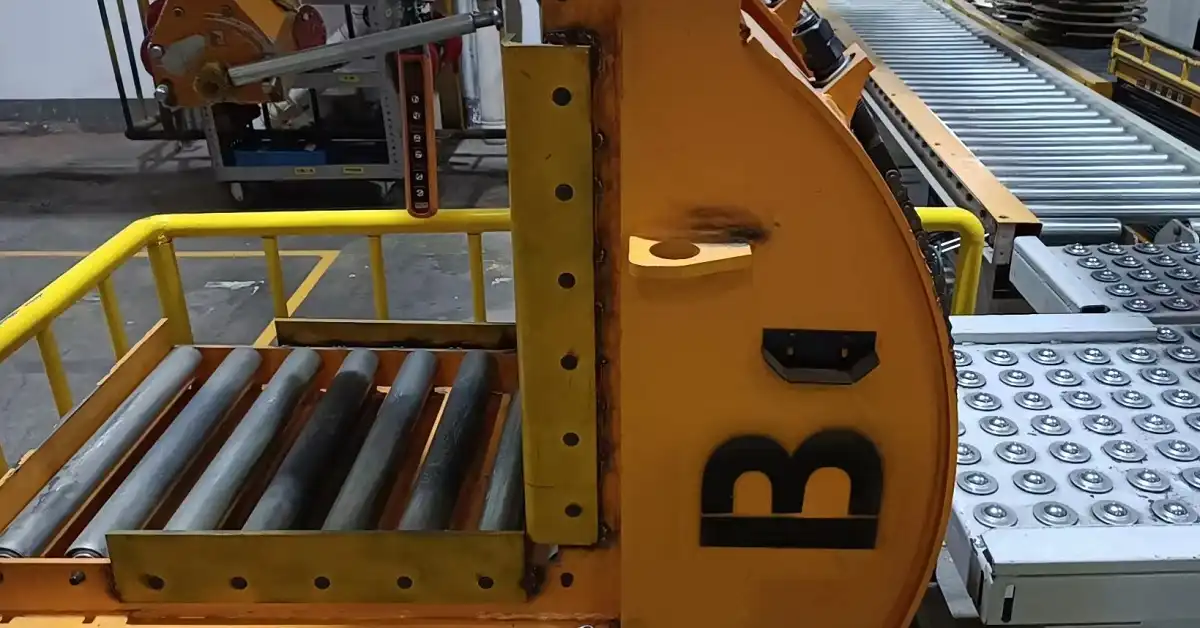
If the desired package is easiest to apply in a different orientation from the incoming coil, a turning device can be part of the solution. This is a system decision: it introduces transfer space, support surfaces, timing, guarding, controls, and recovery requirements. It should not be assumed merely because a supplier offers an upender or tilter category.
Ask for a sequence drawing showing the coil at every handoff. A good drawing makes it possible to spot a missing support, impossible clearance, or unclear operator task before equipment is selected.
Questions to Send Before Asking for a Recommendation
To receive an accurate engineering recommendation, provide these facts in one package:
- A photo or drawing of the incoming and required outgoing orientation
- Coil inner diameter (ID), outer diameter (OD), width, mass, and full min/max range
- Support method (eye, outside diameter, pallet, saddle, or conveyor)
- Package objective and surfaces that must be covered or kept accessible
- Available layout, elevation, utilities, and adjacent equipment
- Required output definition (coils per shift, coils per hour)
- Known handling, safety, or surface-quality constraints

Recommended Next Step
Validate the sequence, then the machine. Ask your supplier or internal engineer for a representative layout and a written statement of assumptions. If the coil orientation, support method, or handoff sequence is still unknown, a machine recommendation is premature.
Visual Details
Click to enlarge
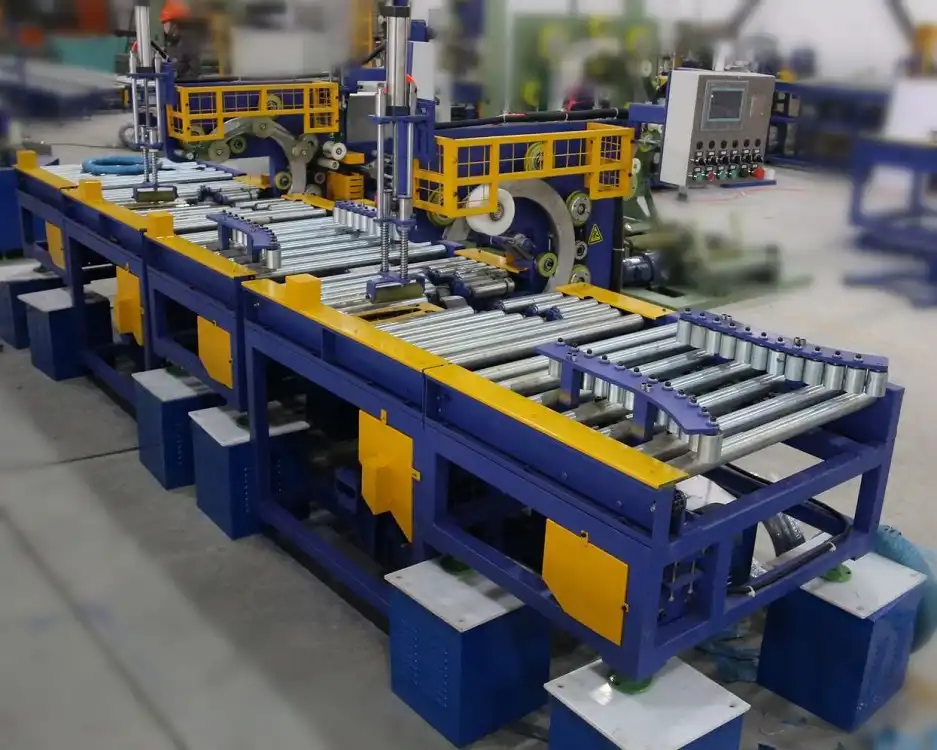
Click to enlarge

Click to enlarge

Click to enlarge
Watch How It Works
Discover how our automated packaging solutions optimize your production line efficiency. This video demonstrates the seamless operation designed for maximum protection.
Trusted by Steel Mills & Industry Leaders
Global manufacturers rely on FHOPE heavy duty packaging equipment


Ready to optimize your packaging line?
Get a custom quote with ROI analysis. Our engineers respond within 24 hours.
- Free layout design
- Global installation support
- 2-year warranty included
Your information is secure and will never be shared.
Related Machines
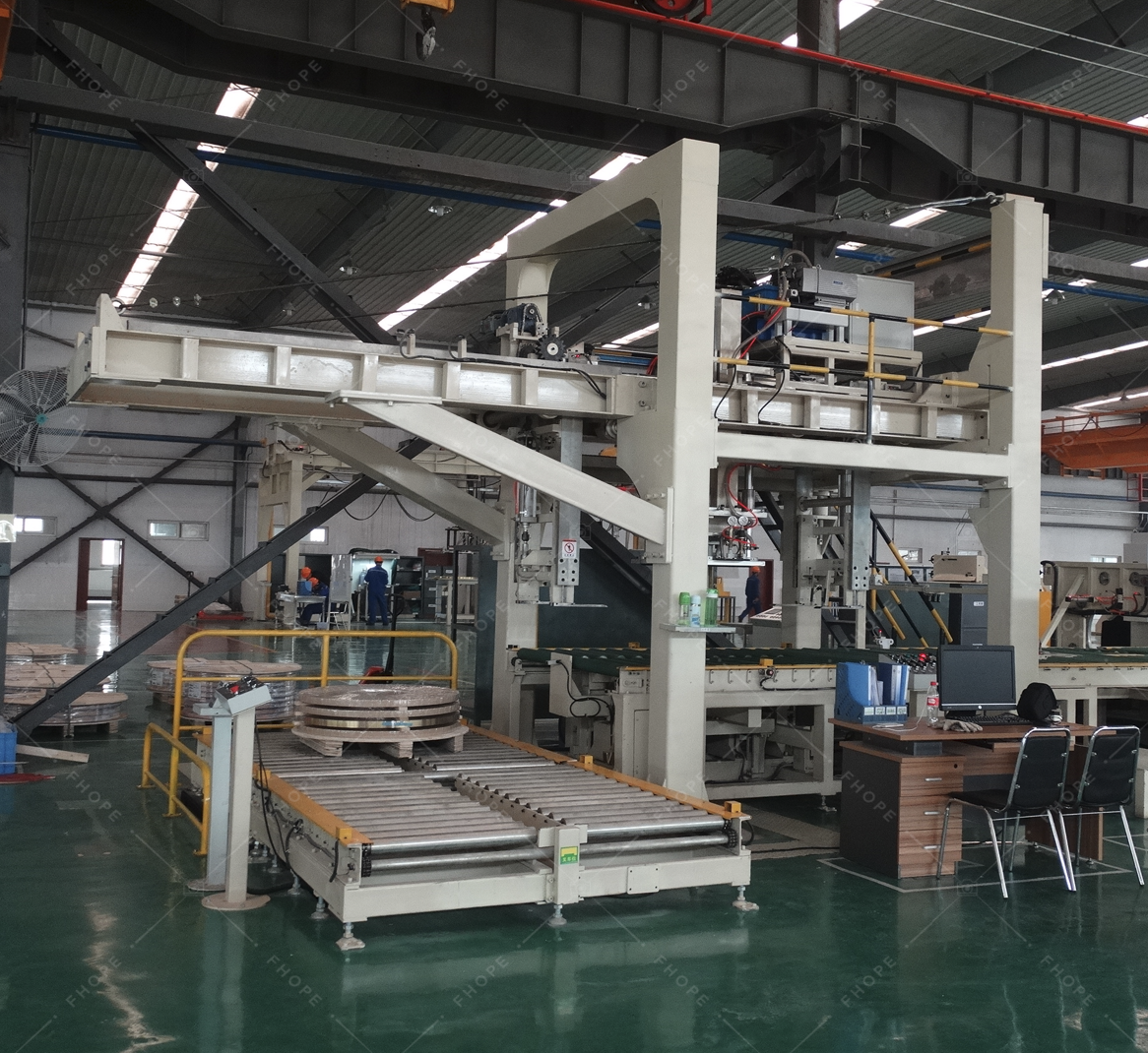
Steel Coil Packaging line
View Details →
Vertical coil packaging line
View Details →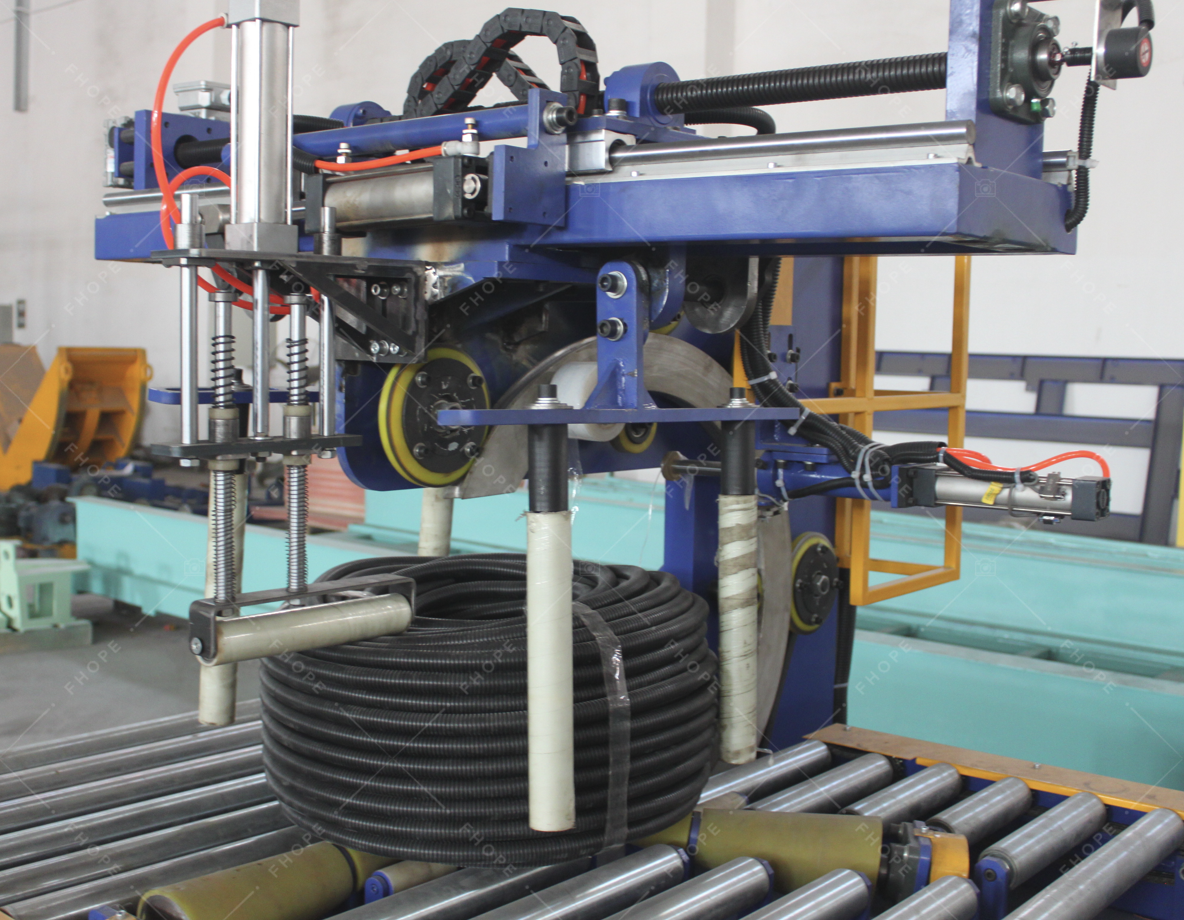
Hose Coil Packaging line
View Details →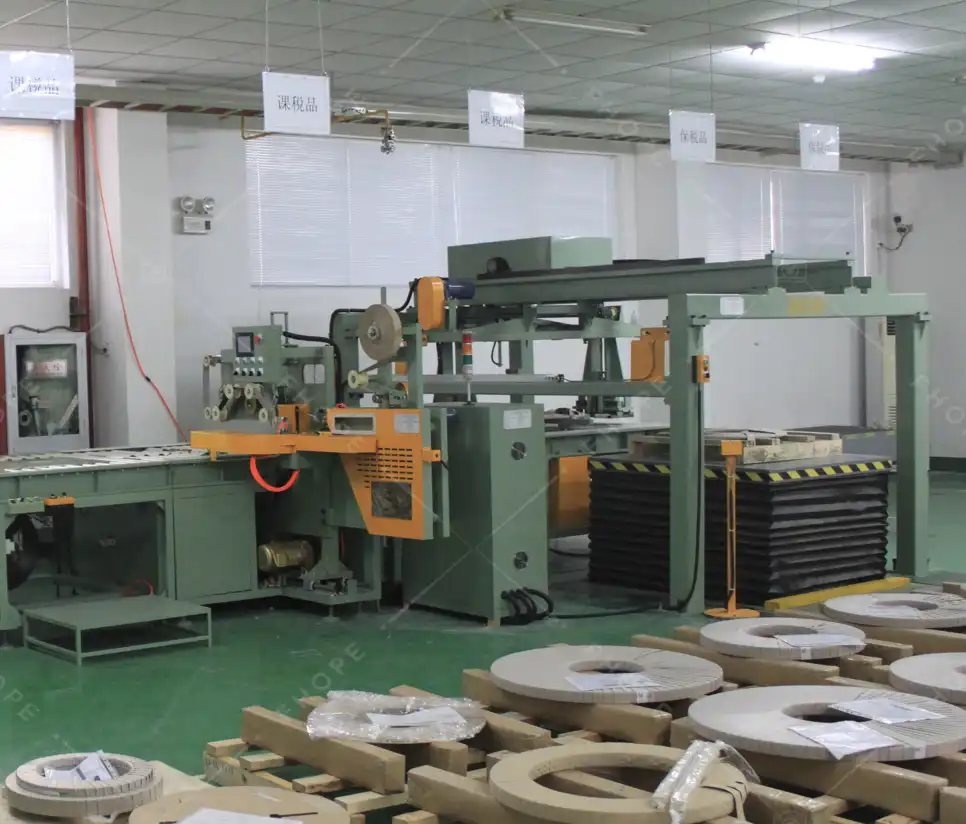
Copper Coil Packaging line
View Details →
Wire Coil Packaging line
View Details →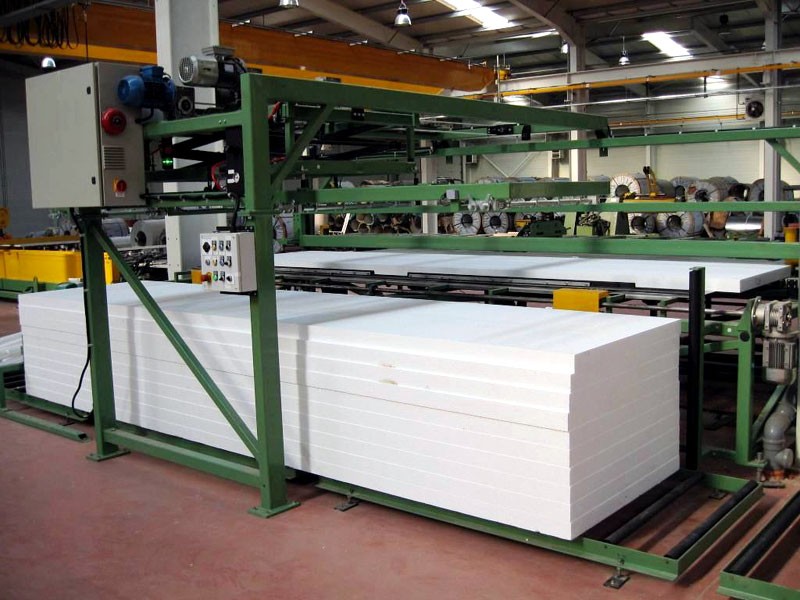
Panel Packaging line
View Details →
Pipe Bagging Machine
View Details →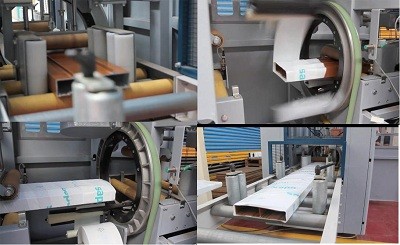
Aluminum profile packing line
View Details →
FHOPE Automatic pipe tube bundling&strapping line
View Details →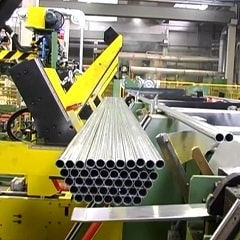
Automatic pipe tube bundling & strapping line
View Details →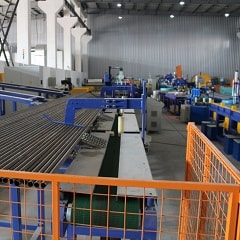
Automatic steel tube strapping machine
View Details →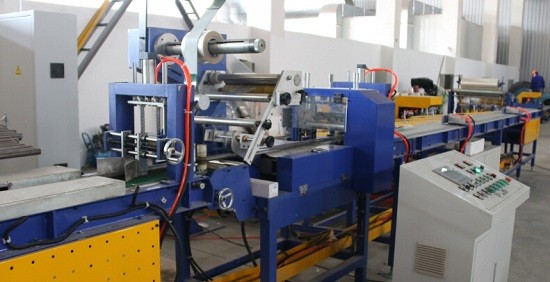
FHOPE Automatic steel tube packing machine
View Details →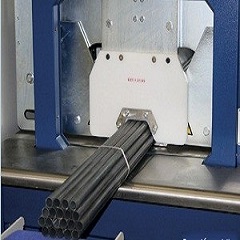
Automatic plastic Pipe strapping packing line
View Details →
Automatic PPR/PVC Pipe bagging line
View Details →
Platsic pipe bag packing machine
View Details →
Tyre Packing Machine FPT-200
View Details →
Tyre Packing Machine FPT-300
View Details →
Tyre Packing Machine FPT-400
View Details →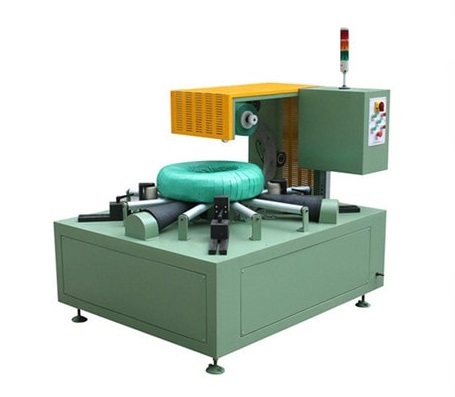
Cable Coil Packing Machine-FPCA100
View Details →