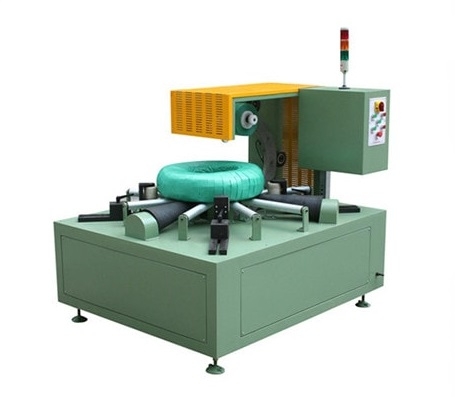
Steel Coil Wrapping Machine Spare Parts and Maintenance Planning Guide
A practical guide to steel coil wrapping machine wear parts and spare parts management. Discover how BOM records, machine history, criticality analysis, and controlled purchasing decisions help maintenance teams reduce downtime and maintain safe, reliable packaging operations.

Steel Coil Wrapping Machine Wear Parts and Spare Parts Guide
Steel Coil Wrapping Machine Wear Parts and Spare Parts Guide
The best spare-parts list is not the longest list. It is a controlled decision about what can wear, what could stop production, what affects safety, how long replacement will take, and what evidence identifies the correct part.
For a steel coil wrapper, part names alone are unreliable. Ring construction, film-handling arrangement, coil-support system, sensors, safety architecture, controls, and optional line interfaces vary by model and project. Use the machine's serial number, approved bill of materials (BOM), drawings, software revision, and service history as the source of truth.
This guide helps a maintenance, purchasing, and stores team build that decision process. It does not prescribe replacement intervals, quantities, substitutes, or safety-component changes. Those must be approved against the actual equipment documentation and site controls.
Classify Parts Before Deciding What to Stock
Start by placing every candidate part in one of three groups.
| Group | Decision question | Typical treatment |
|---|---|---|
| Wear part | Does normal service gradually change its condition or performance? | Inspect against the documented condition criteria; plan replacement when the approved limit is reached. |
| Critical spare | Is failure uncommon but likely to create a long or high-impact stoppage? | Assess lead time, verified interchangeability, production consequence, and recovery plan. |
| Standard local part | Is the exact specification readily available locally without changing function? | Confirm the exact specification and approved supplier route before relying on local supply. |
A component can be low-cost and still be critical; another can be visibly worn but not justify shelf stock. Avoid calling every component "critical"—that only hides the real priorities.
Build the Part Record Around Identity and Evidence
For each item, capture the machine serial number, BOM item number, drawing reference, manufacturer part number, approved revision, photo of the installed arrangement, quantity fitted, supplier lead time, and any software or parameter dependency. A photo helps confirm location; it does not replace an exact part number or revision.
For electrical and control parts, record the device model, terminal or connector arrangement, firmware or parameter version when relevant, and the machine drawing that governs it. A replacement that looks similar may change function, compatibility, or safety validation.
Examine the Machine in Functional Groups
Film Handling and Cutting
Depending on the documented configuration, this group may contain film guides, braking or drive elements, clamps, cutting components, pads, or sealing elements. Track the observed symptom—such as inconsistent film travel, incomplete action, or material damage—alongside the actual part identity. Do not assume that a symptom proves a worn component; the film material, setup, sensor state, sequence logic, and machine condition can also matter.
Ring Support and Drive
Support wheels, bearings, chains, belts, tensioning components, drive elements, and alignment features are candidates for condition monitoring only where the manual defines their inspection and acceptance method. Noise, vibration, heat, and tracking changes are useful evidence to preserve; they are not universal replacement thresholds.
Coil Support and Positioning
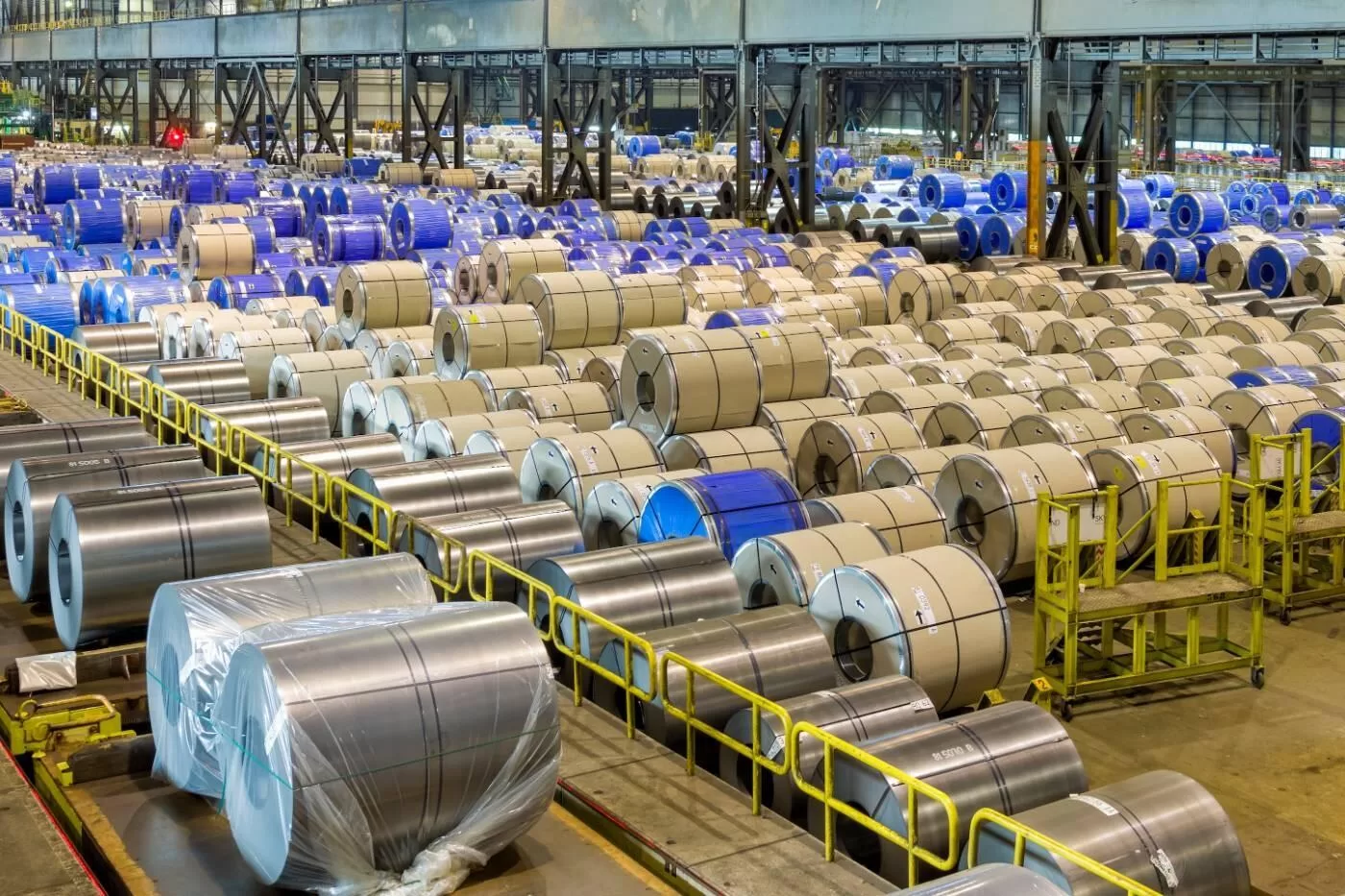
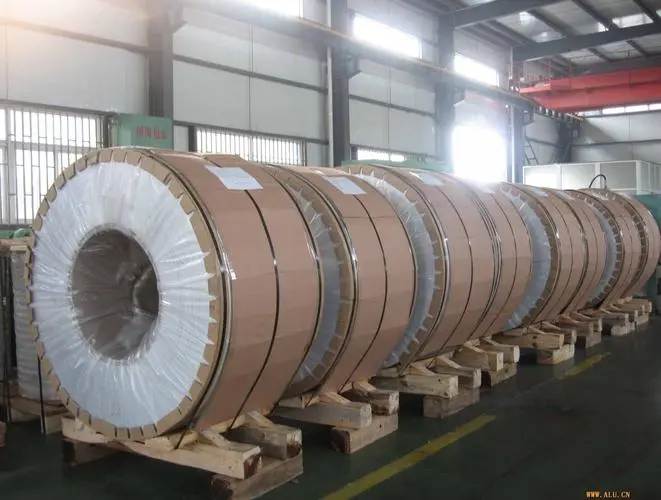
Roller surfaces, bearings, guides, stops, and positioning parts affect the product path. Product marks, slip, tracking errors, or inconsistent location require investigation of the whole approved system: coil specification, surface condition, alignment, settings, and the relevant mechanical components. Do not alter support geometry outside approved documentation.
Sensors, Controls, and Communication Parts
Sensors, relays, contactors, power supplies, HMI or PLC components, and drive equipment may be important to availability. Whether to stock them depends on verified lead time, configuration complexity, installed population, service support, and the outage consequence—not on a generic "two-year kit." Preserve the original parameter backup and use the controlled change process for any replacement.
Safety-Related Components
Interlocks, emergency-stop devices, safety relays or controllers, and safeguarding sensors have a special status. They must not be bypassed, casually substituted, or returned to service on the basis of a visual match. Any replacement needs the correct part, competent installation, and the applicable validation or functional verification under the site's safety process.
Decide Stock Levels with a Criticality Matrix
Score each part using documented local evidence rather than assumptions:
- failure likelihood from inspection and work-order history;
- production impact and whether a safe, approved fallback exists;
- procurement lead time and supplier support;
- number of identical machines or interchangeable positions;
- storage life, obsolescence risk, and preservation requirements; and
- replacement complexity, including required authorization and verification.

The output is a transparent purchasing decision: hold on site, arrange a supplier response commitment, keep a verified shared spare, or order only after confirmed diagnosis. It is not a universal quantity recommendation.
Separate Commissioning Spares from Operating Spares
Commissioning spares cover known installation and start-up risks. Operating spares cover wear and realistic failures during the planned service period. Long-lead critical parts may need a different plan from consumable or locally sourced parts. Keep the assumptions visible: number of machines, expected operating hours, duty, lead time, storage conditions, and required service level.
Review the list after a controlled maintenance event, a recurring fault, a supplier discontinuation notice, or an engineering change. Update the BOM relationship and parameter backup at the same time; otherwise the stores list quickly becomes an orphaned spreadsheet.
Ordering Without Ambiguity
An effective technical-support request includes:
- machine model and serial number;
- exact part number, revision, and drawing/BOM reference;
- installed quantity and failed or observed condition;
- alarm or symptom evidence, if applicable;
- photos and video that show context, not just the loose part; and
- controller, HMI, or drive software/parameter version where relevant.
Do not order a part merely because it resembles a component in an online image. Confirm the identity against the controlled machine record and obtain manufacturer or competent engineering approval for alternatives.
The Decision to Make Now
Build a parts register from the current BOM and serial-numbered machine record. Then review the top downtime risks with maintenance, operations, purchasing, and safety together. The useful result is a defensible, revisable stock policy—not a generic shopping list.
Visual Details

Click to enlarge

Click to enlarge

Click to enlarge

Click to enlarge
Watch How It Works
Discover how our automated packaging solutions optimize your production line efficiency. This video demonstrates the seamless operation designed for maximum protection.
Trusted by Steel Mills & Industry Leaders
Global manufacturers rely on FHOPE heavy duty packaging equipment


Ready to optimize your packaging line?
Get a custom quote with ROI analysis. Our engineers respond within 24 hours.
- Free layout design
- Global installation support
- 2-year warranty included
Your information is secure and will never be shared.
Related Machines
Steel Coil Packaging line
View Details →
Vertical coil packaging line
View Details →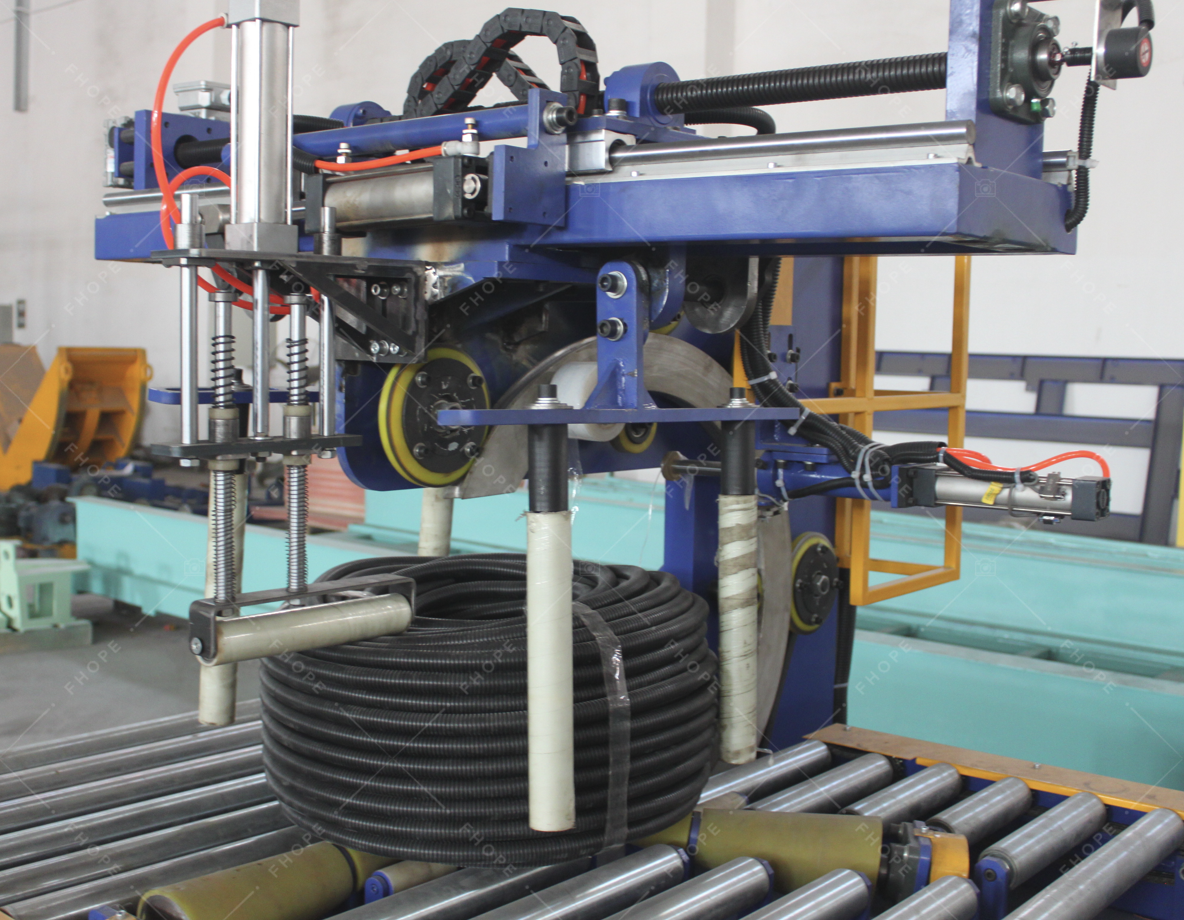
Hose Coil Packaging line
View Details →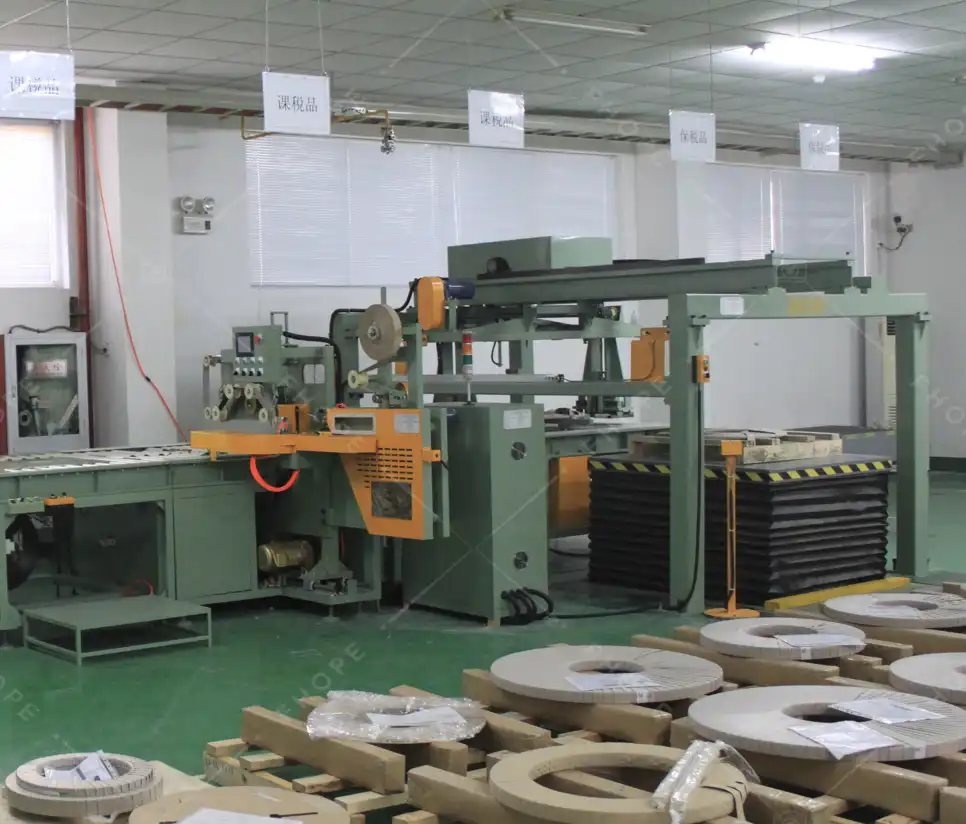
Copper Coil Packaging line
View Details →
Wire Coil Packaging line
View Details →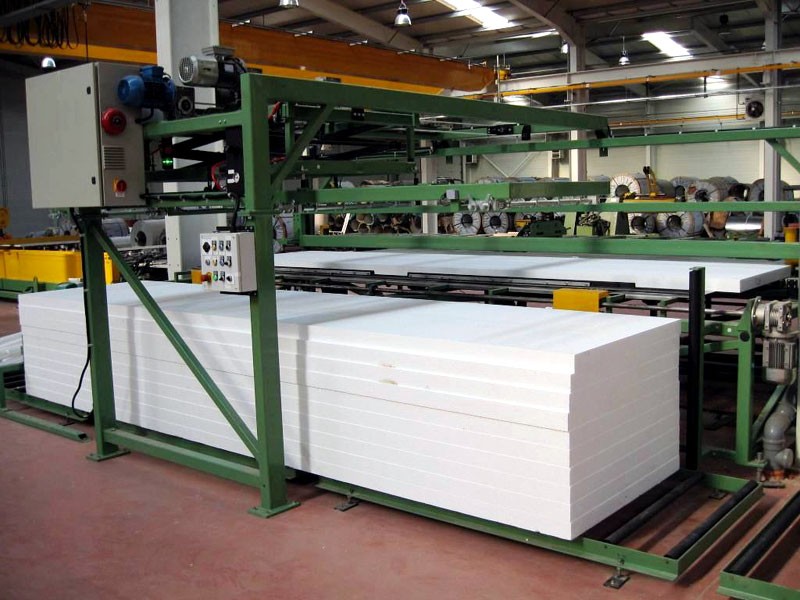
Panel Packaging line
View Details →
Pipe Bagging Machine
View Details →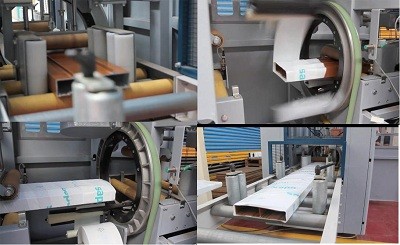
Aluminum profile packing line
View Details →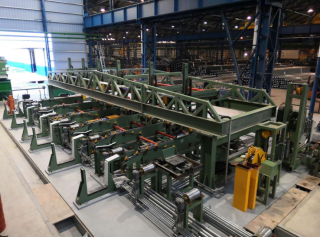
FHOPE Automatic pipe tube bundling&strapping line
View Details →
Automatic pipe tube bundling & strapping line
View Details →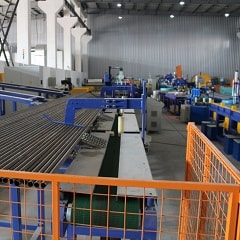
Automatic steel tube strapping machine
View Details →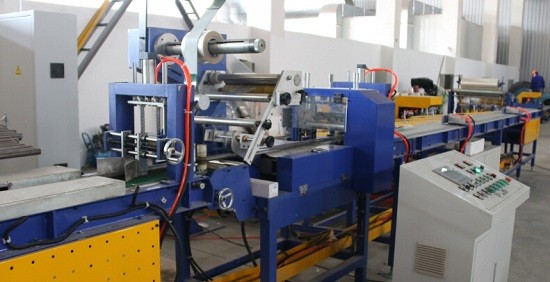
FHOPE Automatic steel tube packing machine
View Details →
Automatic plastic Pipe strapping packing line
View Details →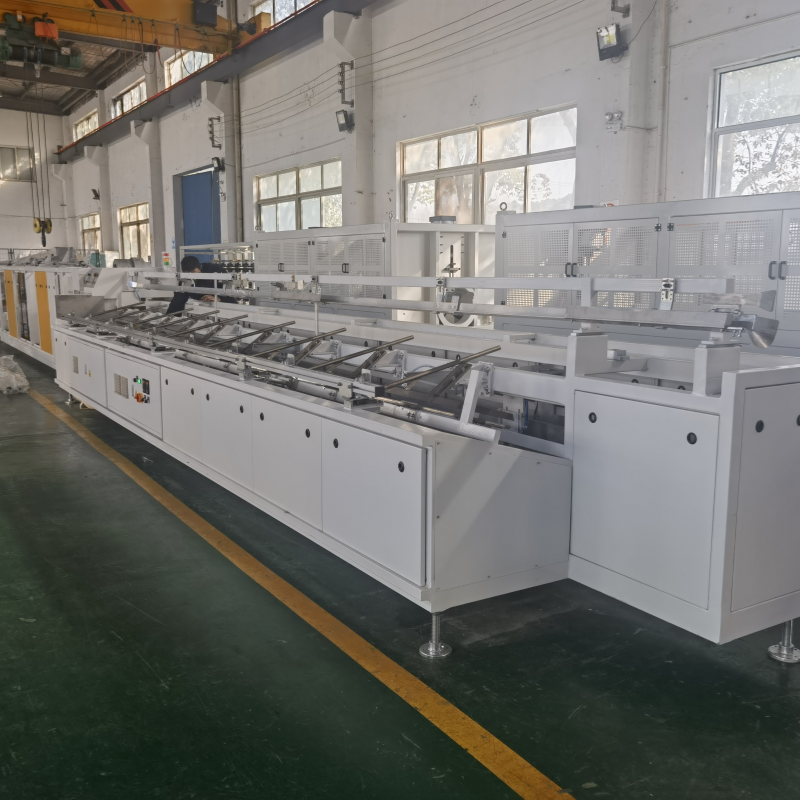
Automatic PPR/PVC Pipe bagging line
View Details →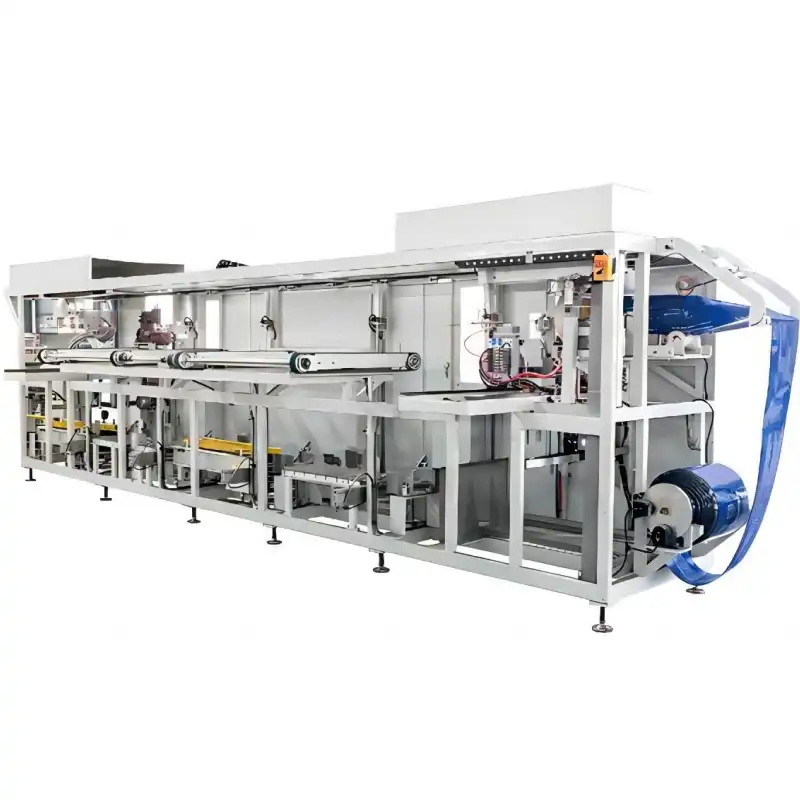
Platsic pipe bag packing machine
View Details →
Tyre Packing Machine FPT-200
View Details →
Tyre Packing Machine FPT-300
View Details →
Tyre Packing Machine FPT-400
View Details →
Cable Coil Packing Machine-FPCA100
View Details →