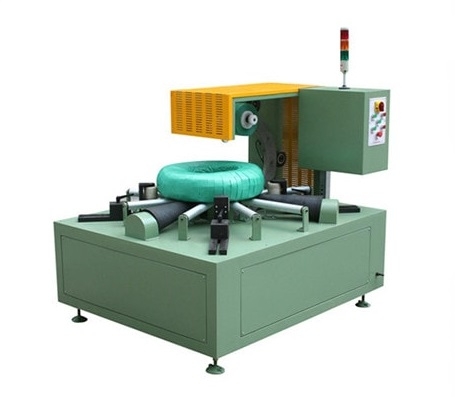
Can a Coil Wrapping Machine Connect to an Existing Conveyor System?
Learn how coil wrapping machines integrate with existing conveyor systems. Discover the key requirements for mechanical connection, control communication, safety coordination, and production flow to ensure reliable coil transfer, smooth operation, and efficient packaging line performance.

Can the Machine Connect to an Existing Conveyor?
A wrapping machine can sometimes connect to an existing conveyor, but a conveyor height match alone does not prove integration. The real question is whether the two systems can transfer the coil safely, keep it correctly supported, exchange control signals, and recover from a stop or fault without creating a new risk or bottleneck.
Treat the wrapper and conveyor as two parts of one material-flow sequence. Start with the coil state at the handoff, not with the available floor space.
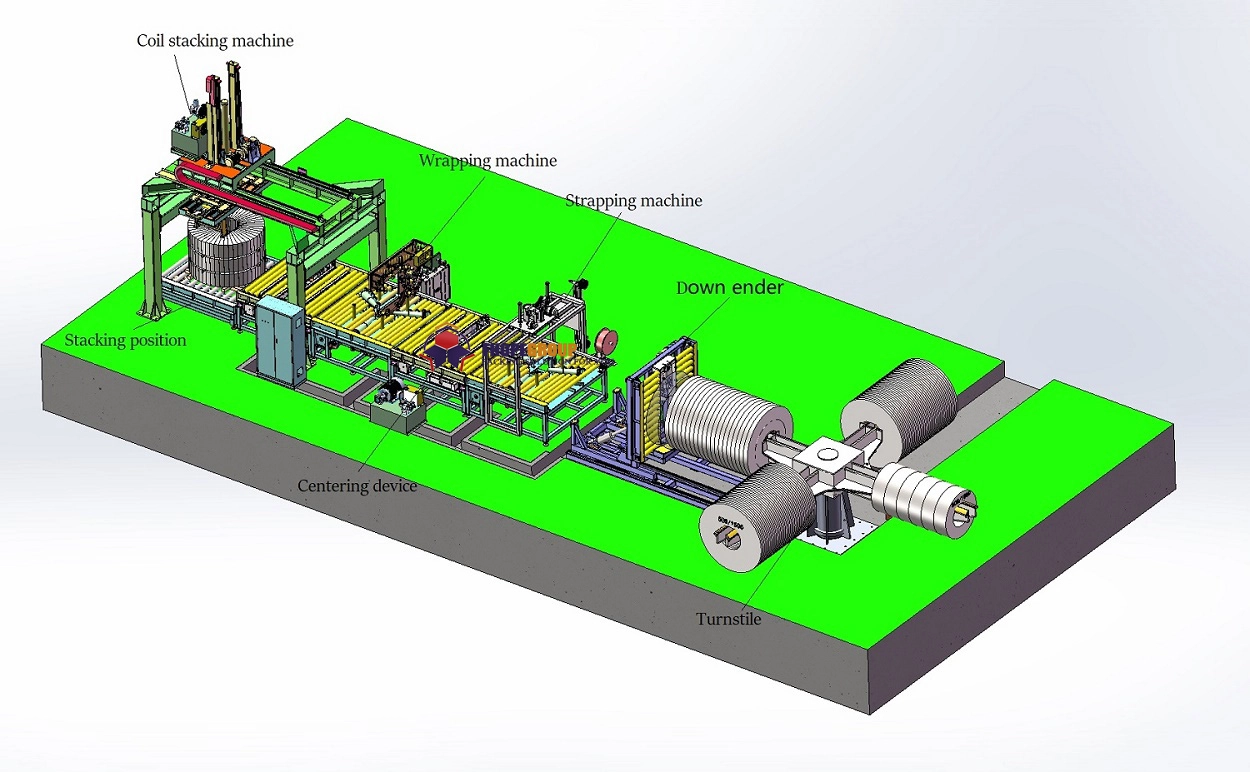
First, Map the Coil State at Every Handoff
For each transfer point, record:
- Coil orientation, support method, and permitted contact surfaces
- Elevation, centerline, approach direction, and clearance
- Transfer method and who commands it
- Coil-present, clear-to-transfer, stop, and fault conditions
- What happens when the next station is unavailable
- Who can safely intervene and under what approved procedure
This turns "connect to our conveyor" into a testable request. It also reveals whether an extra buffer, centering step, orientation change, or manual handoff is required.
Check Four Interface Families
- Mechanical Interface: Compare the conveyor support surface, coil stability, transfer gap, alignment, elevation, and access for installation and maintenance. A drawing should show the normal path and the least favorable product condition, not only a clean centerline view.
- Controls Interface: Agree the sequence ownership: which system gives permission to send, receives ready/fault status, manages accumulation, and handles a restart. Define signal names, communication method, timing assumptions, and responsibility for changes. Do not assume two PLC systems will communicate without a written interface definition.
- Safety Interface: Identify guarding boundaries, emergency-stop behavior, access zones, energy isolation responsibility, and recovery authority. Local requirements and the installed machine documentation govern this review; a general article cannot certify the result.
- Production Interface: Confirm whether the existing conveyor can supply and remove coils at the required pattern, including gaps, mixed sizes, planned stops, and downstream interruptions. Machine motion time is not the same as total line throughput.
The Documents That Make an Integration Review Useful
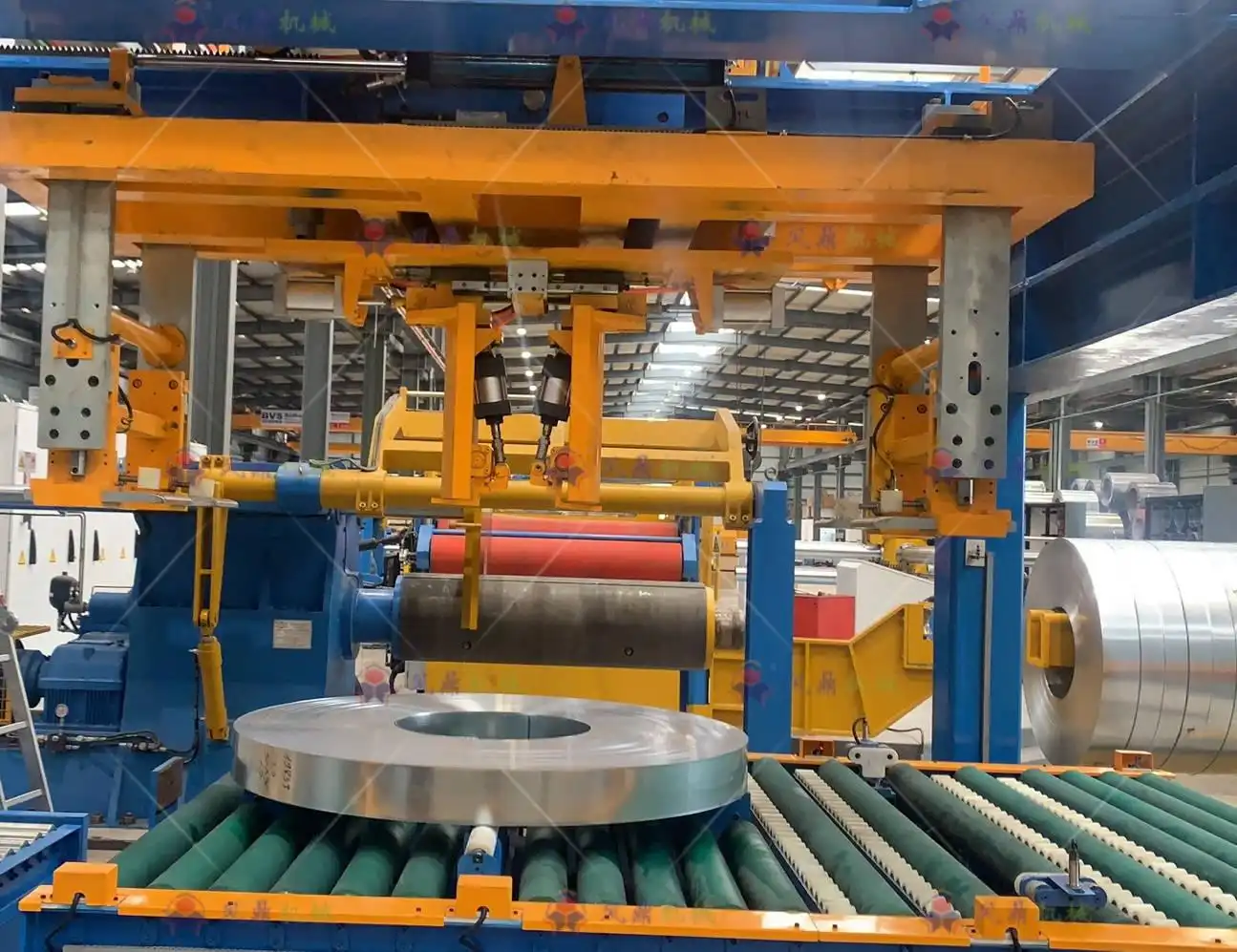
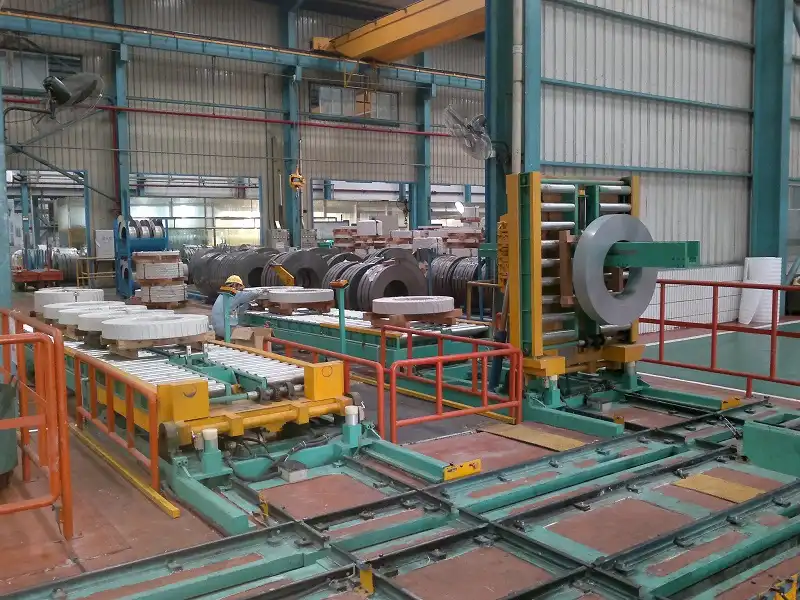
Send a current layout, elevations, conveyor drawings, coil range table, control architecture, I/O or interface list if available, safety boundary information, utilities, and a short description of normal and abnormal flow. Photos or video of the actual handoff are often as important as dimensions.
Acceptance Should Cover Failures, Not Only Smooth Running
Ask for acceptance criteria that include normal transfer, an unavailable downstream station, a misaligned or delayed coil, a planned stop, and restart after an approved recovery. The test should state product, configuration, method, observers, and pass/fail criteria.

Recommended Next Step
Request an interface review, not a blanket compatibility promise. The outcome should be a marked-up layout, interface-responsibility list, open-risk list, and acceptance-test outline.
This is a general integration assessment guide. For project-specific evaluation, please request an interface review.
Visual Details

Click to enlarge

Click to enlarge
Click to enlarge
Click to enlarge
Watch How It Works
Discover how our automated packaging solutions optimize your production line efficiency. This video demonstrates the seamless operation designed for maximum protection.
Trusted by Steel Mills & Industry Leaders
Global manufacturers rely on FHOPE heavy duty packaging equipment


Ready to optimize your packaging line?
Get a custom quote with ROI analysis. Our engineers respond within 24 hours.
- Free layout design
- Global installation support
- 2-year warranty included
Your information is secure and will never be shared.
Related Machines
Steel Coil Packaging line
View Details →
Vertical coil packaging line
View Details →
Hose Coil Packaging line
View Details →
Copper Coil Packaging line
View Details →
Wire Coil Packaging line
View Details →
Panel Packaging line
View Details →
Pipe Bagging Machine
View Details →
Aluminum profile packing line
View Details →
FHOPE Automatic pipe tube bundling&strapping line
View Details →
Automatic pipe tube bundling & strapping line
View Details →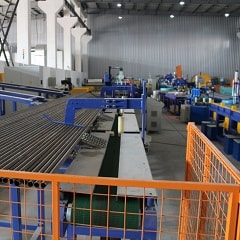
Automatic steel tube strapping machine
View Details →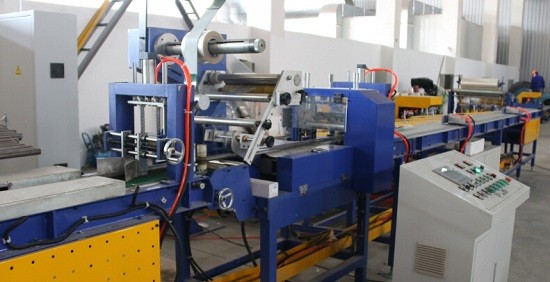
FHOPE Automatic steel tube packing machine
View Details →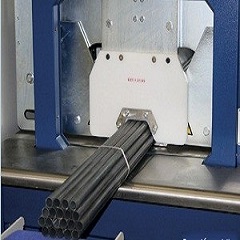
Automatic plastic Pipe strapping packing line
View Details →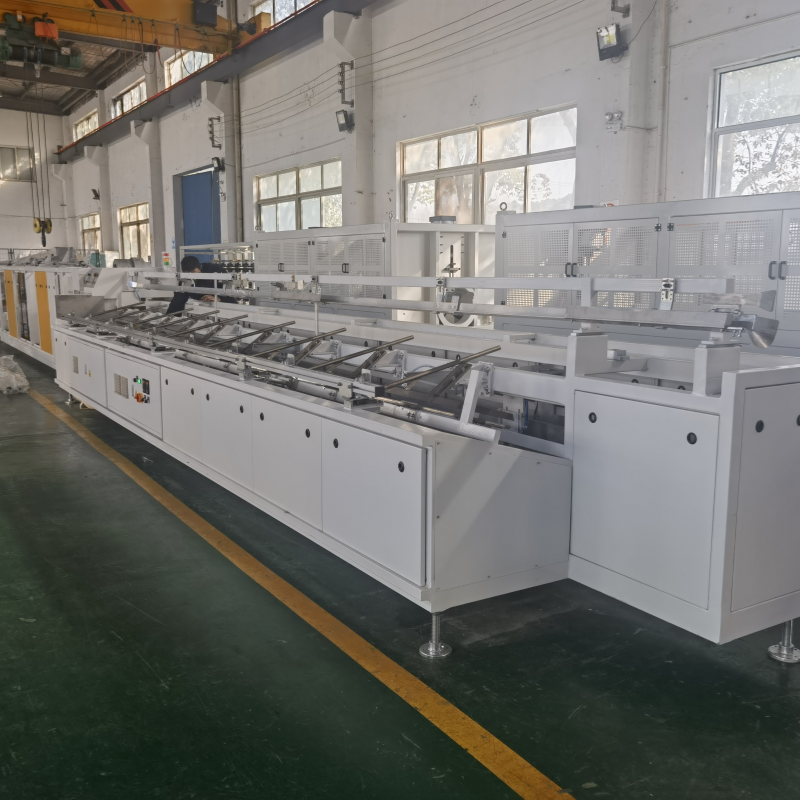
Automatic PPR/PVC Pipe bagging line
View Details →
Platsic pipe bag packing machine
View Details →
Tyre Packing Machine FPT-200
View Details →
Tyre Packing Machine FPT-300
View Details →
Tyre Packing Machine FPT-400
View Details →
Cable Coil Packing Machine-FPCA100
View Details →