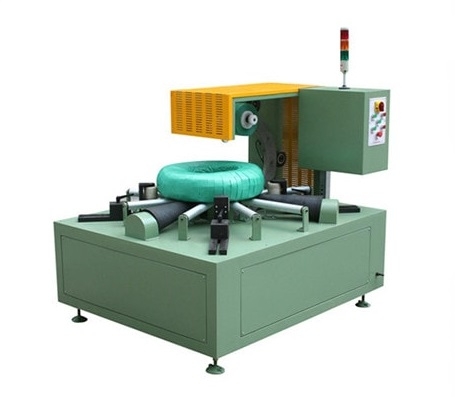
Automatic Film Clamping and Tail Securing Systems for Steel Coil Wrapping Machines
Steel coil packaging quality depends on more than wrapping coverage. Explore how automatic clamping, cutting, and tail securing systems affect package integrity, material handling, and production acceptance through controlled testing, inspection standards, and machine-specific verification.

Automatic Film Clamping, Cutting,and Tail Securing in Steel Coil Wrapping
Automatic Film Clamping, Cutting, and Tail Securing in Steel Coil Wrapping
Coverage is not the same as a completed package. The final tail may be loose, exposed, or unable to withstand the next handling step even when the wrapped surface looks acceptable. Treat the end of a cycle as its own engineering and inspection boundary.
Separate the Three Actions Before Comparing a Machine
Clamping holds material at a defined point. Cutting separates the package material from its supply. Tail securing leaves the final end in the approved condition. A machine may combine these actions or use a different sequence; the actual mechanism, sensors and safeguards must come from the model-specific drawings and manuals.
The useful specification is therefore not "automatic cutting." It is the material, coil condition, end-of-cycle sequence, accepted tail condition, inspection method, abnormal-state treatment and responsible owner.
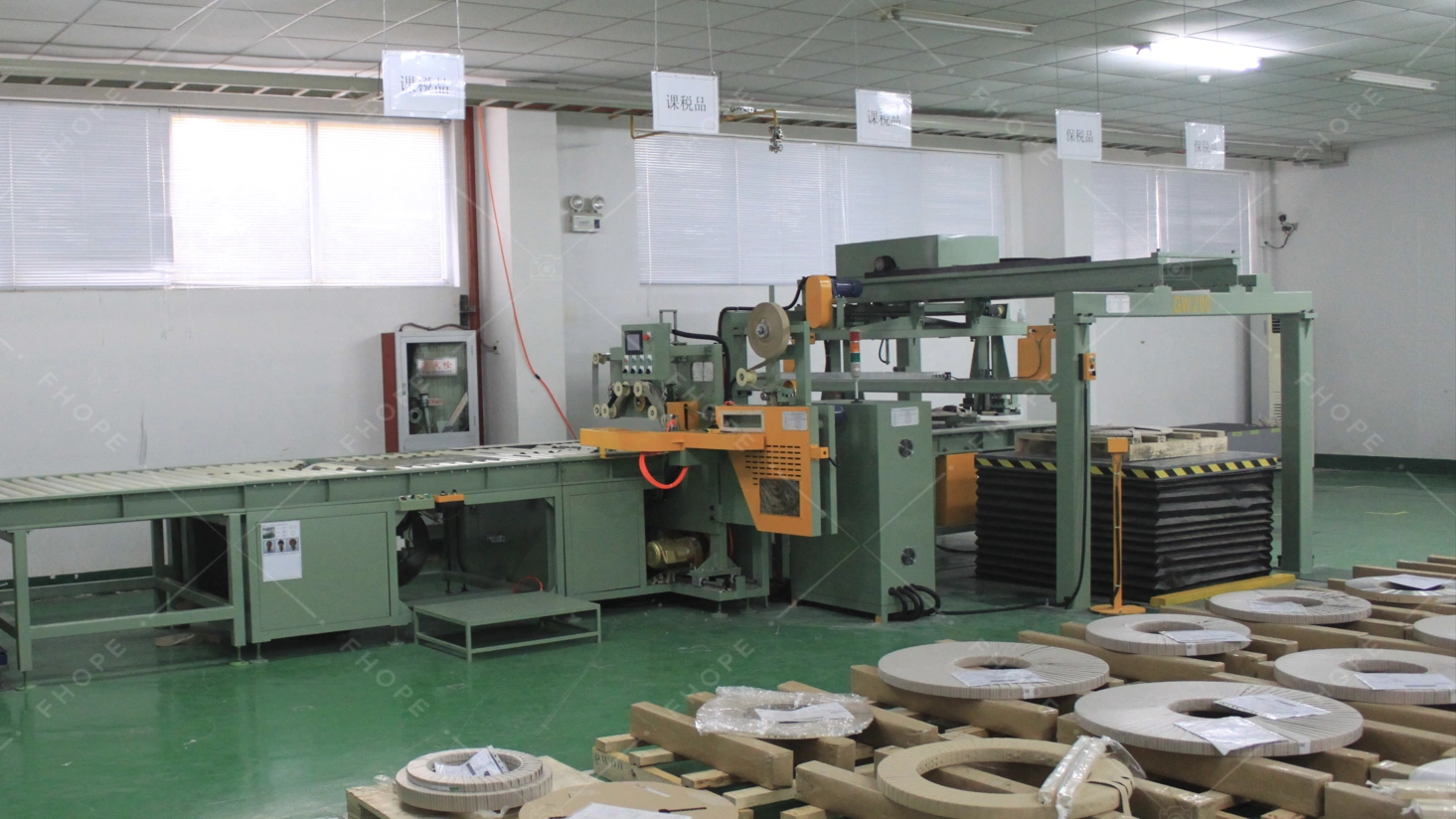
Make Material Compatibility a Trial Question
Film, paper and composite materials can behave differently at the same end-of-cycle station. Record material specification and batch where relevant, coil condition, machine configuration, material path, recipe revision, sample, inspection method and result. A supplier name or material family is not proof of a secure tail.

Inspect a Package in the Condition It Will Face
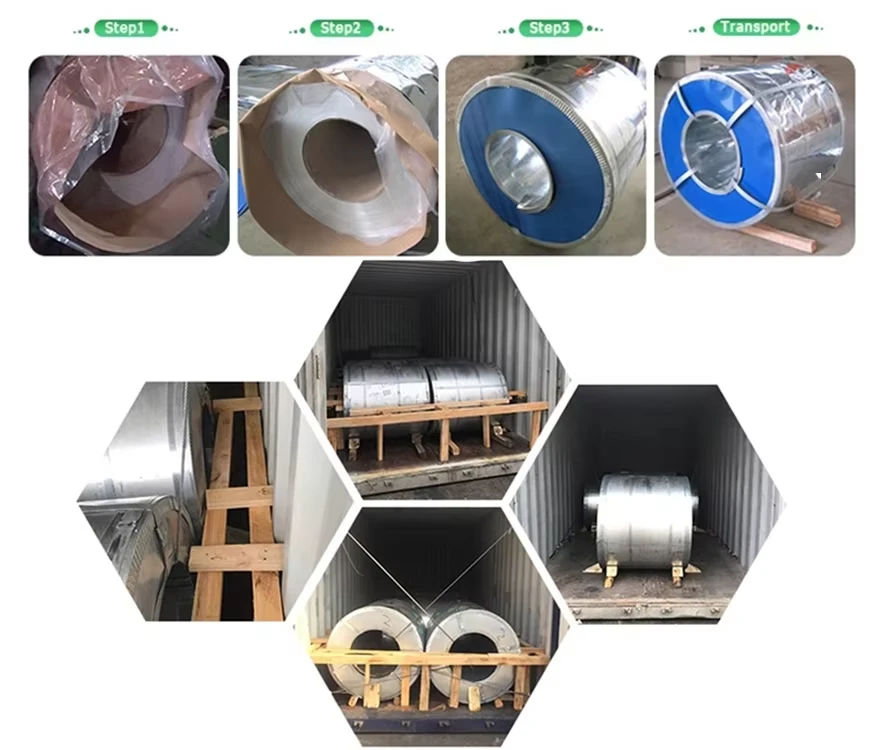
Define what is inspected: tail attachment, loose remnant, exposed edge, package damage and any project-specific handling requirement. Compare the package at the required stage, not only while it remains stationary at the wrapper. If the criterion includes transport or corrosion protection, add the applicable approved test rather than accepting visual appearance as a substitute.
Define Failure Before It Occurs
If clamping, cutting or securing does not complete, the approved project controls must specify the safe state, partial-package identification, permitted intervention, rework/rejection decision and escalation route. This page does not authorise a recovery method.
A Practical Next Step
Require a FAT/SAT line item for the end-of-cycle function: representative material, normal sequence, agreed inspection, applicable exception evidence, record format and disposition. That turns a feature claim into a reviewable package outcome.
Visual Details

Click to enlarge

Click to enlarge

Click to enlarge

Click to enlarge
Watch How It Works
Discover how our automated packaging solutions optimize your production line efficiency. This video demonstrates the seamless operation designed for maximum protection.
Trusted by Steel Mills & Industry Leaders
Global manufacturers rely on FHOPE heavy duty packaging equipment


Ready to optimize your packaging line?
Get a custom quote with ROI analysis. Our engineers respond within 24 hours.
- Free layout design
- Global installation support
- 2-year warranty included
Your information is secure and will never be shared.
Related Machines
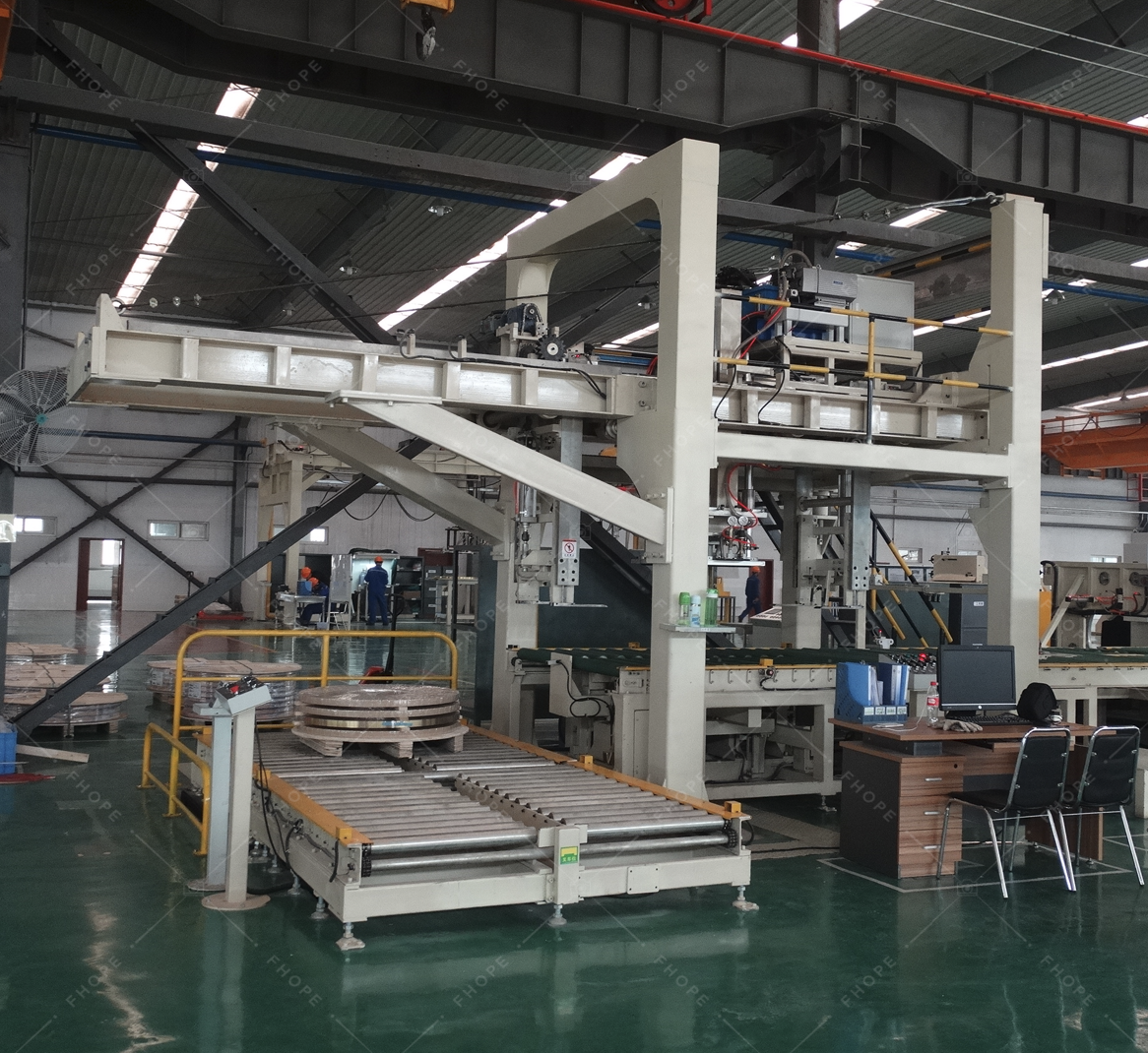
Steel Coil Packaging line
View Details →
Vertical coil packaging line
View Details →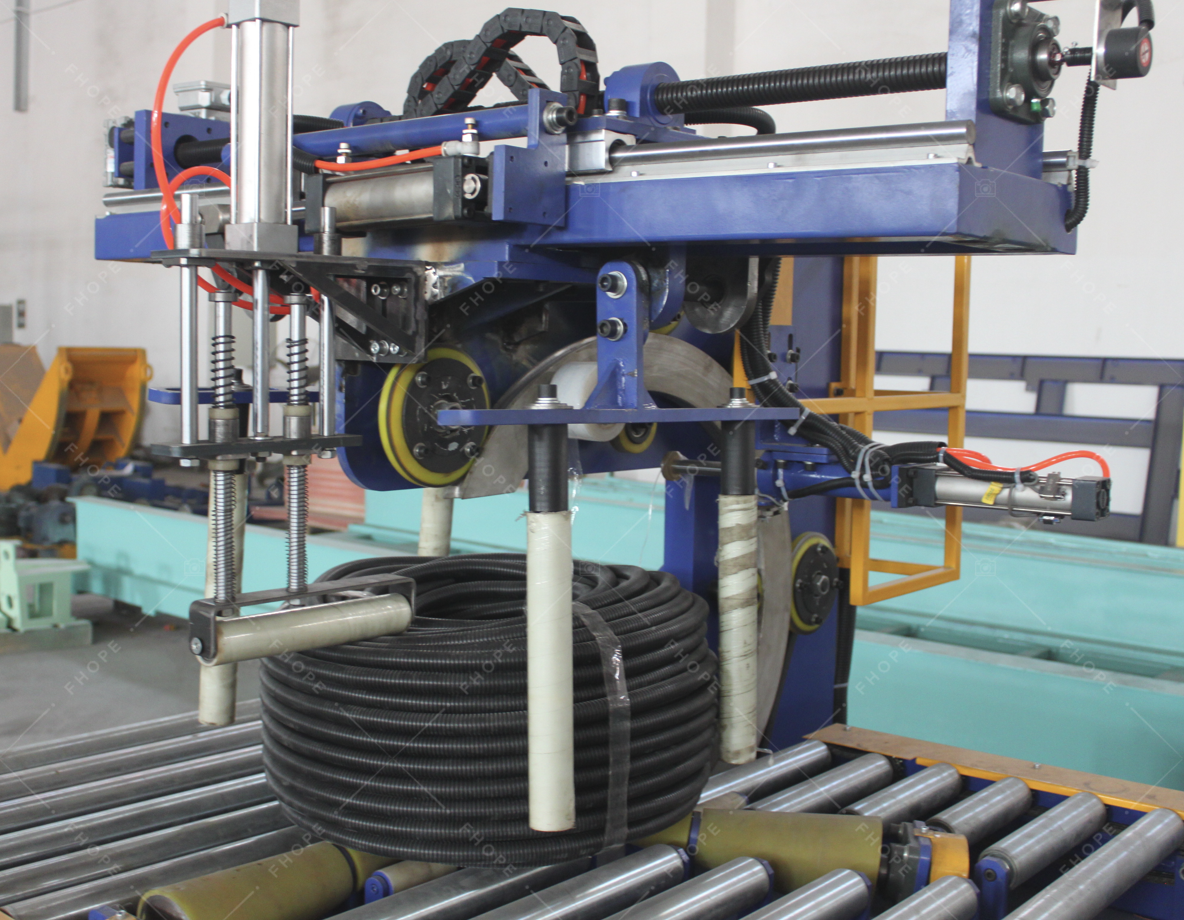
Hose Coil Packaging line
View Details →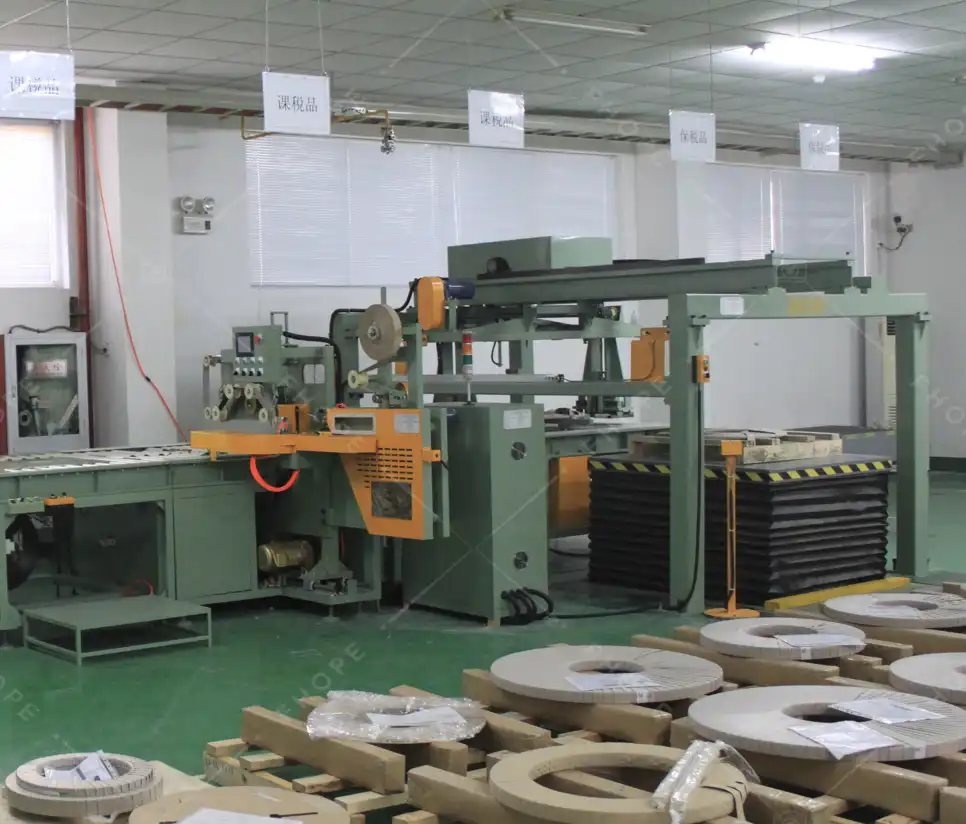
Copper Coil Packaging line
View Details →
Wire Coil Packaging line
View Details →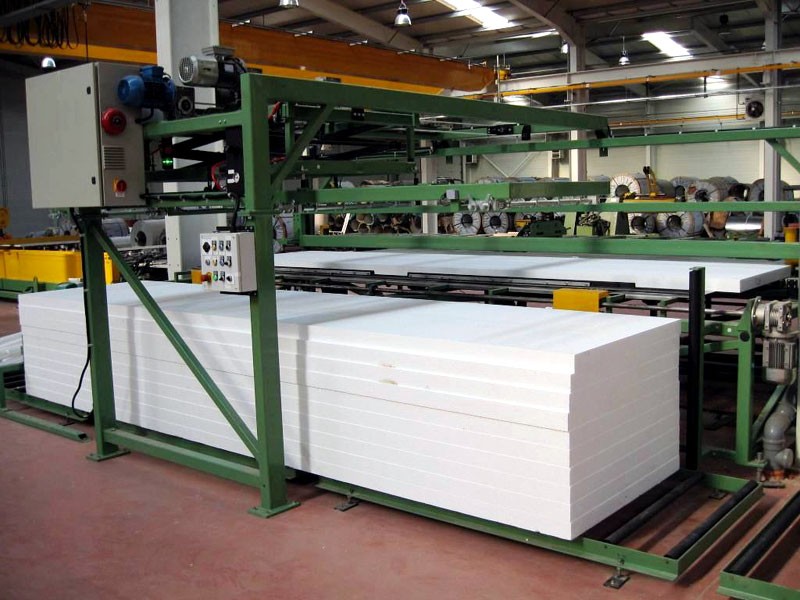
Panel Packaging line
View Details →
Pipe Bagging Machine
View Details →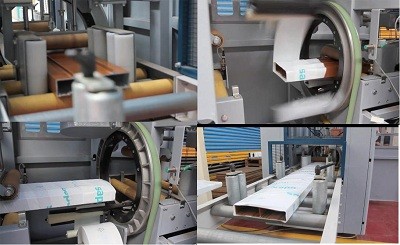
Aluminum profile packing line
View Details →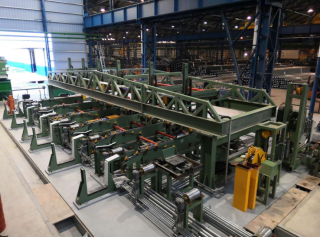
FHOPE Automatic pipe tube bundling&strapping line
View Details →
Automatic pipe tube bundling & strapping line
View Details →
Automatic steel tube strapping machine
View Details →
FHOPE Automatic steel tube packing machine
View Details →
Automatic plastic Pipe strapping packing line
View Details →
Automatic PPR/PVC Pipe bagging line
View Details →
Platsic pipe bag packing machine
View Details →
Tyre Packing Machine FPT-200
View Details →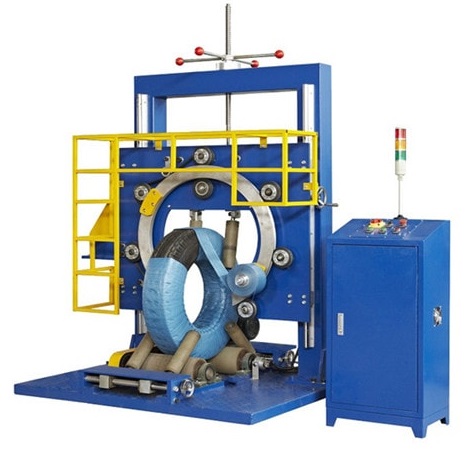
Tyre Packing Machine FPT-300
View Details →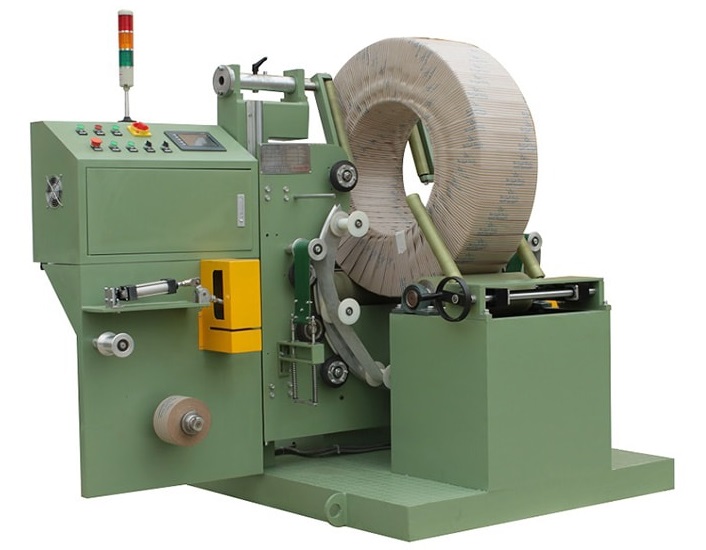
Tyre Packing Machine FPT-400
View Details →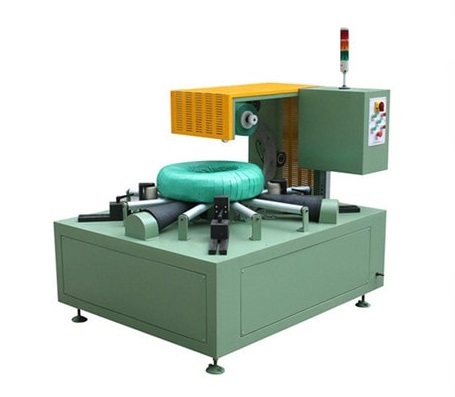
Cable Coil Packing Machine-FPCA100
View Details →