Troubleshooting Coil Wrapping Machines
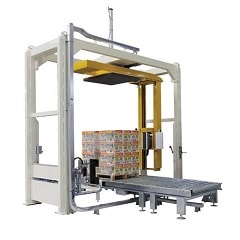
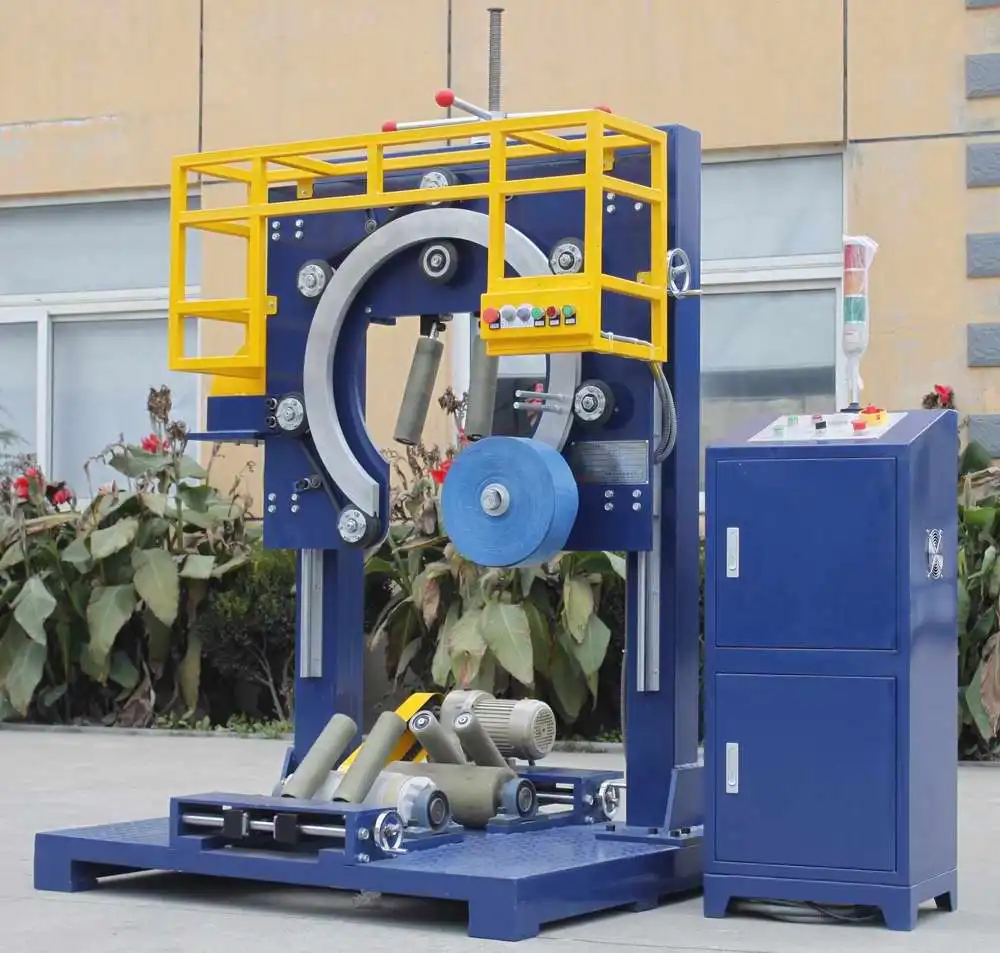
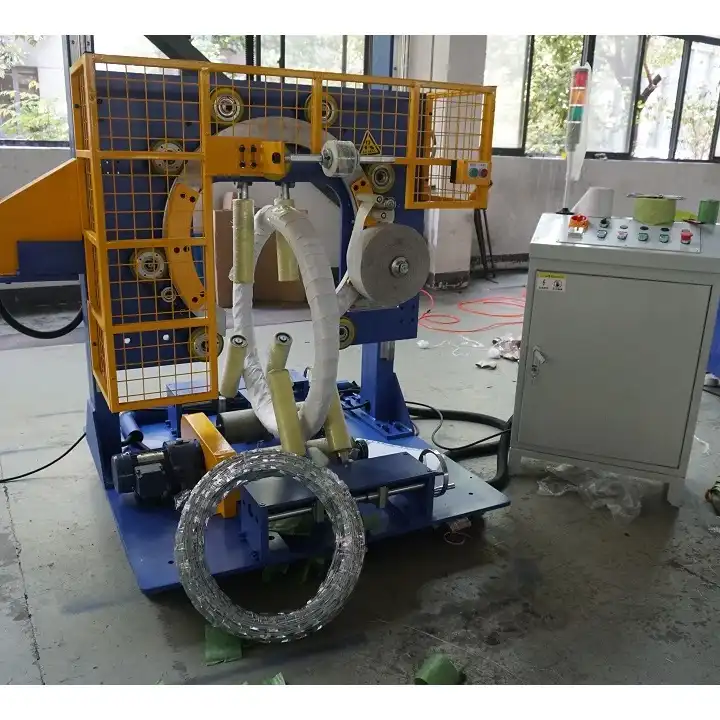
Troubleshooting coil wrapping machines involves identifying and resolving common issues such as uneven wrapping, material jams, or mechanical malfunctions. Regular maintenance, proper operator training, and timely replacement of worn parts can minimize downtime. Understanding the machine's operation and following manufacturer guidelines ensures efficient performance and prolonged equipment lifespa
Troubleshooting Coil Wrapping Machines
Troubleshooting Coil Wrapping Machines
Efficiently troubleshooting coil wrapping machines requires a systematic approach to identify and resolve issues. Addressing problems promptly minimizes downtime, enhances productivity, and ensures long-term reliability. Below are detailed steps and solutions for common challenges faced by operators.
1. Identifying the Problem
A clear understanding of the root cause is crucial for effective troubleshooting. Here’s how you can identify problems efficiently:
-
Conducting Regular InspectionsFrequent inspections are the first step in identifying potential issues. Examine machine components like rollers, belts, sensors, and wrapping materials for visible wear and tear. Pay attention to unusual noises, uneven wrapping, or machine vibrations, as these may indicate underlying mechanical problems.
-
Using Diagnostic ToolsAdvanced diagnostic tools and software are invaluable in pinpointing specific issues. Many modern coil wrapping machines come equipped with built-in diagnostic systems that alert operators to malfunctions. For older machines, portable diagnostic tools like multimeters, thermal imaging cameras, and alignment gauges can help detect electrical, thermal, and mechanical anomalies.

2. Solutions for Mechanical Failures
Mechanical problems are often the most common issues with coil wrapping machines. Addressing these quickly is key to keeping operations running smoothly.
-
Lubrication and RealignmentProper lubrication reduces friction and prevents excessive wear on moving parts such as rollers, bearings, and gears. Misaligned rollers can cause uneven wrapping or coil damage. Regularly check roller alignment and make necessary adjustments to maintain optimal performance.
-
Replacing Worn-Out PartsOver time, components such as belts, rollers, and gears wear out. Proactively replacing these parts before they fail completely ensures uninterrupted operation. Keep a stock of essential spare parts to minimize downtime.
3. Fixing Electrical Issues
Electrical failures can disrupt the wrapping process and often require immediate attention.
-
Resetting Sensors and Recalibrating SystemsMalfunctioning sensors may fail to detect coil dimensions or position accurately, leading to errors. Resetting sensors and recalibrating the system often resolves these issues. Follow the manufacturer’s instructions for proper sensor alignment and calibration.
-
Professional RepairsComplex electrical problems, such as circuit board failures or unresponsive control panels, require professional intervention. Always consult certified technicians to handle intricate repairs, as improper fixes can exacerbate the issue.
4. Addressing Wrapping Material Problems
The choice and handling of wrapping materials directly affect the performance of the machine and the quality of the final product.
-
Choosing High-Quality FilmsLow-quality wrapping materials can tear or stretch unevenly, compromising the integrity of the wrapping. Invest in high-quality films or wraps that are compatible with your machine’s specifications.
-
Adjusting Tension ControlsIncorrect tension settings can lead to loose or overly tight wrapping. Use the control panel to adjust film tension as per the product requirements, ensuring a secure and uniform wrap.
5.Maintenance Tips to Prevent Common Issues
Preventive maintenance is the most effective way to reduce machine downtime and prolong its lifespan. Here are actionable maintenance tips:
Routine Inspections
-
Checklist for Regular MaintenanceCreate a detailed maintenance checklist covering key components such as rollers, belts, gears, sensors, and wrapping material feeds. Regularly inspect for signs of wear, alignment issues, or loose connections.
-
Importance of Preventive MeasuresPreventive maintenance not only reduces the likelihood of sudden breakdowns but also improves the machine’s overall efficiency. Schedule routine maintenance sessions to identify and address minor issues before they escalate.
6.Proper Cleaning
-
Cleaning Machine ComponentsDust, debris, and material residue can accumulate on machine components, hindering their performance. Clean rollers, sensors, and other parts using appropriate cleaning agents and tools recommended by the manufacturer.
-
Avoiding Dust and Debris BuildupKeep the workspace clean and free from dust to prevent debris from entering the machine. Install protective covers or enclosures for sensitive components like sensors and electrical circuits.
7.Staff Training
-
Importance of Skilled OperatorsWell-trained operators are less likely to make errors, ensuring smoother operations. A skilled operator can also identify potential issues early and take corrective actions before significant damage occurs.
-
Training Programs and CertificationsProvide comprehensive training programs for your team, focusing on machine operation, maintenance, and troubleshooting. Encourage operators to obtain certifications that validate their expertise and enhance their skill set.
Upgrading and Modernizing Coil Wrapping Machines
Investing in upgrades and modern technology can transform the efficiency and reliability of coil wrapping machines, ensuring they remain competitive in evolving industrial landscapes.
Why Upgrade?
-
Benefits of Modern TechnologyUpgraded machines incorporate advanced technologies such as IoT-enabled sensors, automated controls, and real-time monitoring. These features enhance accuracy, reduce human intervention, and improve overall efficiency.
-
Improved Efficiency and PerformanceModern machines are faster, more energy-efficient, and capable of handling complex tasks with greater precision. Upgrading reduces downtime and boosts productivity.
Choosing the Right Upgrades
-
Smart Sensors and AutomationAdd smart sensors for real-time monitoring and feedback. Automation can further streamline operations, minimizing errors and improving consistency.
-
Energy-Efficient ComponentsReplacing older, energy-intensive components with modern, energy-efficient alternatives reduces operational costs and aligns with sustainability goals.
Costs vs. Benefits
-
ROI of Upgrading MachinesWhile upgrading involves initial costs, the return on investment (ROI) is significant. Improved productivity, reduced maintenance costs, and higher product quality offset the expenditure over time.
-
Long-Term AdvantagesModernized machines are future-proof, capable of adapting to new materials and processes. They also require less frequent maintenance, further reducing operational expenses.
Visual Details

Click to enlarge

Click to enlarge
Click to enlarge

Click to enlarge
Watch How It Works
Discover how our automated packaging solutions optimize your production line efficiency. This video demonstrates the seamless operation designed for maximum protection.
Trusted by Steel Mills & Industry Leaders
Global manufacturers rely on FHOPE heavy duty packaging equipment


Ready to optimize your packaging line?
Get a custom quote with ROI analysis. Our engineers respond within 24 hours.
- Free layout design
- Global installation support
- 2-year warranty included
Your information is secure and will never be shared.
Related Machines
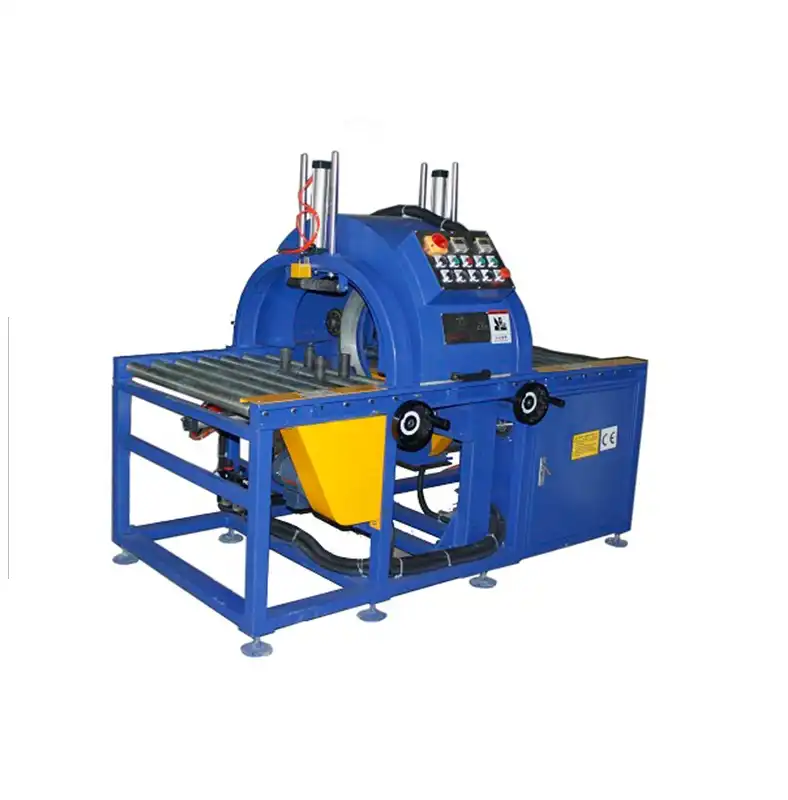
E100 Horizontal stretch wrapping machine
View Details →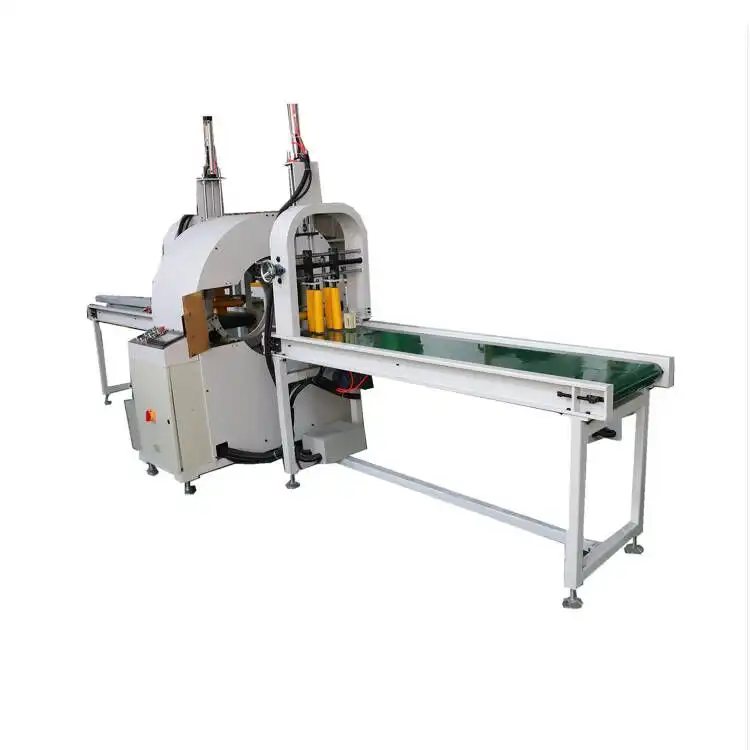
E200 Horizontal stretch wrapping machine
View Details →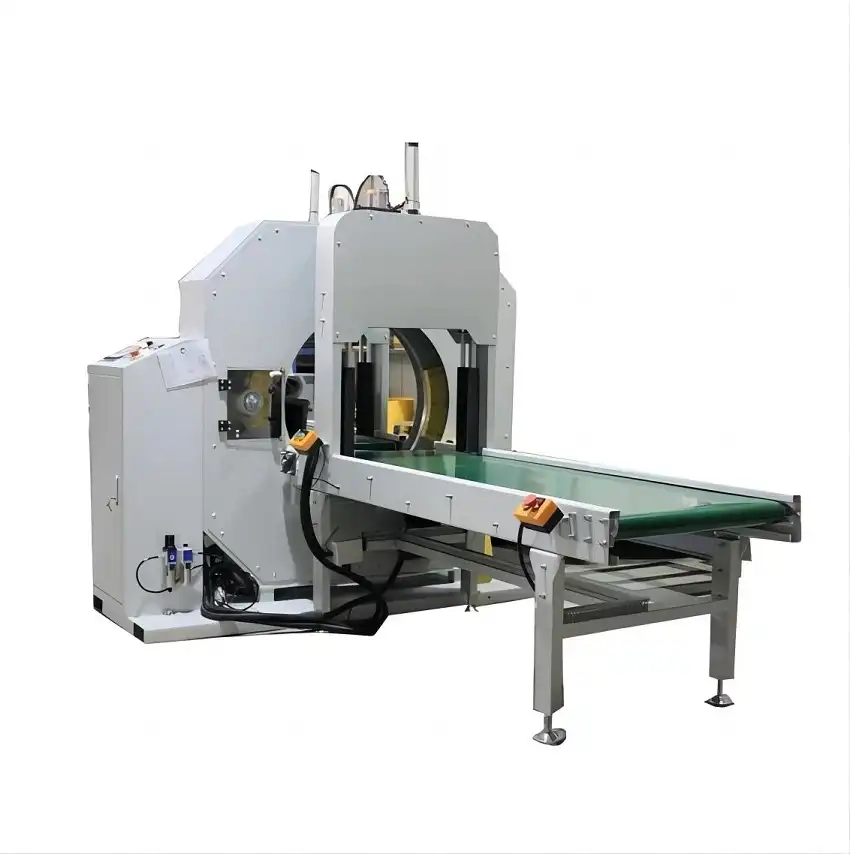
E300 Horizontal stretch wrapping machine
View Details →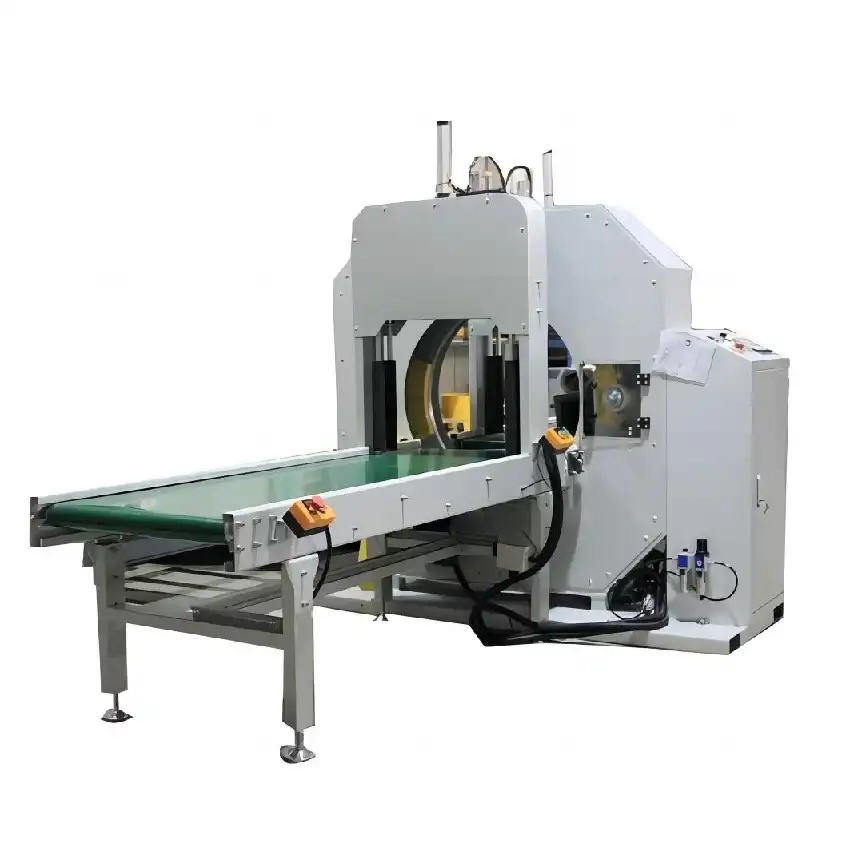
E400 Horizontal stretch wrapping machine
View Details →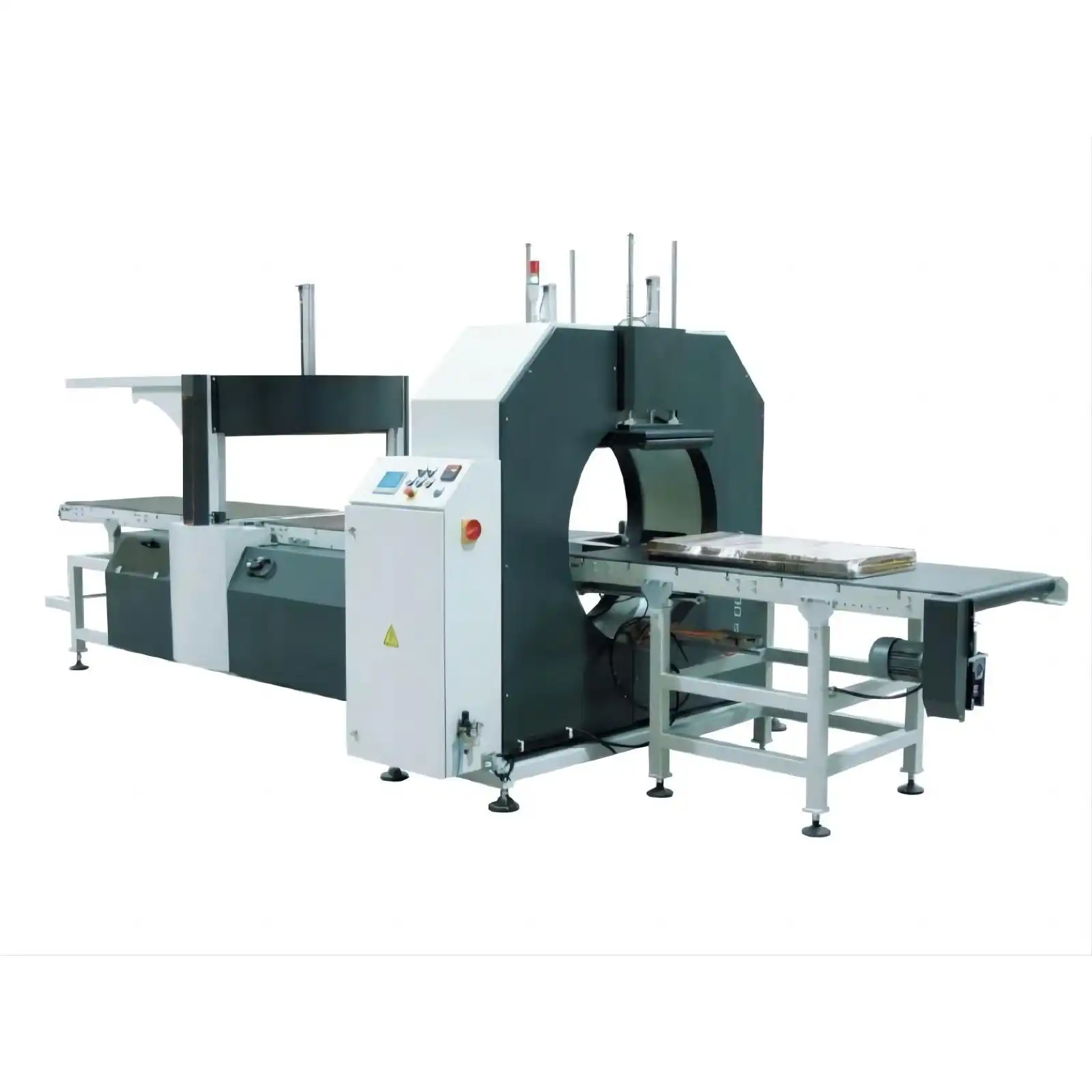
E500 horizontal wrapping machine&stretch wrapper
View Details →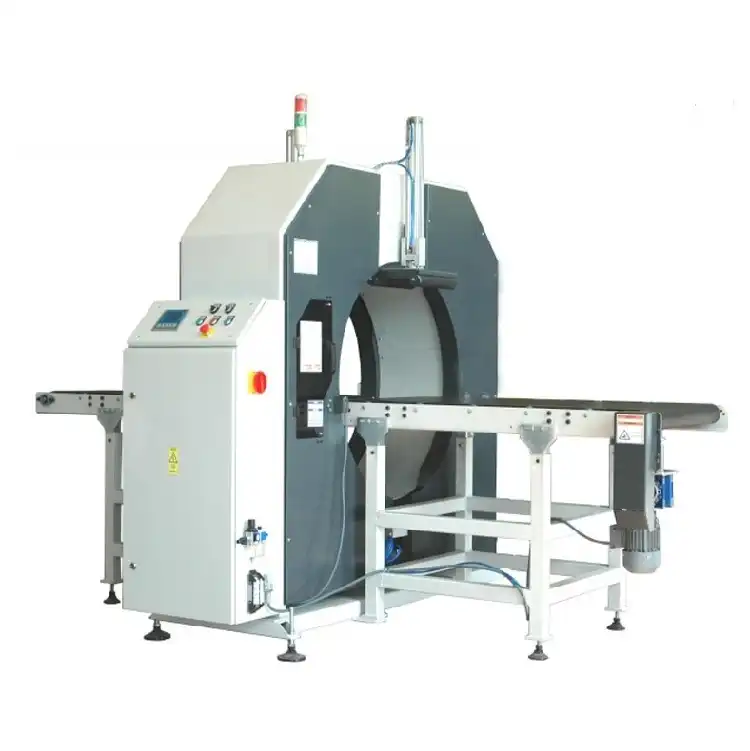
E600 Horizontal stretch wrapping machine
View Details →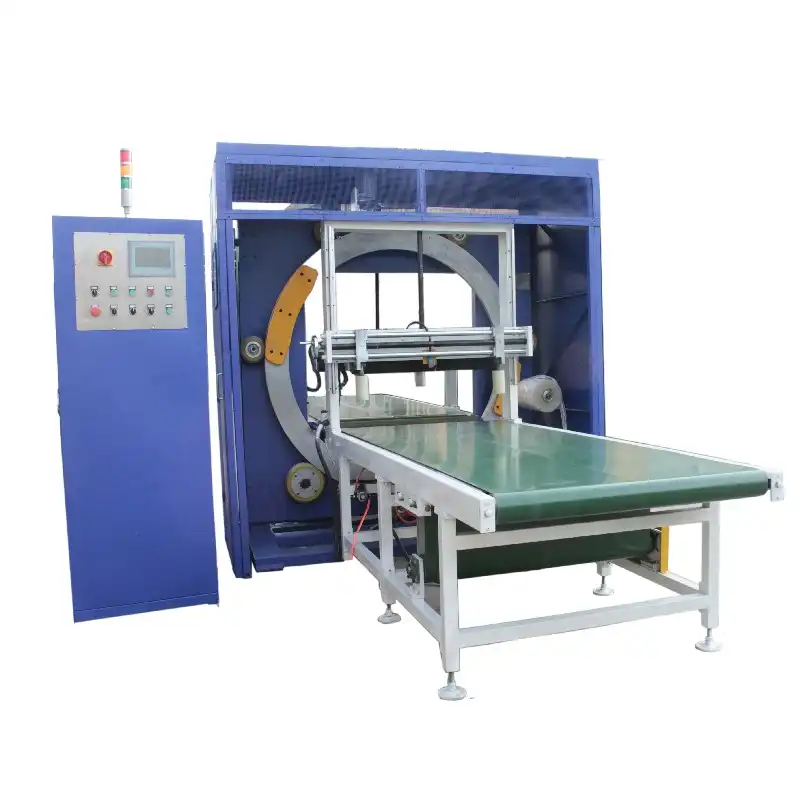
E1000 Horizontal stretch wrapping machine
View Details →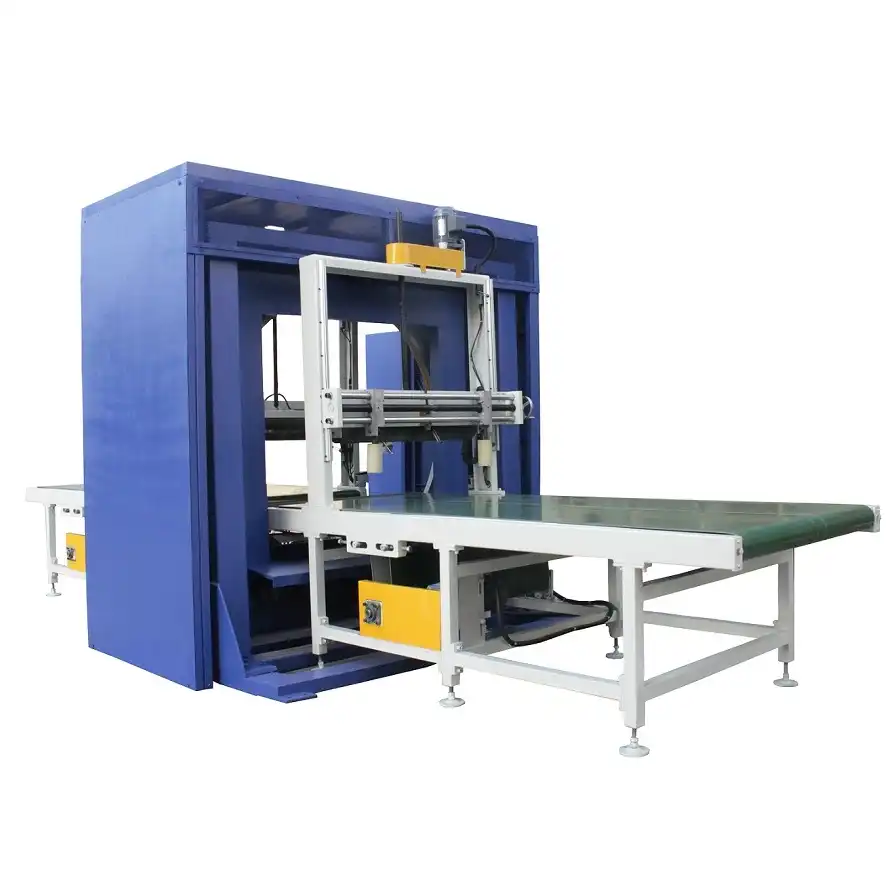
E1400 Horizontal stretch wrapping machine
View Details →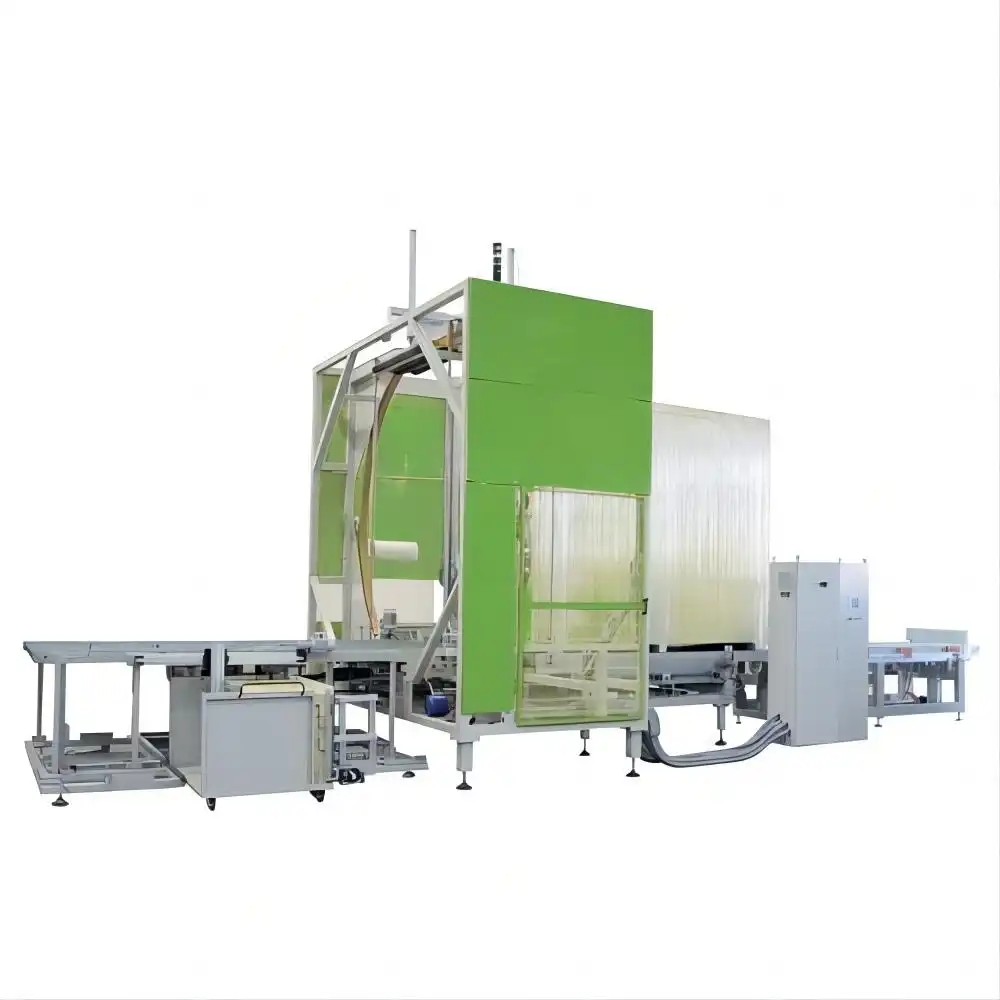
E2400 Horizontal stretch wrapping machine
View Details →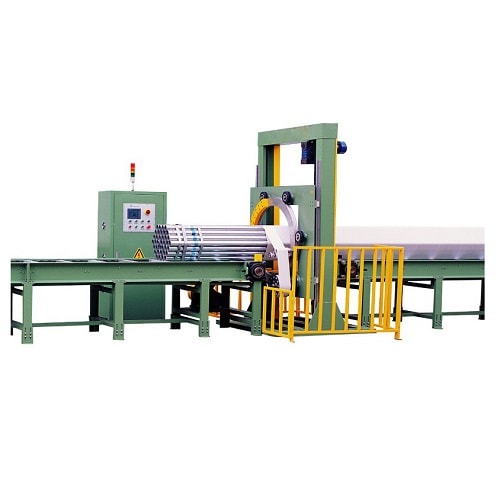
Pipe Horizontal Orbital Wrapping Machine
View Details →
Horizontal Orbital Wrapping Machine for rod and bar
View Details →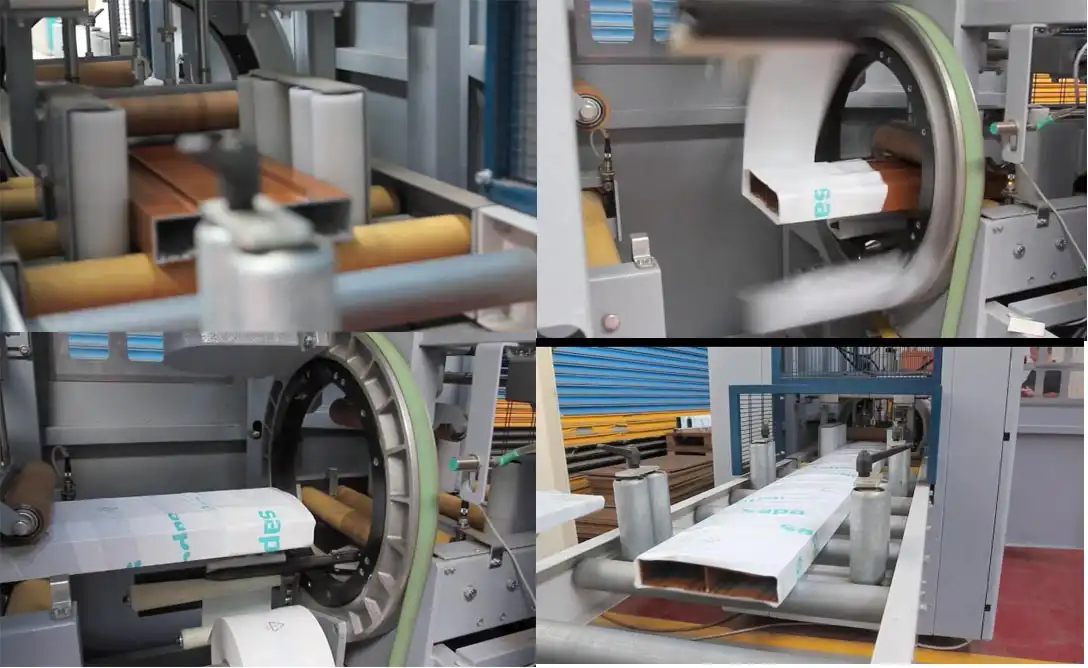
Aluminum Horizontal Orbital Wrapping Machine
View Details →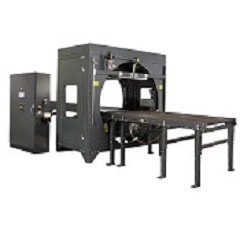
Profile Horizontal Orbital Wrapping Machine
View Details →
Horizontal Stretch Wrapping Machine for pallet
View Details →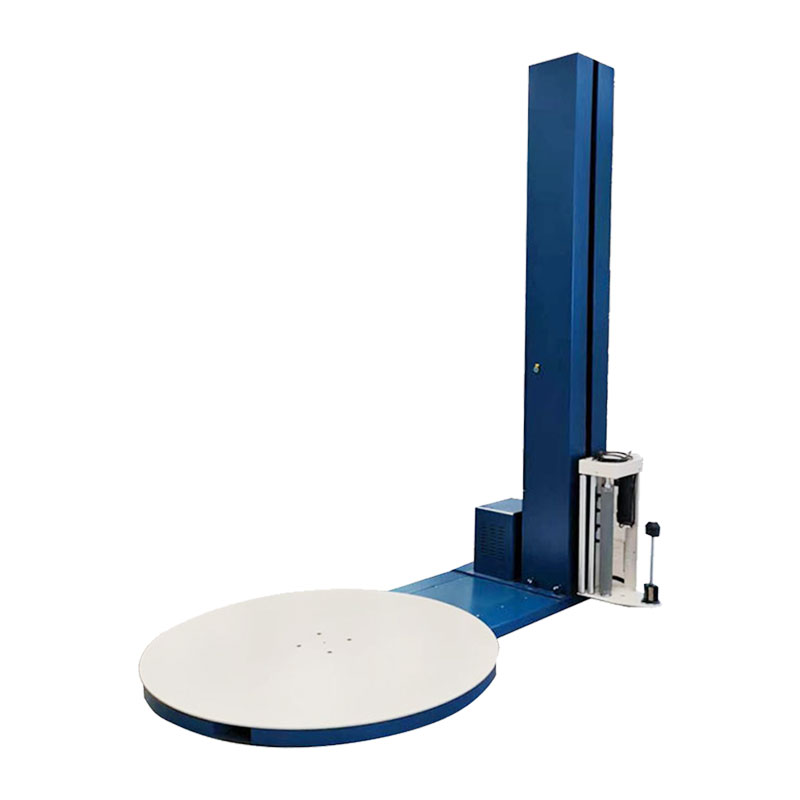
Pallet Stretch Wrapping Machine-A100
View Details →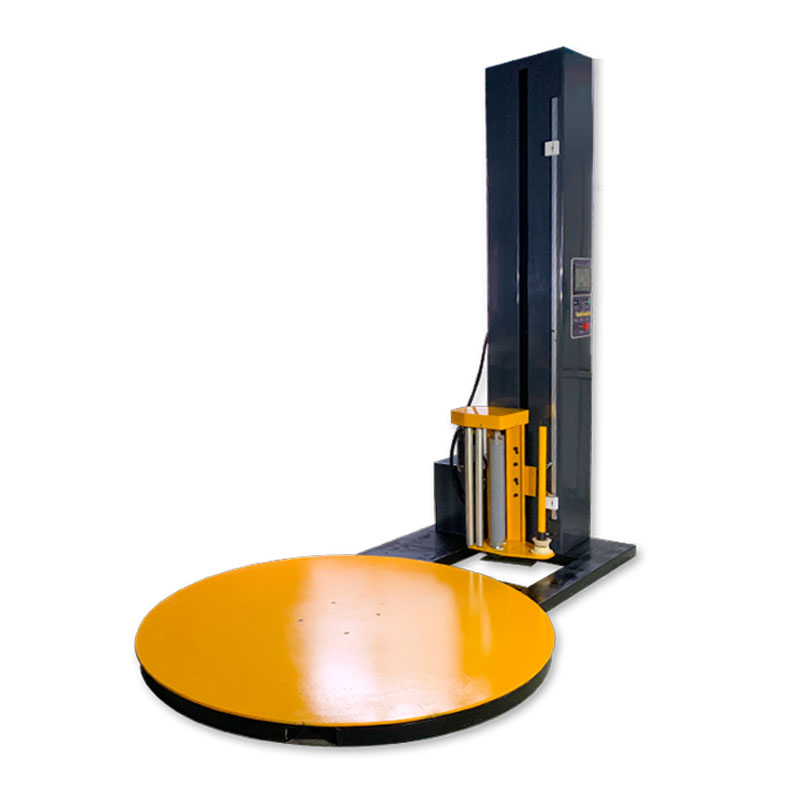
Pallet Stretch Wrapping Machine-A200
View Details →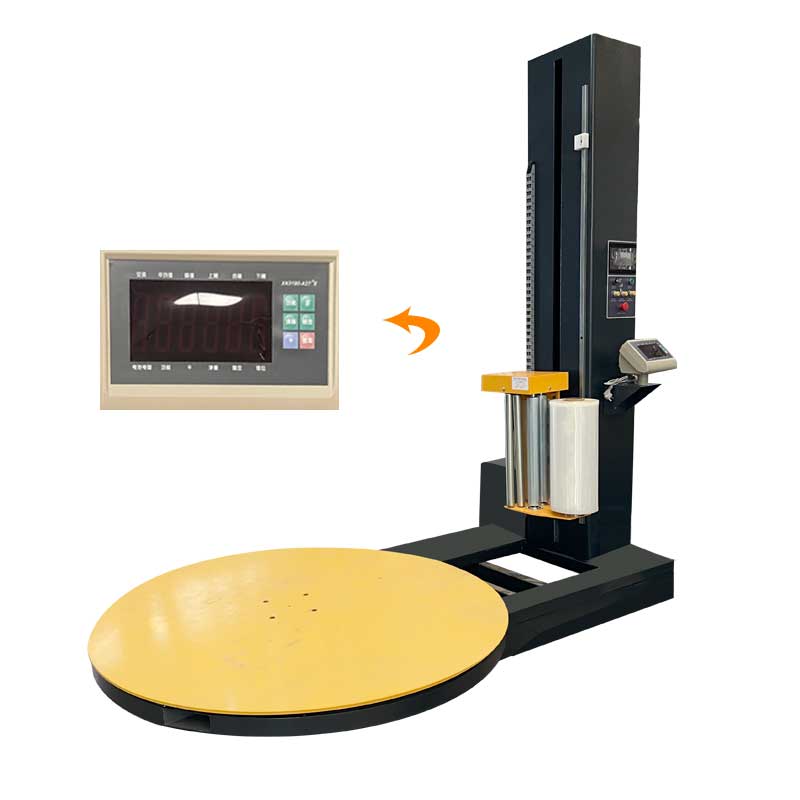
Pallet Stretch Wrapping Machine-A400
View Details →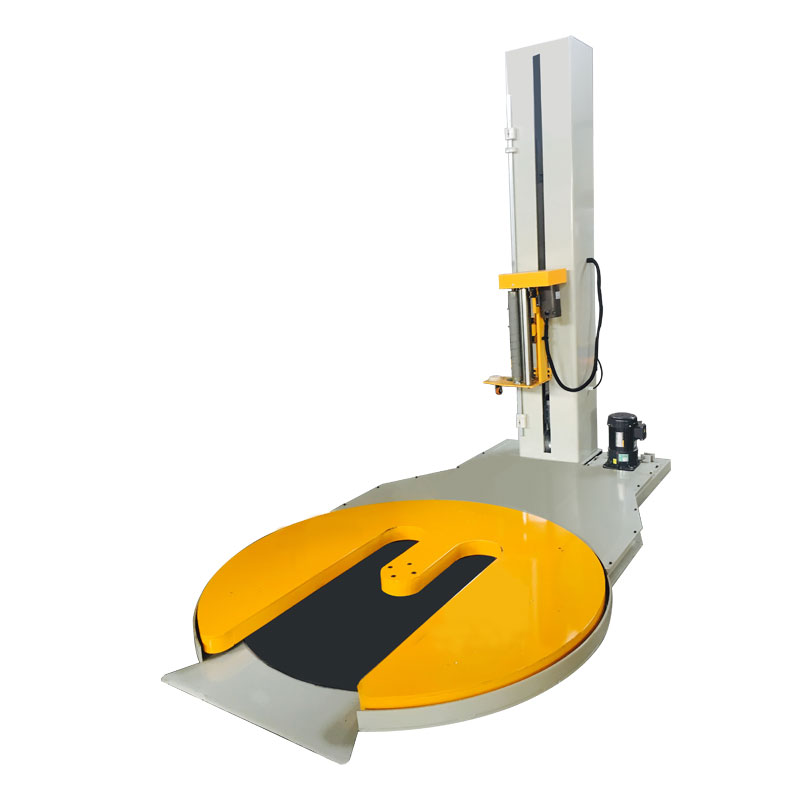
Pallet Stretch Wrapping Machine M-type
View Details →
Automatic Stretch Wrapping Machine B200
View Details →