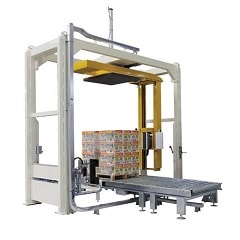
Door Packing Machine Price
A door packing machine streamlines the packaging process by securely wrapping doors with protective materials. Designed to enhance efficiency and minimize manual labor, it ensures doors remain safe during storage and transit. Prices depend on specifications, automation levels, and production capacity, catering to diverse business needs.
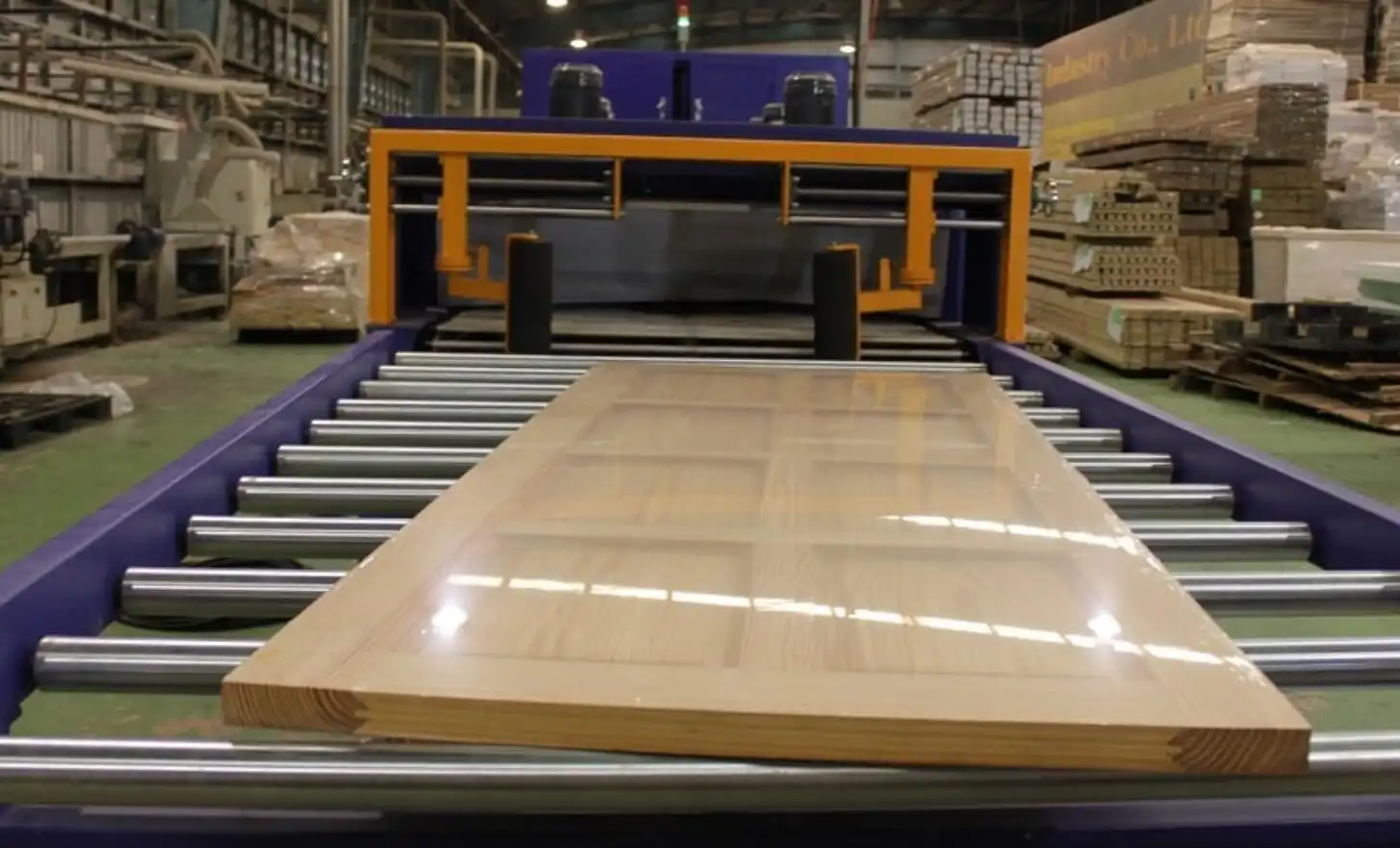
Door Packing Machine Price
Visual Details
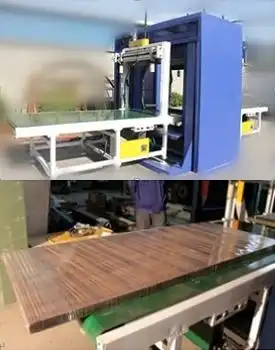
Click to enlarge
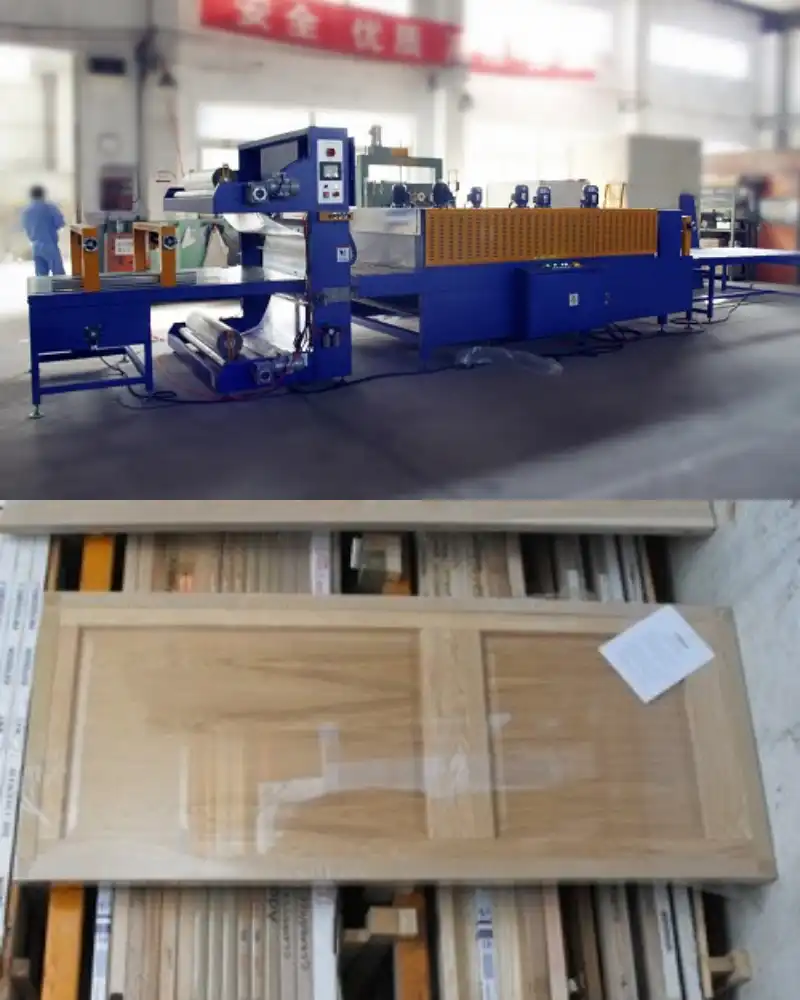
Click to enlarge
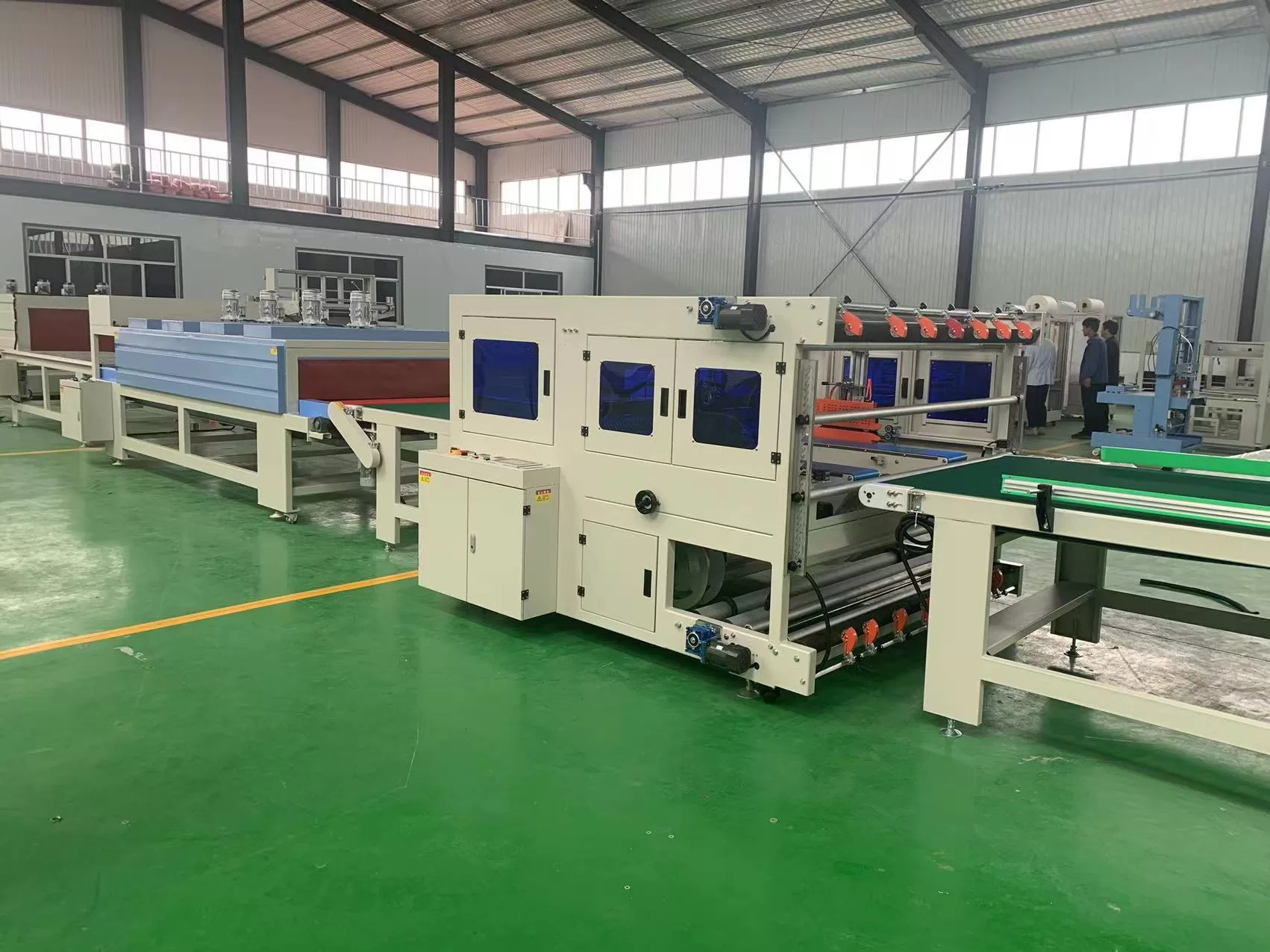
Click to enlarge
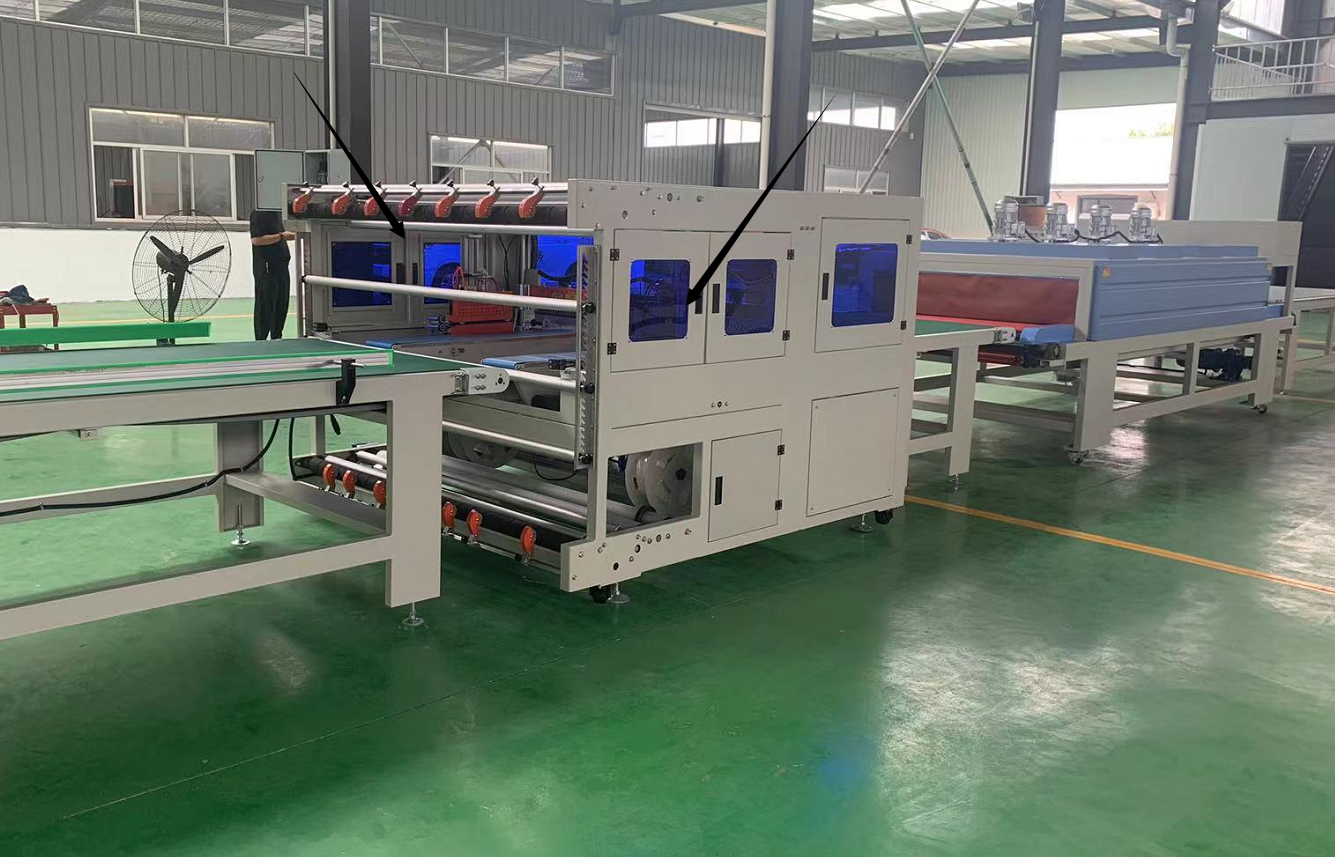
Click to enlarge
Watch How It Works
Discover how our automated packaging solutions optimize your production line efficiency. This video demonstrates the seamless operation designed for maximum protection.
Door Packing Machine Price
The importance of ensuring high-quality packaging for industrial doors cannot be overstated. For manufacturers, proper packaging guarantees product safety during transit and enhances customer satisfaction. However, when businesses explore door packing machines, the price often becomes a significant deciding factor. While there is no one-size-fits-all answer, it is essential to recognize that prices vary greatly depending on specifications, features, and the manufacturers’ brand reputation.
Understanding how the pricing of a door packing machine aligns with its functionality helps businesses make informed decisions. Whether you’re a small-scale enterprise looking to cut costs or a large manufacturer requiring high-speed automation, evaluating price versus performance is crucial.
This article delves into the core factors affecting door packing machine prices, exploring why they differ across models, how customizations impact cost, and what industries should prioritize when investing in these machines. For buyers, clarity in these areas can spell the difference between a smart investment and an unnecessary expenditure.
[Claim]: Choosing the right door packing machine is not just about price; it’s about balancing cost, efficiency, and long-term reliability to drive your operations forward.
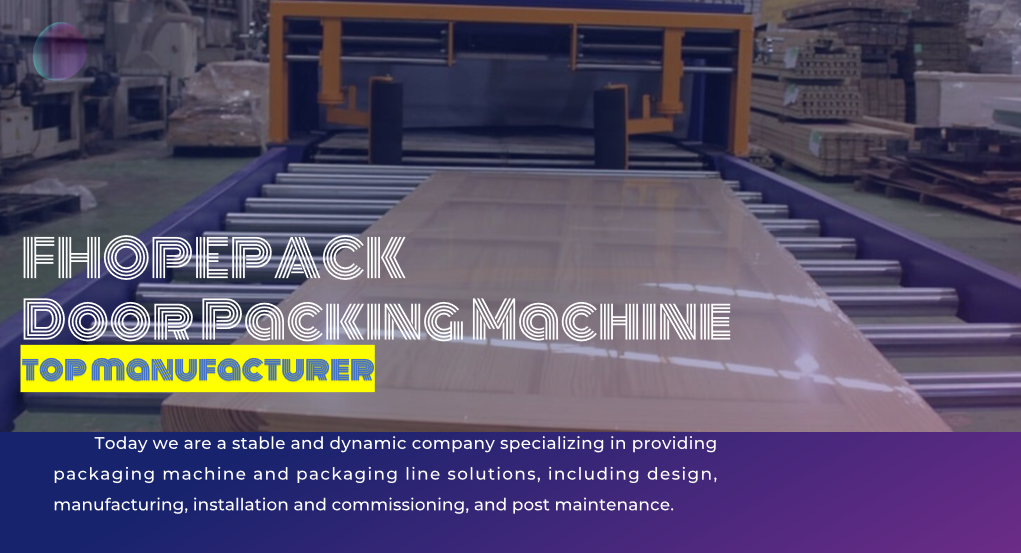
1. What Factors Influence Door Packing Machine Prices?
1.1 Machine Type and Features
The price of a door packing machine heavily depends on its type and included features. Machines range from semi-automatic models to fully automated systems. Semi-automatic machines typically cost between $5,000 and $10,000, making them an excellent choice for businesses with moderate packaging needs. Fully automated systems, on the other hand, can cost anywhere between $20,000 and $60,000 depending on speed, material handling, and software integration.
Features like adjustable wrapping speeds, advanced safety controls, and compatibility with multiple packaging materials contribute significantly to price hikes. Machines with IoT-enabled controls, data tracking systems, or energy-efficient designs often demand a premium but deliver substantial long-term savings.
1.2 Cost Breakdown for Different Categories
Here’s a simple breakdown for door packing machine prices based on machine types and levels of automation:
| Machine Type | Price Range | Key Features |
|---|---|---|
| Semi-Automatic | $5,000 - $10,000 | Manual material feeding, basic controls |
| Automatic | $15,000 - $25,000 | Automated feeding, adjustable speeds |
| Fully Automated | $30,000 - $60,000 | High speed, IoT controls, material optimization |
For businesses prioritizing scalability, the additional investment in fully automated machines often pays off through higher throughput and reduced labor costs.
1.3 Customization Options
Customization options can significantly influence the price of a door packing machine. For instance, businesses with unique door sizes or material requirements may require machines tailored to accommodate these specifications. Custom features like reinforced rollers, specialized wrapping materials, or variable tension controls typically add between 10% to 20% to the base machine price.
While customization increases upfront costs, it ensures seamless operations and minimizes downtime. Manufacturers offering modular designs allow buyers to upgrade machines without purchasing entirely new systems, creating a balance between cost and flexibility.
1.4 Operational Efficiency and Its Impact on Costs
Efficiency plays a pivotal role in determining both the initial price and operational savings of a door packing machine. Machines capable of wrapping 60 doors per hour are priced higher than those managing only 30 doors per hour. However, higher-capacity models can cut labor expenses by 50% to 70%.
Here’s a quick look at efficiency versus costs:
| Wrapping Speed | Average Price | Labor Cost Reduction |
|---|---|---|
| 30 doors/hour | $10,000 - $15,000 | 50% |
| 60 doors/hour | $25,000 - $35,000 | 70% |
While investing in a higher-speed machine may seem costly initially, the reduction in operational expenses and improved productivity ensures a faster ROI.
1.5 Two Fact Statements with Explain, One is True, One is False
- True: Fully automated door packing machines can increase packaging efficiency by up to 70%. They achieve this by minimizing human intervention and maintaining consistent wrapping quality.
- False: Customizable door packing machines always cost less than standard models. While customization enhances performance, it often increases costs due to additional engineering and design work.
2. How Does Automation Level Affect the Machine’s Cost?
2.1 Basic Machines vs. Fully Automated Systems
The level of automation in a door packing machine is one of the most significant price differentiators. Basic machines are often semi-automatic, relying on human intervention for material loading, adjustments, and monitoring. They are cost-effective, with prices typically ranging from $5,000 to $10,000, making them ideal for small-scale businesses.
Fully automated machines, on the other hand, are equipped with advanced robotics, programmable logic controllers (PLCs), and real-time monitoring systems. These machines can independently handle loading, wrapping, and unloading, eliminating labor reliance. Their price ranges from $30,000 to $60,000, depending on the level of sophistication and technology.
For businesses experiencing rapid growth or dealing with large-scale production, fully automated systems offer unmatched efficiency and ROI in the long term.
2.2 Price Comparison with Table Data
Let’s compare pricing, labor savings, and production capacity for different automation levels:
| Automation Level | Price Range | Labor Savings | Capacity (doors/hour) |
|---|---|---|---|
| Manual / Semi-Automatic | $5,000 - $10,000 | 30% | 20 - 30 |
| Automatic | $15,000 - $25,000 | 50% | 40 - 50 |
| Fully Automated | $30,000 - $60,000 | 80% | 60 - 80 |
This table highlights the clear advantages of investing in higher automation. While the initial cost increases, the labor savings and production boosts often justify the expense.
2.3 Cost Versus ROI Analysis
When considering a door packing machine, businesses often focus solely on the price. However, understanding the long-term ROI is equally critical. Fully automated systems may cost double that of semi-automatic machines, but they deliver exponential returns through labor savings, faster production rates, and reduced material waste.
For instance:
- A manual machine costing $10,000 requires 3 operators per shift, with a daily labor cost of $200.
- A fully automated machine priced at $40,000 requires only 1 operator, reducing daily labor costs to $70.
Over a year (assuming 250 working days), this translates into:
| Machine Type | Initial Cost | Annual Labor Cost | Total Year 1 Cost |
|---|---|---|---|
| Manual/Semi-Automatic | $10,000 | $50,000 | $60,000 |
| Fully Automated | $40,000 | $17,500 | $57,500 |
By Year 2, the fully automated machine starts delivering greater cost savings, proving its long-term economic advantage.
2.4 Conclusion
The level of automation directly influences the cost of a door packing machine, but businesses must evaluate the price against long-term productivity and operational savings. Fully automated systems may demand higher upfront investments, but they deliver unmatched efficiency and labor cost reductions that justify their price.
2.5 Two Fact Statements, One is True, One is False
- True: Fully automated machines can reduce labor costs by up to 80%, making them ideal for high-production environments.
- False: Semi-automatic machines always outperform fully automated ones in terms of cost-effectiveness. While cheaper upfront, semi-automatic systems incur higher ongoing labor expenses.
3. How Can You Balance Budget and Performance?
3.1 Affordable Machines with Optimal Performance
Balancing budget and performance involves finding machines that deliver maximum efficiency without overspending. Many manufacturers offer mid-range machines priced between $10,000 and $20,000 that combine automation with affordability. These machines handle up to 40 doors per hour and reduce labor dependency by 50%.
For small to medium businesses, mid-range options offer a sweet spot where price meets performance, enabling gradual scaling without heavy financial strain.
3.2 Top Price-Value Models to Consider
Below is a list of machines that deliver strong value for their price:
| Model Name | Price | Features | Capacity |
|---|---|---|---|
| PackMaster 3000 | $12,000 | Semi-automatic, adjustable speed | 30 doors/hour |
| WrapTech Pro | $18,000 | Automatic wrapping, safety locks | 40 doors/hour |
| UltraWrap 5000 | $25,000 | Full automation, PLC controls | 50 doors/hour |
These machines strike a balance between affordability and performance, allowing businesses to achieve efficiency without overspending.
3.3 Feature Trade-Offs for Cost Savings
To keep costs low, businesses can make calculated trade-offs in features. For example, opting for manual feeding instead of automated loading can save up to 20% on machine costs. Similarly, choosing basic wrapping materials over advanced options can lower upfront expenses.
However, it’s essential to evaluate the long-term impact of these trade-offs on productivity and material waste. Businesses aiming for growth should prioritize features that enhance efficiency rather than solely focusing on upfront savings.
3.4 Custom Solutions for Specific Budgets
Many manufacturers offer custom-built door packing machines tailored to specific budgets and operational needs. Modular systems allow businesses to start with basic machines and add upgrades as production demands increase.
For example:
- A basic $10,000 machine can be enhanced with automated feeding for an additional $5,000.
- IoT-enabled controls can be added later for $3,000, improving monitoring and efficiency.
These incremental investments allow businesses to scale strategically while managing cash flow.
4. Which Industries Benefit Most from These Machines?
4.1 Key Sectors Requiring Door Packing Machines
Industries involved in manufacturing, logistics, and large-scale construction are among the primary beneficiaries of door packing machines. Companies producing wooden, metal, and composite doors rely on these machines to ensure their products are well-protected during transportation and storage.
For example, furniture manufacturers use semi-automatic machines to package doors efficiently, while large-scale metal door producers favor fully automated systems to handle bulk orders. By reducing damage rates and maintaining consistent packaging quality, these machines enhance customer satisfaction across industries.
4.2 Industry-Specific Pricing Insights
Different industries require varied levels of machine functionality, which directly influences pricing. Below is a breakdown of industry-specific requirements and associated costs:
| Industry | Machine Type | Average Price | Key Requirements |
|---|---|---|---|
| Furniture Manufacturing | Semi-Automatic | $5,000 - $12,000 | Basic wrapping, manual feeding |
| Metal Door Production | Fully Automated | $30,000 - $60,000 | High speed, automated handling |
| Construction Suppliers | Automatic/Semi-Auto | $15,000 - $25,000 | Durable wrapping, high load capacity |
| Logistics & Warehousing | Fully Automated | $40,000 - $70,000 | Bulk packaging, minimal downtime |
Understanding these insights helps businesses identify the most cost-effective solutions for their industry while maintaining operational efficiency.
4.3 Long-Term Cost Benefits in Target Industries
Investing in a door packing machine yields substantial long-term cost benefits for industries that deal with frequent transportation and large volumes of production. For instance:
- Reduced Product Damage: A well-wrapped door significantly reduces breakage during transit, saving manufacturers an average of 15% on replacement costs annually.
- Improved Efficiency: Fully automated systems can process up to 80 doors per hour, reducing labor costs and improving output.
For high-demand sectors like logistics and construction, the ability to scale production without compromising packaging quality ensures a strong competitive edge.
4.4 Case Studies: Cost-Driven Success Stories
Case Study 1: A Metal Door Manufacturer
- Challenge: High damage rates during transit due to improper manual packaging.
- Solution: Upgraded to a fully automated door packing machine costing $45,000.
- Outcome: Reduced damage rates by 70%, saving $50,000 annually in replacements and labor.
Case Study 2: A Small Furniture Manufacturer
- Challenge: Inconsistent packaging efficiency with manual labor.
- Solution: Installed a semi-automatic packing machine for $8,000.
- Outcome: Improved productivity by 40% and reduced labor dependency, achieving ROI within 8 months.
These real-world examples highlight the cost-efficiency of door packing machines across industries, reinforcing their value as a long-term investment.
Conclusion
When exploring door packing machine prices, it’s clear that the right investment depends on a business’s specific needs, production volume, and long-term goals. While upfront costs may vary, industries that prioritize efficiency, reduced damage rates, and labor savings benefit the most from these machines.
[Claim]: Door packing machines are more than a price tag—they are essential tools for businesses aiming to improve efficiency, reduce costs, and stay competitive in today’s demanding markets.
Trusted by Steel Mills & Industry Leaders
Global manufacturers rely on FHOPE heavy duty packaging equipment


Ready to optimize your packaging line?
Get a custom quote with ROI analysis. Our engineers respond within 24 hours.
- Free layout design
- Global installation support
- 2-year warranty included
Your information is secure and will never be shared.
Related Machines
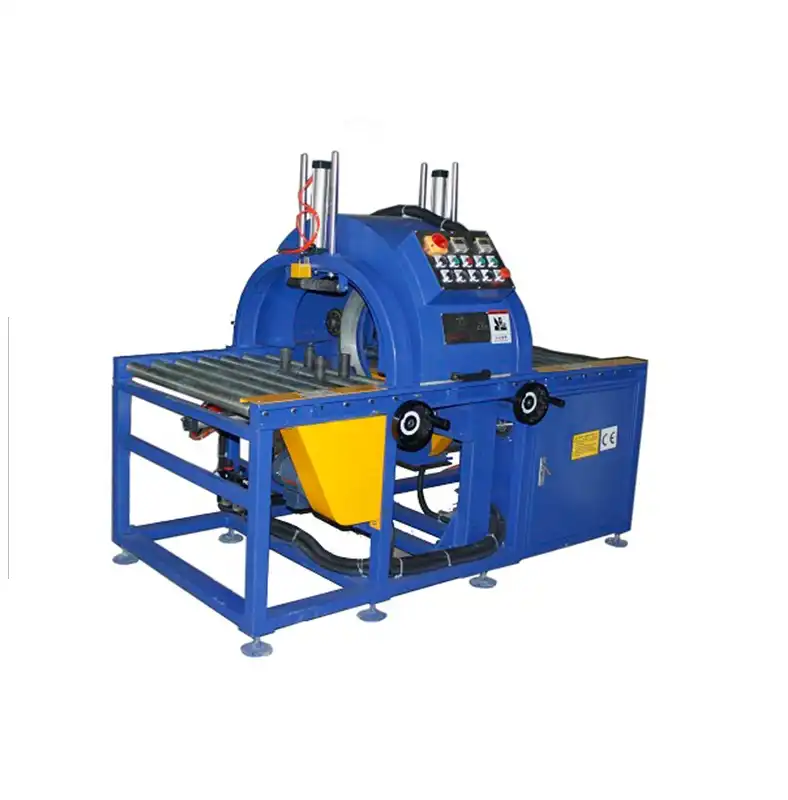
E100 Horizontal stretch wrapping machine
View Details →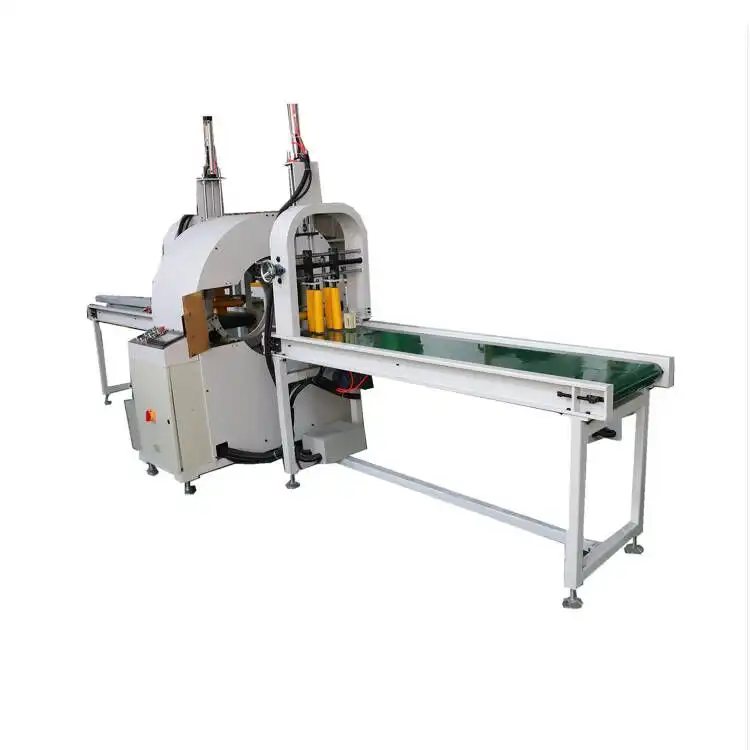
E200 Horizontal stretch wrapping machine
View Details →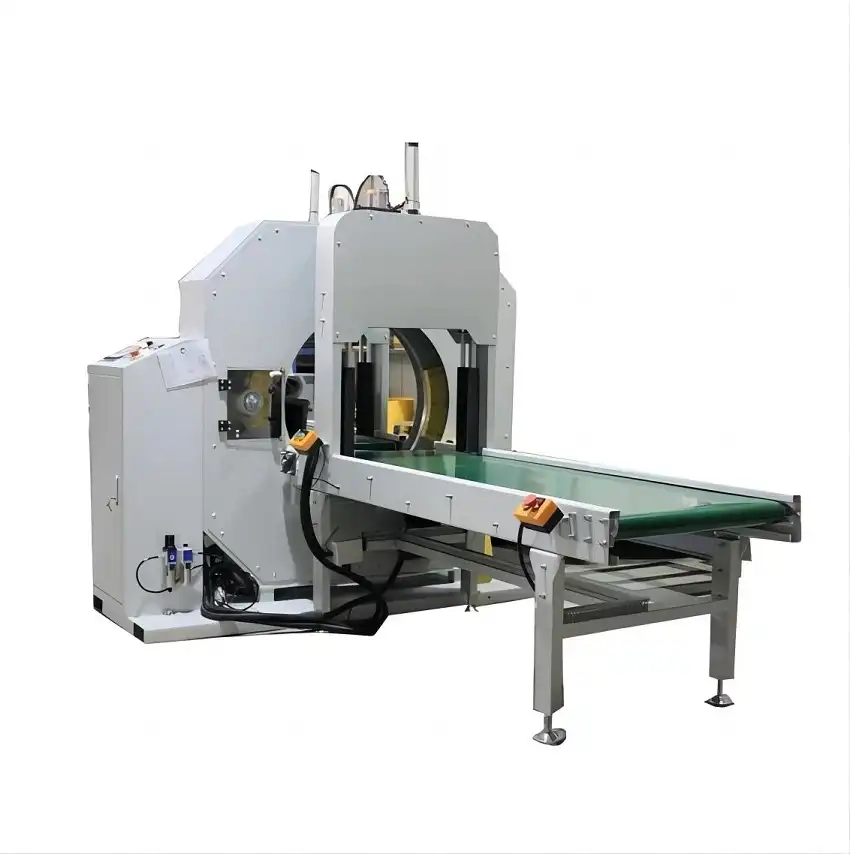
E300 Horizontal stretch wrapping machine
View Details →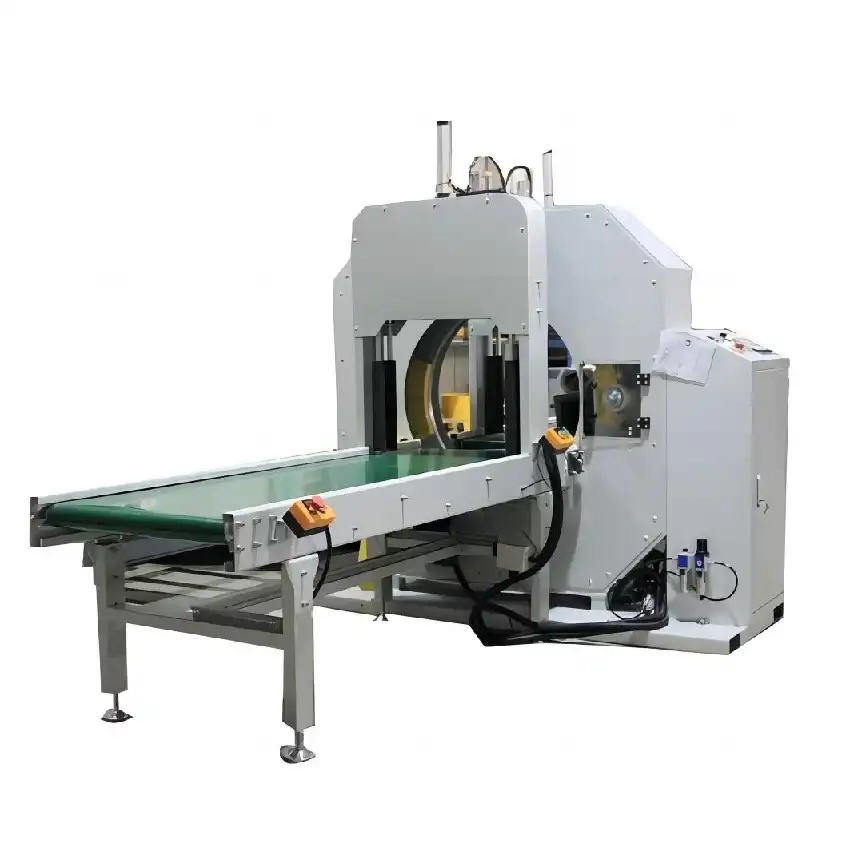
E400 Horizontal stretch wrapping machine
View Details →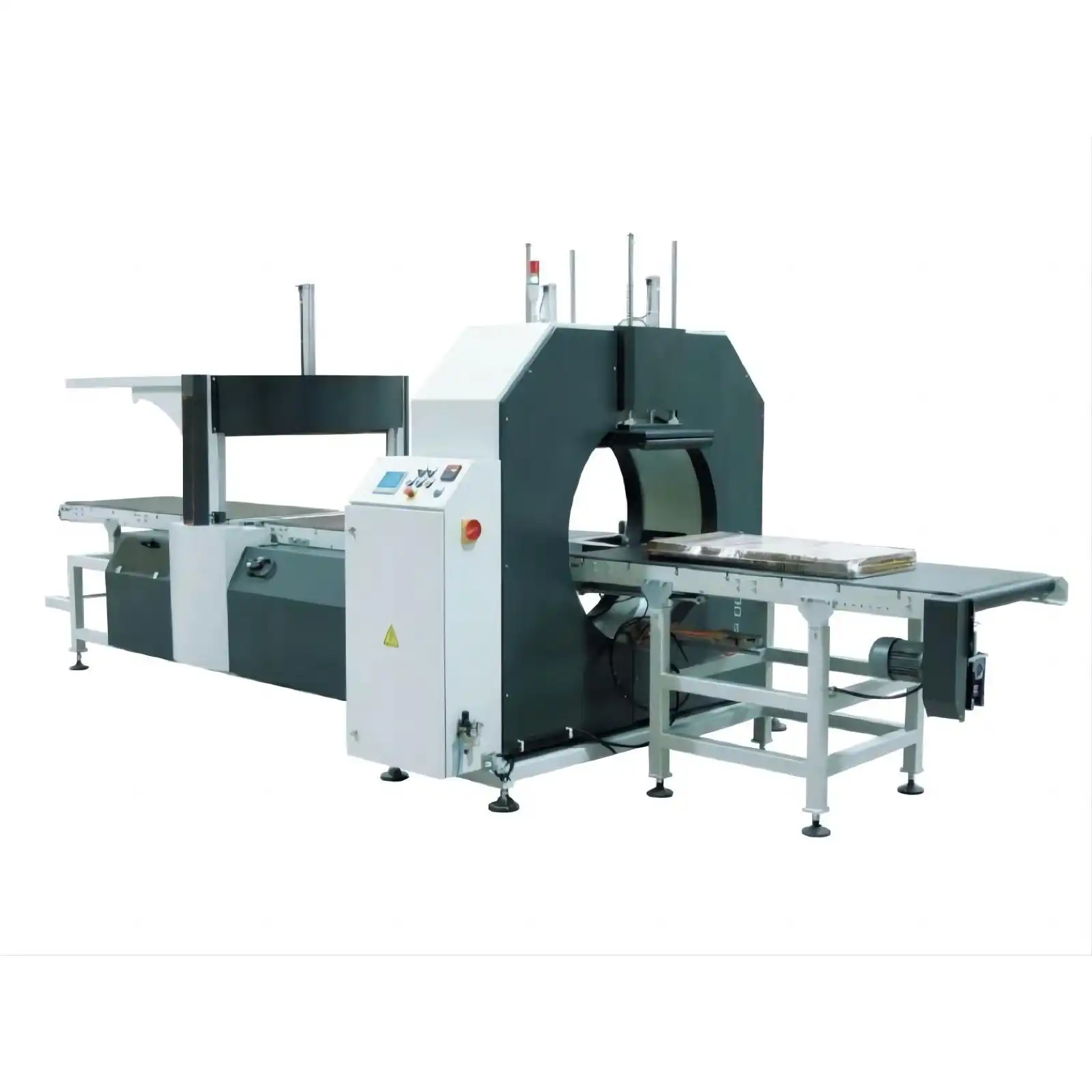
E500 horizontal wrapping machine&stretch wrapper
View Details →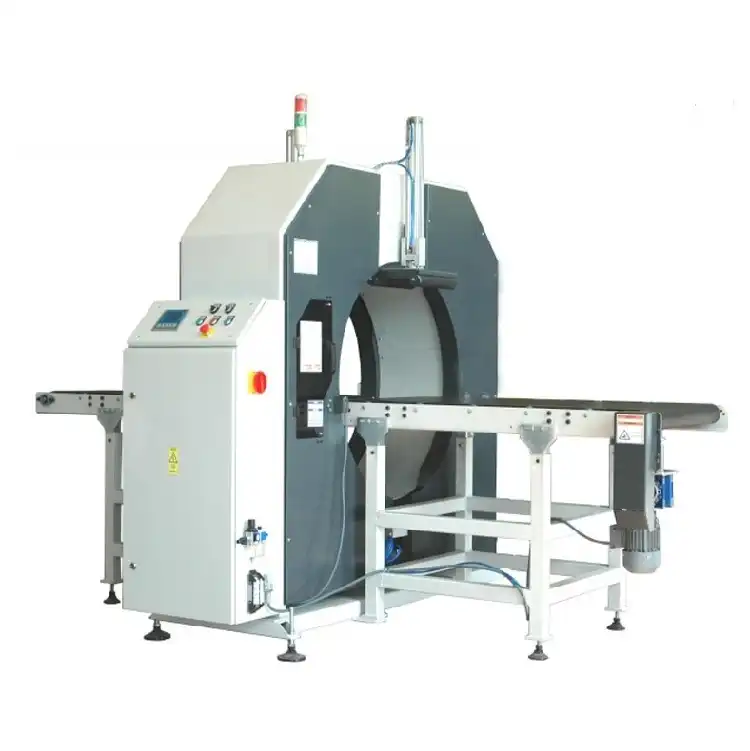
E600 Horizontal stretch wrapping machine
View Details →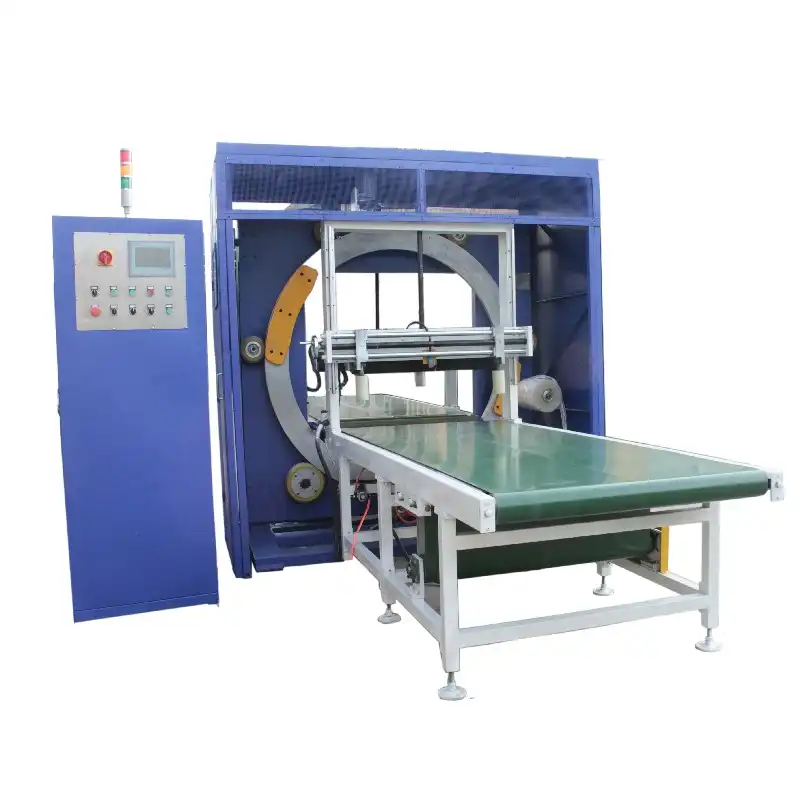
E1000 Horizontal stretch wrapping machine
View Details →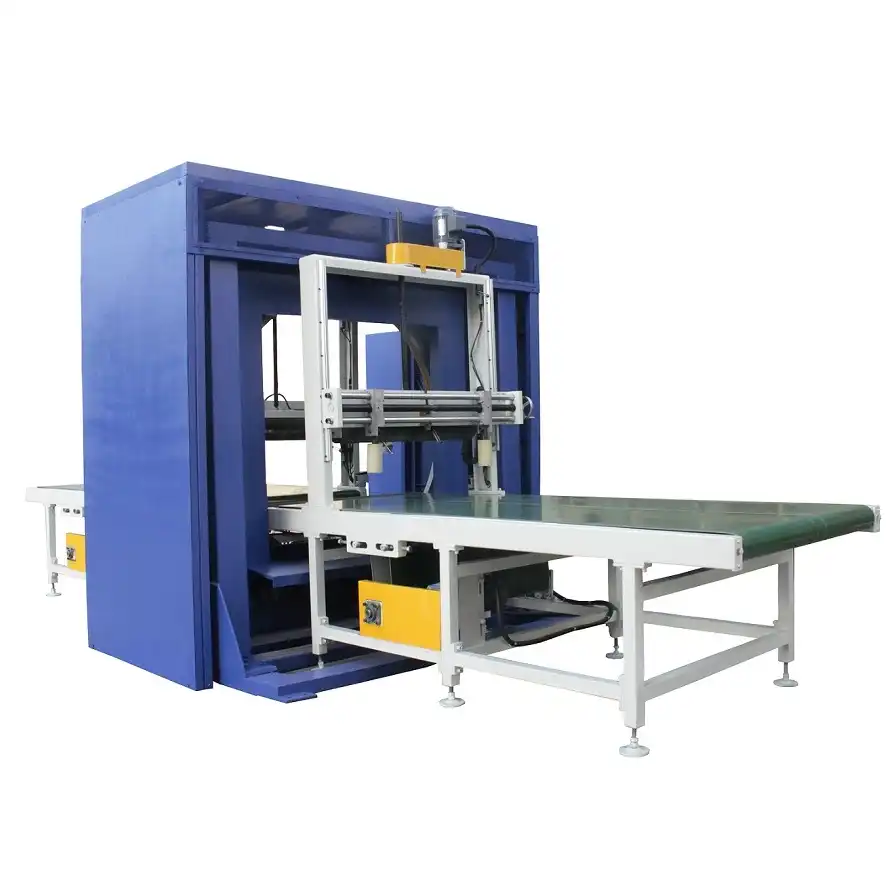
E1400 Horizontal stretch wrapping machine
View Details →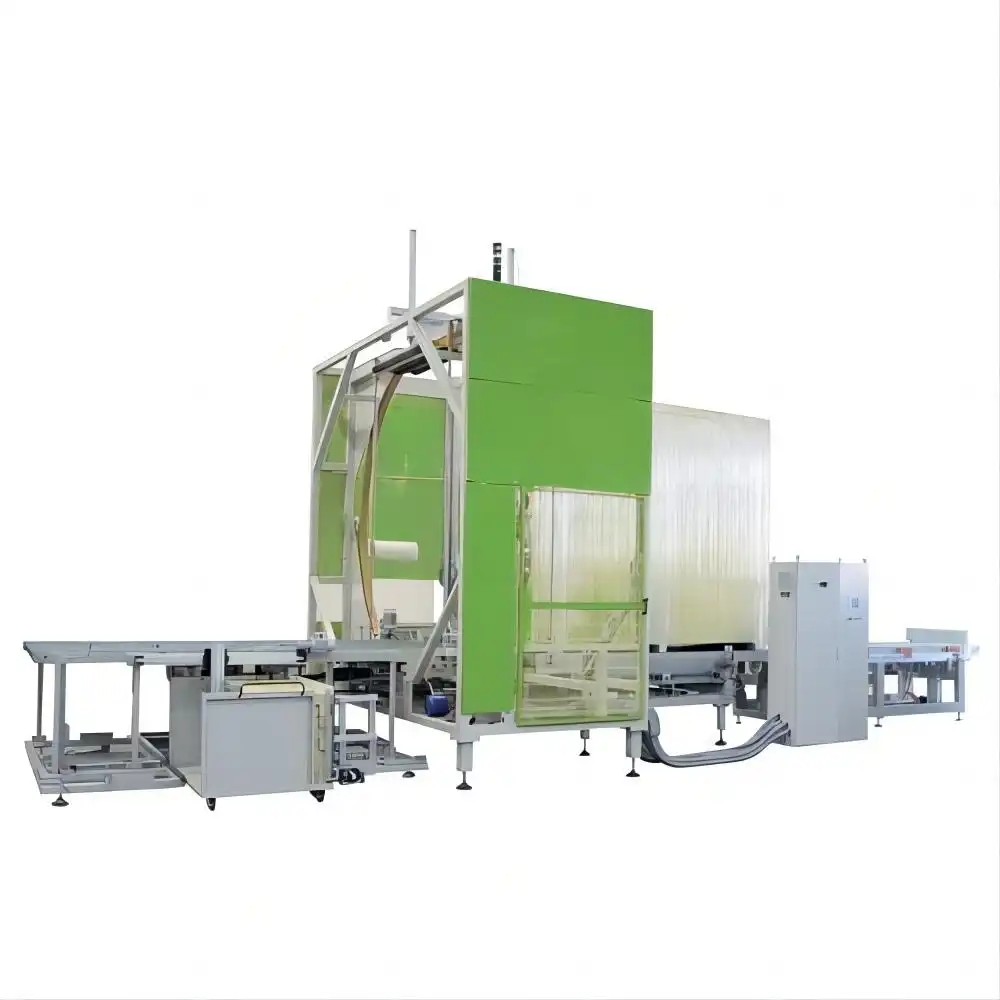
E2400 Horizontal stretch wrapping machine
View Details →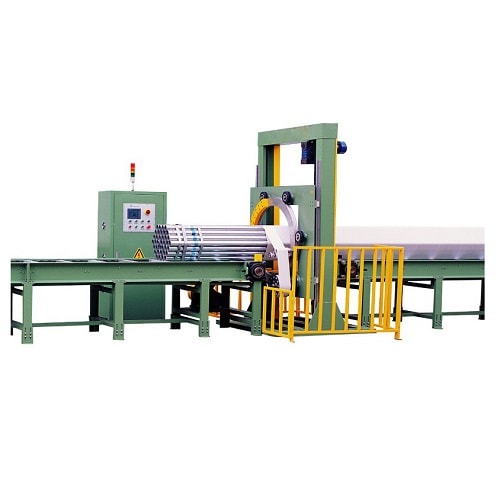
Pipe Horizontal Orbital Wrapping Machine
View Details →
Horizontal Orbital Wrapping Machine for rod and bar
View Details →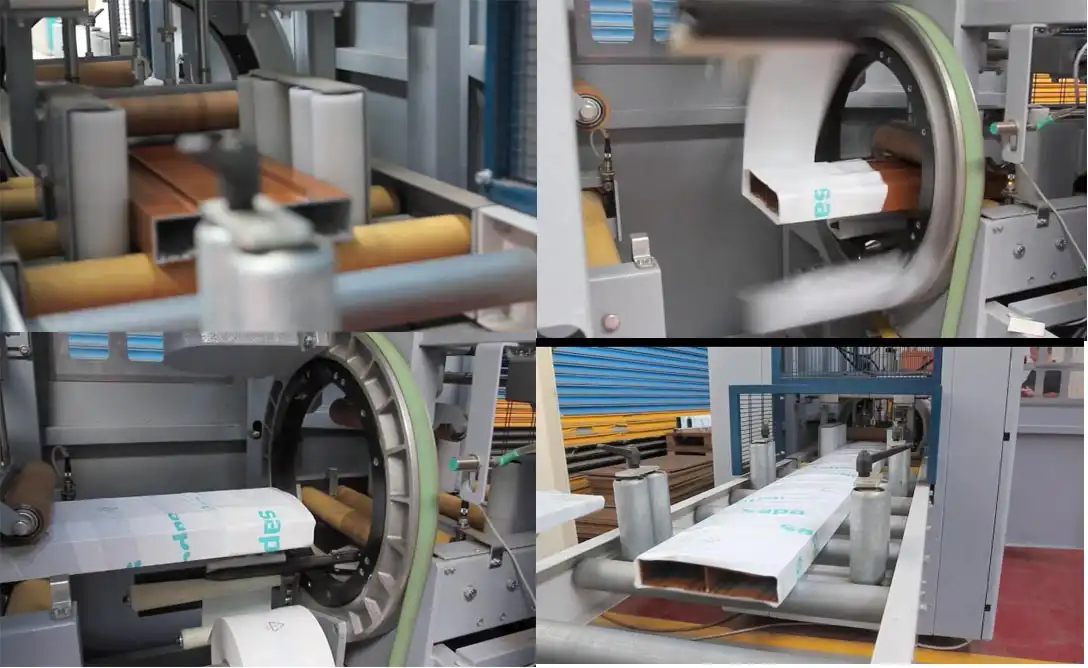
Aluminum Horizontal Orbital Wrapping Machine
View Details →
Profile Horizontal Orbital Wrapping Machine
View Details →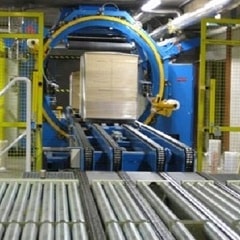
Horizontal Stretch Wrapping Machine for pallet
View Details →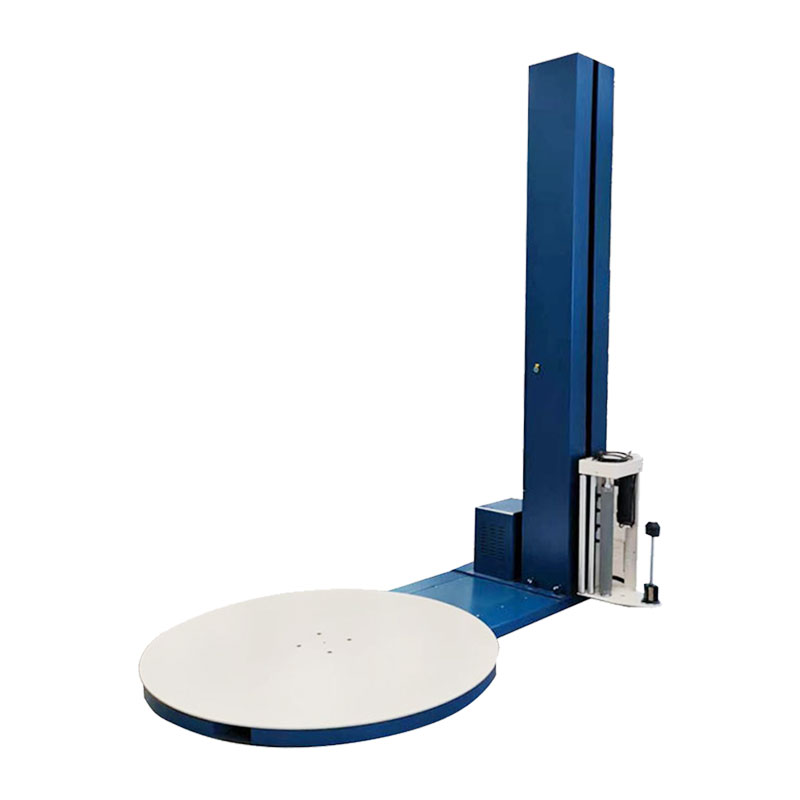
Pallet Stretch Wrapping Machine-A100
View Details →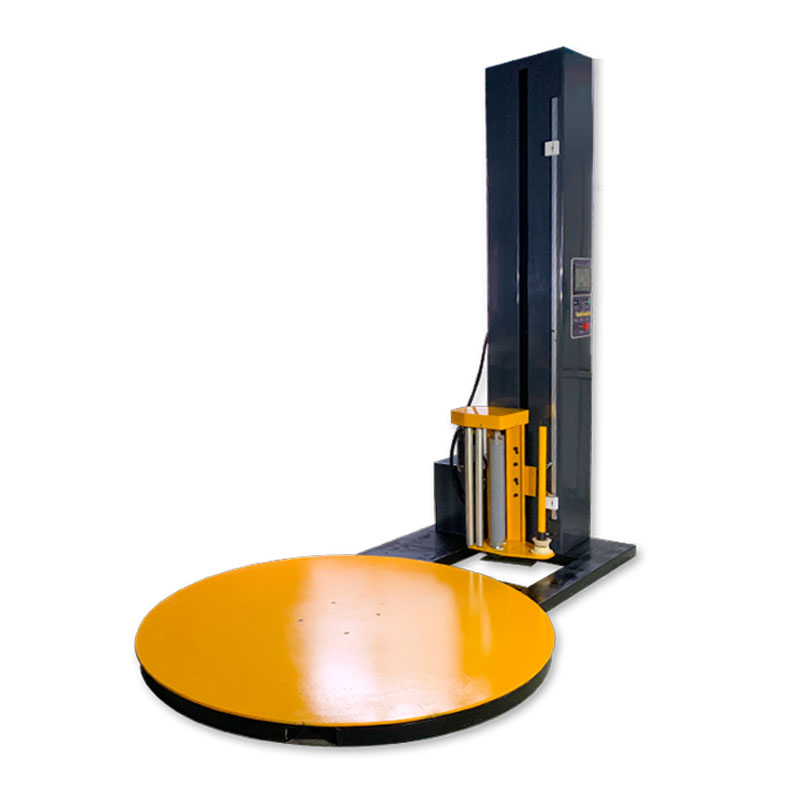
Pallet Stretch Wrapping Machine-A200
View Details →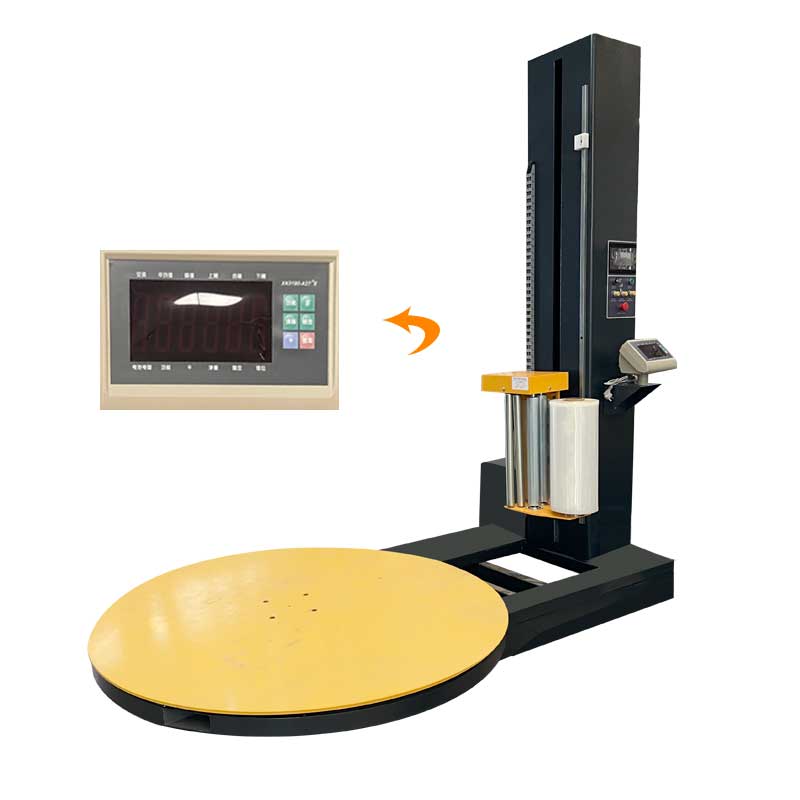
Pallet Stretch Wrapping Machine-A400
View Details →
Pallet Stretch Wrapping Machine M-type
View Details →
Automatic Stretch Wrapping Machine B200
View Details →