Executive summary
Wooden panels, doors, insulation boards and furniture components are large, flat and easily marked, and they need a package that protects them and looks finished. This machine shrink-packs panels automatically: film is sealed around the product, then heat in a shrink tunnel draws the film tight against its shape. We build panel shrink packing machines. Panel range and film plan are confirmed per project.
Table of Contents
- Why panels need a package
- What the machine does
- Enclosing the panel
- Sealing the film
- The shrink tunnel
- Large flat products
- Typical configuration
- What the video shows
- Selection checklist
- Operation and safety
- Engineering FAQ
- Next step
- Related reading
- Sources and standards
Why panels need a package
Large flat products face a particular set of threats: environmental factors, handling damage and tampering, all on a surface that is meant to look finished at delivery. A wooden panel, door or insulation board is wide and thin, easily marked and hard to wrap by hand. The package has to protect the panel and keep its appearance, which a tight, clean shrink wrap does. The panel range and its handling are confirmed per project.
What the machine does
The machine fully encloses the panel in a layer of plastic shrink film: the film is sealed around the product and heat in a shrink tunnel draws it tight against the panel’s shape. Enclosing the panel is what protects it, and the heat step is what makes the cover conform. Because the machine runs the sequence the same way every time, panels come out of the line looking alike. The covered steps and film plan are confirmed per project.
Enclosing the panel
The panel is moved into the machine and the film is applied around it, enclosing the product before the heat step. Enclosing the panel early means the cover is already in place when it reaches the tunnel, so shrinking has something to conform. The film covers the faces and edges that the environment and the trip will reach. The enclosure coverage follows the panel dimensions, confirmed per project.
Sealing the film
The film is sealed around the panel to close the cover before shrinking, turning loose film into a closed package. A sealed package is what holds when the film shrinks, and a consistent seal is what every panel shares. Sealing is done by the machine, so the close is the same on every unit rather than a hand variation. Seal settings follow the film and the panel, confirmed per project.
The shrink tunnel
The sealed panel passes through the shrink tunnel, where heat draws the film tight and conforming to the product’s shape. Shrinking is what gives the package its tight, professional surface, holding the film against corners and edges. Tunnel temperature and dwell follow the film and the panel, confirmed per project, so the film conforms without over-shrinking. The panel leaves the tunnel with the film held close.
Large flat products
The machine is designed around large, flat and relatively thin products, which are the hardest to wrap well by hand. Panel products need a wide wrap and an even seal, and the machine handles the width without the sagging a hand wrap would show. The large flat range defines the machine’s capacity, confirmed per project against the panels actually run. Wide, thin products are where the machine’s consistency pays most.
Typical configuration
Figures below list functional design boundaries rather than numeric values, and are confirmed per project.
| Parameter | Typical range, confirmed per project |
|---|---|
| Panel | large flat range |
| Film | shrink plan |
| Seal | closure settings |
| Tunnel | temperature, dwell |
| Output | finished flow |
| Electrical supply | 380 V three phase 50 Hz, or 220 V single phase for light machines, selected per project |
What the video shows
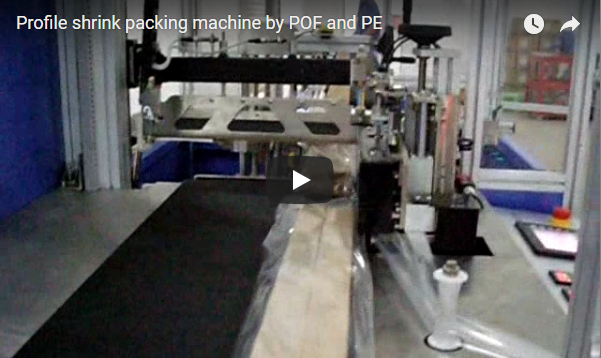
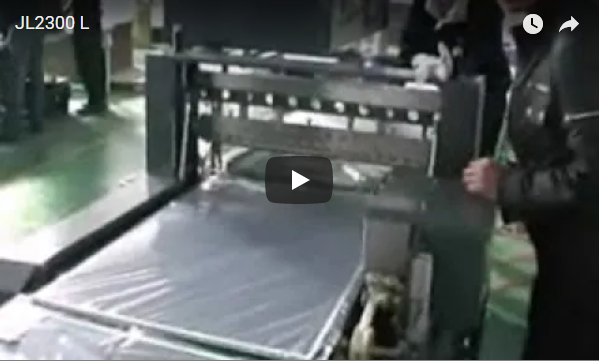
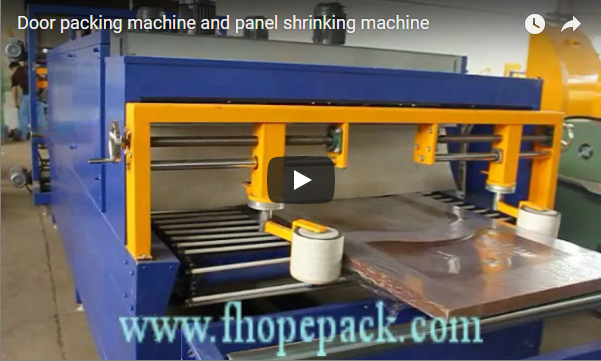
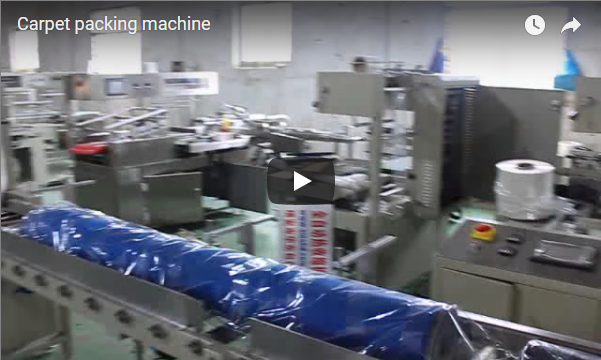
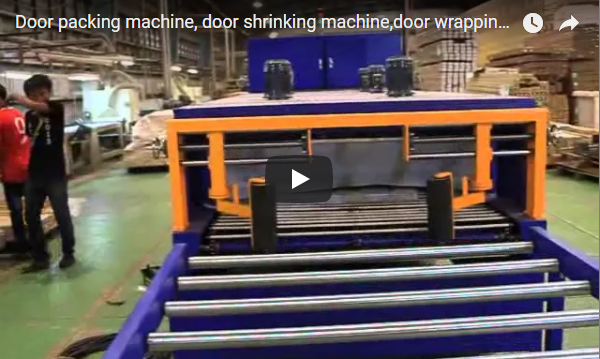
Our footage shows an automatic panel shrink packing machine enclosing and shrinking a panel. It is a general demonstration, so your panel range and film plan are confirmed with us per project.
Selection checklist
| Question | Confirm per project |
|---|---|
| Panel range | sizes, weights |
| Film | shrink plan |
| Seal | closure settings |
| Tunnel | heat match |
| Output | handling fit |
| Electrical supply | voltage, phase and frequency on site |
Operation and safety
Run the recipe from the panel and the machine encloses, seals and shrinks each panel automatically. Keep clear of the infeed, film path, seal bar and shrink tunnel while the machine runs, with guarding and emergency stops at the operator position. Routine checks cover the conveyor, film feed, seal unit, tunnel, sensors and control, per the machine manual. Confirm the film settings against the panel before each run so panels come out tight.
Engineering FAQ
Q: What does this machine pack? A: Large flat products like wooden panels, doors, insulation boards and furniture components.
Q: How is the film applied? A: Film is sealed around the panel, then heat in the tunnel shrinks it tight.
Q: Why seal before shrinking? A: Sealing closes the cover so shrinking conforms it instead of sliding it off.
Q: What does the tunnel do? A: Heat draws the film tight against the panel’s shape, including corners and edges.
Q: Why automate panels? A: Panel widths are hard to wrap by hand, and the machine seals and shrinks them even.
Next step
- Email us at info@fhopepack.com with your panel range, films and volumes.
- We send a panel shrink proposal and a layout drawing within 48 hours.
- We arrange a site survey to confirm panel range and line position.
Related reading
- Automatic panel shrink packing machine
- Automatic film sealing machine on panel and door
- Automatic shrink packaging machine for plates
- FHOPE packing machinery product lines
Sources and standards
- ISO 12100:2010 Safety of machinery, general principles for design and risk assessment
- EN 415-10:2014 Safety of packaging machines, general requirements
- EN ISO 13849-1:2023 Safety of machinery, safety-related parts of control systems
FHOPE automatic panel shrink packing machine demonstration video. Reviewed as a general demonstration; panel range confirmed per project.
Last reviewed: 2026-10-10