Executive summary A door is flat, awkward and easy to scuff, but it still has to move through a warehouse. A panel shrink packaging machine wraps a flat product in shrink film, seals it around the shape and sends it through a heat tunnel that tightens the film to a scuff-proof cover. Film width, bed type and tunnel settings are configured per project.
Table of Contents
- What panel shrink packaging is
- The two stages
- Film dispensing
- L-bar sealing
- Bed types
- The shrink tunnel
- Typical configuration
- Selection checklist
- Controls and safety
- Engineering FAQ
- Next step
- Related reading
- Sources and standards
What panel shrink packaging is
Panel shrink packaging unitizes and protects flat goods such as doors, flush panels and insulation boards. The product is slipped into a shrink film sleeve, sealed closed and passed through a heated tunnel, where the film shrinks tight against the corners and faces.
The result is a cover that stays put and keeps the panel clean from the wrapper to the install site.
The two stages
A panel line has two stages in sequence: a sealing stage that makes the film bag, and a shrink tunnel that tightens it. On the sealing stage the film is cut to size and sealed around the product; the tunnel then applies heat evenly so the cover conforms.
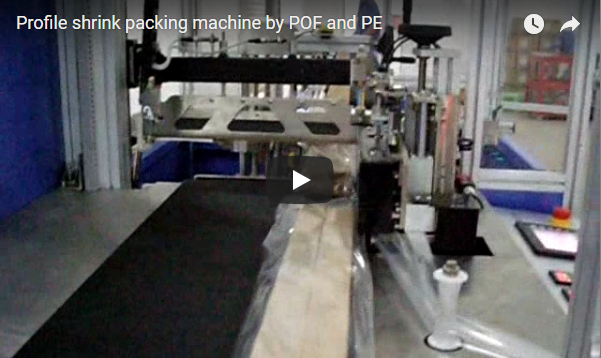
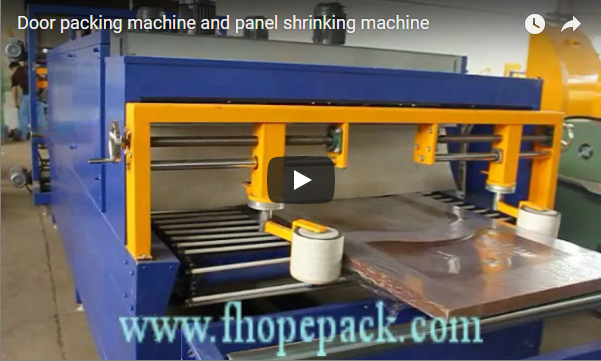
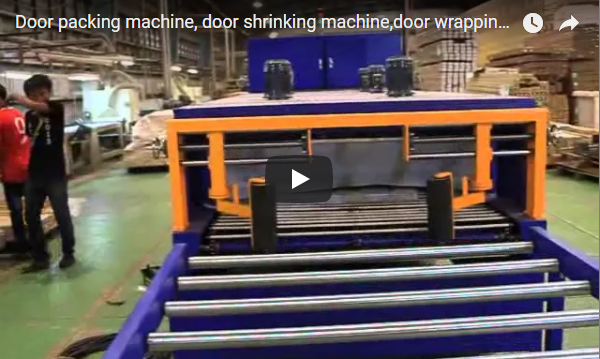
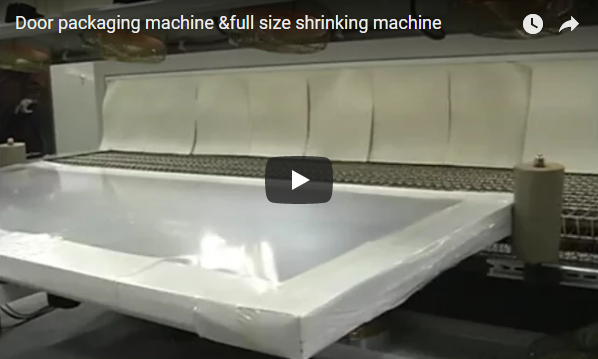
The two stages run continuously, with the sealed panel transferring straight from the sealer to the tunnel bed. Our footage shows this flow on a shrink line wrapping flat panels; film width, bed type and tunnel settings for your panels are confirmed per project.
Film dispensing
A roll of center-folded shrink film sits on an unwind stand beside the line. As the panel enters, film is drawn over and under the product so it is enveloped within the fold before sealing.
Film width is sized to the panel width plus a wrap-around allowance, confirmed per project.
L-bar sealing
The sealing station uses an L-shaped heated bar or impulse wire. The bar descends and makes the front and side seals in one stroke, then cuts the film so the wrapped panel separates from the continuous roll. Where panels enter in continuous flow, a side sealer performs the same job with a moving seal head instead; the choice is set per project.
Constant-heat bars and impulse wires use different temperature control; we match the sealing method to the film grade and production pace per project.
Bed types
| Bed | Use |
|---|---|
| Live rollers | heavy, rigid panels |
| Mesh belt | lighter panels needing even heat from below |
Heavy rigid panels suit roller beds; lighter products suit a mesh belt that lets heat circulate underneath. The bed is selected from panel weight per project.
The shrink tunnel
Inside the insulated tunnel, recirculating heated air shrinks the film over the panel. Shrink quality depends on three settings working together: tunnel temperature, air velocity and belt speed.
Heat is tuned to the film grade, whether polyolefin or polyethylene, and to the panel dimensions. The settings are calibrated at start-up per project and can be adjusted for running production. A cooling zone follows the tunnel and lets the cover set to a tight, wrinkle-free fit before the package is stacked or loaded.
Typical configuration
Figures below are common starting envelopes for this machine class and are confirmed per project.
| Parameter | Typical range, confirmed per project |
|---|---|
| Panel width | sized to the widest panel plus film allowance |
| Panel length | line length for the longest product |
| Film | polyolefin or polyethylene shrink film |
| Sealing | L-bar or side sealer, matched to film and pace |
| Tunnel | temperature, air and belt speed calibrated per film |
| Supply | 380 V three phase 50 Hz, or 220 V single phase for lighter lines, selected per project |
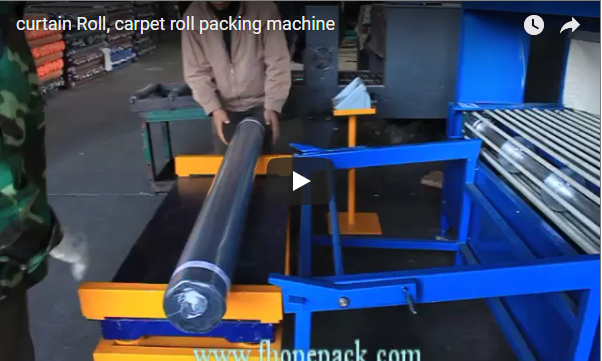
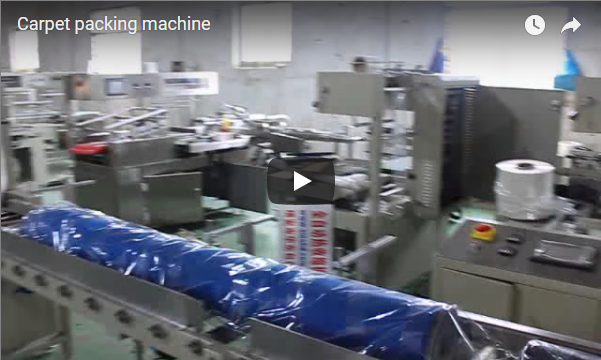
Our footage shows a shrink line wrapping flat panels in film and running them through the tunnel. It is a general demonstration, so film width, bed type and tunnel settings for your panels are confirmed with us per project.
Selection checklist
| Question | Confirm per project |
|---|---|
| Widest panel | film width and sealing station size |
| Longest panel | line length |
| Panel weight | bed type, rollers or mesh belt |
| Film grade | polyolefin or polyethylene, matched to goods |
| Line pace | units per hour and tunnel dwell |
| Electrical supply | voltage, phase and frequency on site |
Controls and safety
The control panel sets sealing temperature, tunnel heat and belt speed, with an emergency stop at the operator position. Keep hands clear of the sealing bar while it descends, and follow the machine manual for film loading and routine inspection.
Engineering FAQ
Q: What products suit panel shrink packaging? A: Flat, delicate goods such as doors, flush panels and insulation boards, where a tight protective cover is needed around the full shape.
Q: L-bar or side sealer? A: L-bar sealing makes front and side seals in one stroke for panels entering square; a side sealer suits continuous flow. We match to the product per project.
Q: What film is used? A: Polyolefin and polyethylene shrink films are common; the grade is chosen for panel weight and edge sensitivity per project.
Q: Why does tunnel heat matter so much? A: Mismatched heat under-shrinks the film into a loose cover or over-shrinks it into burn-through and edge tears. Temperature works with air velocity and belt speed so the film sets tight without damage.
Q: Can lighter panels run on the same line? A: Yes, within the configured width and weight range; bed type and settings are confirmed per project.
Next step
- Email us at info@fhopepack.com with your panel sizes, weights and output rate.
- We send sealing options, film recommendations and a layout drawing within 48 hours.
- We arrange a site survey to confirm the line fits your floor.
Related reading
- Automatic shrink packing machine for profile and timber
- Automatic aluminum profile packaging machine wrapping line
- Pallet stretch wrapping solutions
- FHOPE packing machinery product lines
Sources and standards
- ISO 12100:2010 — Safety of machinery. General principles for design, risk assessment and risk reduction
- EN 415-10:2014 — Safety of packaging machines. General requirements
- EN ISO 13849-1:2023 — Safety of machinery. Safety-related parts of control systems
- FHOPE panel shrink packaging machine demonstration video. Reviewed as a general demonstration; film width, bed and tunnel settings confirmed per project.
Last reviewed: 2026-10-10