Executive summary Shrink film packaging gets its strength from heat, not from how hard the operator pulls. A shrink line wraps long profiles or timber bundles in a film sleeve and sends them through a heat tunnel, where the film shrinks tight around the shape. Tunnel size, film width and conveyor speed are configured per project.
Table of Contents
- What shrink wrapping does
- When shrink fits the line
- How the shrink line runs
- The film sleeve
- The heat tunnel
- Bundle preparation
- Typical configuration
- What the video shows
- Machine selection checklist
- Controls and safety
- Engineering FAQ
- Next step
- Related reading
- Sources and standards
What shrink wrapping does
A shrink sleeve fits loosely over the bundle and then tightens in the heat tunnel until it presses against every face. The result is a skin-tight cover that keeps dirt and moisture off the goods and holds the bundle together through handling.
Because the film conforms to the actual shape, shrink wrapping suits bundles with uneven faces and protrusions that a flat stretch wrap would leave exposed.
When shrink fits the line
Shrink film packaging suits long-profile and timber lines that want a full protective cover rather than a tensioned film layer. It shows its value where goods travel on open flatbeds and the cover has to stay put. It also suits bundles where the filmside faces out to customers as part of the finished look.
For bundles that need both a skin-tight cover and high clamping force, a shrink station can run ahead of or behind a strapping stage. Placement is selected per project from whether bundle compaction or external weatherproofing is the priority.
How the shrink line runs
- The bundle moves into a sleeve-applying station and the film is pulled over it.
- The open sides are sealed to form a loose sleeve around the bundle.
- The bundle enters the heat tunnel on the conveyor.
- Heat shrinks the film tight against the faces and edges.
- The finished bundle cools on the outfeed and is racked or loaded.
The film sleeve
| Item | Practice |
|---|---|
| Film width | sized to the bundle perimeter, confirmed per project |
| Film grade | shrink film selected for bundle weight and edge durability |
| Sleeve overlap | sealed on the open side to close the cover |
| End coverage | film pulled over the ends so no face is left exposed |
The heat tunnel
The tunnel heats the film evenly as the bundle passes through. Conveyor speed is set so the bundle spends the right time in the heat zone: too fast and the film does not shrink fully, too slow and the film over-shrinks or sticks. Temperature and speed are set per bundle type in the panel program.
Bundle preparation
The cleaner the bundle, the cleaner the shrink. In our line integration we require operators to square bundle ends so the sleeve pulls over without catching, and to keep prior strapping flat against the faces. Sharp edges are padded beforehand so the shrink film does not tear on them.
Typical configuration
Figures below are common starting envelopes for this machine class and are confirmed per project.
| Parameter | Typical range, confirmed per project |
|---|---|
| Bundle length | 1 to 12 m line section |
| Tunnel width | sized to the widest bundle |
| Conveyor speed | matched to the heat dwell per bundle |
| Film grade | shrink film selected for the application |
| Electrical supply | 380 V three phase 50 Hz, or 220 V single phase, selected per project to the plant supply |
What the video shows
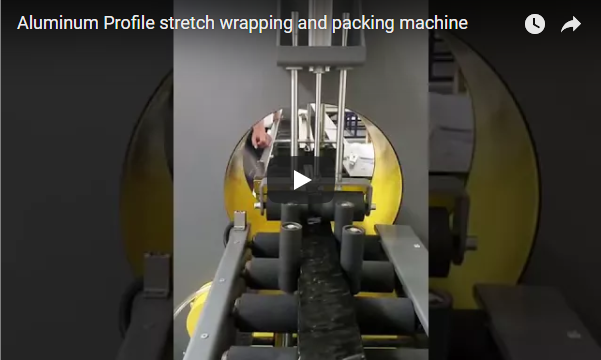
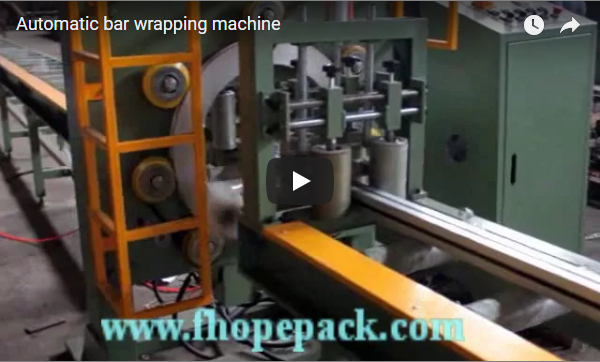
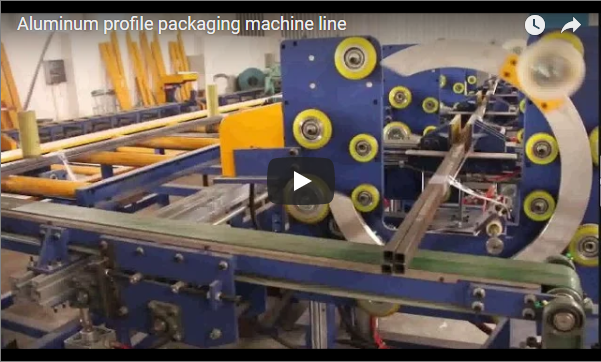
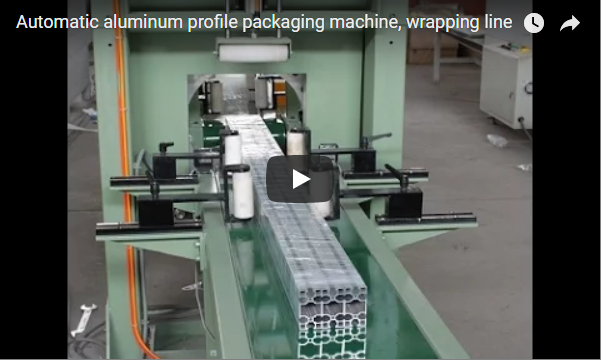
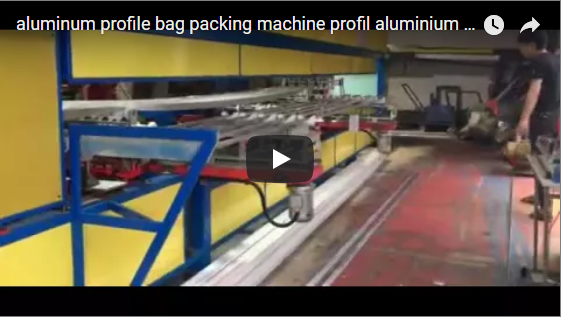
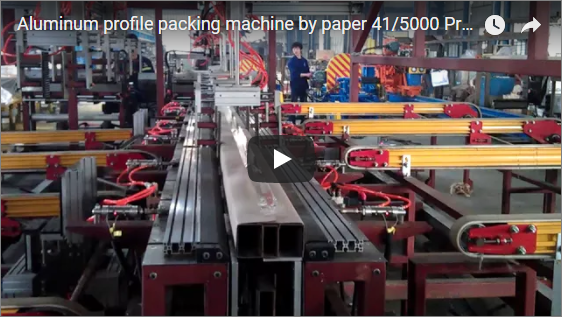
The footage shows a shrink packaging line processing long bundles in a production bay. It is a general demonstration, so tunnel width, film width and conveyor speed for your bundles are confirmed with us per project.
Machine selection checklist
| Question | Confirm per project |
|---|---|
| Longest bundle | sleeve station and tunnel length |
| Widest bundle | film width and tunnel opening |
| Bundle weight | conveyor rating |
| Film grade | shrink film match to goods and transport |
| Line speed | bundles per hour at your outfeed rate |
| Electrical supply | voltage, phase and frequency on site |
Controls and safety
The panel holds a program per bundle type, with tunnel temperature, conveyor speed and seal settings. Guarding covers the sealing station and the tunnel mouth; keep clear while the line runs. Emergency stop is fitted at the panel. Film threading and seal adjustments follow the machine manual.
Engineering FAQ
Q: How does profile shrink wrapping differ from orbital stretch wrapping? A: Stretch film is pulled tight by tension; shrink film is fitted loose and tightened by heat to conform to the bundle shape.
Q: Can a shrink station run before strapping? A: Yes. A shrink cover and a strap stage can be combined; the sequence is set per line.
Q: What film does it use? A: Shrink film of a grade suited to the bundle; width and thickness are confirmed per project.
Q: How is tunnel temperature set? A: Per bundle type in the panel program, matched to film grade and conveyor speed.
Q: Does it suit uneven bundles? A: Yes. The film conforms to the shape in the tunnel, which is where shrink wrapping differs from a flat stretch wrap.
Next step
- Email us at info@fhopepack.com with your bundle sizes, film grade and outfeed rate.
- We send tunnel sizes, film options and a layout drawing within 48 hours.
- We arrange a site survey to confirm the line fits your bay.
Related reading
- Shrink packaging machine for door and panels
- Wooden timber wrapping and strapping machine
- Horizontal orbital stretch wrapper for aluminum profile
- FHOPE packing machinery product lines
Sources and standards
- ISO 12100:2010 — Safety of machinery. General principles for design, risk assessment and risk reduction
- EN 415-10:2014 — Safety of packaging machines. General requirements
- EN ISO 13849-1:2023 — Safety of machinery. Safety-related parts of control systems
- FHOPE shrink packaging line demonstration video. Reviewed as a general demonstration; tunnel width, film and conveyor settings confirmed per project.
Last reviewed: 2026-10-10