Optimizing Roll Packaging: A Technical Guide to Shrink Wrapping Machines for Carpets and Curtains
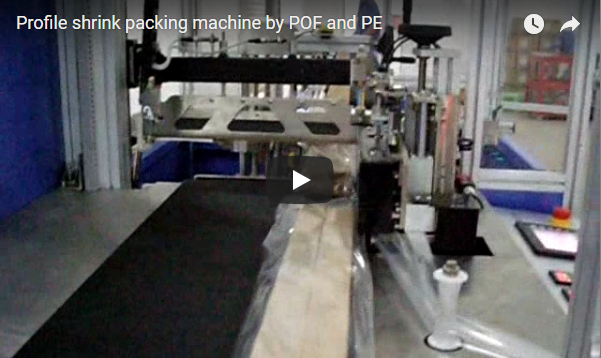
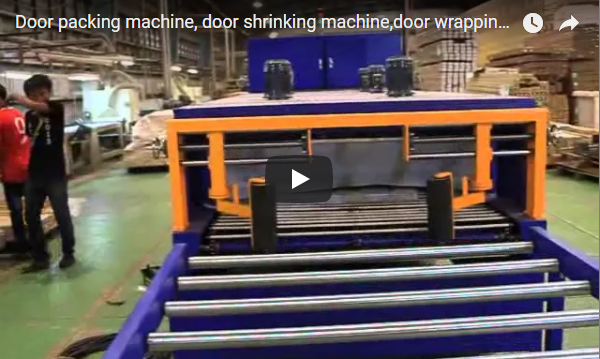
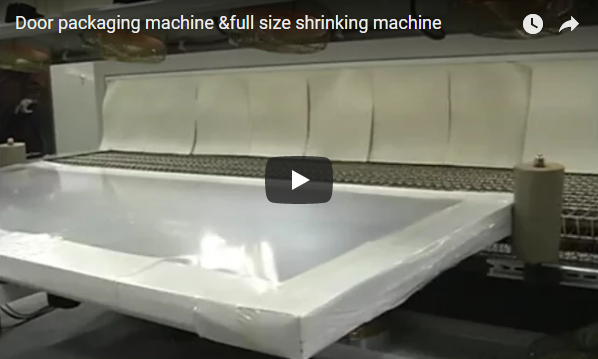
Video demonstrating a typical shrink packaging process for rolled goods.
Protecting large, bulky items like carpet and curtain rolls during storage and transit presents unique challenges. These products are susceptible to dirt, moisture, scuffing, and unraveling. An effective solution employed across industries is shrink wrapping, utilizing specialized machinery designed to handle the dimensions and weight of rolled goods. This guide delves into the technical aspects, operational considerations, and benefits of using shrink packaging machines for carpet and curtain rolls, adopting an instructional approach.
1. Core Technology: How Shrink Wrapping Works for Rolls
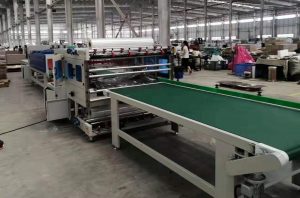
The fundamental principle involves enveloping the roll in a thermoplastic film and then applying heat. The heat causes the film to shrink uniformly around the product, creating a tight, protective layer. Key stages in an automated or semi-automated process typically include:
- Infeed: Rolls are placed onto a conveyor, manually or automatically, ensuring proper alignment for entry into the wrapping zone.
- Film Dispensing & Sealing: A roll of shrink film is precisely dispensed. Depending on the machine type (discussed below), the film is either draped over the product (L-bar sealer) or fed around it (side sealer or sleeve wrapper). A sealing mechanism (e.g., hot wire, hot knife) then cuts the film and fuses the edges together, creating a bag or sleeve around the roll.
- Heat Tunnel Application: The loosely wrapped roll travels through a heated tunnel. Controlled hot air circulation causes the film to shrink tightly and conform to the shape of the roll. Tunnel temperature, airflow, and conveyor speed are critical, adjustable parameters.
- Cooling & Outfeed: After exiting the tunnel, the package may pass through a cooling zone to help the film set quickly, ensuring a durable finish before the wrapped roll is conveyed to the discharge area for handling or palletizing.
2. Key Machine Types for Roll Packaging
While various shrink systems exist, certain configurations are better suited for large cylindrical products:
- L-Bar Sealers: These create a fully enclosed bag by sealing on three sides (one folded edge, two sealed edges). Best suited for moderate-volume applications or when complete enclosure is paramount. Requires the operator or automation to place the product within the folded film before the L-shaped sealing bar descends.
- Side Seal Machines: Offer higher throughput. The product moves continuously on a conveyor. Film is folded over the product, one side is sealed longitudinally (side seal), and subsequent cross seals occur between products. This is often preferred for longer products or higher speed requirements.
- Sleeve Wrappers (Bundle Wrappers): These apply a band or “sleeve” of film around the product, leaving the ends open (often called “bullseye” openings). While offering less complete protection from dust ingress at the ends, they use less film and can be very robust for heavy rolls, primarily focused on unitization and preventing unraveling. Heat shrinking secures the sleeve tightly.
3. Technical Specifications & Selection Parameters
Choosing the right shrink packaging machine requires careful consideration of several technical factors:
- Product Dimensions & Weight Capacity:
- Maximum Roll Diameter: Specify the largest diameter the machine must accommodate.
- Maximum Roll Length: Ensure the sealing area and tunnel width are sufficient.
- Maximum Roll Weight: Conveyors, drives, and machine structure must handle the load.
- Throughput Requirements:
- Packs Per Minute (PPM) or Per Hour (PPH): Define the required packaging speed to match production output. Side sealers generally offer higher speeds than L-bar sealers.
- Shrink Film Compatibility:
- Film Type: Polyethylene (PE) is common for heavier items like carpets due to its strength and puncture resistance. Polyolefin (POF) is often used for lighter goods or where clarity is key, but may be less suitable for heavy, abrasive rolls.
- Film Gauge (Thickness): Measured in microns or gauge. Thicker films (e.g., 60-100 micron PE) provide more robust protection for heavy rolls.
- Film Roll Width & Diameter: Machine must accommodate the required film stock dimensions.
- Sealing System:
- Hot Knife or Hot Wire: Hot knife systems often provide stronger seals, beneficial for thicker PE films. Seal wire systems can be faster but may require more frequent replacement.
- Seal Bar Dimensions: Must be larger than the product cross-section.
- Heat Tunnel Performance:
- Temperature Range: Must achieve the necessary heat for the chosen film type (PE requires higher temps than POF).
- Airflow Control: Adjustable airflow patterns are crucial for uniform shrinking on cylindrical shapes.
- Conveyor Type & Speed Control: Roller or belt conveyors suitable for heavy rolls; variable speed is essential for optimizing shrink quality.
- Power & Air Requirements:
- Voltage/Phase/Amperage: Ensure compatibility with facility power.
- Compressed Air Consumption (PSI/CFM): Many machines use pneumatics for sealing bars or actuators.