Retrofit an Existing Coil Packing Line | FHOPE
Brownfield retrofits fail when teams replace the visible station but keep the hidden interface. This guide structures the decision — failure evidence, interface map, cutover path, and system-level validation.
How to Retrofit an Existing Coil Packing Line
How to Retrofit an Existing Coil Packing Line
Many plants do not need a new automatic coil packing line. Their coil cars, skids and up-enders still work, and the problem sits at one or two manual stations. In a retrofit, we connect new automatic machines to the equipment the plant already has, so that the line keeps running while we fix the bottleneck.
Step 1: Measure the Manual Station You Want to Replace
Start with numbers from the existing line. One tender specification we answered described a manual process of paper wrapping, edge protectors and strapping that took 120 seconds per coil and needed four people: one for the coil car and wrapper, and three for manual jobs. Figures like these show where automation pays off and give a clear target for the new equipment.
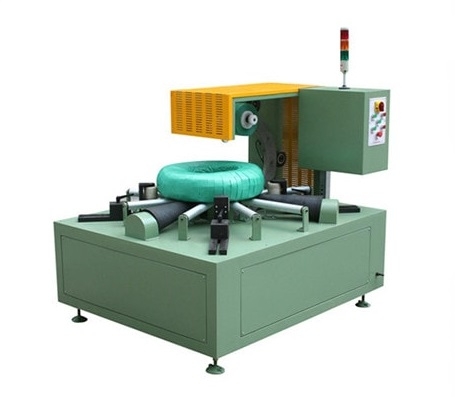
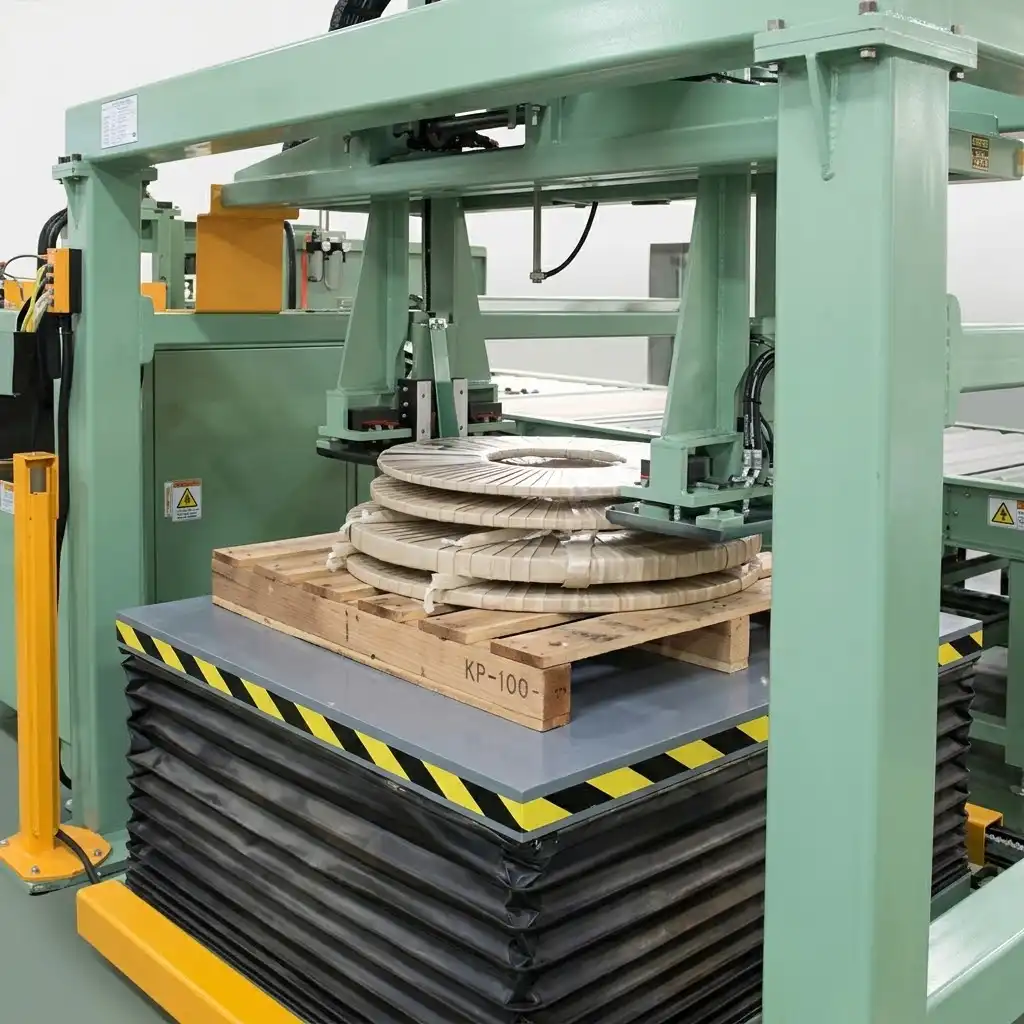
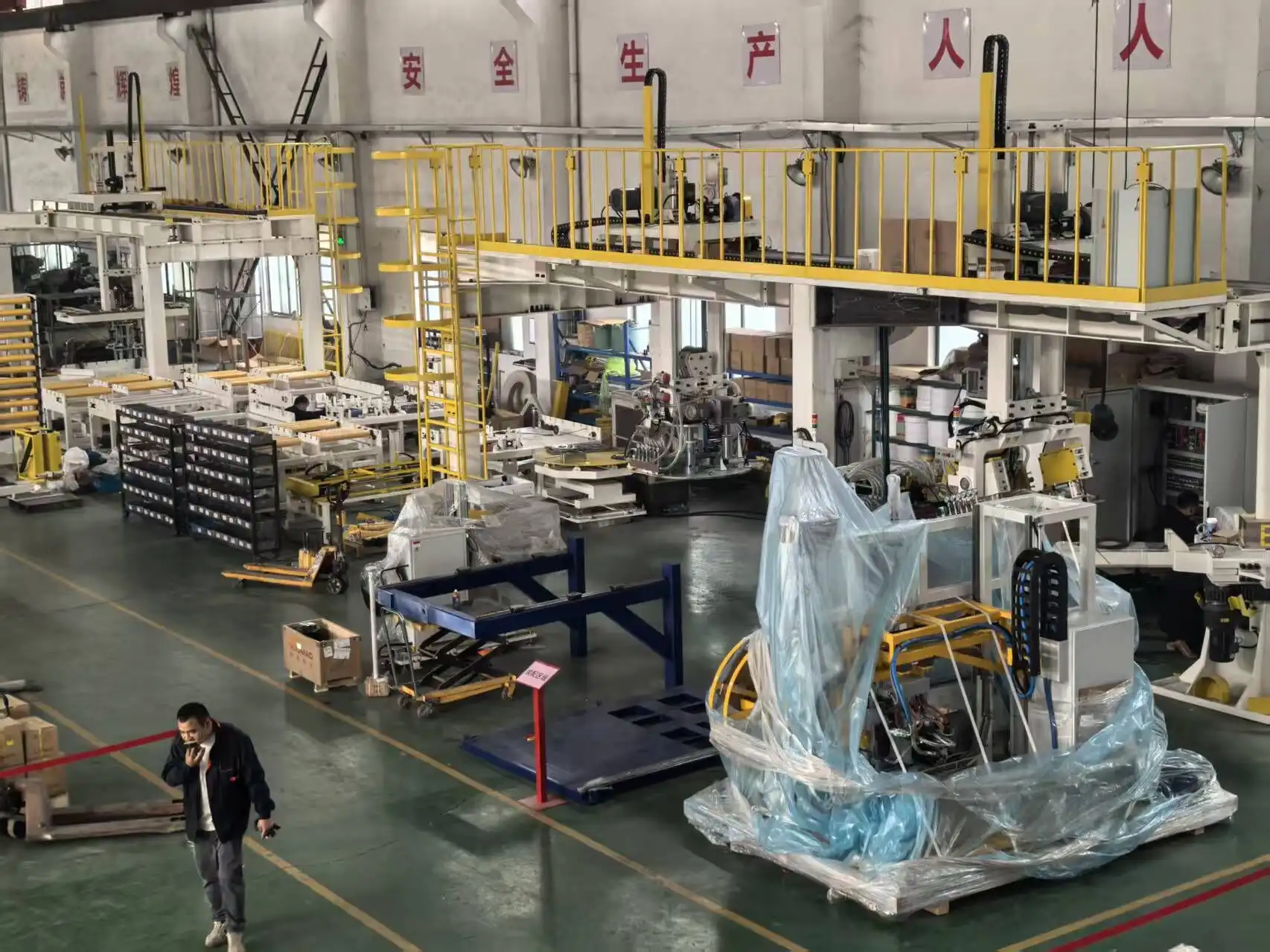
The image shows a stainless steel coil packing machine line. Measured numbers from the existing line — like the 120 seconds per coil and four people in the manual example — show where automation pays off.
Step 2: Audit Equipment to Keep, Extend or Replace
In that eye-through wrapping retrofit:
- Kept: the existing V-type skids, coil car, up-ender and manual packaging station (now used for other packaging work)
- Extended: the existing coil-car pit, so it could reach a new wrapping position
- Added: an eye-through wrapper with an outer edge-protector device and cradle roll station, a new pit-type V-saddle coil car, a hydraulic station and safety fencing
- Interlocked: the old and new coil cars, with automatic and manual safeguards against collision
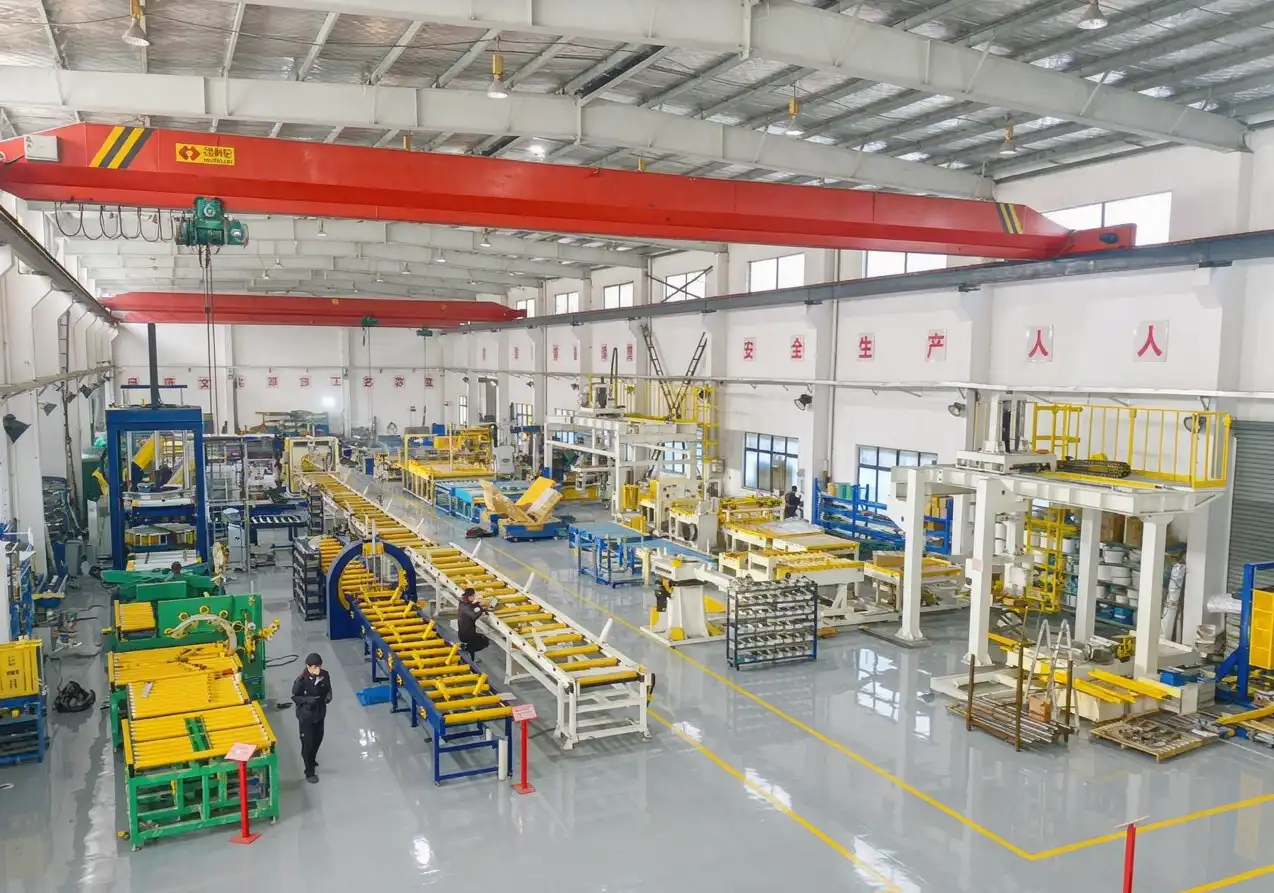
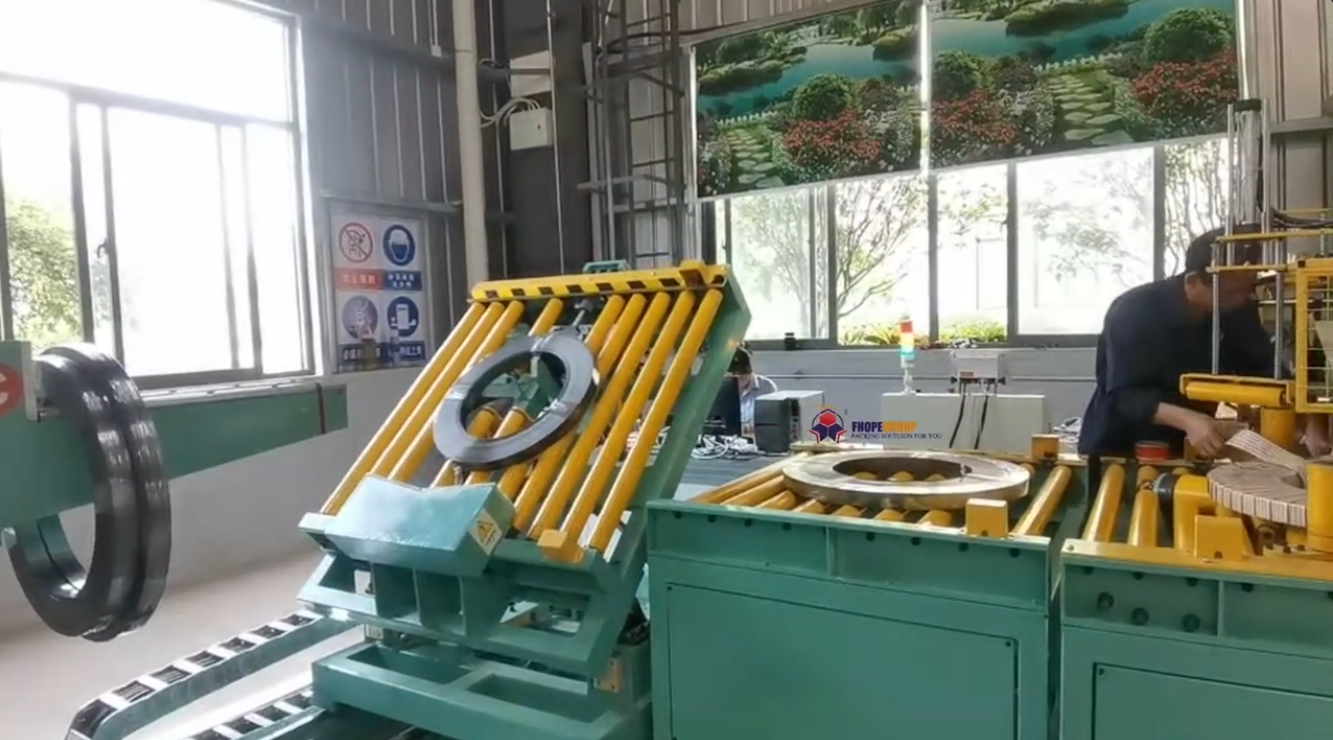
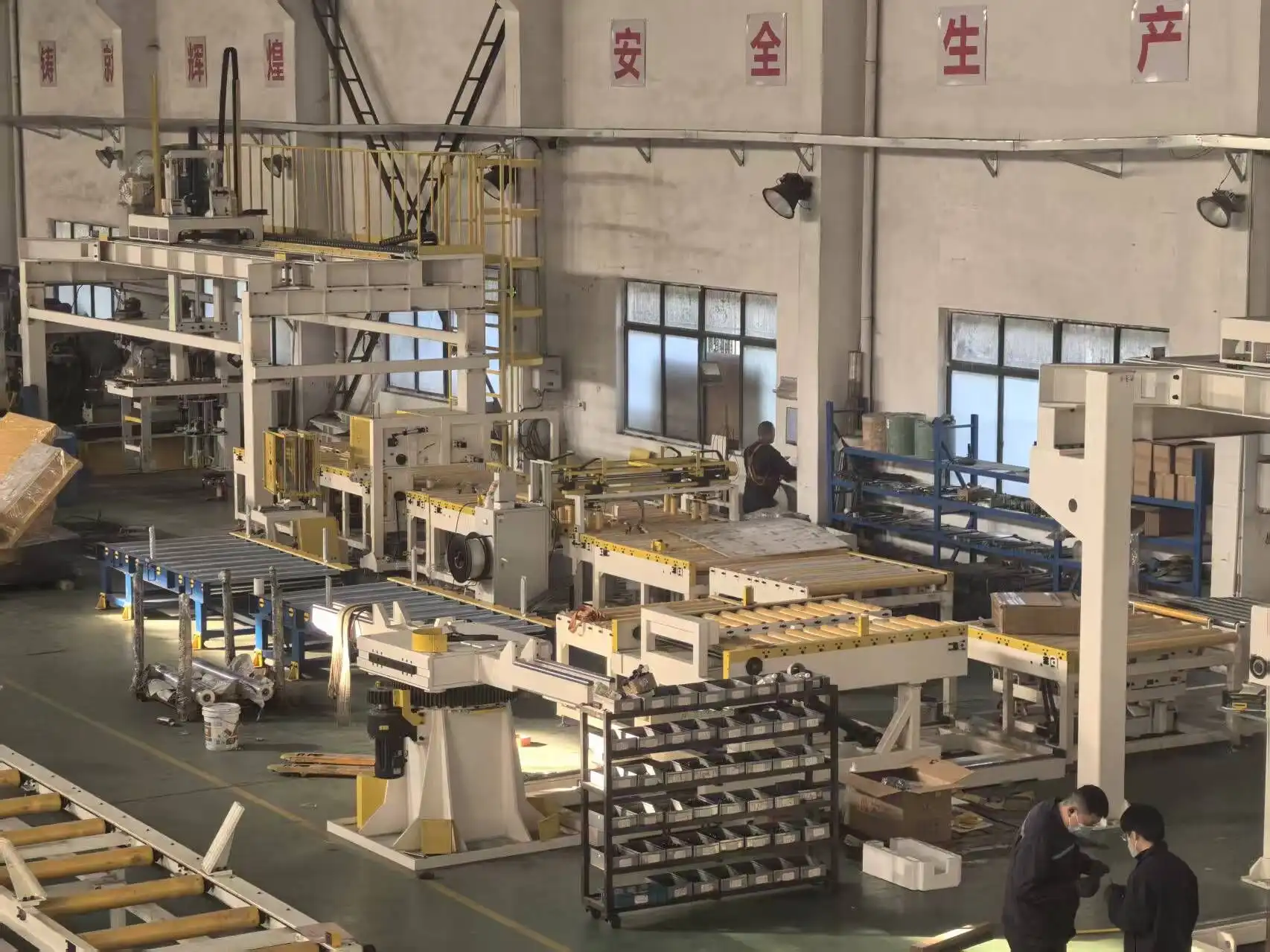
The image shows an automatic steel coil strapping and stacking conveyor line. In a retrofit, existing equipment is audited one by one: what is kept, what is extended, and what new stations are added around it.
Step 3: Pick the Modules to Add
Our modules can be added one at a time:
| Module | What it brings to an existing line |
|---|---|
| Coil down-ender | Picks single coils from the turnstile and tilts them 90°; slit coils from 15 mm wide; 20–30 s per coil |
| Eye-through wrapper | Stretch film (or paper) wrap; overlap 20–90%; PU-covered table rollers |
| Outer edge-protector device (optional) | Applies outer edge protectors automatically during wrapping |
| PET through-eye strapping | 3, 4 or 6 straps, about 15 s per cycle |
| Weighing and labeling | Weighs, prints and appliies bar-code labels after wrapping |
| Stacker / turntable | Stacks packed coils onto pallets |
Step 4: Align Mechanical, Electrical and Utility Interfaces
Before ordering equipment, agree on these interfaces with the plant:
- Mechanical: coil-car pits, foundations, skid heights, and the conveyor length at handover points
- Electrical: we supply the switch cabinets, field wiring and Siemens PLC, plus CAD wiring diagrams and the PLC program. We can also take coil data manually or over Profinet, or share packing data with ERP/MES systems.
- Utilities: 380 V/50 Hz is our standard (400 V/60 Hz on request); compressed air at 0.6–0.8 MPa, clean and dry
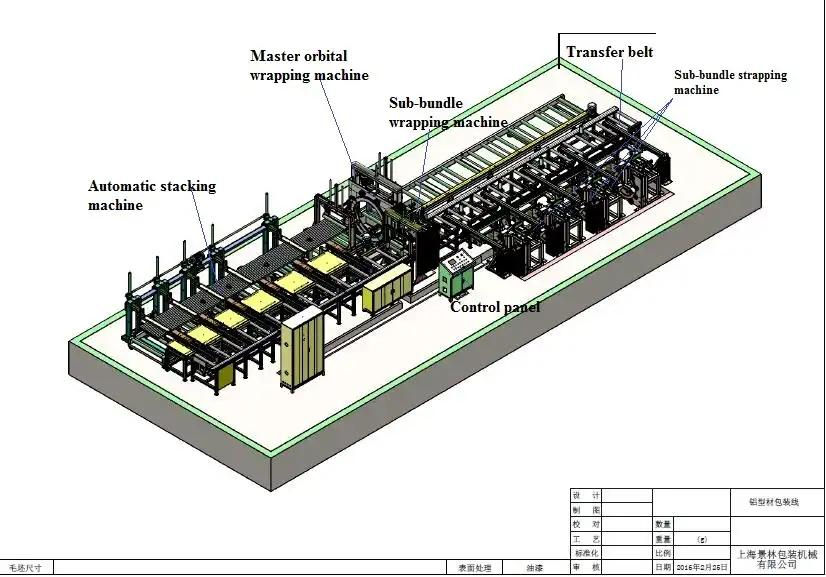
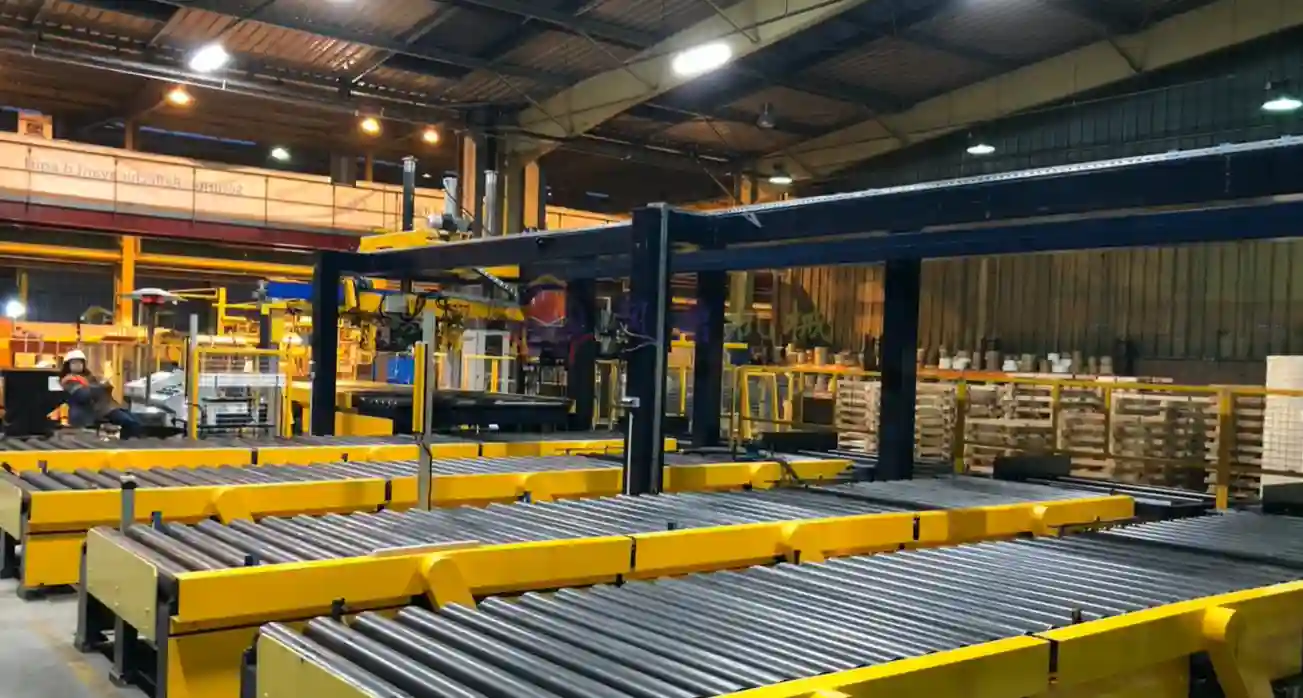
The image shows an automated coil packing line inside a plant. The retrofit interfaces are agreed around the equipment that already exists: coil-car pits, foundations, skid heights, conveyor lengths, cabinets and utilities.
Step 5: Plan the Cutover and Handover
The existing line should keep producing until the new stations are ready. Agree which station is switched over first and how the old manual station stays available as a fallback. On an automatic line, the changeover time is the installation time: typically 6–10 days, including installation, commissioning, site wiring and integrating our program with the existing site systems. Retrofit equipment carries the same 2-year warranty as our new lines.
Watch an automatic slit coil packing line:

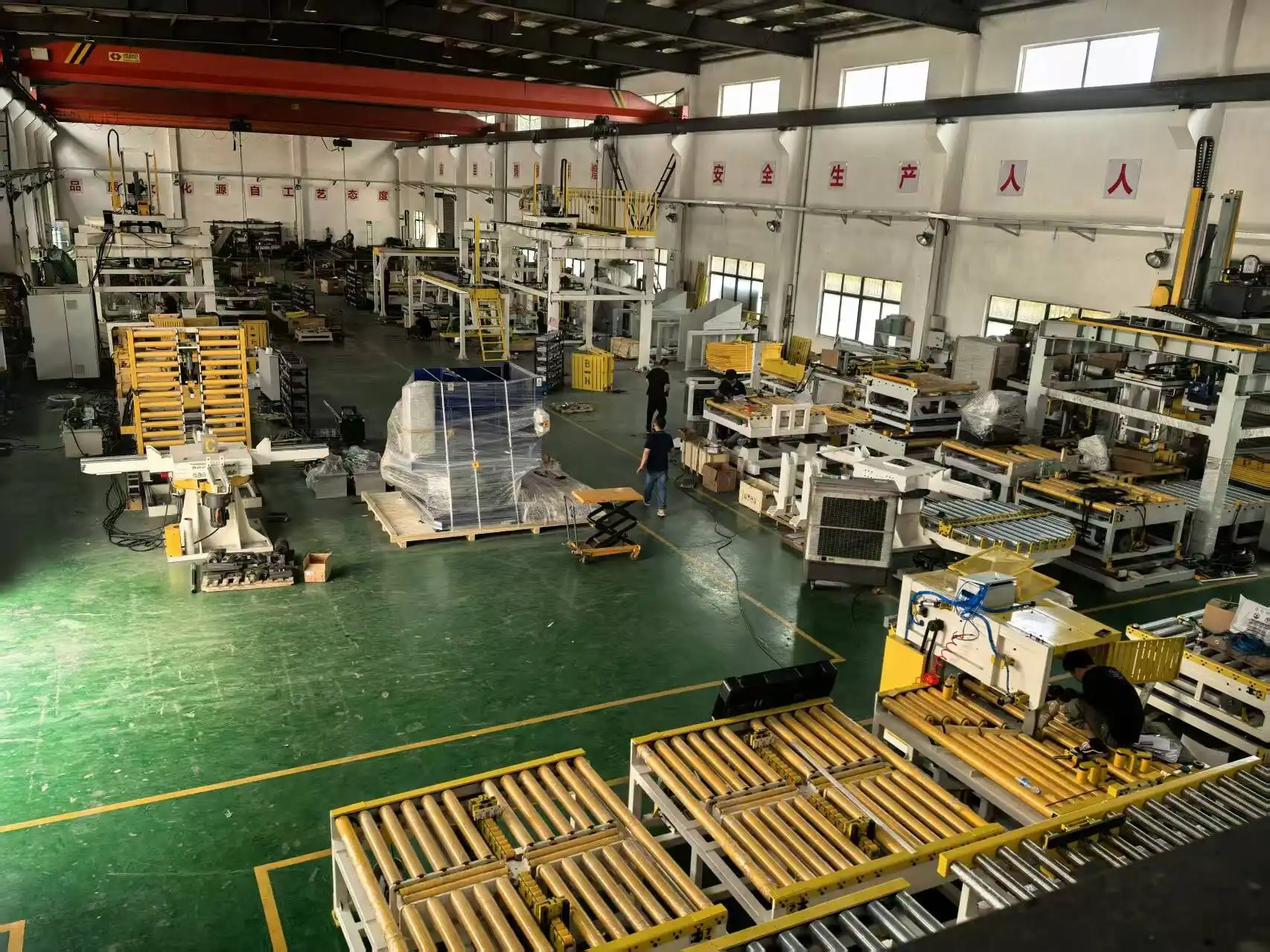
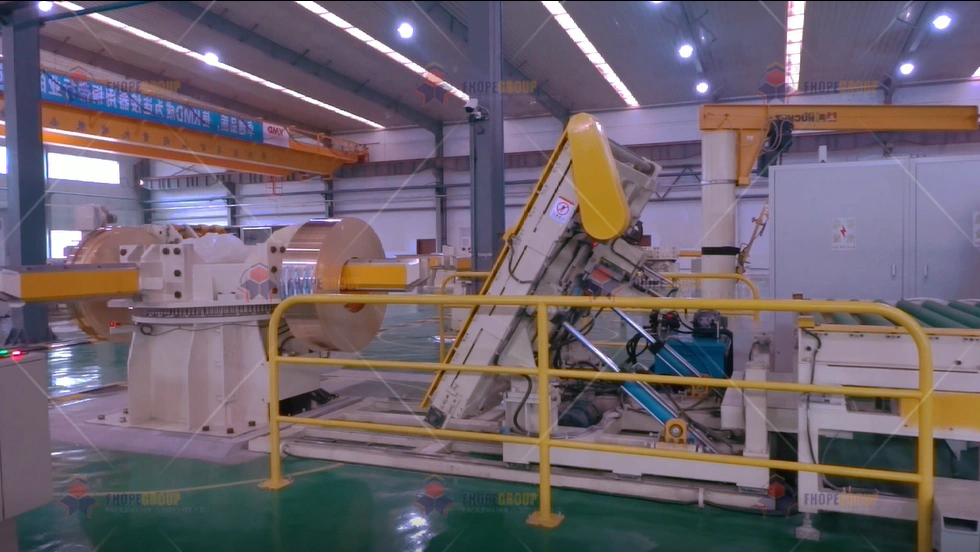
The image shows a coil packing line manufacturing factory. Retrofit modules are built and tested before cutover, and carry the same 2-year warranty as our new lines.
FAQ
Can you add one machine instead of a whole line? Yes. Each module can be integrated into an existing line.
Can the new equipment work with my existing coil car? Yes, it can be interlocked with existing cars. In one retrofit we added a second coil car with anti-collision safeguards.
Do you supply the controls? Yes: PLC, HMI, switch cabinets and field wiring, plus CAD wiring diagrams and the PLC program.
How long is the line down during a retrofit? It depends on the project. On an automatic line, it is typically 6–10 days, including installation, commissioning, site wiring and program integration.
What warranty applies to retrofit equipment? A 2-year warranty.
Send us your current line layout and the station that limits output on your automatic coil packing line, or contact us.
Visual Details
Click to enlarge
Click to enlarge
Click to enlarge
Click to enlarge
Watch How It Works
Discover how our automated packaging solutions optimize your production line efficiency. This video demonstrates the seamless operation designed for maximum protection.
Trusted by Steel Mills & Industry Leaders
Global manufacturers rely on FHOPE heavy duty packaging equipment


Ready to optimize your packaging line?
Get a custom quote with ROI analysis. Our engineers respond within 24 hours.
- Free layout design
- Global installation support
- 2-year warranty included
Your information is secure and will never be shared.
Related Machines
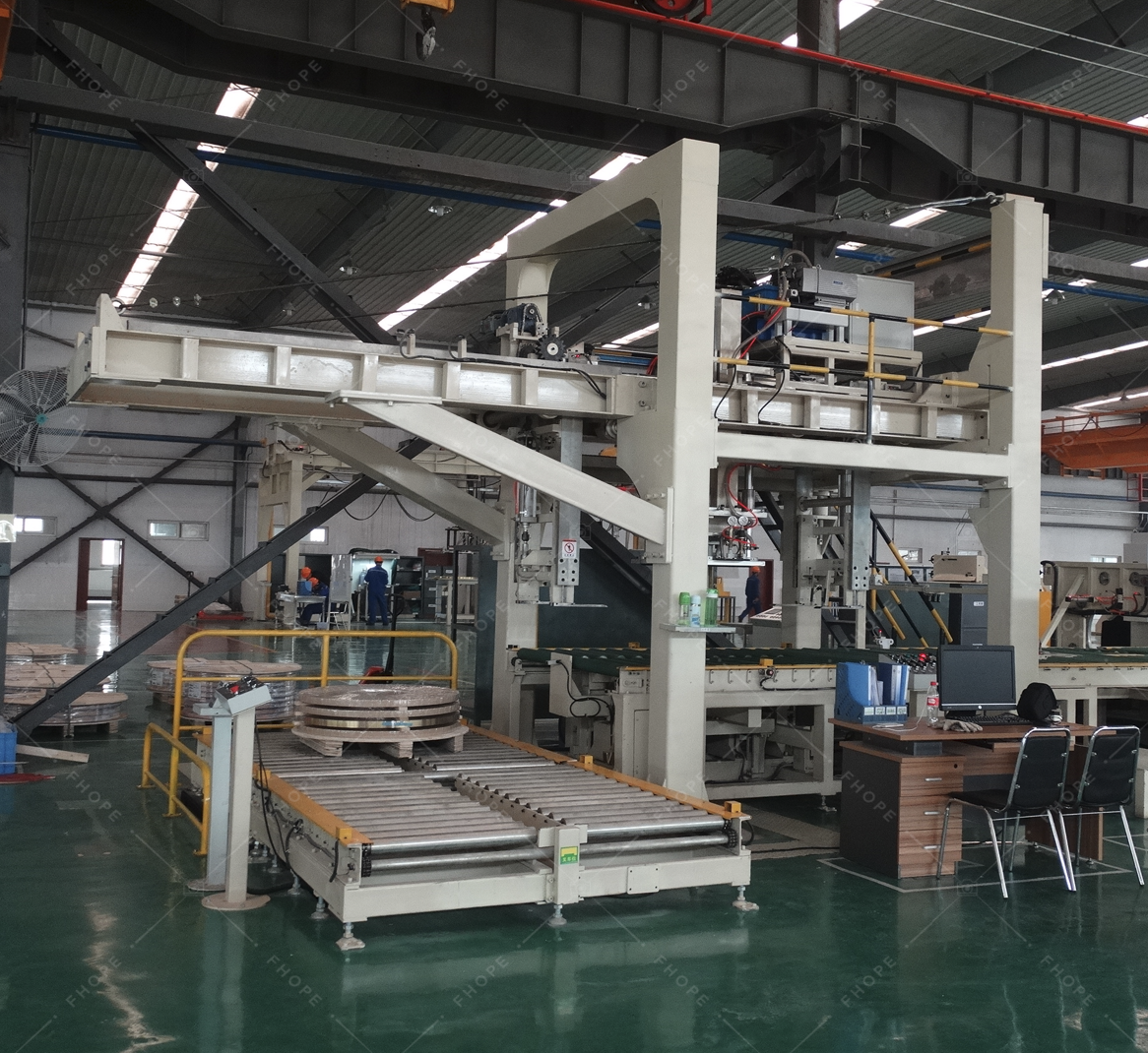
Steel Coil Packaging line
View Details →
Vertical coil packaging line
View Details →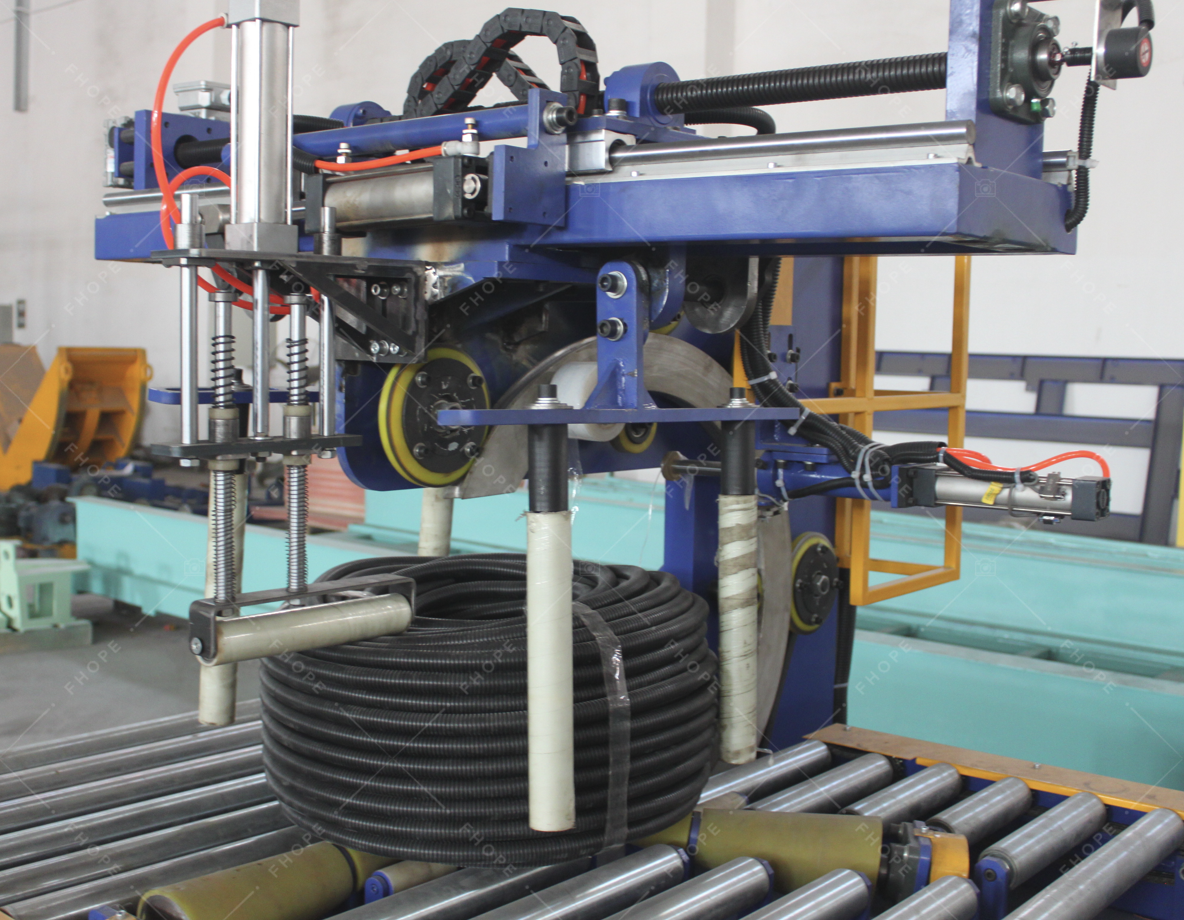
Hose Coil Packaging line
View Details →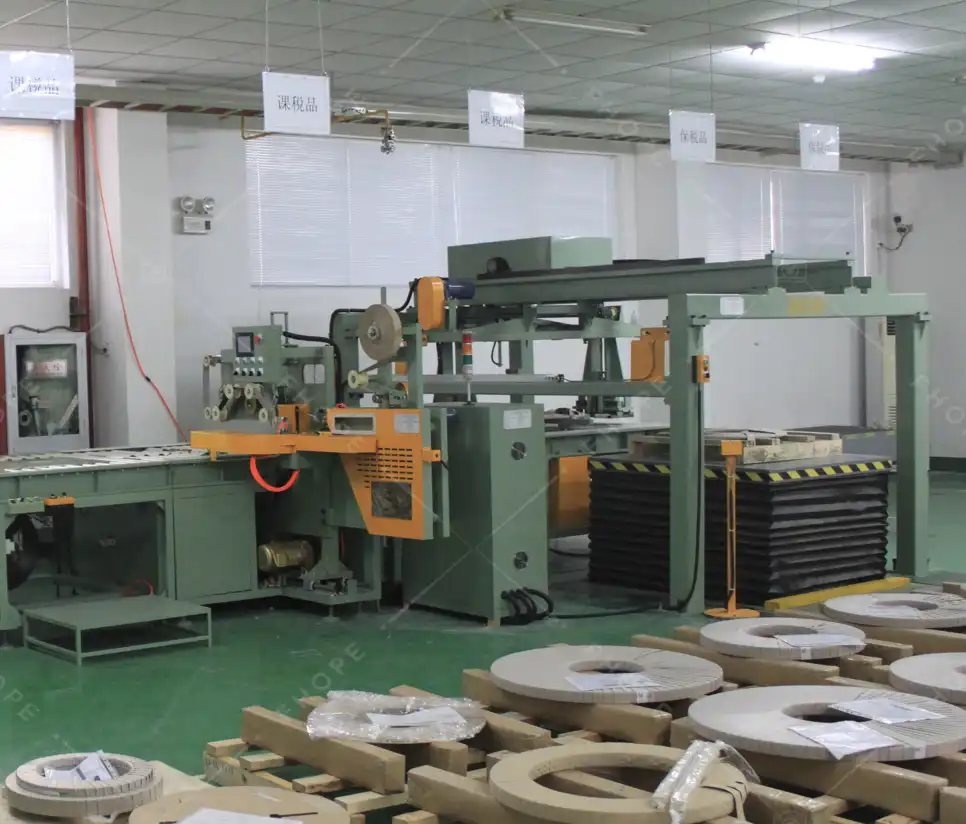
Copper Coil Packaging line
View Details →
Wire Coil Packaging line
View Details →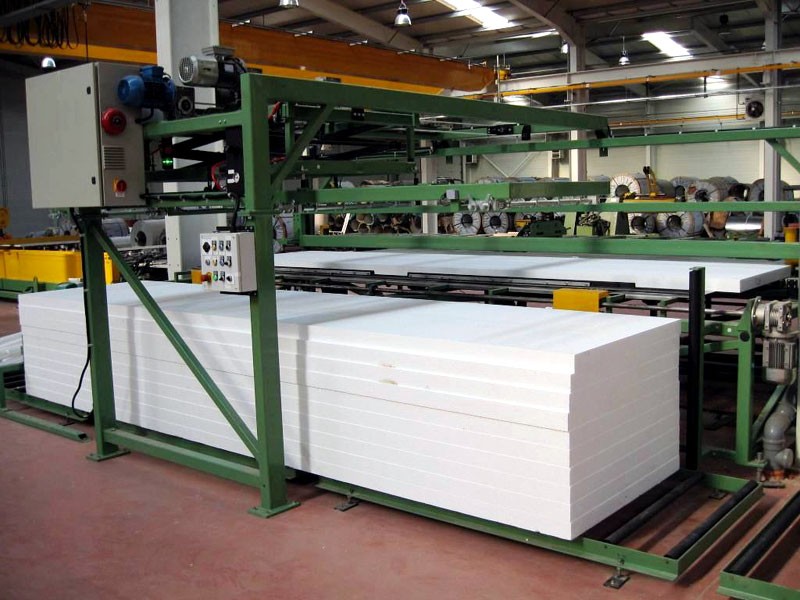
Panel Packaging line
View Details →
Pipe Bagging Machine
View Details →
Aluminum profile packing line
View Details →
FHOPE Automatic pipe tube bundling&strapping line
View Details →
Automatic pipe tube bundling & strapping line
View Details →
Automatic steel tube strapping machine
View Details →
FHOPE Automatic steel tube packing machine
View Details →
Automatic plastic Pipe strapping packing line
View Details →
Automatic PPR/PVC Pipe bagging line
View Details →
Platsic pipe bag packing machine
View Details →
Tyre Packing Machine FPT-200
View Details →
Tyre Packing Machine FPT-300
View Details →
Tyre Packing Machine FPT-400
View Details →
Cable Coil Packing Machine-FPCA100
View Details →