How to Choose Steel Coil Packaging for Storage and Shipping
Thicker film doesn't automatically mean better protection. Moisture, sharp edges, and long routes each demand the right material mix. This guide shows how to select steel coil packaging materials by function—and validate the full package with a representative trial.
Which Packaging Materials Protect Steel Coils in Storage and Shipping
Which Packaging Materials Protect Steel Coils in Storage and Shipping
Packaging protects a steel coil only when the material combination matches the coil surface, the transport route, and the required storage time. A thicker film does not automatically mean better protection if the mechanical damage or moisture path is not addressed.
This guide helps packaging, quality, and procurement teams select materials as part of the packaging recipe rather than as a single product choice for an automatic coil packing line.

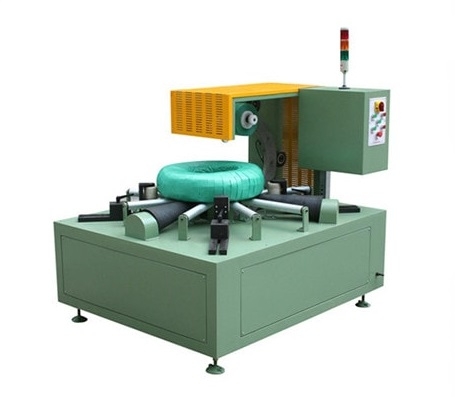
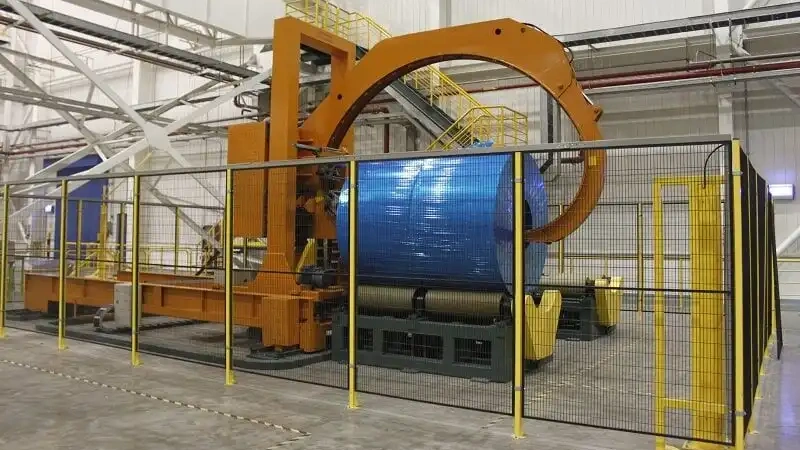
The image shows a steel coil outer protective layer wrapping machine. It represents the equipment side of the recipe: the machine applies the outer protection, but the material combination and the coil surface still decide whether the package works.
Define the Protection Target First
State what the package must resist: mechanical damage, moisture, corrosion, dirt, UV exposure, or handling abrasion. Also define the route: indoor storage, open-yard storage, domestic truck, container, or ocean freight.
The same steel coil may need one recipe for short domestic delivery and a different recipe for a humid, long-distance shipment.
Start with the Coil Surface
Cold rolled, galvanized, stainless, aluminum, and copper coils have different surface sensitivity and contact requirements. Edge protection and the material that touches the coil face should be compatible with that surface.
When the surface is sensitive, the contact layer matters before the outer wrap. A soft or non-marking layer may be required even if the outer material is strong.
Select the Wrapping Film by Function
Stretch film or LLDPE film provides a tight, conformable outer wrap. VCI film or VCI paper adds corrosion inhibition by releasing a protective vapor. Opaque film can reduce light exposure, while paper can absorb or cushion in certain applications.
The film width, thickness, tension, overlap, and number of layers are part of the recipe. "More film" is not the same as the correct film combination.
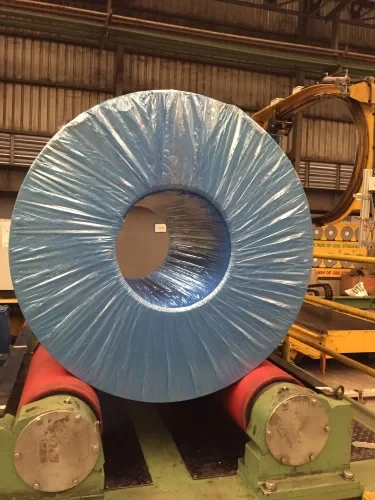
The image shows a coil wrapped with VCI stretch film. The protection comes from the film function, the overlap, and the layer sequence, not from the thickness of a single material.
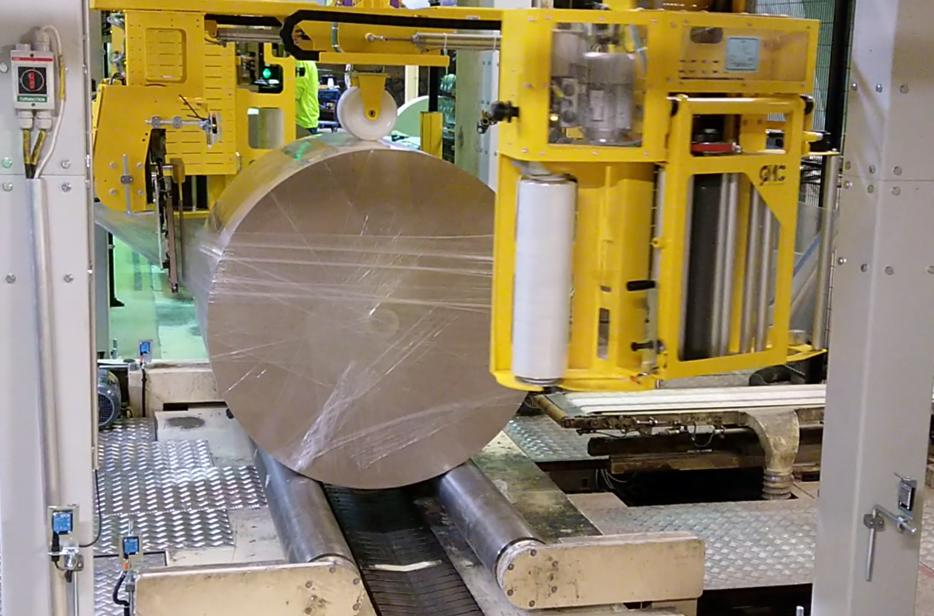
The image shows a film overlap control setup on a steel coil wrapping machine. Overlap, tension, and layer count are part of the same recipe as the material choice.
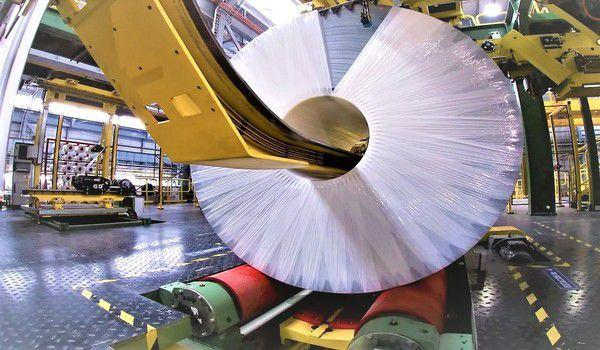
The image shows the film overlap control detail used during wrapping. It confirms why the recipe must state the overlap range and the acceptance condition, not only the film type.
Add Edge and Mechanical Protection
Steel coils are heavy and sharp at the edge. Plastic or steel edge protectors, side plates, and inner-bore protection reduce film cuts and mechanical damage. These items should be placed before or between wrapping layers according to the package design.
Strapping should be positioned so it holds the package without cutting into the coil or the wrapping material.
Control Moisture During Transit
Moisture damage can come from the coil temperature, condensation, rain, or a humid container. VCI protection helps, but it does not replace sealing, drainage, and a dry contact surface. For ocean freight, the package should also consider container condensation and the voyage duration.
The packaging specification should state the expected route, environment, and storage time so the material combination can be tested against them.
Build a Testable Recipe
Write the recipe as a sequence: surface preparation, inner protection, edge protection, wrapping material and layers, strapping, labeling, and inspection. For each step, state the material, method, and acceptance condition.
Test the complete package with a representative coil, not only the film on a bench. A material combination that looks good in isolation may fail after handling, stacking, or transport.
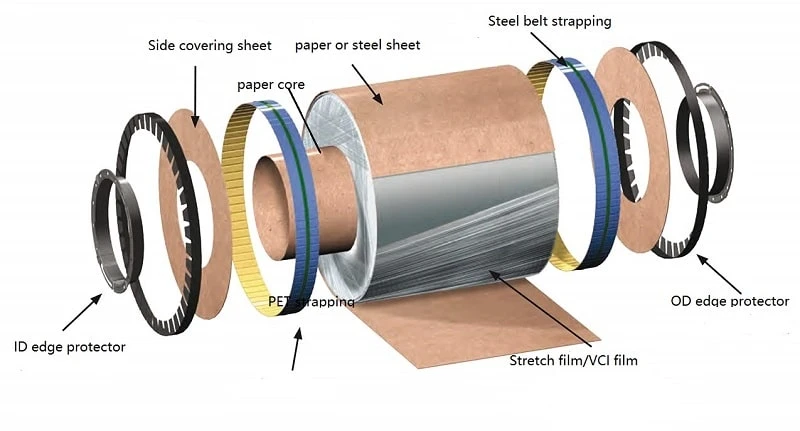
The image shows a cross-section diagram of the package layers. This is the level of detail the recipe should reach: surface preparation, contact layer, edge protection, wrapping material, strapping, and labeling in one clear sequence.
A Practical Next Step
Create a packaging material matrix by product family and route, then validate the full package with a representative trial. Keep the trial conditions and results so the recipe can be repeated and audited.
If the wrapping equipment is part of the same decision, compare the recipe against an automatic coil packing line configuration before finalizing the material list.
Watch a master automatic coil wrapping machine protect and wrap steel coils:

Visual Details
Click to enlarge

Click to enlarge

Click to enlarge
Click to enlarge
Watch How It Works
Discover how our automated packaging solutions optimize your production line efficiency. This video demonstrates the seamless operation designed for maximum protection.
Trusted by Steel Mills & Industry Leaders
Global manufacturers rely on FHOPE heavy duty packaging equipment


Ready to optimize your packaging line?
Get a custom quote with ROI analysis. Our engineers respond within 24 hours.
- Free layout design
- Global installation support
- 2-year warranty included
Your information is secure and will never be shared.
Related Machines
Steel Coil Packaging line
View Details →
Vertical coil packaging line
View Details →
Hose Coil Packaging line
View Details →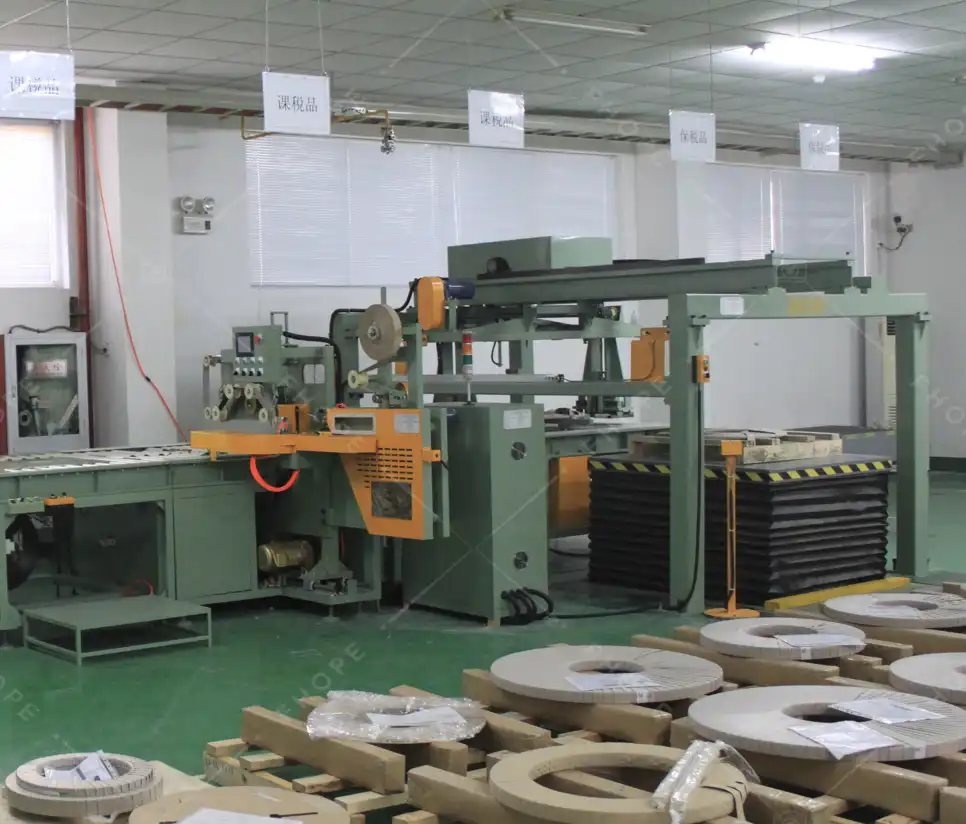
Copper Coil Packaging line
View Details →
Wire Coil Packaging line
View Details →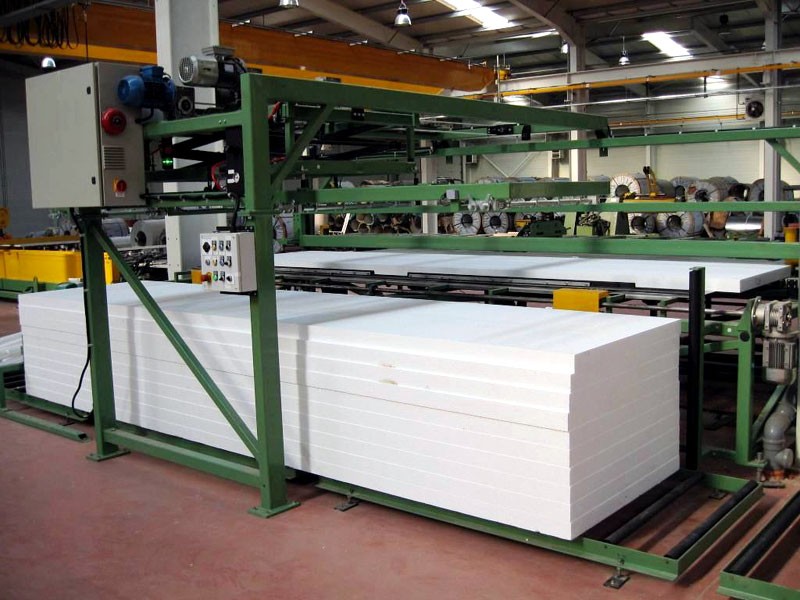
Panel Packaging line
View Details →
Pipe Bagging Machine
View Details →
Aluminum profile packing line
View Details →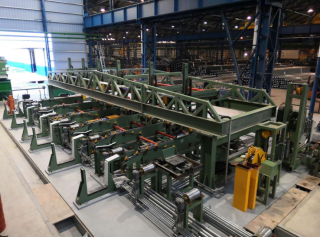
FHOPE Automatic pipe tube bundling&strapping line
View Details →
Automatic pipe tube bundling & strapping line
View Details →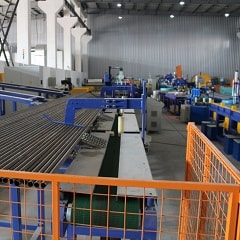
Automatic steel tube strapping machine
View Details →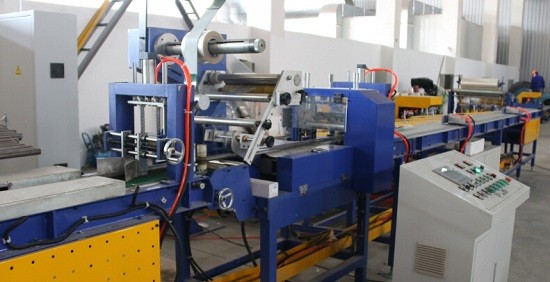
FHOPE Automatic steel tube packing machine
View Details →
Automatic plastic Pipe strapping packing line
View Details →
Automatic PPR/PVC Pipe bagging line
View Details →
Platsic pipe bag packing machine
View Details →
Tyre Packing Machine FPT-200
View Details →
Tyre Packing Machine FPT-300
View Details →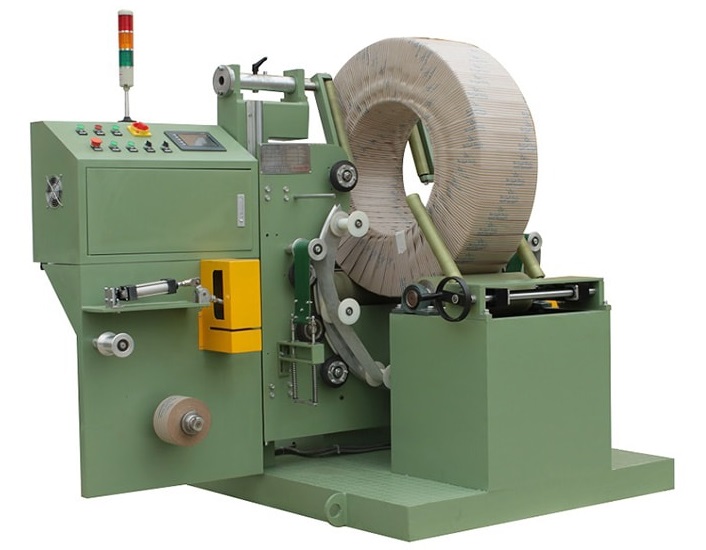
Tyre Packing Machine FPT-400
View Details →
Cable Coil Packing Machine-FPCA100
View Details →