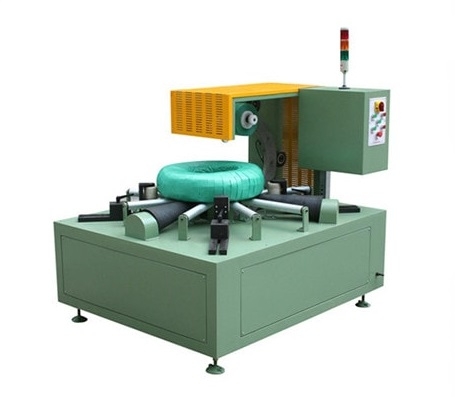
Coil Packing Line Output Low? 5 Real Bottlenecks to Check
The 5 real bottlenecks that limit coil packing line output — unstable material supply, product-mix changeover, material replenishment, data and label exceptions, and recovery after interruption. Find the real constraint before adding capacity.

The 5 Real Bottlenecks That Limit Coil Packing Line Output
The 5 Real Bottlenecks That Limit Coil Packing Line Output
The output of an automatic coil packing line is not determined by its fastest station. It is determined by the station or handoff that can accept the least amount of work during a sustained period. Most missed-output problems look like a wrapper issue but are caused by the material, data, or recovery boundary around it.
This article helps operations and engineering teams identify the real bottleneck before adding capacity in the wrong place.
| Bottleneck | Typical symptom | Where to look |
|---|---|---|
| Unstable material supply | The line waits even when its own stations are ready | Arrival, buffer, staging, and bypass routes |
| Product-mix changeover | Fast on one product, slow across a full shift | Changeover time, film adjustment, first-article checks |
| Material replenishment | Stops for film, VCI, paper, strapping, or labels | Replenishment frequency, access, and reserve capacity |
| Data and label exceptions | Coil moves physically but the record is missing | Identity, label verification, and correction owner |
| Recovery after interruption | Expensive minutes after film break, blockage, or fault | Recovery route, access, and expert dependency |
Define the Output Boundary First
Measure output over the complete line, not one station. Include coil arrival, transfer, buffering, identification, wrapping, strapping, weighing, labeling, inspection, stacking, and discharge. Include planned changeovers, material replenishment, first-article checks, and the time spent recovering from a blocked or unidentified coil.
The useful number is accepted coils per shift, not theoretical wrapping cycles per hour.

The image shows a coil packing line for cold rolled coils in an operating context. The useful measure is accepted coils per shift across the connected flow, not the speed of a single station.
Bottleneck 1: Unstable Material Supply
If the line is fed in batches from a slitting line or crane, the packing line may wait even when its own stations are ready. A downstream interruption can also stop the line because the buffer fills and there is no approved route to stage or bypass a coil.
The fix is not always more wrapping speed. It is often a defined buffer size, ownership rule, and fallback path.
Bottleneck 2: Product-Mix Changeover
Frequent changes in width, outer diameter, weight, orientation, or packaging recipe consume time that is invisible in a single-cycle demonstration. A line that looks fast on one product may spend most of its shift changing film, adjusting positions, confirming a first article, or reworking a package.
Group the real product population into families and measure the time between the last good coil of one family and the first good coil of the next.

The image shows people reviewing the line in a factory setting. That is how changeover and waiting data should be collected: with the production team at the line, not from a single-cycle demonstration.
Bottleneck 3: Material Replenishment
Wrapping film, VCI material, paper, strapping, and labels all need to be replaced. If replenishment requires stopping the line, moving into a guarded area, or waiting for a maintenance person, the nominal cycle time is not useful.
Record replenishment frequency and duration for each material, then design the access and reserve capacity around the highest-impact material.

The image shows people around a steel coil wrapping machine during its operating procedure. Material replenishment and access must be part of the same procedure, because a stop at this point reduces accepted output just like a slow wrapping cycle.
Bottleneck 4: Data and Label Exceptions
An automatic line can move a coil physically even when the required record is missing or the label cannot be verified. The resulting stop or manual correction often takes longer than the physical cycle.
For each handoff, define the source of truth, the correction owner, and the safe state when a record is unavailable. Do not let data uncertainty become an unmeasured bottleneck.

The image shows people involved in FAT/SAT industrial automation project management. Data and label exceptions should be handled with the same discipline as acceptance testing: the responsible owner, the required record, and the safe failure state must be defined before the line is released.
Bottleneck 5: Recovery After Interruption
The most expensive minutes are usually not the normal cycle. They are the minutes after a film break, a coil shift, a sensor fault, a blocked downstream area, or a power interruption. If recovery requires an expert, a password, or an undefined procedure, the line will be slower in real operation than in a demonstration.
Design the recovery route as a first-class requirement, not an afterthought.
Find the Constraint Before Adding Capacity
Map the end-to-end flow, collect waiting and intervention times, and identify the one station or handoff that limits sustained output. Improve that constraint first. Adding capacity elsewhere will only increase the queue before the same bottleneck.
When you invest in an automatic coil packing line, add capacity only after the real constraint is identified.
A Practical Next Step
Run a short observation period with a representative product mix and record every wait, stop, changeover, replenishment, and manual correction. The resulting list is a better investment guide than a faster wrapping cycle.
Watch an automatic coil upending, wrapping and stacking line in operation:

Visual Details

Click to enlarge

Click to enlarge

Click to enlarge

Click to enlarge
Watch How It Works
Discover how our automated packaging solutions optimize your production line efficiency. This video demonstrates the seamless operation designed for maximum protection.
Trusted by Steel Mills & Industry Leaders
Global manufacturers rely on FHOPE heavy duty packaging equipment


Ready to optimize your packaging line?
Get a custom quote with ROI analysis. Our engineers respond within 24 hours.
- Free layout design
- Global installation support
- 2-year warranty included
Your information is secure and will never be shared.
Related Machines
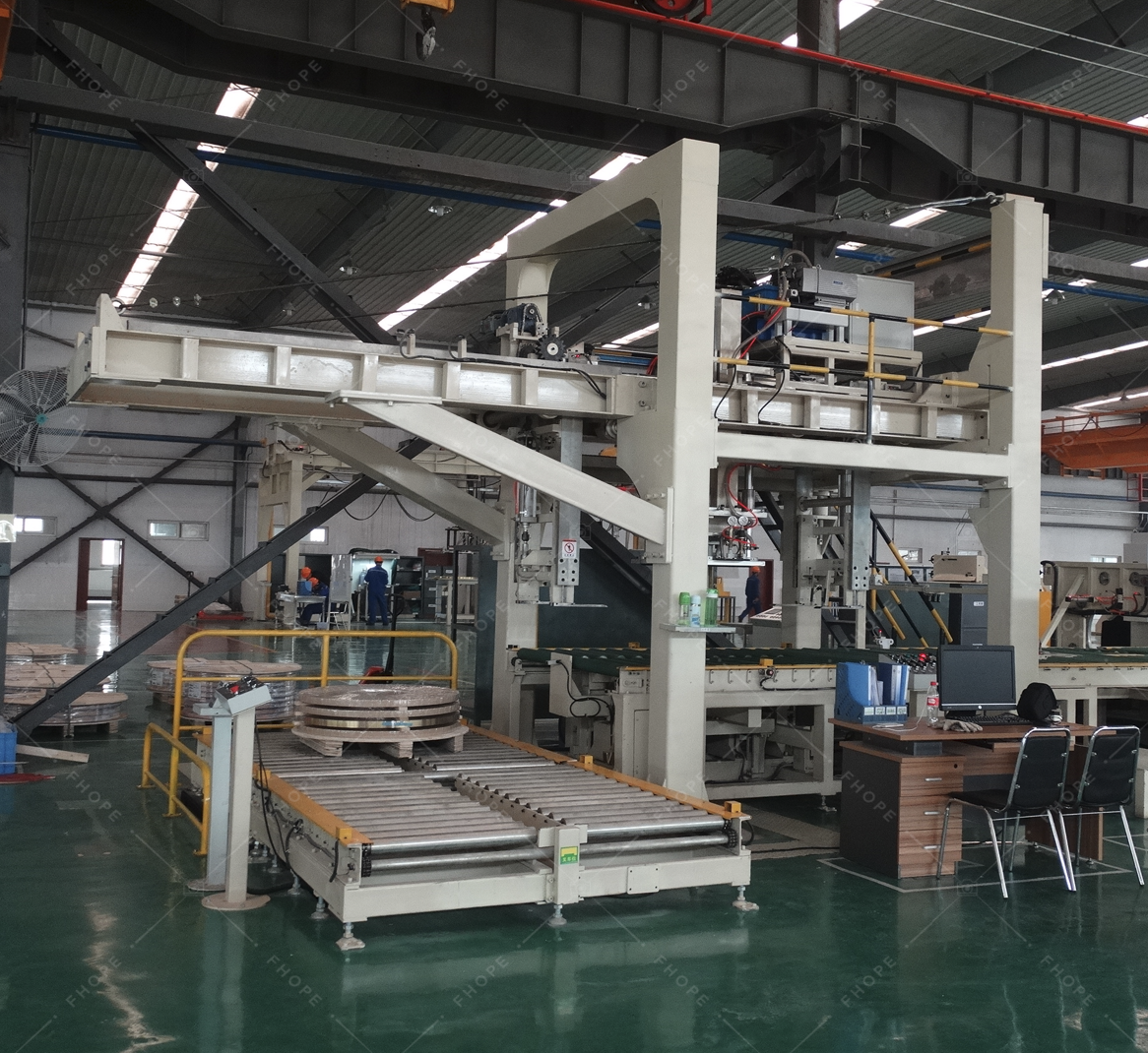
Steel Coil Packaging line
View Details →
Vertical coil packaging line
View Details →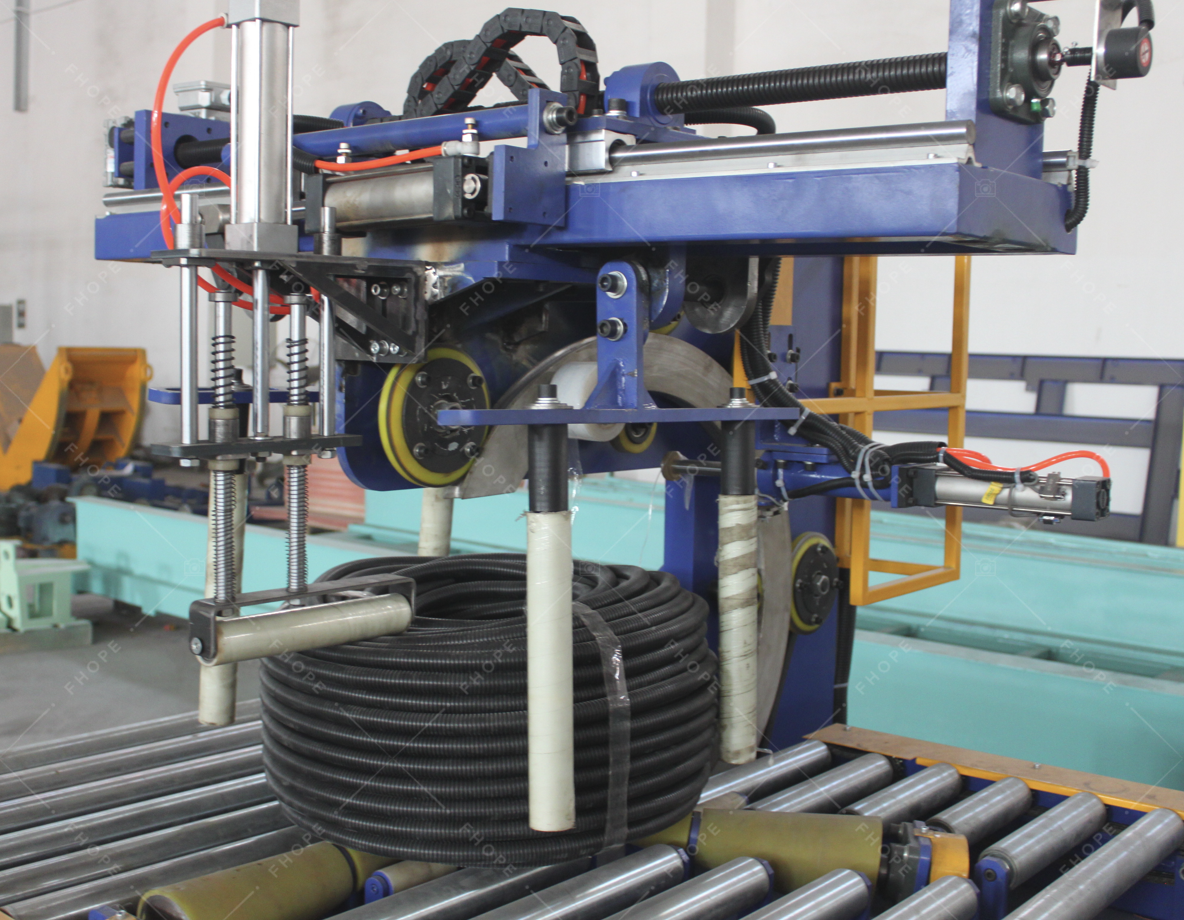
Hose Coil Packaging line
View Details →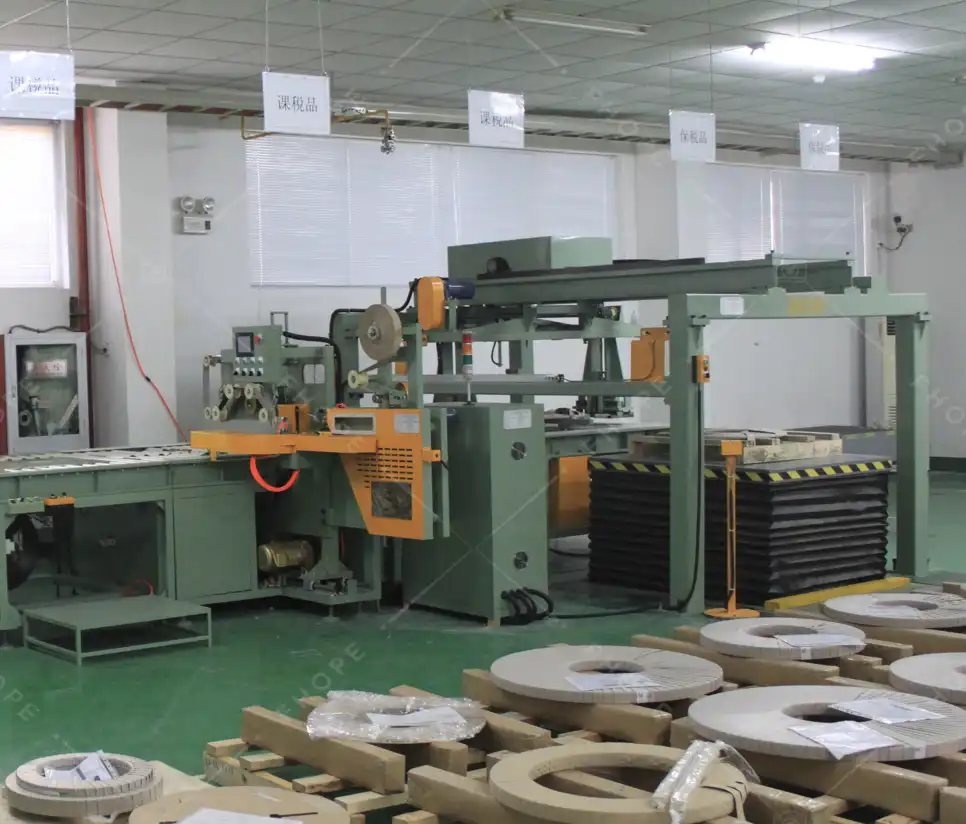
Copper Coil Packaging line
View Details →
Wire Coil Packaging line
View Details →
Panel Packaging line
View Details →
Pipe Bagging Machine
View Details →
Aluminum profile packing line
View Details →
FHOPE Automatic pipe tube bundling&strapping line
View Details →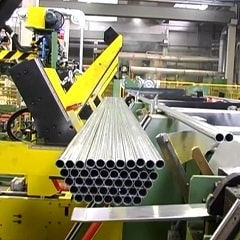
Automatic pipe tube bundling & strapping line
View Details →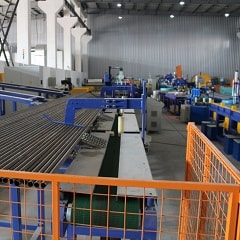
Automatic steel tube strapping machine
View Details →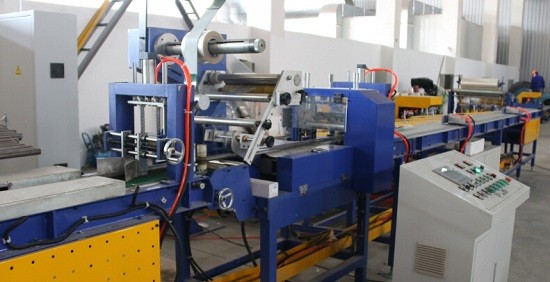
FHOPE Automatic steel tube packing machine
View Details →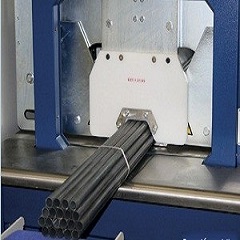
Automatic plastic Pipe strapping packing line
View Details →
Automatic PPR/PVC Pipe bagging line
View Details →
Platsic pipe bag packing machine
View Details →
Tyre Packing Machine FPT-200
View Details →
Tyre Packing Machine FPT-300
View Details →
Tyre Packing Machine FPT-400
View Details →
Cable Coil Packing Machine-FPCA100
View Details →