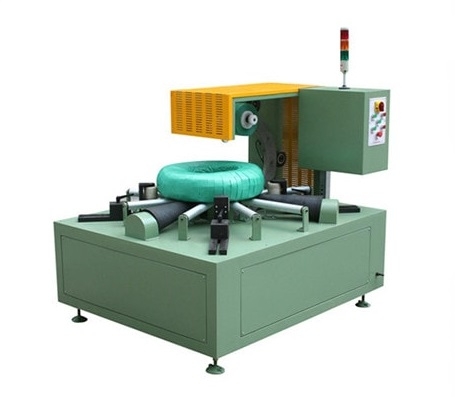
Semi or Fully Automatic Coil Packing Line? How to Decide
Which coil packing line fits your operation — semi-automatic or fully automatic? The answer depends on repeatability, not machine hardware. Compare both scopes with four operating questions, a side-by-side table, and a phased upgrade path.

Semi-Automatic vs. Fully Automatic Coil Packing Lines: How to Choose
Semi-Automatic vs. Fully Automatic Coil Packing Lines: How to Choose
Automation is not a single on-off switch. A semi-automatic coil packing line and a fully automatic line can overlap in machine hardware, but differ in how the coil is handled, how decisions are made, and how failures are recovered.
The useful question is not "Which is better?" It is "Which parts of this operation are repeatable and worth automating, and which parts still need a person?"
Define the Two Scopes
A semi-automatic line usually automates one or more core stations, such as wrapping or strapping, while a person loads, confirms, or transfers the coil between stations. It is often easier to install, easier to adapt, and less sensitive to a missing data record.
A fully automatic coil packing line connects handling, wrapping, strapping, weighing, labeling, stacking, and discharge with fewer direct human interventions. It reduces manual labor when the product family is stable, but it also raises the importance of data accuracy, exception handling, and maintenance capability.
| Dimension | Semi-automatic | Fully automatic |
|---|---|---|
| Automated scope | Core stations such as wrapping or strapping | Connected handling, wrapping, strapping, weighing, labeling, stacking, and discharge |
| Human role | Load, confirm, and transfer between stations | Fewer direct interventions; supervision and recovery remain |
| Data dependency | Lower sensitivity to missing records | Higher importance of data accuracy |
| Best fit | Changing mix or order-by-order decisions | Stable product family and repeatable flow |
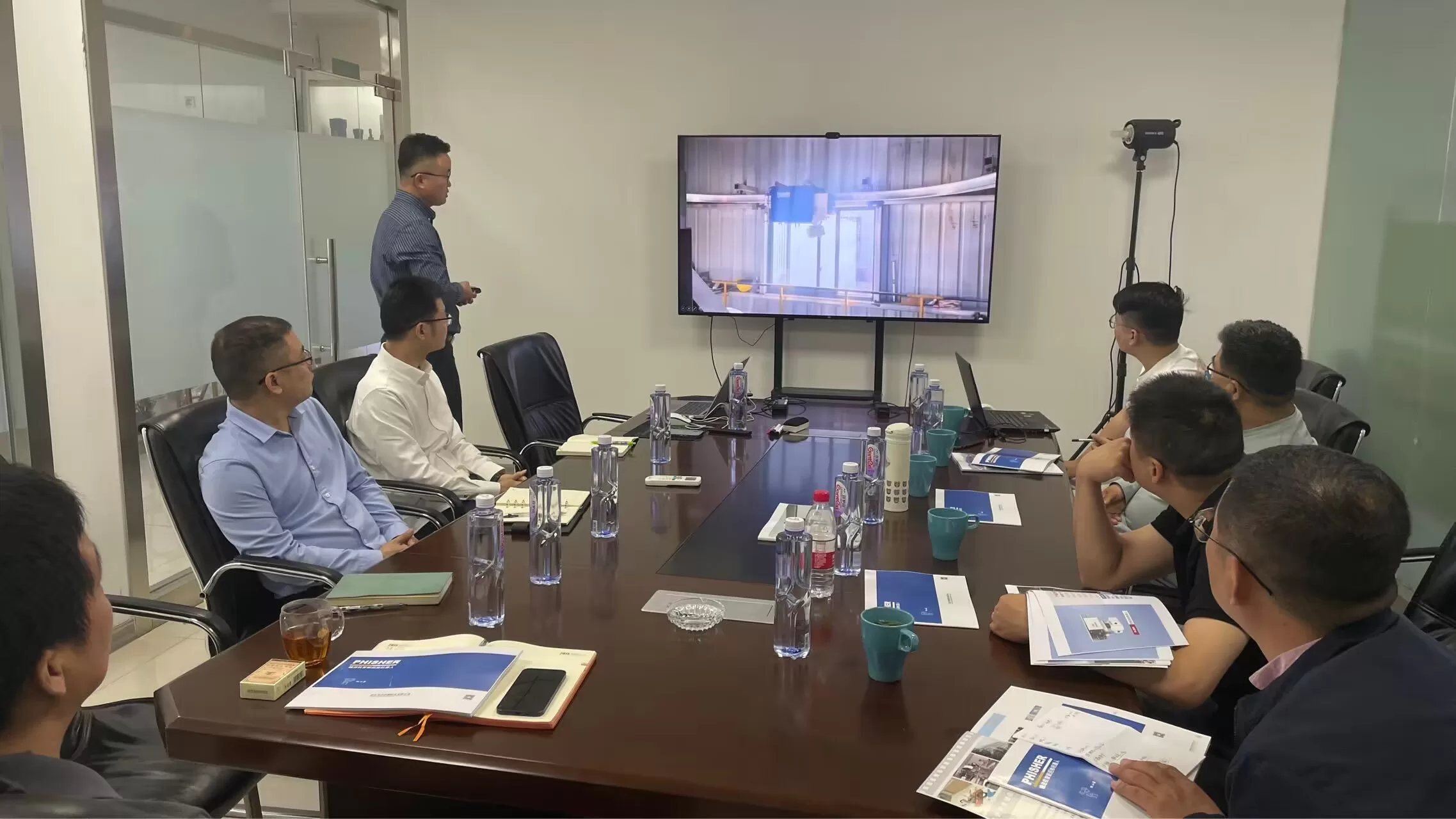
The image shows the project team seated around a table during a design discussion. That is where the real question gets answered: which stations are repeatable enough to automate, and which handoffs still need a person.
Choose from the Operating Pattern
Start with the repeatability of the coil population:
- Is the product mix stable, or does it change frequently?
- Are the release pattern and coil orientation predictable?
- Can the packaging rule be selected without a person making a judgment call?
- Can the team maintain the additional conveyors, sensors, data interfaces, and material feeds?
If the answer is consistently yes, fuller automation is more likely to help. If the answer depends on order-by-order decisions, a semi-automatic line with controlled human handoffs may be more reliable.
Consider Labor, Quality and Recovery
Automation can reduce repetitive handling and improve recipe consistency. It does not remove the need for supervision, replenishment, first-article checks, quality holds, and maintenance.
The recovery design is the deciding factor in many projects. Ask what happens when a coil is unidentified, a label cannot be verified, material runs out, a downstream area is blocked, or power is interrupted. A fully automatic line must still define a safe route for those cases.
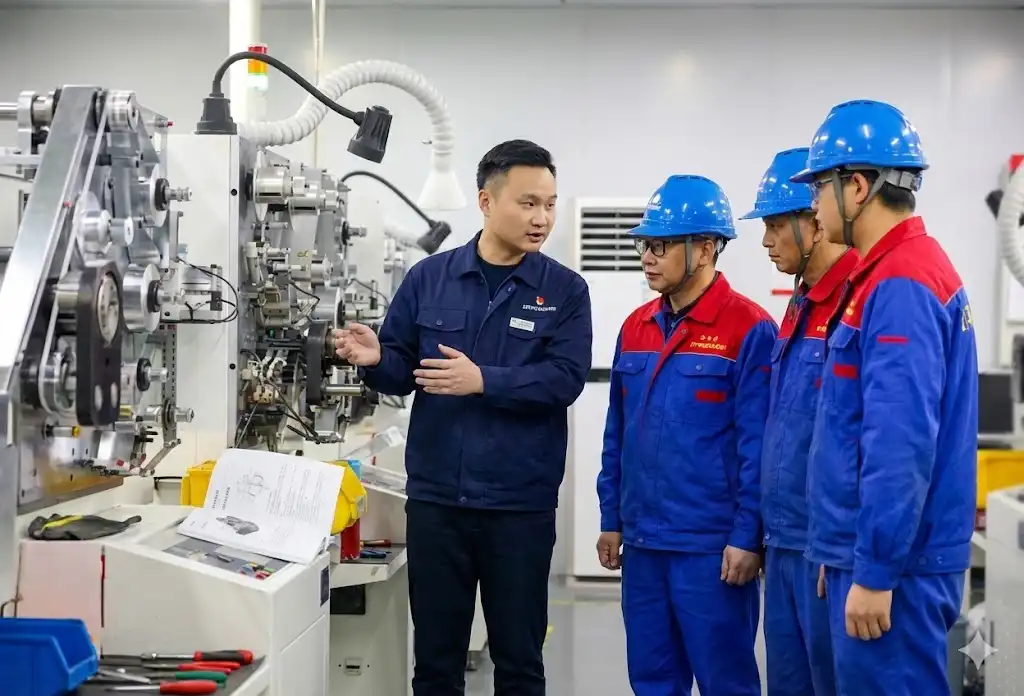
The image shows Fhope service engineers explaining operating and safety precautions to workers on site. It represents the human layer that does not disappear with automation: training, first-article confirmation, supervision, and the recovery route.
Compare on Total Operating Boundary
Compare the two options across:
- Normal cycle time and changeover time.
- Manual loading and unloading tasks.
- Material replenishment and spare parts.
- Label and data exception handling.
- Maintenance skills and response time.
- Space, utilities, and floor loading.
- Installation and training.
A faster nominal cycle does not make a line more automatic in the way that matters. The accepted output and the exception rate are better indicators.
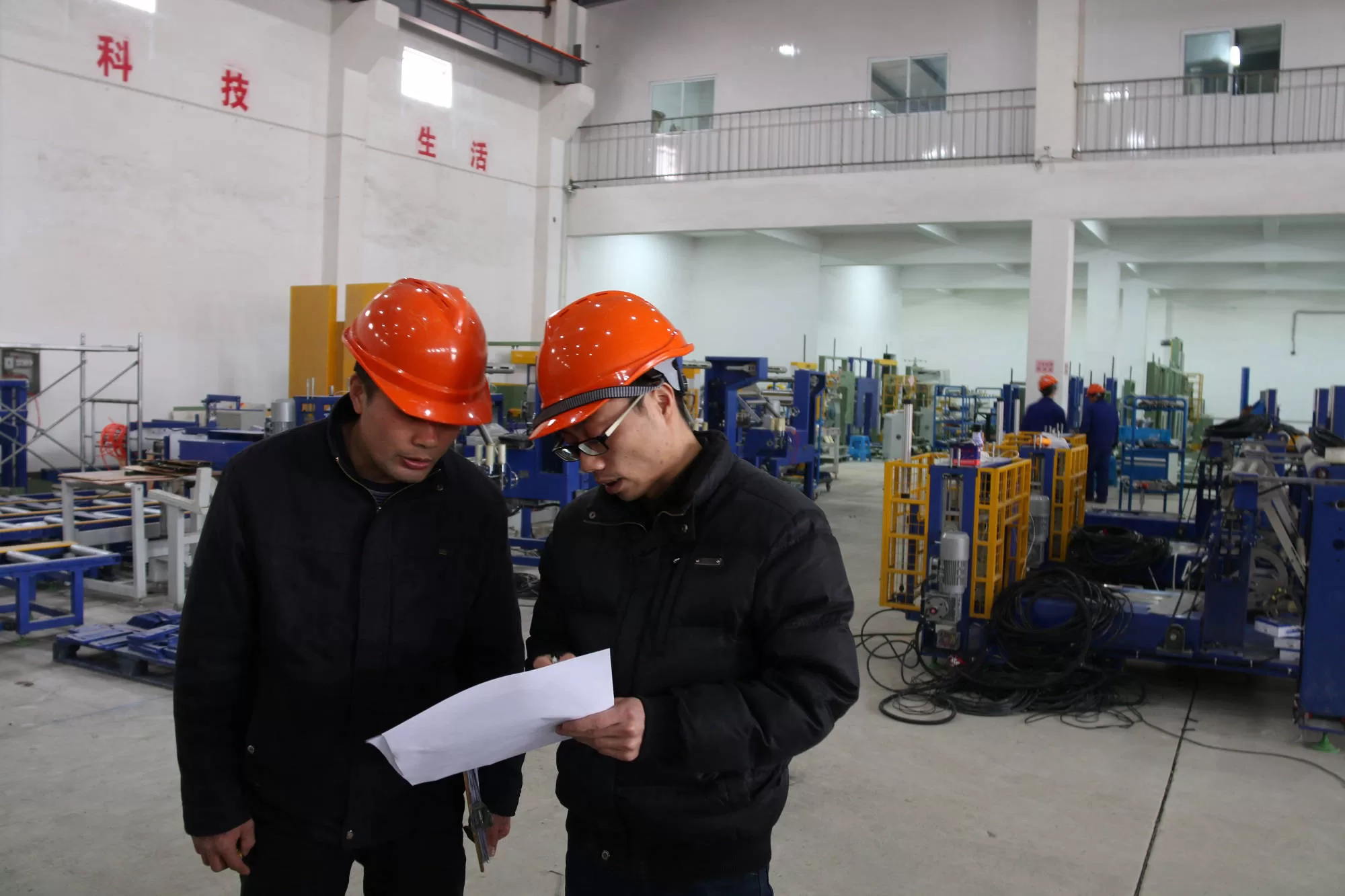
The image shows Fhope team members in an industrial work setting. It connects the comparison to the operating boundary: maintenance skills, replenishment, training, and response time matter as much as the machine hardware.
Use a Phased Path When the Mix Is Uncertain
Many projects can start with a semi-automatic wrapping cell, stabilize the product family and packaging rule, then add automated transfer, labeling, or stacking when the next constraint is real. This keeps the investment aligned with evidence instead of assumption.
If the operation is already stable and the constraint is clearly manual handling or data re-entry, a fuller line can be justified from the start. In both cases, define the manual fallback before the line is installed.
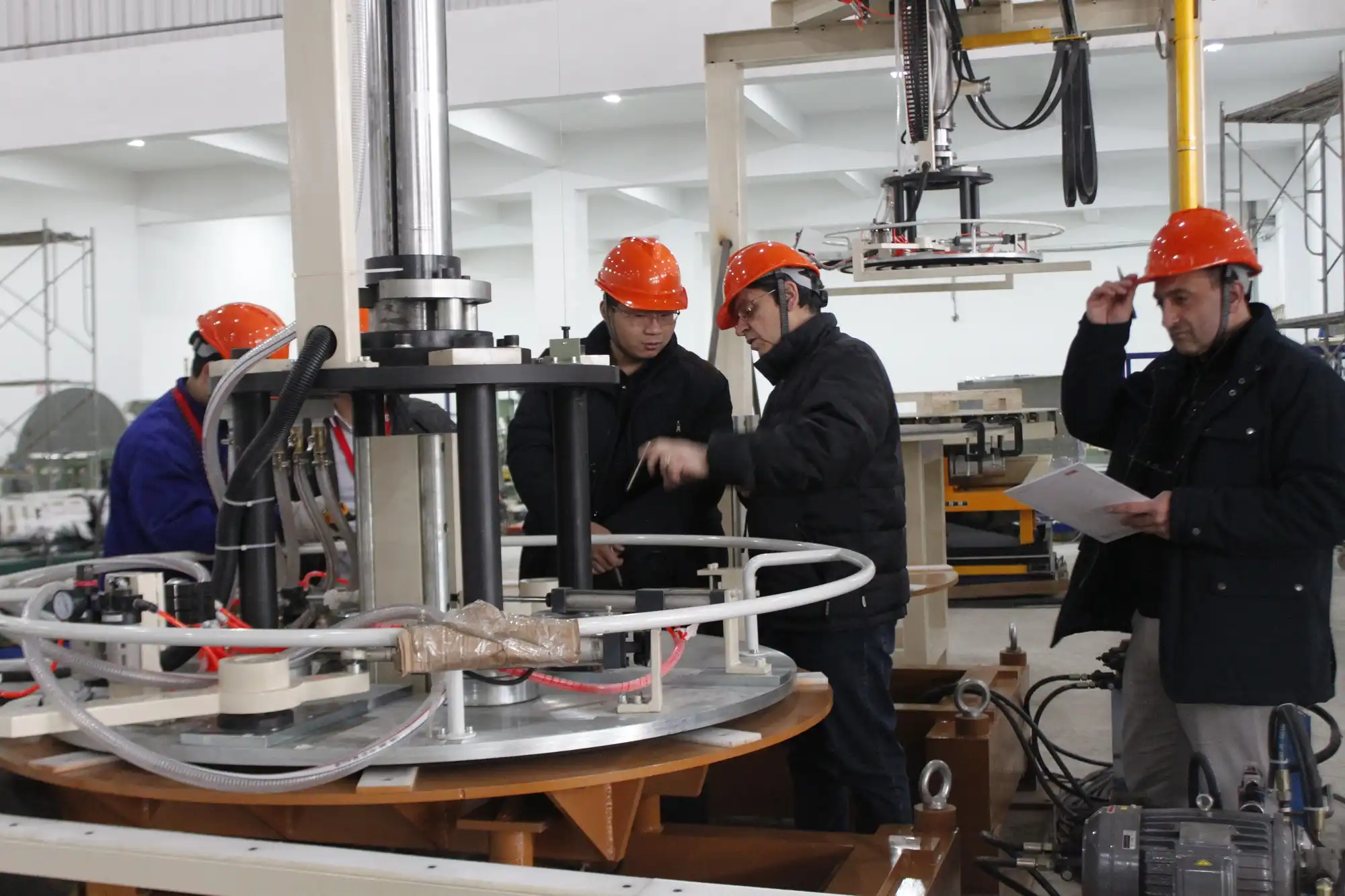
The image shows the Fhope group service team working together around a table. That collaborative review is the practical form of the phased path: stabilize the product family and packaging rule first, then add transfer, labeling, or stacking when the next constraint is real.
A Practical Next Step
Map the current flow and mark every task that requires a human decision. Automate the repeatable tasks first, keep the judgment tasks visible, and define the recovery route for every automated handoff. That produces a line that is automatic where it helps and supervised where it matters.
Watch a steel coil packaging line in operation:

Visual Details

Click to enlarge

Click to enlarge

Click to enlarge

Click to enlarge
Watch How It Works
Discover how our automated packaging solutions optimize your production line efficiency. This video demonstrates the seamless operation designed for maximum protection.
Trusted by Steel Mills & Industry Leaders
Global manufacturers rely on FHOPE heavy duty packaging equipment


Ready to optimize your packaging line?
Get a custom quote with ROI analysis. Our engineers respond within 24 hours.
- Free layout design
- Global installation support
- 2-year warranty included
Your information is secure and will never be shared.
Related Machines
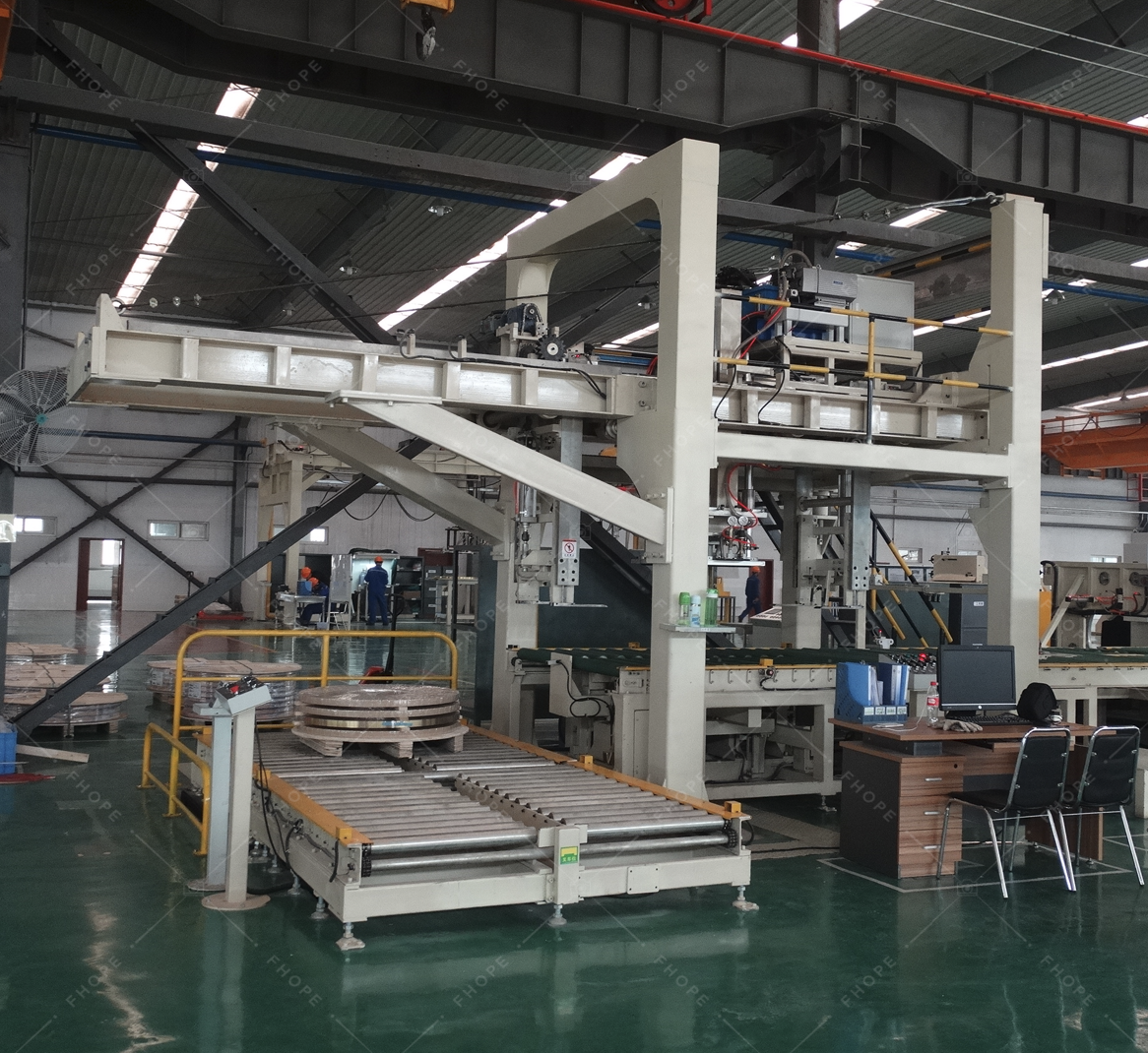
Steel Coil Packaging line
View Details →
Vertical coil packaging line
View Details →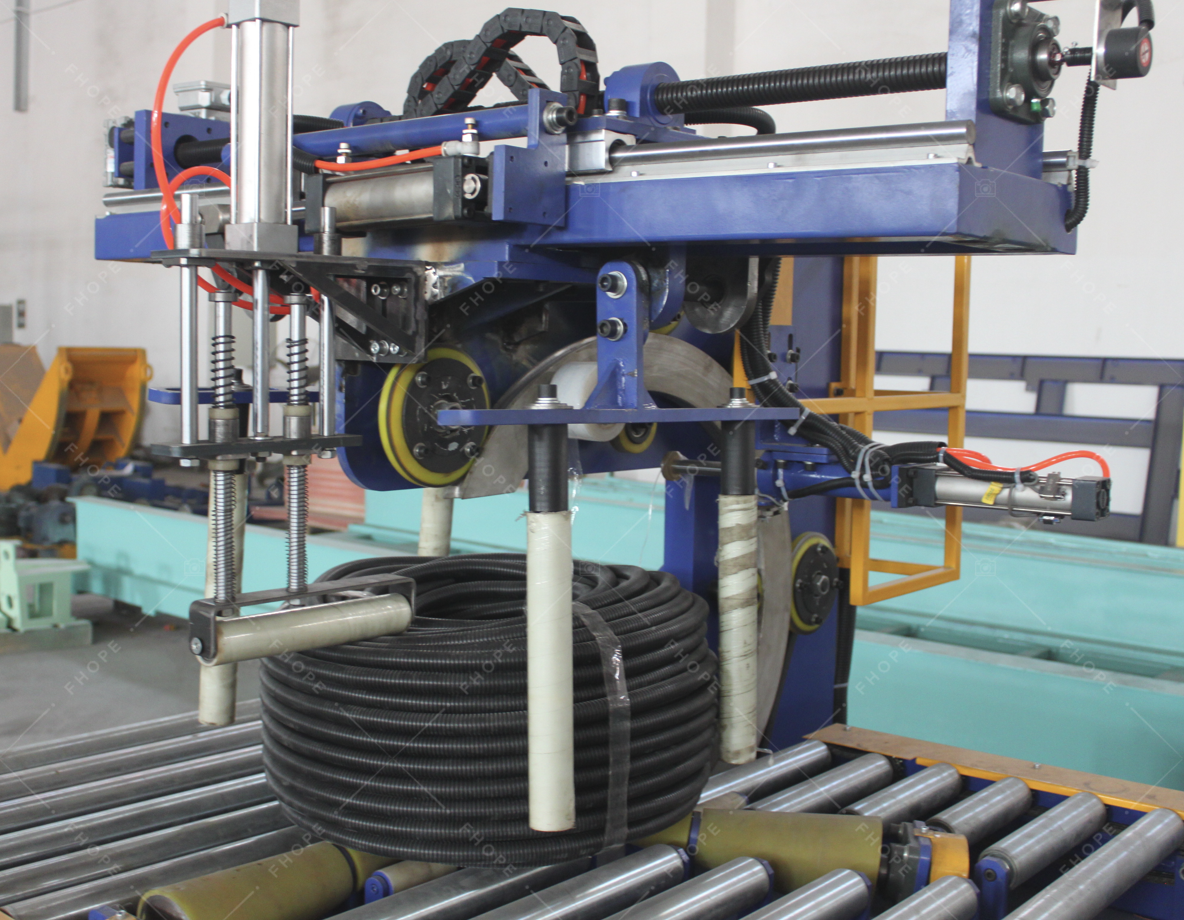
Hose Coil Packaging line
View Details →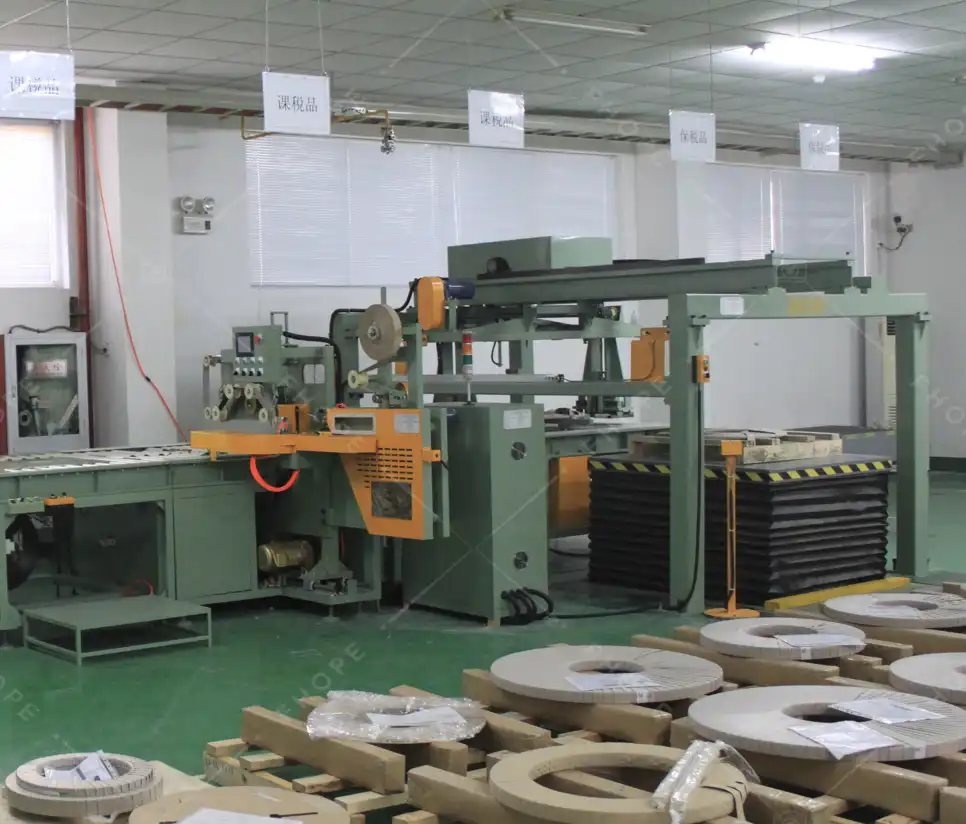
Copper Coil Packaging line
View Details →
Wire Coil Packaging line
View Details →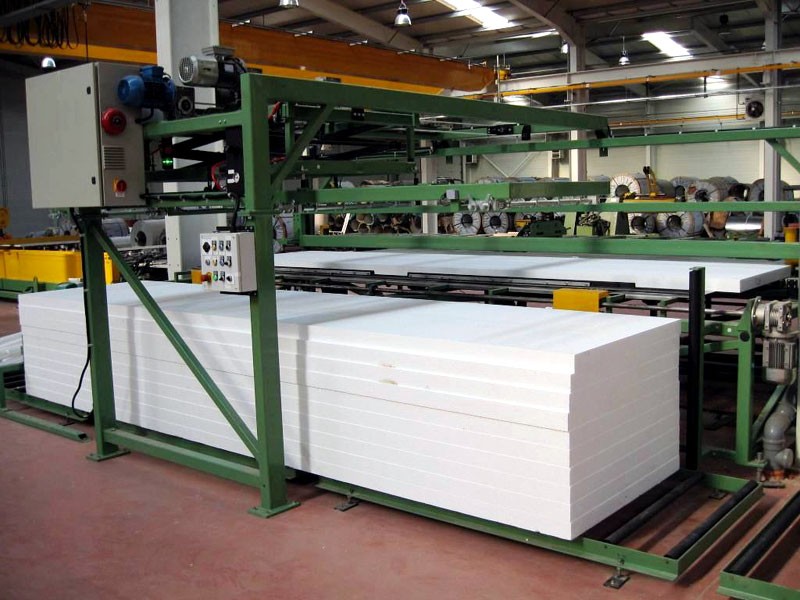
Panel Packaging line
View Details →
Pipe Bagging Machine
View Details →
Aluminum profile packing line
View Details →
FHOPE Automatic pipe tube bundling&strapping line
View Details →
Automatic pipe tube bundling & strapping line
View Details →
Automatic steel tube strapping machine
View Details →
FHOPE Automatic steel tube packing machine
View Details →
Automatic plastic Pipe strapping packing line
View Details →
Automatic PPR/PVC Pipe bagging line
View Details →
Platsic pipe bag packing machine
View Details →
Tyre Packing Machine FPT-200
View Details →
Tyre Packing Machine FPT-300
View Details →
Tyre Packing Machine FPT-400
View Details →
Cable Coil Packing Machine-FPCA100
View Details →