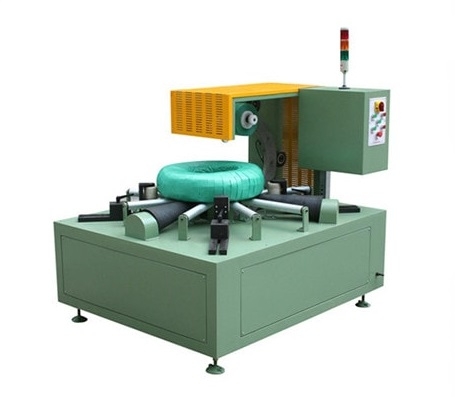
Coil Packing Line Safety: Guarding and LOTO Planning Guide
A safe wrapping cell doesn't make a safe line. Conveyors, strapping, stacking, and manual replenishment all create exposure points. This guide shows how to design guarding, LOTO, and abnormal-recovery routes across the complete coil packing line.

Safety, Guarding and LOTO for Automatic Coil Packing Line
Safety, Guarding and LOTO for Automatic Coil Packing Lines
Safety is not added after the machines are selected. It is part of the line boundary, because automatic coil handling combines moving conveyors, rotating wrapping equipment, heavy loads, strapping, and areas where a person must replenish material or recover a fault.
This guide helps operations, engineering, maintenance, and safety teams plan guarding and lockout-tagout across an automatic coil packing line rather than treating each machine as an isolated risk.
| Line state | What changes | Safety requirement |
|---|---|---|
| Normal production | Automated movement is active | Fixed or interlocked guards around the whole line |
| Manual replenishment | A person enters a guarded area | Controlled access and a defined safe state |
| Maintenance and LOTO | Stored energy must be isolated | Lockout devices, verification, and a release owner |
| Abnormal recovery | Blocked coil, sensor fault, or film break | Safe stop, defined access, and restart evidence |
Define the Safety Boundary Before the Layout
Draw the automated movement path, the manual access routes, the material replenishment positions, and the maintenance points on one diagram. The safety boundary is the point where a person can be exposed to moving equipment or stored energy.
Normal production, manual replenishment, maintenance, and recovery are different states. The line must make each state visible and require a deliberate transition between them.
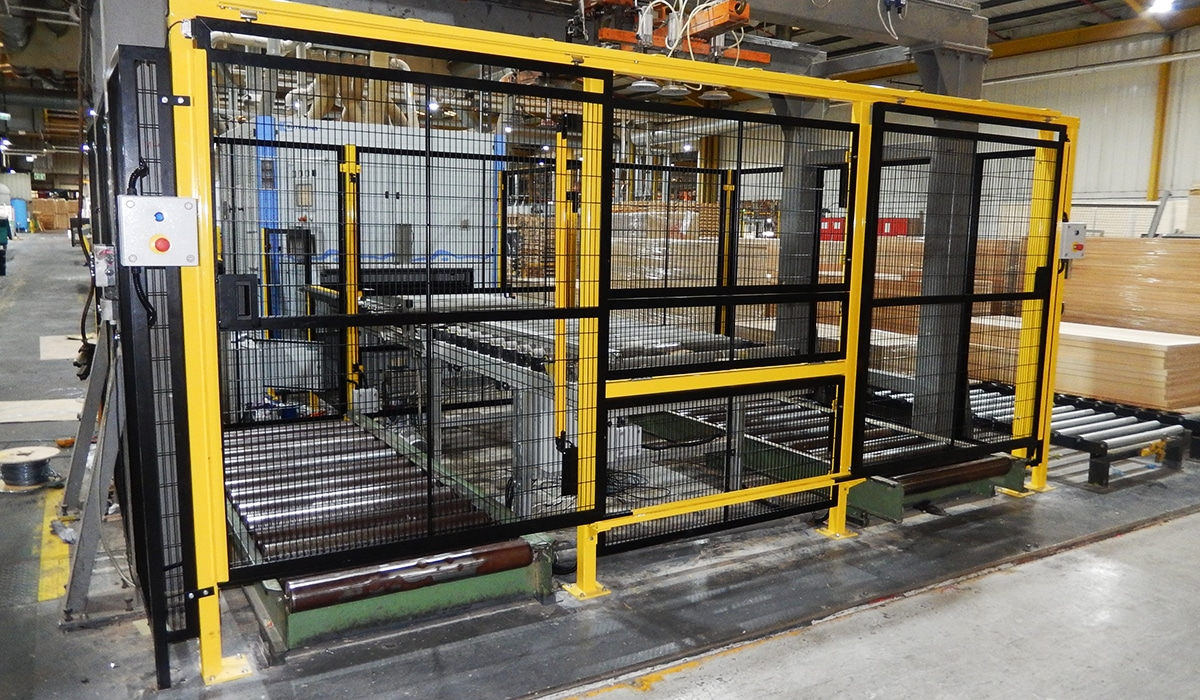
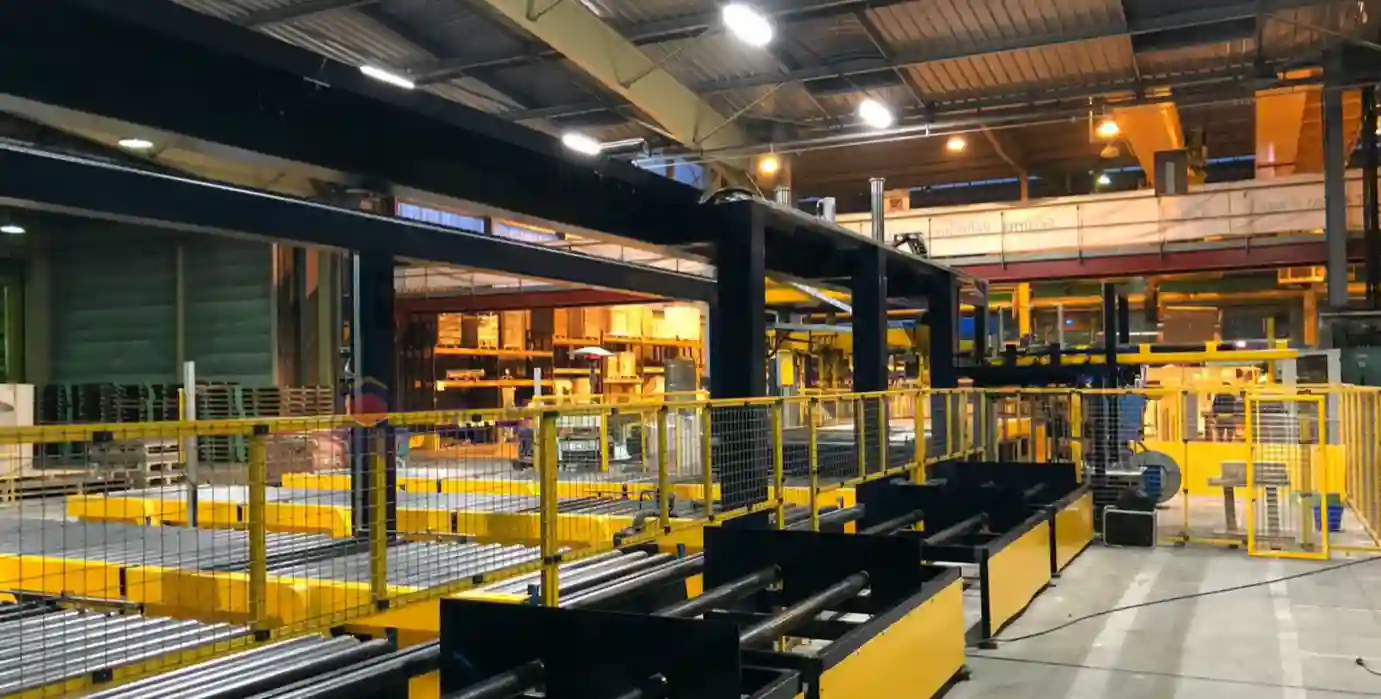
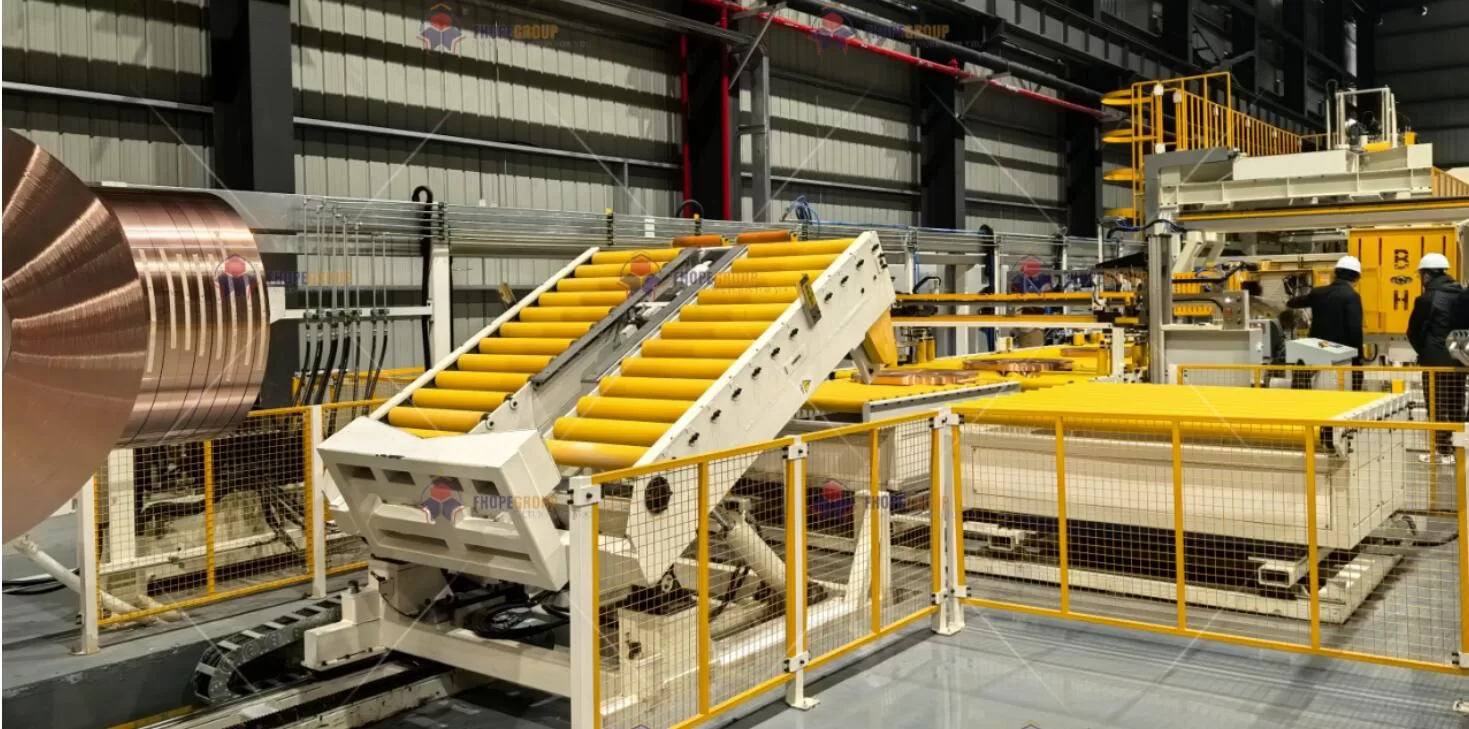
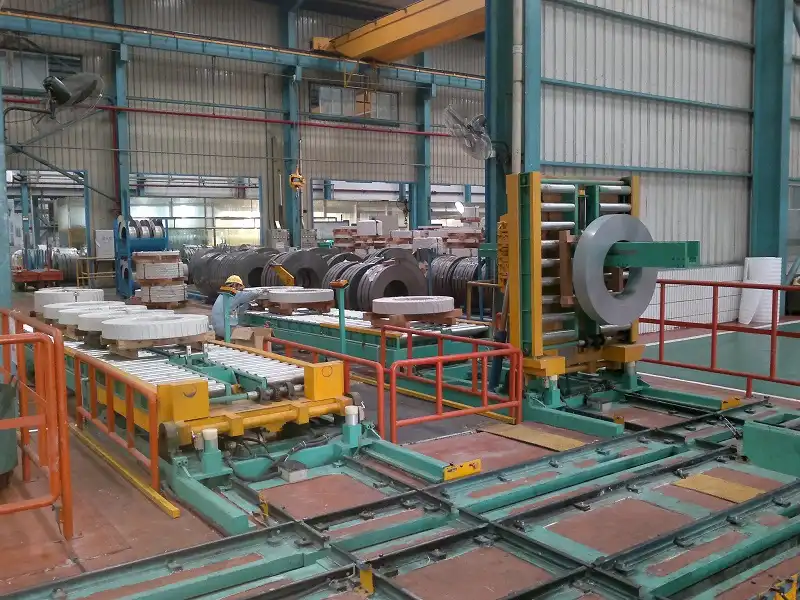
The image shows industrial safety interlocks and protective enclosures. The boundary is not a single guard on the wrapper; it is the complete enclosure around conveyors, wrapping, strapping, and stacking areas.
Guard the Complete Line, Not Just the Wrapper
Guarding should cover transfer, buffering, orientation change, wrapping, strapping, weighing, labeling, and stacking. A safe wrapping cell does not make the line safe if a person can reach a conveyor, pinch point, or stacking area through an open side.
Use fixed guards where access is not required during operation, and interlocked guards or light curtains where access is needed. The selection must follow a risk assessment for the specific layout and product.
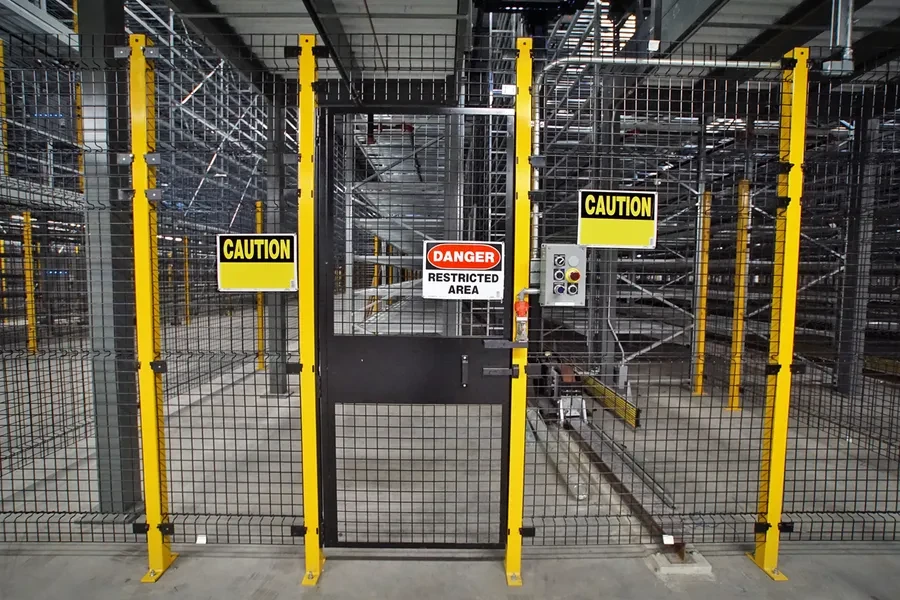
The image shows a safety machine guarding interlock. This is the physical element that prevents the line from running while an access point is open.
Design Manual Tasks into the Safety System
Film loading, strapping replenishment, first-article inspection, and label correction often require a person to enter a guarded area. Those tasks should have their own safe state, access procedure, and recovery route.
Do not leave an operator to defeat a guard or interlock because the normal task was not designed into the system.
Plan Lockout-Tagout by Energy Source
Identify each energy source: electrical, pneumatic, hydraulic, mechanical motion, stored load, and gravity. For each isolation point, define the lockout device, verification method, and responsible person.
LOTO is not only for maintenance shutdowns. It also applies when a blocked coil must be manually removed, a sensor must be reset, or a tool must be placed near moving equipment.
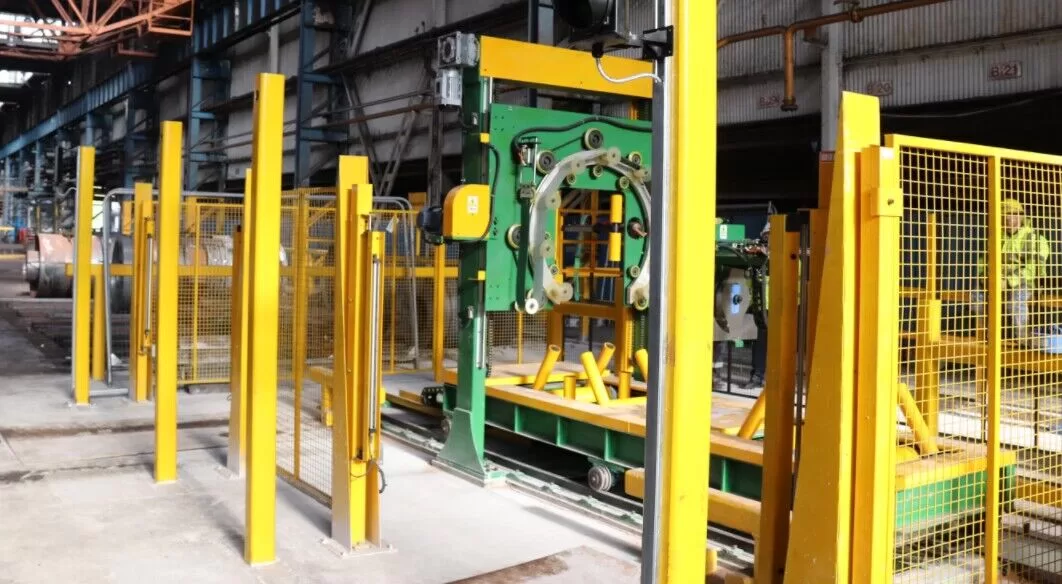
The image shows a lockout-tagout safety visual. It represents the energy isolation points that must be listed, locked, verified, and released by a defined owner.
Define Who Can Release the Line
After a stop, interlock, or energy isolation, the line should not restart until a defined person confirms that the area is clear, the guards are closed, and the coil is safe to continue. A shared key or reset button is not a substitute for a controlled release procedure.
Each handoff between production, maintenance, and automation should have a visible owner.
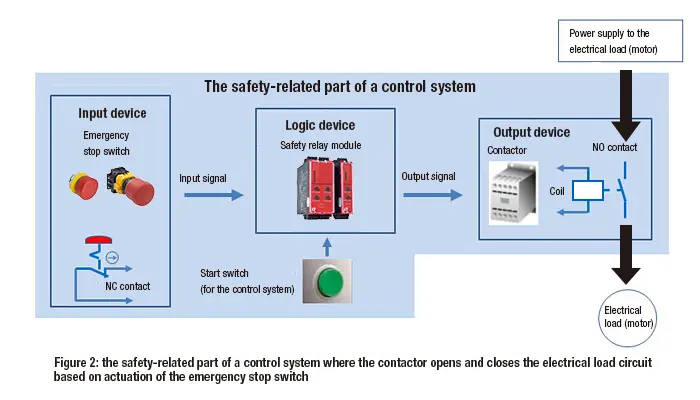
The image shows a safe stop and recovery visual. It represents the controlled state after an interruption, which is the moment when the release owner confirms the area, the guards, and the coil before restart.
Include Abnormal and Recovery Cases
The risk assessment should cover blocked coils, unidentified coils, material spills or film breaks, sensor faults, power interruption, and manual take-over. For each case, define the safe state, the required access, and the evidence needed before restart.
If a recovery route is not written down, operators will create one under pressure.
A Practical Next Step
Build a line-level safety diagram showing guarded zones, access points, energy isolation points, and release owners. Walk the diagram with operators, maintenance, automation, and safety before the layout is frozen.
For the whole line scope, review the same safety boundary against an automatic coil packing line configuration before procurement.
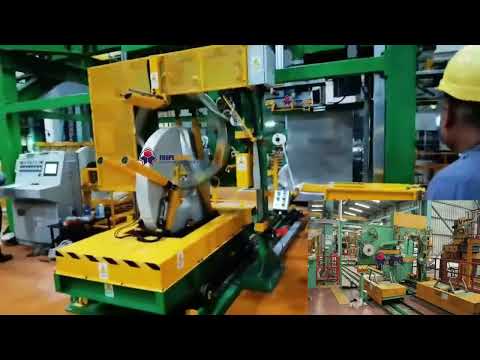
Watch a vertical steel coil handling, wrapping, upending and stacking line in operation:
Visual Details
Click to enlarge

Click to enlarge
Click to enlarge
Click to enlarge
Watch How It Works
Discover how our automated packaging solutions optimize your production line efficiency. This video demonstrates the seamless operation designed for maximum protection.
Trusted by Steel Mills & Industry Leaders
Global manufacturers rely on FHOPE heavy duty packaging equipment


Ready to optimize your packaging line?
Get a custom quote with ROI analysis. Our engineers respond within 24 hours.
- Free layout design
- Global installation support
- 2-year warranty included
Your information is secure and will never be shared.
Related Machines
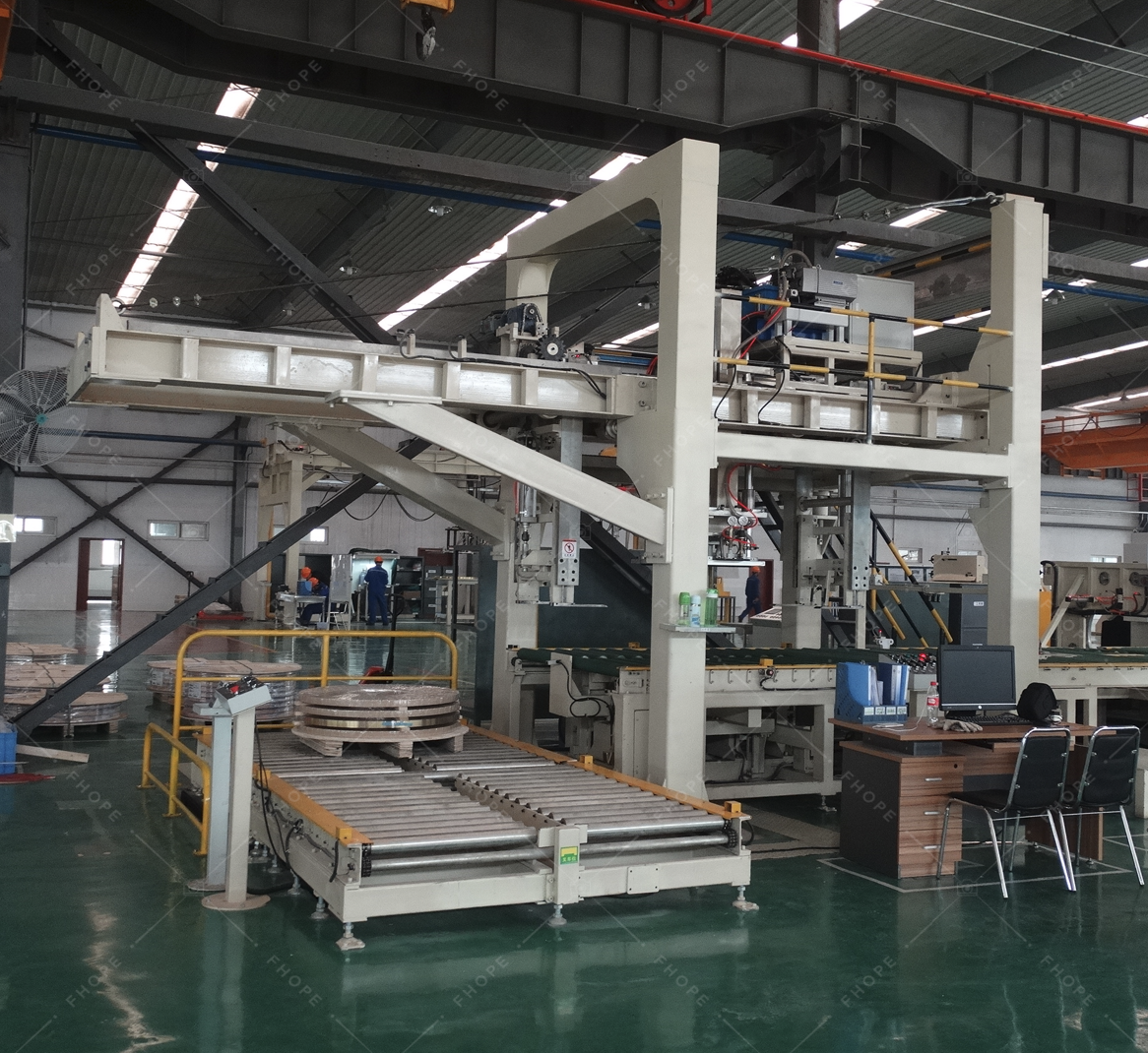
Steel Coil Packaging line
View Details →
Vertical coil packaging line
View Details →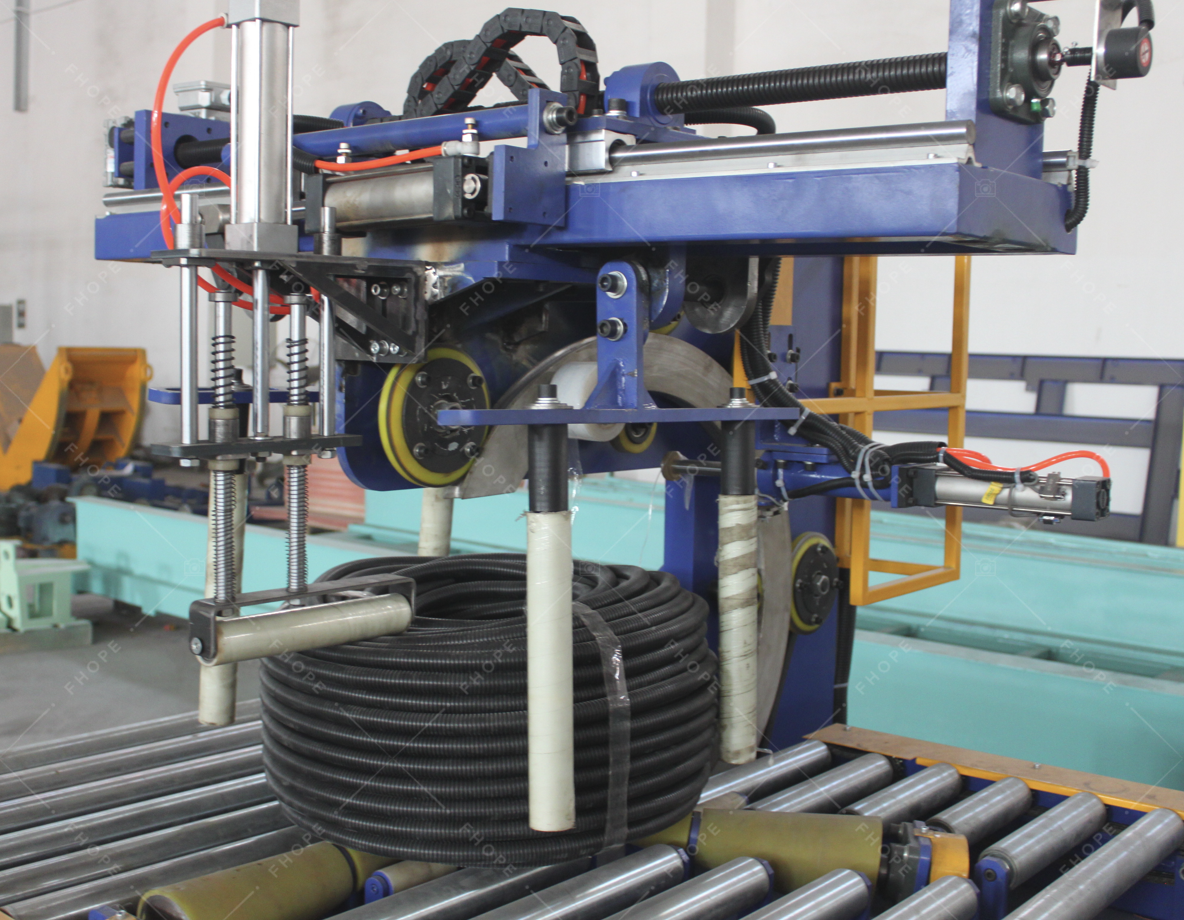
Hose Coil Packaging line
View Details →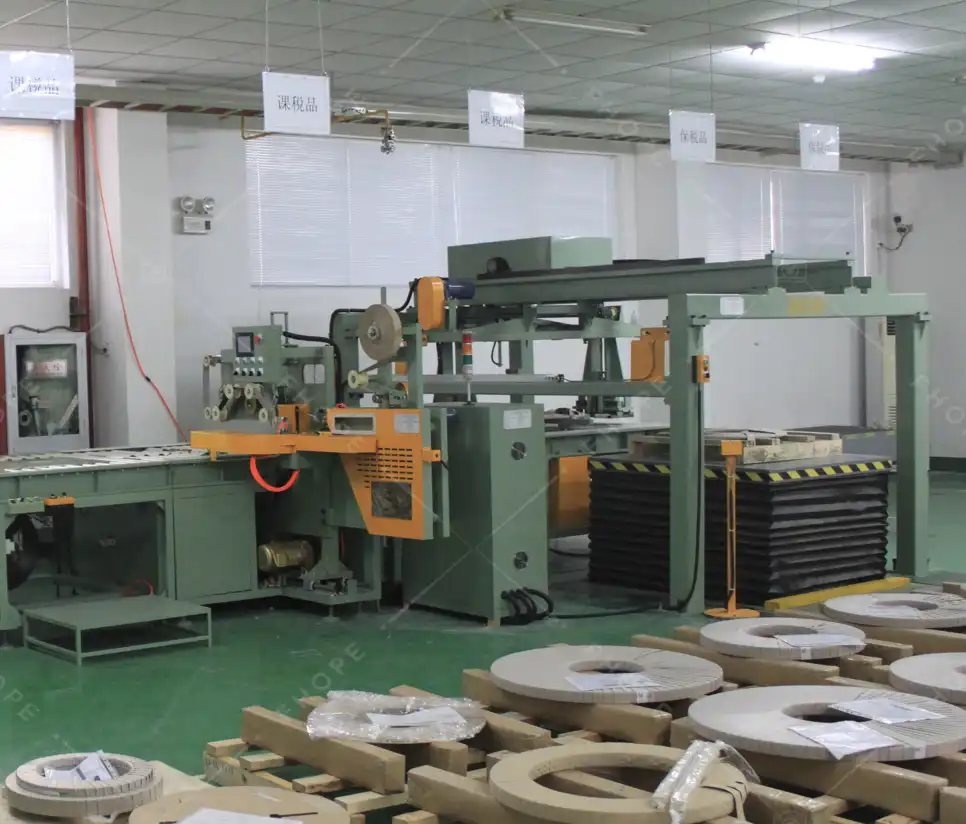
Copper Coil Packaging line
View Details →
Wire Coil Packaging line
View Details →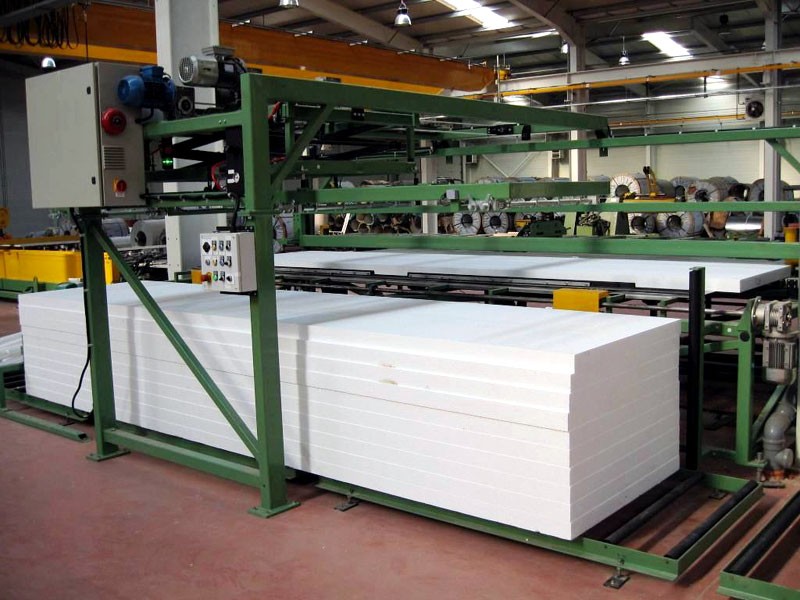
Panel Packaging line
View Details →
Pipe Bagging Machine
View Details →
Aluminum profile packing line
View Details →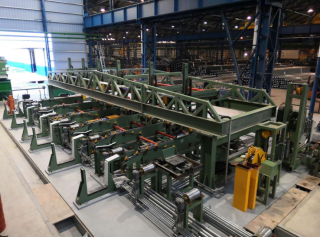
FHOPE Automatic pipe tube bundling&strapping line
View Details →
Automatic pipe tube bundling & strapping line
View Details →
Automatic steel tube strapping machine
View Details →
FHOPE Automatic steel tube packing machine
View Details →
Automatic plastic Pipe strapping packing line
View Details →
Automatic PPR/PVC Pipe bagging line
View Details →
Platsic pipe bag packing machine
View Details →
Tyre Packing Machine FPT-200
View Details →
Tyre Packing Machine FPT-300
View Details →
Tyre Packing Machine FPT-400
View Details →
Cable Coil Packing Machine-FPCA100
View Details →