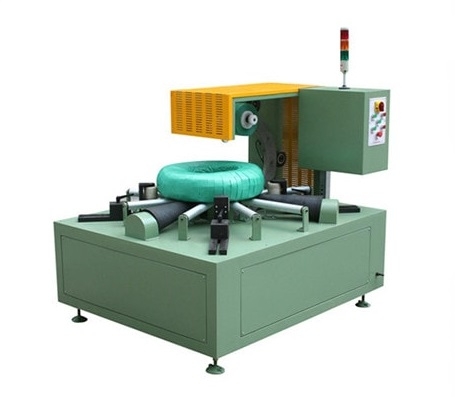
How to Train Operators for an Automatic Coil Packing Line
If exception handling is taught by word of mouth, it will vary by shift. This guide shows how to structure operator training and changeover control for coil packing lines—so first articles, data corrections, and recoveries stay repeatable.

Operator Training and Changeover Control for Coil Packing Lines
Operator Training and Changeover Control for Coil Packing Lines
An automatic line still depends on the people who confirm a first article, replenish material, correct a record, and recover from an exception. Training and changeover control turn that human work into a repeatable system instead of individual experience.
This guide helps operations, training, and quality teams prepare operators for an automatic coil packing line and make changeovers predictable.
| Training area | Standard or judgment | Training evidence |
|---|---|---|
| Pre-start check | Standard | Checklist sign-off |
| Material replenishment | Standard | Demonstrated safe state and first-article check |
| First-article inspection | Judgment | Named decision owner and recorded result |
| Data and label correction | Judgment | Escalation path and correction owner |
| Exception recovery | Judgment | Safe state, owner, and restart evidence |
Define the Operator's Real Tasks
List the tasks that remain after automation:
- Confirming the coil identity and packaging rule.
- Loading or transferring a coil.
- Replenishing film, VCI material, paper, strapping, and labels.
- Inspecting the first article and the completed package.
- Correcting a data or label exception.
- Recognizing an abnormal condition and calling for help.
Training should follow those tasks, not a general machine overview.
Separate Normal Work from Judgment Work
Some tasks can be made standard, such as a defined material change or a pre-start check. Other tasks require judgment, such as deciding whether a surface defect is acceptable or whether a coil should follow the exception route.
Standard tasks should have a checklist. Judgment tasks should have a clear escalation path and a named decision owner.
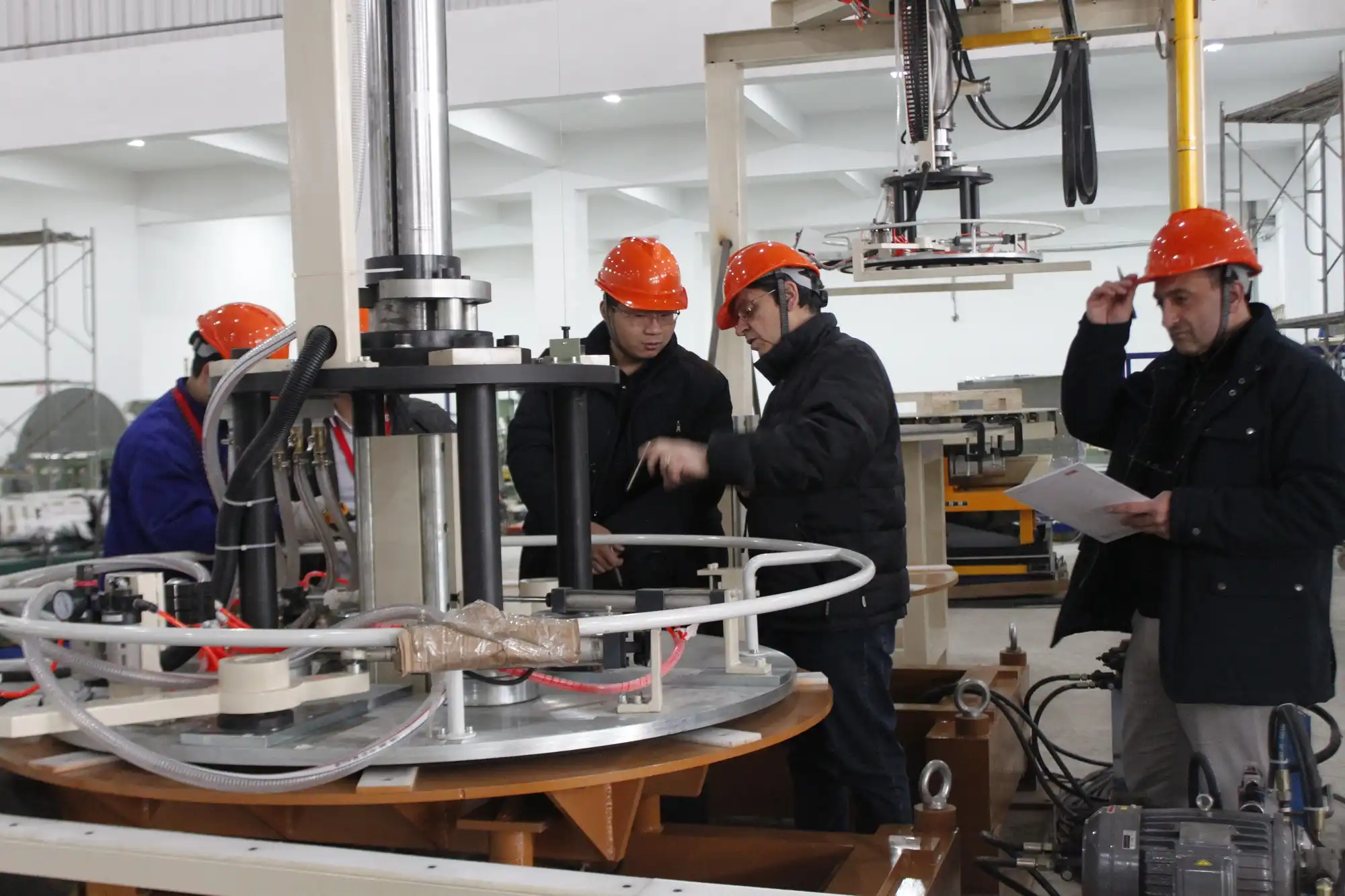
The image shows a team working together around a table. That is how standard tasks and judgment tasks should be separated: the team agrees which steps need a checklist and which steps need a named decision owner.
Build a Structured Training Path
Start with the safety boundary and release authority. Then cover normal flow, material replenishment, first-article checks, abnormal routes, and data correction. Finish with supervised practice and a documented sign-off.
Use the real product mix in training, including the difficult coils and the exception cases.
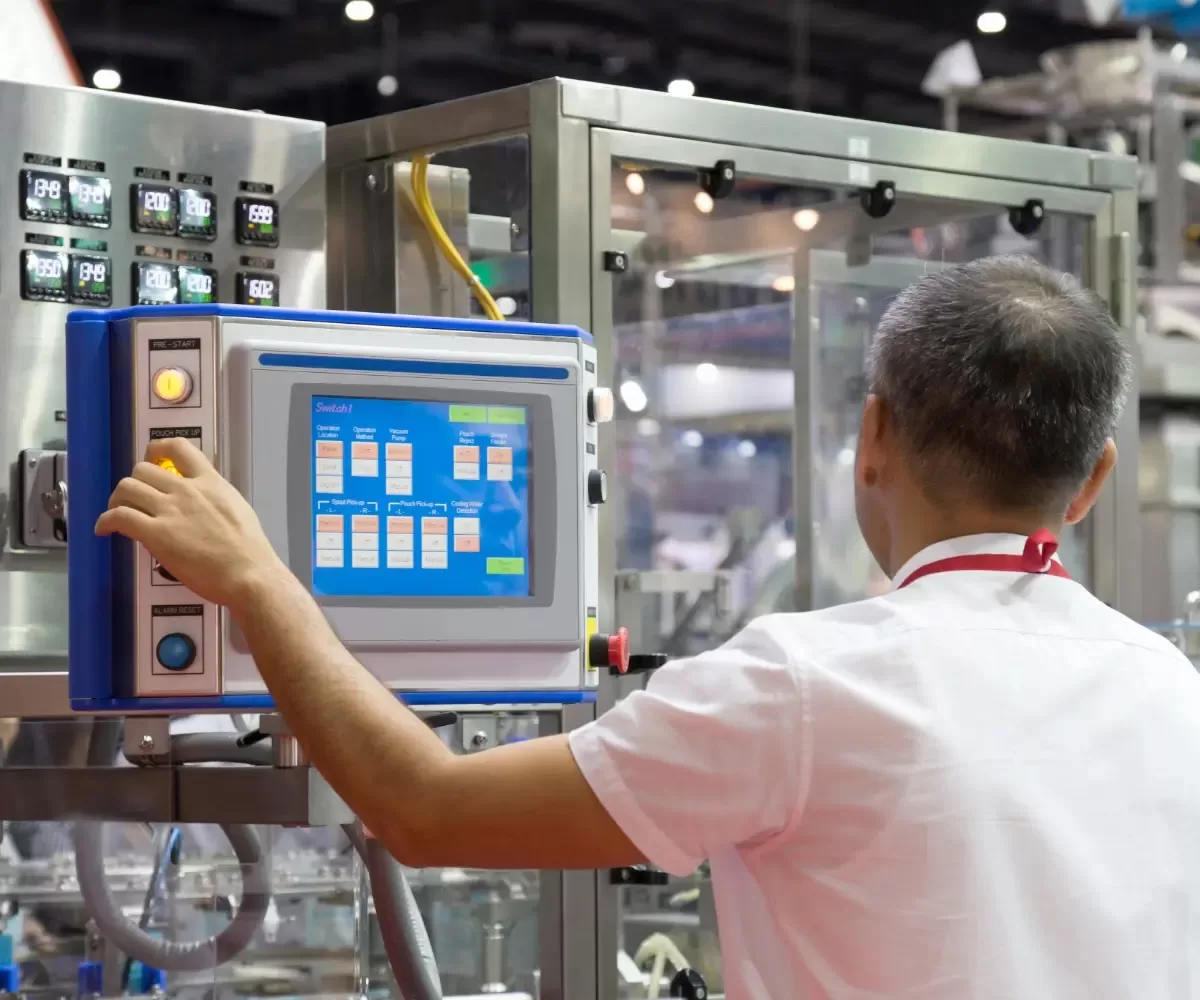
The image shows a person checking the control system for a packing line. Training must include the same control-system actions: confirming the recipe, reading the record, and knowing what to do when the line cannot release a coil.
Control Changeover as a Process
Changeover includes more than loading a new recipe. It may require changes to film, strapping, positioning, label template, and the first-article check.
Record the selected recipe, the setup change, the material change, the first-article result, and the cause of any delay. The purpose is not only a shorter changeover but a predictable one.
Make the First Article Explicit
After a changeover, confirm one representative coil against the package specification before releasing the family. Record the person, the check, and the result. Do not rely on the machine to know when the first article is correct.
Keep a Controlled Exception Route
Training should include what happens when a coil cannot continue normally. The operator must know the safe state, the owner, and the evidence required before the coil returns to normal flow.
If the exception route is only taught by word of mouth, it will vary by shift.

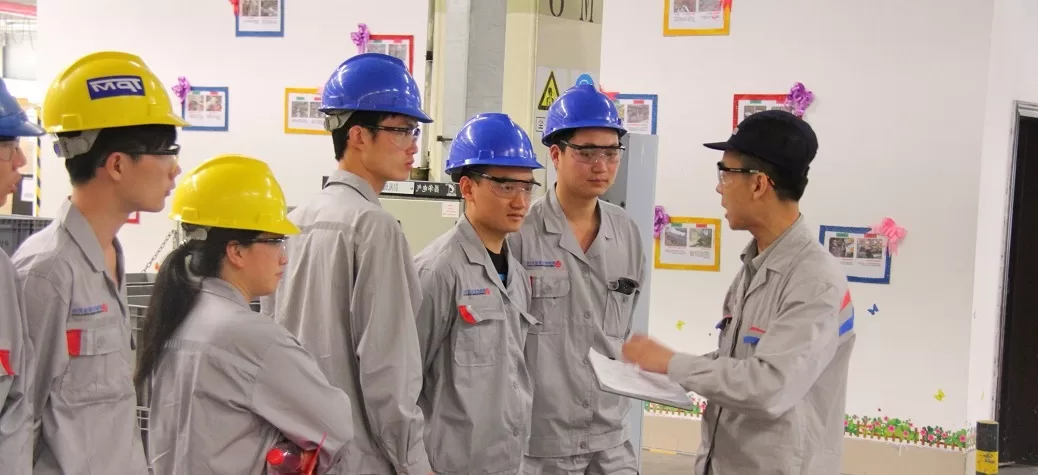
The image shows a working discussion in an office-like setting. That is where exception routes are reviewed and agreed, so every shift follows the same safe state, owner, and evidence instead of inventing a route.
A Practical Next Step
Create a task list, a training matrix, and a changeover record. Review them after every new product family or significant exception, and update the training where the procedure caused confusion.
The image shows a contact and support team. Operators, trainers, and the supplier should keep the same automatic coil packing line scope and exception records visible, so training and changeover control stay aligned after handover.
Watch a steel coil strapping and stretch wrapping line in operation:

Visual Details
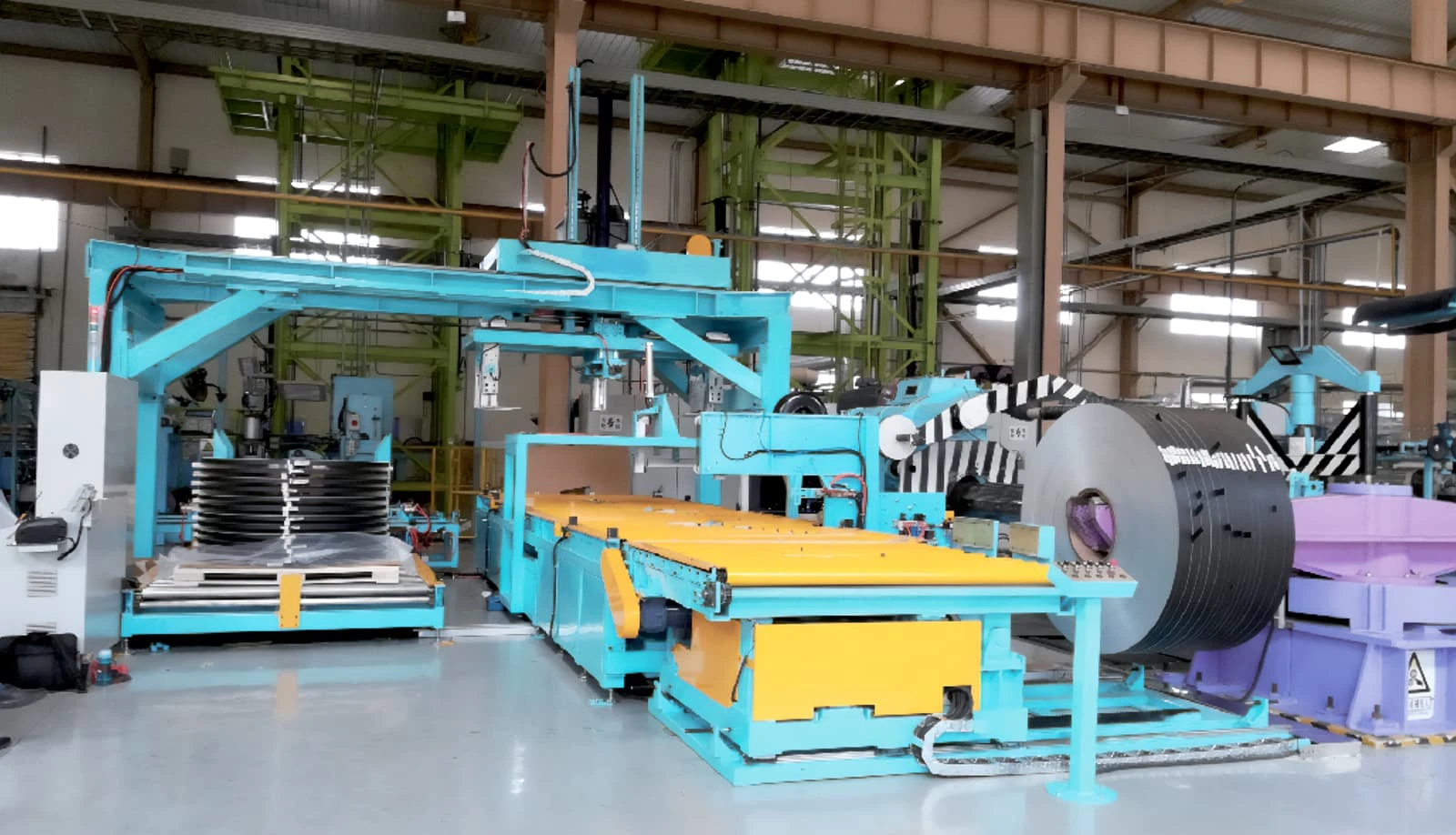
Click to enlarge
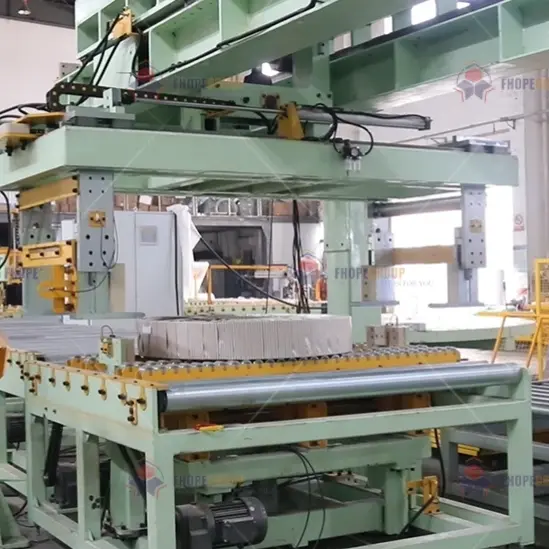
Click to enlarge

Click to enlarge
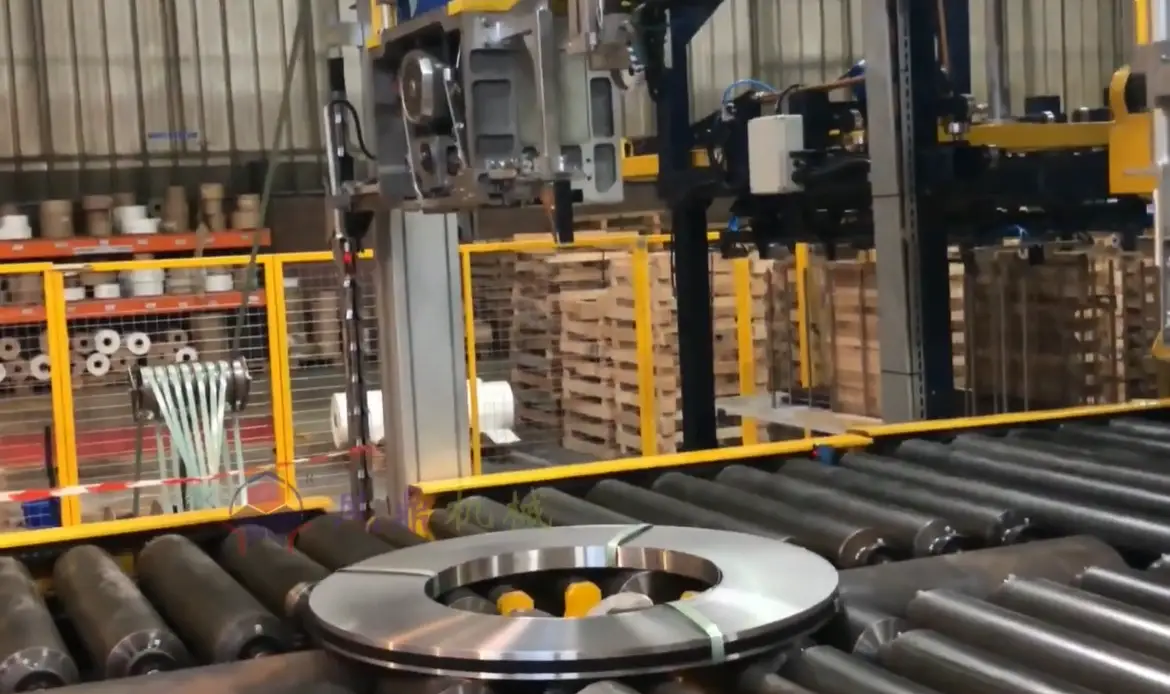
Click to enlarge
Watch How It Works
Discover how our automated packaging solutions optimize your production line efficiency. This video demonstrates the seamless operation designed for maximum protection.
Trusted by Steel Mills & Industry Leaders
Global manufacturers rely on FHOPE heavy duty packaging equipment


Ready to optimize your packaging line?
Get a custom quote with ROI analysis. Our engineers respond within 24 hours.
- Free layout design
- Global installation support
- 2-year warranty included
Your information is secure and will never be shared.
Related Machines
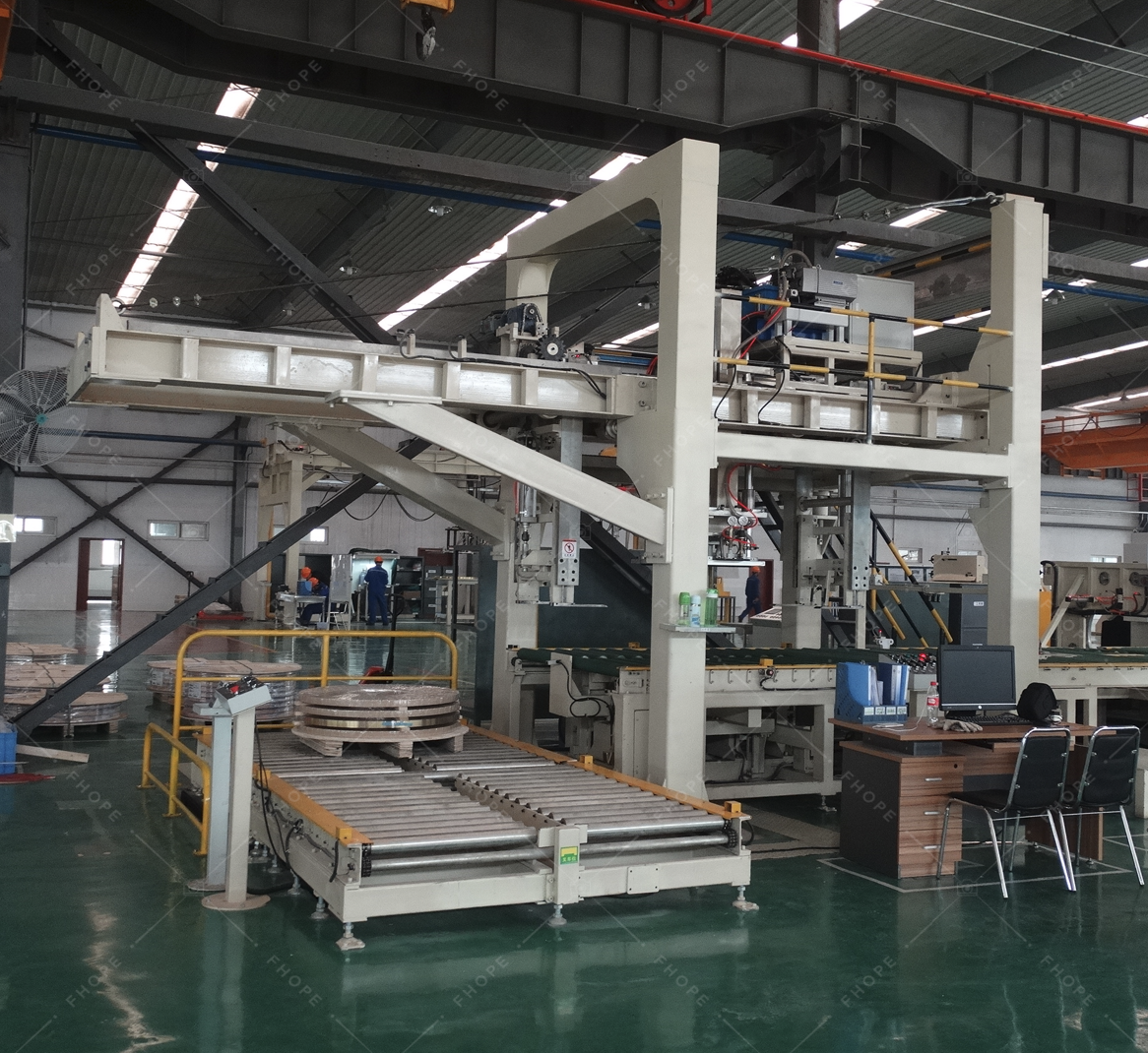
Steel Coil Packaging line
View Details →
Vertical coil packaging line
View Details →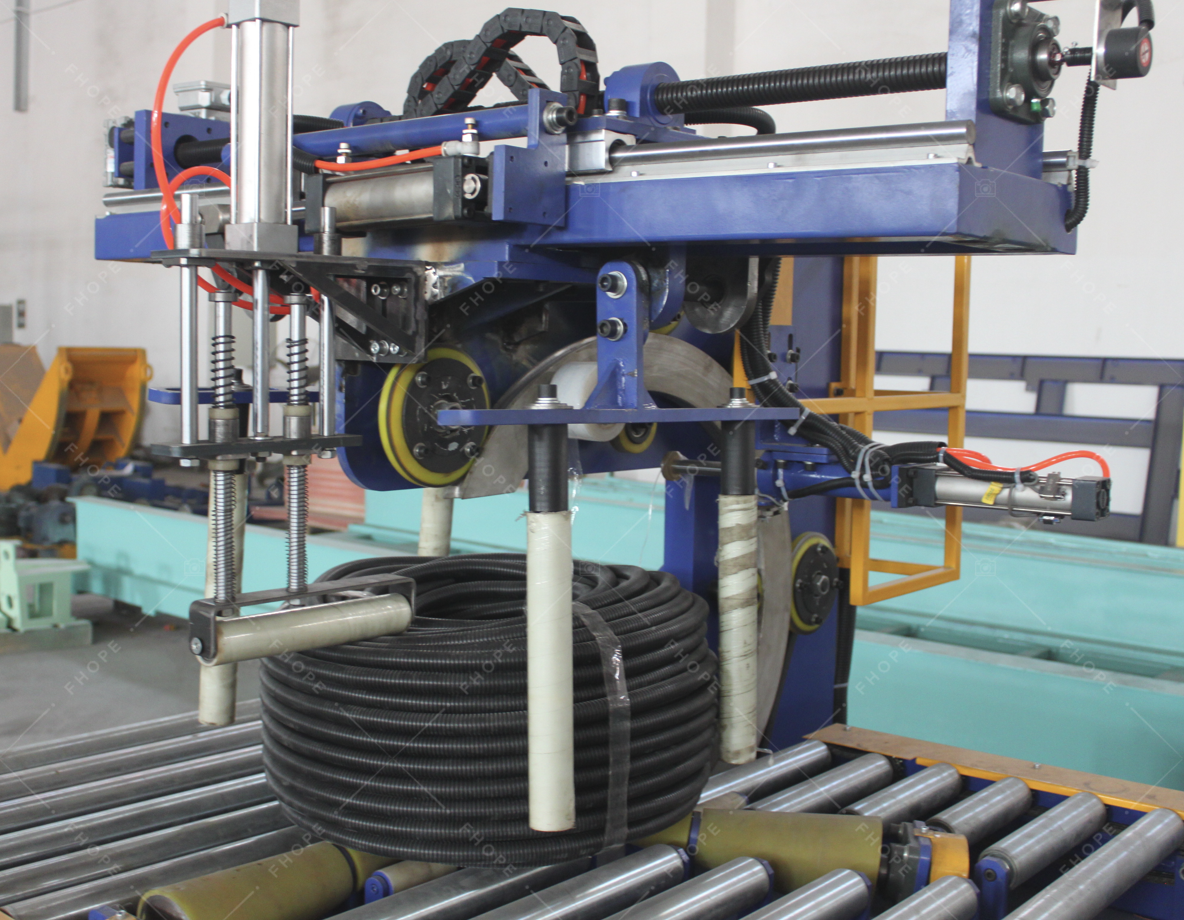
Hose Coil Packaging line
View Details →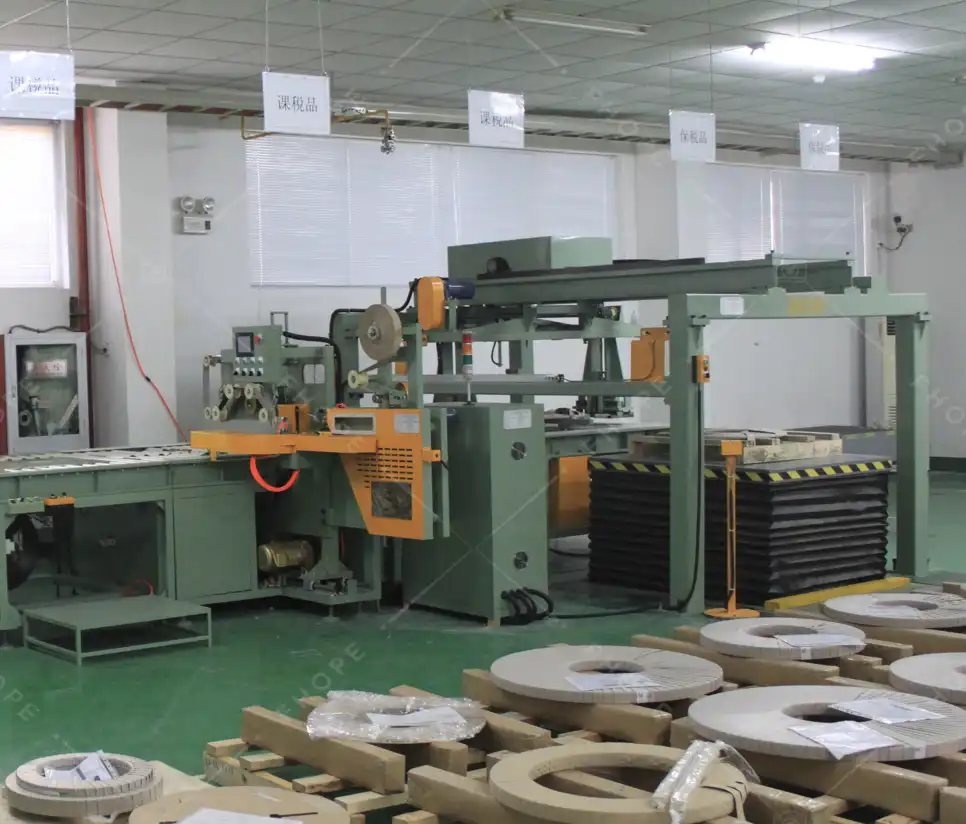
Copper Coil Packaging line
View Details →
Wire Coil Packaging line
View Details →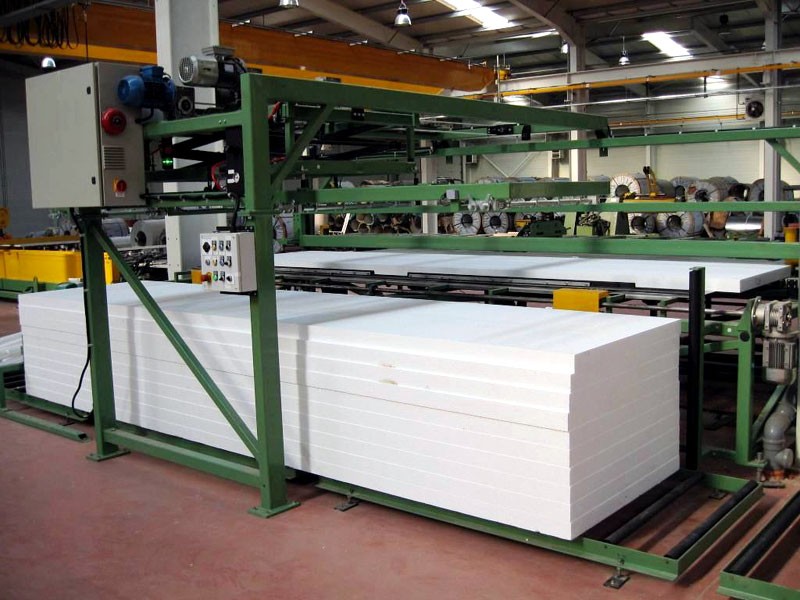
Panel Packaging line
View Details →
Pipe Bagging Machine
View Details →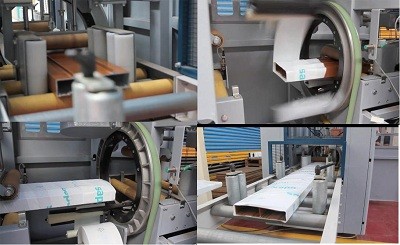
Aluminum profile packing line
View Details →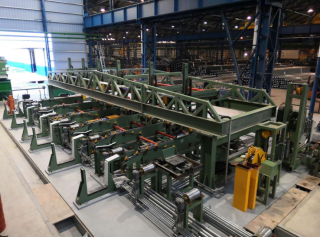
FHOPE Automatic pipe tube bundling&strapping line
View Details →
Automatic pipe tube bundling & strapping line
View Details →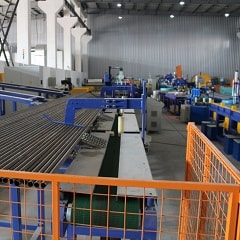
Automatic steel tube strapping machine
View Details →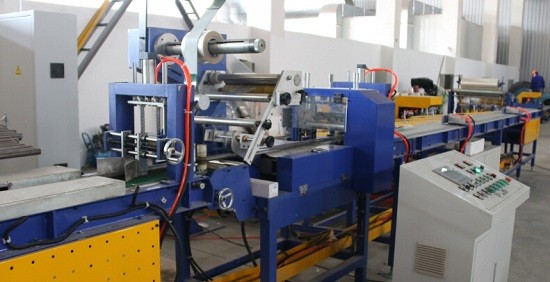
FHOPE Automatic steel tube packing machine
View Details →
Automatic plastic Pipe strapping packing line
View Details →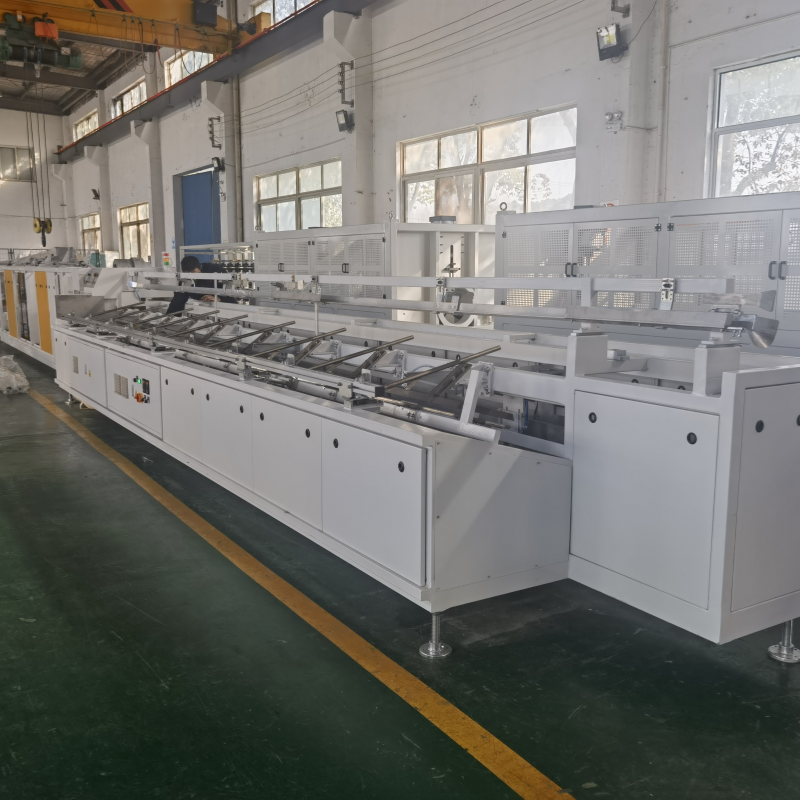
Automatic PPR/PVC Pipe bagging line
View Details →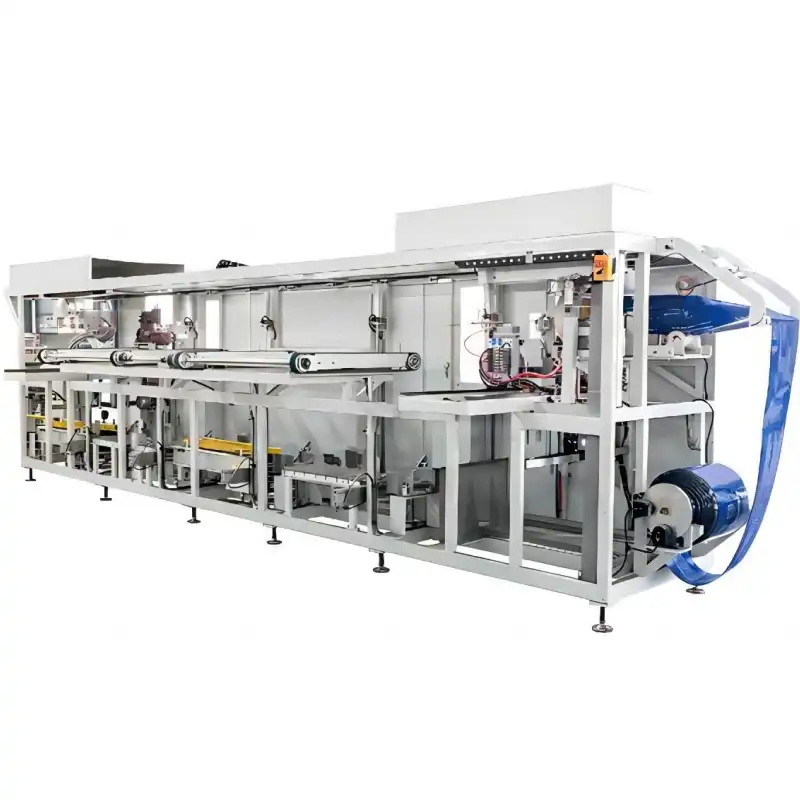
Platsic pipe bag packing machine
View Details →
Tyre Packing Machine FPT-200
View Details →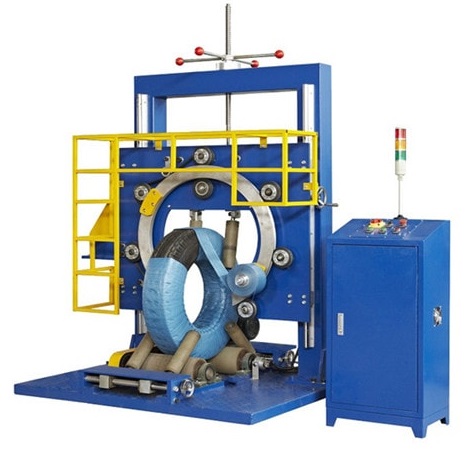
Tyre Packing Machine FPT-300
View Details →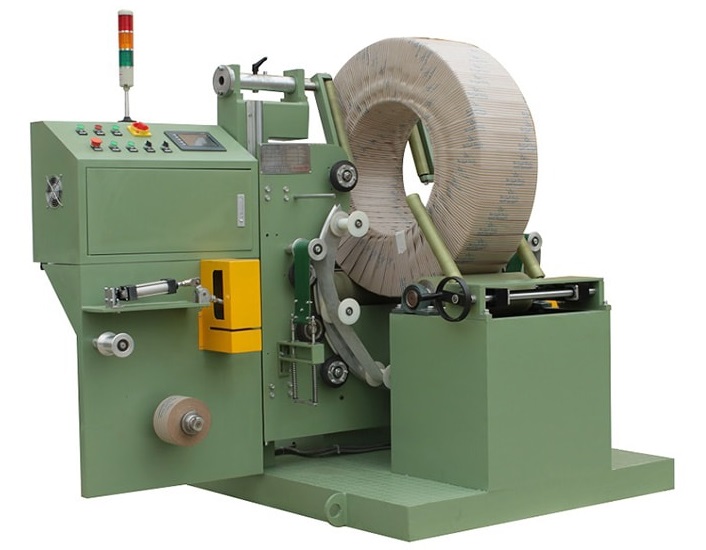
Tyre Packing Machine FPT-400
View Details →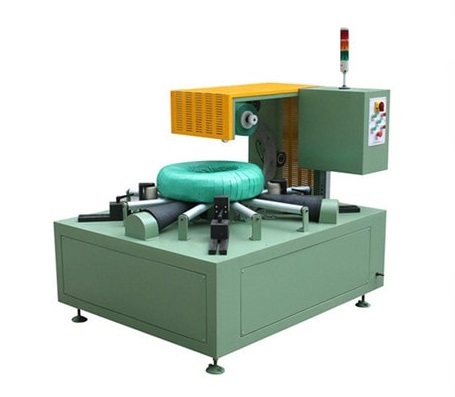
Cable Coil Packing Machine-FPCA100
View Details →