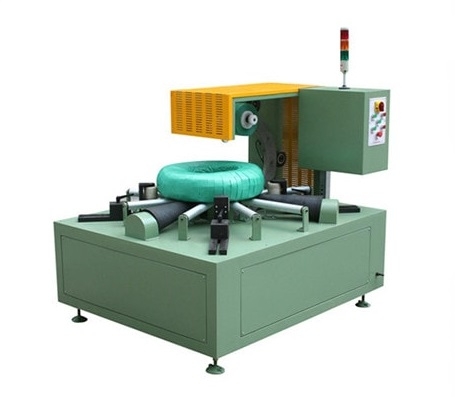
What Belongs in a Coil Packing Line Operating Procedure?
A coil packing line operating procedure must cover more than the normal cycle. Build one that includes pre-start checks, replenishment, abnormal routes, release authority, and traceable records—usable and auditable at the point of work.

Operating Procedure for a Coil Packing Line: A Step-by-Step Guide
Operating Procedure for a Coil Packing Line: A Step-by-Step Guide
An operating procedure turns the line's engineering design into repeatable work. It should cover more than the normal cycle. It must also tell operators what to do when a coil is blocked, a label cannot be verified, material needs replenishment, or the line must be safely released.
This guide helps operations, training, and quality teams build a procedure for an automatic coil packing line that is safe, traceable, and usable at the point of work.
| Procedure element | What it must define |
|---|---|
| Pre-start | Energy supply, guarding, interlocks, material, and control-system state |
| Normal sequence | Identity, loading, orientation, recipe, wrapping, strapping, weighing, labeling, inspection, release |
| Replenishment | Safe state, isolation, correct material, and first-article check |
| Abnormal routes | Blocked coil, label mismatch, film break, alarm, owner, and evidence |
| Release authority | Named person, clear area, closed guards, and a traceable record |
Define the Operating Boundary
Start with the stations in scope, the normal coil flow, the manual tasks, and the roles responsible for each handoff. State where the procedure applies and where another work instruction takes over.
If the procedure does not name the owner of a handoff, that handoff will be managed differently by every shift.
Prepare the Line Before Production
Write the pre-start checks: energy supply, compressed air, hydraulic condition, guarding, interlocks, wrapping material, strapping, labels, and control-system state. Each check should have a go/no-go condition.
Do not rely on the machine to "tell you later" that a material or safety condition is wrong.
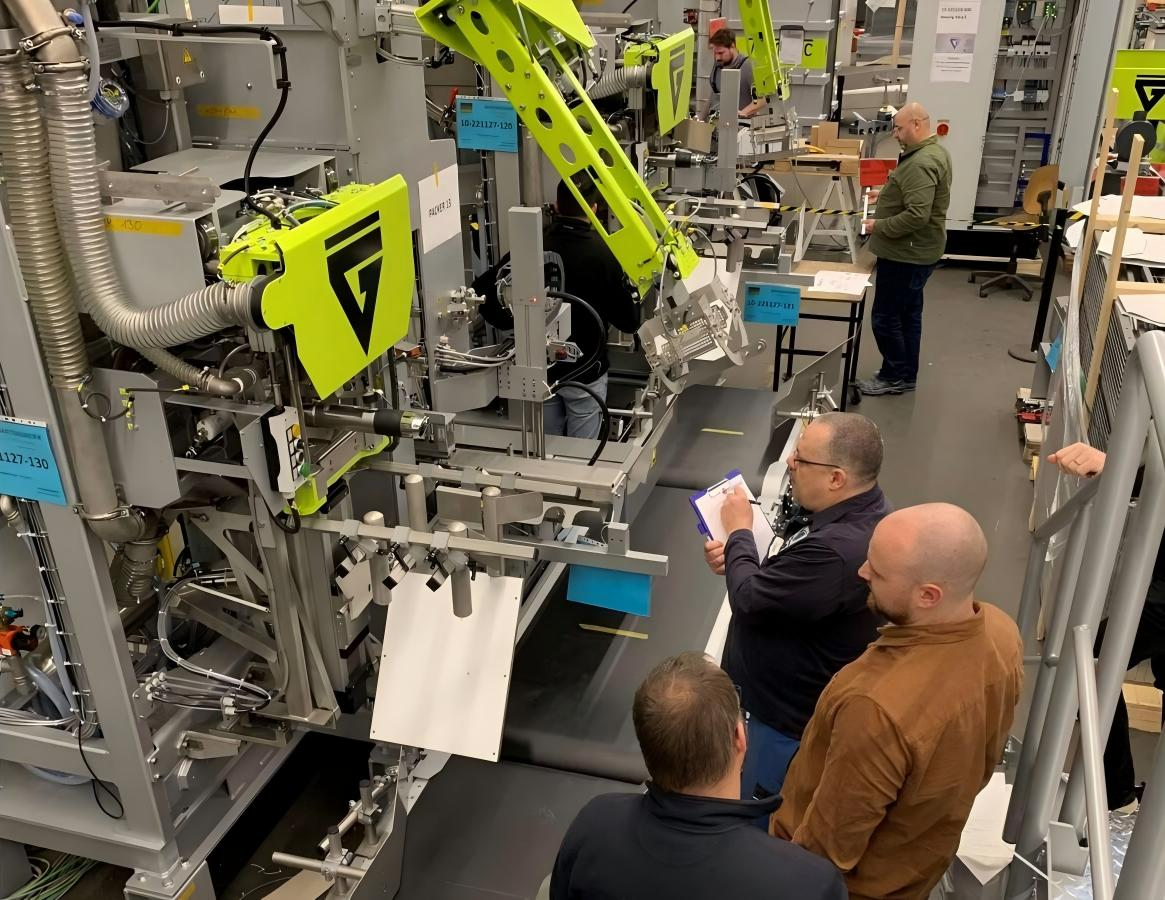
The image shows people verifying the line during factory acceptance. The operating procedure should be testable under the same conditions, so pre-start checks and normal steps can be proven before the line is handed over.
Run the Normal Sequence
Describe each step in order:
- Confirm the coil identity and order record.
- Load or transfer the coil.
- Confirm orientation and position.
- Select the packaging recipe.
- Complete wrapping, strapping, weighing, and labeling.
- Inspect the package against the acceptance condition.
- Release the coil to discharge or storage.
Each step should state the action, the expected result, and the point at which the operator may need to stop and call for help.
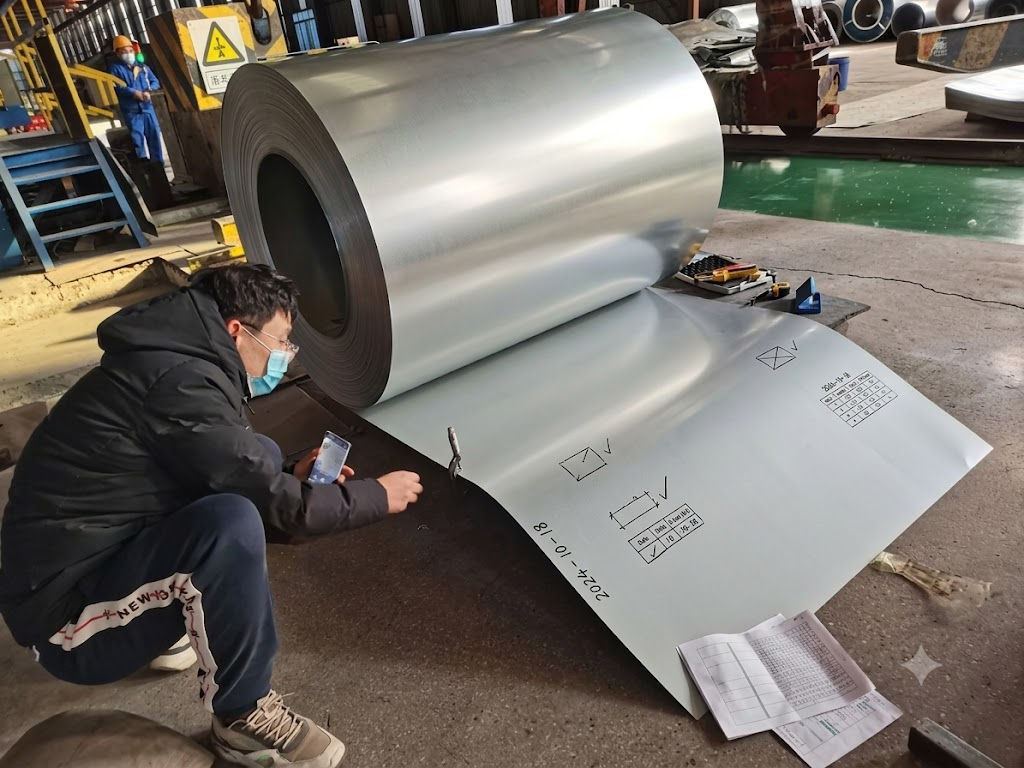
The image shows a steel coil being inspected. The inspection step belongs in the normal sequence: the operator checks the package and the record together before the coil is released.
Handle Material Replenishment Safely
Film, VCI material, paper, and strapping need a defined replenishment procedure. The procedure should state the safe state, required guarding or isolation, the correct material, and the first-article check after replacement.
Replenishment is a normal operation, not an unplanned interruption.
Define Abnormal and Recovery Routes
Include the actions for a blocked or unidentified coil, a label mismatch, a weight discrepancy, a film break, a downstream stoppage, or a control alarm. For each case, define the safe state, the owner, and the evidence required before the coil returns to normal flow.
If the abnormal route is not written down, operators will invent one.

The image shows people reviewing a coil wrapping machine in a factory setting. That is how abnormal routes should be defined: at the line, with the operators who will actually run the procedure.
Define Who May Release the Line
After a stop, interlock, or energy isolation, the line should not restart until a named person confirms that the area is clear, the guards are closed, and the coil is safe to continue. The release should be traceable.
Record What Happened
The procedure should specify which events are recorded: coil identifier, recipe, material used, quality result, label check, interventions, and deviations. Records make the procedure auditable and help prevent the same problem from returning.
A Practical Next Step
Build the procedure as a short visual sequence: normal steps, pre-start checks, replenishment, abnormal routes, and release authority. Test it with an experienced operator and a new operator, then update the steps that caused confusion.
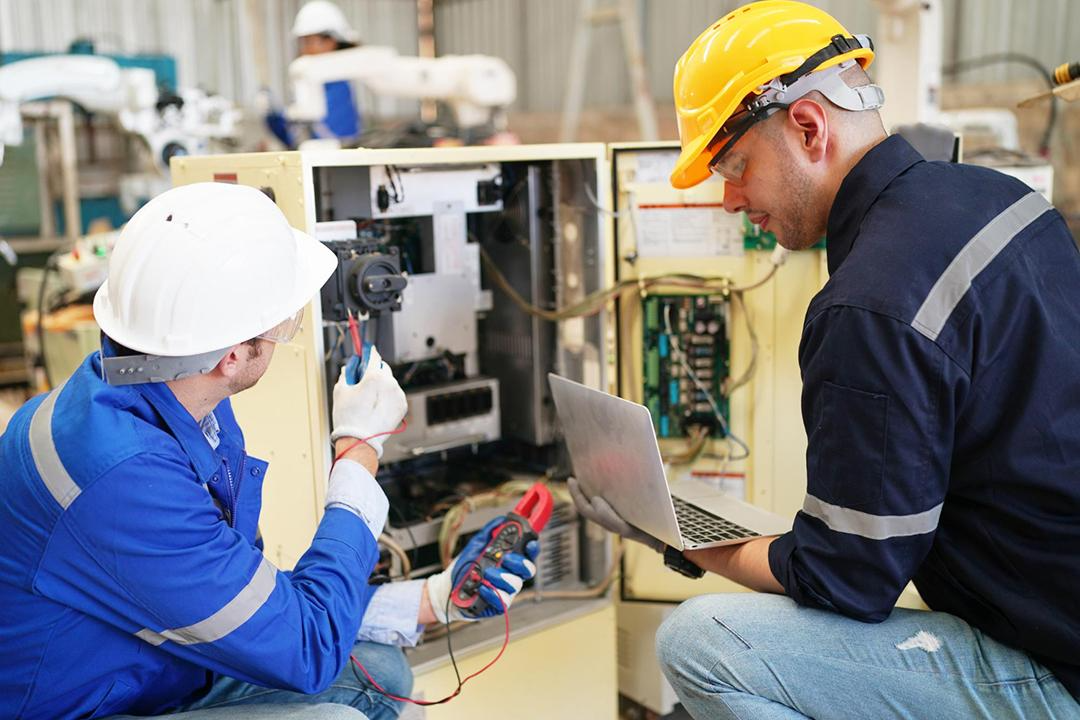
The image shows people verifying the line under real production conditions. The final procedure review should happen at the site, with the same operators, materials, and automatic coil packing line conditions that will be used in production.
Watch a complete aluminum coil packaging line from upending to stacking:

Visual Details

Click to enlarge

Click to enlarge

Click to enlarge
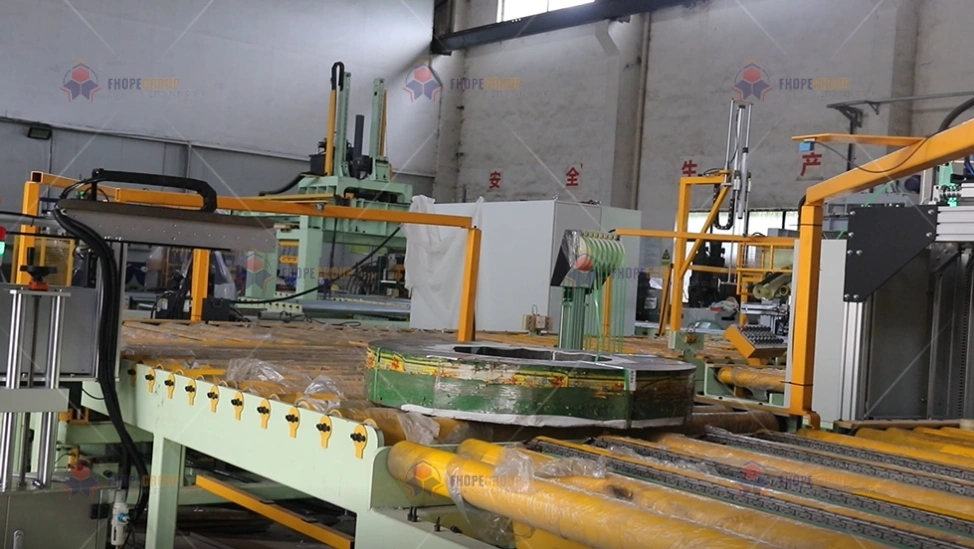
Click to enlarge
Watch How It Works
Discover how our automated packaging solutions optimize your production line efficiency. This video demonstrates the seamless operation designed for maximum protection.
Trusted by Steel Mills & Industry Leaders
Global manufacturers rely on FHOPE heavy duty packaging equipment


Ready to optimize your packaging line?
Get a custom quote with ROI analysis. Our engineers respond within 24 hours.
- Free layout design
- Global installation support
- 2-year warranty included
Your information is secure and will never be shared.
Related Machines
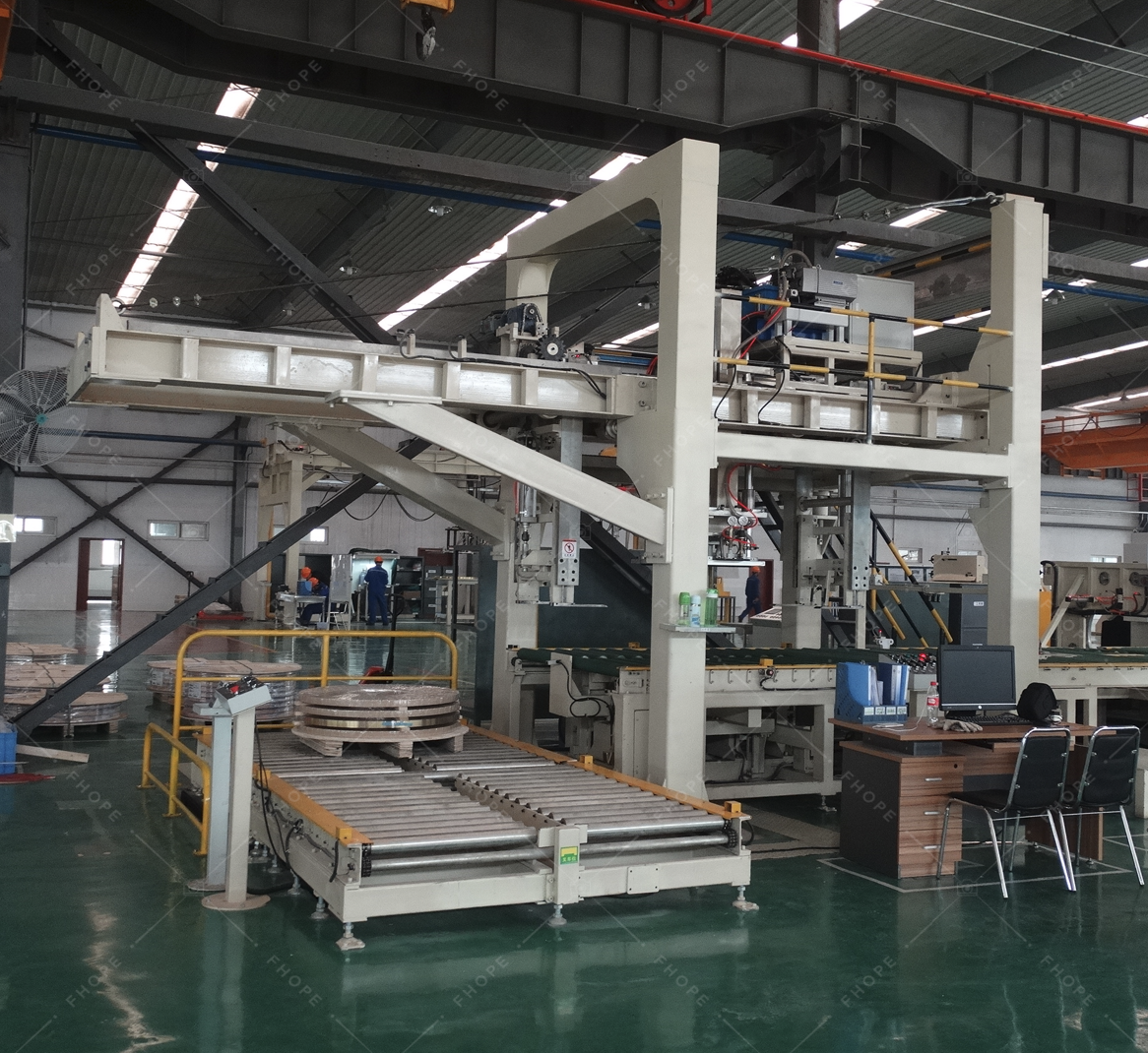
Steel Coil Packaging line
View Details →
Vertical coil packaging line
View Details →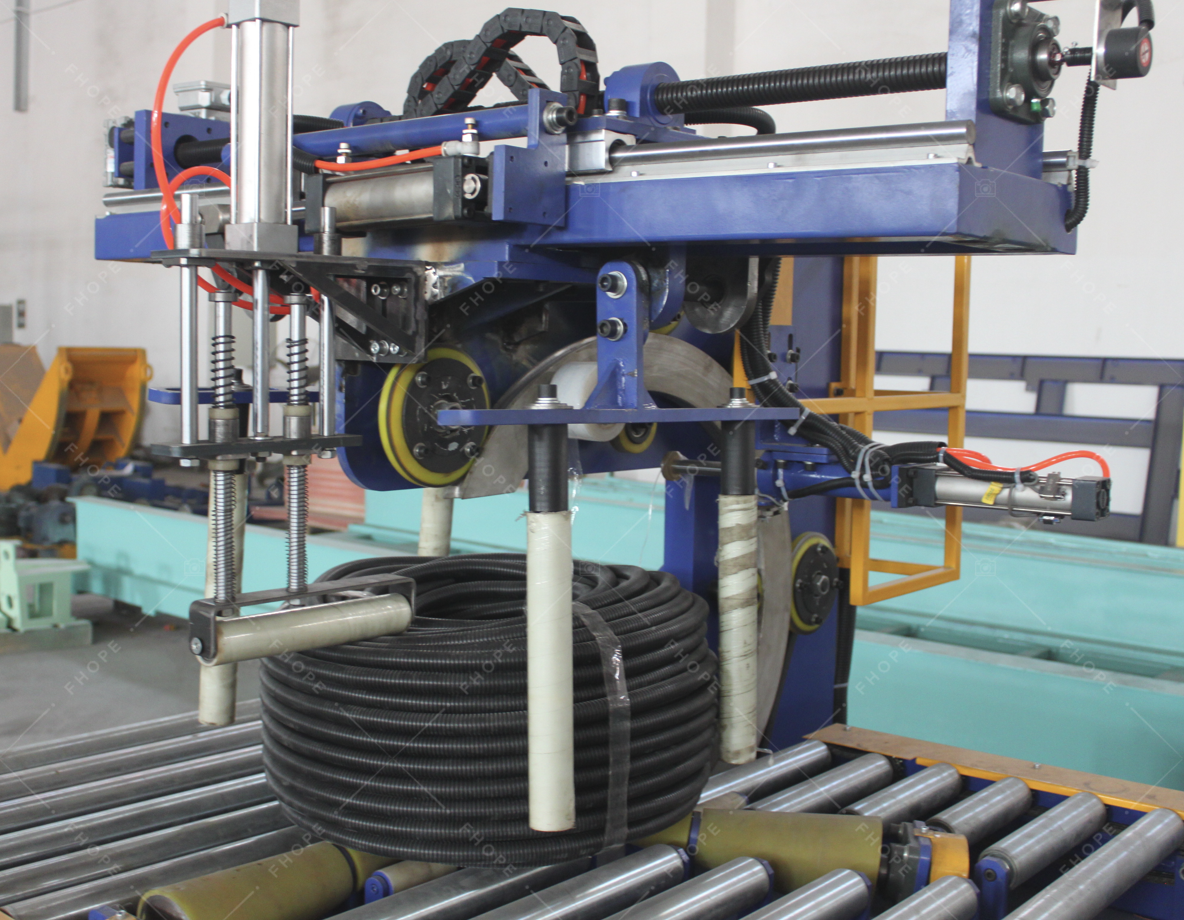
Hose Coil Packaging line
View Details →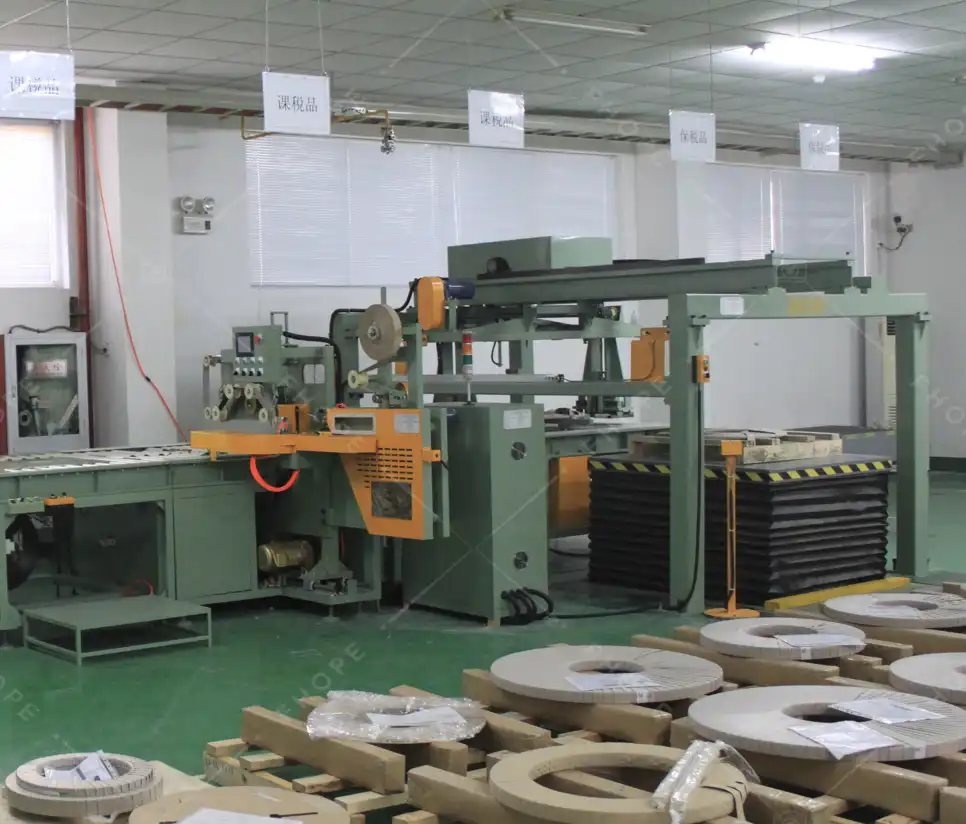
Copper Coil Packaging line
View Details →
Wire Coil Packaging line
View Details →
Panel Packaging line
View Details →
Pipe Bagging Machine
View Details →
Aluminum profile packing line
View Details →
FHOPE Automatic pipe tube bundling&strapping line
View Details →
Automatic pipe tube bundling & strapping line
View Details →
Automatic steel tube strapping machine
View Details →
FHOPE Automatic steel tube packing machine
View Details →
Automatic plastic Pipe strapping packing line
View Details →
Automatic PPR/PVC Pipe bagging line
View Details →
Platsic pipe bag packing machine
View Details →
Tyre Packing Machine FPT-200
View Details →
Tyre Packing Machine FPT-300
View Details →
Tyre Packing Machine FPT-400
View Details →
Cable Coil Packing Machine-FPCA100
View Details →