ROI for Coil Packing Lines: Measure Before You Buy
"Labor falls to zero" and "output is always 100%" are not ROI assumptions—they're optimism. This guide shows how to calculate coil packing line payback with visible scenarios, sensitive variables, and post-installation checkpoints that correct the model.
How to Calculate ROI for an Automatic Coil Packing Line
How to Calculate ROI for an Automatic Coil Packing Line
An ROI calculation is only useful when its assumptions are visible. The risk is not arithmetic; it is replacing missing data with optimistic numbers such as "labor will fall to zero" or "output will always be 100%."
This guide helps managers, finance, and project teams build a return-on-investment model for an automatic coil packing line that can be reviewed and updated after installation.
| Model component | What to include |
|---|---|
| Baseline | Coils per shift, people and tasks, rework, material consumption, downtime |
| Capital | Equipment, installation, foundation, utilities, integration, training, project management |
| Operating | Power, compressed air, wrapping material, spare parts, maintenance, remaining labor |
| Scenarios | Conservative, expected, and optimistic |
| Sensitivity | Output, labor saving, material saving, installation cost, utilization |
Define the Baseline Before the Equipment
Measure the current manual or semi-automatic process over a representative period:
- Coils produced per shift.
- Number of people and their actual tasks.
- Rework and packaging defects.
- Wrapping material and strapping consumption.
- Downtime, waiting, and handling time.
- Overtime or temporary labor.
The baseline should reflect real operation, not a best-case day.

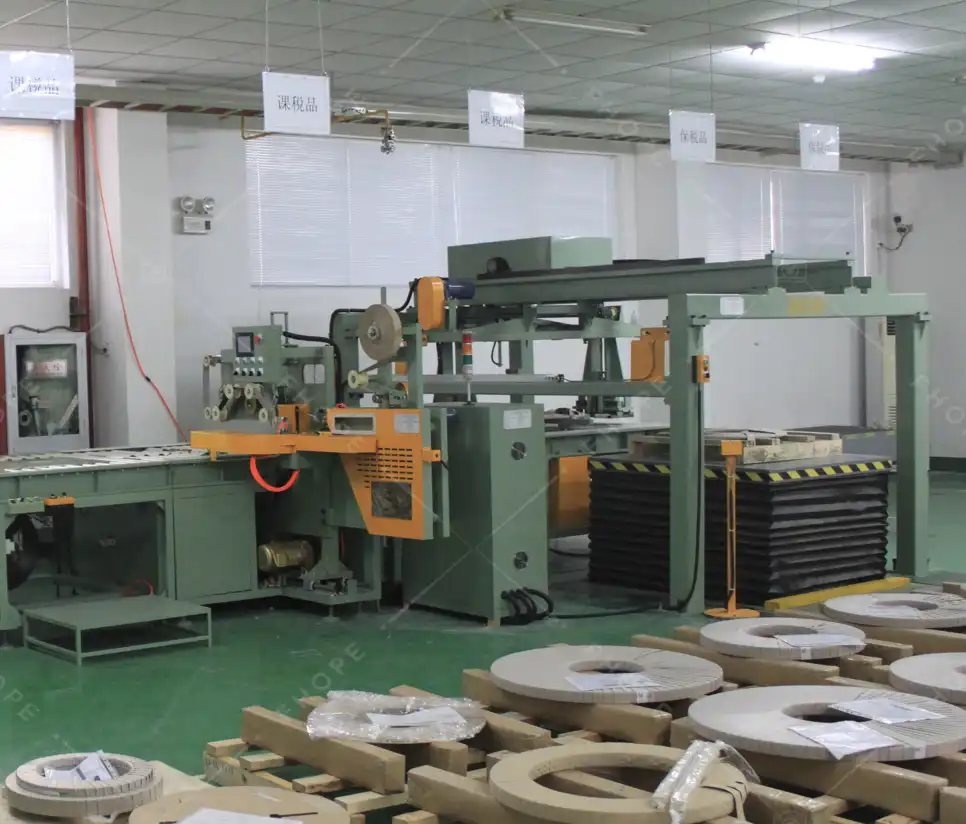
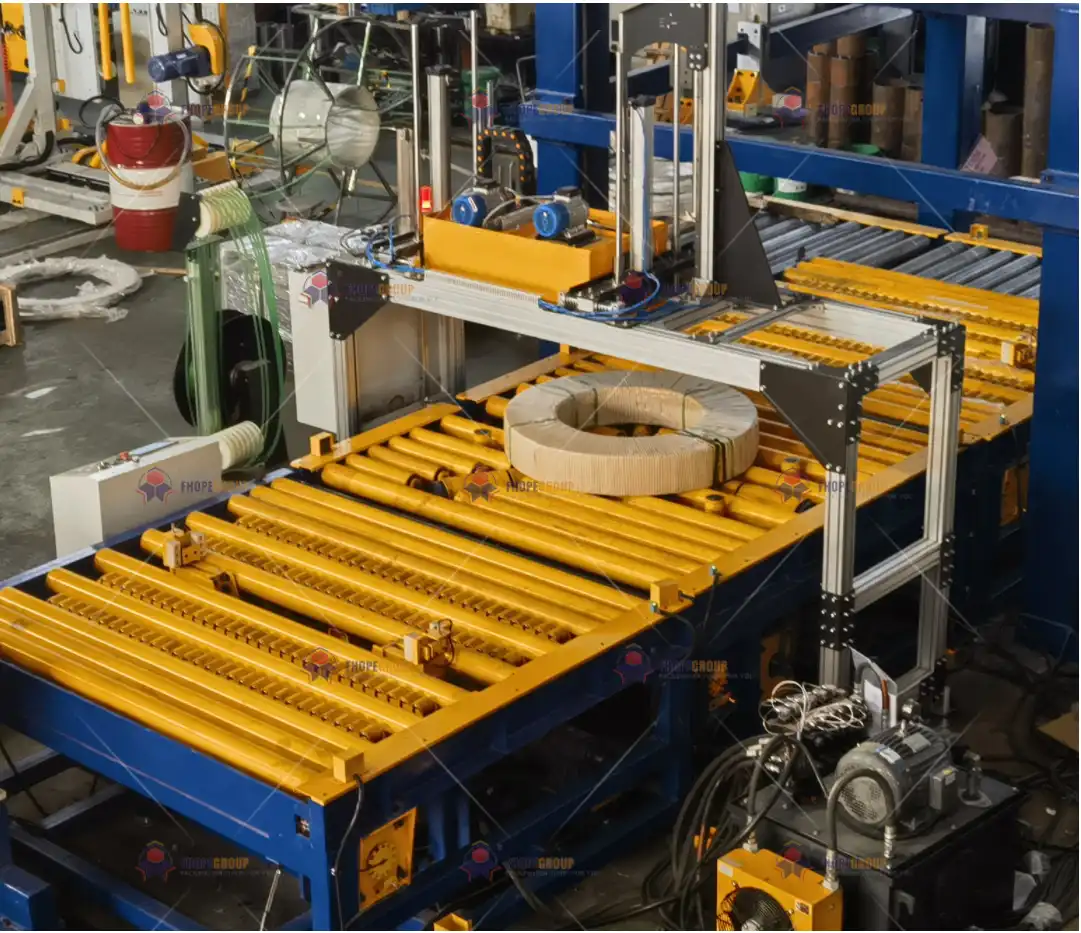
The image shows a steel coil packing line in an operating context. The baseline for the ROI model should be measured on the same kind of real line, with actual coils, people, and downtime data.
Separate Capital and Operating Costs
List the equipment, installation, foundation, utilities, integration, training, and project management as capital. Then list the operating changes: power, compressed air, wrapping material, strapping, spare parts, maintenance, and the labor that remains.
Automation changes labor, but it does not remove every operator. The model should state which roles remain and which tasks change.

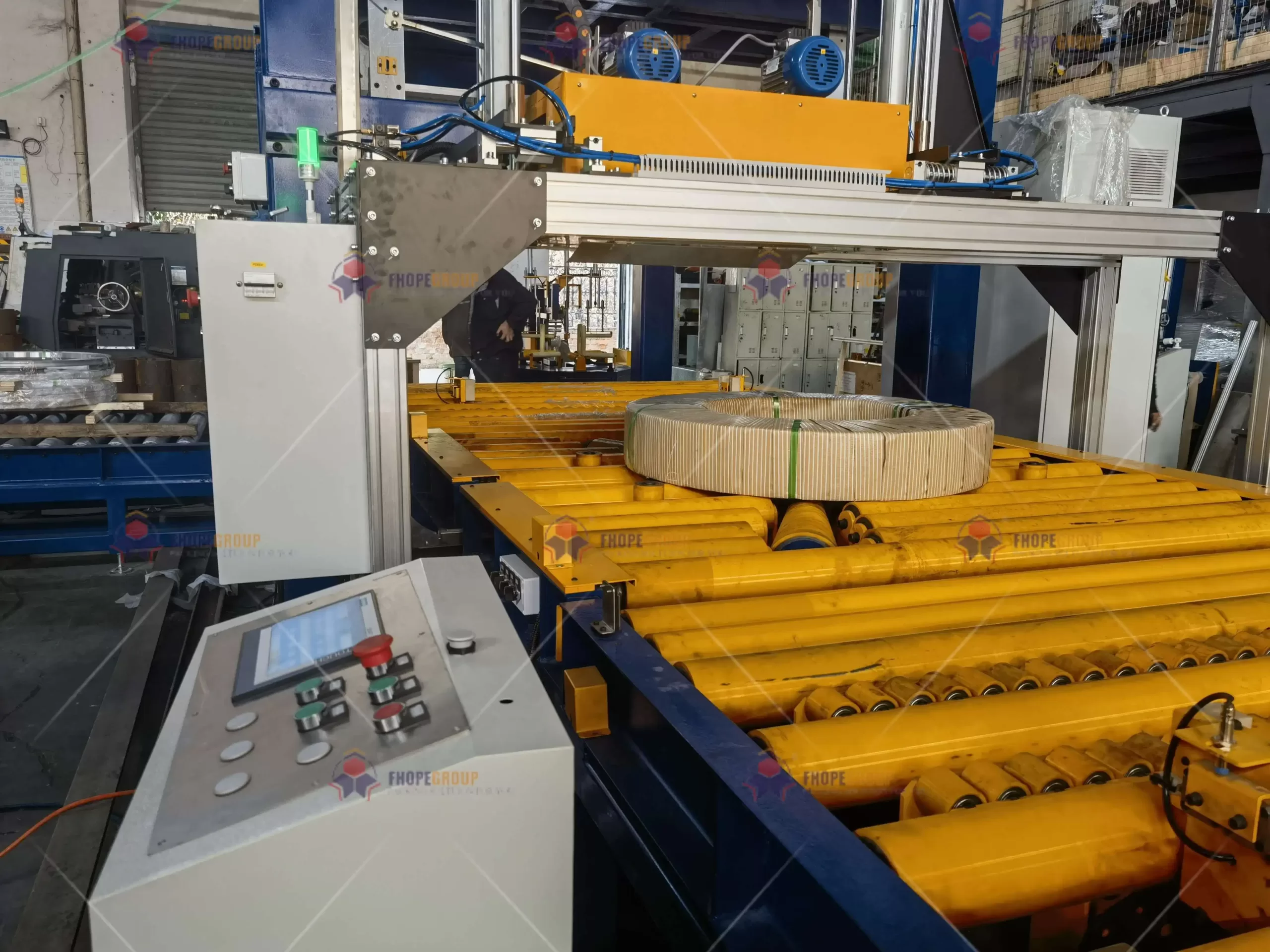
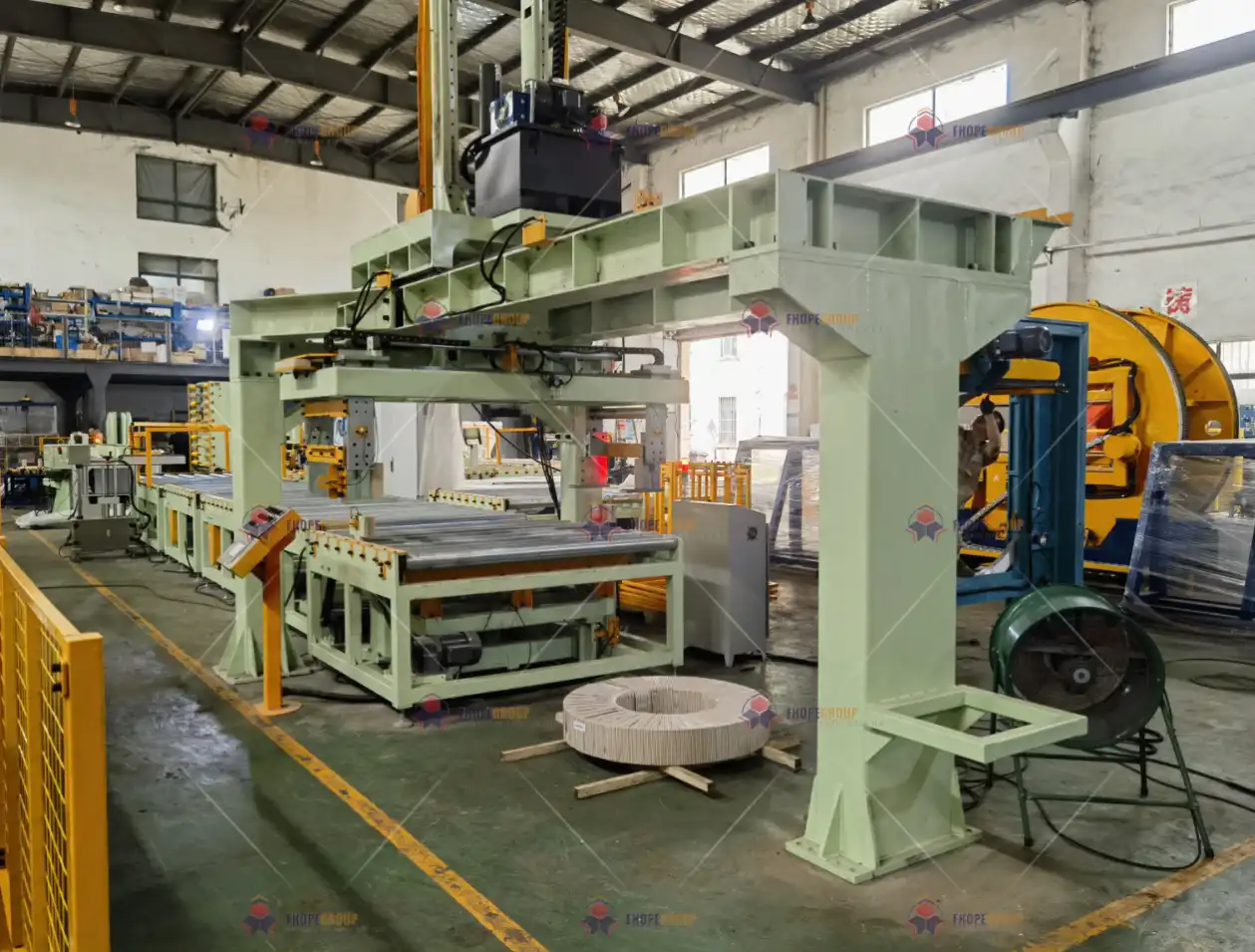
The image shows an automatic steel coil strapping and stacking conveyor line. This is the kind of capital scope that must be itemized in the model, including the interfaces and installation work around it.
Build Three Scenarios
Use conservative, expected, and optimistic scenarios. Change only the assumptions that are genuinely uncertain: labor saving, material saving, throughput, utilization, and maintenance cost.
Do not use the same favorable value for every scenario. The difference between the three scenarios should show which variable has the most influence.
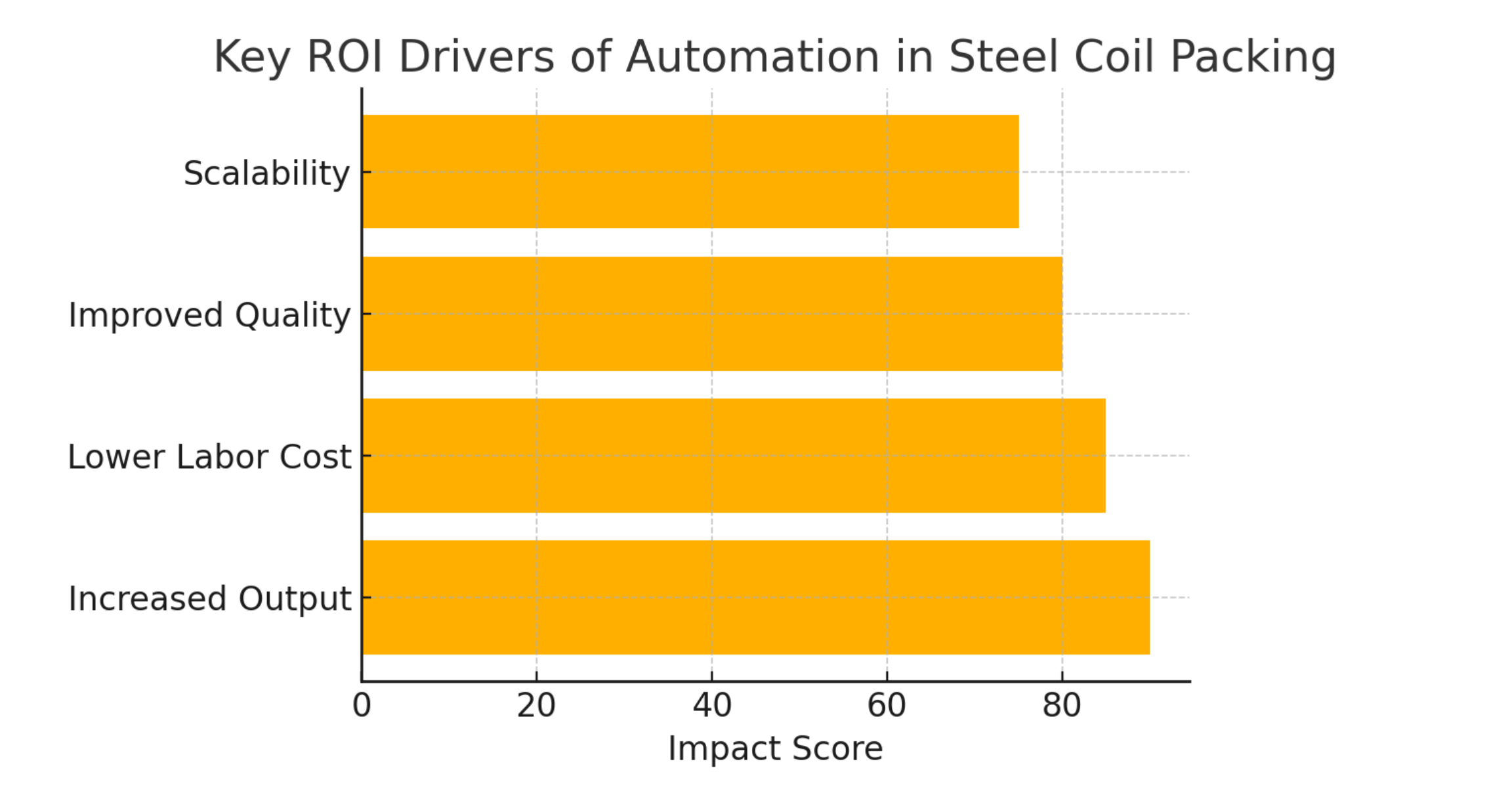
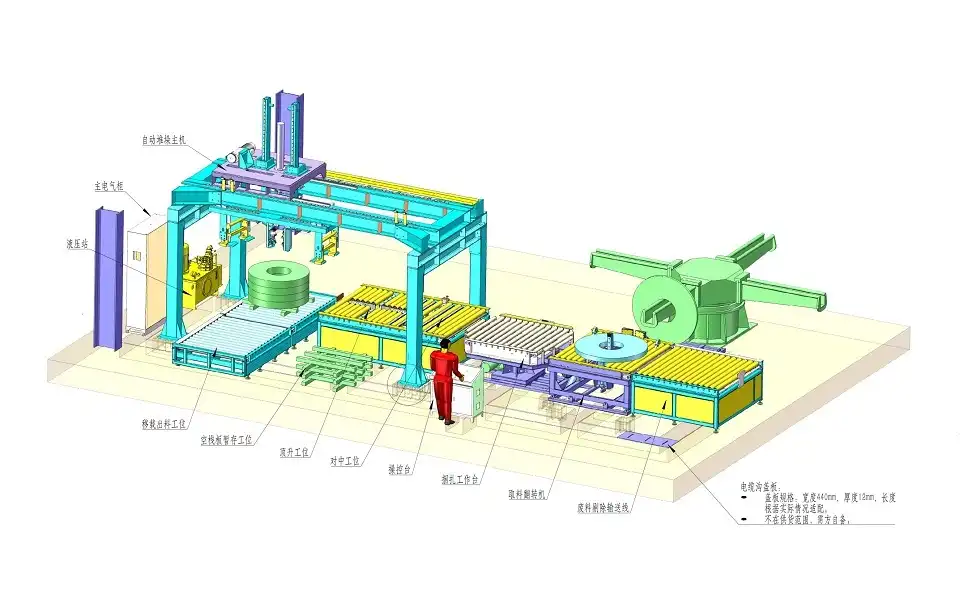
The image shows the key ROI drivers of automation in steel coil packing. The model should keep these drivers visible so the team can see which assumption changes the payback the most.
Test the Sensitive Assumptions
Ask what happens if:
- Output does not increase.
- One operator remains rather than two being removed.
- Material savings are lower than expected.
- Installation costs more than planned.
- The line runs below the planned utilization.
The variable that changes the payback the most is the one the team should verify before approval.
Include Non-Financial Benefits Honestly
Safety, consistency, traceability, and reduced heavy handling are real benefits, but they should not be forced into the financial model unless the team can measure them. List them separately as strategic benefits with a clear owner and review date.
Validate After Installation
Set checkpoints at 30, 90, and 180 days. Compare the predicted baseline against actual coils, labor, material, downtime, and maintenance. Correct the model instead of leaving it as a one-time forecast.
A Practical Next Step
Create a one-page model with the baseline, three scenarios, and the five most sensitive assumptions. Have operations, finance, and maintenance review it before procurement.

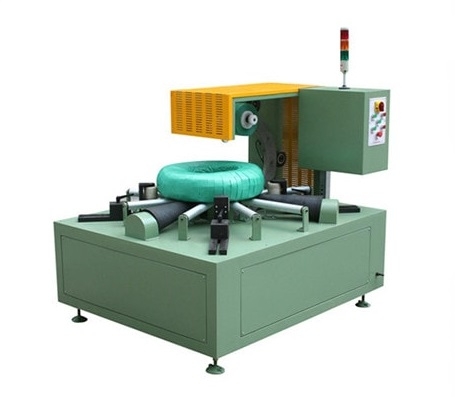
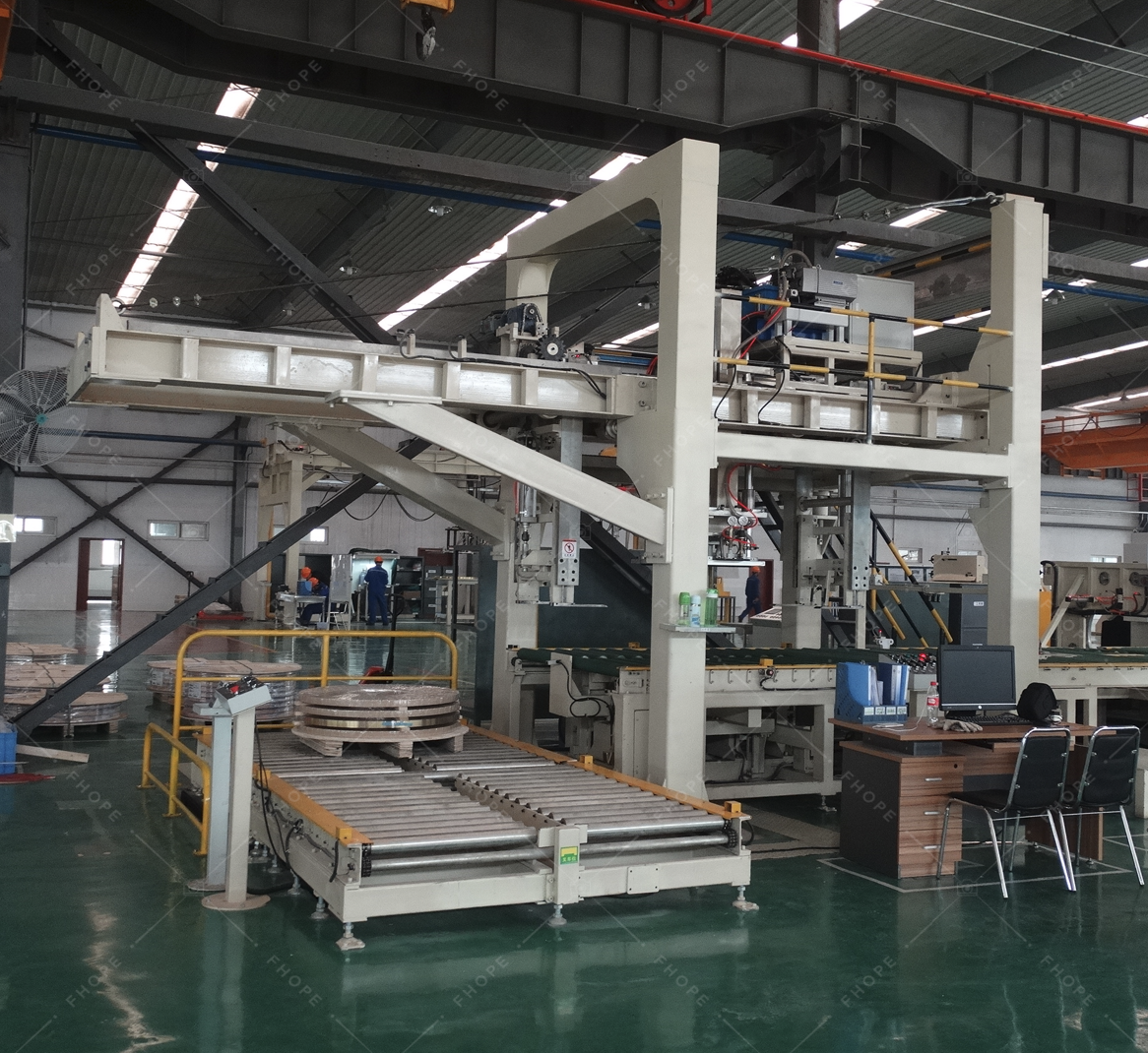
The image shows a Fhope steel coil packing line. It represents the complete line configuration that the ROI model must describe with visible assumptions, not a single favorable machine photo.
Before approval, review the same assumptions against the automatic coil packing line scope and installation boundary.
Watch a fully automatic steel coil packaging line in operation:

Visual Details
Click to enlarge
Click to enlarge
Click to enlarge
Click to enlarge
Watch How It Works
Discover how our automated packaging solutions optimize your production line efficiency. This video demonstrates the seamless operation designed for maximum protection.
Trusted by Steel Mills & Industry Leaders
Global manufacturers rely on FHOPE heavy duty packaging equipment


Ready to optimize your packaging line?
Get a custom quote with ROI analysis. Our engineers respond within 24 hours.
- Free layout design
- Global installation support
- 2-year warranty included
Your information is secure and will never be shared.
Related Machines
Steel Coil Packaging line
View Details →
Vertical coil packaging line
View Details →
Hose Coil Packaging line
View Details →
Copper Coil Packaging line
View Details →
Wire Coil Packaging line
View Details →
Panel Packaging line
View Details →
Pipe Bagging Machine
View Details →
Aluminum profile packing line
View Details →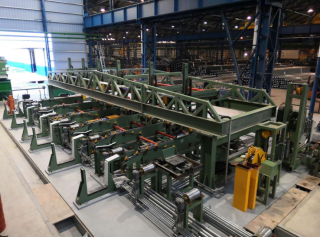
FHOPE Automatic pipe tube bundling&strapping line
View Details →
Automatic pipe tube bundling & strapping line
View Details →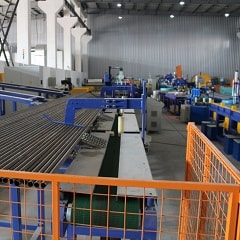
Automatic steel tube strapping machine
View Details →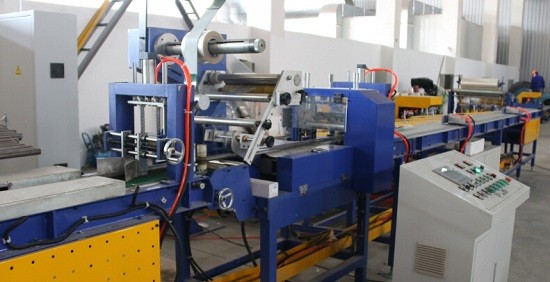
FHOPE Automatic steel tube packing machine
View Details →
Automatic plastic Pipe strapping packing line
View Details →
Automatic PPR/PVC Pipe bagging line
View Details →
Platsic pipe bag packing machine
View Details →
Tyre Packing Machine FPT-200
View Details →
Tyre Packing Machine FPT-300
View Details →
Tyre Packing Machine FPT-400
View Details →
Cable Coil Packing Machine-FPCA100
View Details →