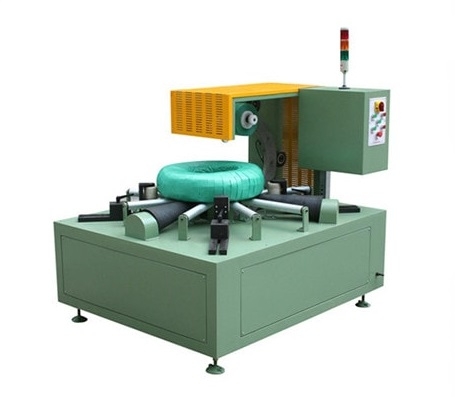
What Should a Coil Packing Line FAT/SAT Test Cover?
A line that "moved a coil" during the visit hasn't passed acceptance. This FAT/SAT checklist covers normal flow, exception cases, data interfaces, and safety boundaries—so your coil packing line is verified before release, not after problems.
FAT/SAT Checklist for Coil Packing Line Projects
FAT/SAT Checklist for Coil Packing Line Projects
Factory acceptance testing and site acceptance testing prove that the line handles the agreed product mix under the agreed boundary. They are not a formality to complete before payment. A good FAT/SAT checklist turns the specification into observable evidence for an automatic coil packing line.
This guide helps project, engineering, quality, and operations teams prepare tests that can be repeated and audited.
| Test matrix column | What it records |
|---|---|
| Test case | The specific scenario to verify |
| Input | The coil, material, data, or condition used |
| Expected result | What must happen for a pass |
| Actual result | What was observed during the test |
| Owner | The person responsible for sign-off |
| Deviation | Any difference from the expected result and the follow-up |
Start with the Acceptance Scope
Before the test, define what is in scope: the stations, interfaces, manual tasks, data fields, safety functions, and the representative product mix. Also define what is excluded or to be tested later at site.
The checklist should be written before the test, not assembled from whatever happened during the visit.
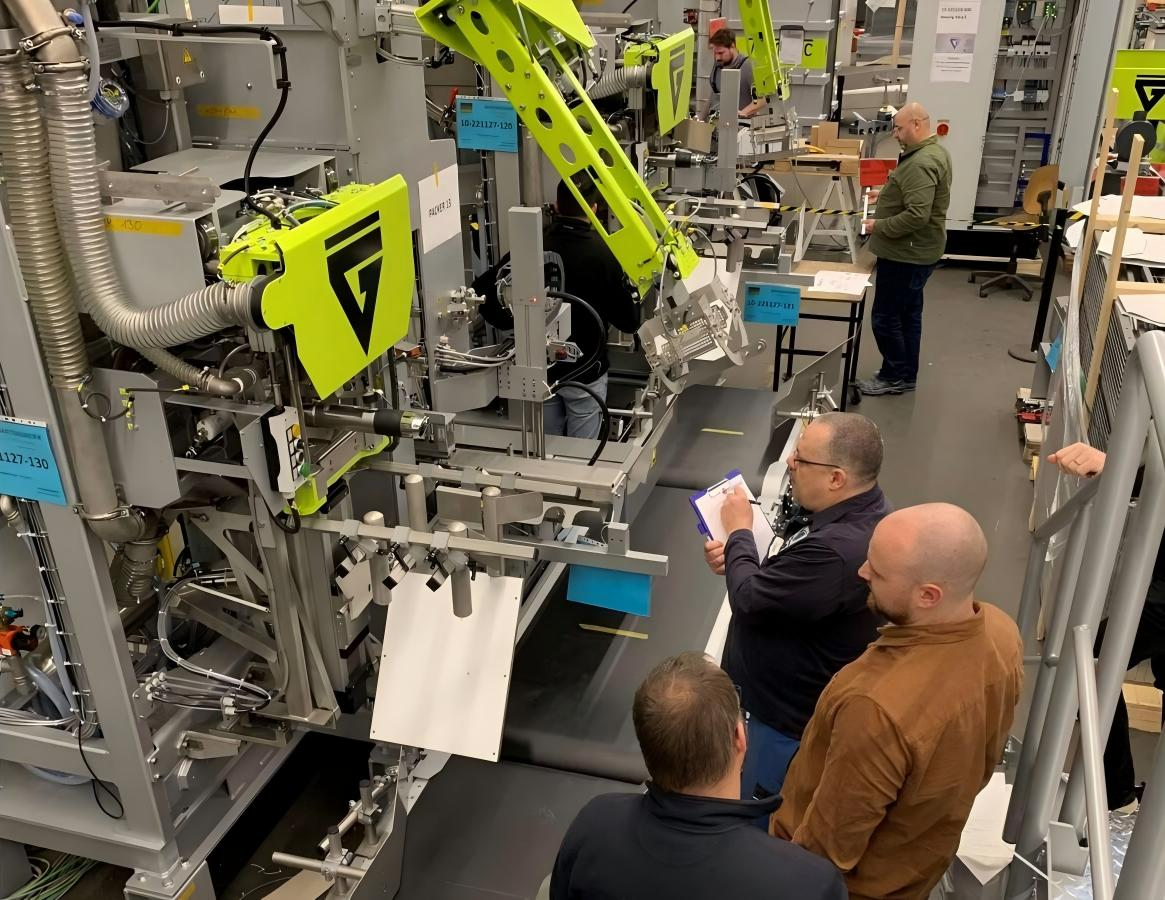
The image shows people conducting a factory acceptance test before shipment. The FAT is where the line, the package, and the record are verified together under a defined input.
Prepare Representative Coils
Use the actual product population, not only the easiest coil. Include representative and extreme cases: widest, narrowest, heaviest, lightest, most sensitive surface, and coils that require a different orientation or packaging rule.
Record the measured dimensions, weight, and condition before the test. A test is only useful when the input is known.
Test the Normal Flow
Run the normal sequence from arrival to discharge. Record each handoff, wrapping result, strapping position, weight, label data, and release decision.
The line should demonstrate that the coil, its package, and its record travel together. The test should not stop at "the machine moved."

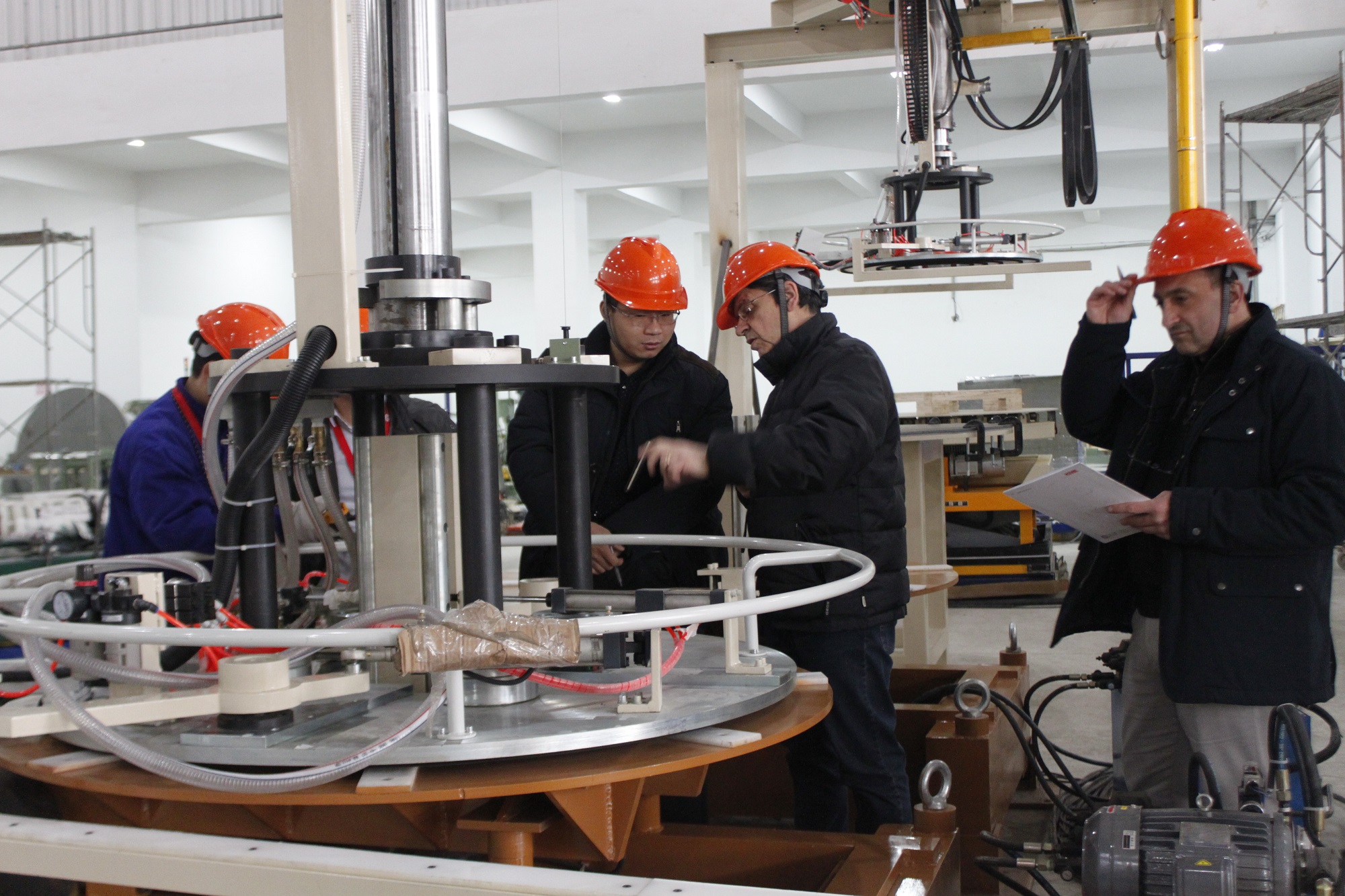
The image shows people working around a steel coil wrapping machine during its site-specific operating procedure. The normal-flow test must include the same operating steps, not only the automatic cycle.
Test the Exceptions
Include at least these cases:
- A coil with a missing or incorrect identifier.
- A label that cannot be verified.
- A weight or packaging-rule mismatch.
- Film break or strapping material replenishment.
- A blocked downstream area.
- Power interruption and controlled restart.
Each case should have a defined safe state, owner, and evidence before the coil returns to normal flow.
Test the Safety and Energy Boundaries
Confirm that guards, interlocks, light curtains, and lockout-tagout isolation work as designed. Check the release procedure and who is authorized to restart the line.
Safety tests should match the site risk assessment and should not be simplified to a single reset action.
Test the Data Interface
Verify that the coil identifier, measured weight, recipe, label, quality state, and shipment record are read and written at the correct handoffs. Include a source-system outage or slow response.
If the line can move a coil physically without the required record, that is a test failure unless a controlled fallback is demonstrated.
Record Results and Deviations
For each test, record the pass or fail, the conditions, the operator, and the time. Keep the failed cases and deviations; they are more valuable than a clean summary.
List the items that passed at factory but require site confirmation, and the items that remain open after the test.

The image shows a working discussion in an office-like setting. This is where the FAT/SAT matrix is reviewed: each pass, fail, and deviation is assigned to an owner before the line is released.
A Practical Next Step
Turn the checklist into a traceable matrix: test case, input, expected result, actual result, responsible sign-off, and deviation. Review the matrix with quality, engineering, operations, and the supplier before release.
The image shows a service-related discussion around a table. This is the handover side of FAT/SAT: training, site confirmation, and open items are agreed with the same people who will operate and maintain the automatic coil packing line.
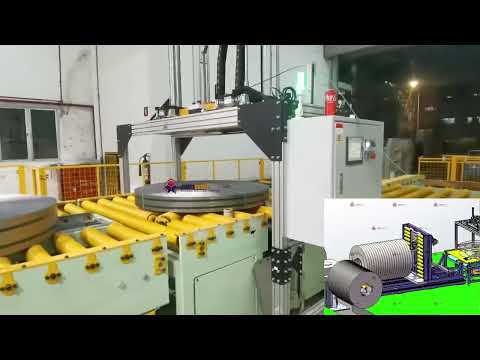
Watch a fully automatic prepainted steel coil packaging line in operation:
Visual Details
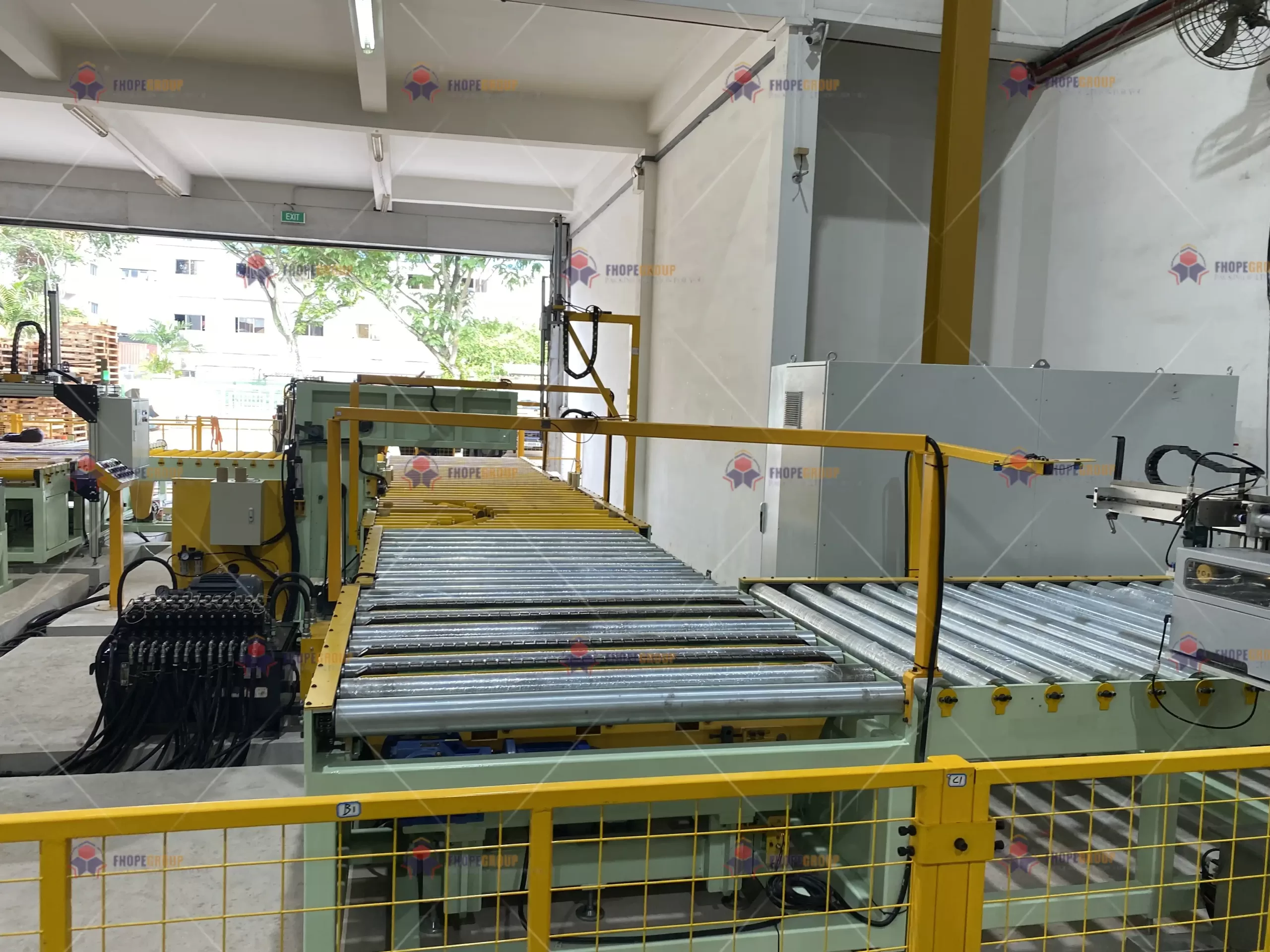
Click to enlarge
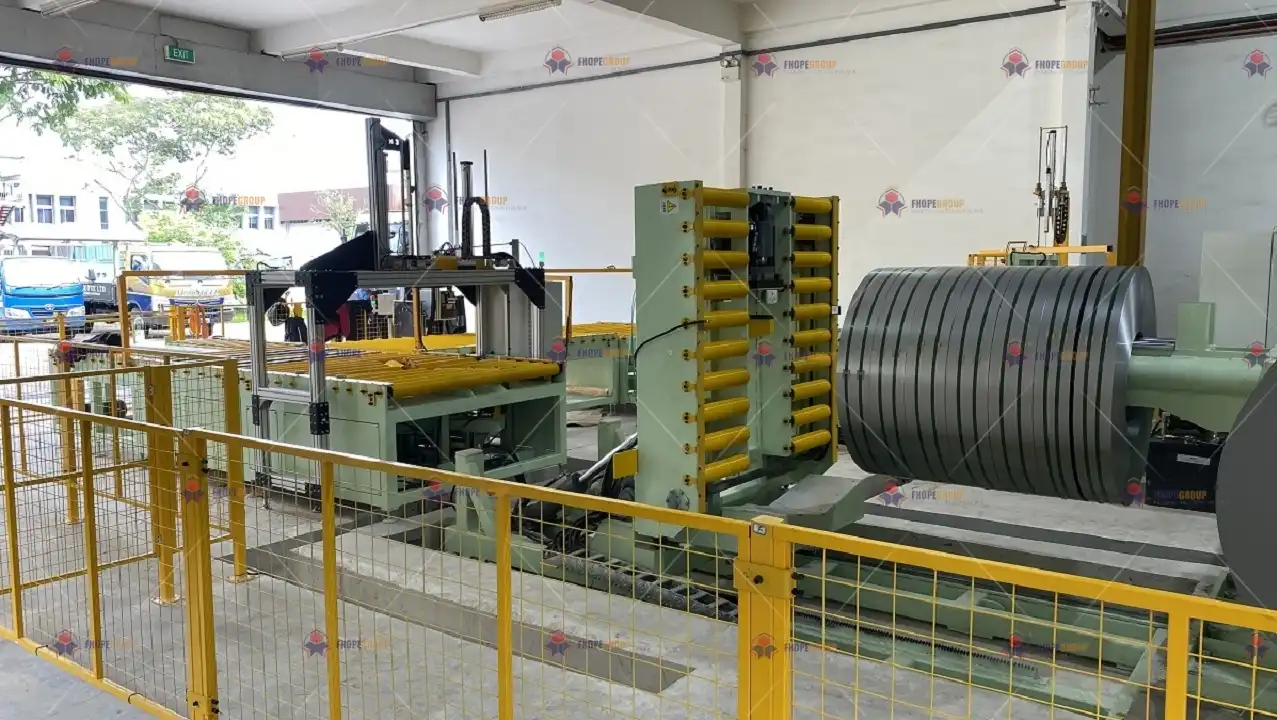
Click to enlarge
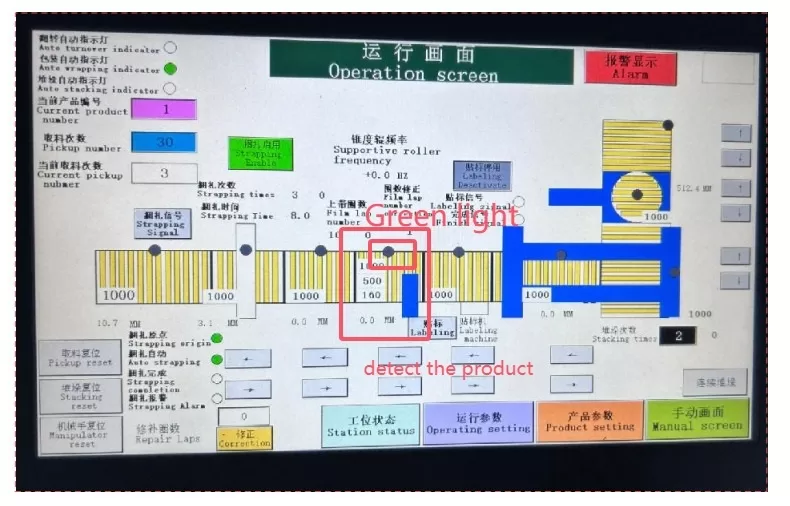
Click to enlarge
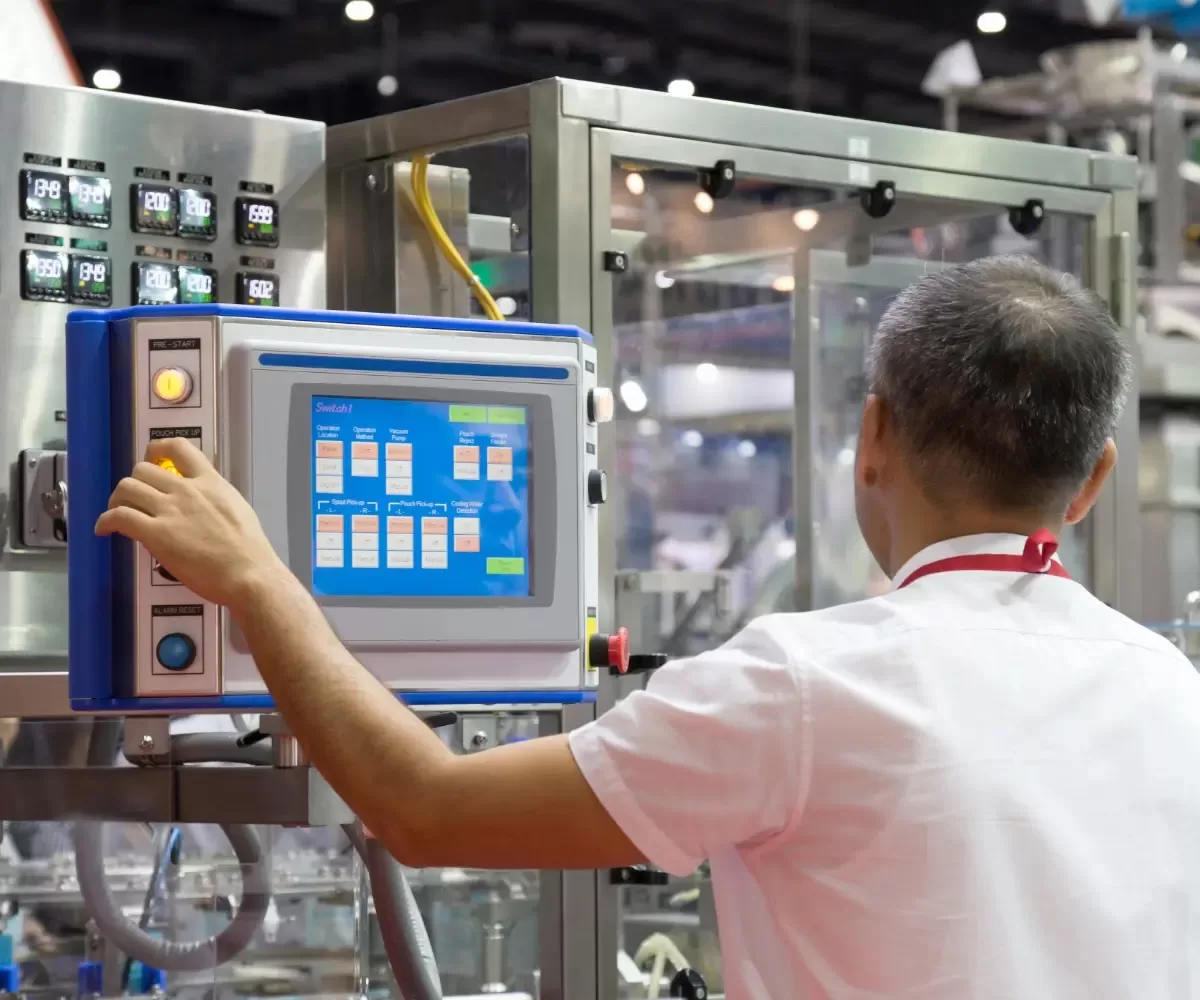
Click to enlarge
Watch How It Works
Discover how our automated packaging solutions optimize your production line efficiency. This video demonstrates the seamless operation designed for maximum protection.
Trusted by Steel Mills & Industry Leaders
Global manufacturers rely on FHOPE heavy duty packaging equipment


Ready to optimize your packaging line?
Get a custom quote with ROI analysis. Our engineers respond within 24 hours.
- Free layout design
- Global installation support
- 2-year warranty included
Your information is secure and will never be shared.
Related Machines
Steel Coil Packaging line
View Details →
Vertical coil packaging line
View Details →
Hose Coil Packaging line
View Details →
Copper Coil Packaging line
View Details →
Wire Coil Packaging line
View Details →
Panel Packaging line
View Details →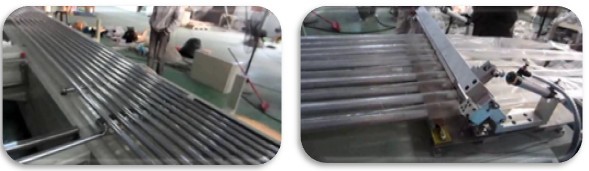
Pipe Bagging Machine
View Details →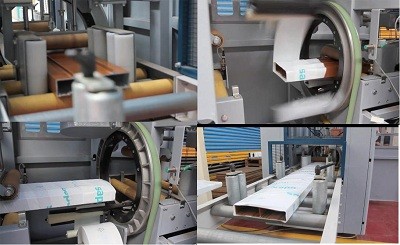
Aluminum profile packing line
View Details →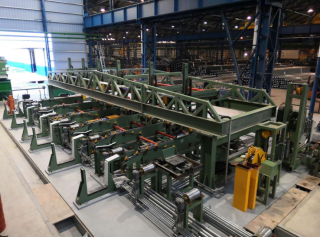
FHOPE Automatic pipe tube bundling&strapping line
View Details →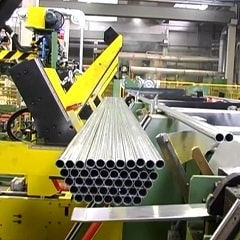
Automatic pipe tube bundling & strapping line
View Details →
Automatic steel tube strapping machine
View Details →
FHOPE Automatic steel tube packing machine
View Details →
Automatic plastic Pipe strapping packing line
View Details →
Automatic PPR/PVC Pipe bagging line
View Details →
Platsic pipe bag packing machine
View Details →
Tyre Packing Machine FPT-200
View Details →
Tyre Packing Machine FPT-300
View Details →
Tyre Packing Machine FPT-400
View Details →
Cable Coil Packing Machine-FPCA100
View Details →