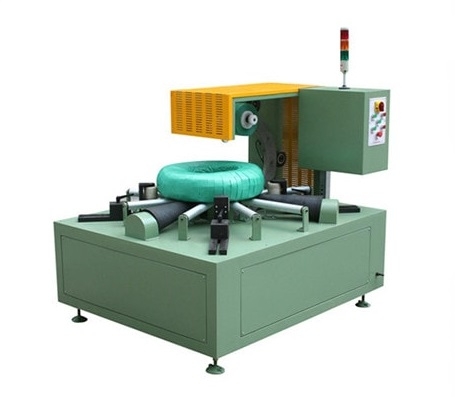
Coil Wrapping Defects: Find the Cause, Not Just the Fix
Film tears, poor overlap, loose wrap, tail unwinding, edge damage—each coil wrapping defect has distinct causes and check points. Use this guide's defect table and correction process to fix the cause, not just the visible result.

Common Coil Wrapping Defects and How to Fix Them
Common Coil Wrapping Defects and How to Fix Them
A wrapping defect is not always a film problem. It can come from the coil, the machine setup, the material, or the packaging recipe. Finding the cause requires looking at the full wrapping boundary, not only the visible result.
This guide helps operators, quality, and maintenance teams turn common defects on an automatic coil packing line into a systematic correction process.
| Defect | Possible cause | Where to check |
|---|---|---|
| Film tears at the coil edge | Missing edge protection, tension, film width, sharp surface | Edge protection and film path |
| Poor overlap or exposed surface | Speed, tension, positioning, recipe mismatch | Measured coil size, recipe, and position |
| Loose or shifting wrap | Low tension, insufficient layers, coil movement | Coil support, tension, and layer count |
| Tail film unwinding | Incomplete seal or cut, damaged film, unsuitable tail surface | Sealing, cut quality, and tail position |
| Edge or side damage | Damage before or after wrapping | Arrival condition and handling path |
Use a Defined Quality Standard
Before fixing a defect, define the acceptance condition: coverage, overlap, tension, tail seal, edge protection, film tears, and package stability. The same visual result may be acceptable for one product and unacceptable for another.
Without a standard, every shift will judge the package differently.
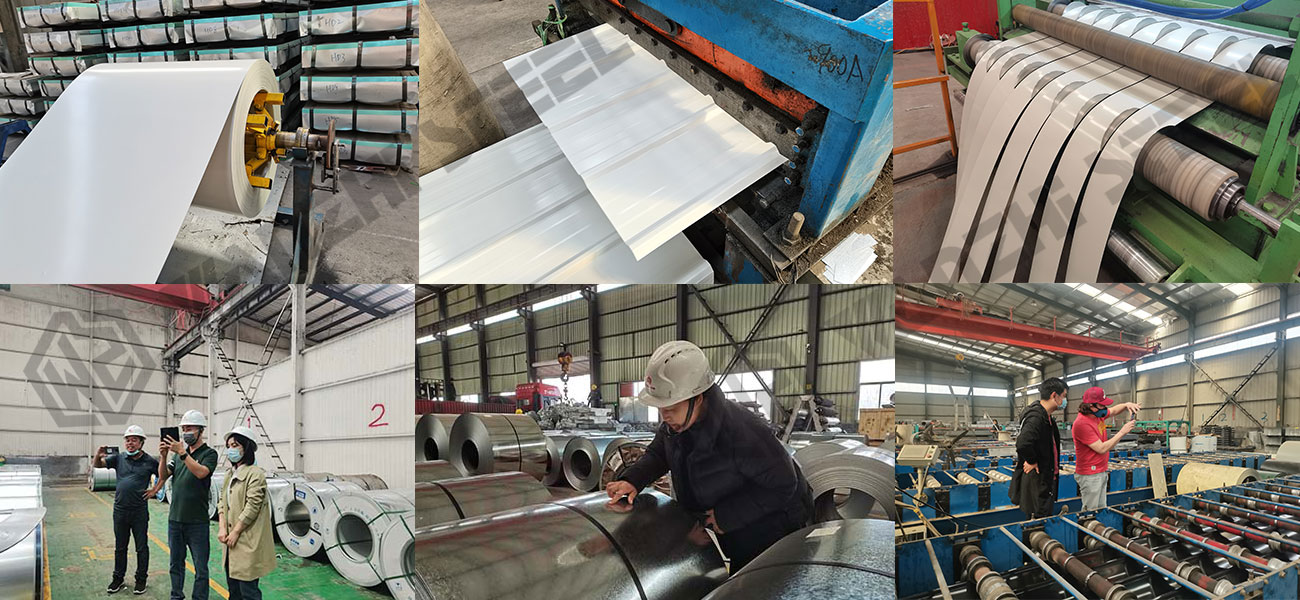
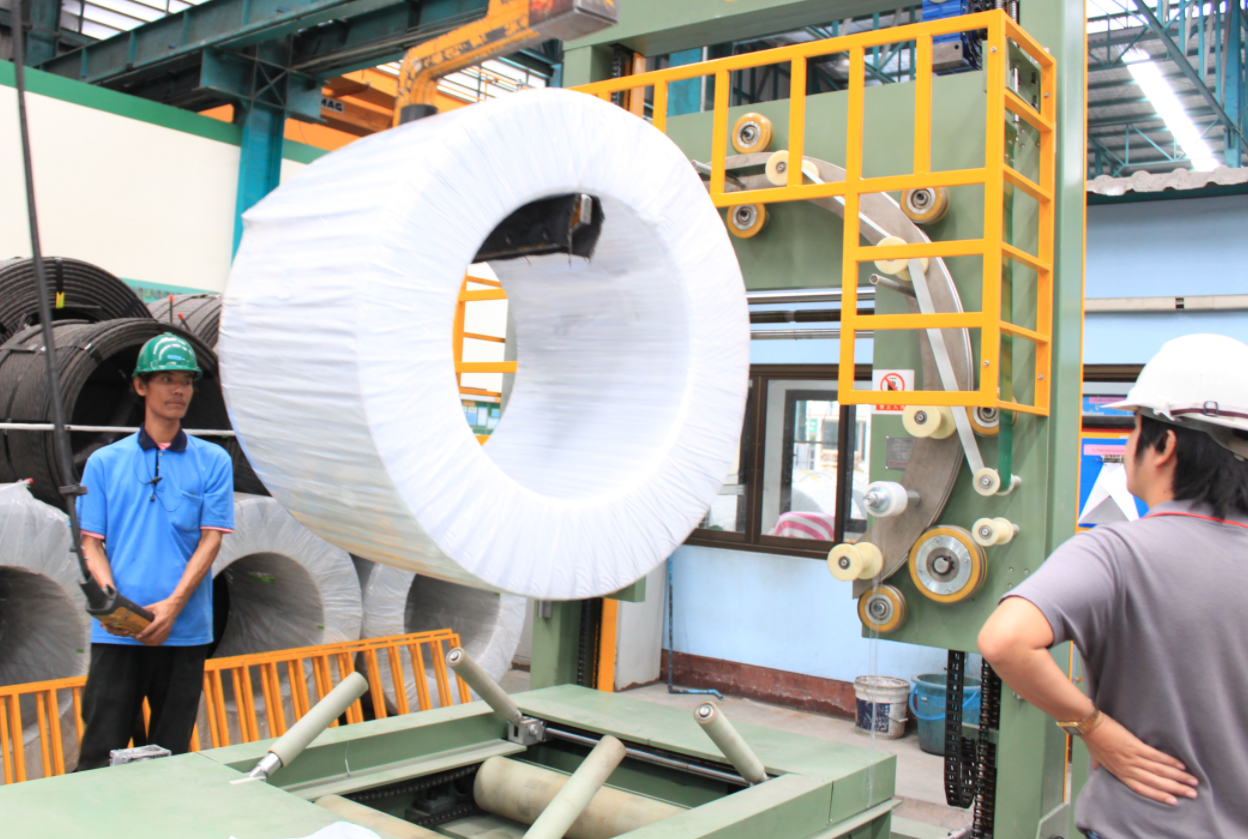
The image shows people preparing a coil so it can be protected before wrapping. The quality standard starts here: the arrival condition, surface state, and edge protection are part of the acceptance condition before the film is applied.
Defect 1: Film Tears at the Coil Edge
The coil edge is often the sharpest point. Causes include missing or misplaced edge protection, excessive film tension, the wrong film width, or a sharp surface condition.
Check the edge protection and film path before changing only the tension. The fix may be mechanical contact, not a thicker film.
Defect 2: Poor Overlap or Exposed Surface
Irregular overlap can come from speed, film tension, positioning, or a recipe that does not match the coil dimensions. If the coil is not centered or the wrapping pattern is inconsistent, exposed areas may remain.
Confirm the measured coil size, the recipe, and the positioning before increasing film consumption.
Defect 3: Loose or Shifting Wrap
A loose wrap often indicates low tension, insufficient layers, or movement of the coil during wrapping. Check the coil support, the tension setting, and the number of layers.
The goal is a stable package that remains intact during handling, not only a neat appearance.
Defect 4: Tail Film Unwinding
The tail seal may fail when cutting or sealing is incomplete, the film is damaged, or the tail is placed on an unsuitable surface. Check the sealing mechanism, the cut quality, and the film condition at the end of the cycle.
The tail must be tested after the coil is moved, not only while it is stationary.
Defect 5: Edge or Side Damage
Side damage may occur before or after wrapping. The wrapping material cannot repair a damaged surface. Record the condition of the coil when it arrives so the wrapping station is not blamed for an upstream defect.

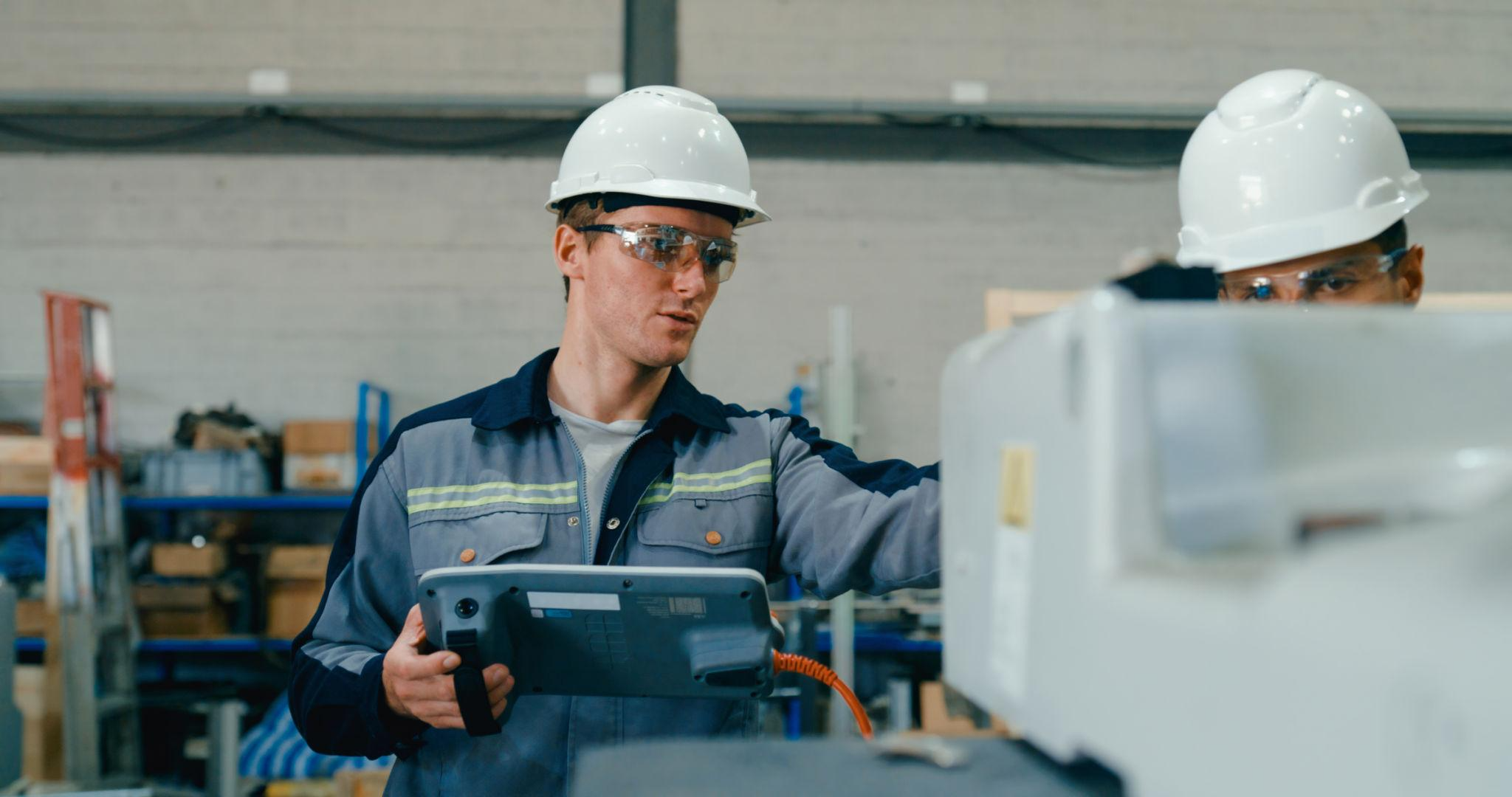
The image shows people reviewing a coil wrapping machine in a factory setting. That is how defects should be diagnosed: at the station where the defect first becomes visible, with the product, recipe, material, and operator action recorded.
Record and Correct by Cause
For each defect, record the product, recipe, material, operator action, and the station where the defect was first visible. Correct the cause and recheck a representative coil rather than adjusting several parameters at once.
The image shows people verifying the line during factory acceptance. The same verification discipline applies to defect correction: a defined input, an expected package result, and evidence that the fix works on a representative coil.
A Practical Next Step
Create a defect library with photos, likely causes, checks, and verification steps. Use it to train operators and to make corrections repeatable.

The image shows people involved in FAT/SAT project management. Quality, operations, and maintenance should review the defect library together and keep the same automatic coil packing line scope visible in every correction.
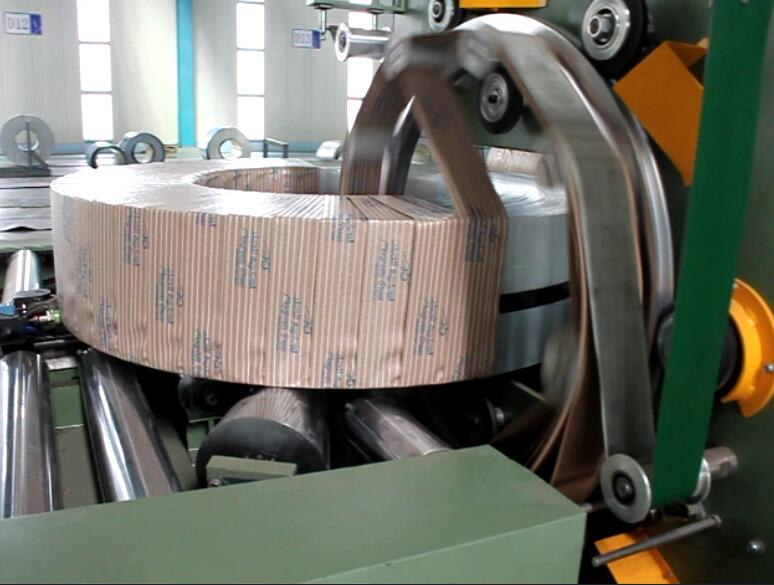
Watch an automatic copper strip coil packing line in operation:

Visual Details

Click to enlarge

Click to enlarge
Click to enlarge
Click to enlarge
Watch How It Works
Discover how our automated packaging solutions optimize your production line efficiency. This video demonstrates the seamless operation designed for maximum protection.
Trusted by Steel Mills & Industry Leaders
Global manufacturers rely on FHOPE heavy duty packaging equipment


Ready to optimize your packaging line?
Get a custom quote with ROI analysis. Our engineers respond within 24 hours.
- Free layout design
- Global installation support
- 2-year warranty included
Your information is secure and will never be shared.
Related Machines
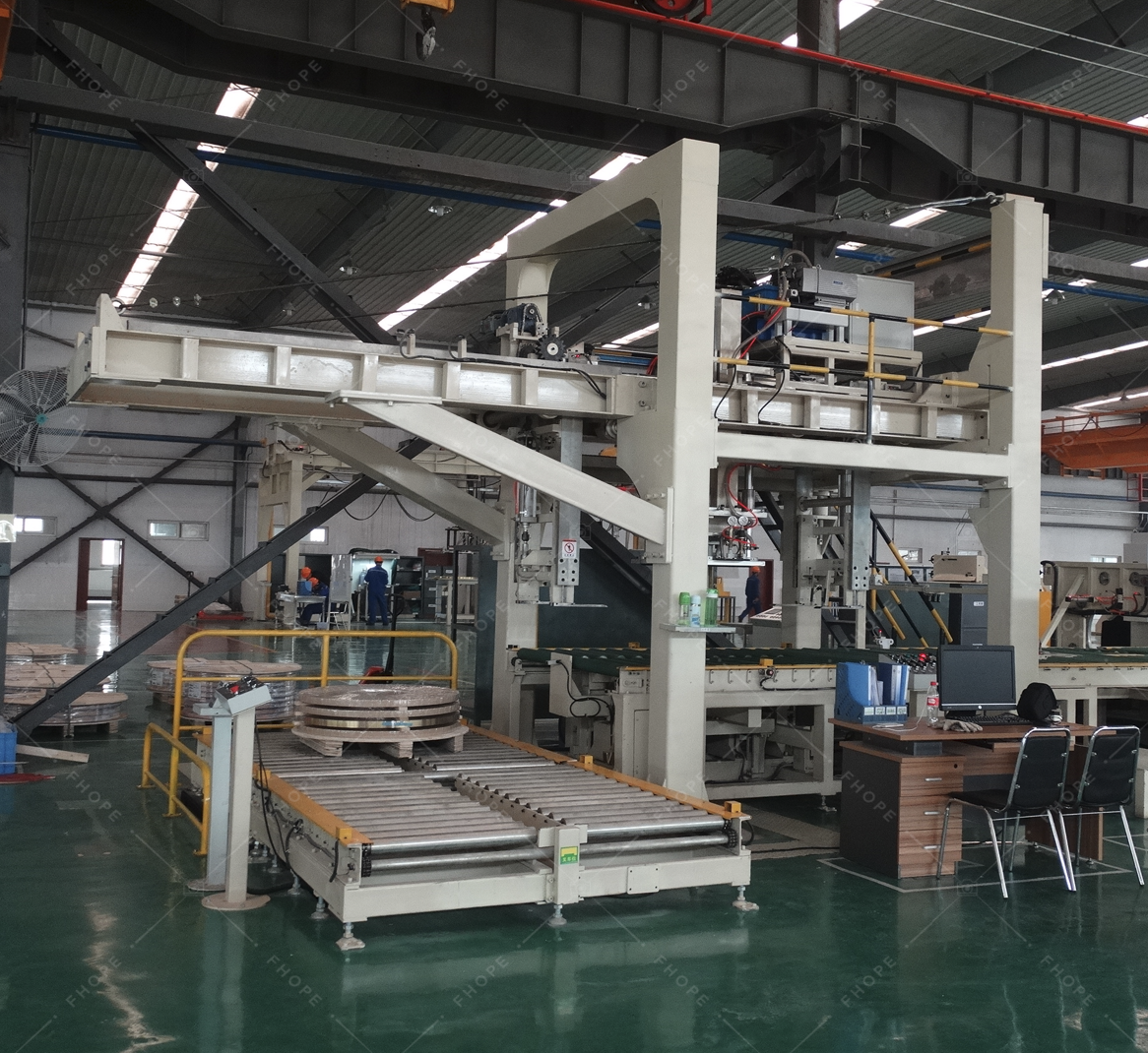
Steel Coil Packaging line
View Details →
Vertical coil packaging line
View Details →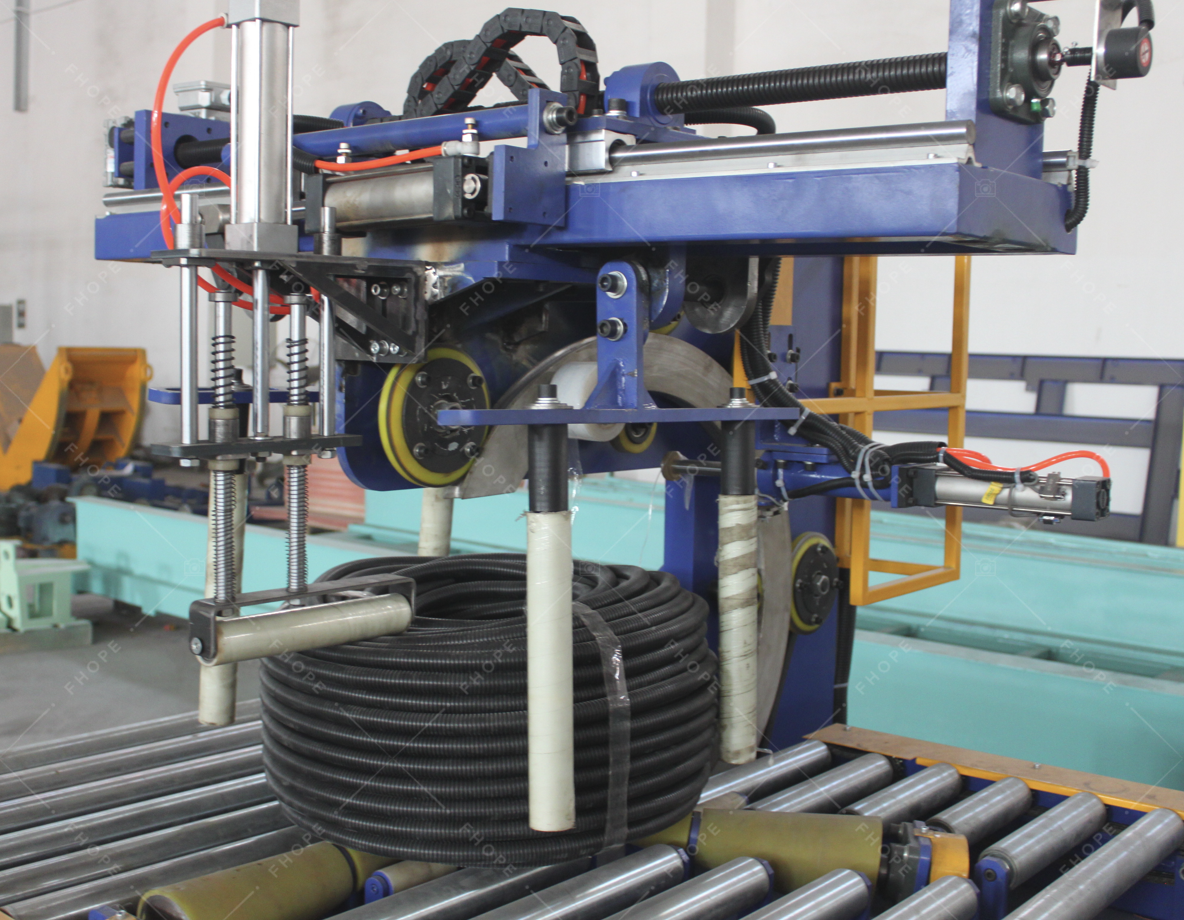
Hose Coil Packaging line
View Details →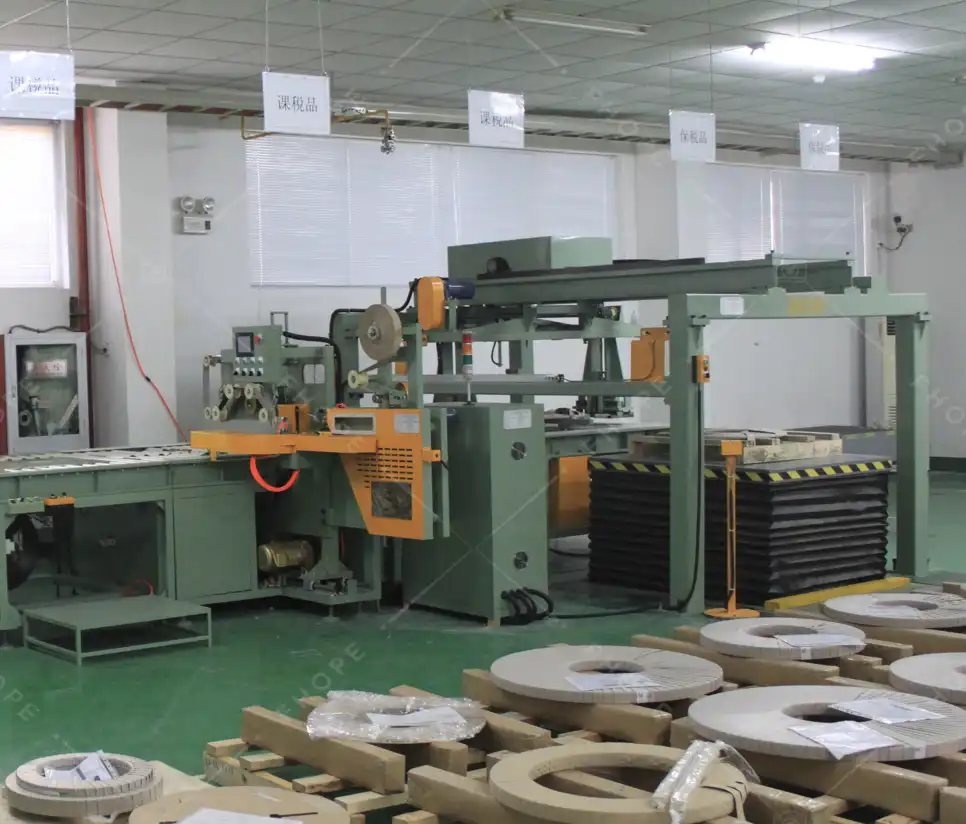
Copper Coil Packaging line
View Details →
Wire Coil Packaging line
View Details →
Panel Packaging line
View Details →
Pipe Bagging Machine
View Details →
Aluminum profile packing line
View Details →
FHOPE Automatic pipe tube bundling&strapping line
View Details →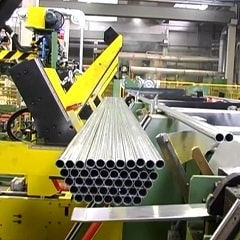
Automatic pipe tube bundling & strapping line
View Details →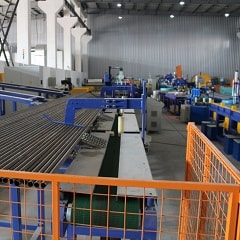
Automatic steel tube strapping machine
View Details →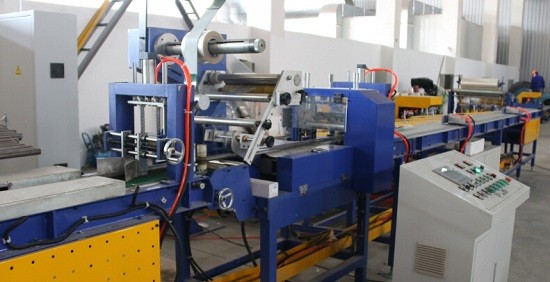
FHOPE Automatic steel tube packing machine
View Details →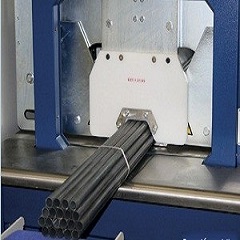
Automatic plastic Pipe strapping packing line
View Details →
Automatic PPR/PVC Pipe bagging line
View Details →
Platsic pipe bag packing machine
View Details →
Tyre Packing Machine FPT-200
View Details →
Tyre Packing Machine FPT-300
View Details →
Tyre Packing Machine FPT-400
View Details →
Cable Coil Packing Machine-FPCA100
View Details →