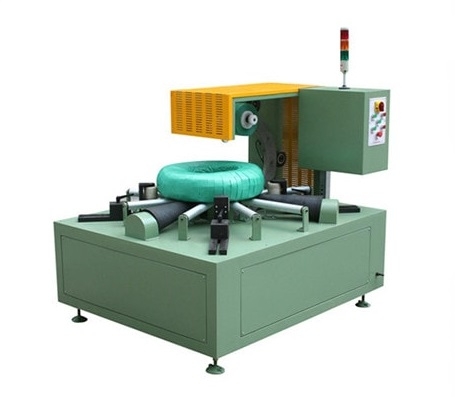
Coil Wrapping Machine vs. Coil Packing Line: Which Do You Need?
Not sure whether you need a coil wrapping machine or a full coil packing line? This guide compares both scopes with real inquiry examples, a simple decision path, and five questions that separate the two requests.
Coil Wrapping Machine vs. Coil Packing Line: Which Scope Do You Need?
Coil Wrapping Machine vs. Coil Packing Line: Which Scope Do You Need?
The two terms are often used as if they mean the same thing, but they describe different scopes. A coil wrapping machine performs the protective wrapping action. A coil packing line is the larger system that moves, identifies, wraps, straps, weighs, labels, stacks, and discharges the coil while preserving the evidence needed to release it.
This article is for buyers, engineers, and project teams who need to turn an unclear equipment request into a comparable scope.
Why the Terminology Is Confusing
"Packing," "packaging," and "wrapping" are used interchangeably in different countries and sales materials. A buyer may ask for a packing machine while actually needing only the wrapping function, or ask for a wrapper while expecting a complete line with conveyors, labeling, and stacking.
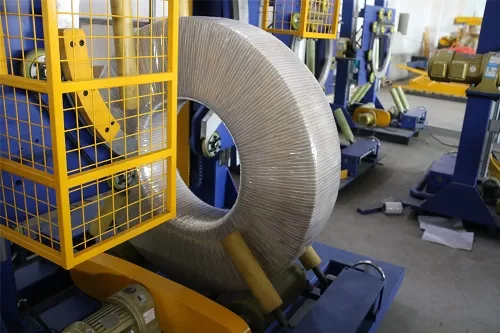
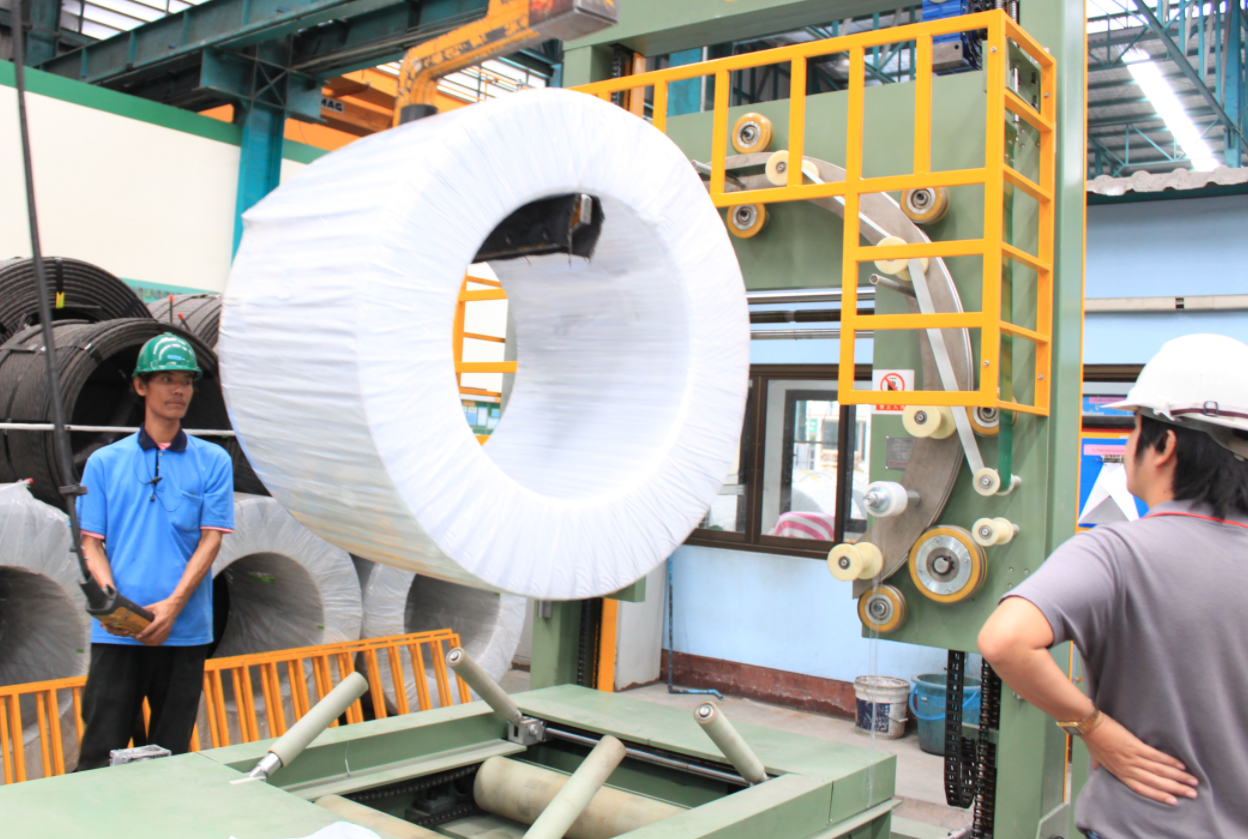
The photo above shows exactly why the terminology is confusing. In the foreground, a vertical coil wrapper with a yellow safety cage and blue base holds a coil already wrapped in woven material. Step back and you will notice a second wrapper behind it, plus a pipe packing machine to the right. A visitor walking this factory floor might call everything here a "packing machine," yet the coil wrapper and the pipe packer serve completely different products and flows. The wrapped coil in the foreground sits idle on its support rollers, waiting for the next action. Whether that next action is manual discharge or automated transfer is precisely what separates a wrapping machine from a packing line.
For this reason, equipment names should not be the basis of a technical decision. The function list and the handoff points are more reliable.
What a Coil Wrapping Machine Does
The core action is applying protective material around a coil. Depending on the machine, it may rotate the coil, pass material through the coil eye, or rotate a ring around the coil. It typically requires the coil to arrive in a defined position and to be discharged after wrapping.

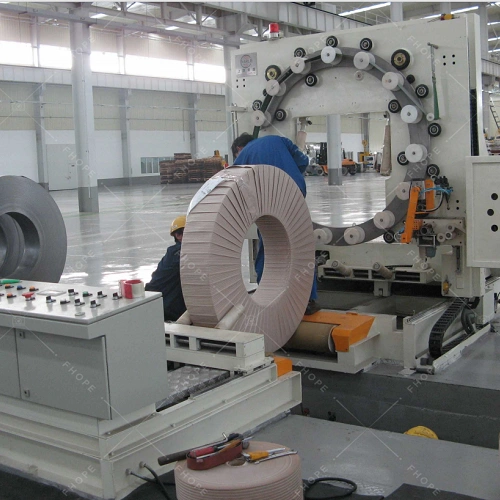
Look at the machine above. A steel coil rests on a bright yellow roller conveyor while a rotating ring wraps it with stretch film. The coil stays stationary on the rollers; the wrapping arm does the work. You can see the film tension rollers, the cut-and-seal mechanism, and the FHOPE watermark on the packaging material — evidence that this is a real production floor, not a catalog render. Notice what is absent: no weighing platform, no label applicator, no stacking station, no upstream conveyor feeding coils from a slitting line. This single station performs one core action — applying protective material around the coil — and that is the boundary of a coil wrapping machine.
The machine may include film tension control, overlap adjustment, automatic cutting and sealing, and a PLC/HMI for recipe selection. Those features still belong to the wrapping station unless the scope also includes the surrounding material and data flow.

The video above shows the same wrapping action in motion — a coil receiving both stretch film and woven material as the ring rotates around it.
What a Coil Packing Line Adds
A coil packing line expands the boundary far beyond the single station shown earlier.

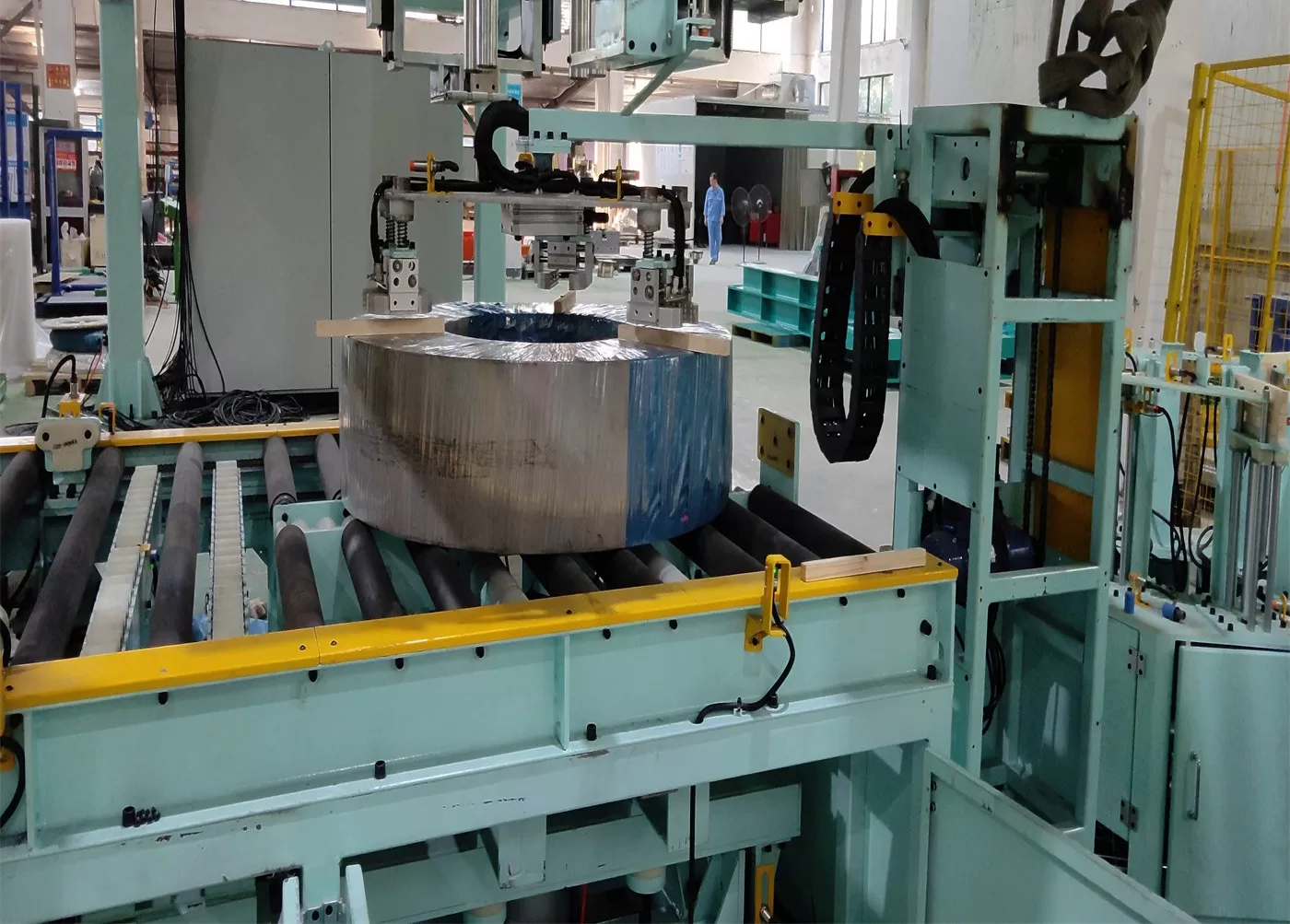
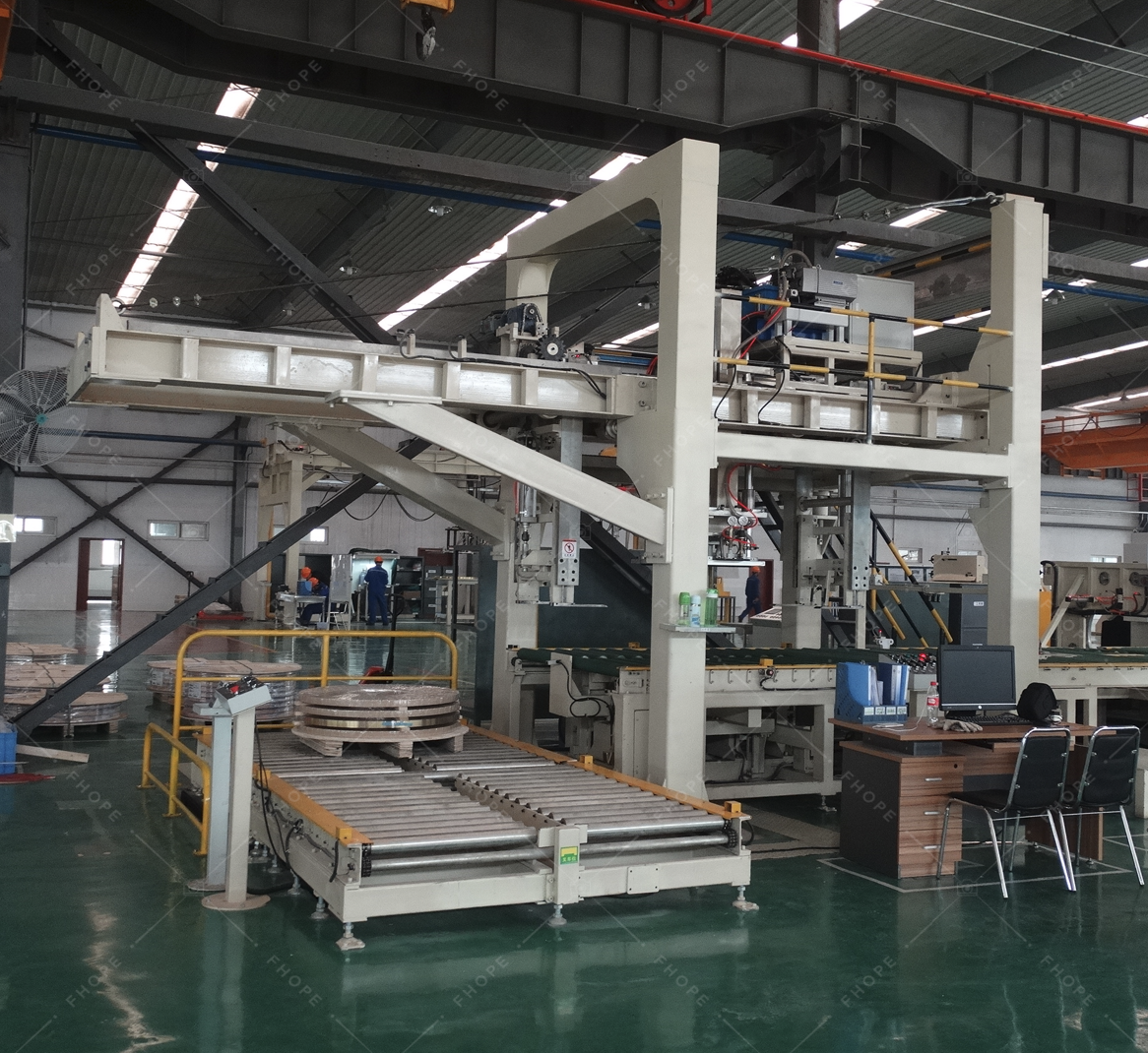
The configuration above is a customized steel coil wrapping line — a scope that connects handling, wrapping, and discharge into one sequence. Where the wrapping machine stops at the coil edge, the line continues: it defines how the coil enters the first station, how it moves between stations, and how it leaves the last station with an acceptable package and record. The difference is not the wrapping speed; it is the presence of handoff points and the owner of each transfer.
A packing line connects the work before and after wrapping. It may include coil handling and transfer, buffering, orientation change, identification, strapping, weighing, labeling, inspection, stacking, and storage transfer. It also adds the interfaces between those stations and the owner of each handoff.
The difference is not whether a machine is "automatic." It is whether the project has defined how a coil enters the first station, moves between stations, and leaves the last station with an acceptable package and record.
Decide by Function, Not by Name
Ask these questions before writing the requirement:
- Does the scope only need protective wrapping, or does it also need handling, strapping, weighing, labeling, or stacking?
- Who transfers the coil before and after wrapping?
- What packaging result must be inspected and recorded?
- What happens to a blocked, unidentified, or rejected coil?
- Which system owns the coil identity and label data?
The answers usually separate a wrapping-machine request from a packing-line request.
Common Inquiry Examples
The photo above shows a CRCA slit coil packing line — a real-world example of why the initial request matters less than the full flow. A buyer who says "I need a wrapper for slit coils" may actually expect the coils to arrive from a slitting line, pass through orientation correction, get wrapped, weighed, labeled by width and lot number, and then stacked by delivery sequence. If the scope is only wrapping, the machine will stop at the station edge. If the scope is a coil packing line, the project must also define who handles the coil before it arrives and who accepts it after the label is applied.
A customer says "packing machine" but only wants a wrapping station with manual loading. In that case, the correct scope is a coil wrapping machine.
A customer says "wrapper" but expects the coil to arrive from a slitting line, be weighed, labeled, and stacked. The correct scope is a packing line or a staged system.
A customer says "fully automatic" but has not defined the exception route. The project should first define normal flow, abnormal flow, and recovery before assigning the word automatic.
A Simple Decision Path
If the scope is limited to applying wrapping material to a coil that is already presented and discharged manually, a coil wrapping machine is likely enough.
If the scope includes multiple connected stations, data handoffs, and a release decision after each station, use a coil packing line scope.
If the project is between the two, start with a wrapping cell and reserve the interfaces needed for later transfer, labeling, or stacking. That keeps the request honest without forcing an unneeded full line.
Make the Quote Comparable
State the same boundary for every supplier: product mix, functions included and excluded, material flow, manual tasks, data interfaces, safety boundary, and acceptance criteria. A quote is only comparable when all suppliers are answering the same scope.
Visual Details
Click to enlarge

Click to enlarge

Click to enlarge
Click to enlarge
Watch How It Works
Discover how our automated packaging solutions optimize your production line efficiency. This video demonstrates the seamless operation designed for maximum protection.
Trusted by Steel Mills & Industry Leaders
Global manufacturers rely on FHOPE heavy duty packaging equipment


Ready to optimize your packaging line?
Get a custom quote with ROI analysis. Our engineers respond within 24 hours.
- Free layout design
- Global installation support
- 2-year warranty included
Your information is secure and will never be shared.
Related Machines
Steel Coil Packaging line
View Details →
Vertical coil packaging line
View Details →
Hose Coil Packaging line
View Details →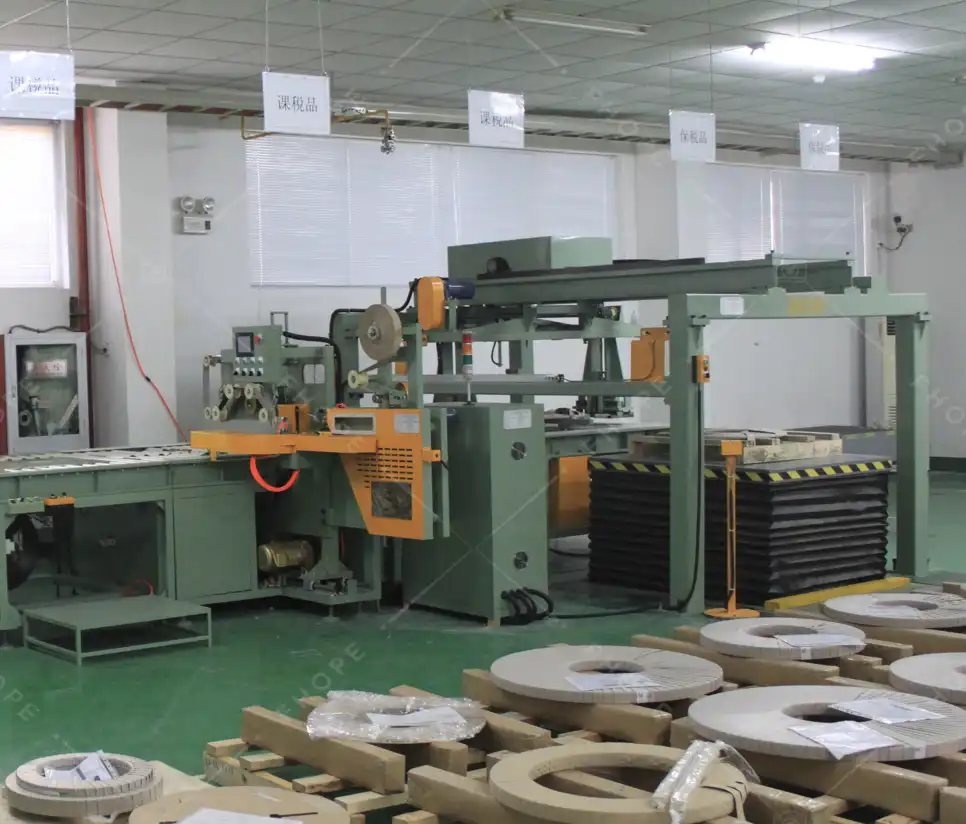
Copper Coil Packaging line
View Details →
Wire Coil Packaging line
View Details →
Panel Packaging line
View Details →
Pipe Bagging Machine
View Details →
Aluminum profile packing line
View Details →
FHOPE Automatic pipe tube bundling&strapping line
View Details →
Automatic pipe tube bundling & strapping line
View Details →
Automatic steel tube strapping machine
View Details →
FHOPE Automatic steel tube packing machine
View Details →
Automatic plastic Pipe strapping packing line
View Details →
Automatic PPR/PVC Pipe bagging line
View Details →
Platsic pipe bag packing machine
View Details →
Tyre Packing Machine FPT-200
View Details →
Tyre Packing Machine FPT-300
View Details →
Tyre Packing Machine FPT-400
View Details →
Cable Coil Packing Machine-FPCA100
View Details →