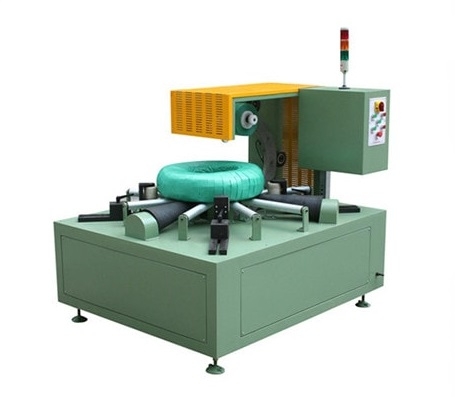
Coil Packing Line: Define Dimensions, Weights & Product Mix
A packing line is specified by the distribution of coils, not one maximum. Learn which dimensional and weight fields to collect, how to group product families, and why reference ranges are only a starting point.
How to Define Coil Dimensions, Weights and Product Mix for a Packing Line
How to Define Coil Dimensions, Weights and Product Mix for a Packing Line
A coil packing line is not specified by one maximum coil. It is specified by the distribution of coils that will actually pass through it. Two factories can both say "steel coils" and need very different handling, wrapping, and stacking designs.
This guide helps the project team collect the dimensional, weight, and product-mix data that every serious line design needs.
Collect the Fields That Change the Design
For each coil family, record:
- Material and surface condition.
- Inner diameter and outer diameter.
- Coil width.
- Weight, including the distribution across the family.
- Coil orientation on arrival and the orientation required downstream.
- Surface temperature or sensitivity where relevant.
- Production source and release pattern.
- Packaging requirement, including protection, strapping, and labeling.
Do not reduce the population to "minimum" and "maximum." The combinations that occur together matter, because width, outer diameter, and weight may not all peak on the same coil.
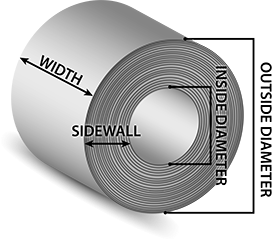
The diagram shows the coil dimensions that drive the design: inner diameter, outer diameter, width, and orientation. These are the fields the team must collect in real combinations, not as isolated maxima.
Use Reference Ranges Carefully
Published product pages often show typical reference values. For example, a wide-coil wrapping station may be described as handling coils up to about 1,800 mm outside diameter, 1,860 mm width, and 25 tonnes. Those are example values, not a universal capacity.
The applicable range must come from the supplier datasheet for the specific machine and product mix. Treat a reference value as a starting point for questions, not as a design conclusion.
Build Product Families
Group coils by the factors that change the line:
- Narrow versus wide coils.
- Light versus heavy coils.
- Eye-vertical versus eye-horizontal orientation.
- Coils that need only wrapping versus coils that also need strapping, weighing, labeling, or special protection.
- Normal product versus rework, exceptional product, and hold conditions.
A useful family has a clear rule, a clear handoff, and a clear exception route. A taxonomy that covers every possible variation but cannot be operated is not helpful.

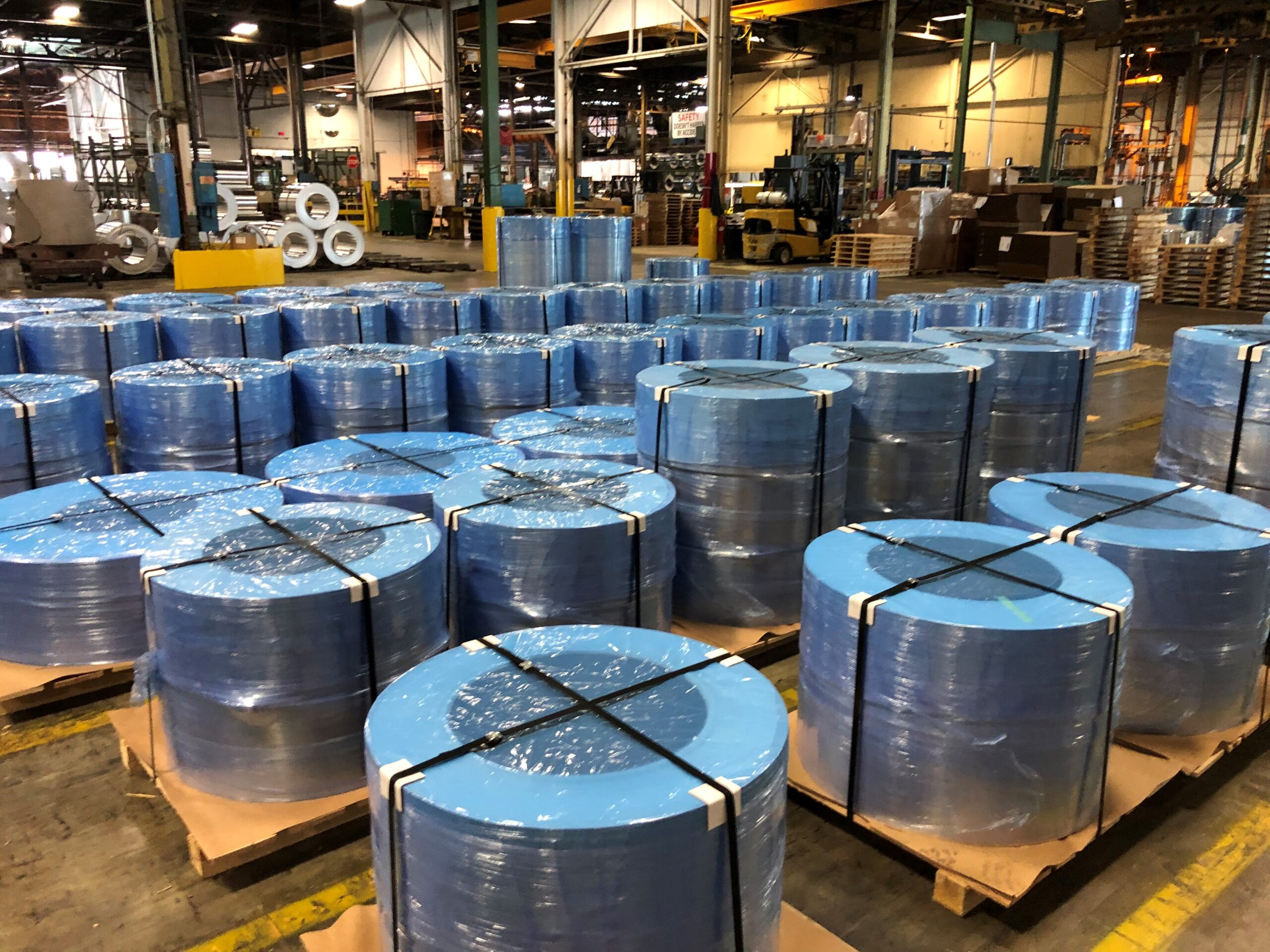
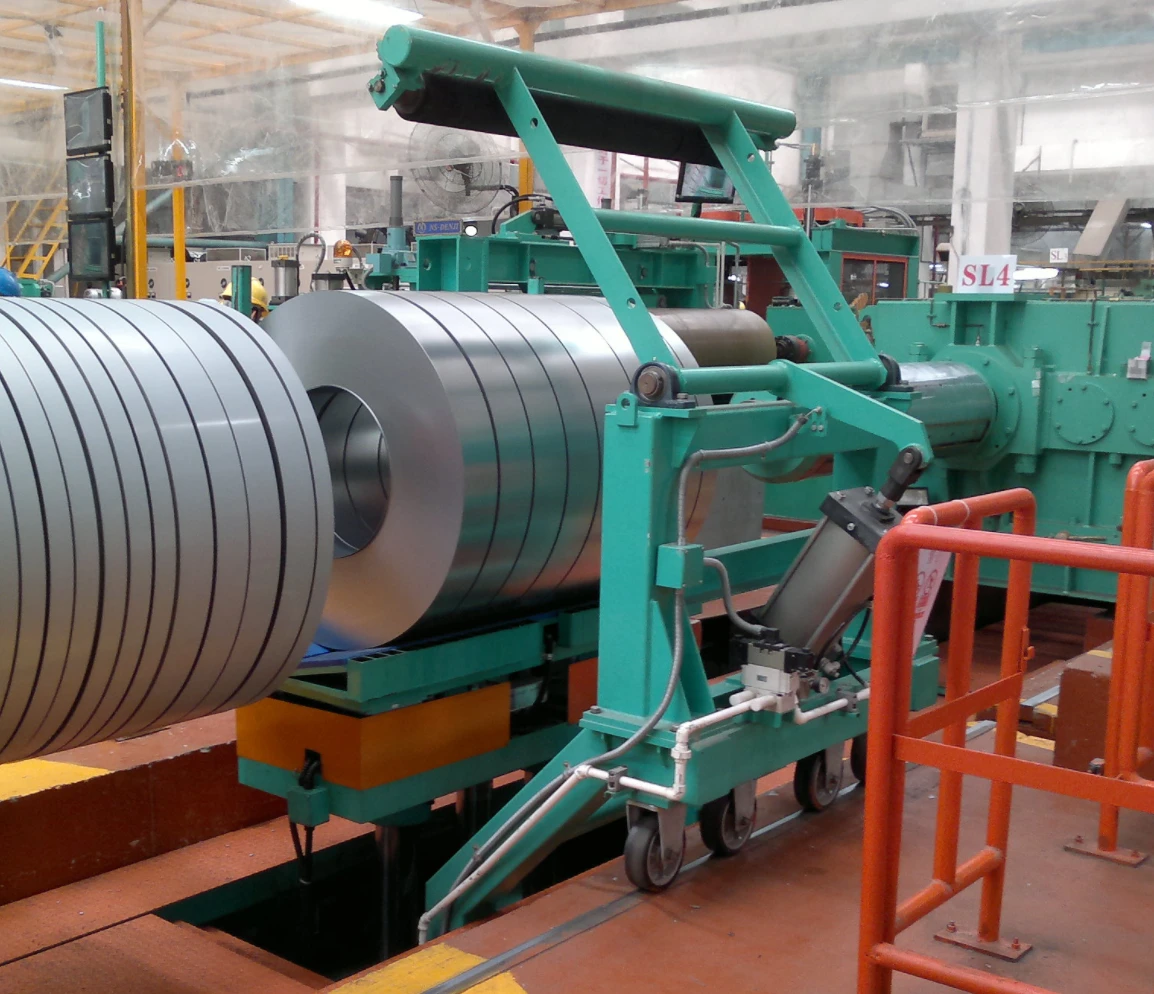
The image shows an aluminum coil production context. The same material can arrive with different surface condition, orientation, and release pattern, so it has to be classified into a product family before the line scope is fixed.
Separate Normal and Exceptional Cases
The line should be designed around the repeatable population. Rare extreme coils may follow a separate route, a slower recipe, or a manual fallback. If the team cannot say which coils are exceptional, it will tend to overbuild the line.
Record the evidence for each boundary: the frequency, the actual measured range, and the consequence of getting the boundary wrong.
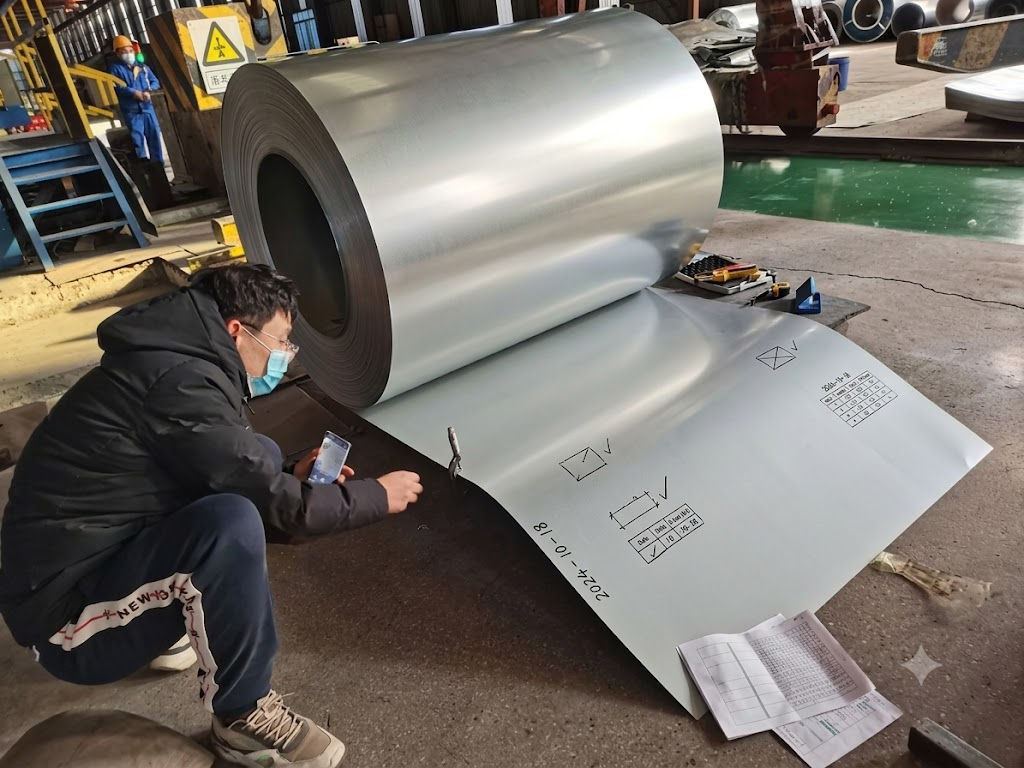
The image shows a steel coil being inspected. That inspection step is where normal, exceptional, rework, and hold conditions are separated before the coil enters the packing line.
Connect the Data to Each Station
The same dimensional data drives different decisions:
| Data field | Drives |
|---|---|
| Weight, outer diameter, width, orientation | Handling and transfer |
| Inner diameter, outer diameter, width | Wrapping station |
| Surface condition and package requirement | Strapping and edge protection |
| Weight, footprint, stability | Stacking and discharge |
| Identity fields and quality state | Labeling and data handoff |
When the data is not visible to every station, the line may work mechanically but fail the release decision.

The image shows the operating procedure of a steel coil wrapping machine at a specific site. The data fields used by each station are not theoretical; they must match how the line is actually operated and recovered at the site.
Validate with Representative Coils
Before freezing the scope of an automatic coil packing line, test or review the line with the widest, narrowest, heaviest, lightest, and most sensitive representative coils. Include changeover between product families and the route for a blocked or rejected coil.
The objective is not to confirm that the machine can hold a maximum. It is to confirm that the complete line can handle the combinations the factory actually produces.
Watch a vertical steel coil handling and packaging line in operation:

A Practical Next Step
Create a product-mix table with the fields above, mark the normal and exceptional families, and add the packaging rule for each family. That table is the single most useful input for a line design review.
Visual Details
Click to enlarge

Click to enlarge
Click to enlarge

Click to enlarge
Watch How It Works
Discover how our automated packaging solutions optimize your production line efficiency. This video demonstrates the seamless operation designed for maximum protection.
Trusted by Steel Mills & Industry Leaders
Global manufacturers rely on FHOPE heavy duty packaging equipment


Ready to optimize your packaging line?
Get a custom quote with ROI analysis. Our engineers respond within 24 hours.
- Free layout design
- Global installation support
- 2-year warranty included
Your information is secure and will never be shared.
Related Machines
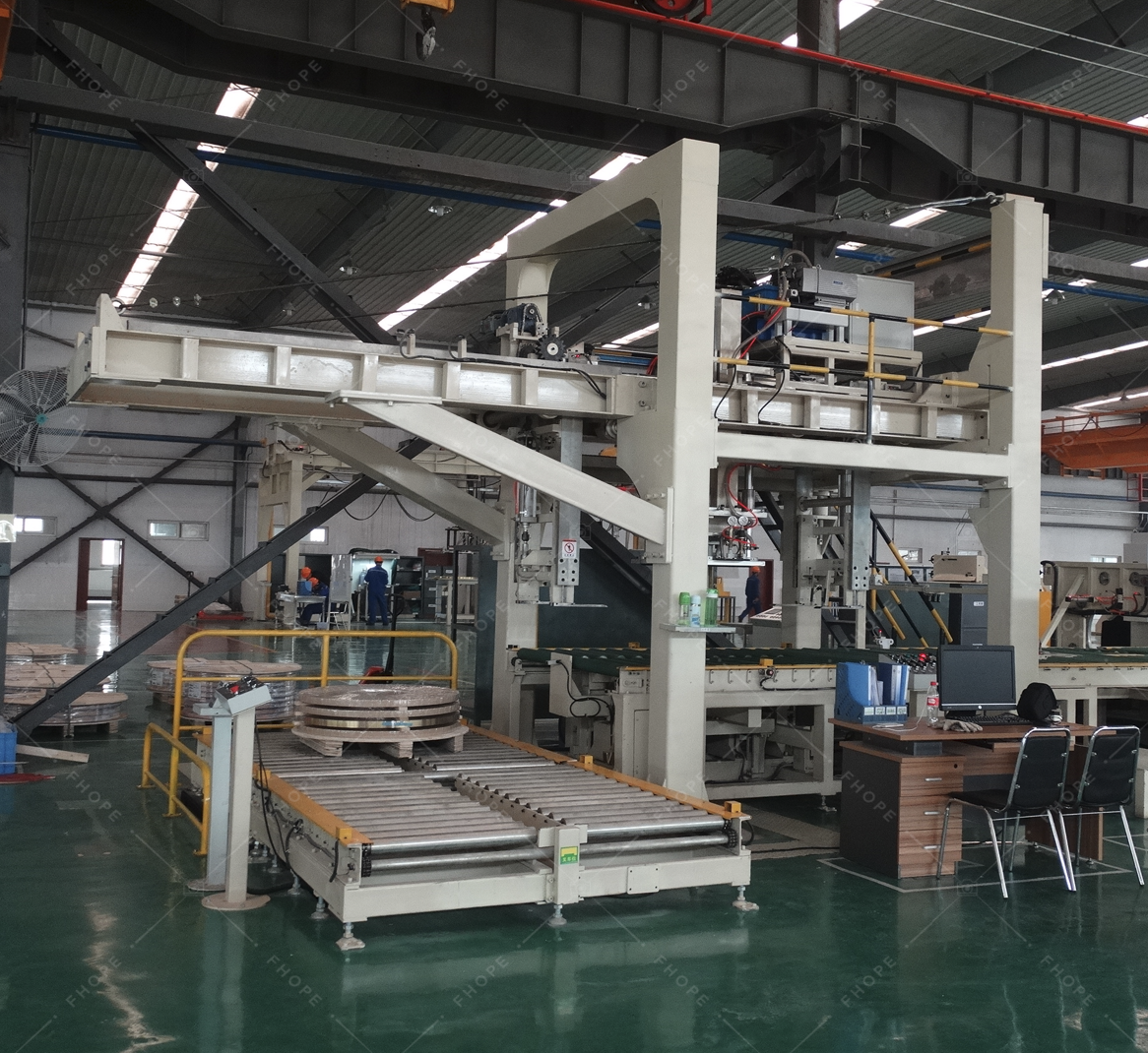
Steel Coil Packaging line
View Details →
Vertical coil packaging line
View Details →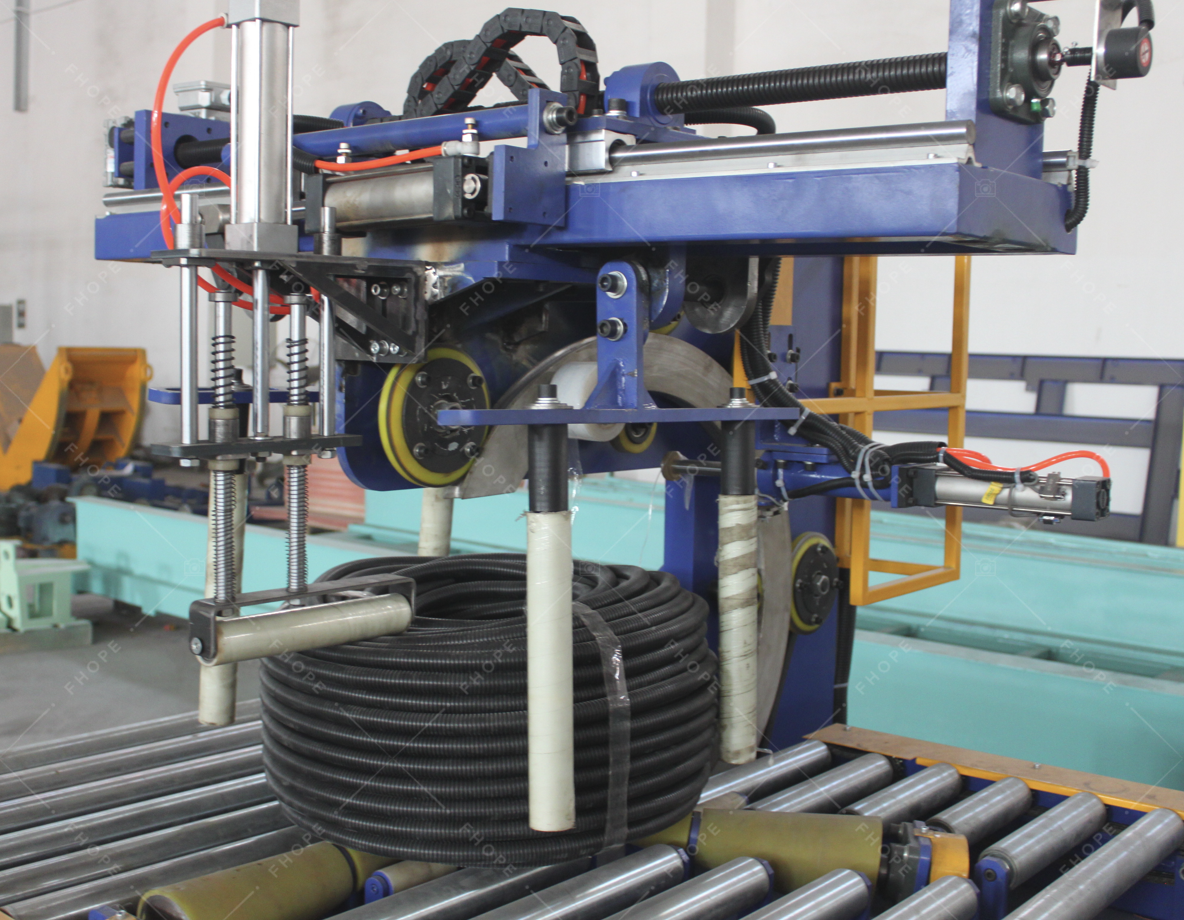
Hose Coil Packaging line
View Details →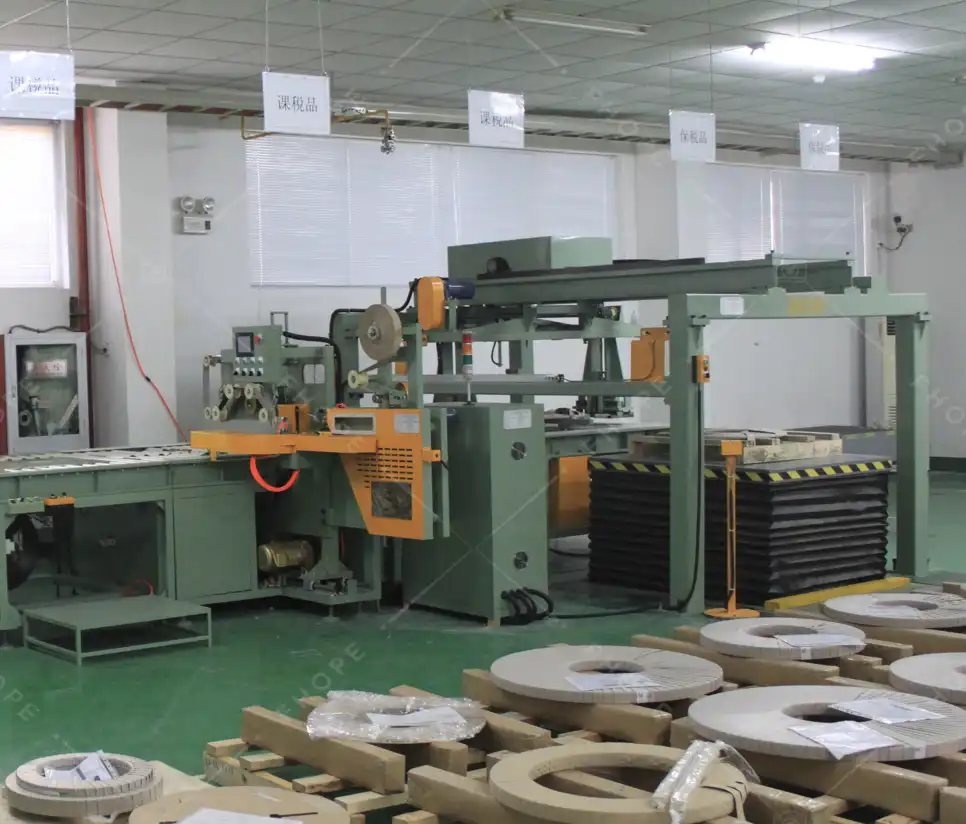
Copper Coil Packaging line
View Details →
Wire Coil Packaging line
View Details →
Panel Packaging line
View Details →
Pipe Bagging Machine
View Details →
Aluminum profile packing line
View Details →
FHOPE Automatic pipe tube bundling&strapping line
View Details →
Automatic pipe tube bundling & strapping line
View Details →
Automatic steel tube strapping machine
View Details →
FHOPE Automatic steel tube packing machine
View Details →
Automatic plastic Pipe strapping packing line
View Details →
Automatic PPR/PVC Pipe bagging line
View Details →
Platsic pipe bag packing machine
View Details →
Tyre Packing Machine FPT-200
View Details →
Tyre Packing Machine FPT-300
View Details →
Tyre Packing Machine FPT-400
View Details →
Cable Coil Packing Machine-FPCA100
View Details →