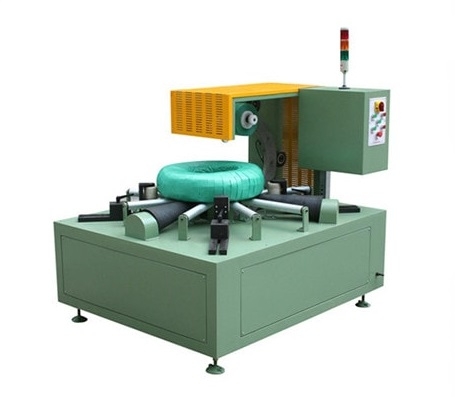
Manual to Automated Coil Packing: A Slit-Strip Line Example
A real case study is a scope with evidence, not a feature list. See how a manual slit-coil packing process became an automated line—product boundaries, stations, materials, and what must still pass FAT/SAT before any performance claim is made.
Case Study: From Manual Coil Packing to Automation
Case Study: From Manual Coil Packing to Automation
A credible case study is not a collection of machine features. It is a defined product scope, a packaging requirement, an implementation boundary, and the evidence that proves the line met that boundary. The example below is drawn from a steel coil packing line quotation for strip coils produced after slitting and shearing. It is an engineering scope, not a verified post-installation performance claim.
This example helps technical procurement, engineering, quality, and project teams compare a similar automatic coil packing line scope against their own product population.
Project Snapshot
The project scope is an automatic coil packing line for strip coils arriving from a slitting-and-shearing line. The line combines coil separation, orientation change, wrapping, strapping, stacking, weighing, and discharge through connected conveyors.
| Incoming product parameter | Project boundary |
|---|---|
| Coil outside diameter | 900–1,500 mm |
| Coil inside diameter | 508–610 mm |
| Individual slit-coil weight | 200–2,500 kg |
| Slit-coil width | 30–350 mm |
| Coil thickness | 0.3–3.2 mm |
| Maximum slit bunch | 12 |
| Maximum stack height | 1,200 mm |
| Incoming orientation | Eye to wall |
Those values describe the project boundary. They are not a promise that the line handles every steel coil outside that range.

The image shows the steel coil packaging line for slit strips at the line level. This is the connected flow that the product population, station scope, and acceptance boundary must be tested against.
Why the Scope Changed from Manual Handling
After slitting, the strip coils still need to be separated, down-ended, wrapped, strapped, and stacked. When those steps are manual, the repeated handling and the required records become difficult to control across a shift.
The automated scope replaces the most repetitive transfer and packaging sequence with connected stations while keeping the process testable through the defined coil population.
System Scope
The quoted line includes:
- A turnstile for storing and separating incoming strip coils.
- An automatic coil down-ender that changes the coil from eye-to-wall to eye-to-sky orientation.
- Buffering between stations.
- A coil wrapping machine using paper, HDPE, LDPE, or stretch film.
- Strapping for the individual coil or the completed stack.
- An automatic stacking machine.
- An out-feed conveyor with gross weighing.
- A control system.
Design, supply, installation, and commissioning are included in the vendor scope. The buyer still owns the site safety, operating procedure, and acceptance decision.

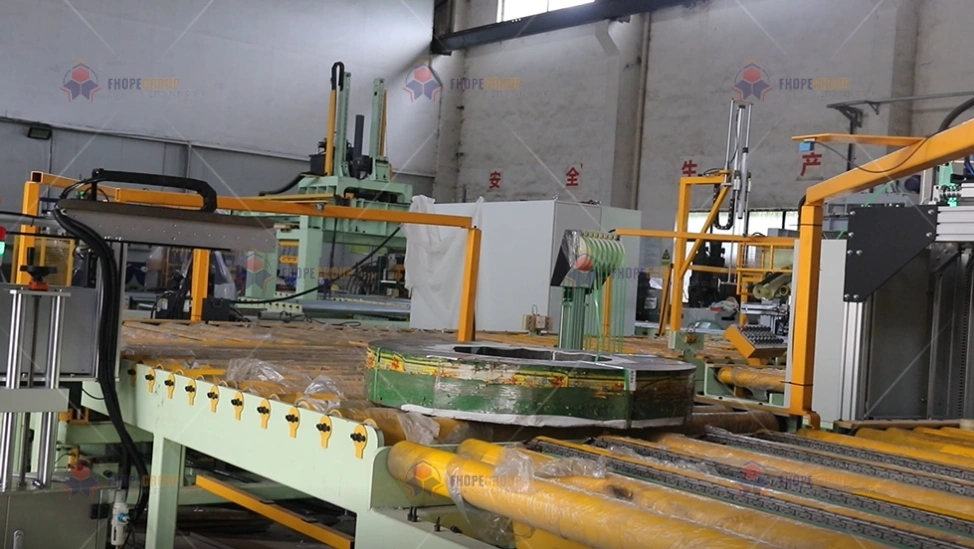
The image shows a station-level view of the same slit strip packing line. The case study must name each station in the scope so the reader can compare it with their own line boundary.
Packaging and Material Boundary
The wrapping material may combine paper, HDPE, LDPE, and stretch film, with material width between 100 mm and 200 mm. The selected combination must match the coil surface, the required protection, and the downstream storage or shipment route.
Strapping and stacking are part of the same package result. The line is not complete until the coil identity, package, label data, and discharge record travel together.

The image shows people around the slit strip packing line during setup or inspection. The material and package boundary is not only about film; it also includes the operator tasks and first-article checks that make the package repeatable.
Facility and Utility Boundary
The scope requires a three-phase power supply, compressed air, and no pit under the line. Those constraints matter because they affect layout, foundation, and installation. A case study should state them rather than hide them.

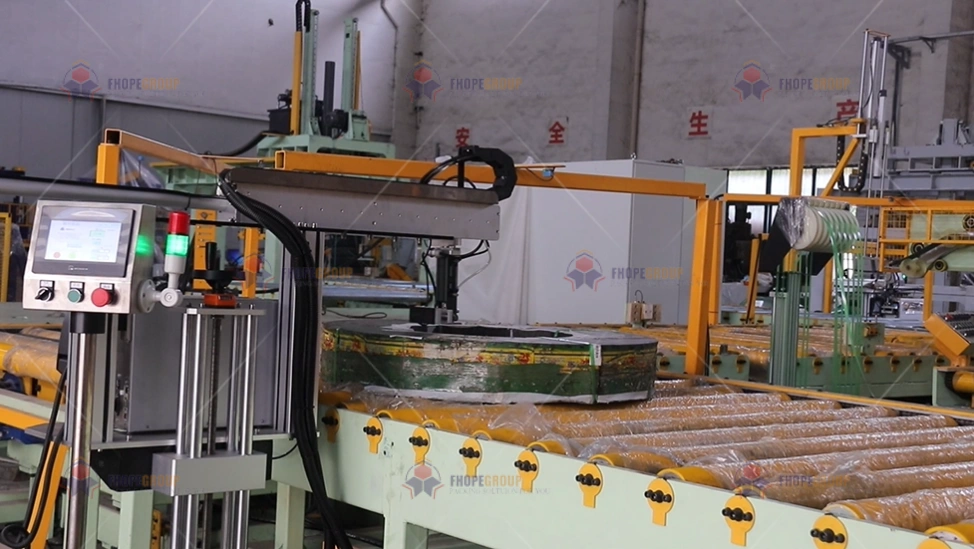
The image shows another station view of the slit strip packing line. Facility constraints, utility positions, and installation access belong in the same engineering scope as the equipment stations.
What Must Still Be Verified
The quotation is a starting point, not a completed case. Before publication, the project would need to demonstrate:
- Normal flow for representative coils.
- Minimum and maximum width, weight, and stack height cases.
- Changeover between product families.
- Material replenishment and first-article confirmation.
- Blocked or unidentified coils.
- Weighing and label data handoff.
- Guarding, interlocks, and lockout-tagout behavior.
- A defined recovery route.
Any cycle time, labor saving, or payback figure would require a measured baseline and post-installation results.
A Practical Next Step
Use the project snapshot as a checklist. Before treating a similar quotation as a case study, confirm the product population, material recipe, station scope, facility constraints, and acceptance evidence. Then turn the engineering scope into a verified project record.
Keep the same boundary visible for the automatic coil packing line comparison, and add FAT/SAT evidence before publishing it as a completed case.
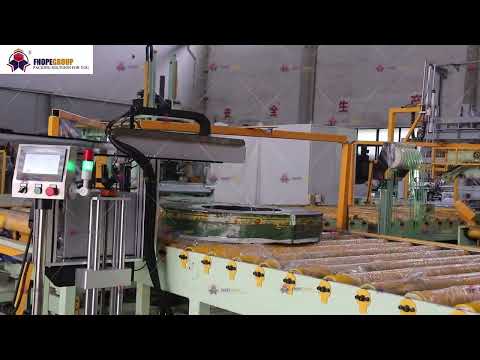
Watch an automatic slit strip coil packaging line with label printer and strapping line:
Visual Details

Click to enlarge
Click to enlarge
Click to enlarge

Click to enlarge
Watch How It Works
Discover how our automated packaging solutions optimize your production line efficiency. This video demonstrates the seamless operation designed for maximum protection.
Trusted by Steel Mills & Industry Leaders
Global manufacturers rely on FHOPE heavy duty packaging equipment


Ready to optimize your packaging line?
Get a custom quote with ROI analysis. Our engineers respond within 24 hours.
- Free layout design
- Global installation support
- 2-year warranty included
Your information is secure and will never be shared.
Related Machines
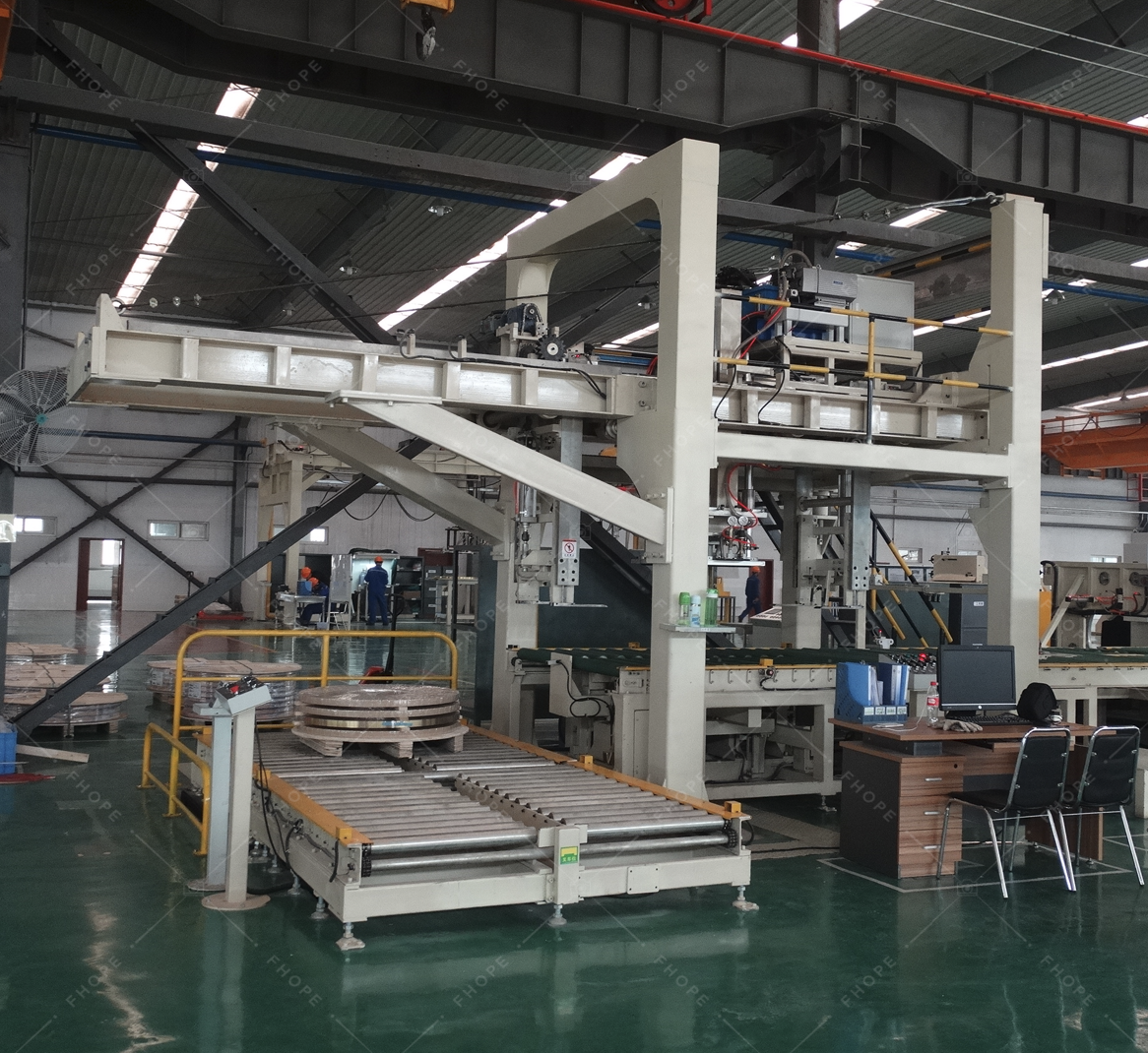
Steel Coil Packaging line
View Details →
Vertical coil packaging line
View Details →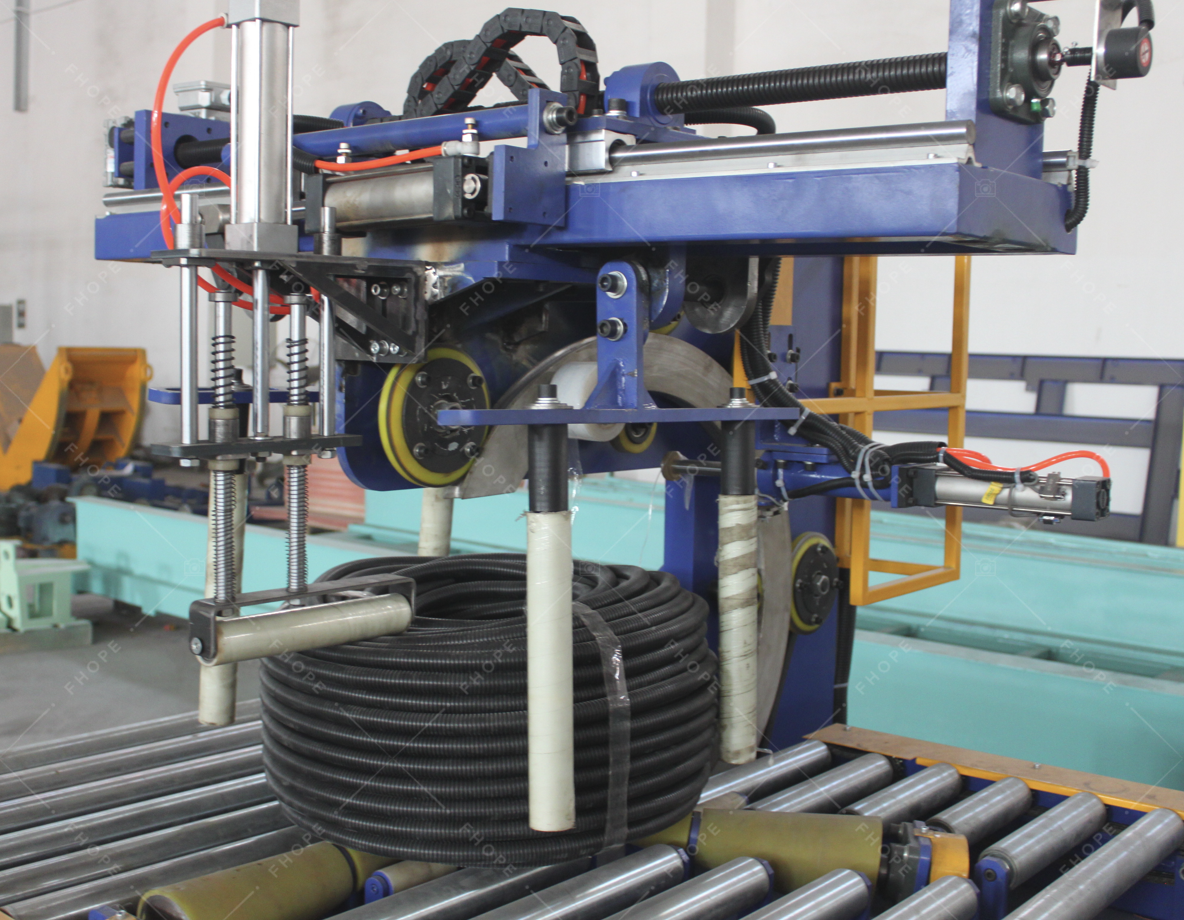
Hose Coil Packaging line
View Details →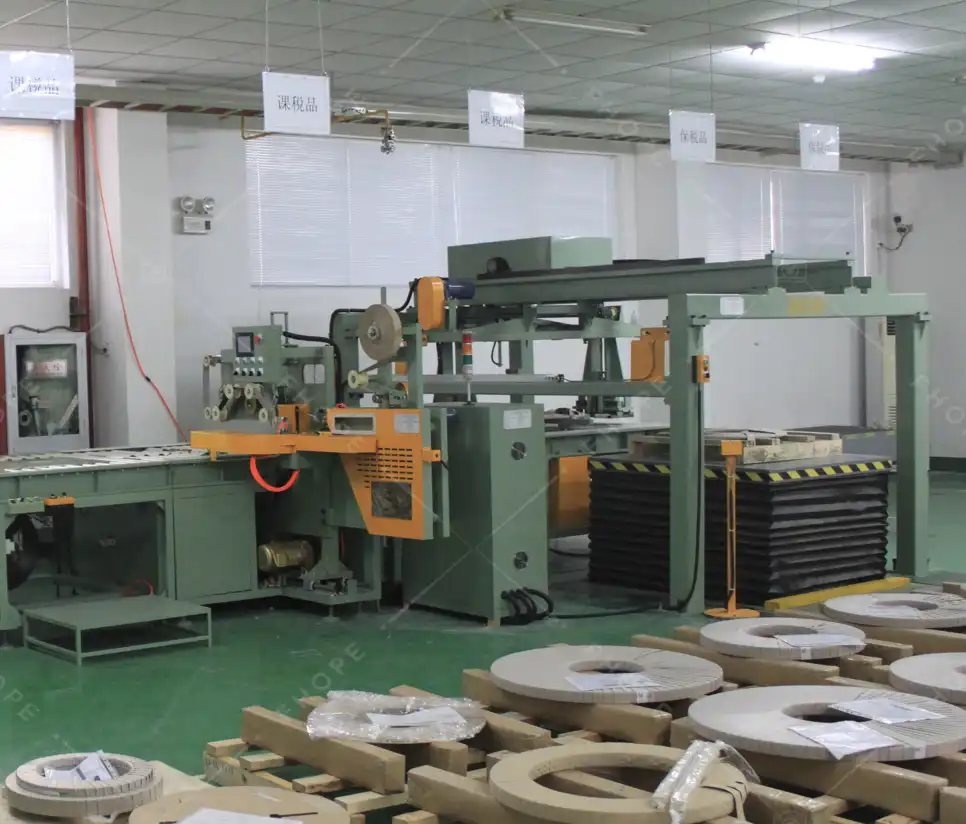
Copper Coil Packaging line
View Details →
Wire Coil Packaging line
View Details →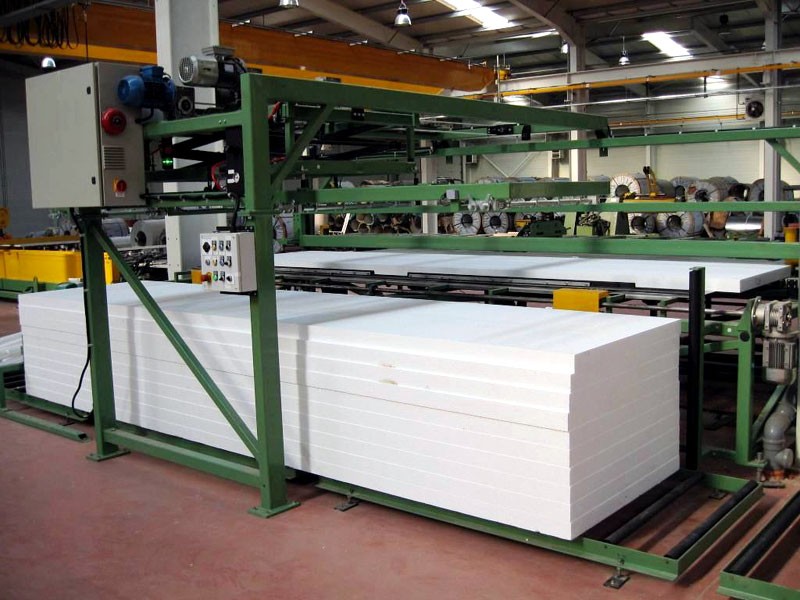
Panel Packaging line
View Details →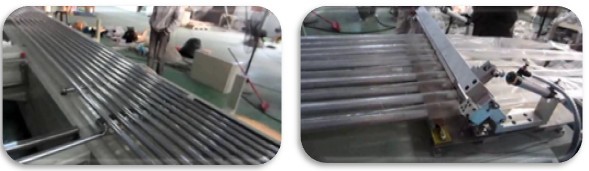
Pipe Bagging Machine
View Details →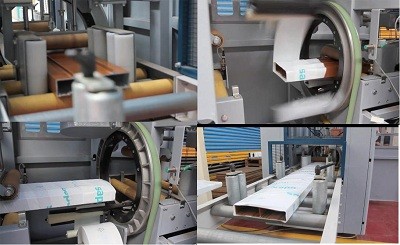
Aluminum profile packing line
View Details →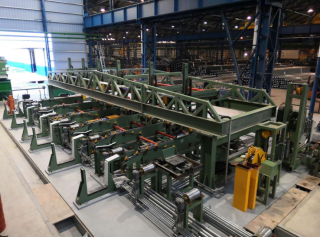
FHOPE Automatic pipe tube bundling&strapping line
View Details →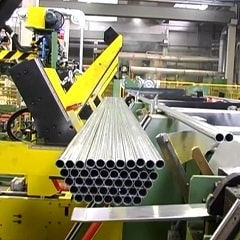
Automatic pipe tube bundling & strapping line
View Details →
Automatic steel tube strapping machine
View Details →
FHOPE Automatic steel tube packing machine
View Details →
Automatic plastic Pipe strapping packing line
View Details →
Automatic PPR/PVC Pipe bagging line
View Details →
Platsic pipe bag packing machine
View Details →
Tyre Packing Machine FPT-200
View Details →
Tyre Packing Machine FPT-300
View Details →
Tyre Packing Machine FPT-400
View Details →
Cable Coil Packing Machine-FPCA100
View Details →