Executive summary
A steel sheet pallet changing and upender takes a pallet loaded with flat steel sheets, holds it in a guarded frame, and transfers the sheet stack onto the alternate pallet as the frame pivots, then releases the emptied pallet for the next load. A forklift brings the loaded pallet to the infeed, the frame closes over it, and the cycle runs to change and upend the load. Pallet size, sheet weight and cycle time are confirmed per project.
Table of Contents
- Why pallet changing and upending
- What the machine does
- Pallet feed and hold
- Cycle and transfer layout
- What the footage shows
- Typical configuration
- Selection checklist
- Operation and safety
- Engineering FAQ
- Next step
- Related reading
- Sources and standards
Why pallet changing and upending
Flat steel sheets arrive on wooden pallets at the head of a line, and a sheet line needs the load presented the right way at each station. Changing the sheets onto a fresh pallet and upending the load keeps the sheet stack square and in the correct orientation for the next process.
Doing the change on a machine avoids breaking the stack by hand. Sheet size and stack weight are confirmed per project.
What the machine does
The machine is a pallet changing and upending unit for stacks of flat steel sheets. A forklift brings a loaded pallet to the infeed, the unit holds the pallet in a pivoting frame, and the cycle transfers the sheet stack and releases the emptied pallet for the next load.
The unit sits at the end of the sheet line with guarded access on both sides. Pallet size and the change pattern are confirmed per project.
Pallet feed and hold
The loaded pallet is brought to the infeed by forklift and pushed into the unit, where a pivoting frame closes over the stack to hold it. A support platform carries the pallet, and the operator can check and adjust the wooden framing around the sheets before the cycle runs.
The frame keeps the stack square while the load is moved. Sheet length and width are confirmed per project.
Cycle and transfer layout
The cycle starts with the loaded pallet inside the unit and the frame closed over the sheets. The frame pivots to transfer the sheet stack onto the alternate pallet, upends the load for the next process, and leaves the emptied pallet clear for removal.
The unit is laid out so a forklift can bring a full pallet in at one side and take the empty pallet away at the other. Upend angle and cycle time are confirmed per project.
What the footage shows
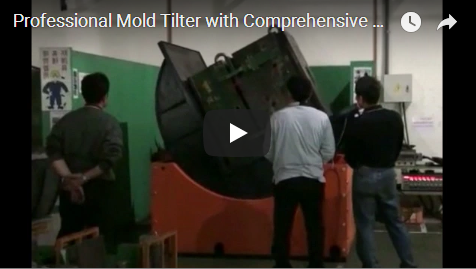
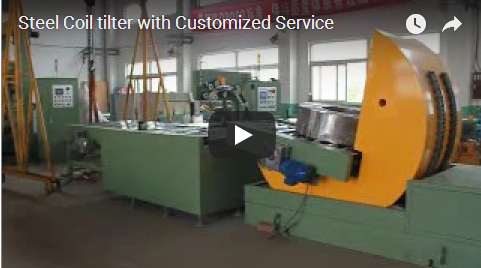
Our footage shows a forklift bringing a wooden pallet loaded with large flat steel sheets to the infeed of the unit, which has yellow mesh safety fencing on both sides. The pivoting frame closes over the stack, and an operator checks the load and places wooden framing on the pallet edge.
Later frames show the pivoting structure changing the sheets over and returning the empty pallet as the cycle resets. It is a general demonstration, so your sheet size, pallet type and cycle time are confirmed with us per project.
Typical configuration
Figures below list functional design boundaries rather than numeric values, and are confirmed per project.
| Parameter | Typical range, confirmed per project |
|---|---|
| Load | pallets of flat steel sheets brought in by forklift |
| Hold | pivoting frame closes over pallet and sheets |
| Change | sheets changed and upended as the frame pivots |
| Pallet return | empty pallet lifted clear for removal |
| Guarding | mesh safety fencing on both sides of the unit |
| Control | panel with cycle start and stop, per project |
| Mount | floor mounted at the end of the sheet line |
| Electrical supply | 380 V three phase 50 Hz, or 220 V single phase for light machines, selected per project |
Selection checklist
| Question | Confirm per project |
|---|---|
| Sheet range | sheet length, width, stack height |
| Pallet | pallet size and type |
| Change | upend angle, transfer pattern, cycle time |
| Feed | forklift access, infeed height |
| Site | floor space and clearance |
| Electrical supply | voltage, phase and frequency on site |
Operation and safety
Bring the loaded pallet to the infeed, start the cycle, and let the frame hold and change the load through the pivot. Keep clear of the pivoting frame and stay outside the safety fencing while the unit runs.
Routine checks cover the frame, the pivots and the pallet support, per the machine manual. Confirm the stack is square before each cycle.
Engineering FAQ
Q: What does this machine do? A: It holds a pallet of flat steel sheets, changes the sheets over as the frame pivots, and returns the empty pallet for the next load.
Q: How is the pallet brought in? A: A forklift brings the loaded pallet to the infeed, and the frame closes over the stack to hold it through the change.
Q: Does it upend the sheets? A: The footage shows the pivoting frame tilting the load, and the upend angle for your sheets is confirmed per project when you send the details.
Q: Can it handle heavy stacks? A: The frame and drive are sized for the machine range, and your sheet weight and stack height are confirmed per project.
Q: What does it suit? A: Steel sheet lines where full pallets need their loads changed and the empty pallets returned between processes.
Next step
- Email us at info@fhopepack.com with your sheet size and stack height.
- We send a pallet changing and upender proposal within 48 hours.
- We confirm the frame and transfer layout for your pallets.
Related reading
- Steel sheet pallet changing & upender
- Partial film wrapping and packing by orbital wrapper
- Pipe Coil Wrapping and Strapping: Solutions for Industry
- FHOPE packing machinery product lines
Sources and standards
- ISO 12100:2010 Safety of machinery, general principles for design and risk assessment
- EN 415-10:2014 Safety of packaging machines, general requirements
- EN ISO 13849-1:2023 Safety of machinery, safety-related parts of control systems
FHOPE steel sheet pallet changing and upender demonstration video. Reviewed as a general demonstration; sheet size, pallet type and cycle time confirmed per project.
Last reviewed: 2026-10-12