Executive summary
Tyres leave production by the wall, and packing them by hand puts the slower step at the end of a fast flow. This high speed tyre packing line wraps and packs tyres automatically, as an automatic tyre packing system that clears the flow. We build high speed tyre packing lines. Tyre range and packing plan are confirmed per project.
Table of Contents
- Why the tyre is a high volume load
- What the line does
- Wrapping the tyre
- The automatic packing system
- Clearing the flow
- Tyres packed as made
- Typical configuration
- What the video shows
- Selection checklist
- Operation and safety
- Engineering FAQ
- Next step
- Related reading
- Sources and standards
Why the tyre is a high volume load
Tyres come off casting in volumes that pile quickly, and each one needs wrapping before it can stack or ship. The tyres arrive faster than a crew can wrap by hand, so the step becomes the pile. An automatic line is what keeps the pace inside the packing step. The tyre range and its volume are confirmed per project.
What the line does
The line wraps and packs tyres automatically, taking each tyre through wrapping and packing in one flow. The line runs as an automatic tyre packing system, completing the step at the flow’s pace. Because the line handles the tyres end to end, the flow clears without a hand wrap. The covered flow is confirmed per project.
Wrapping the tyre
Each tyre is wrapped as it passes, with film applied around the ring to hold the tyre and protect it. Machine wrapping gives every tyre the same film hold, whatever the run. The wrap follows the tyre’s ring and size, confirmed per project.
The automatic packing system
The line operates as an automatic packing system, running wrapping, handling and packing without the hand that a crew would add. Automation is what lets the line match the tyre volume. The system takes the tyre from production and returns it packed. The automation plan is confirmed per project.
Clearing the flow
Clearing the flow is the line’s job: tyres that arrive wrapped are tyres that move on instead of stacking. With the packing step machine-run, the end of the line stays open. The line carries each tyre through to the pack. The flow pace is confirmed per project.
Tyres packed as made
What the line delivers is tyres packed as they are made, wrapped and ready in the order of production. Packed-as-made keeps the pallets matching the batch and the flow steady. The line closes the step before the tyres can pile. The packing standard is confirmed per project.
Typical configuration
Figures below list functional design boundaries rather than numeric values, and are confirmed per project.
| Parameter | Typical range, confirmed per project |
|---|---|
| Tyre | range |
| Wrap | film plan |
| Pack | system flow |
| Speed | high |
| Control | PLC |
| Electrical supply | 380 V three phase 50 Hz, or 220 V single phase for light machines, selected per project |
What the video shows
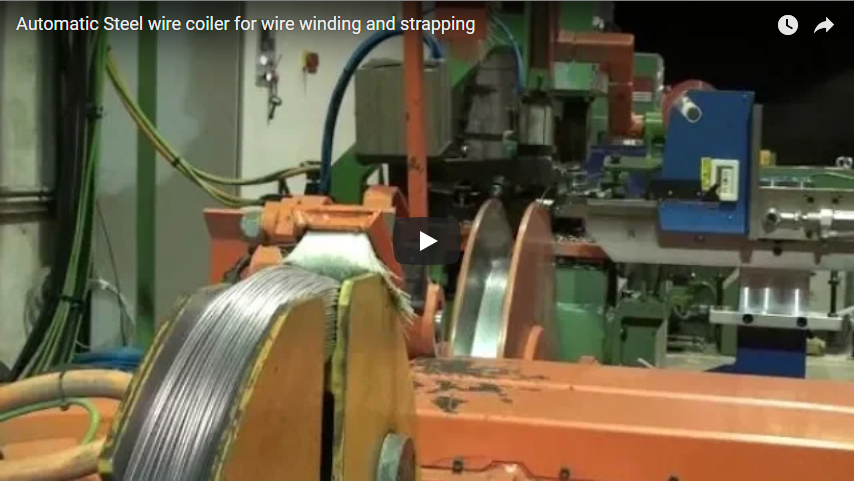
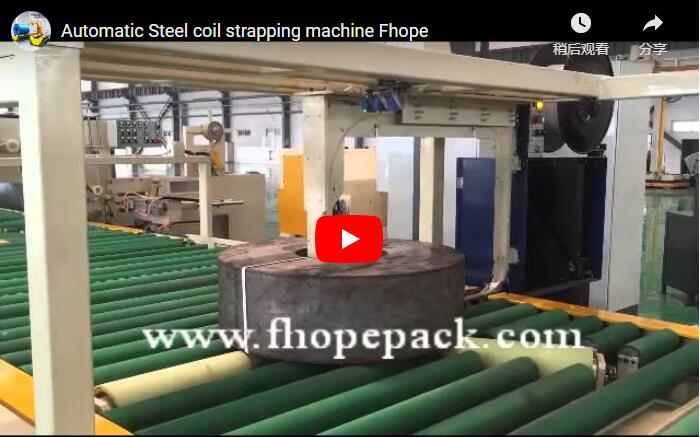
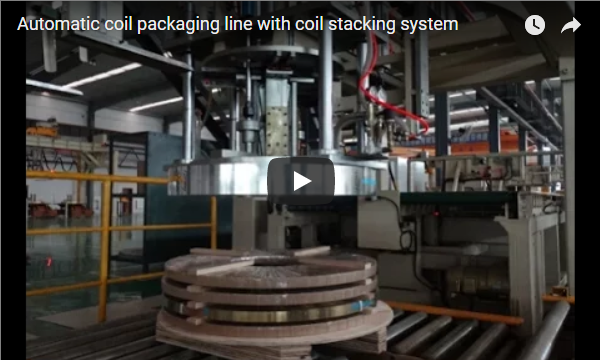
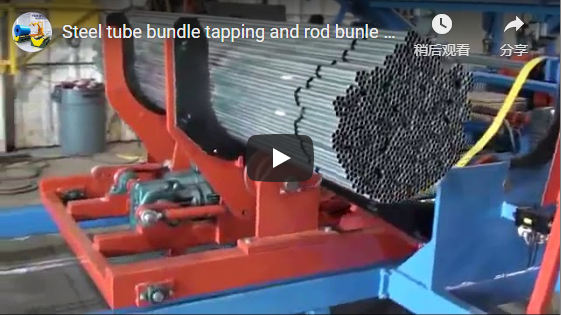
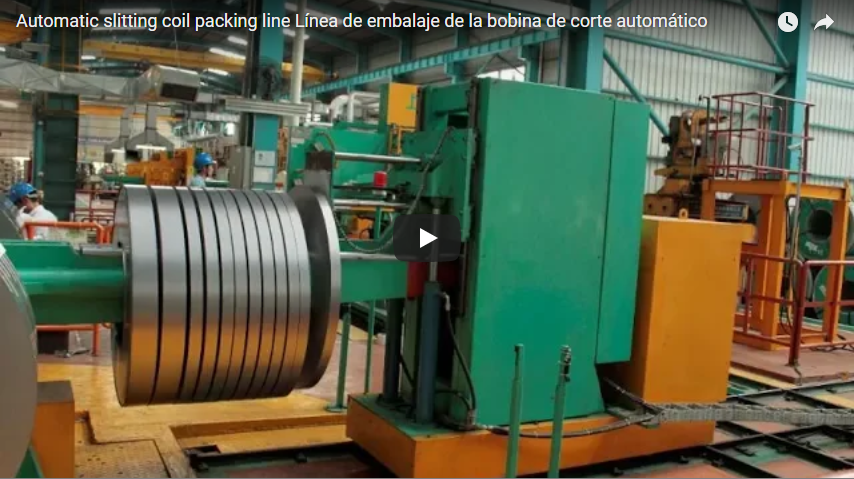
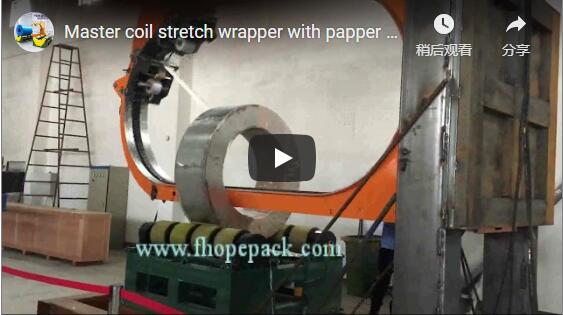
Our footage shows a high speed tyre packing line wrapping and packing tyres automatically. It is a general demonstration, so your tyre range and packing plan are confirmed with us per project.
Selection checklist
| Question | Confirm per project |
|---|---|
| Tyre | sizes |
| Wrap | film plan |
| Pack | system flow |
| Speed | flow pace |
| Control | PLC |
| Electrical supply | voltage, phase and frequency on site |
Operation and safety
Run the line from the panel and it wraps and packs each tyre automatically. Keep clear of the infeed, wrap unit, handling and outfeed while the line runs, with guarding and emergency stops at the operator position. Routine checks cover the wrap unit, conveyors, handling, sensors and control, per the machine manual. Confirm the wrap settings against the tyre before each run so tyres pack clean.
Engineering FAQ
Q: What does this line do? A: It wraps and packs tyres automatically as they come from production.
Q: Why is this step automated? A: Tyres pile faster than hand wrapping, and the line keeps the flow clear.
Q: How is each tyre wrapped? A: Film is applied around the ring as the tyre passes, with the same hold on every tyre.
Q: What does the automatic system cover? A: Wrapping, handling and packing run on the line without a hand step.
Q: What leaves the line? A: Tyres packed as made, wrapped and ready in production order.
Next step
- Email us at info@fhopepack.com with your tyre range and volumes.
- We send a tyre packing proposal and a layout drawing within 48 hours.
- We arrange a site survey to confirm tyre range and line pace.
Related reading
- How to do high speed tyre packing shrink wrapping
- High Speed Small Tyre Wrapping Machine
- Automatic tyre labeling machine high speed
- FHOPE packing machinery product lines
Sources and standards
- ISO 12100:2010 Safety of machinery, general principles for design and risk assessment
- EN 415-10:2014 Safety of packaging machines, general requirements
- EN ISO 13849-1:2023 Safety of machinery, safety-related parts of control systems
FHOPE high speed tyre packing line demonstration video. Reviewed as a general demonstration; tyre range confirmed per project.
Last reviewed: 2026-10-10