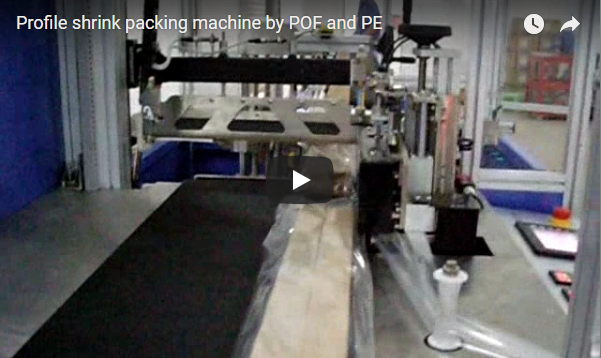
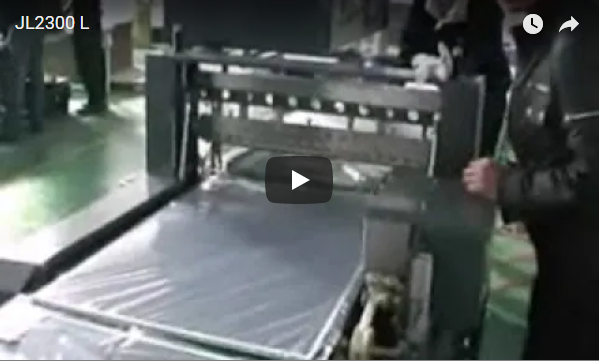
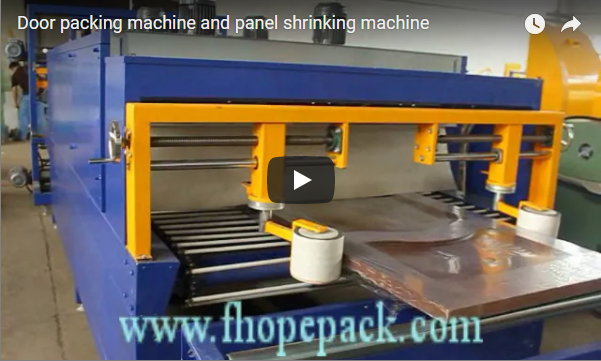
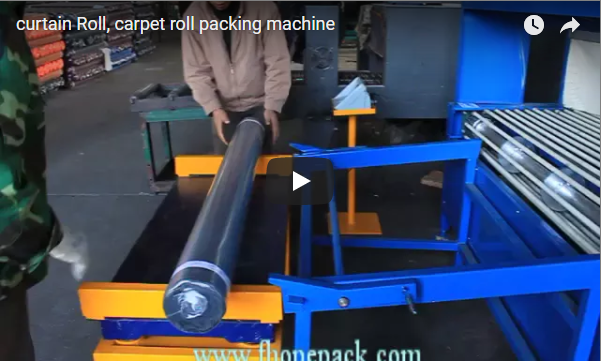
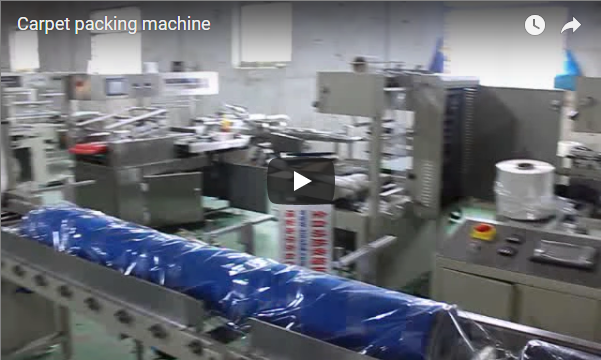
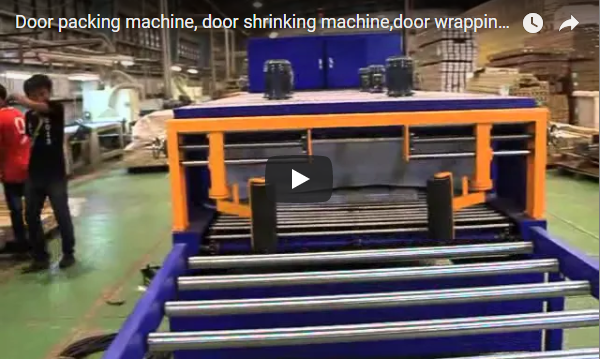
Executive summary An automatic panel sealing and shrinking machine wraps oversized flat panels in shrink film in a single pass. The panel rides on a powered conveyor while film covers the top and bottom surfaces, a sealing knife closes the tail, and the package passes through a shrink tunnel. A VFD regulates conveyor speed and a PID controller sets tunnel temperature. This guide covers the line, the components and the selection and safety points.
Table of Contents
- What automatic panel sealing and shrinking does
- How the line runs
- Products the line handles
- Key components
- Typical specification range
- Automation and control
- Machine selection checklist
- Operation and safety basics
- Maintenance essentials
- Engineering FAQ
- Next step
- Related reading
- Sources and standards
What automatic panel sealing and shrinking does
Large flat products are among the hardest items to package by hand. Sheets, boards, doors and panels are long, lie flat, and their finished faces scratch easily. A shrink film packaging line handles this in one pass: it feeds the panel through the machine, covers it with film, seals the edges and shrinks the film tight.
The machine is built as a straight-through line. The operator places the panel on the infeed conveyor or it arrives from the previous process, and the line wraps, seals and shrinks without further handling. The result is a tight, conforming film that protects the faces during storage, transit and handling, and shows the product clearly through a transparent film.
How the line runs
The cycle is a continuous sequence. The operator places a heavy panel on the motorized infeed conveyor, and the VFD drive moves it toward the wrapping station at a speed set via the control interface.
Film feeds from the top and bottom rolls, so the upper and lower surfaces are covered at the same moment the panel advances. Photo-eye sensors track the panel along the line. When the tail end passes the detection zone, the signal triggers the cutting and sealing step.
A heavy-duty sealing knife descends, cuts the film and fuses the trailing edge into a neat sealed perimeter. The wrapped panel then enters the shrink tunnel, where controlled hot air contracts the film against every face. It leaves the other end sealed, tight and ready for dispatch.
Products the line handles
The line is sized for flat, regular products whose width fits the conveyor. Typical loads include metal sheets and plates, anodized or painted panels, glass and acrylic sheets, wooden boards, and door and panel shrink packaging projects with long furniture or building components.
Because the film is applied over the faces and the panel stays flat, the same machine handles a range of lengths while the workable width follows the installed conveyor width. Very wide or very heavy formats are confirmed against the line configuration per project.
Key components
The line is built from an infeed conveyor, a film feed, a sealing station, a shrink tunnel and a control panel:
- Motorized Infeed and Outfeed Conveyors: Carries flat panels through the wrapping envelope smoothly via a variable frequency drive (VFD), maintaining synchronized linear speed without surface scuffing. Standard ergonomic working pass height is typically 850–900 mm [manufacturer rating].
- Dual-Roll Film Feed System: Houses top and bottom film rolls on low-friction unwind shafts, delivering synchronized continuous film webs to envelope both upper and lower panel surfaces simultaneously.
- Pneumatic Optical Tracking Station: Precision photo-eye sensors detect leading and trailing product edges, sending position coordinates to fire the cutting sequence accurately.
- Teflon-Coated Hot Sealing Knife: A heavy-duty pneumatic cross-seal assembly utilizing an alloyed sealing bar coated with anti-stick Teflon [manufacturer rating]. It executes simultaneous cutting and fusion welding while preventing polymer film burn-on.
- High-Convection Shrink Tunnel: Incorporates an insulated tunnel chamber with an electric heater bank (expandable up to 28 kW [manufacturer rating]) and forced-air circulation blowers to deliver uniform thermal shrinkage across broad surfaces.
- Centralized Operator Control Panel: Houses the programmable logic controller (PLC), digital process display, and precision temperature regulators for unified operation.
Typical specification range
The values below represent standard configurations in this equipment class; specific width envelopes, tunnel lengths, and maximum panel capacities are custom-engineered per project.
| Parameter | Standard Industrial Range | Engineering Notes |
|---|---|---|
| Conveyor drive | Motorized VFD system | Step-less speed adjustment |
| Conveyor speed range | 2–12 m/min, fully adjustable | Up to 15 m/min on high-throughput setups [manufacturer rating] |
| Film feed configuration | Upper and lower dual-roll unwind | Synchronized top and bottom web deployment |
| Film compatibility | Single-layer PE and POF shrink films | Matched to structural puncture and clarity needs |
| Operating line width capacity | Standard configurations, custom to 2500+ mm | Sized to maximum flat product diagonal profile |
| Sealing mechanism | Automatic pneumatic hot-knife system | Anti-stick Teflon-coated heated bar [manufacturer rating] |
| Sealing knife cross width | 1100 mm typical [manufacturer rating] | Sized across the conveyor transverse width |
| Sealing opening height | Up to 300 mm [manufacturer rating] | Accommodates single sheets or stacked board packs |
| Required operating pneumatic supply | 0.5 MPa (5 bar) clean dry air [manufacturer rating] | Drives smooth pneumatic knife travel and clamping |
| Tunnel temperature regulation | Digital PID controller, 0–250°C | Solid-state relay control for steady air zones |
| Heating bank power rating | Sealer 2.5 kW, tunnel up to 28 kW [manufacturer rating] | Scaled according to product mass and line speed |
| Machine working line height | 850–900 mm [manufacturer rating] | Integrates directly with upstream/downstream lines |
| Control architecture | PLC + touch screen interface option | Synchronous handshake integration with plant lines |
For higher throughput, the tunnel can be extended and a high-speed sealing knife fitted. The decision is driven by the required line speed and the panel length, weight and dwell time in the tunnel, and is confirmed per project.
Automation and control
Automation comes from the VFD conveyor, the sensor-triggered sealing step and the controlled shrink tunnel. The operator loads and unloads, while film covering, sealing and shrinking run without intervention, driven by the product position on the line.
Conveyor speed is regulated from the control interface, and the shrink temperature is held by a digital PID controller (such as an Omron temperature regulation module [manufacturer rating]) so the film contracts consistently at a set tunnel temperature. The primary control system uses an industrial Siemens touch screen and PLC hardware architecture [manufacturer rating] to monitor cycle states and coordinate pneumatic cutting timing.
The line can be synchronized with an existing production line, so a panel moving out of the previous process feeds straight into the wrapping station. For a fully automatic flow, the controls can receive the incoming panel signal and start the cycle automatically. The automatic profile and panel bagging and shrinking line follows the same principle.
Machine selection checklist
Work through these points before you ask for a quote, and we confirm the rest against your operation per project.
For foam or insulated cores, the EPS panel sealing and shrinking process pairs with the right film grade, which sets the look and the protection.
PE shrink film is economical and tough for metal and wooden panels, while POF film is clear and gives a retail-ready finish for furniture and glass products. Film gauge and width are matched to the panel size, and the shrink temperature is matched to the film gauge: cold film forms bubbles, while over-hot air distorts thin products.
| Item | What to confirm per project |
|---|---|
| Panel format | Length, width, thickness and weight |
| Material | Metal, glass, acrylic, wood or painted surfaces |
| Film | PE or POF, gauge and width |
| Throughput | Panels per hour or per day |
| Feed | Manual load or conveyor from the previous line |
| Automation | Standalone or synchronized with the production line |
| Site | Available power supply, floor span and ducting |
Operation and safety basics
Start with load placement. Center the panel on the infeed conveyor so it travels straight through the wrapping and sealing stations; an off-center panel can skew the film and strain the sensors. Keep the workable width inside the conveyor width so the film covers both faces fully.
The shrink tunnel operates hot. Give the tunnel heating bank time to reach the set temperature, and keep the operator and nearby materials clear of the infeed and outfeed areas while the line runs. The hot sealing bar and circulating hot air represent the primary thermal zones requiring mechanical interlocks. Unload the finished panel only after it has fully cleared the tunnel chamber, and follow the machine manual for strict Lockout/Tagout (LOTO) procedures before maintenance or film replenishment.
Maintenance essentials
Run the daily checks before the first shift. Inspect the film path from both rolls, remove film residue from the sealing knife, and confirm the conveyor and sensors respond as the panel passes.
Keep the heater bank and tunnel fans clean, and check the temperature display against the set value while the line is hot. Keep the sealing knife area free of stuck film and confirm the pneumatic system holds pressure. Grease the conveyor chain or belt per the manual, and verify the line stops cleanly via the emergency stop before any adjustment.
Engineering FAQ
Q: Which products can this line shrink-wrap? A: Flat panels and sheets: metal plates, glass and acrylic sheets, wooden boards and door leafs within the conveyor width. Heavy or very wide formats are confirmed per project.
Q: How does the line apply film to both faces at once? A: Film unwinds from the upper and lower rolls at the same time as the panel advances, covering both faces in one pass. Roll tension sets the lay of the film, and the trailing edge is closed by the sealing knife.
Q: What film can I run? A: PE and POF shrink film in multiple gauges. POF gives a clearer retail finish, and PE is economic for industrial panels; gauge is confirmed against the product.
Q: How is the shrink temperature set? A: On the digital PID controller, typically matched to the installed film gauge and ambient conditions; the 0–250°C range covers standard shrink films.
Q: Can the line connect to my production line? A: Yes, the line can be synchronized with an existing production line, and the controls can accept an incoming panel signal for automatic cycle start.
Next step
- Email us at info@fhopepack.com with your panel size, weight and throughput.
- We send a layout drawing and a film recommendation within 48 hours.
- We arrange a site survey to confirm the line, floor span and utilities before installation.
Related reading
- Wooden board door plate shrinking packaging machine
- Automatic horizontal orbital wrapping machine: full coverage, one pass
- Horizontal stretch wrapping with paper on automatic lines
- Upgrading older packing lines for faster throughput
- FHOPE packaging machinery product lines
Sources and standards
- ISO 12100:2010 — Safety of machinery. General principles for design, risk assessment and risk reduction
- EN 415-10:2014 — Safety of packaging machines. General requirements
- EN ISO 13849-1:2023 — Safety of machinery. Safety-related parts of control systems
- MO-900 Box Side Sealer and Shrink Wrapping Line Technical Specifications
- SK Series Sleeve Sealing and Shrink Tunnel Machine Standards
- FHOPE automatic panel sealing and shrinking machine demonstration video, YouTube.
Last reviewed: 2026-10-29
Last updated: 2026-10-29