Executive summary
Automatic pallet strapping is about more than the strap: the machine has to read the pallet, feed and tension correctly, and integrate with the line that surrounds it. This guide walks through the operation, the benefits and the integration considerations of automatic pallet strappers, so the right machine is sized for PP or PET strap, arch clearance and line runtime. We build automatic pallet strappers for end-of-line packaging. Pallet range and strap plan are confirmed per project.
Table of Contents
- What automatic pallet strapping achieves
- How the strapping process runs
- Reading the pallet with sensors
- Strap arch and material feed
- Consistent tension and seals
- Integrating with the line
- Typical configuration
- What the video shows
- Selection checklist
- Operation and safety
- Engineering FAQ
- Next step
- Related reading
- Sources and standards
What automatic pallet strapping achieves
An automatic pallet strapper secures palletized loads by applying, tensioning, sealing and cutting straps around each pallet automatically, holding the load stable through transit and handling.
The gain over manual strapping is consistency and pace: the same tension and seal on every pallet, run after run. Strapping also improves end-of-line flow, because the machine keeps pace with the conveyor instead of waiting on a strapping team. It fits logistics and manufacturing environments wherever pallets are built to move.
How the strapping process runs
The core operation is a sequence of steps repeated per strap position. The pallet arrives at the station, the machine feeds a strap length around the load, tensions it to a set level, seals and cuts it, then moves to the next strap position.
The process runs without the operator touching the load, which is what makes the output repeatable. Working through the sequence on the real pallet range is how the machine is set up, and the strap positions are confirmed per project.
Reading the pallet with sensors
Sensors determine whether a pallet is present and correctly positioned before a strap cycle fires. That detection prevents half-applied straps and double-feeds on a busy line, and it lets the machine run unattended while the operator supervises at the panel. Sensor placement follows the conveyor and the pallet styles the line actually runs. Detection points are confirmed per project so the machine only straps a pallet that is ready.
Strap arch and material feed
The strap is fed through an arch that surrounds the pallet, carrying the strap around the load from one side to the other. Arch size and feed path have to clear the widest pallet and the tallest load the line passes through, confirmed per project.
Clean feed matters because a strap that twists or catches in the arch makes a weak seam and an unreliable hold. The feed system is matched to the strap width and reel so the strap runs true at every cycle.
Consistent tension and seals
The tensioner pulls the strap to a pre-set force, holding the load together without damaging it, and the seal joins the strap ends into a closed loop. Consistent tension and a solid seal are the two things that make a strapped pallet trustworthy, and both repeat identically on an automatic machine where a hand strapper varies by operator. Tension and seal settings are reviewed on the load, confirmed per project, so stability is there when it matters.
Integrating with the line
A pallet strapper is a station in a flow, not a machine in a corner, so integration is part of the specification. The conveyor interface, the cycle timing, the pallet height tolerance and the controls all have to match the surrounding line. Integration done well is the machine closing at a gap in the flow, and integration done poorly is a bottleneck that never clears. The integration points are confirmed per project on the actual line.
Typical configuration
Figures below list functional design boundaries rather than numeric values, and are confirmed per project.
| Parameter | Typical range, confirmed per project |
|---|---|
| Pallet | width, height, load |
| Strap | PP or PET |
| Arch | pallet clearance |
| Cycle | single or line-paced |
| Line | conveyor interface |
| Electrical supply | 380 V three phase 50 Hz, or 220 V single phase for light machines, selected per project |
What the video shows
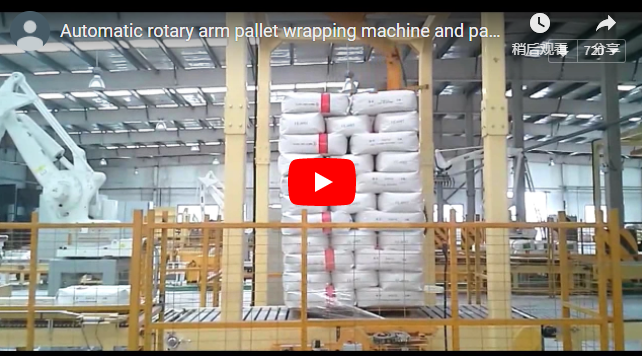
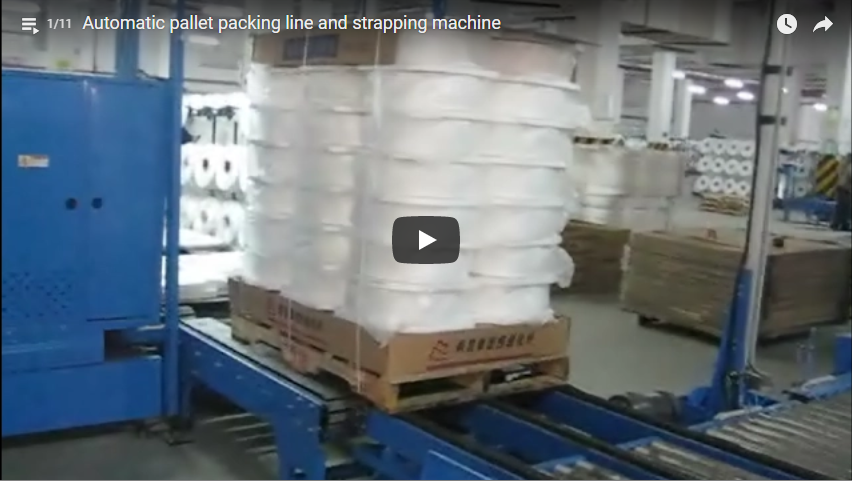
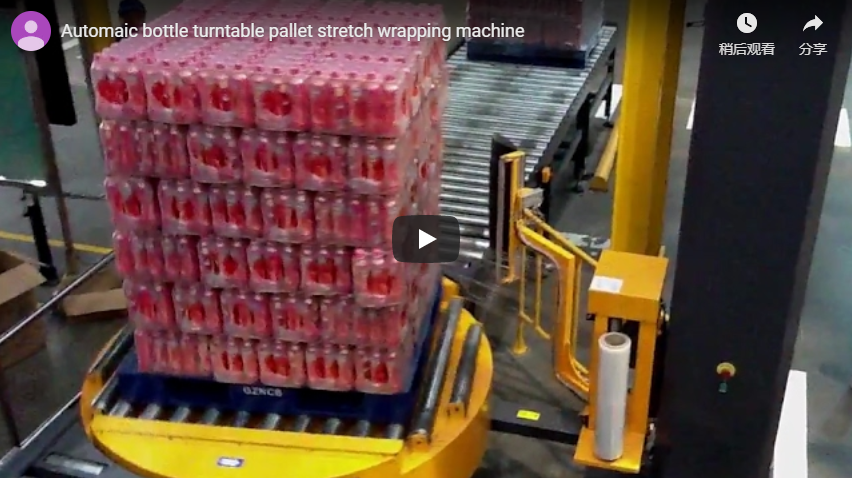
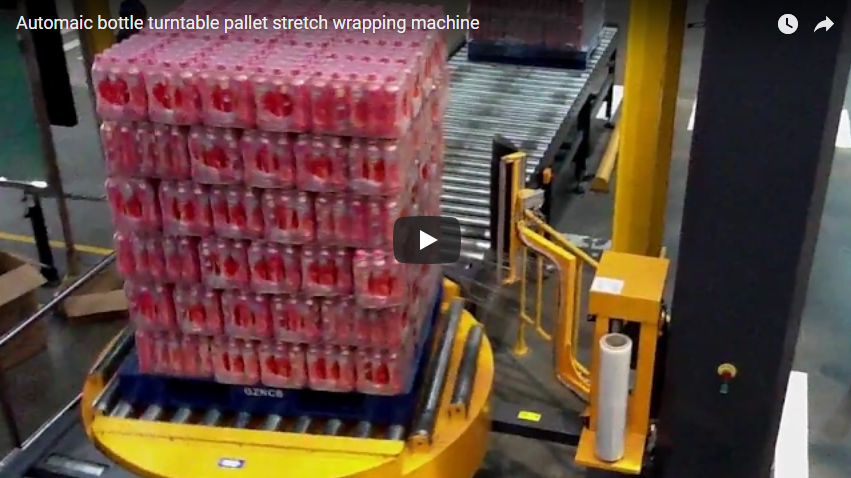
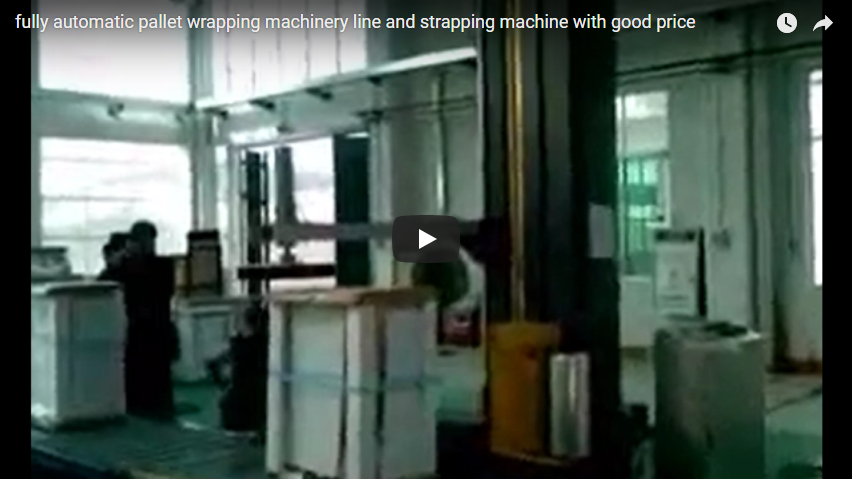
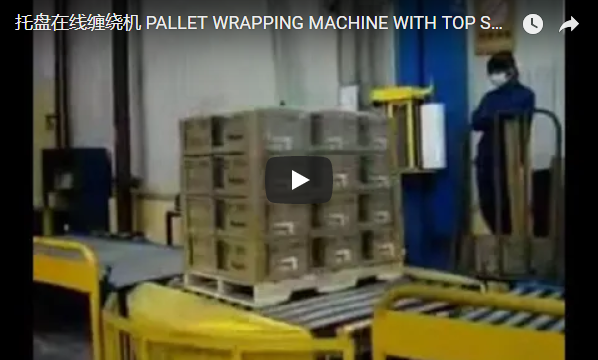
Our footage shows an automatic pallet strapping machine running on palletized loads. It is a general demonstration, so your pallet range and strap plan are confirmed with us per project.
Selection checklist
| Question | Confirm per project |
|---|---|
| Pallet range | width, height, load |
| Strap material | PP or PET |
| Arch | pallet clearance |
| Cycle | line pace |
| Line interface | conveyor match |
| Electrical supply | voltage, phase and frequency on site |
Operation and safety
Supervise the machine from the panel as the line feeds pallets in and the machine straps each one in sequence. Keep clear of the arch, strap path and sealing head while the machine runs, with guarding and emergency stops at the operator position. Routine checks cover the arch feed, tensioner, seal unit, sensors and conveyor interface, per the machine manual. Check the strap reel before each shift so the machine never stops mid-load.
Engineering FAQ
Q: What does an automatic pallet strapper replace? A: It replaces manual and semi-automatic strapping with consistent, line-paced strapping of pallets.
Q: What is the strap arch? A: The arch carries the strap around the pallet without turning the load, feeding the strap from side to side.
Q: How is a strap sealed? A: The strap ends are joined into a closed loop at the sealing station, per strap material.
Q: When is PET used over PP? A: PET is chosen for higher break strength and hold; PP for economy and elasticity, per project.
Q: Does it run unattended? A: Sensors verify pallet position so the machine cycles automatically under operator supervision.
Next step
- Email us at info@fhopepack.com with your pallet range, straps and volumes.
- We send a pallet strapper proposal and a layout drawing within 48 hours.
- We arrange a site survey to confirm pallet range and line integration.
Related reading
- Automatic pallet strapping and packaging machine
- Automatic pallet wrapping machine: complete guide
- Automatic palletizer and turntable stretch wrapper
- FHOPE packing machinery product lines
Sources and standards
- ISO 12100:2010 Safety of machinery, general principles for design and risk assessment
- EN 415-10:2014 Safety of packaging machines, general requirements
- EN ISO 13849-1:2023 Safety of machinery, safety-related parts of control systems
FHOPE automatic pallet strapping machine demonstration video. Reviewed as a general demonstration; pallet range confirmed per project.
Last reviewed: 2026-10-10