Executive summary
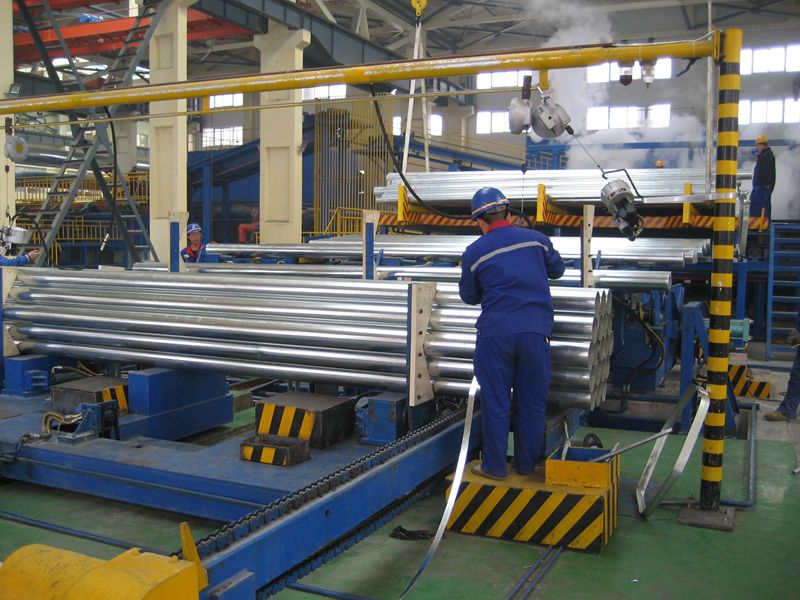
A steel rod bundle making and tying machine holds black ribbed rebar horizontally in a fixture and ties the bundle with moving arms while a long thin rod is fed into the machine. This page covers what the demo clip supports, the sizing data to send, and what this clip does not demonstrate.
Table of Contents
- What this machine does
- Frame and tying head
- Tie and cycle
- What the demo footage supports
- Sizing and configuration
- Operation and safety
- Engineering FAQ
- Next step: RFQ checklist
- Related reading
- Sources and standards
What this machine does
Loose rebar needs to be formed into a tied bundle before it can be lifted, stored or shipped. This machine class holds the rods horizontally in a fixture and ties the bundle automatically, so the operator only loads rods and removes the finished bundle.
Use this page to decide whether an automatic rod tying machine fits your rebar flow, and to see which data FHOPE asks for to size one.
Frame and tying head
The machine has a rotating wheel with a motor, a control panel with a yellow cover, a conveyor-like guide system, and a yellow safety warning label with a Chinese-character notice and a prohibited-action symbol.
Rod diameter range and tying rate are set in the sizing step.
Tie and cycle
The cycle starts with the rods in the fixture: the machine’s yellow arms move along the steel bars in a repetitive clamping action. A long thin metal rod is fed into the machine as the tie is formed.
The arms travel along the bundle held in the guide system, indicating a repetitive tying or clamping process. Tie spacing and wire specification are confirmed with your rods in the sizing step.
What the demo footage supports
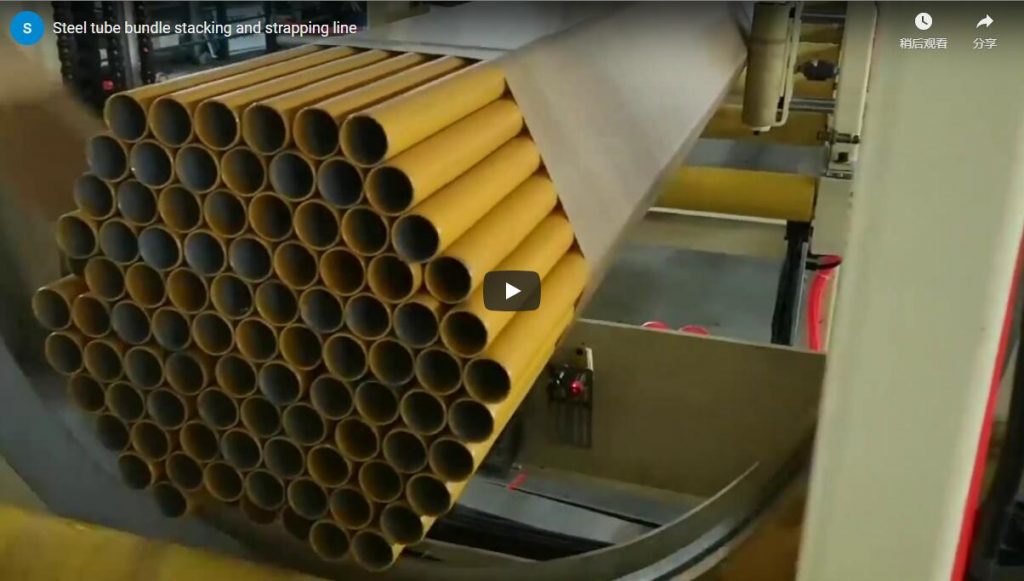
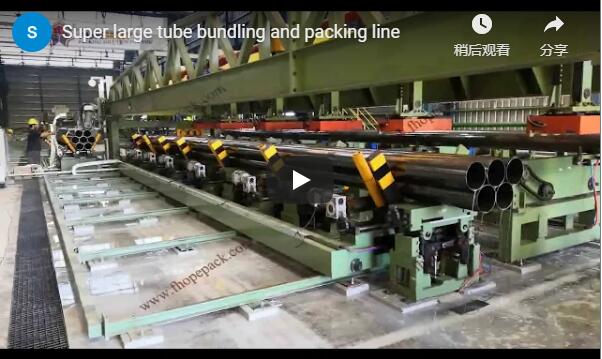
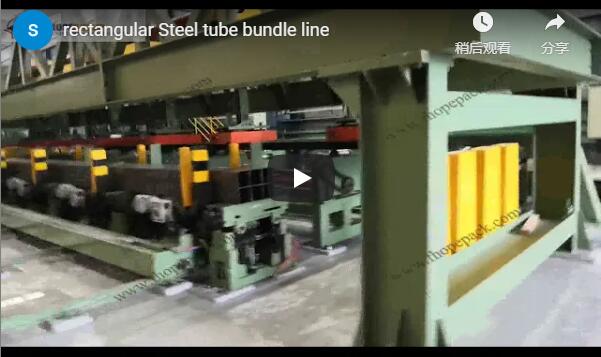
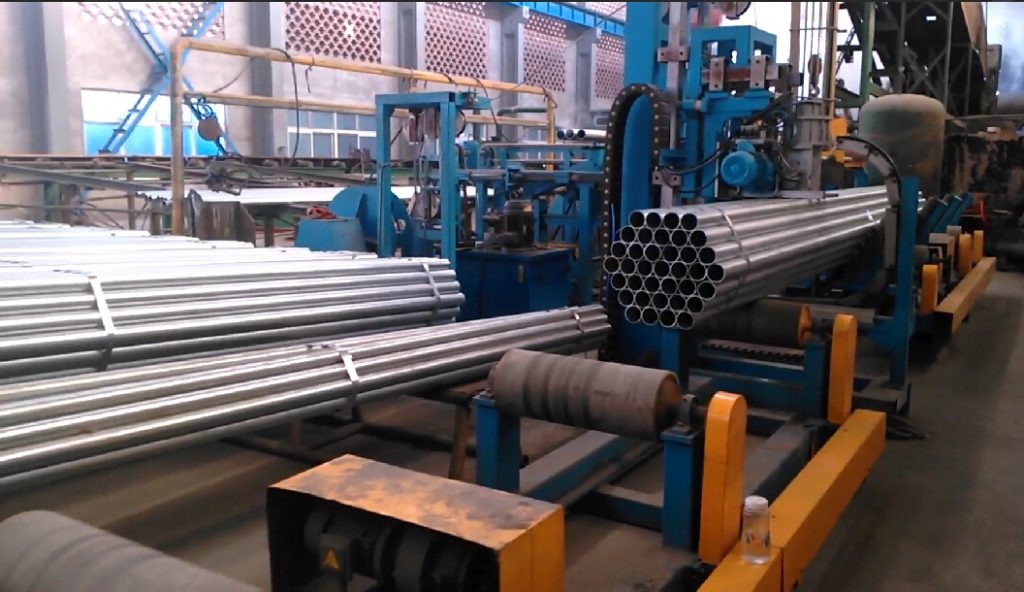
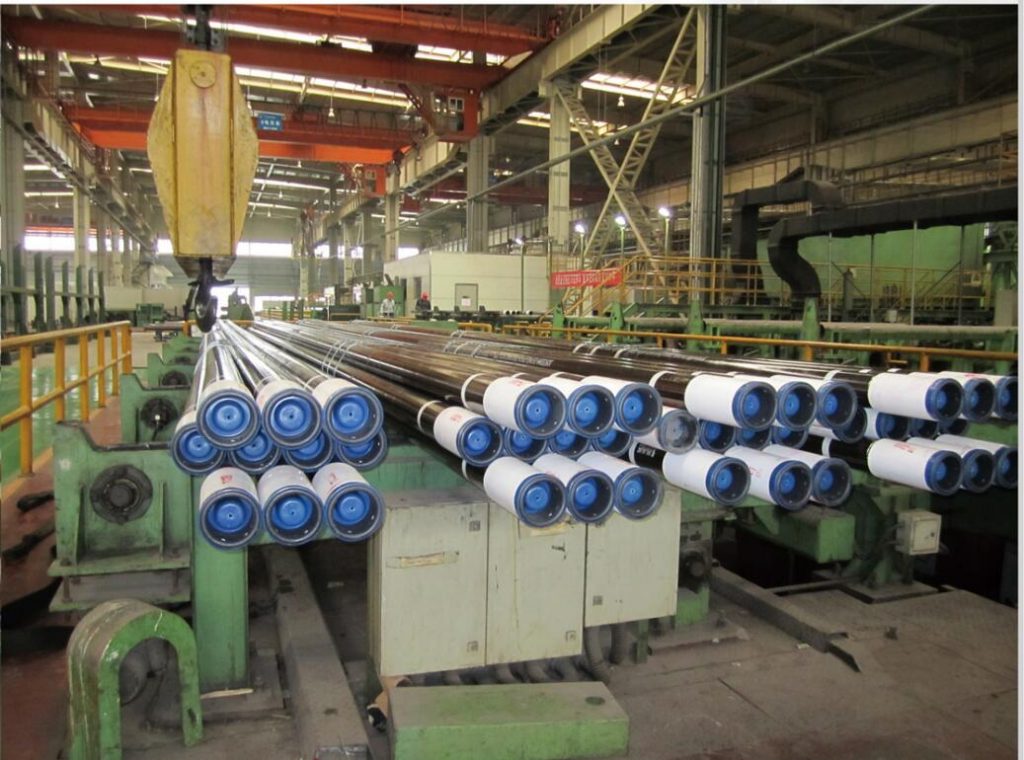
The clip shows bundles of black ribbed metal rods (rebar) held in the fixture and processed by the moving arms, with additional bundles stacked on the floor beside the machine.
It is a general demonstration. It does not show rated rod diameter and bundle weight range, cycle time, or wire and strap specification, and it does not demonstrate a separate cutting or stacking stage. Those points are confirmed in the enquiry, not assumed.
Sizing and configuration
This machine is sized from your rod range and site, not from a fixed rating plate. Confirm the following with FHOPE in the enquiry:
| Data to confirm | What it determines |
|---|---|
| Rod diameter and bundle weight range (mm, kg) | Fixture, arm and tying head sizing |
| Wire or strap specification | Consumable stock and tension settings |
| Bundles per shift | Line sizing and cycle time |
| How rods are loaded and bundles removed | Loading equipment and layout |
| Electrical supply (voltage, phase, frequency) | Drive and control build. House-typical 380 V three-phase 50 Hz, 220 V single-phase option, confirmed on site |
Every row is confirmed to your site conditions before the build.
Operation and safety
Load the rods into the fixture, start the cycle, and let the machine tie the bundle automatically. Take the finished bundle from the outfeed when the ties are complete.
Keep clear of the moving arms and the tying head while the machine runs, and check the arm path and the wire feed per the machine manual. Stop the machine and isolate the power supply before clearing a jam or reaching near the arms, and apply lock-out per the site procedure before any service work. The machine carries a yellow safety warning label with a prohibited-action symbol.
Engineering FAQ
Q: What does this rod bundle tying machine do? A: It holds black ribbed rebar horizontally in a fixture and ties the bundle automatically with moving arms.
Q: How does the tying head move? A: The yellow arms move along the steel bars in a repetitive clamping action while a long thin rod is fed into the machine.
Q: What safety marking does it carry? A: A yellow warning label with a Chinese-character notice and a prohibited-action symbol.
Q: Can cutting or stacking be added? A: Yes, both are options to confirm with the builder; the demonstrated cycle covers tying only.
Q: What electric supply does it need? A: The house-typical build is 380 V three-phase 50 Hz; light machines can be arranged at 220 V single phase. Confirm the site supply in the enquiry.
Next step: RFQ checklist
- Email info@fhopepack.com with your rod diameter and bundle weight range.
- State whether cutting or a separate stacking stage is required.
- Submit your layout drawing of the rod infeed and bundle outfeed area.
- Receive a proposal with tie spacing, wire grade and cycle time within 48 hours, and book a site survey if you want the fixture layout checked before the build.
Related reading
- FHOPE packing machinery product lines
- Buyer’s Guide: Integrating Stretch Wrapping and Downender Stacking for Heavy Steel Coils
- Automatic Steel Coil Strapping Machine for Slit Steel Coils
- Master Steel Coil Stretch Wrapper with Paper
Sources and standards
- ISO 12100:2010 Safety of machinery, general principles for design and risk assessment
- EN 415-10:2014 Safety of packaging machines, general requirements
The standards that apply depend on the destination market. For CE markets, ISO 12100 sets the machinery risk-assessment method and EN 415-10 covers packaging machine safety.
Demonstration footage (video 3AvRdAJ_rXk) reviewed as a general machine demo; rated outputs are not shown in the clip and are therefore not quoted. Last reviewed: 2026-10-18.