Executive summary
A hydraulic hose is only trusted if its wrapper holds, and hand wrapping leaves the hose’s protection to the strength of the crew. This hydraulic rubber hose packing machine wraps industrial hoses automatically, applying the film around the coiled or straight hose on the machine. We build hydraulic rubber hose packing machines. Hose range and film plan are confirmed per project.
Table of Contents
- Why the hydraulic hose needs a held wrap
- What the machine does
- Wrapping the industrial hose
- Tension that protects
- In the hose workshop
- A hose that arrives protected
- Typical configuration
- What the video shows
- Selection checklist
- Operation and safety
- Engineering FAQ
- Next step
- Related reading
- Sources and standards
Why the hydraulic hose needs a held wrap
Hydraulic hose carries pressure in service, and before service it carries the risk of the warehouse: abrasion, of the cover. A hose shipped unwrapped or loosely wrapped can arrive with a scored cover. Machine wrapping is what holds the cover protected all the way. The hose range and its covers are confirmed per project.
What the machine does
The machine wraps hydraulic rubber hose automatically, applying film around the hose on the wrap station at a set tension. The hose is wound or straightened on the machine and the film lays the protection down. Because the machine controls the wrap, the cover is protected evenly. The covered cycle is confirmed per project.
Wrapping the industrial hose
The hose passes the wrap station, where film is applied around its length or its coil under machine control. Industrial hoses are long and heavy, so machine wrapping carries the film without the hand. The wrap follows the hose’s run, confirmed per project.
Tension that protects
The machine sets the film tension so the wrap protects the cover without crushing the hose. Tension that protects is the balance the machine holds through the run, even around fittings and bends. The tension follows the hose and film, confirmed per project.
In the hose workshop
The machine fits the hose workshop, wrapping production hose or reels as they come off assembly. Running in the workshop puts the protection on before the hose reaches the shelf. The hose flows from assembly into its wrap. The workshop layout is confirmed per project.
A hose that arrives protected
What leaves the machine is a hose that arrives protected, its cover preserved through handling, storage and shipping. A protected hose is what the fitting and the install expect. The machine closes the wrap at that standard. The wrap standard is confirmed per project.
Typical configuration
Figures below list functional design boundaries rather than numeric values, and are confirmed per project.
| Parameter | Typical range, confirmed per project |
|---|---|
| Hose | hydraulic range |
| Wrap | passes plan |
| Tension | set |
| Station | wrap |
| Flow | workshop |
| Electrical supply | 380 V three phase 50 Hz, or 220 V single phase for light machines, selected per project |
What the video shows
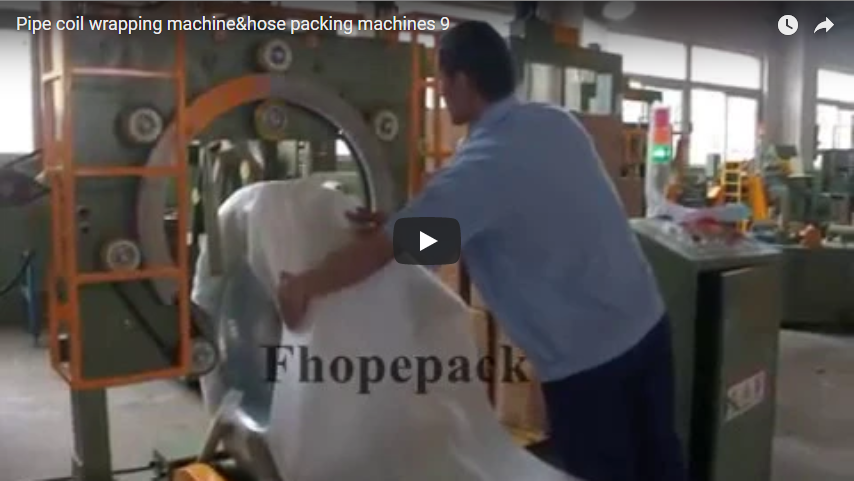
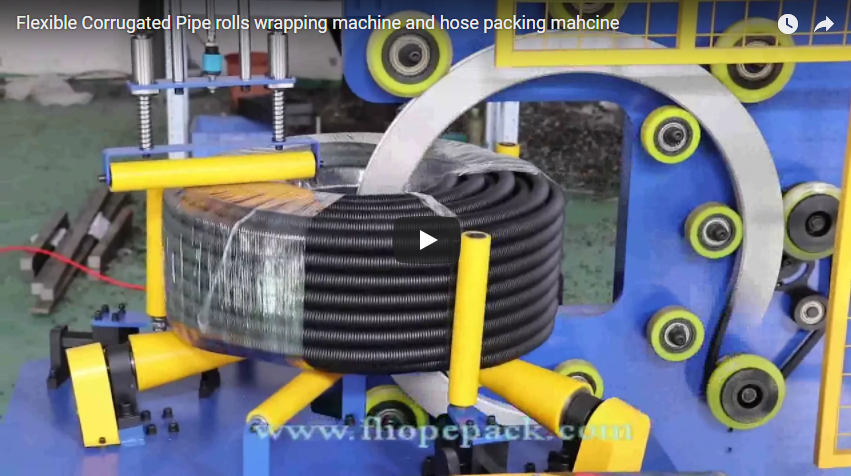
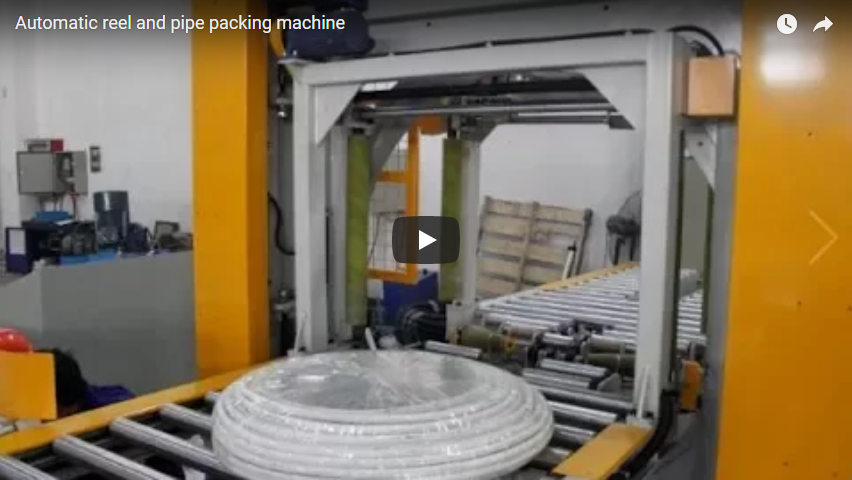
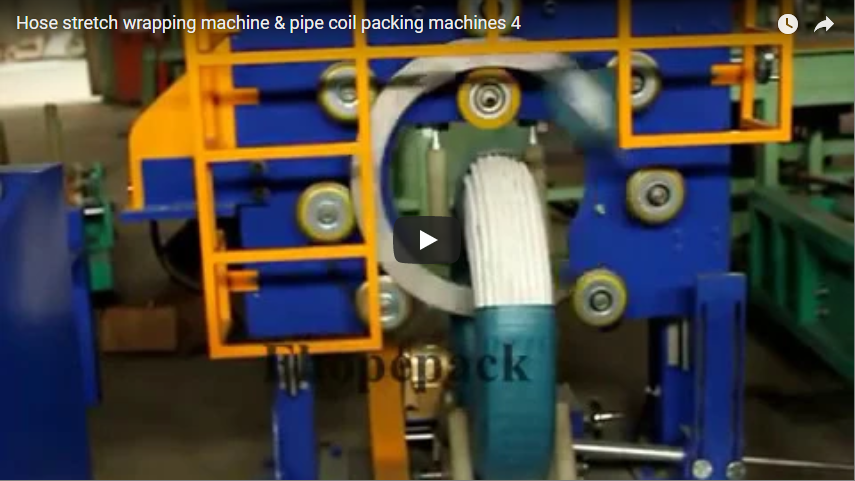
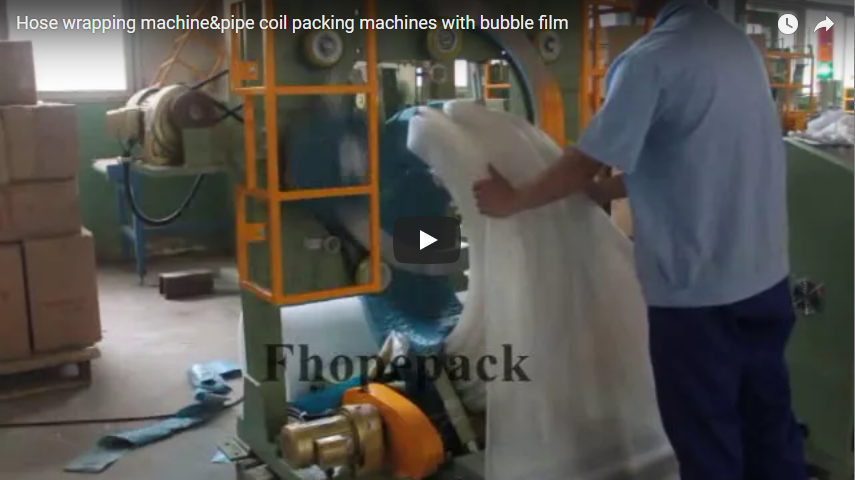
Our footage shows a hydraulic rubber hose packing machine wrapping industrial hoses. It is a general demonstration, so your hose range and film plan are confirmed with us per project.
Selection checklist
| Question | Confirm per project |
|---|---|
| Hose | diameters |
| Wrap | passes plan |
| Tension | set |
| Station | wrap fit |
| Flow | workshop |
| Electrical supply | voltage, phase and frequency on site |
Operation and safety
Run the cycle from the panel and the machine wraps each hose automatically. Keep clear of the wrap station, film path, hose and outfeed while the machine runs, with guarding and emergency stops at the operator position. Routine checks cover the wrap drive, film carriage, tension, sensors and control, per the machine manual. Confirm the wrap settings against the hose before each run so covers stay protected.
Engineering FAQ
Q: Why wrap hydraulic hoses on machine? A: The cover is at risk of abrasion, and machine wrap protects it evenly.
Q: What does the machine do? A: It applies film around the hose at a set tension on the wrap station.
Q: What balance does the tension hold? A: Protection without crushing, even around fittings and bends.
Q: Where does it run? A: In the hose workshop, wrapping hoses as they come off assembly.
Q: What does the hose arrive as? A: Protected, its cover preserved through handling to install.
Next step
- Email us at info@fhopepack.com with your hose range and volumes.
- We send a hose packing proposal and a layout drawing within 48 hours.
- We arrange a site survey to confirm hose range and workshop layout.
Related reading
- Horizontal hose coil wrapping machine
- Hose coil wrapping machine by film
- Hydraulic rubber hose packing machine
- FHOPE packing machinery product lines
Sources and standards
- ISO 12100:2010 Safety of machinery, general principles for design and risk assessment
- EN 415-10:2014 Safety of packaging machines, general requirements
- EN ISO 13849-1:2023 Safety of machinery, safety-related parts of control systems
FHOPE hydraulic rubber hose packing machine demonstration video. Reviewed as a general demonstration; hose range confirmed per project.
Last reviewed: 2026-10-10